
Lesson 1
Project objective
Growing plants without soil
Design and principle of hydroponic gardening
Teacher’s guide
– For the practical part of the project, the students work in groups of 4-5 people.
– Before starting the practical part, familiarise and provide the students with all the necessary materials.
– At the beginning of the lesson explain the PBL (project based learning) rubrics to the students. Skills 4K (critical thinking, collaboration, creativity, presentation).
Safety in Steam lessons
Before we begin the lesson, teachers are advised to familiarise themselves with the safety procedures. If necessary (if using items specified in the PPE), brief the students. Go to Safety in Steam lessons
Theoretical part
In the modern world it is possible to grow flowers, lettuce, vegetables and other crops not only in a garden or a greenhouse, but also in an ordinary city flat. To grow plants at home, you need to create an artificial climate for them. One of the most efficient cultivation methods is hydroponics.
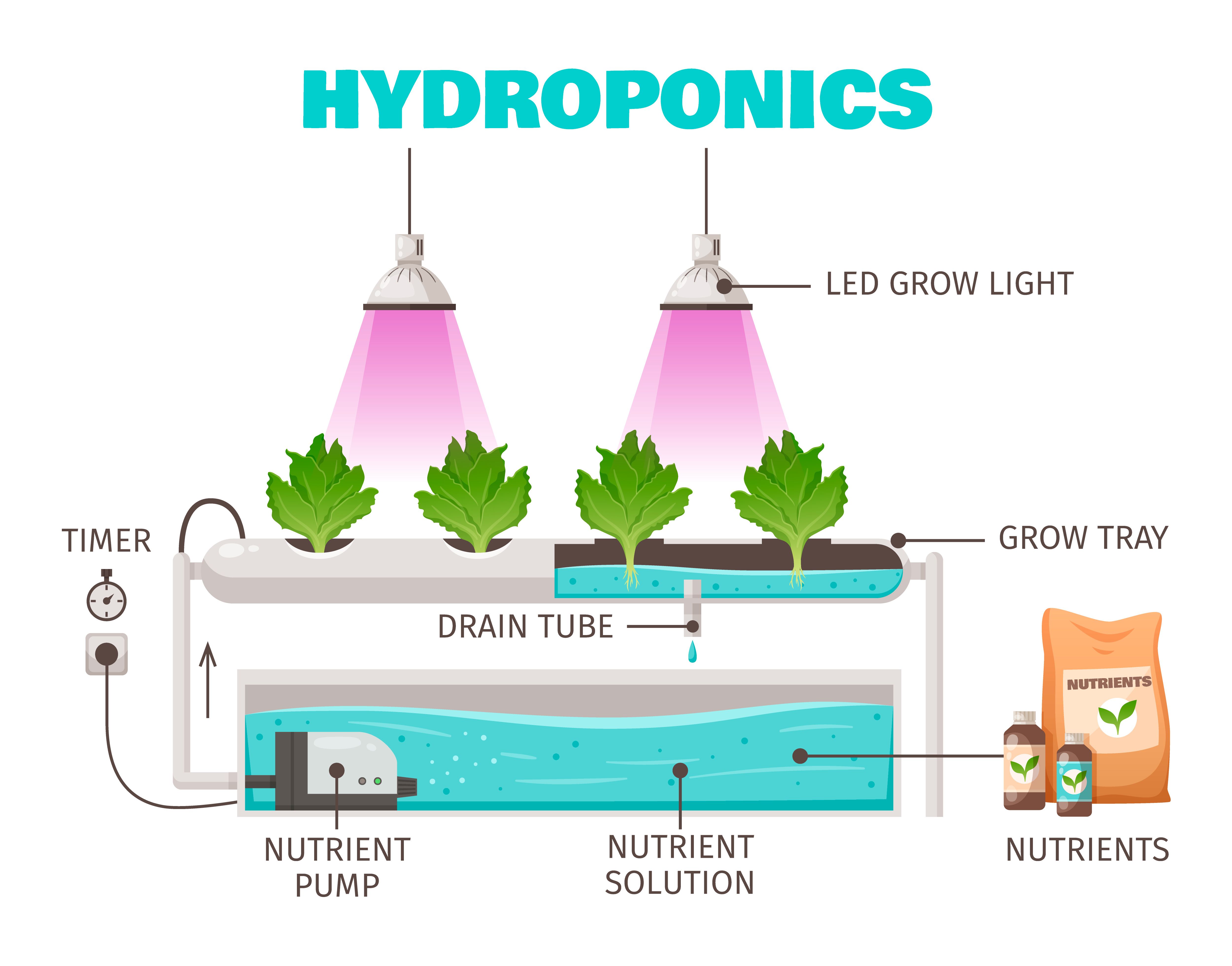
Hydroponics is a no-till cultivation technology that offers a number of advantages over traditional cultivation in soil, such as
no need to loosen the soil, no need to control weeds, no need to water the plant regularly;
full control of plant nutrition;
In hydroponics the plants easily receive all nutrients and do not have to waste energy in developing their root system.
Sources:
1. https://agrodom.com/advice/gidroponika-svoimi-rukami/
The practical part
Step 1: Familiarise yourself with all the necessary materials
- Soil
- Plant seeds
- Sprout pots
- Plastic cups
- Bottles of 0,5l.
- Scissors
- water
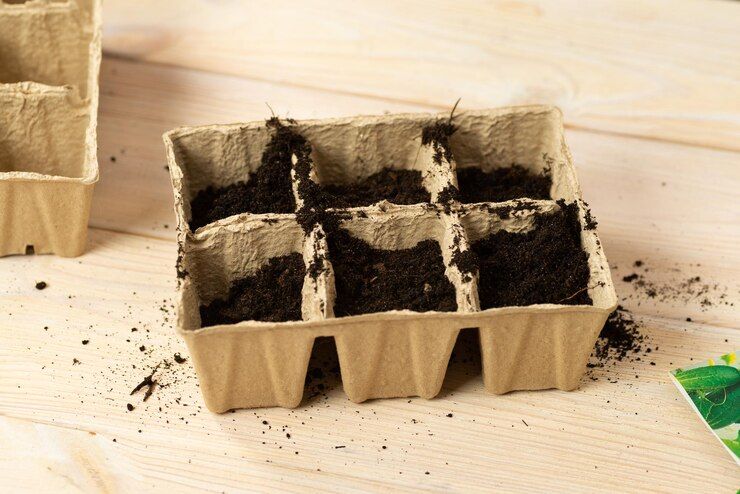
Step 2. Take a container for the seedlings. Fill up halfway with soil
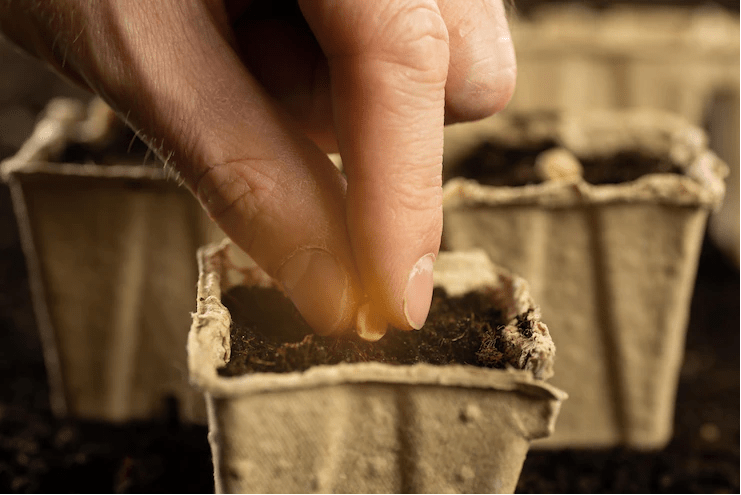
Step 3: Plant 3 seeds in each dish and cover with more soil (2cm). Pour in some water.
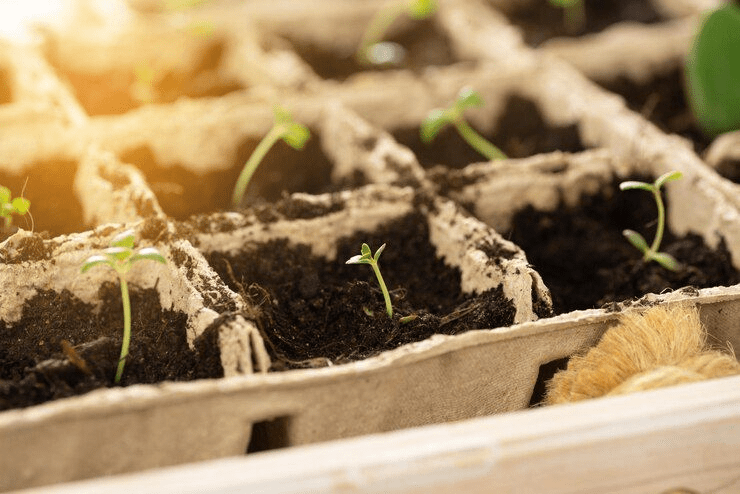
Step 4. Put in a warm place and observe for a week. Water if necessary.
Homework
1. Check your seedlings every day and irrigate if necessary. Observe the process.