
Lesson

Project Goal:
To use the names of the parts of the day and the days of the week.
Teacher Instructions:
Divide students into groups of 4–5.
Before starting the project, review the concepts such as “days of the week,” “morning,” “afternoon,” and “evening” with the students.
During the activity, briefly remind them about safety rules.
At the beginning of the lesson, explain the PBL (Project Based Learning) rubric to the students. 4K Skills (Critical Thinking, Collaboration, Creativity, Presentation).
Theoretical Part
The week consists of seven days: Monday, Tuesday, Wednesday, Thursday, Friday, Saturday, and Sunday. Each day has its own features. On some days we go to school, and on others we rest.
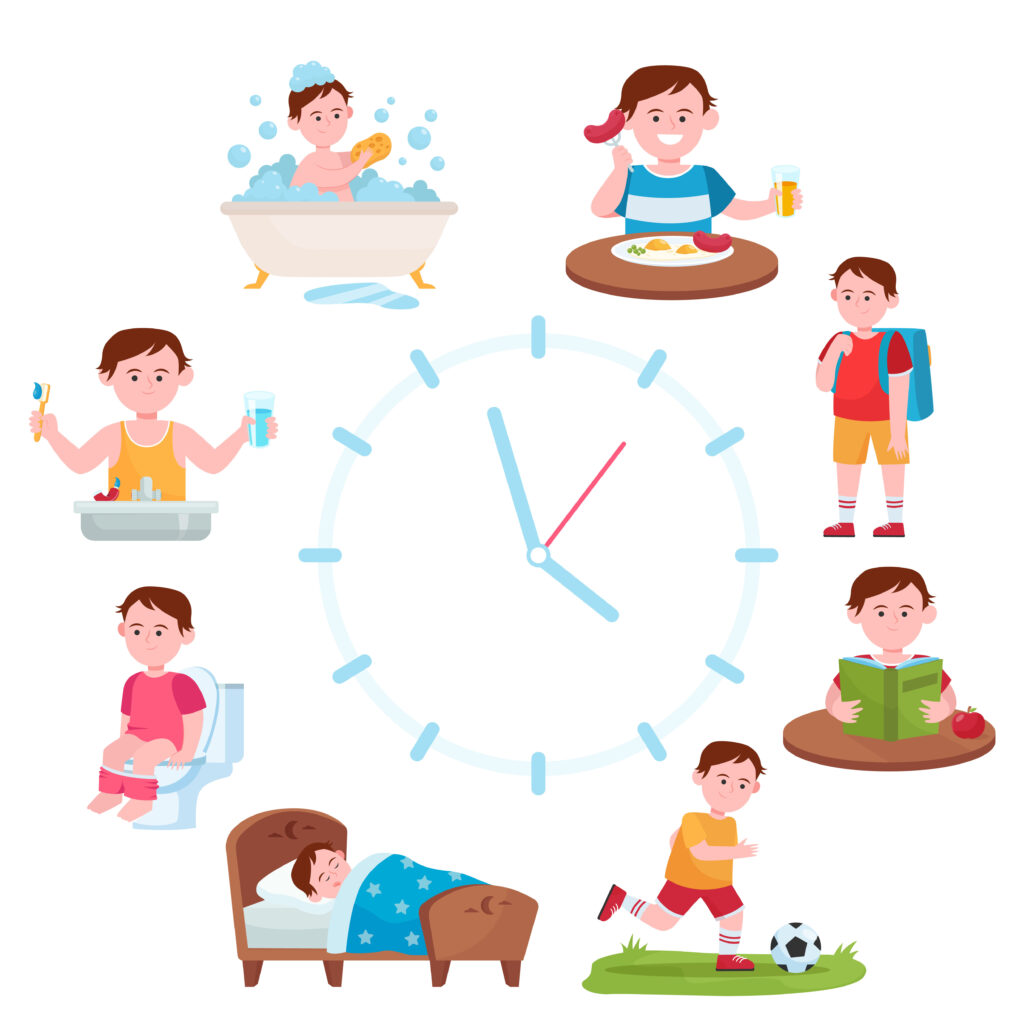
Our day begins in the morning, continues in the afternoon, and ends in the evening. In the morning, we wake up, wash up, and go to school. In the afternoon, we eat, play, or rest. In the evening, we do homework, relax, and go to bed.
A daily routine is the sequence of actions we do every day. Knowing and planning our activities helps us use our time more effectively.
Practical Part
Step 1. Follow the link and print the provided images on photo paper. Link
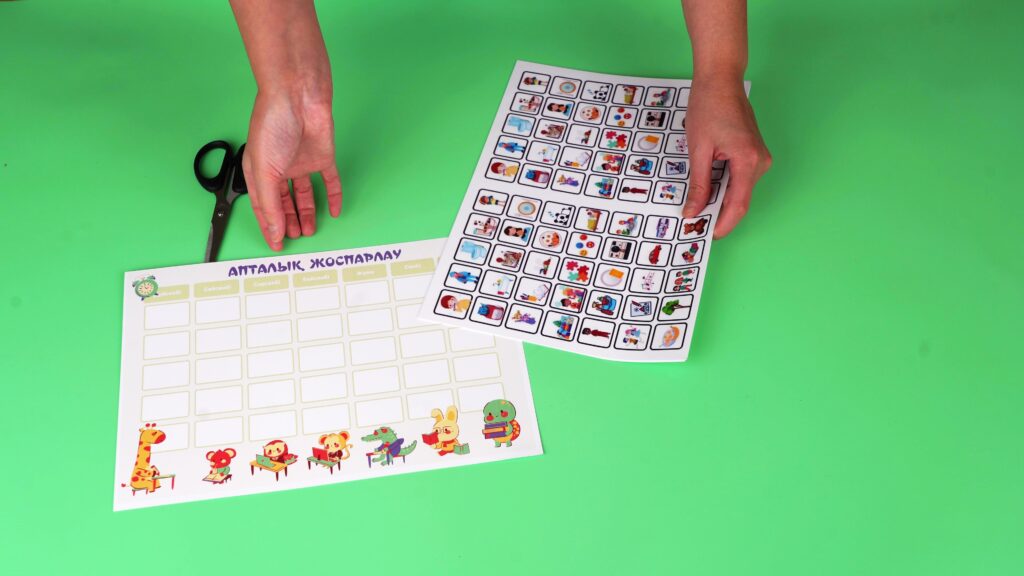
Step 2. Cut out the template images that show daily activities.
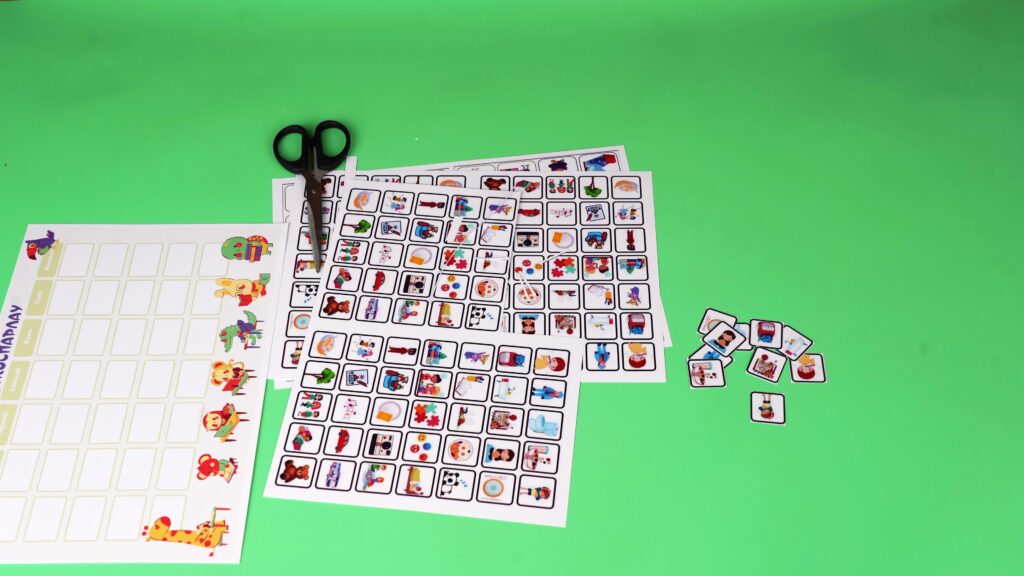
Step 3. Stick the round Velcro dots onto each section of the board.
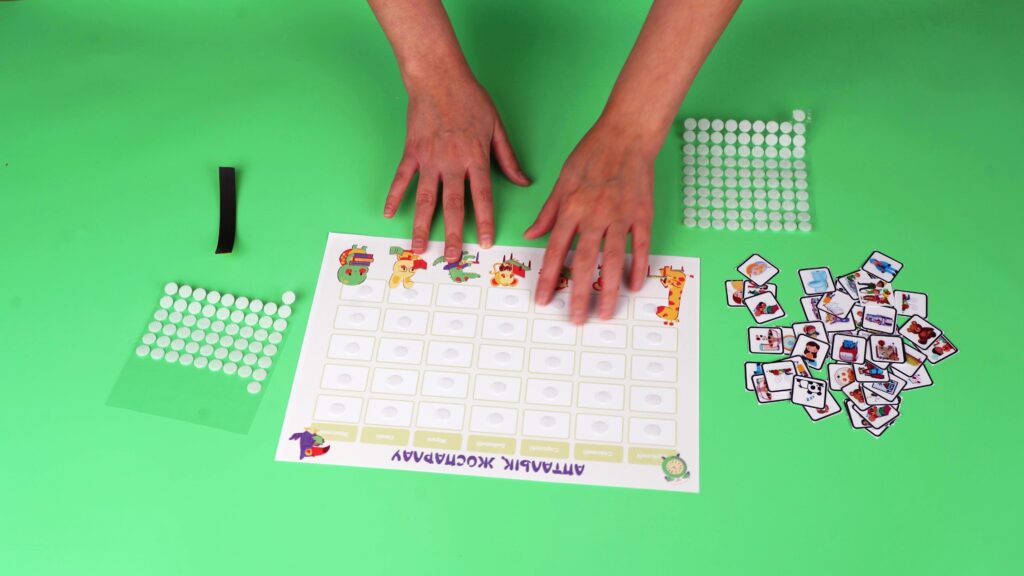
Step 4. Cut the magnetic tape in half and attach it to the back of the weekly schedule.
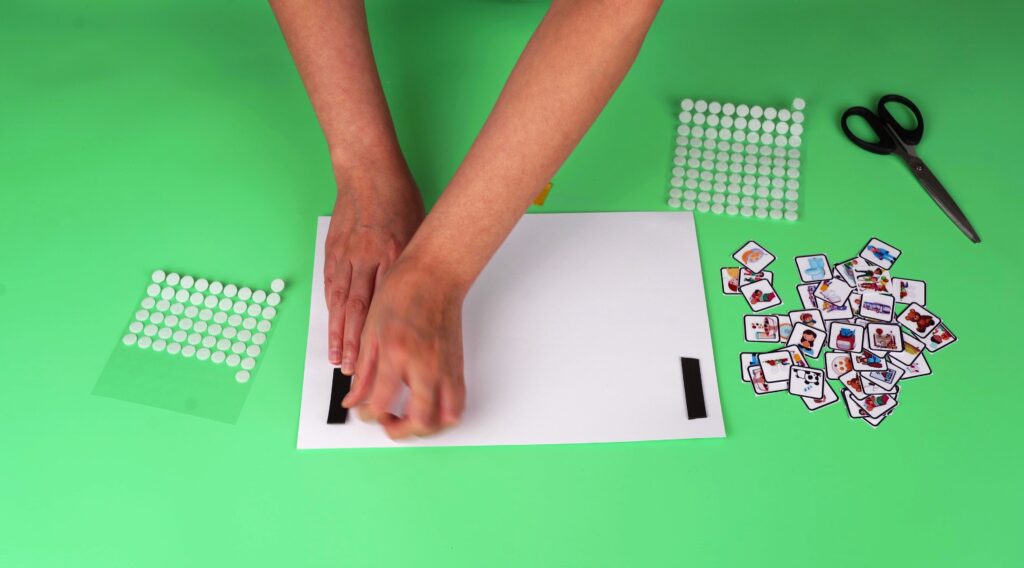
Step 5. Stick Velcro dots onto the back of each cut-out activity image.
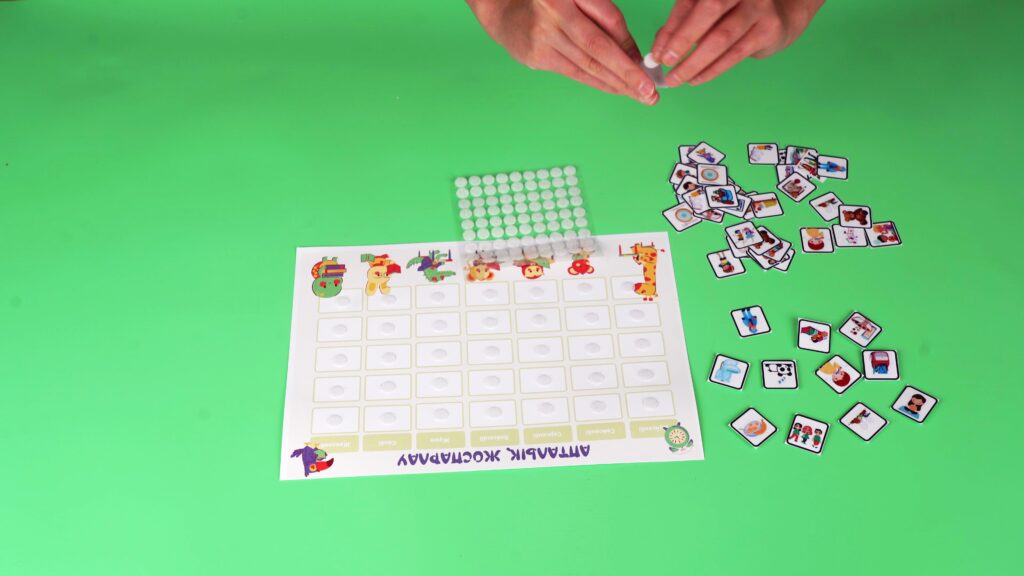
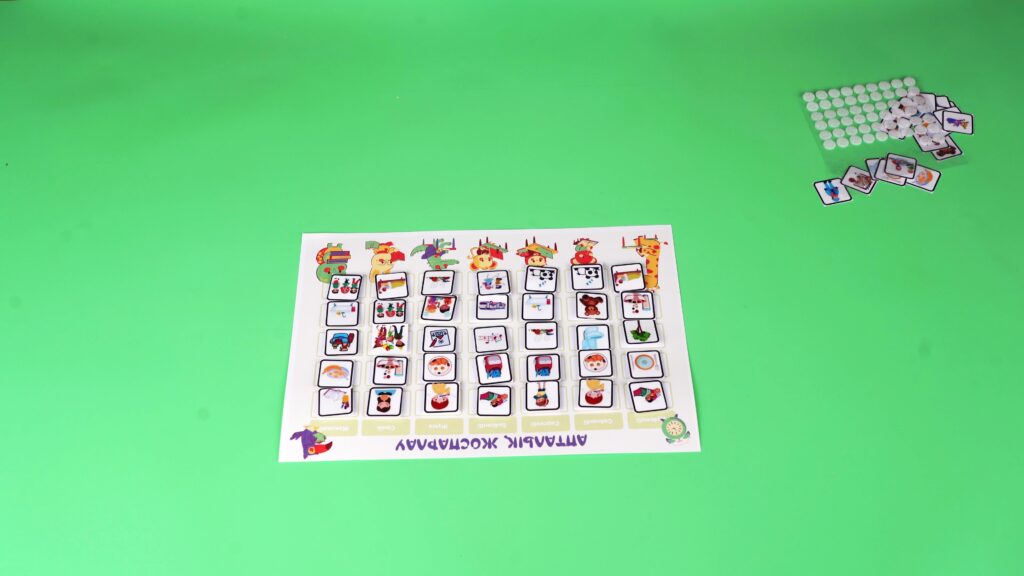
Done!
Now attach your daily activities and plans to the weekly schedule.
You can take this board home and place it on the fridge or any surface where magnets stick. This way, you can plan your week by yourself.
Conclusion
As a result of the project, students learned the days of the week and parts of the day. By creating their own schedule, they practiced organizing their time. This project helps develop a sense of responsibility and encourages children to pay attention to their daily actions.
In this project, each student is assigned a STEAM title in several categories:
– By assembling this model, you have become a true master of science! You have learned how clocks work. This is real scientific thinking!
– Look at this beautiful clock! You have used your design and problem-solving skills to create a working model. Congratulations, you are an expert engineer!