
Lesson

Project Goal:
To classify substances by their origin and physical state.
Teacher Instructions:
Prepare all the necessary materials before the lesson.
Conduct the experiment in a demonstration format; students will observe only.
Start the lesson with an engaging question:
“What properties of water do you know?”
Ask students questions and give them a chance to make predictions.
Discuss the results with the students and provide a scientific explanation.
Briefly go over safety instructions before starting the experiment.
At the beginning of the lesson, explain the PBL (Project Based Learning) rubric to the students. 4K Skills (Critical Thinking, Collaboration, Creativity, Presentation).
Theoretical Part
One of the key properties of substances is their state of matter. It shows the form a substance takes:
- Solids have a fixed shape and volume (stone, iron, wood, chalk).
- Liquids take the shape of their container but retain their volume (water, milk, juice).
- Gases have no fixed shape or volume – they fill all available space (air, steam, carbon dioxide).
In this project, we mainly observe the properties of liquids (water) and gases (air), and study how they interact.
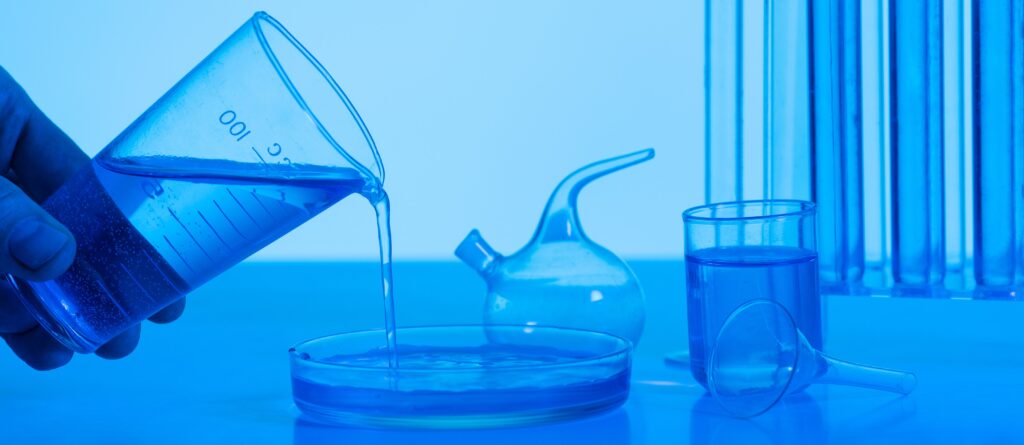
Surface tension and air pressure are common but invisible phenomena in daily life. Surface tension arises because water molecules attract each other, creating a thin layer that prevents the water from spilling.
Air pressure is the force that air molecules exert on objects. In some cases, it can hold liquids or other materials in place.
The experiments in this project help visualize these concepts and develop students’ skills in identifying and classifying substances.
Practical Part
Experiment №1
1. Fill a bottle completely with water.
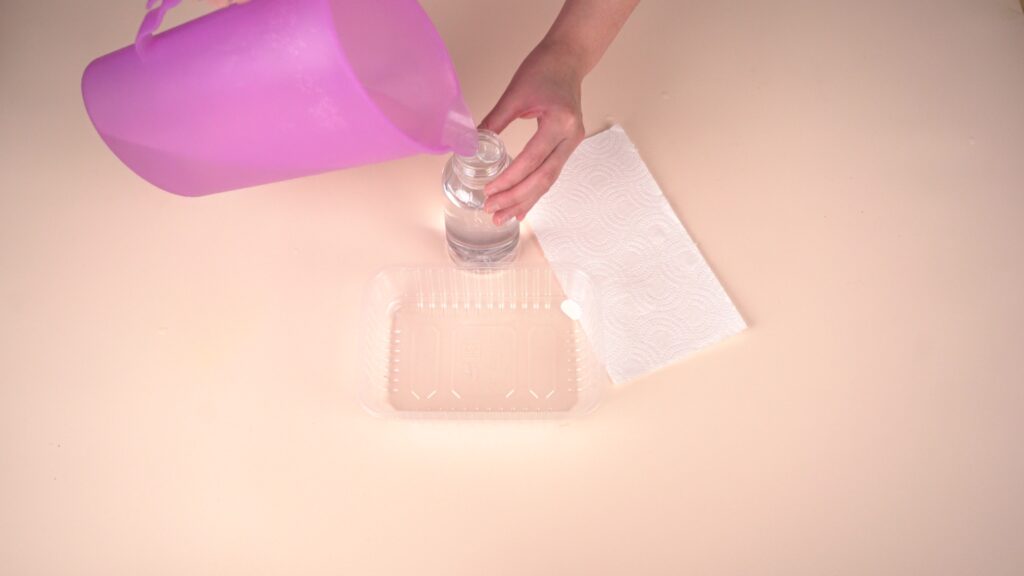
2. Cover the mouth with a paper towel and remove any excess.
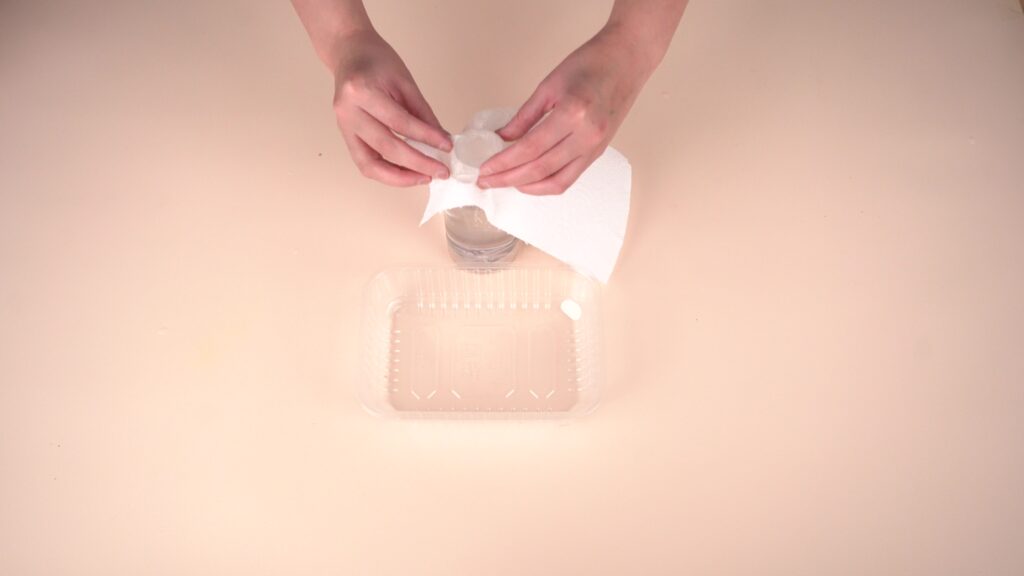
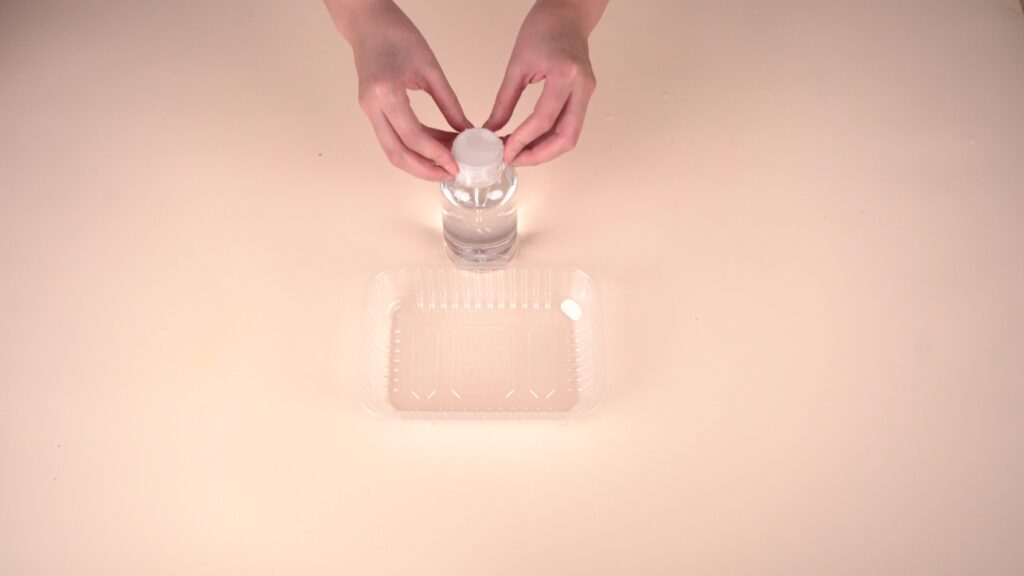
3. Invert the bottle over a large container. The water doesn’t spill. Discuss why with the students.
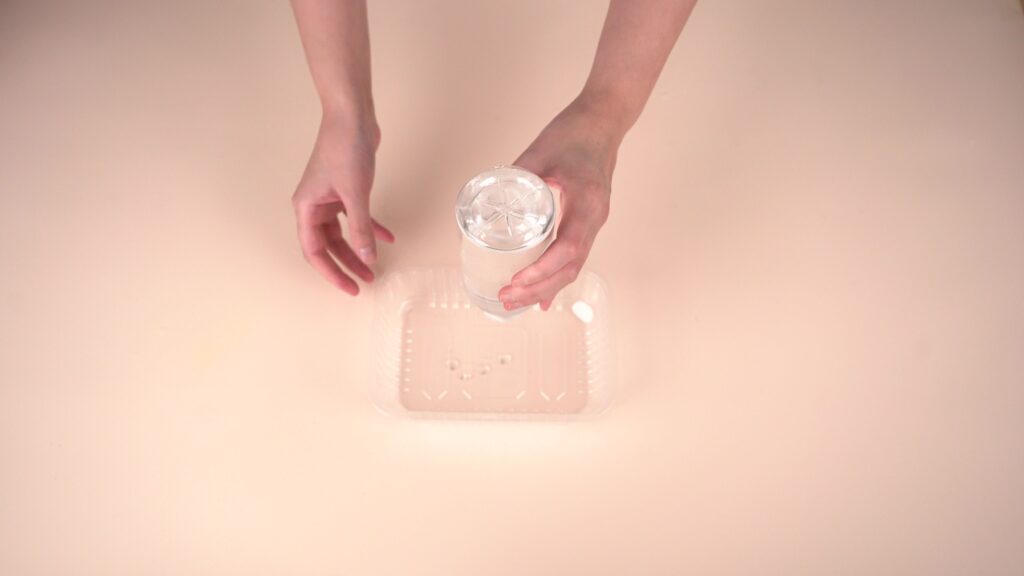
Observation: The water doesn’t pour out because of surface tension. It fills the towel’s pores and creates a thin film that holds the water inside.
Experiment №2
1. Fold gauze in two layers and cut a circle.
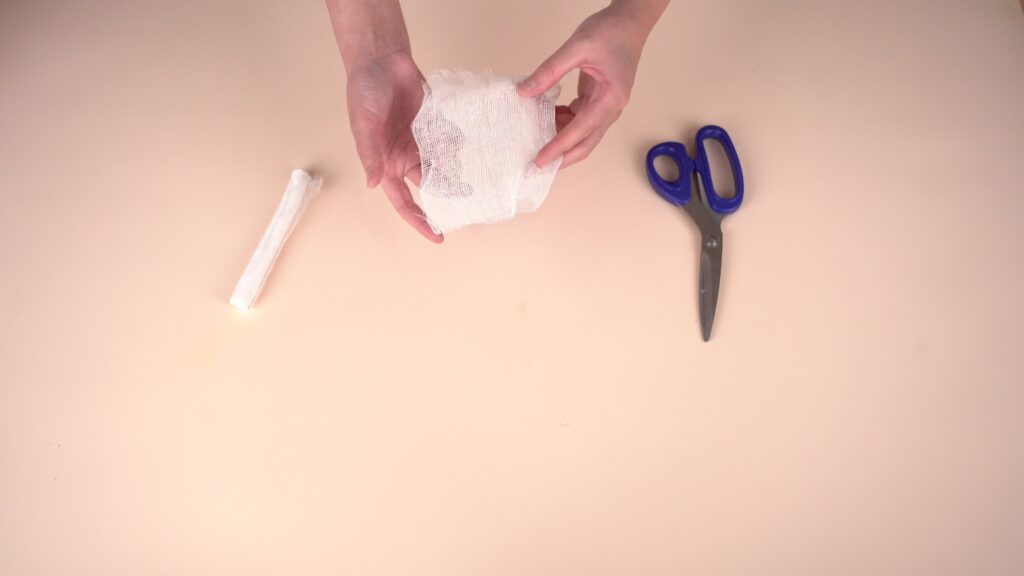
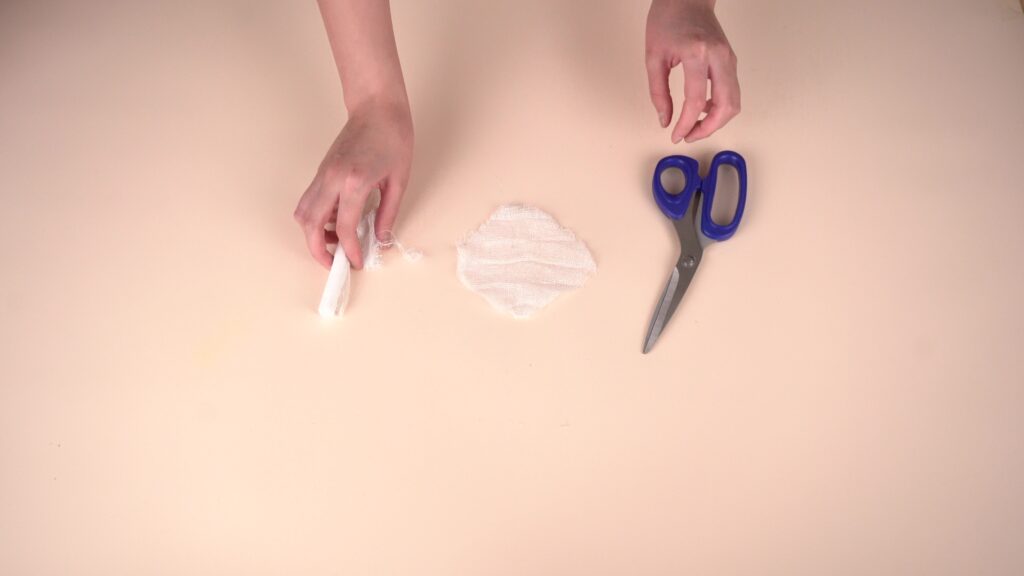
2. Pour some water into the bottle (not full). Cover the mouth with gauze and secure it with a rubber band.
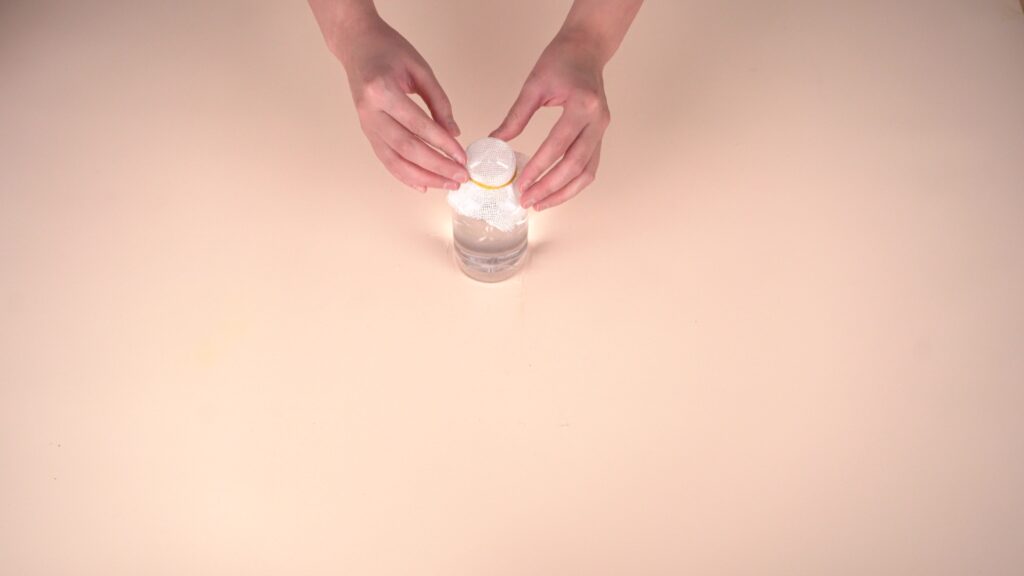
3. Hold the mouth with your hand, invert the bottle into a container, then remove your hand – the water stays inside.
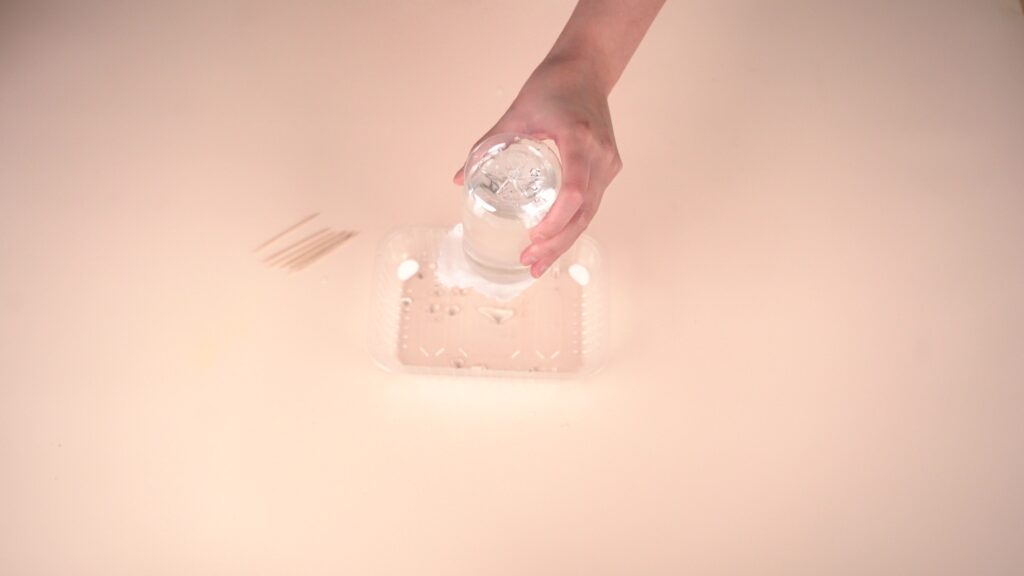
4. While holding it upside down, insert some toothpicks – the water still doesn’t spill.
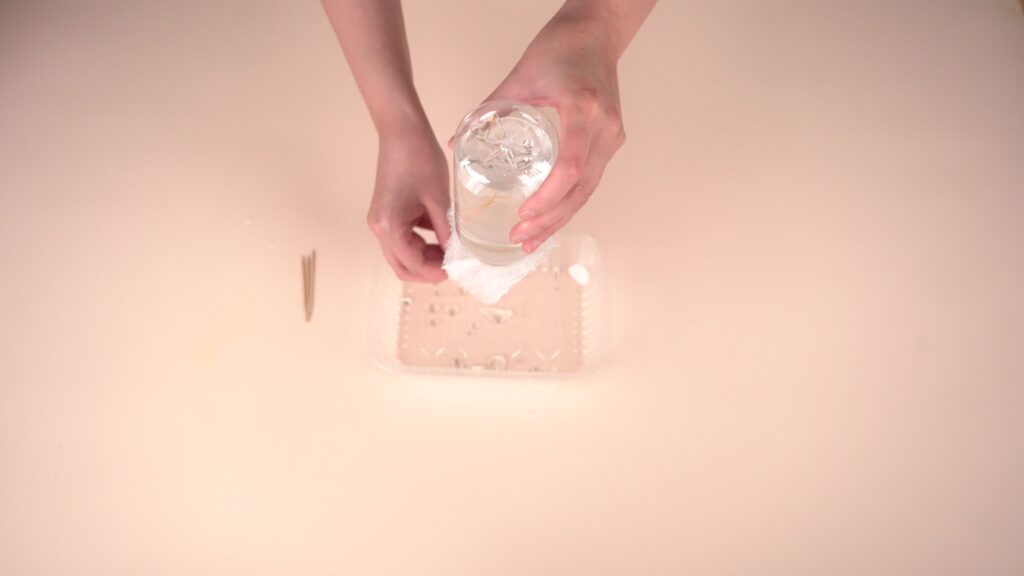
5. Turn the bottle upright and add more water.
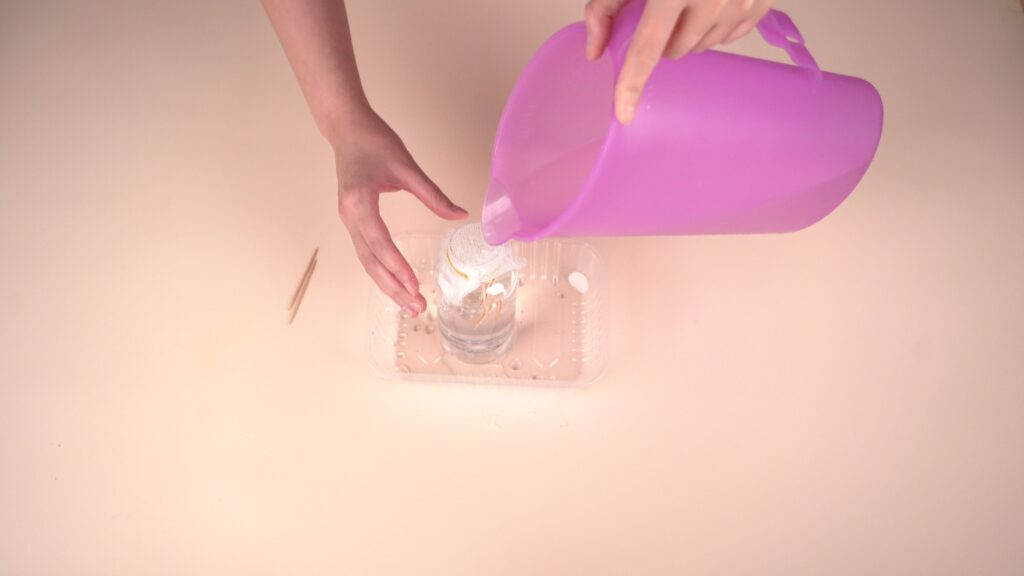
6. Invert it again – now the water pours out. Why?
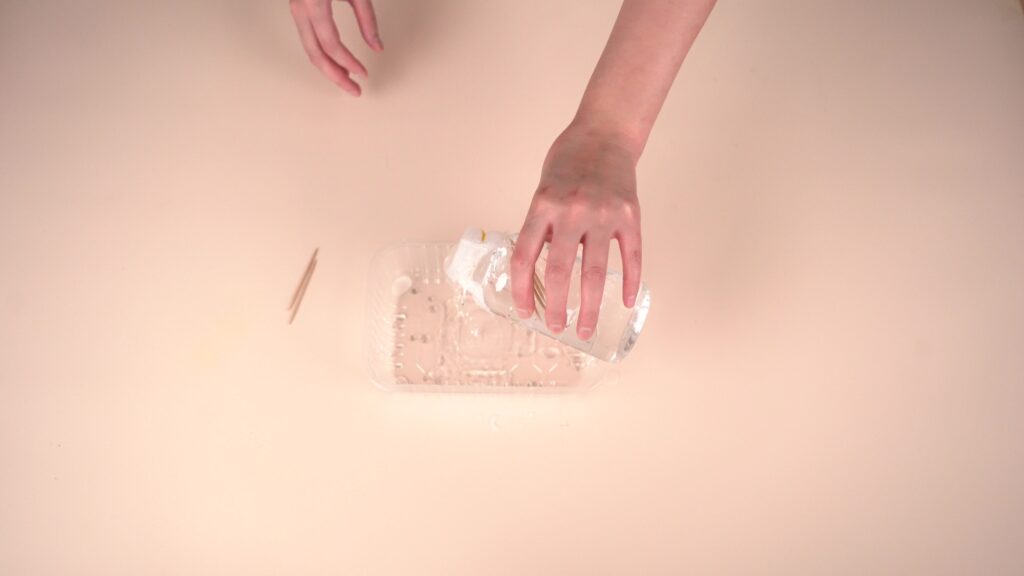
7. Repeat with your hand covering the mouth first – again, water doesn’t spill.
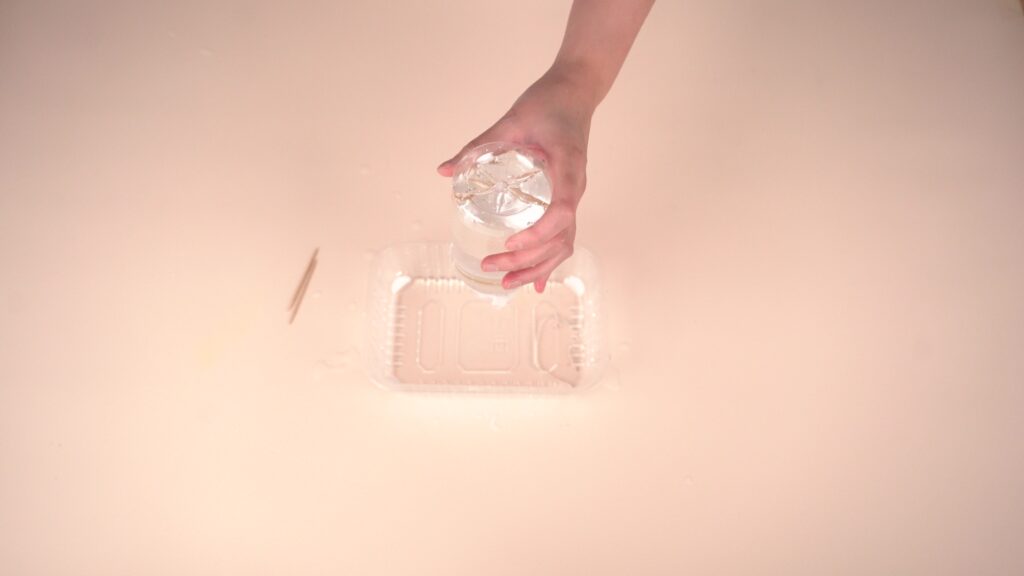
Observation: Water stays inside due to air pressure and surface tension. The air pressure inside the bottle is lower than outside. Water fills the gauze holes and is held in place by surface tension.
Experiment №3
1. Place a napkin on a small board.
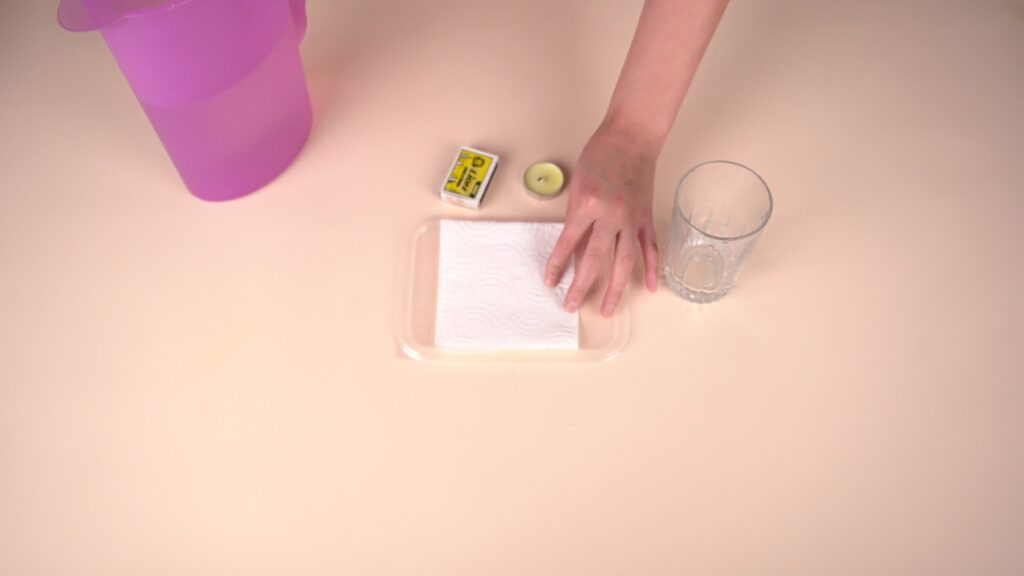
2. Pour a little water and let it absorb.
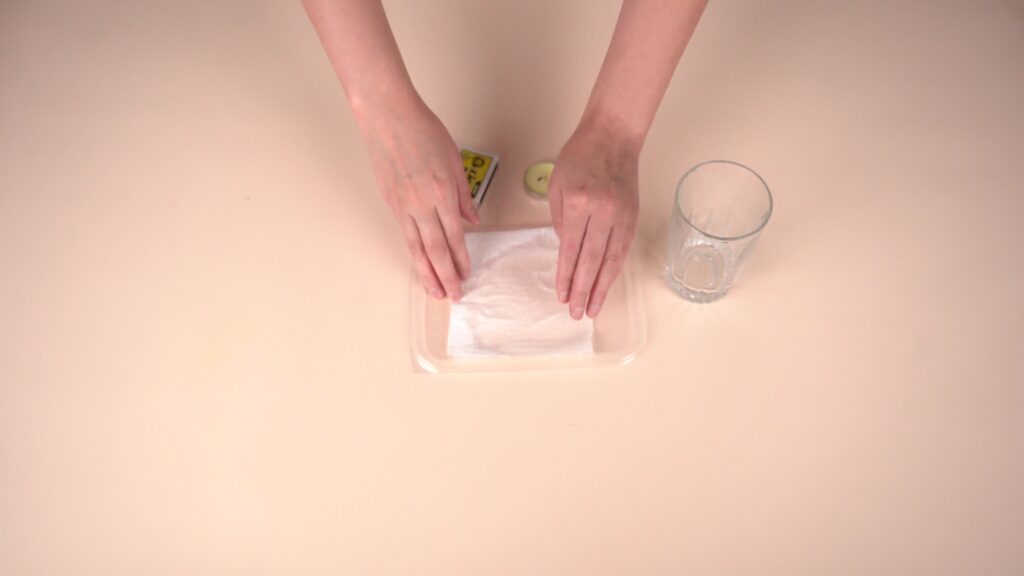
3. Place a candle on the napkin and light it.
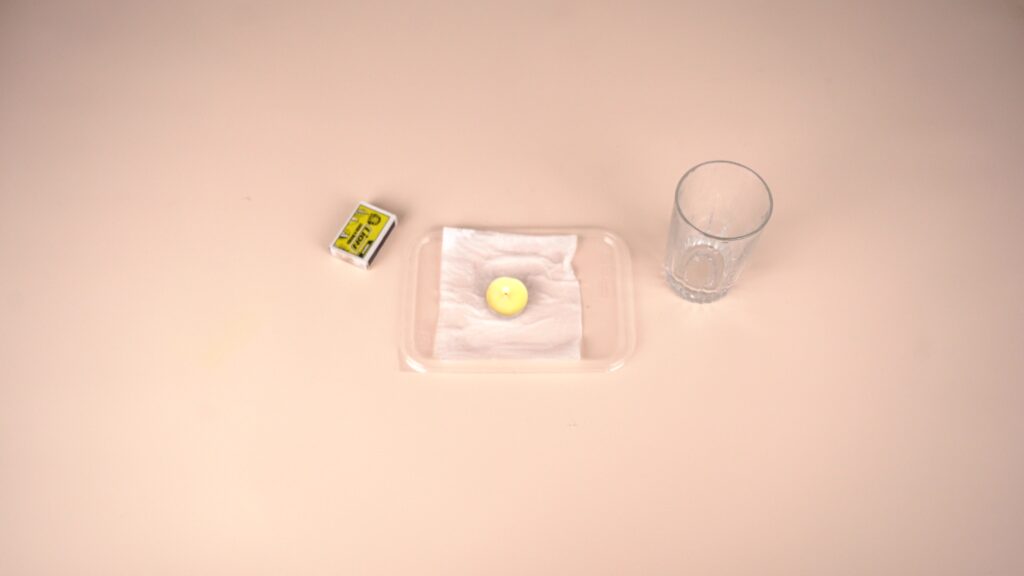
4. Cover the candle with an upside-down glass. After a few seconds, the candle goes out. Why?
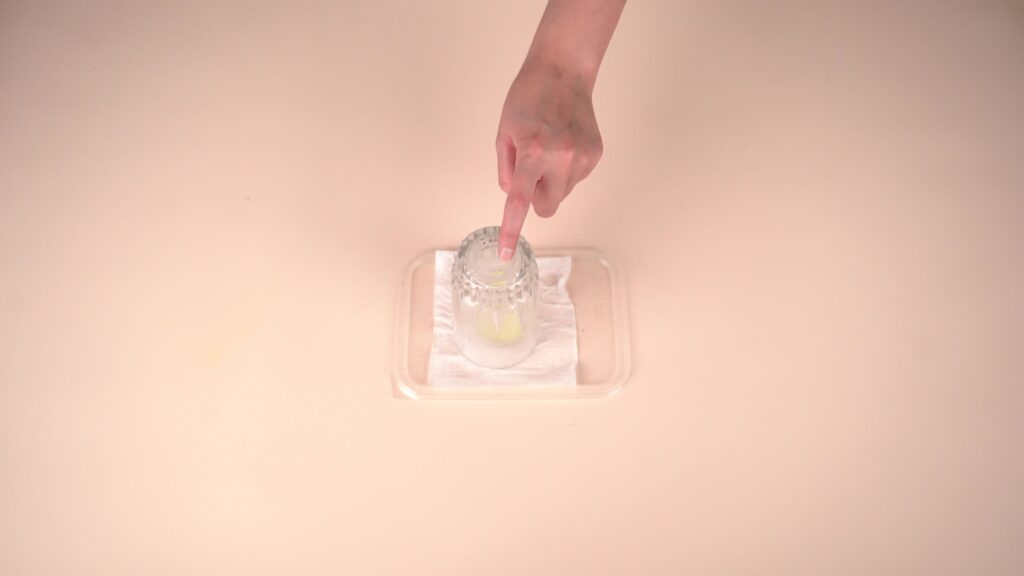
5. Try lifting the glass – it picks up the board. Even with weight on top, the board sticks. Discuss this with the students.
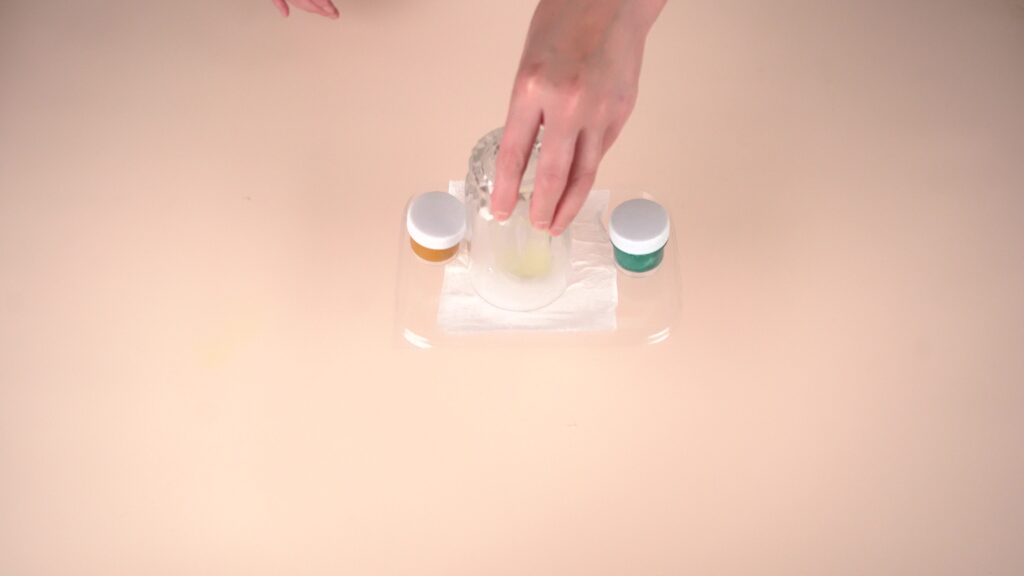
Observation: The candle consumes the oxygen in the glass. When the oxygen runs out, the flame extinguishes. The gases produced during burning mix with steam and reduce the pressure inside the glass. The higher external air pressure presses the board tightly against the glass. This demonstrates pressure difference in action.
Conclusion
These experiments help students understand states of matter (water as a liquid, air as a gas), special properties of water (surface tension, pressure), and the interaction between water and air. Students also learn to distinguish natural substances (like water and air) from man-made ones.

In this project, each student is assigned a STEAM title in several categories:
– By assembling this model, you have become a true master of science! You have learned how clocks work. This is real scientific thinking!
– Look at this beautiful clock! You have used your design and problem-solving skills to create a working model. Congratulations, you are an expert engineer!