
Lesson

Project Goal:
To compare the values of different quantities (length, mass, volume, time) and perform arithmetic operations using them.
Teacher’s Guide:
Divide the class into groups of 4–5 students.
At each step, ask students questions like: “How much did we use? How many ml is that? What about in dm?”
Offer predictive tasks such as: “What will happen if we add 240 ml of gel instead of 120 ml?”
Before the practical activity, introduce and distribute all the required materials.
Provide a short safety briefing, especially regarding the use of hot water and food coloring.
At the beginning of the lesson, explain the PBL (Project Based Learning) rubric to the students. 4K Skills (Critical Thinking, Collaboration, Creativity, Presentation).
Theoretical Part
There are various measurements around us: length, mass, volume, and time. Understanding, measuring, and comparing these quantities is an important life skill we use every day. For example, we use volume and mass in cooking, time and length while traveling, and capacity when pouring liquids.

1. Length
Length describes how long something is. It is measured in centimeters (cm), decimeters (dm), and meters (m).
2. Mass
Mass shows how “heavy” an object is. It is measured in kilograms (kg) and quintals (q).
3. Volume (Capacity)
Volume shows how much liquid or substance a container can hold. It is measured in milliliters (ml) and liters (l).
4. Time
Time describes how long an event or activity lasts. Units include minutes, hours, days, months, and years.
Why is this important?
Understanding how to measure quantities is essential not only for school but also for everyday life. These skills are widely used in cooking, medicine, construction, and science. Through this project, students learn to apply mathematical and scientific thinking in real situations.
Practical Part
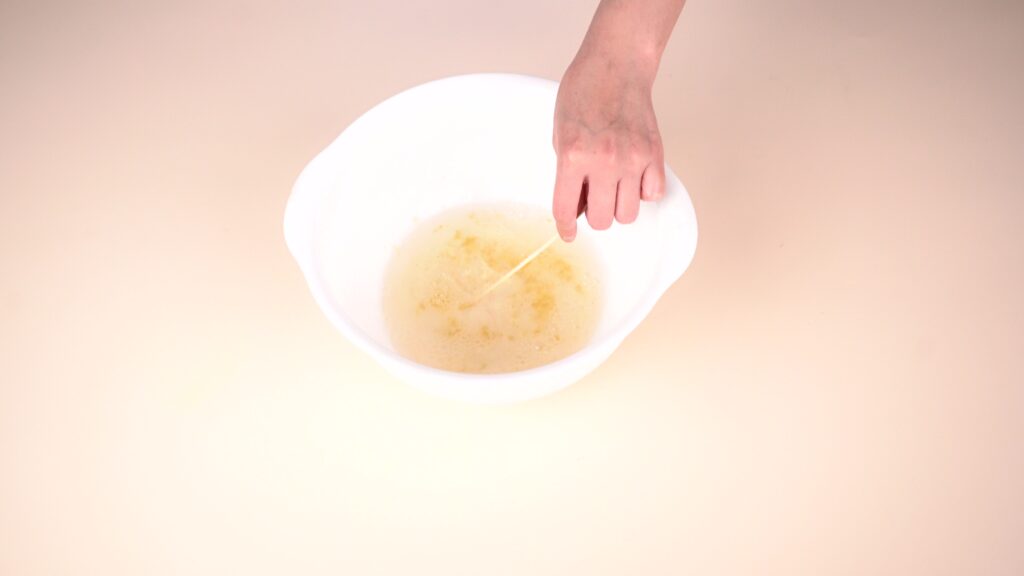
Step 1. Put 2 tablespoons of gelatin into a bowl and add about 240 ml of hot water. Stir well and wait until the gelatin dissolves completely.
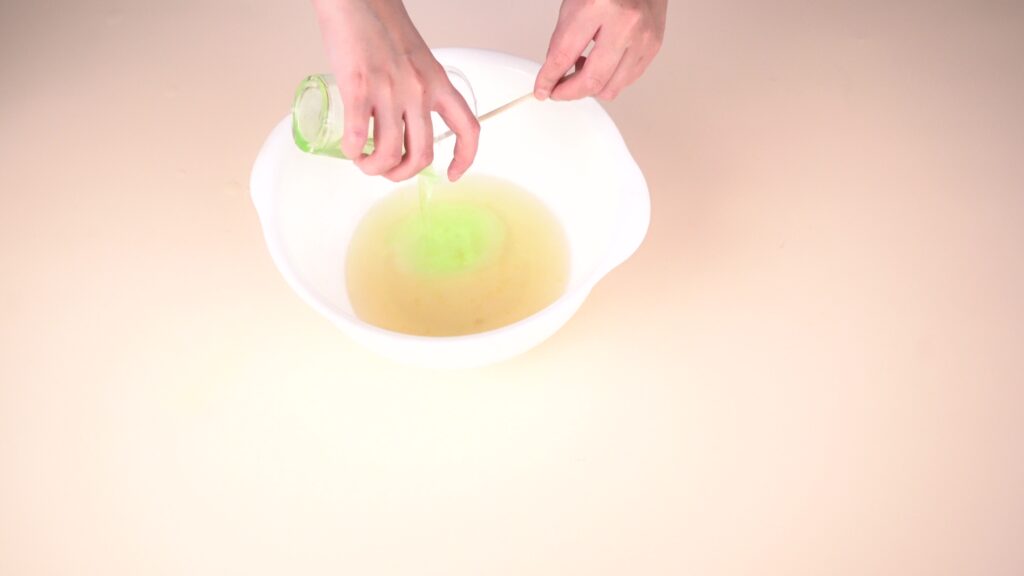
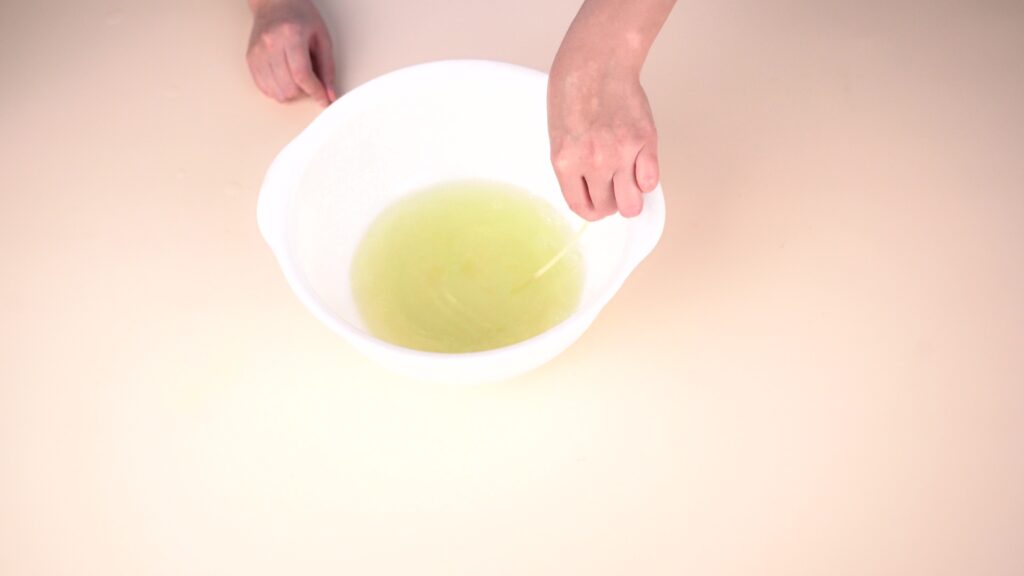
Step 2. Add about 120 ml of liquid soap or shower gel. Mix thoroughly.
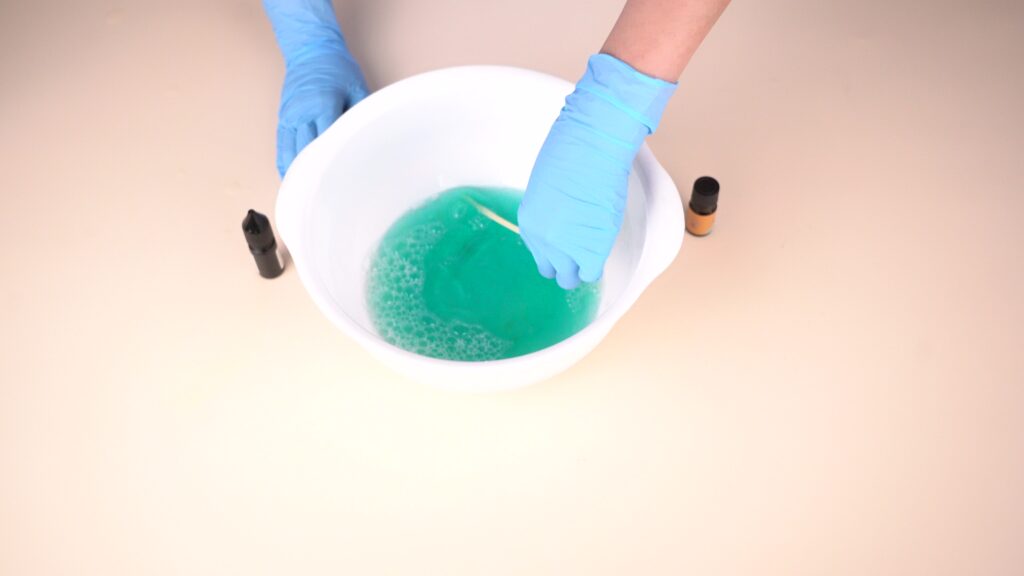
Step 3. Add 1-2 drops of food coloring and 5-10 drops of essential oil if desired. Stir again.
Step 4. Carefully pour the mixture into silicone or plastic molds.
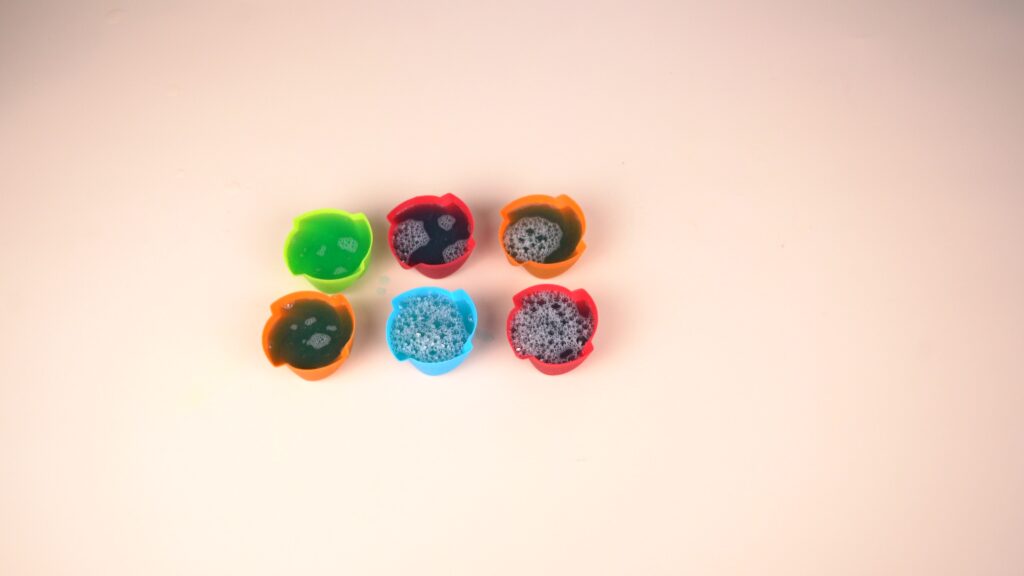
Step 5. Sprinkle some glitter on top.
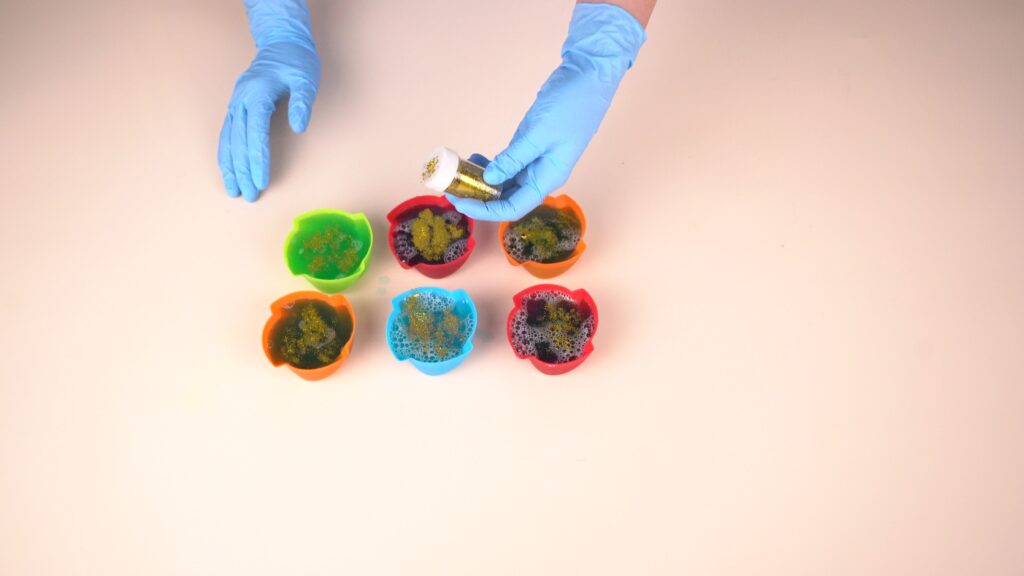
Step 6. Place the molds in the refrigerator for 3-4 hours or until fully set.
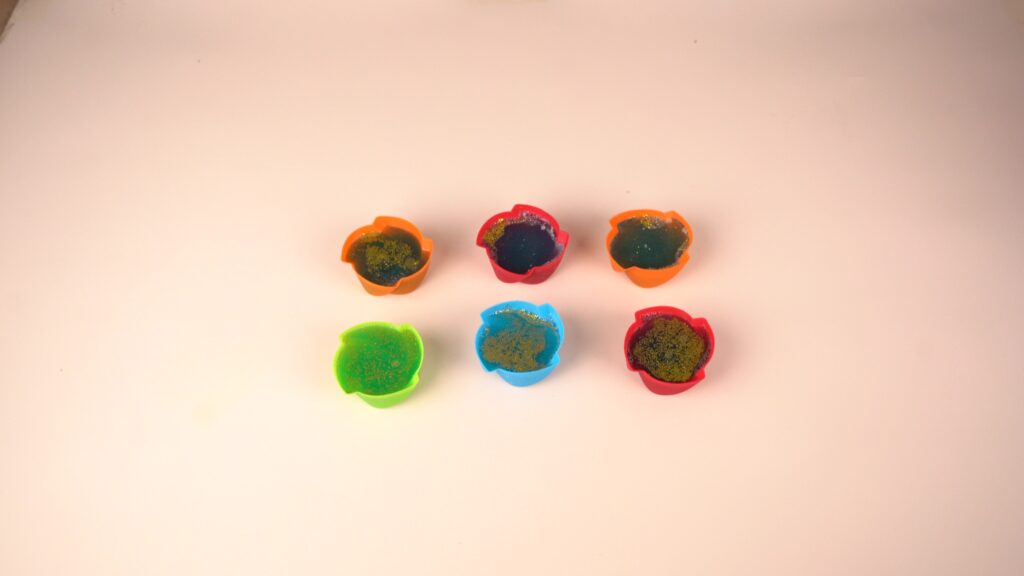
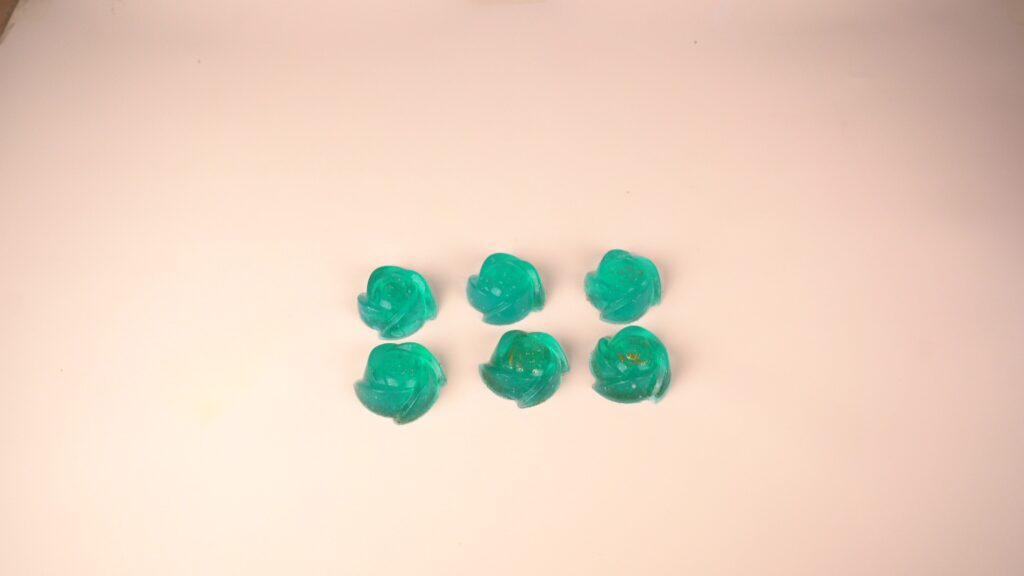
Done!
Once the jelly sets, gently remove it from the mold. Ready to use in the shower!
Conclusion
As a result of this project, students became familiar with volume units (ml, l), practiced comparing quantities and performing arithmetic operations. Through this fun and educational activity, they gained a better understanding of how mathematics and science apply to real life.

In this project, each student is assigned a STEAM title in several categories:
– By assembling this model, you have become a true master of science! You have learned how clocks work. This is real scientific thinking!
– Look at this beautiful clock! You have used your design and problem-solving skills to create a working model. Congratulations, you are an expert engineer!