
Lesson

Purpose of the work:
- To study the effect of temperature and pH on the structure of proteins using egg white as an example.
Expected results:
After completing the work, students can:
- develop teamwork skills
- be able to analyze and summarize the information received
- draw logical conclusions
Teacher’s Guide:
- The task is performed in groups of people
- Before starting laboratory work, please read the safety rules by following the link:
- To download the worksheet, follow the link:
Theory
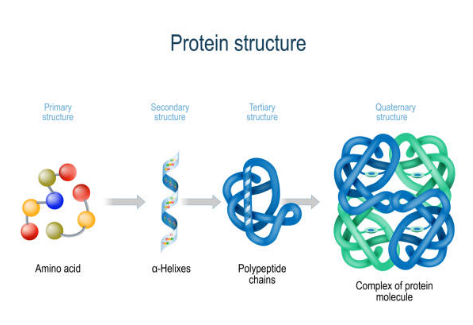
Proteins are complex organic molecules made of amino acids linked in chains.
They have four levels of structure:
- Primary — sequence of amino acids
- Secondary — coils and folds due to hydrogen bonds
- Tertiary — 3D shape of one chain
- Quaternary — several chains joined into one functional protein
Effect of Temperature:
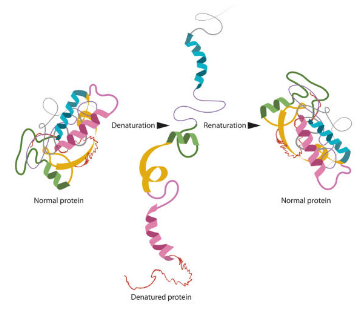
At temperatures above 40–60°C, hydrogen bonds break, and the protein loses its shape.
This is called denaturation — the structural change of a protein without breaking its amino acid sequence.
Example: coagulation of egg white during boiling.
Effect of pH:
pH affects the charge of amino acids.
In strongly acidic or alkaline environments, protein structure is disrupted, leading to denaturation.
Practical part
Investigating the effect of temperature and pH
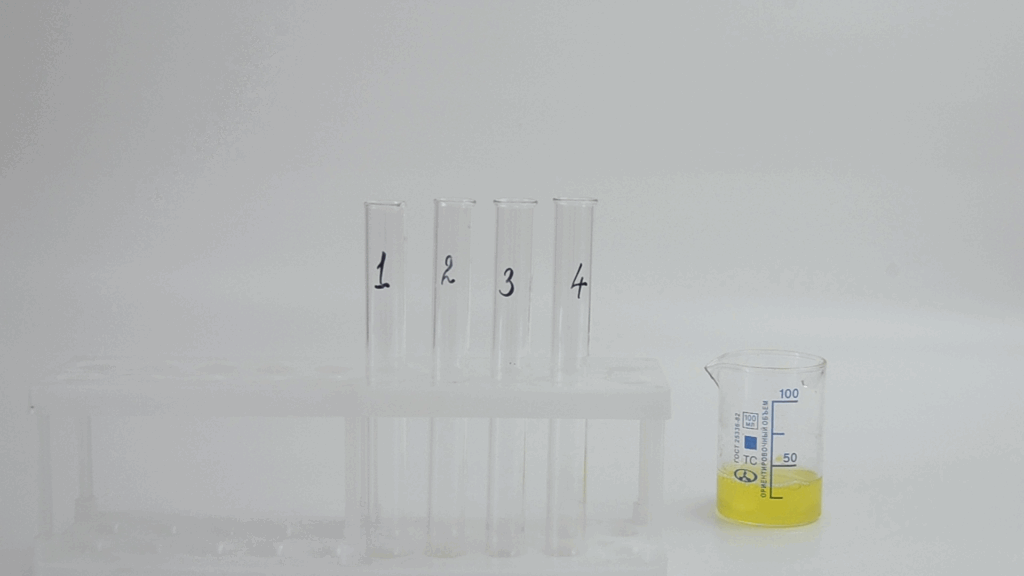
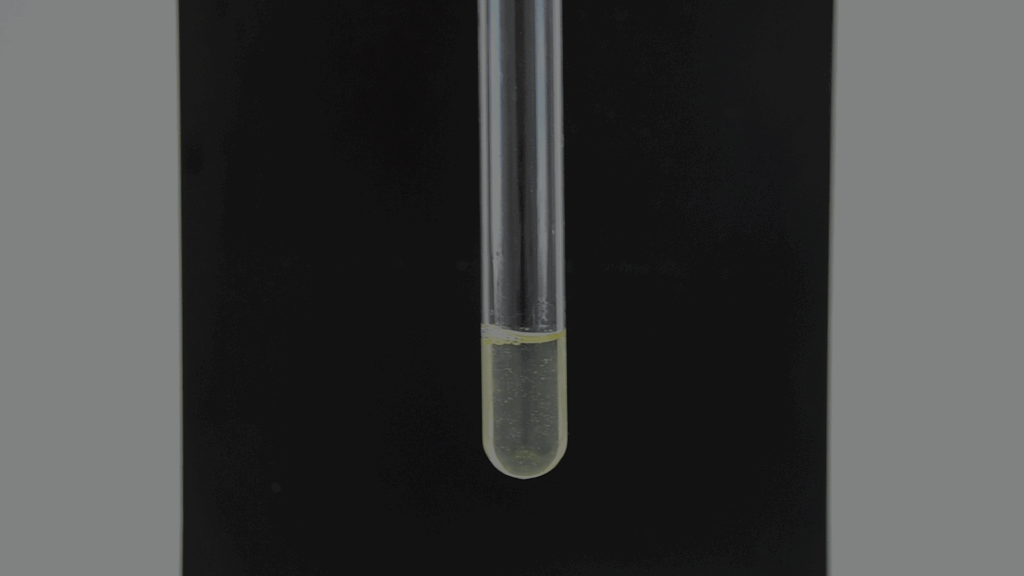
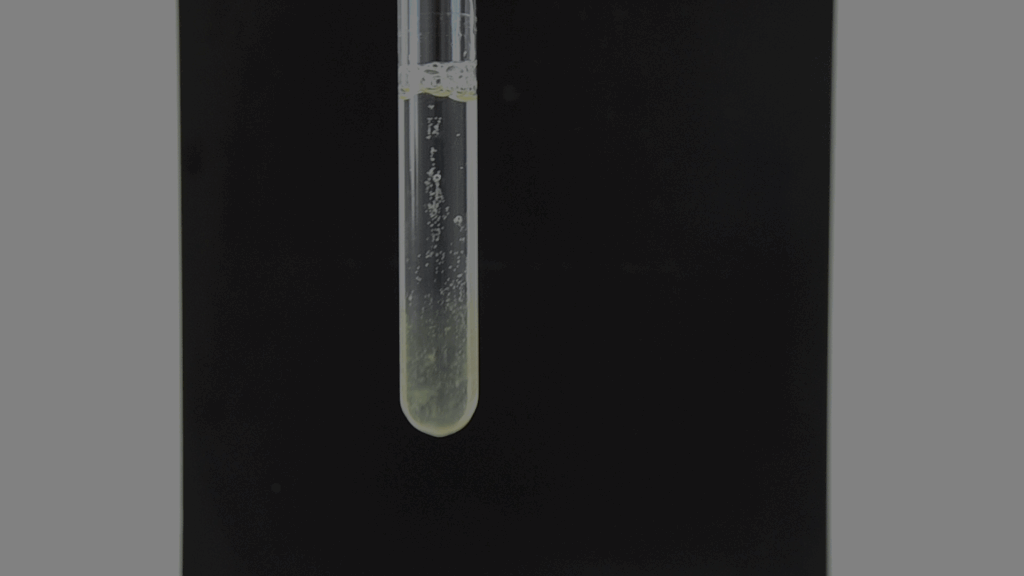
Step 1. Pour a small amount of egg white into four test tubes.
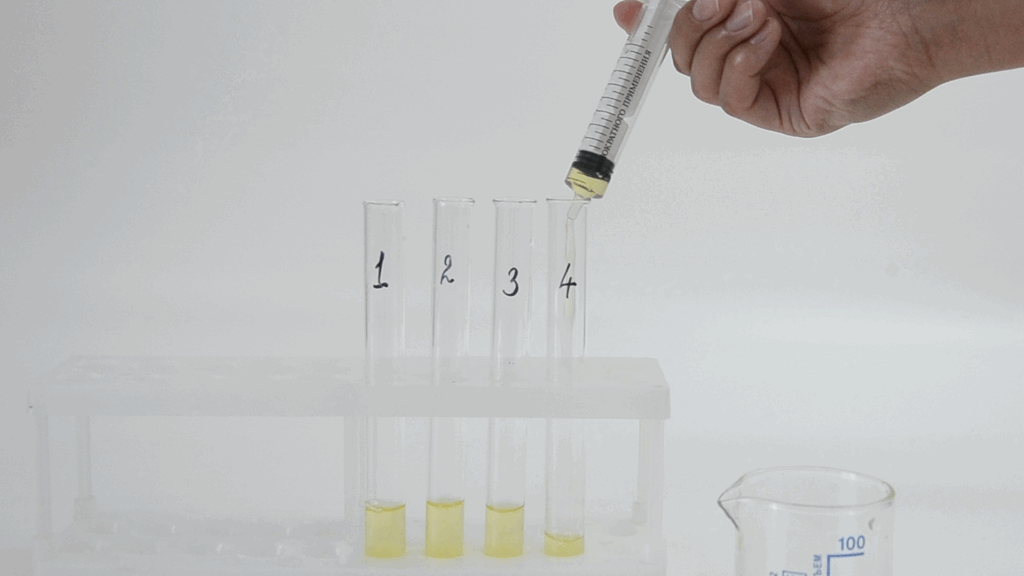
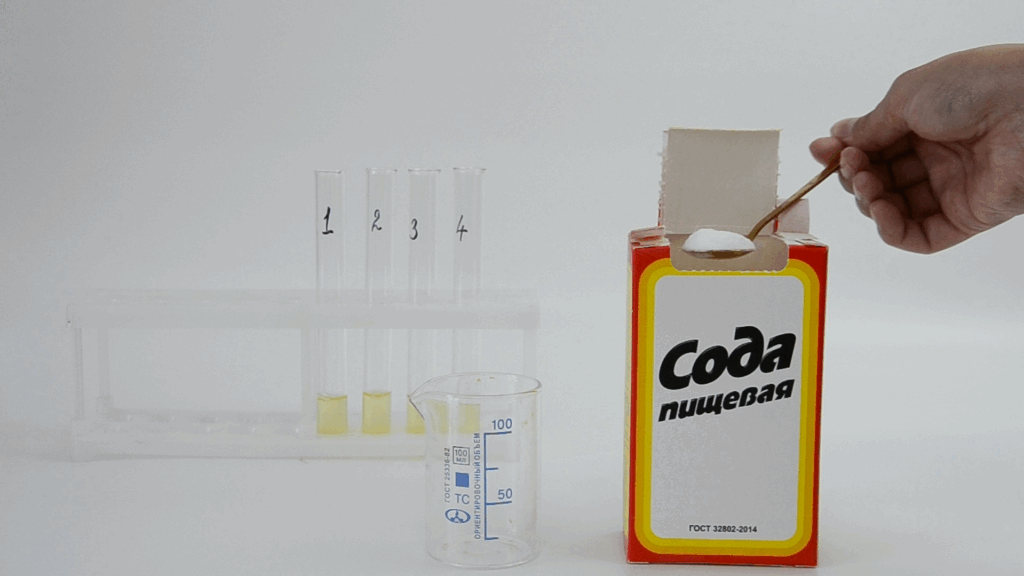
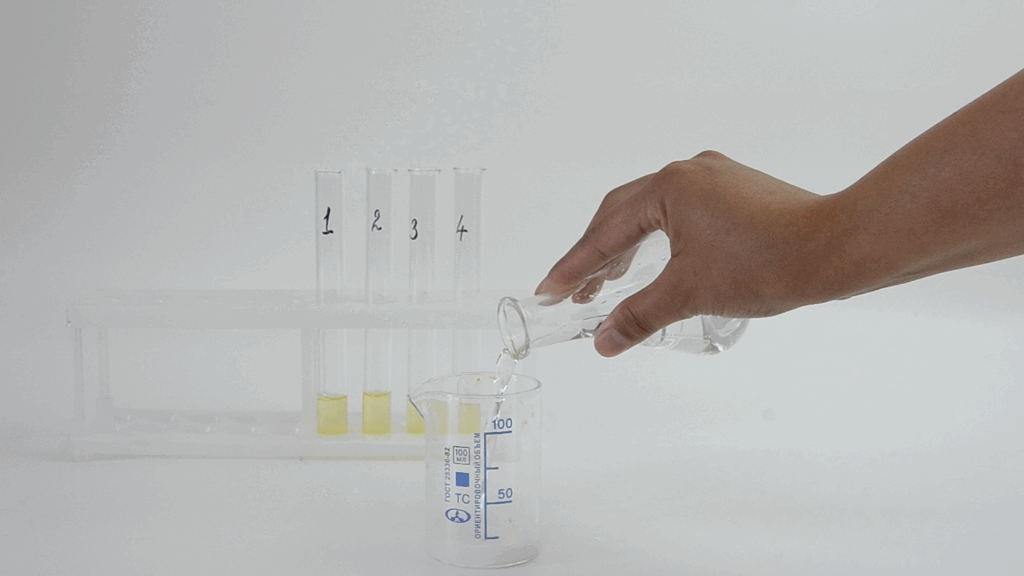
Step 2. Prepare a soda solution: dissolve 1 teaspoon of baking soda in 50 ml of water and mix well.
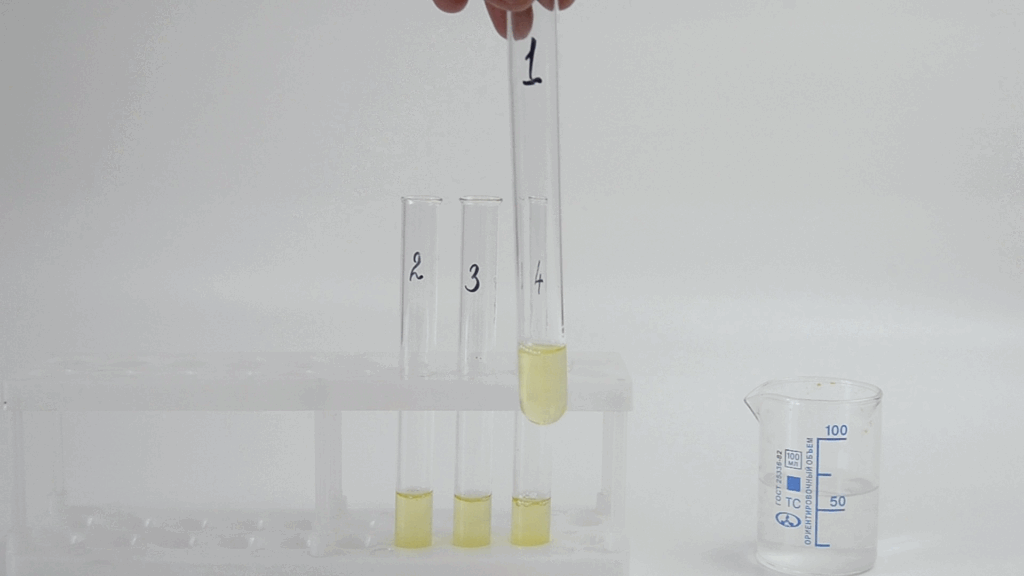
Step 3. Label the first test tube as control (no changes).
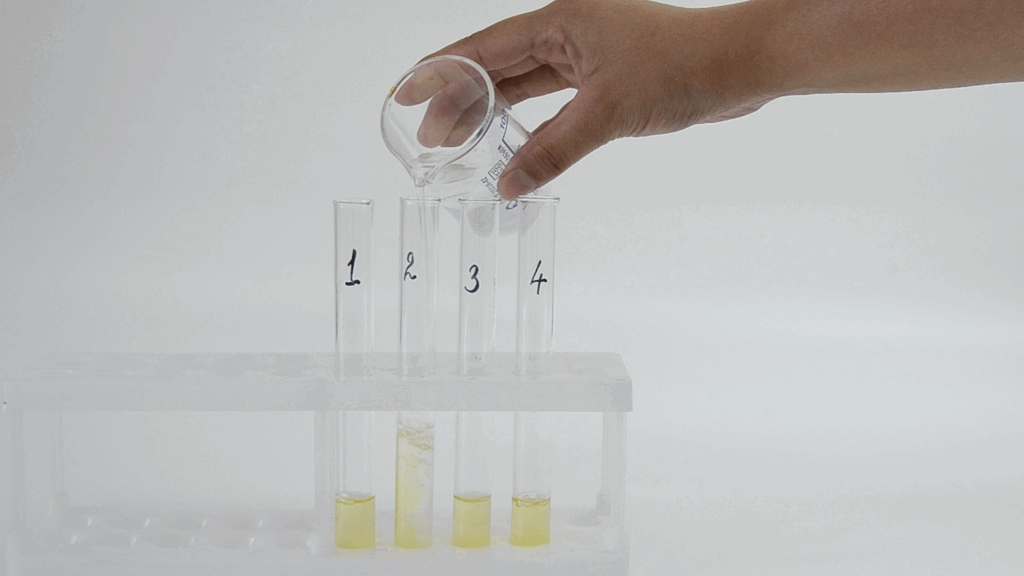
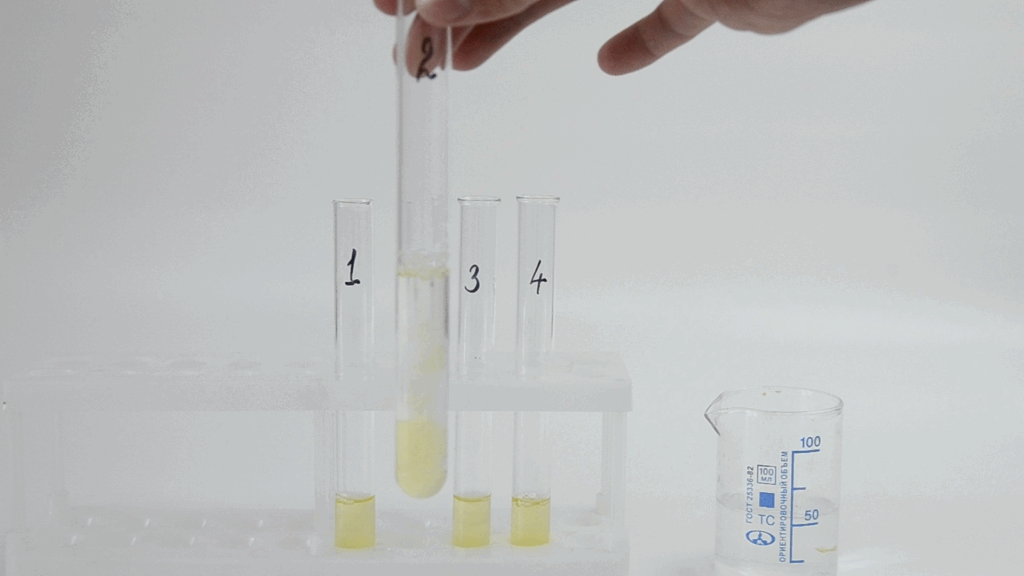
Step 4. Add soda solution to the second test tube. Observe any changes.
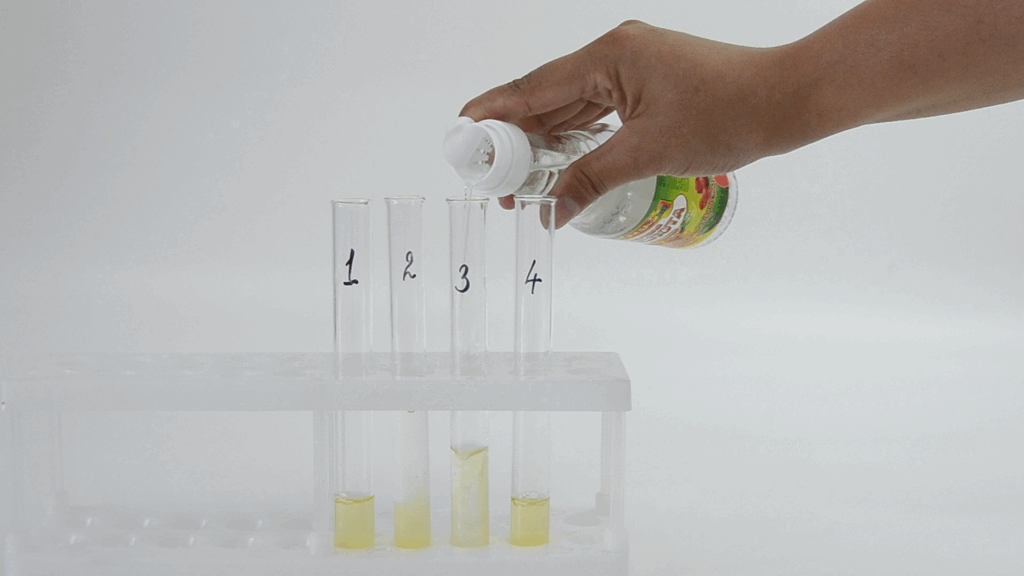
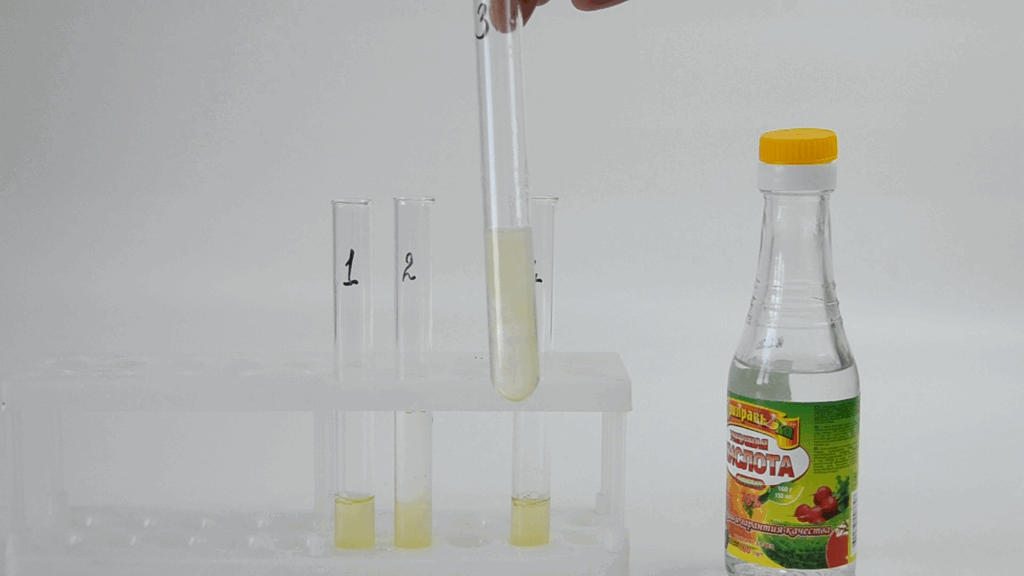
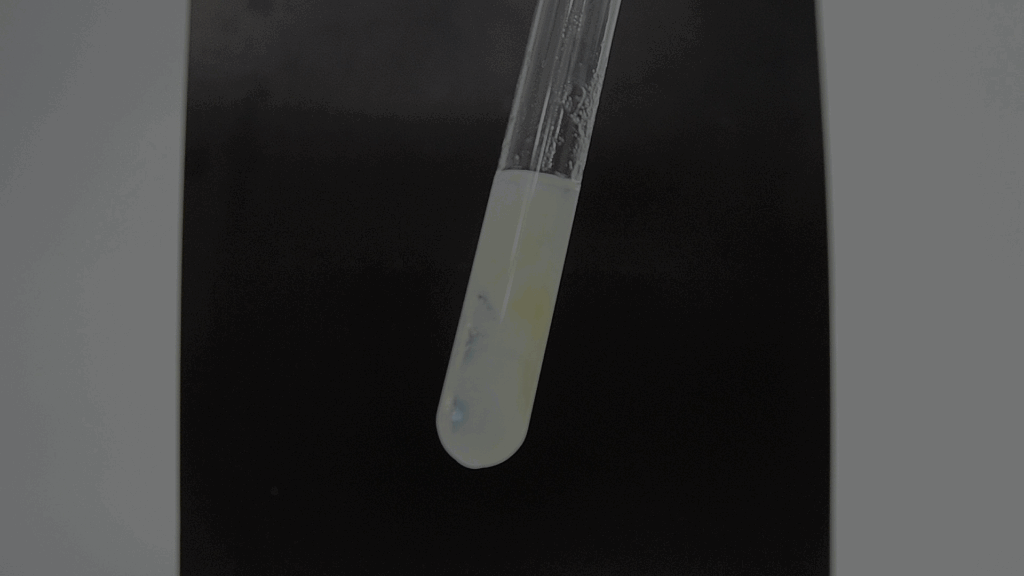
Step 5. Carefully add vinegar to the third test tube. Observe.
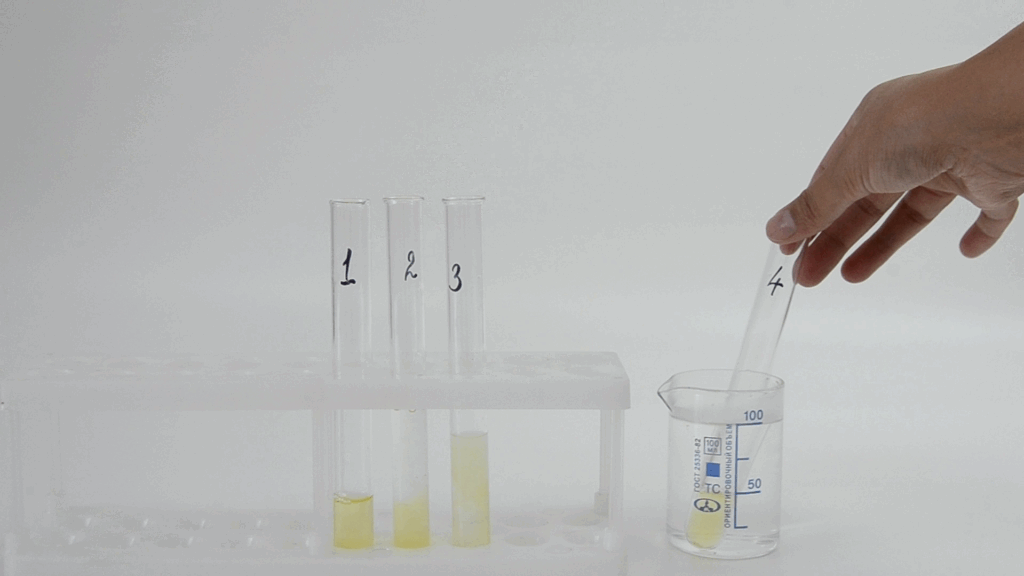
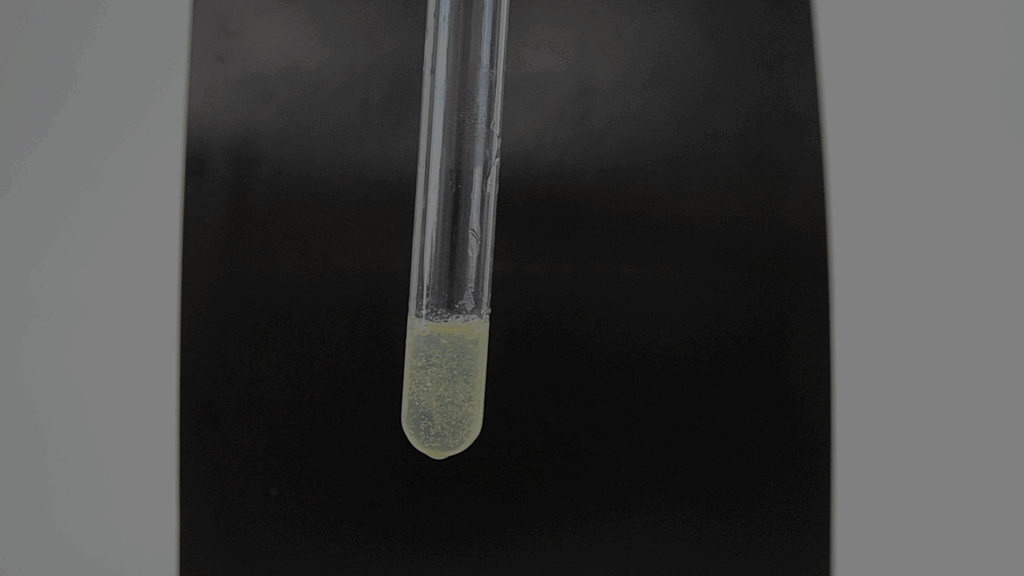
Step 6. Place the fourth test tube in a cup of hot water (60–70°C) for 10 minutes.
Step 7. Record your observations and make conclusions. Note which test tube showed denaturation.
Modeling protein structures
To clearly understand and learn to distinguish the levels of protein structural organization, we will create a model of a protein molecule using simple materials.
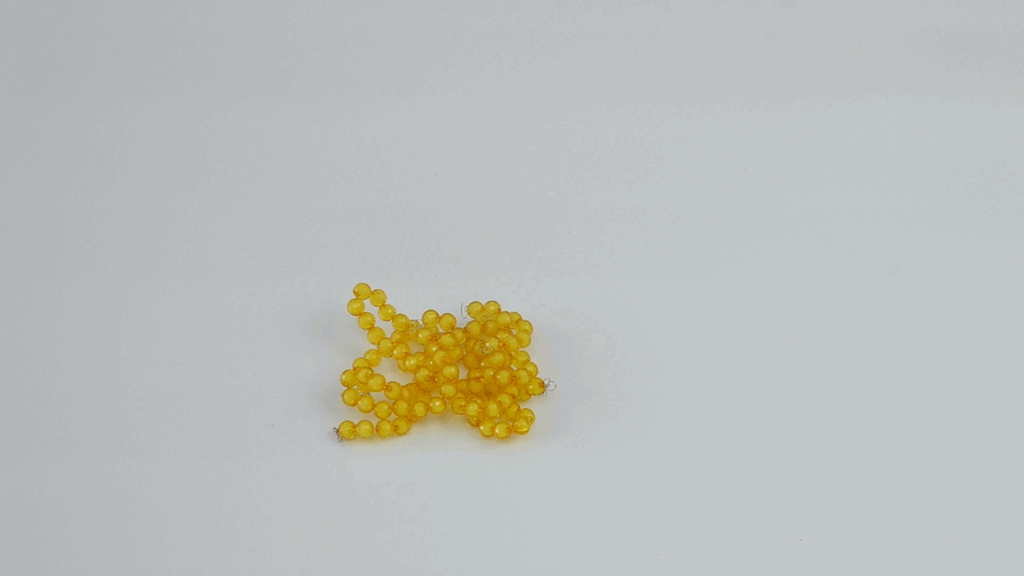
Step 1. Prepare beads and wire.
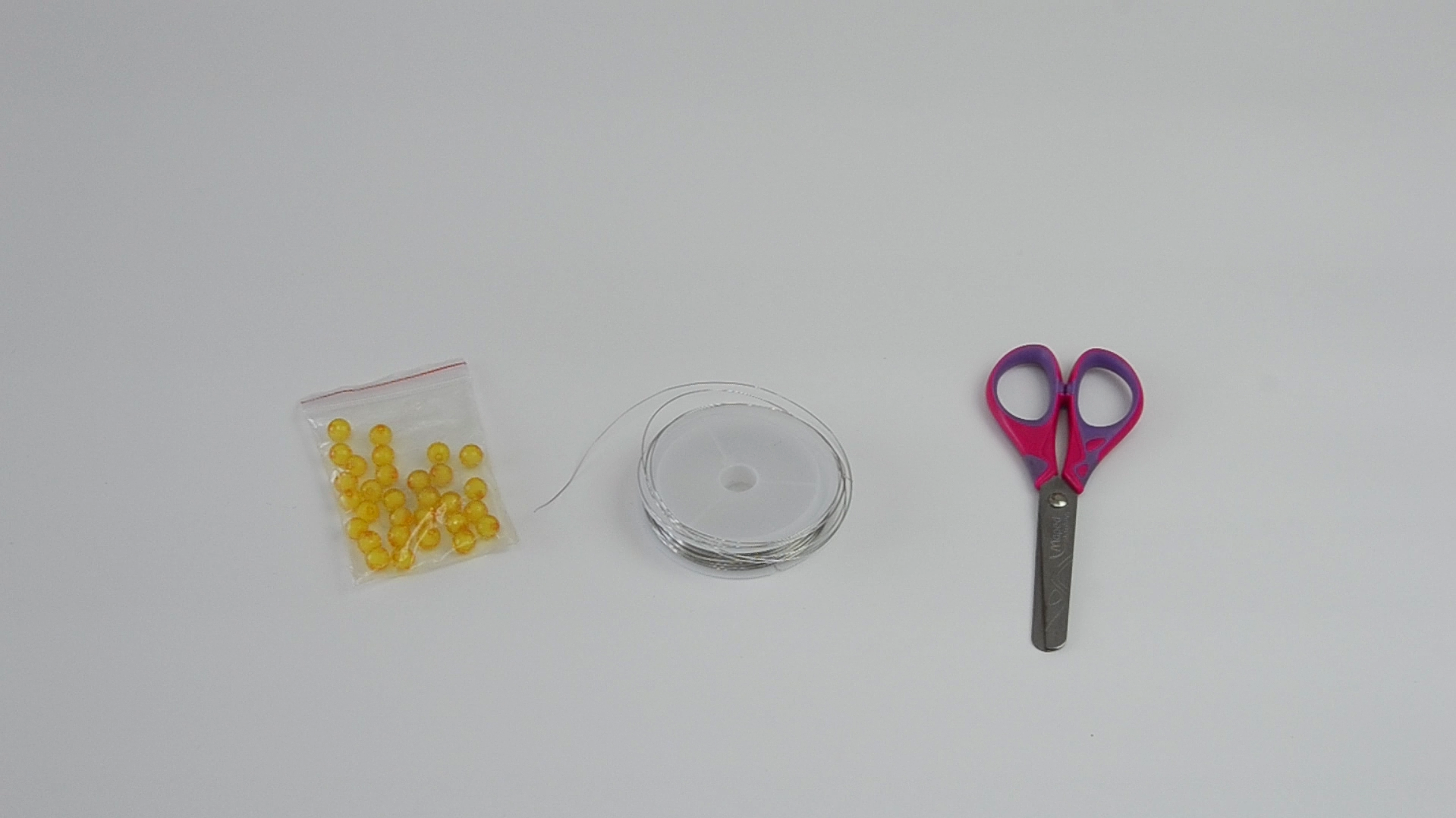
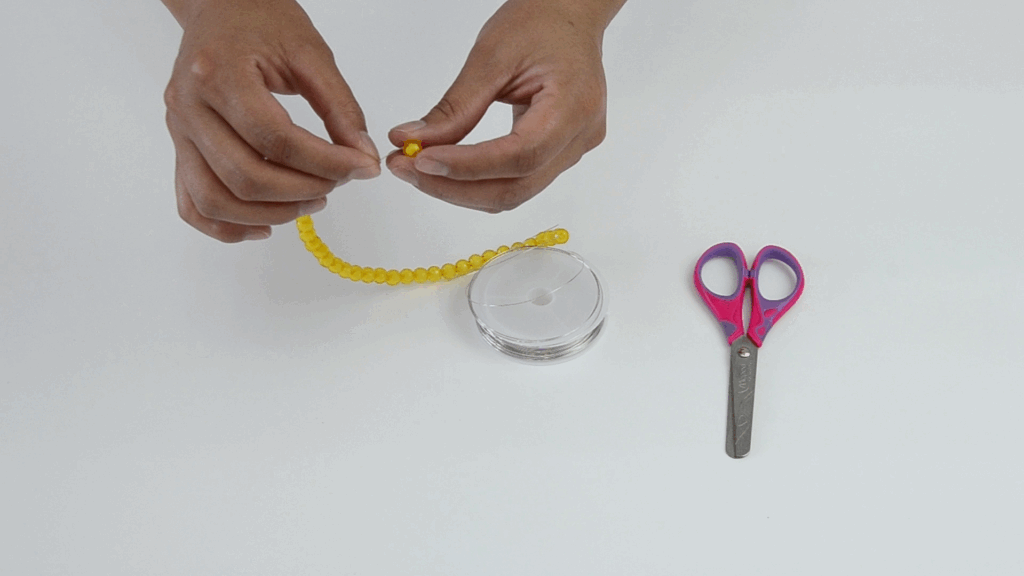
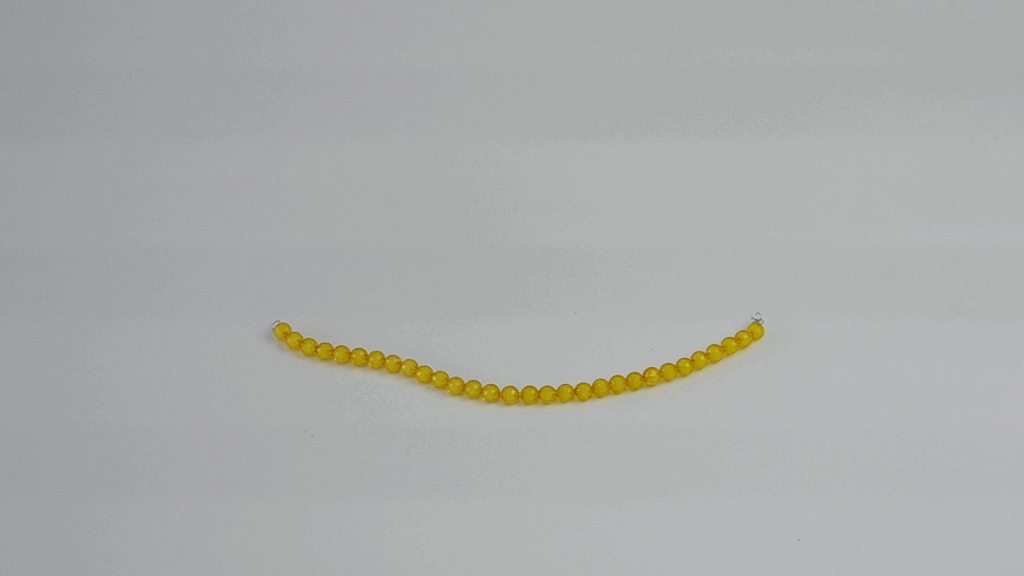
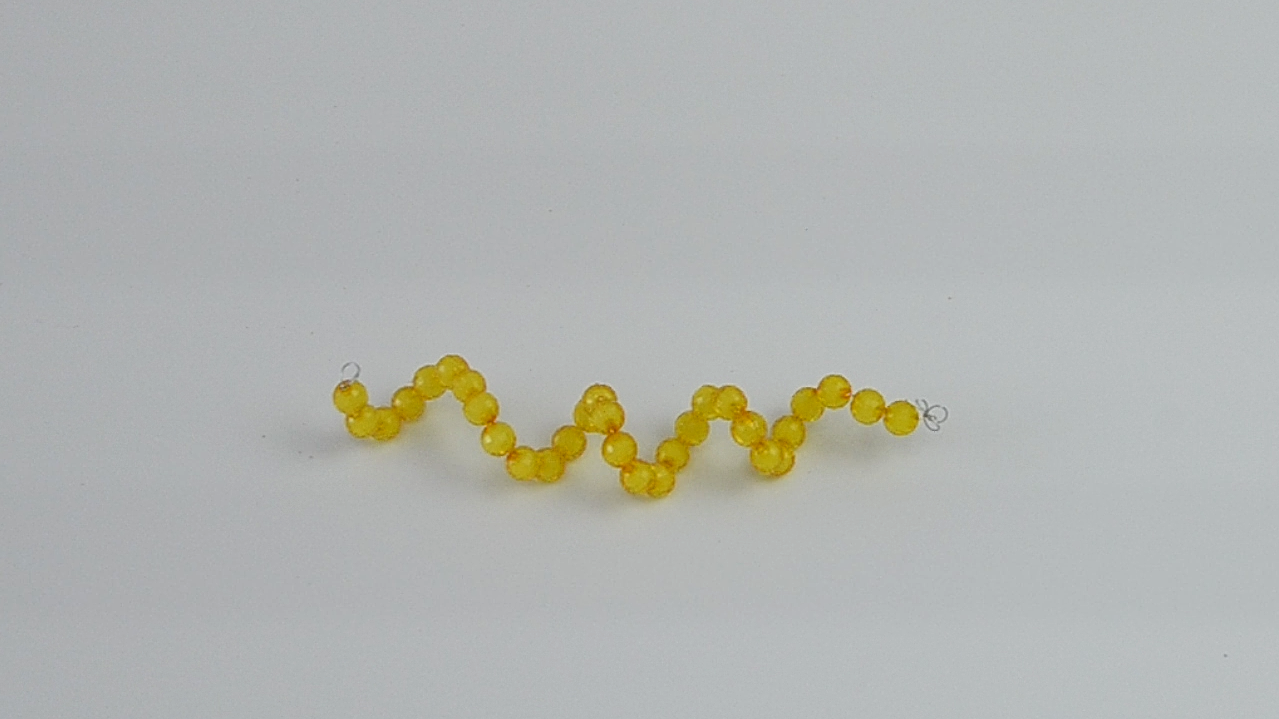
Step 2. String the beads onto the wire and secure both ends to form a chain.
This represents the primary structure of a protein — a sequence of amino acids in a specific order.
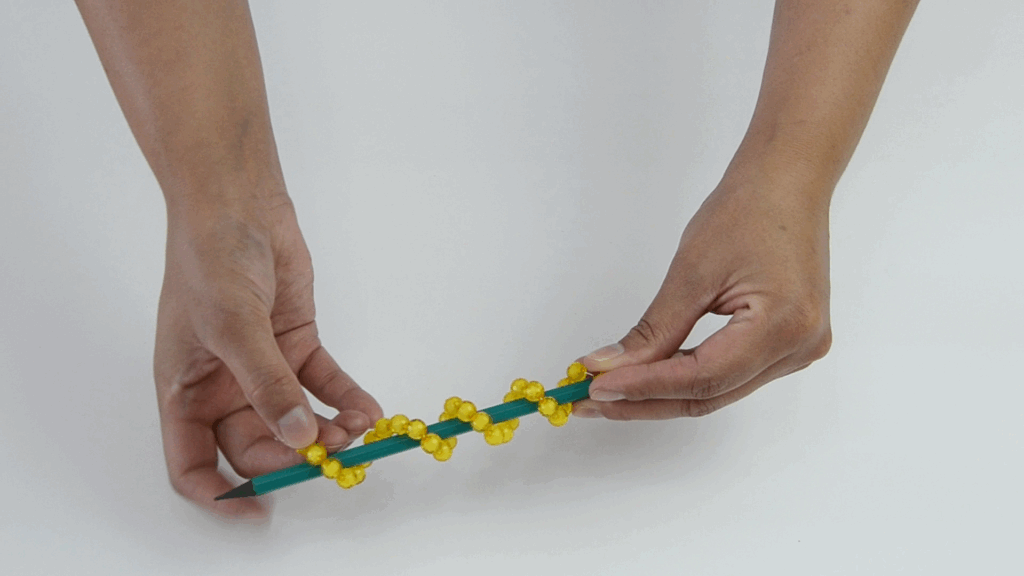
Step 3. Wrap the resulting chain around a pencil — this will form a spiral.
This is the secondary structure: an alpha-helix or beta-sheet, formed by hydrogen bonds between amino acids.
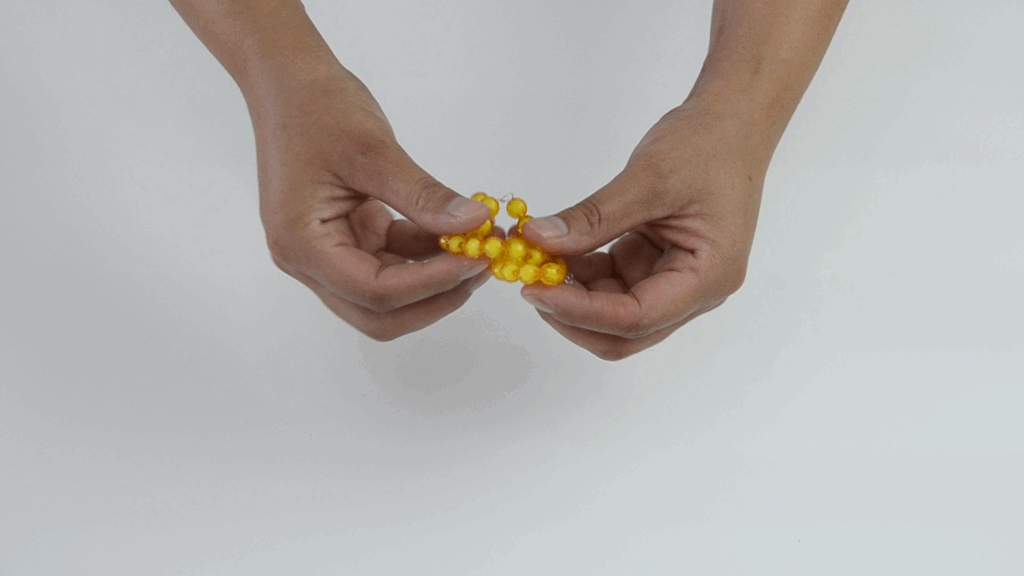
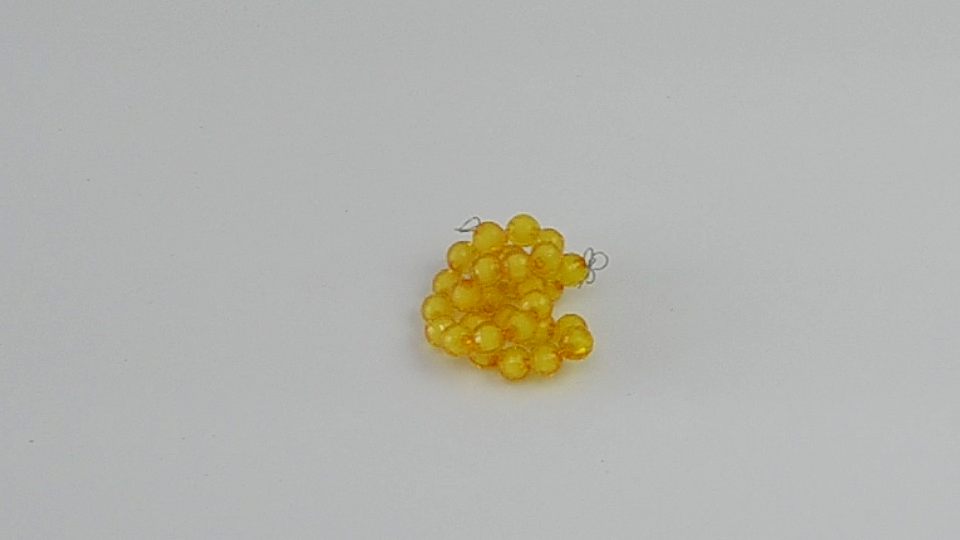
Step 4. Fold the spiral into a ball (globule).
This is the tertiary structure — the three-dimensional shape of the protein, stabilized by ionic, hydrogen, disulfide, and hydrophobic interactions.
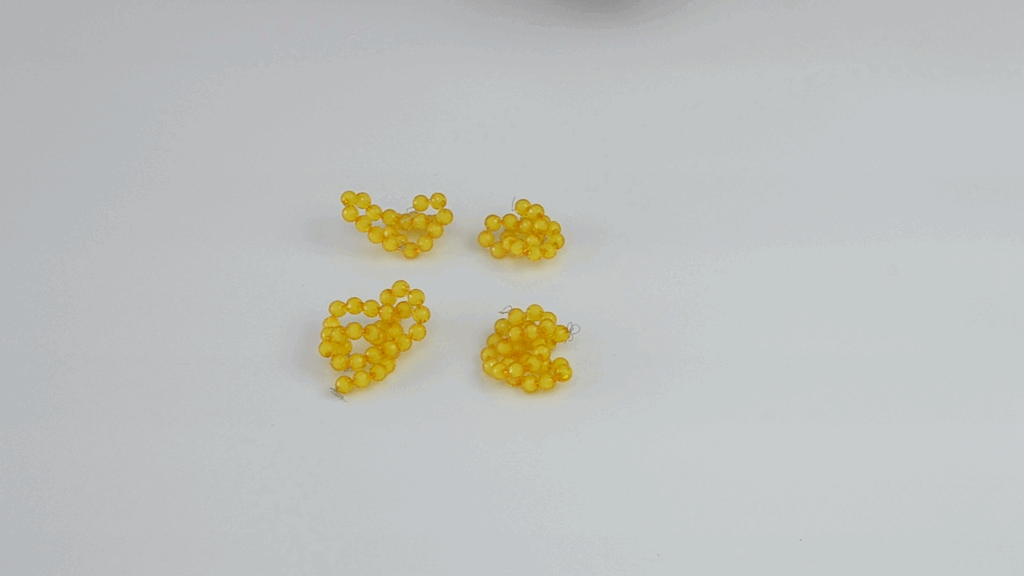
Step 5. Take several such globules and connect them together.
This is the quaternary structure of a protein, which consists of multiple polypeptide chains (subunits), each with its own tertiary structure.
Conclusion
During the lab work, students observed that proteins change their structure under the influence of temperature and pH. This process, known as denaturation, involves the loss of the protein’s natural shape, which affects its function. Modeling the levels of structural organization helped clearly understand the differences between them. The activity contributed to the development of a comprehensive understanding of proteins and improved students’ skills in observation, analysis, and experimentation.