
Lesson

Project Goal:
Describe the life cycle of plants
Teacher Instructions:
Divide the class into groups of 4 students.
Before starting the practical part, introduce all required materials and ensure each group has them.
Give each student one plant.
Note: Some plants lose their regeneration ability as they age because they become less sensitive to phytohormones. It is better to use young or small plants
Distribute worksheets for filling in the observation chart.
Provide a short safety instruction before beginning the activity.
At the beginning of the lesson, explain the PBL (Project Based Learning) rubric to the students. 4K Skills (Critical Thinking, Collaboration, Creativity, Presentation).
Theoretical Part
Plants are living organisms. They survive through air, water, light, and heat. The main parts of a plant are the root, stem, leaf, flower, and seed. Each part performs an important function:
- Root – holds the plant in the soil and absorbs water and nutrients.
- Stem – transports water and nutrients from the roots to the leaves.
- Leaf – creates food for the plant using air and light (photosynthesis).
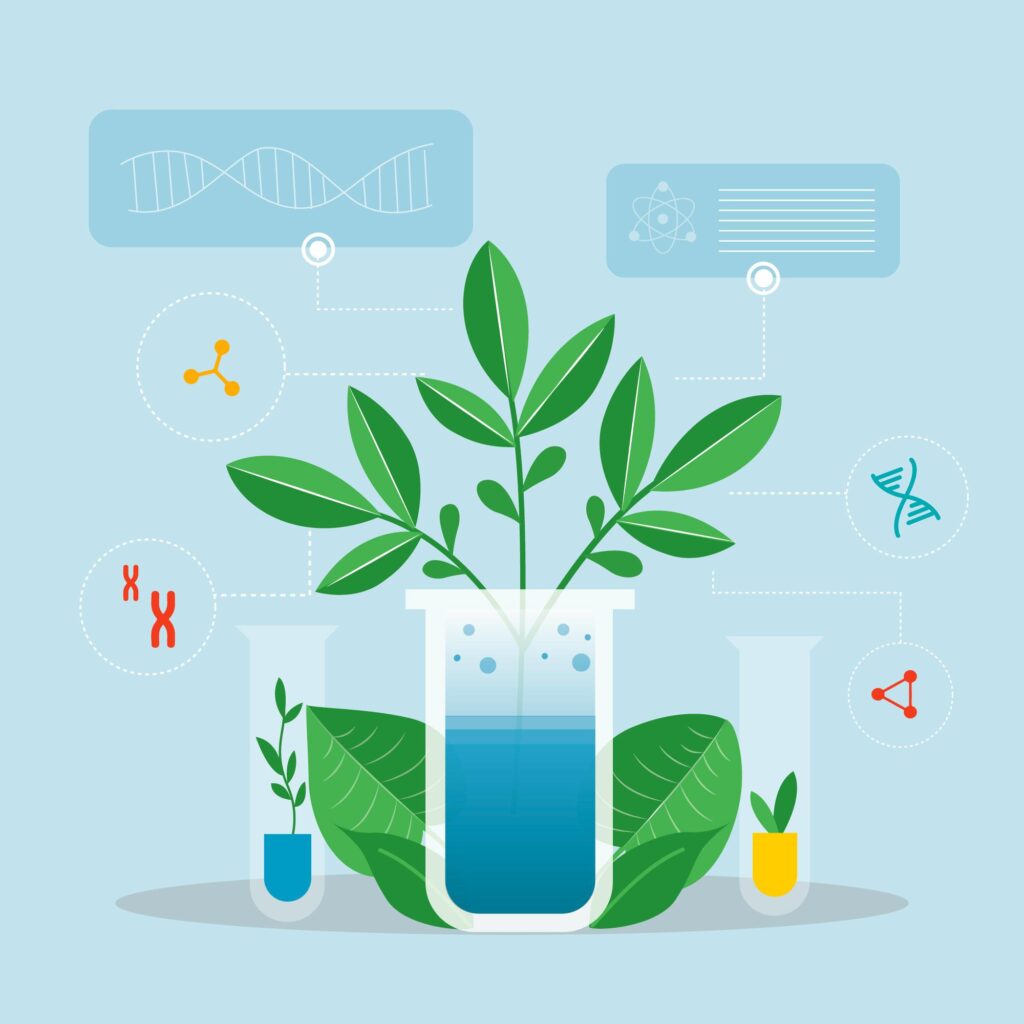
Some plants can regrow even if a part is cut off. This ability is called regeneration. For example, green onions have small buds near the bottom (close to the roots). New leaves can grow from these buds.
Not all parts of a plant regrow equally. The lower parts of the plant – near the roots and the base of the stem – have more active cells. These can form new roots, stems, or leaves. The upper parts of the plant have fewer such cells, so their regrowth potential is lower.
Practical Part
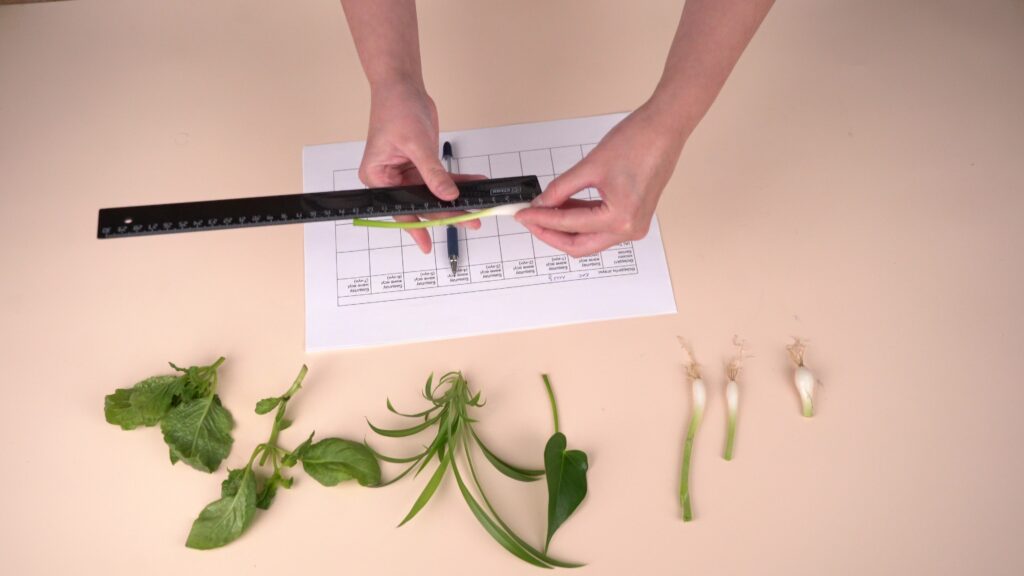
Step 1. Prepare the plants. Rinse green onions, philodendron, chlorophytum, and basil in cold water. Cut off any rotten or damaged parts.
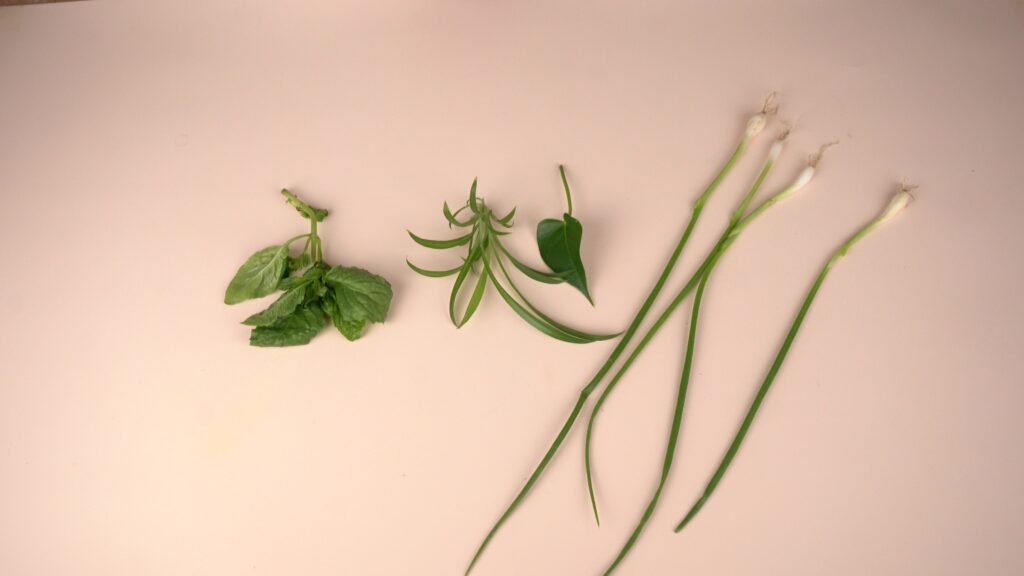
Step 2. Decide which part of the plant you will cut and mark it with a marker:
For green onion:
A) Right at the root
B) 2-3 cm above the root
C) 7-8 cm above the root
D) 10 cm above the root
For basil:
A) Top part
B) Bottom part
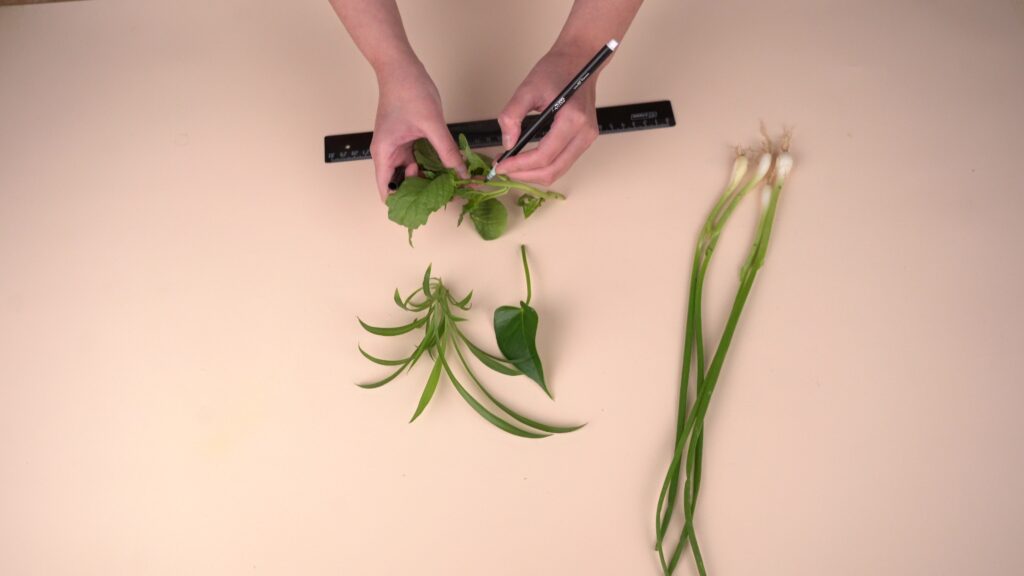
Step 3. Cut the plant precisely at the marked point.
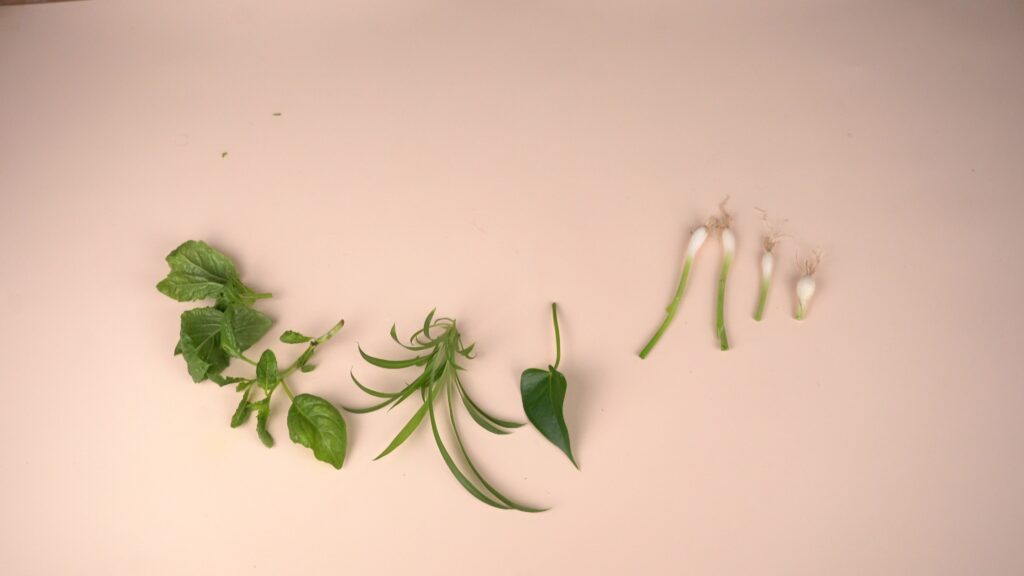
Step 4. Measure each plant and record the data on the observation sheet. Follow the link to print the observation sheet.
Step 5. Place each plant in a separate glass. Pour in the same amount of water for each – enough to cover the base of the plant by 0.5-1 cm.
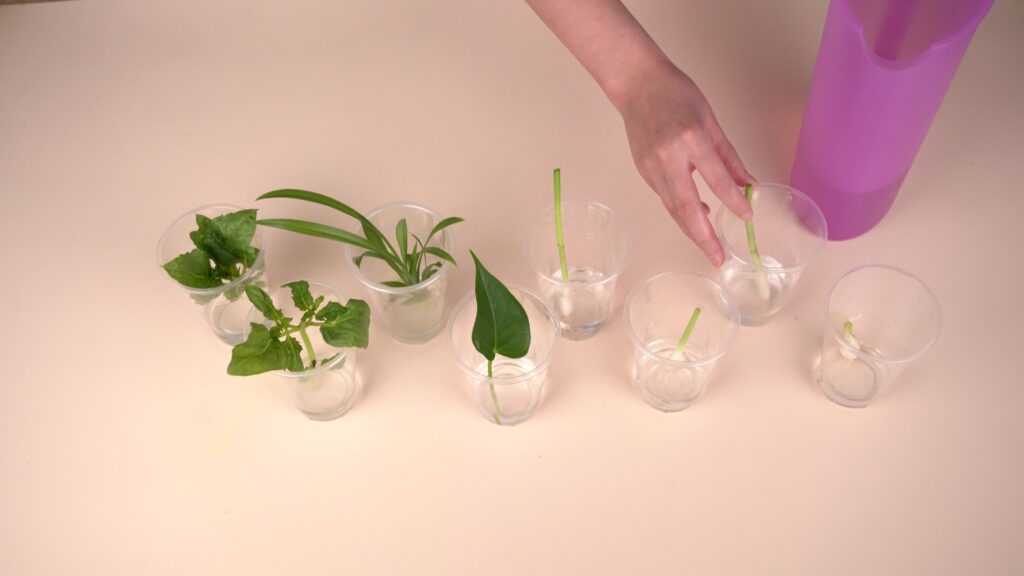
Step 6. Leave the plants for 1 week. Check the water level daily. Add water as needed. Replace the water completely every 2-3 days and note the date.
Each day, record the following:
- Change in color
- New bud growth
- Water color change
- Root formation
- Total growth length (measured with a ruler)
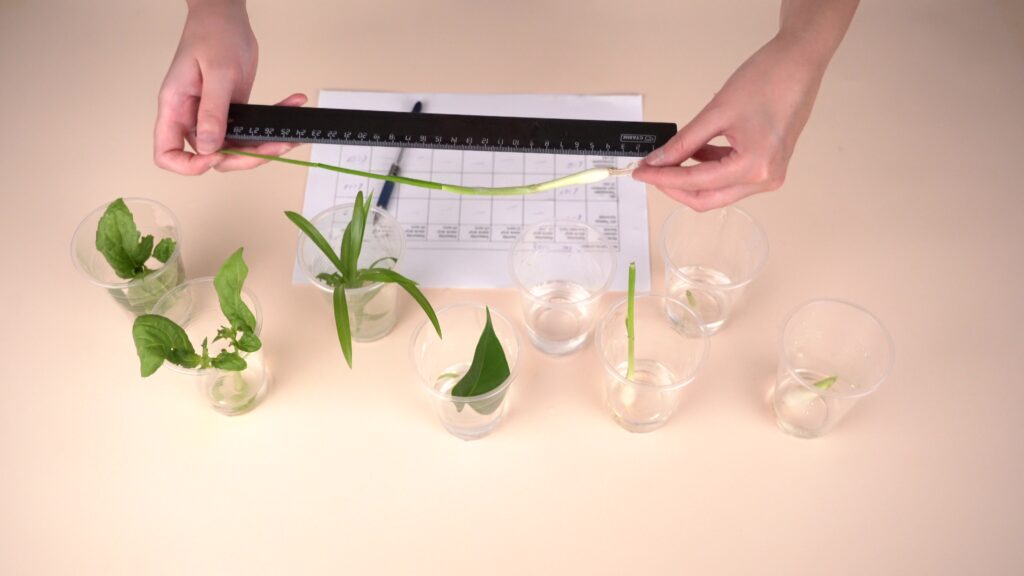
Step 7. At the end of Day 7, measure the total sprout length and divide by 7:
Formula: average growth = total cm / 7 days
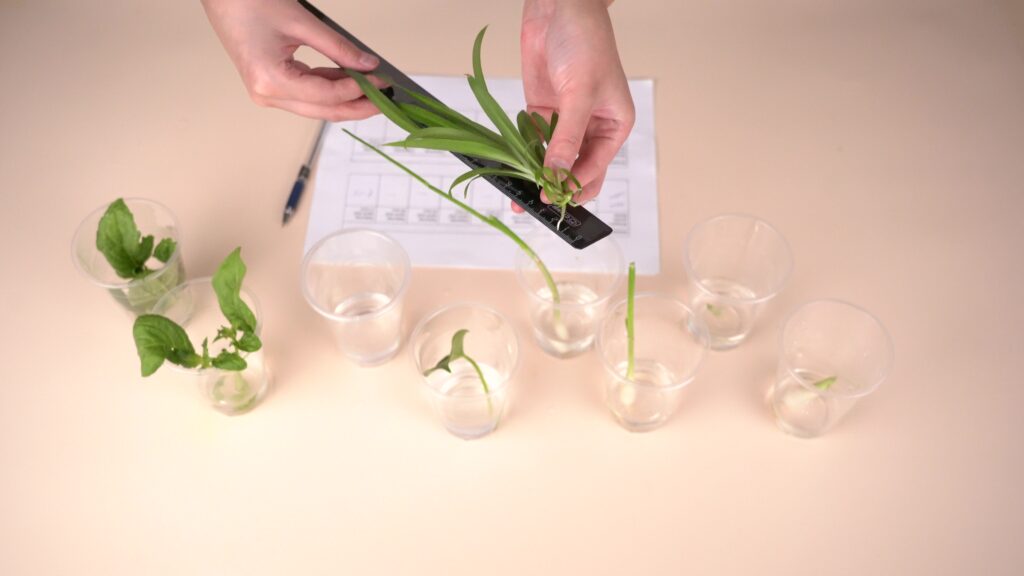
Step 8. (optional): If some plants have started to grow well, you can plant them in soil and continue growing them.
Conclusion
Through this project, students identified which parts of a plant are best for regrowth. They practiced daily observations, recorded accurate data, and learned how to draw conclusions.

In this project, each student is assigned a STEAM title in several categories:
– By assembling this model, you have become a true master of science! You have learned how clocks work. This is real scientific thinking!
– Look at this beautiful clock! You have used your design and problem-solving skills to create a working model. Congratulations, you are an expert engineer!