
Lesson

Purpose of the work:
- To investigate the properties of ammonia
Expected results:
After completing the work, students can:
- develop teamwork skills
- be able to analyze and summarize the information received
- draw logical conclusions
Teacher’s Guide:
- The task is performed in groups of 2-3 people
- Before starting laboratory work, please read the safety rules by following the link:
- To download the worksheet, follow the link:
Theory
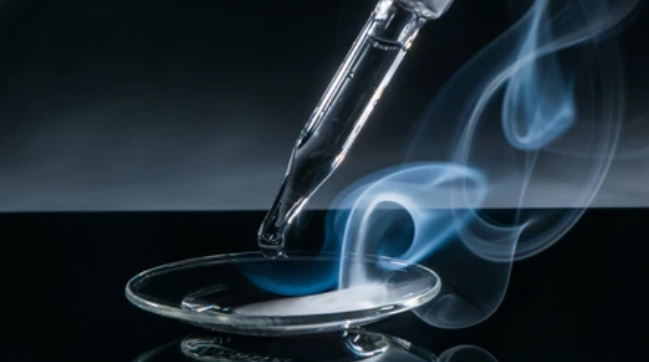
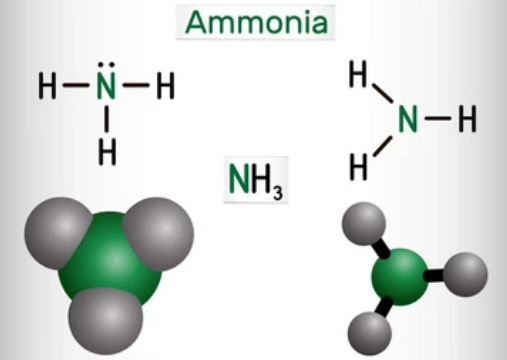
Ammonia (NH₃) is a colorless gas with a sharp, characteristic smell. It is a primary inorganic base, formed due to a lone electron pair on the nitrogen atom. Ammonia is highly soluble in water, forming ammonium hydroxide (NH₄OH), which exhibits basic properties.
Ammonia can:
– react with acids to form ammonium salts
– be displaced from its salts by stronger bases (e.g., NaOH)
– change the color of pH indicators, showing an alkaline reaction
– form complex compounds with metal ions (e.g., Cu²⁺, Fe³⁺)
In this experiment, its volatility and interaction with salt solutions and acid-base indicators are explored.
Practical part
Step 1. Prepare all necessary reagents and materials.
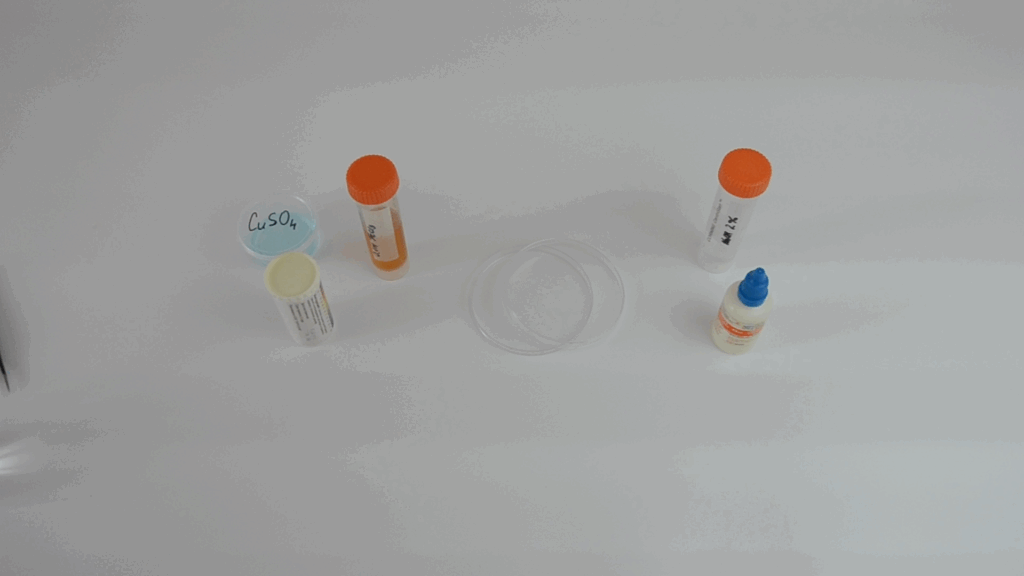
Step 2. Drop 1–2 drops of copper sulfate and iron chloride solution on opposite sides of the Petri dish to prevent mixing.
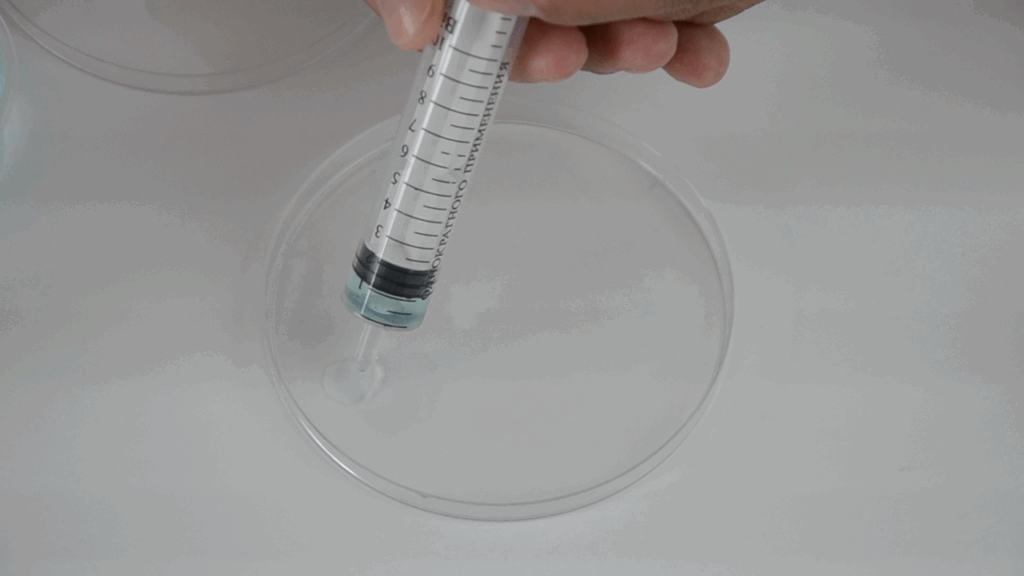
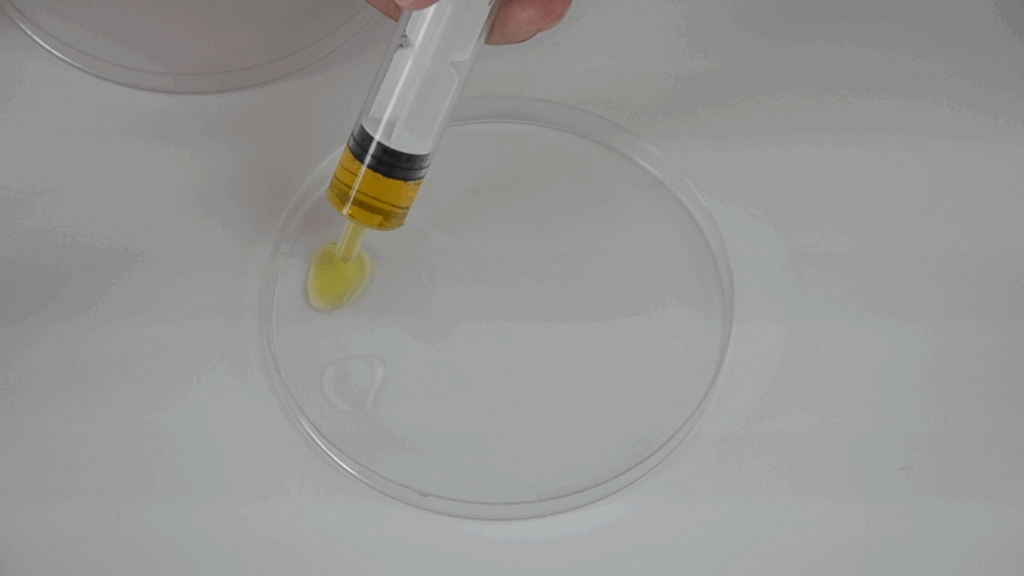
Step 3. Moisten the pH indicator paper with clean water and carefully place it in the dish, avoiding contact with the drops.
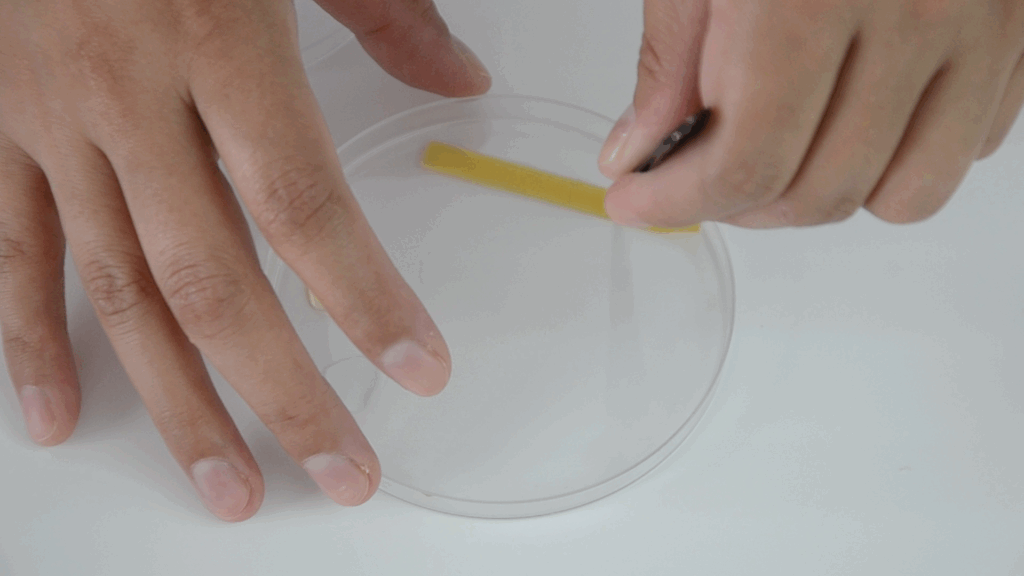
Step 4. Add 1–2 drops of ammonia solution to an empty space in the Petri dish, away from other components. You may already notice the indicator changing color . Then, add 1–2 drops of sodium hydroxide to the ammonia drop to intensify the reaction.
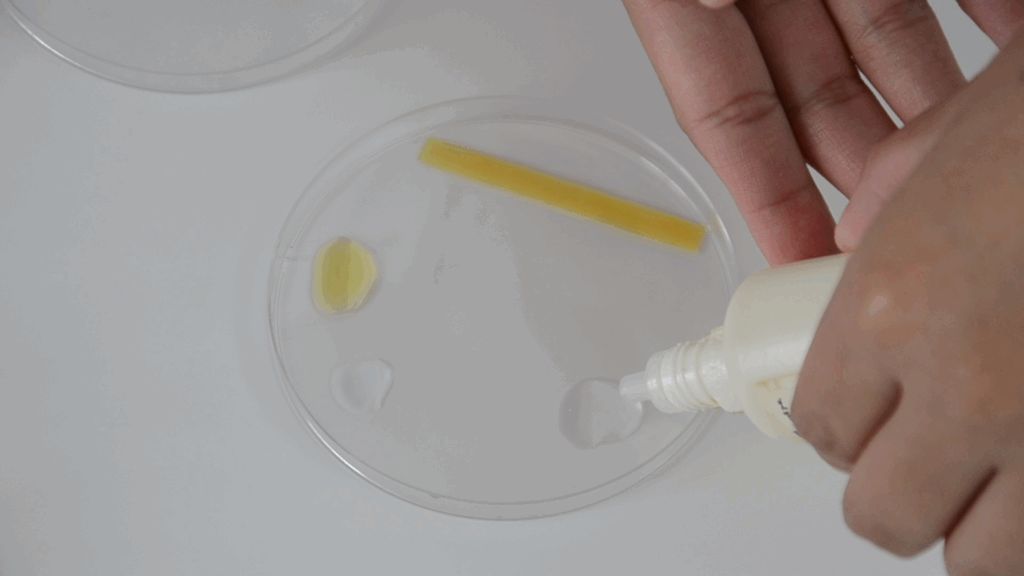
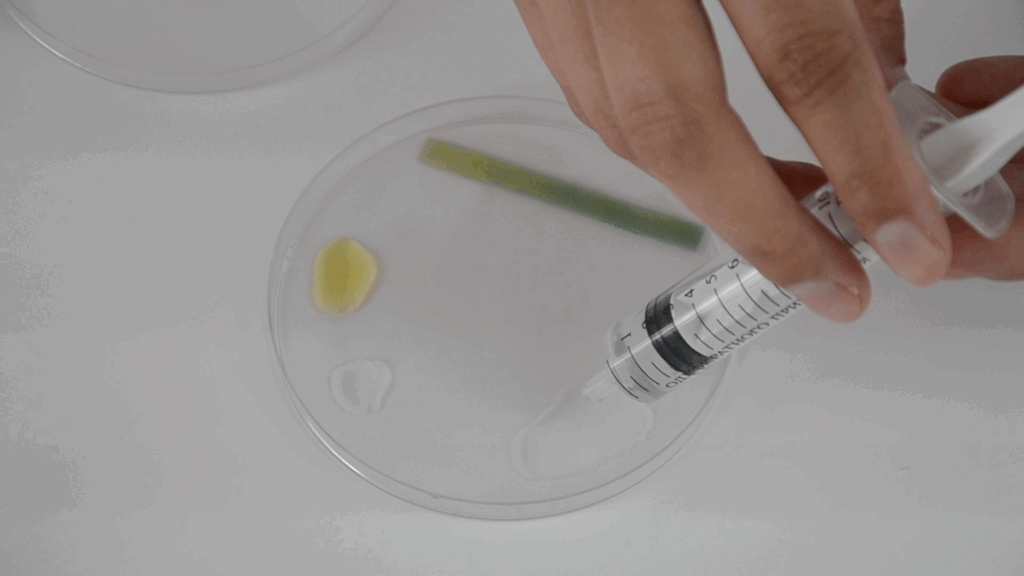
Step 5. Cover the dish with a lid and leave it for 10 minutes to allow ammonia gas to spread.
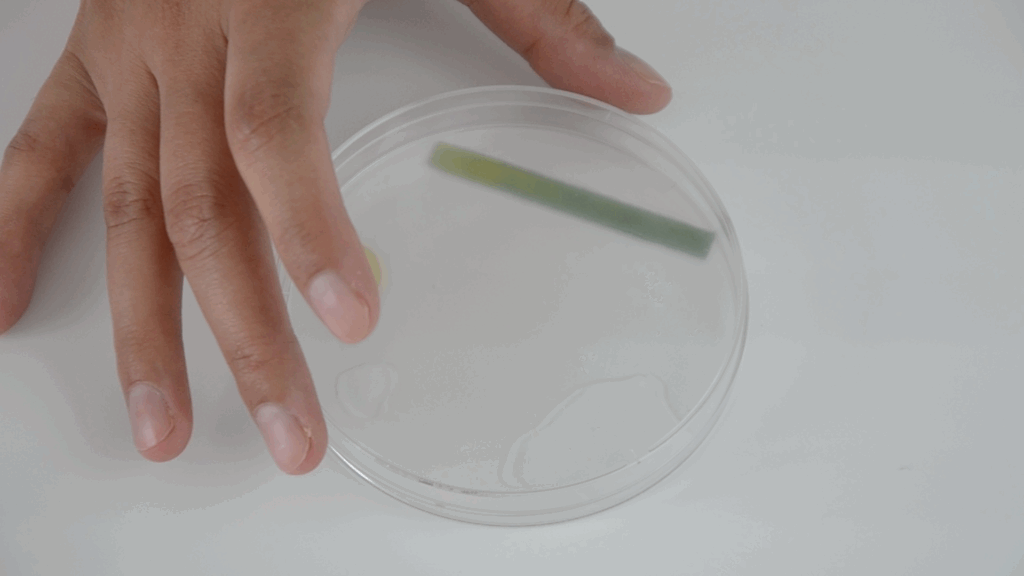
Step 6. Observe if the colors of the solutions and indicator paper change.
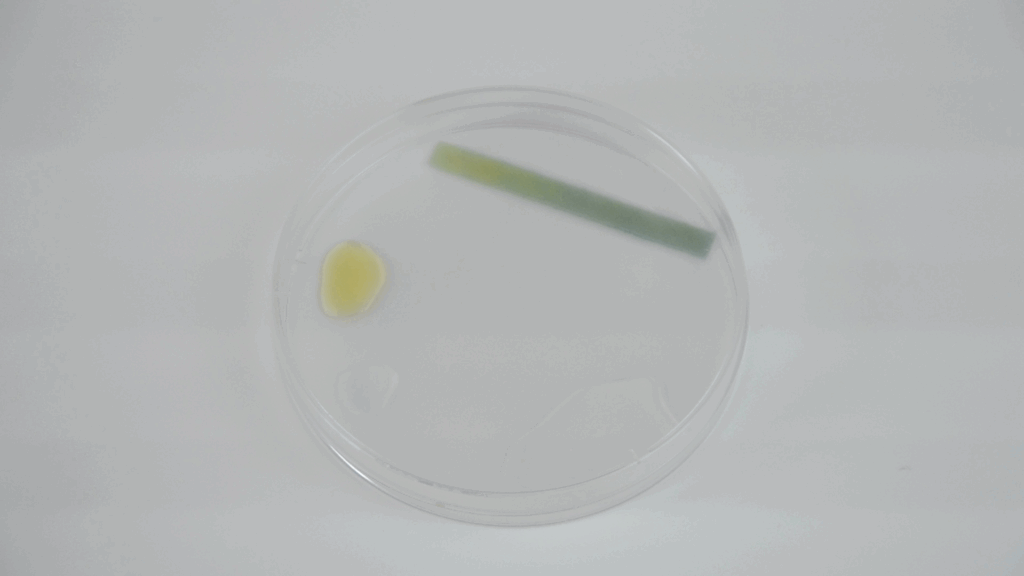
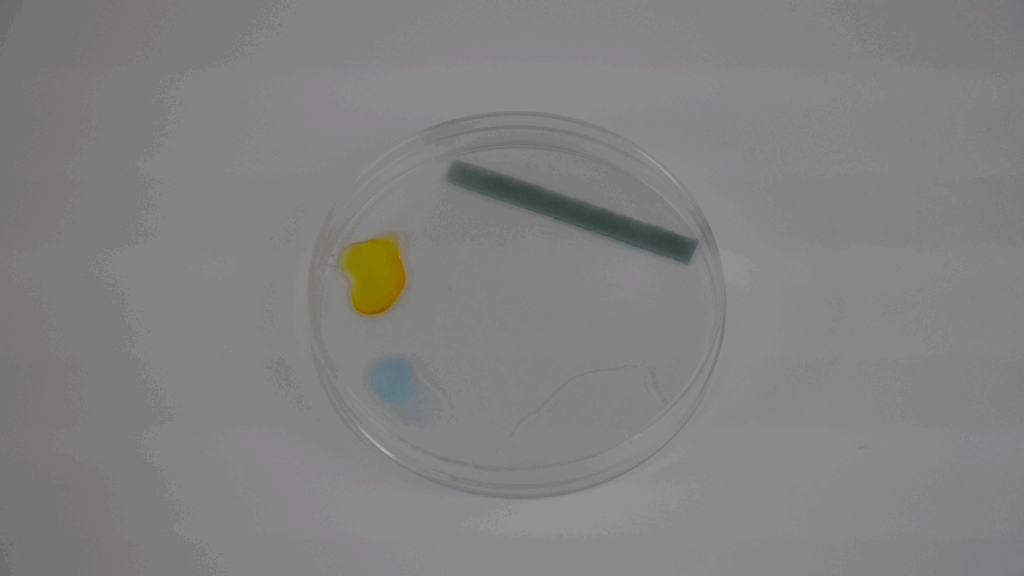
Step 7. Carefully open the lid. Compare the indicator’s color with the pH scale and determine the change in acidity.
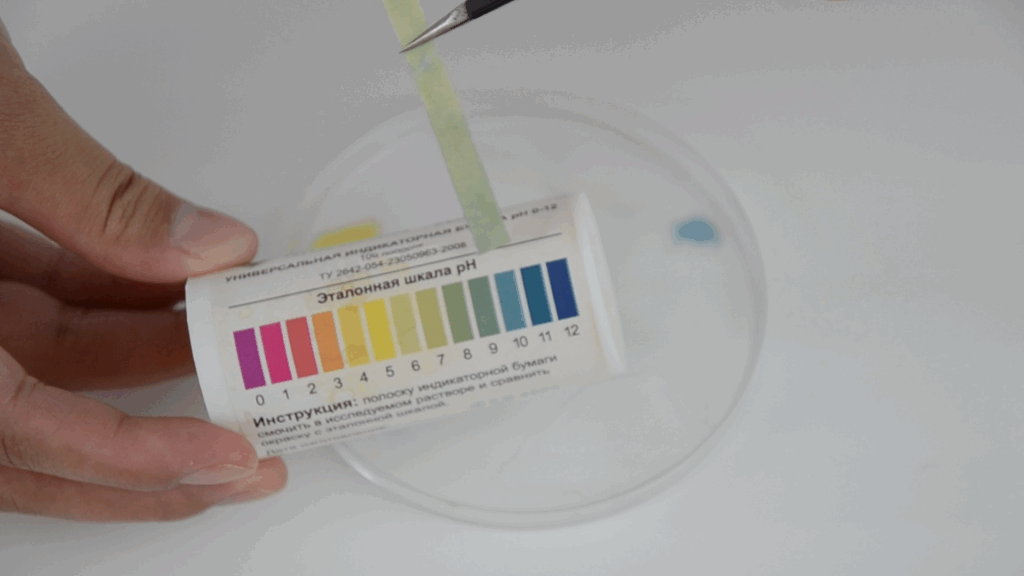
Step 8. Record your observations and any possible reaction equations in the worksheet.
Answer the questions:
– Why did the color of the indicator and solutions change?
– What products were formed during the experiment?
– What conclusions can be drawn about the properties of ammonia?
Conclusion
During this laboratory work, students obtained ammonia gas from a solution (ammonia water) and observed its effects on copper sulfate, iron chloride, and pH indicator paper.