
Lesson

Purpose of the work:
- To investigate the chemical properties of alcohols and perform qualitative reactions for monoatomic and polyatomic alcohols.
Expected results:
After completing the work, students can:
- develop teamwork skills
- be able to analyze and summarize the information received
- draw logical conclusions
Teacher’s Guide:
- The task is performed in groups of 2-3 people
- Before starting laboratory work, please read the safety rules by following the link:
- To download the worksheet, follow the link:
Theory
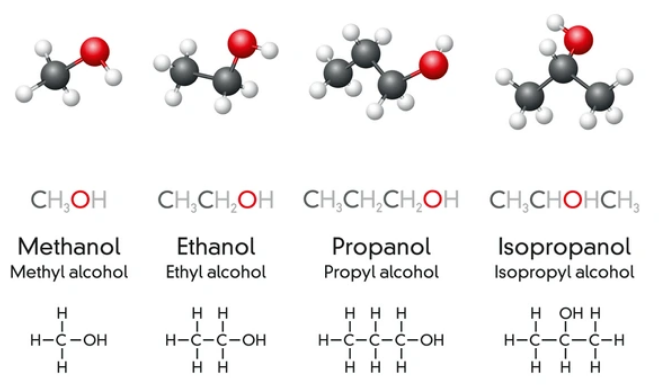
Alcohols are organic compounds containing one or more hydroxyl (–OH) groups bonded to a hydrocarbon radical.
- Monoatomic alcohols (e.g., ethanol) have one –OH group.
- Polyatomic alcohols (e.g., glycerol) have two or more –OH groups.
1. Combustion of alcohols:
Alcohols burn in oxygen to form carbon dioxide and water.
Example:

2. Reaction with copper(II) oxide:
When heated, copper forms black CuO, which is reduced to metallic copper by ethanol — a test for monoatomic alcohols.
3. Reaction of polyatomic alcohols with copper(II):
Glycerol forms a bright blue complex with Cu²⁺ ions in alkaline medium — a qualitative reaction for polyatomic alcohols.
Practical part
Combustion of ethanol:
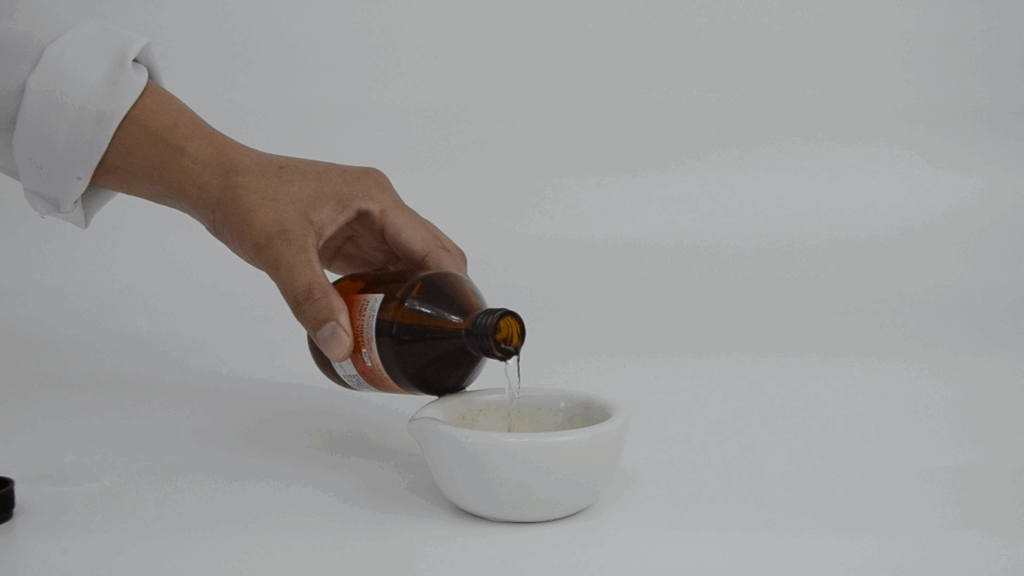
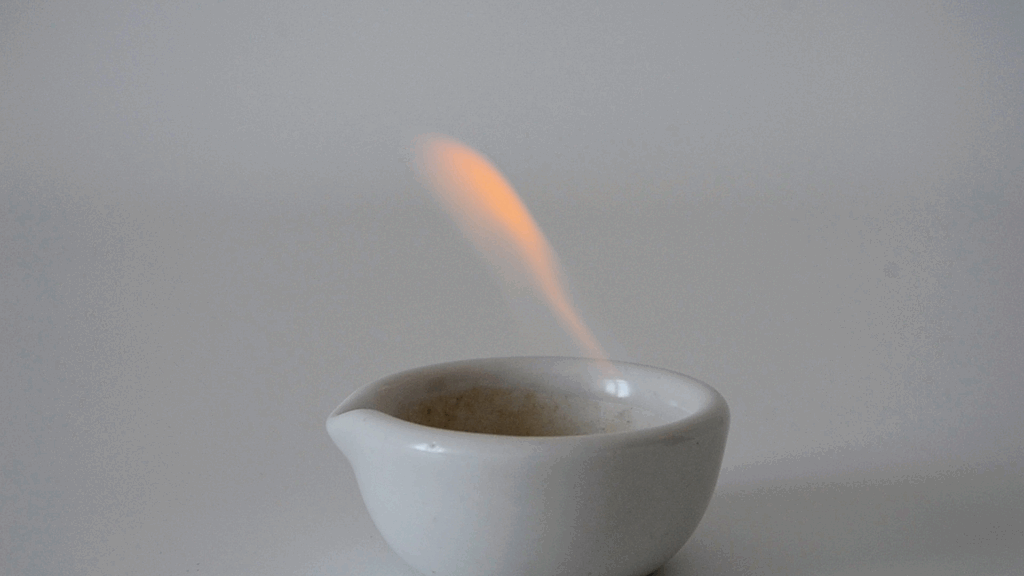
Step 1. Pour 5–10 ml of ethanol into a porcelain dish. Ensure no flammable materials are nearby.
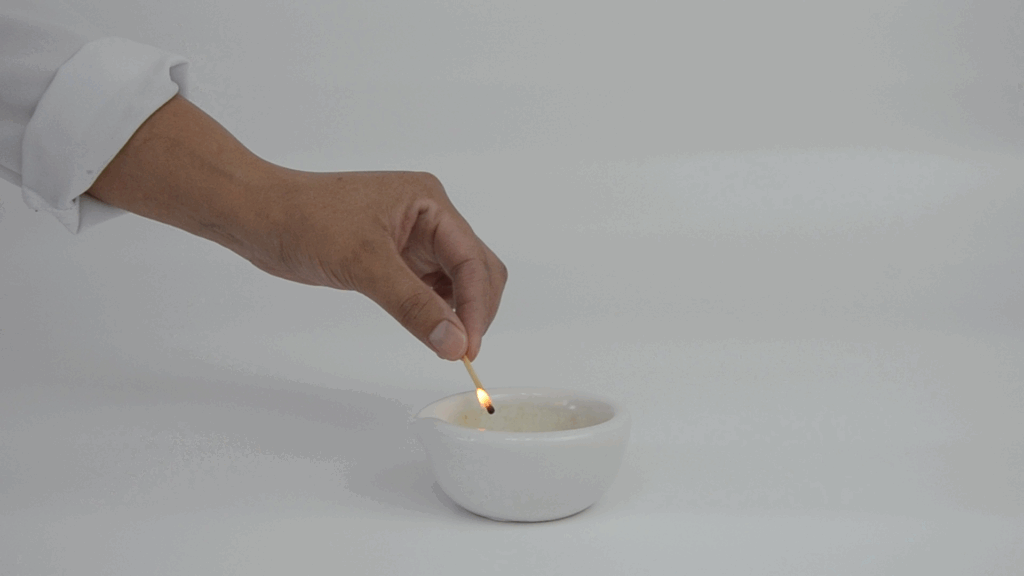
Step 2. Carefully ignite the alcohol. Observe the faint alcohol flame.
Qualitative reaction for monoatomic alcohols (No. 1):
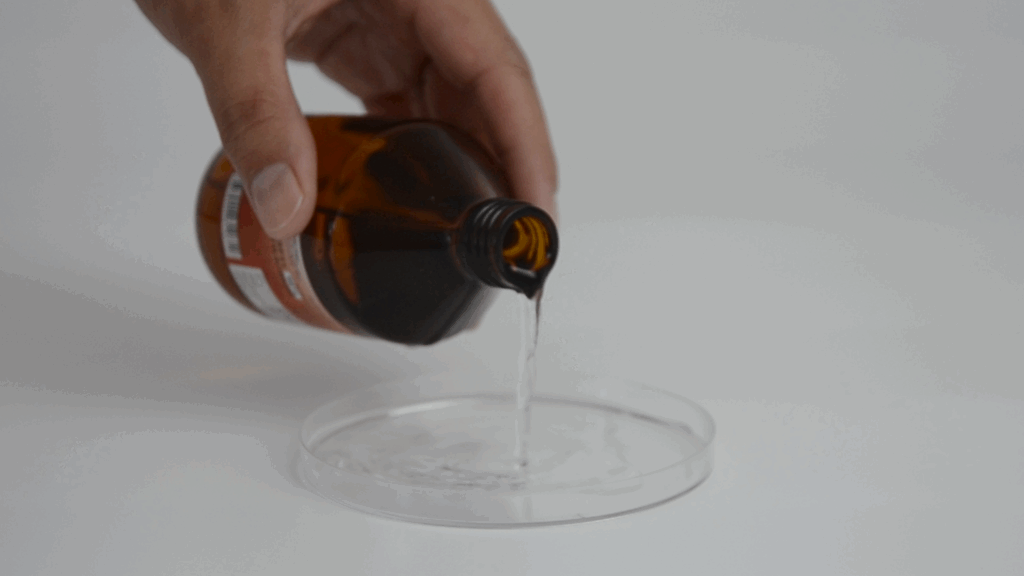
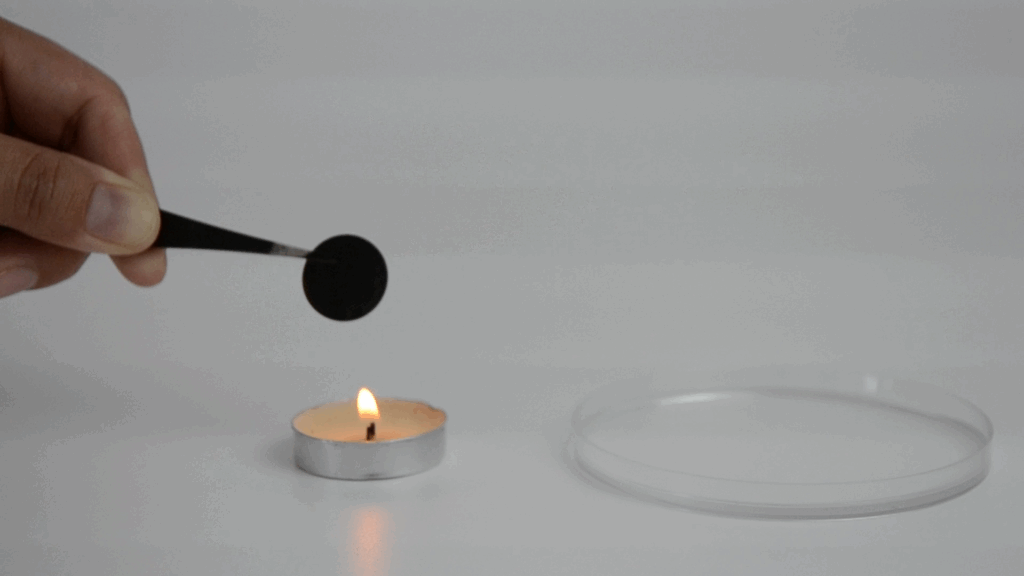
Step 3. Pour some ethanol into a container. Hold a copper coin or wire with tongs.
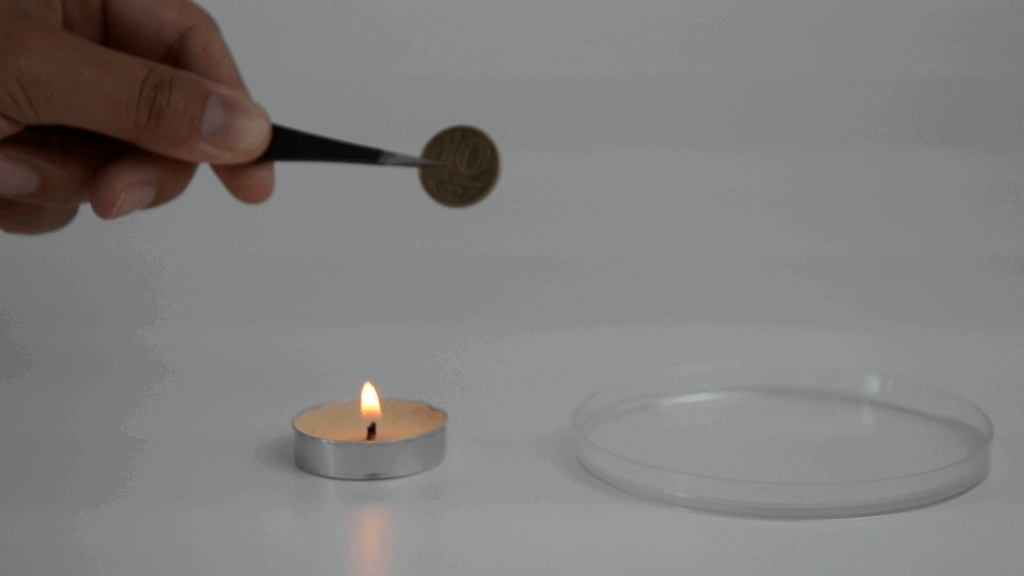
Step 4. Heat it over the flame until a black coating (CuO) forms.
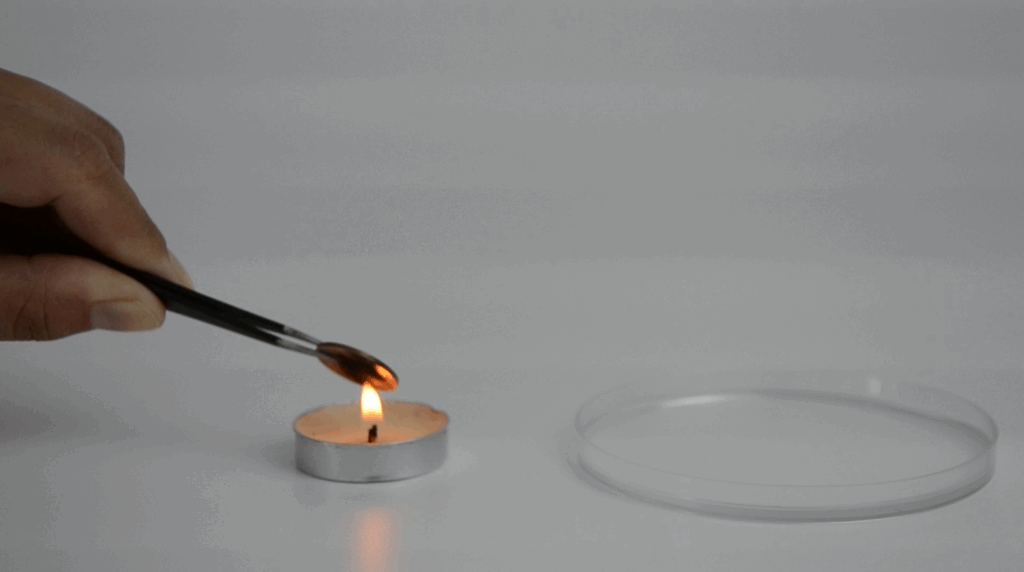
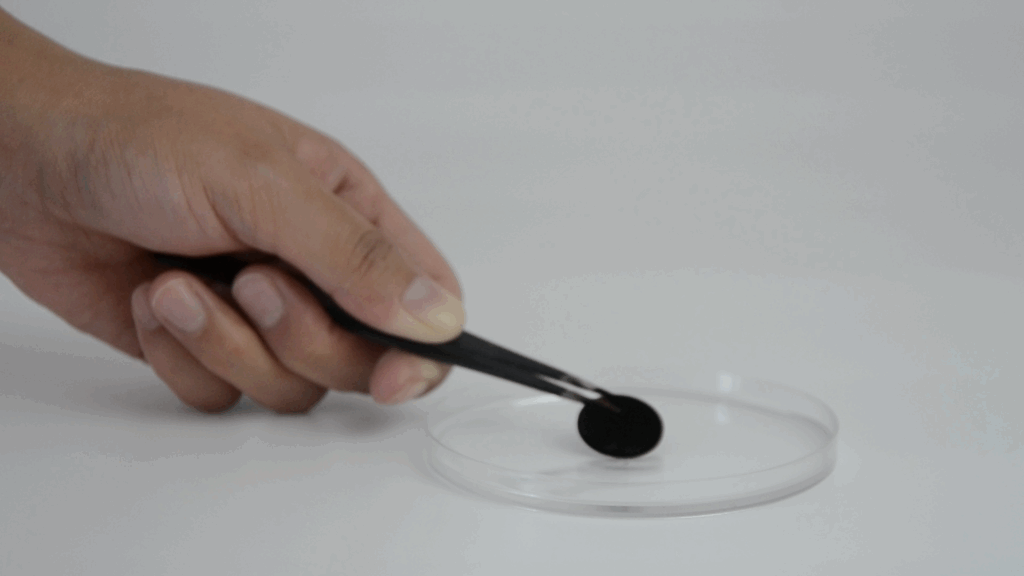
Step 5. While still hot, immerse it in ethanol.
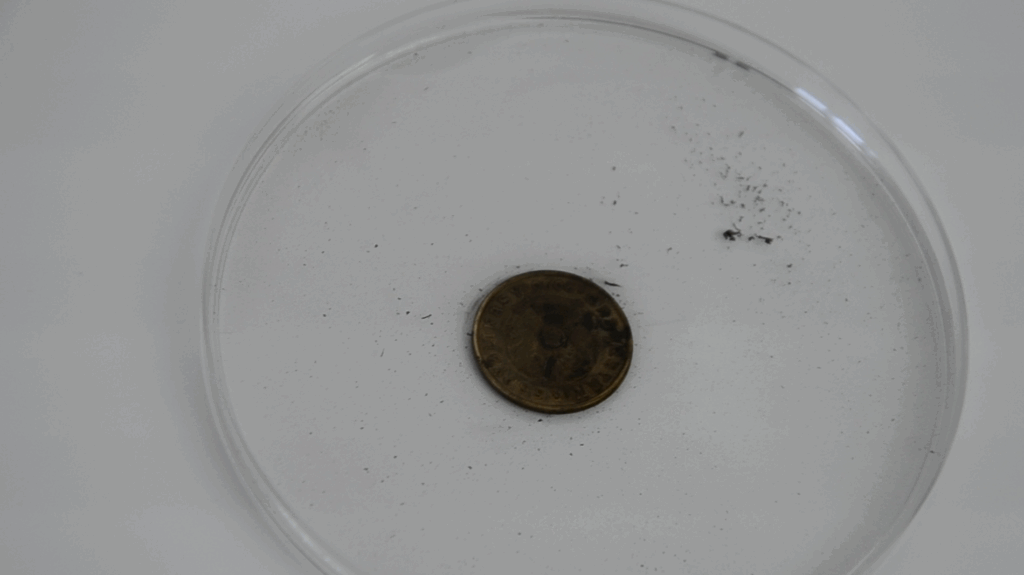
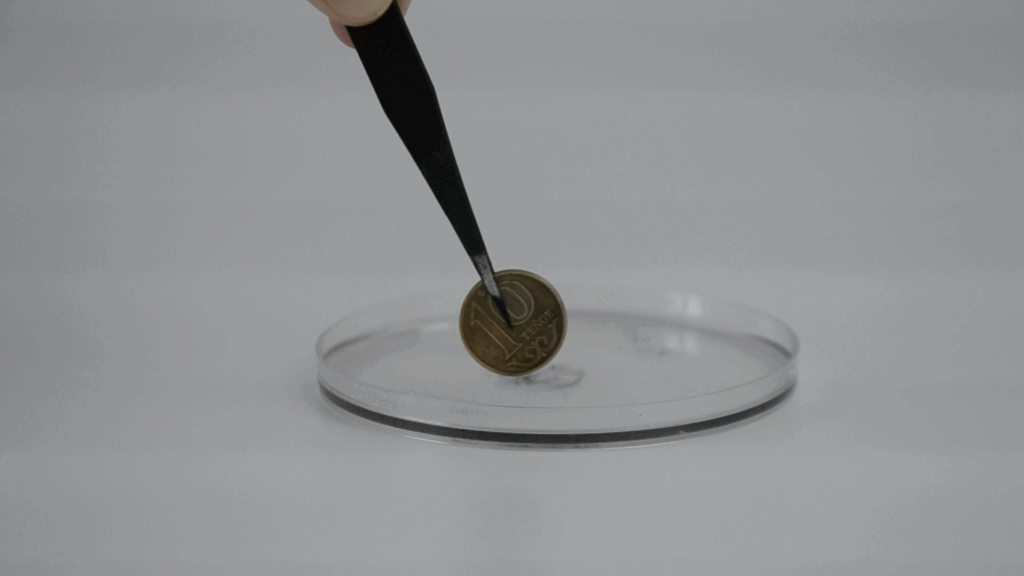
Step 6. Observe: the black coating disappears, the copper regains its reddish color
Qualitative reaction for monoatomic alcohols (No. 2 – Iodoform test):
Step 7. Pour 1 ml ethanol into a test tube.
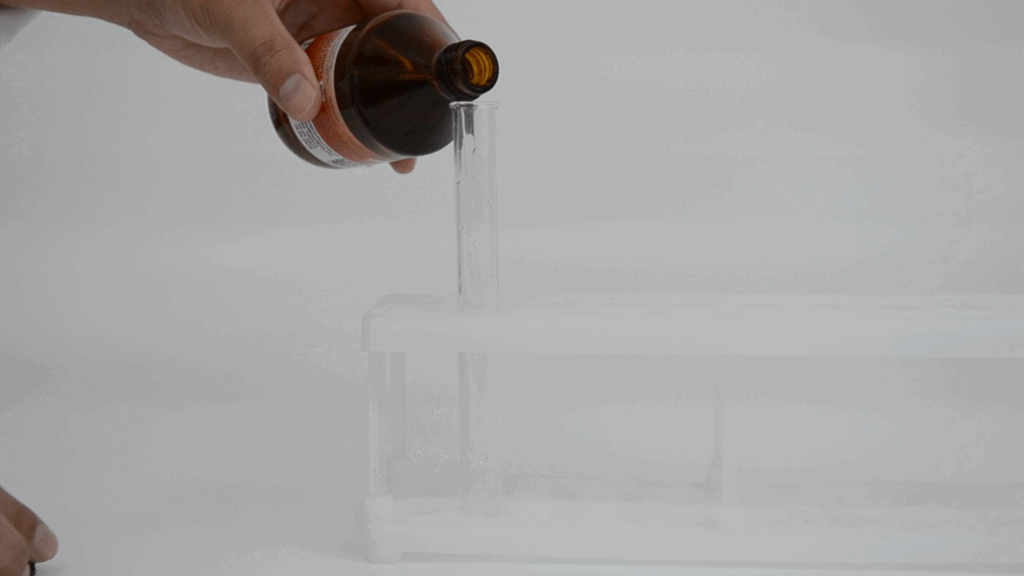
Step 8. Add 2–3 ml iodine solution.
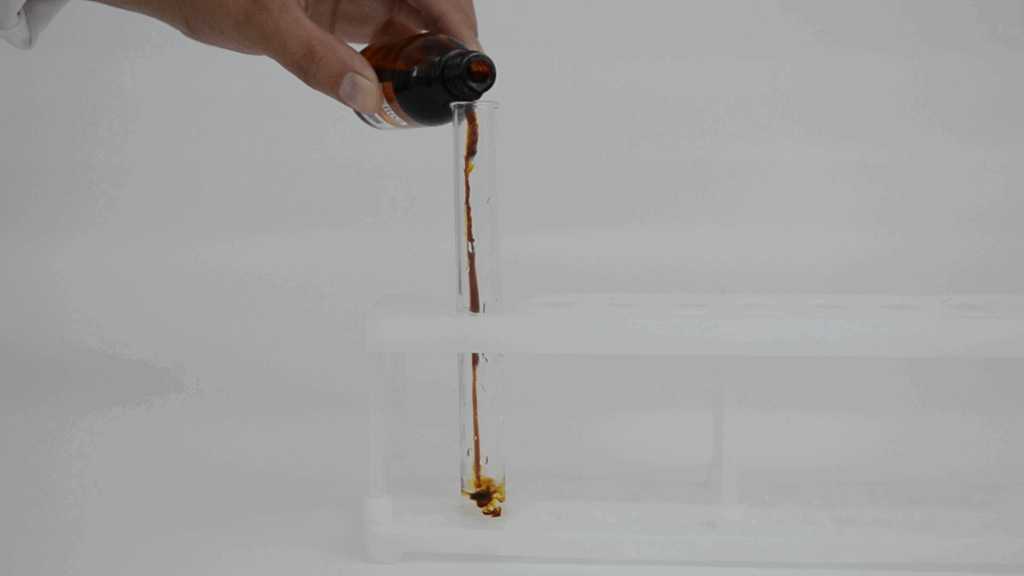
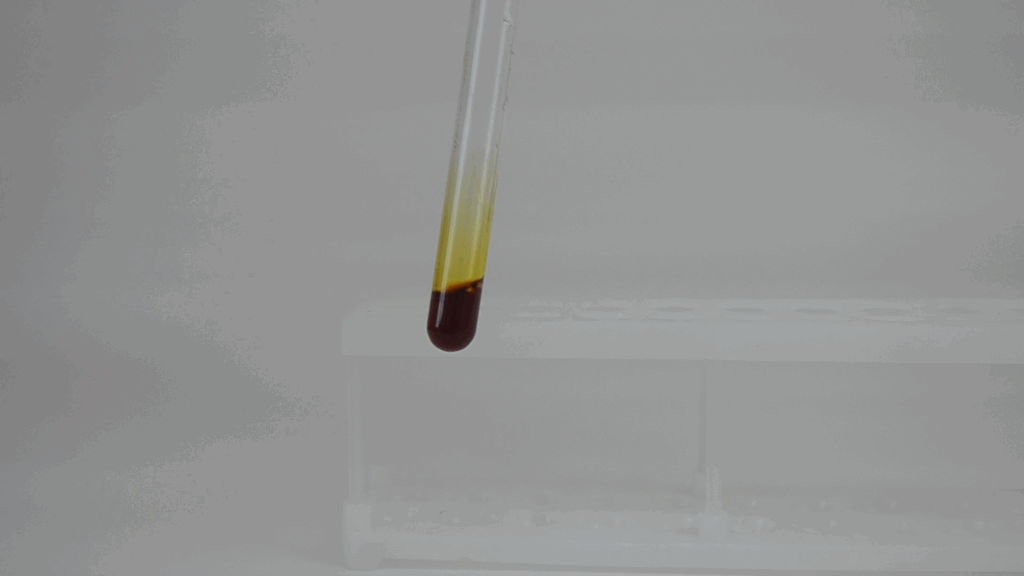
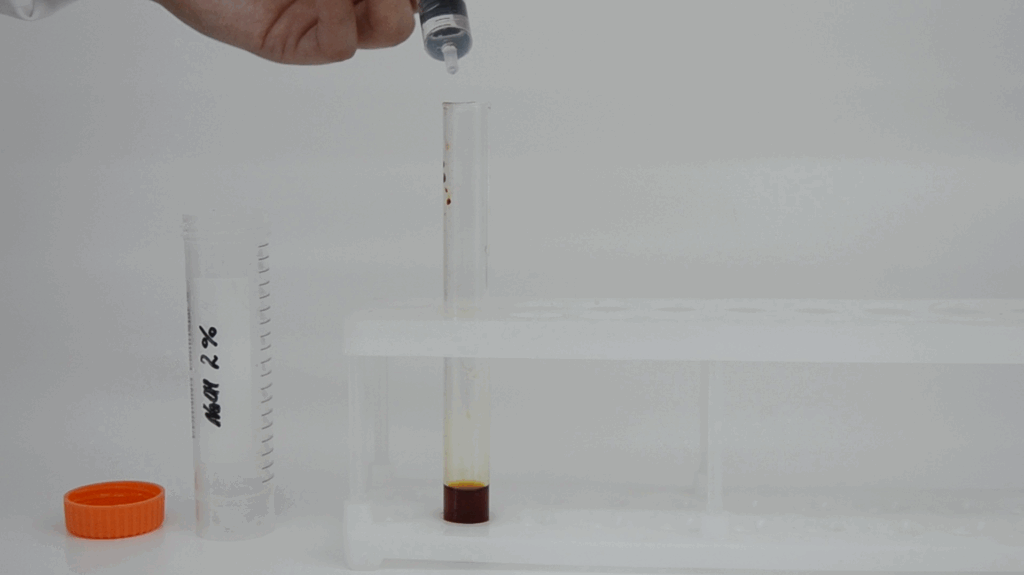
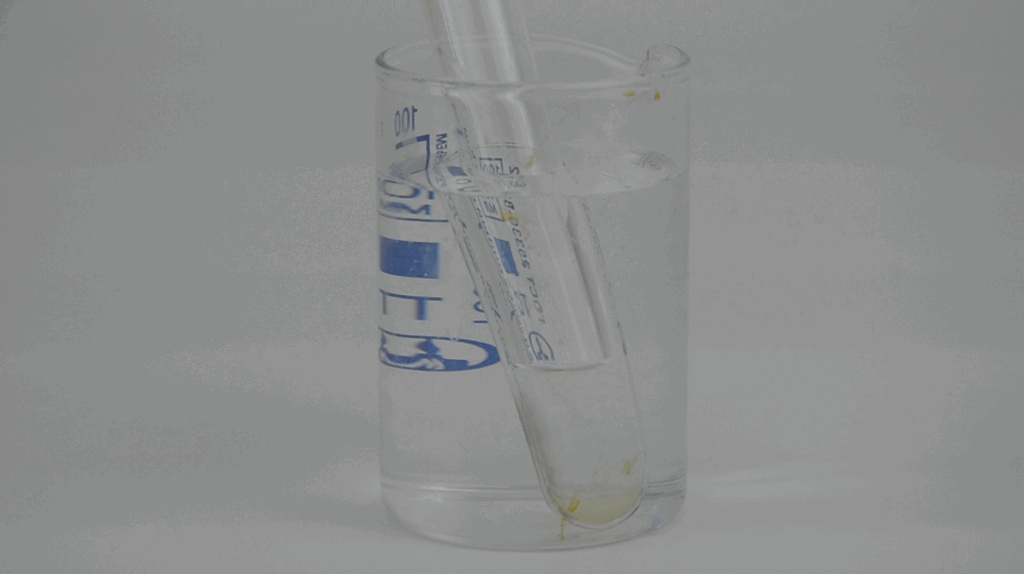
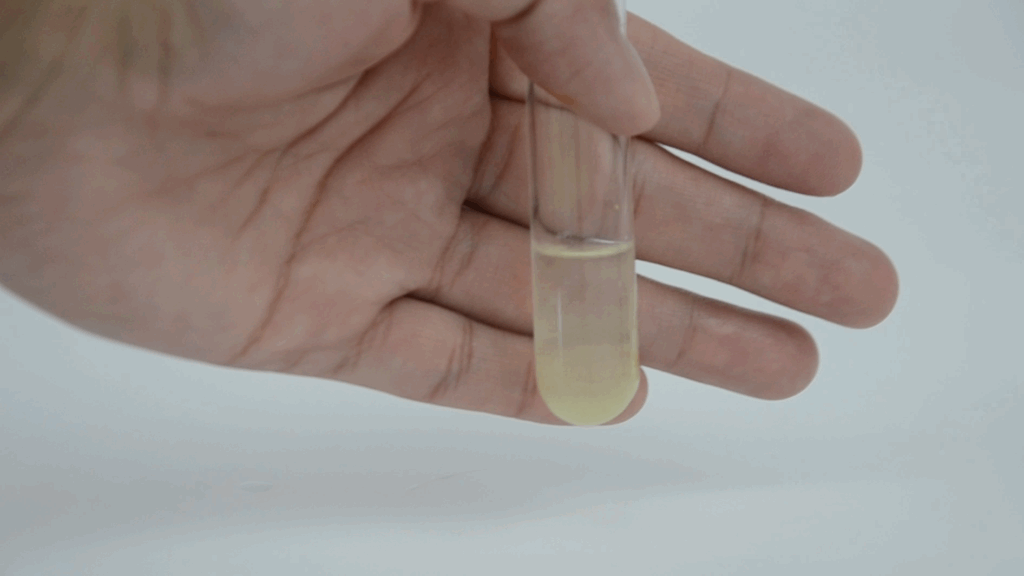
Step 9. Add NaOH drop by drop with stirring until a pale-yellow color appears — this indicates iodoform formation.
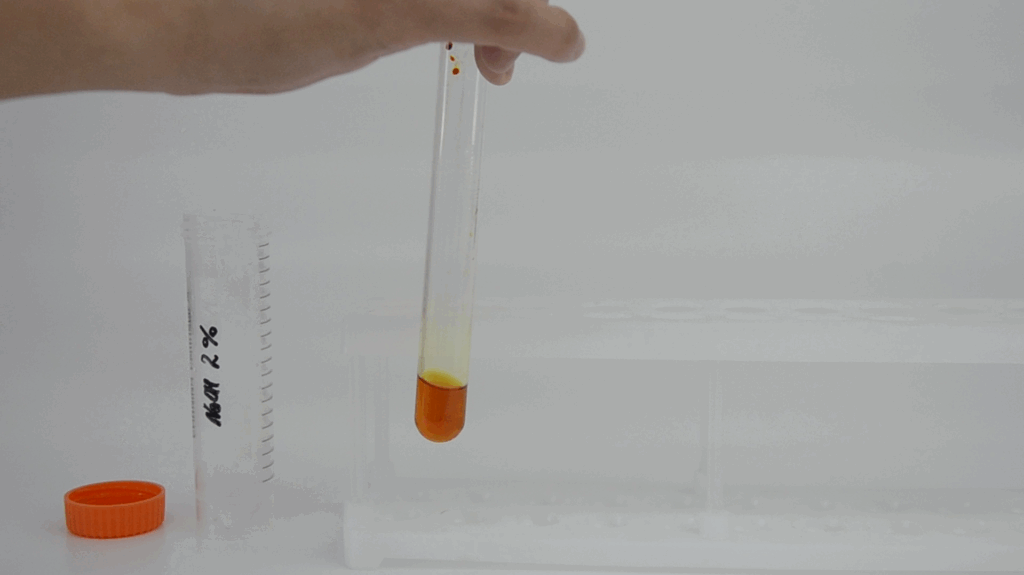
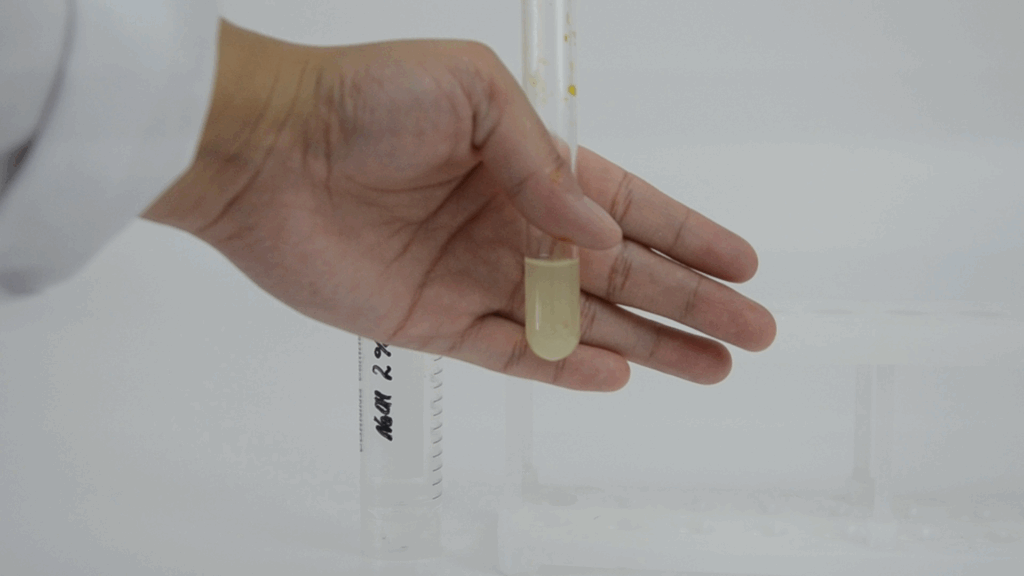
Step 10. Warm the test tube slightly – the solution becomes clear.
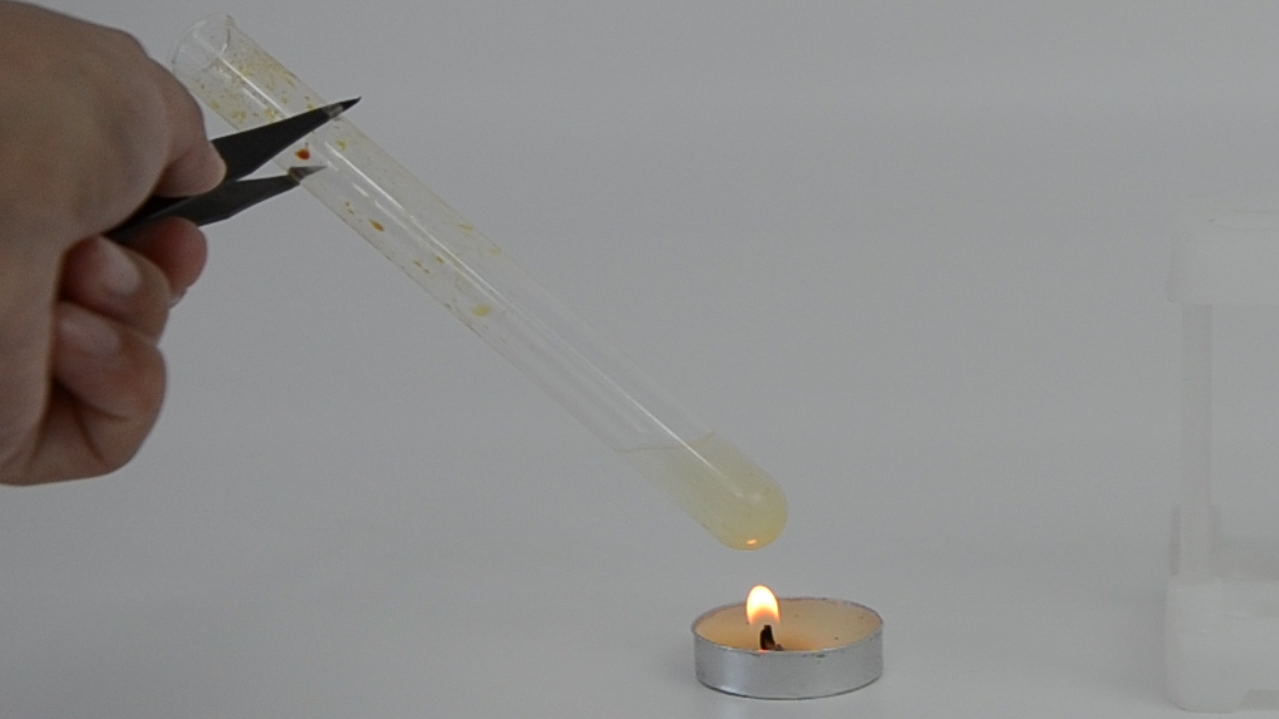
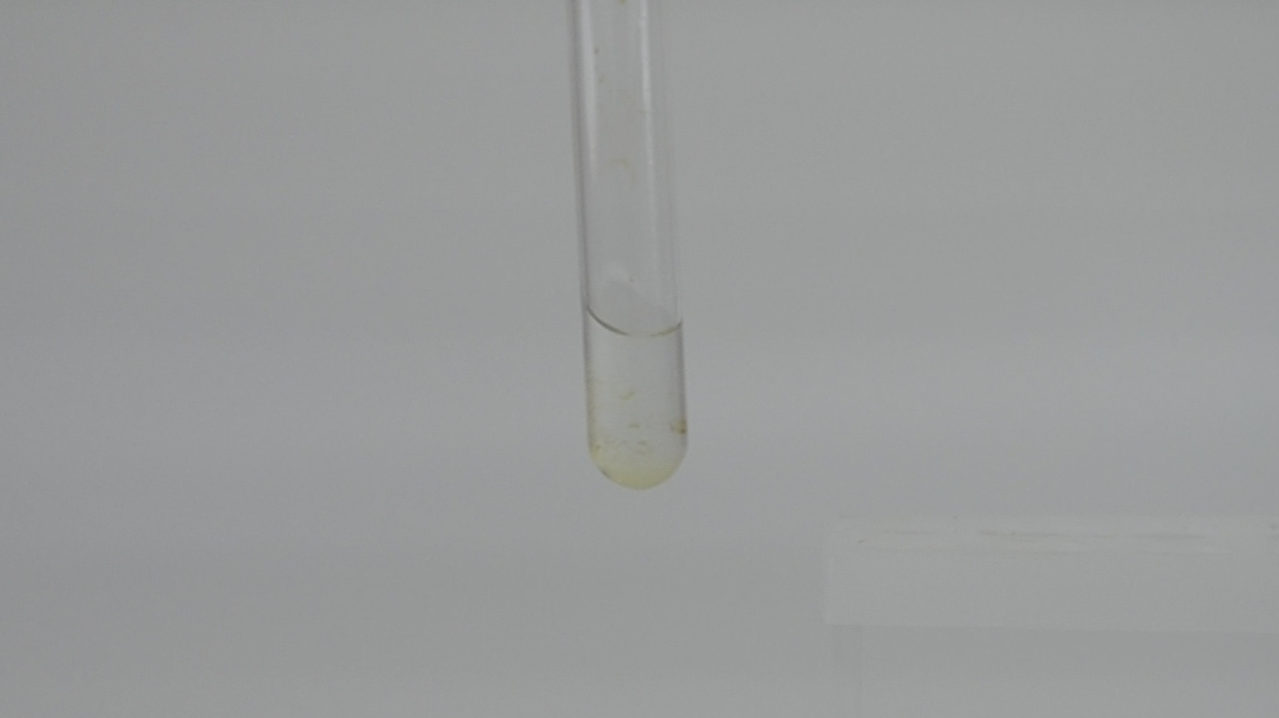
Step 11. Upon cooling, a yellow iodoform precipitate reappears.
Qualitative reaction for polyatomic alcohols:
Step 12. Pour 2–3 ml of CuSO₄ solution into a test tube.
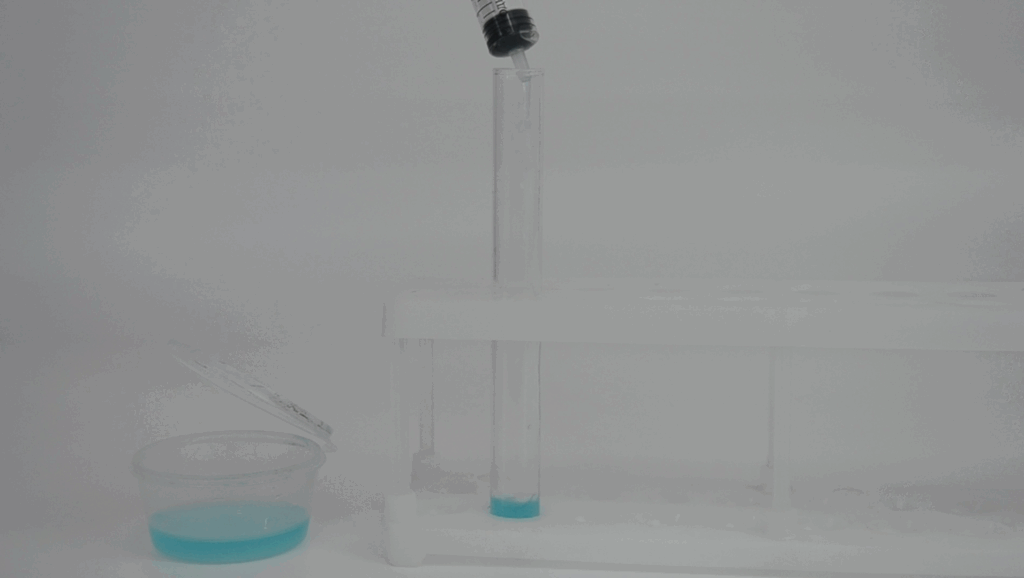
Step 13. Add a few drops of NaOH – blue Cu(OH)₂ precipitate forms.
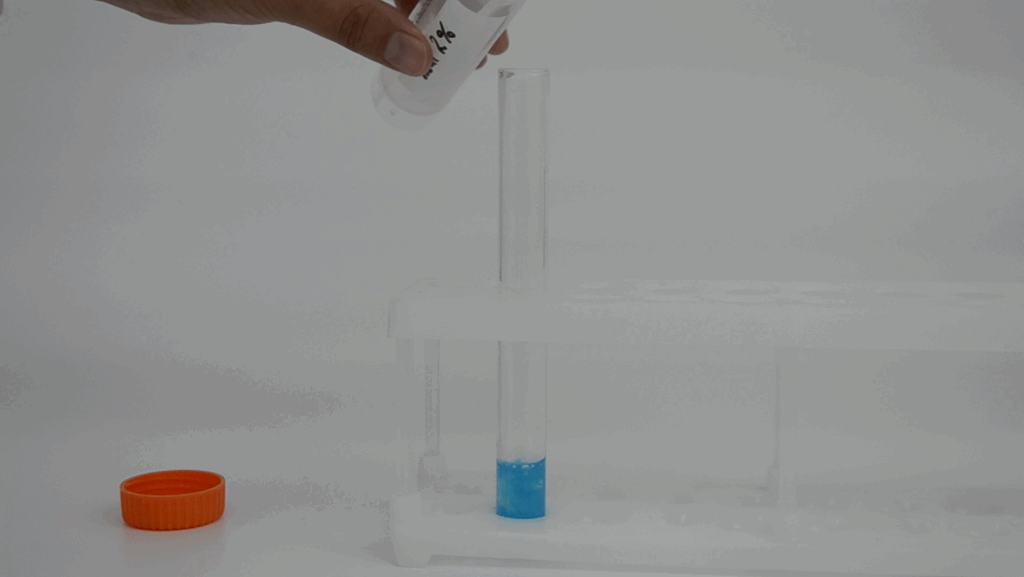
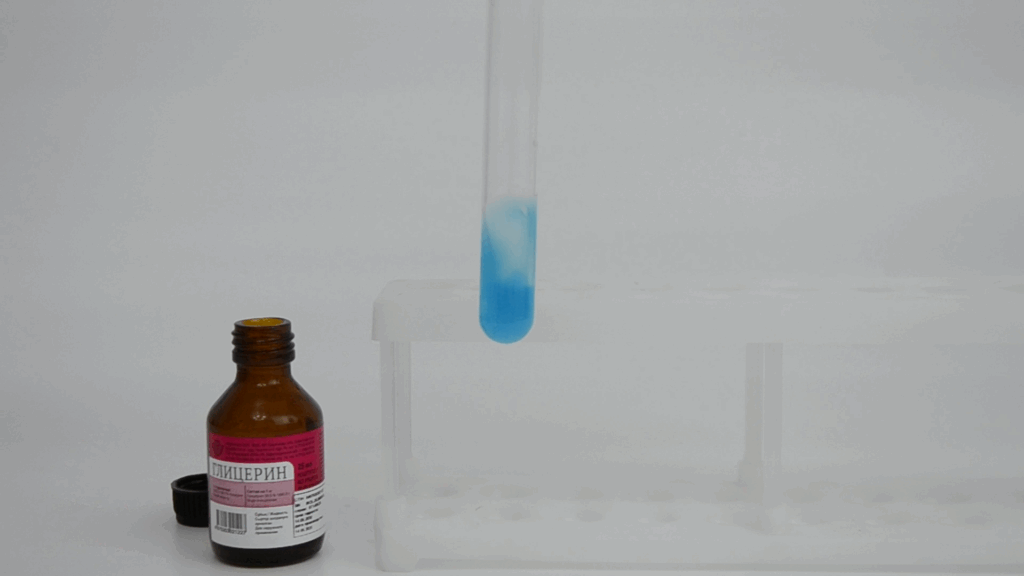
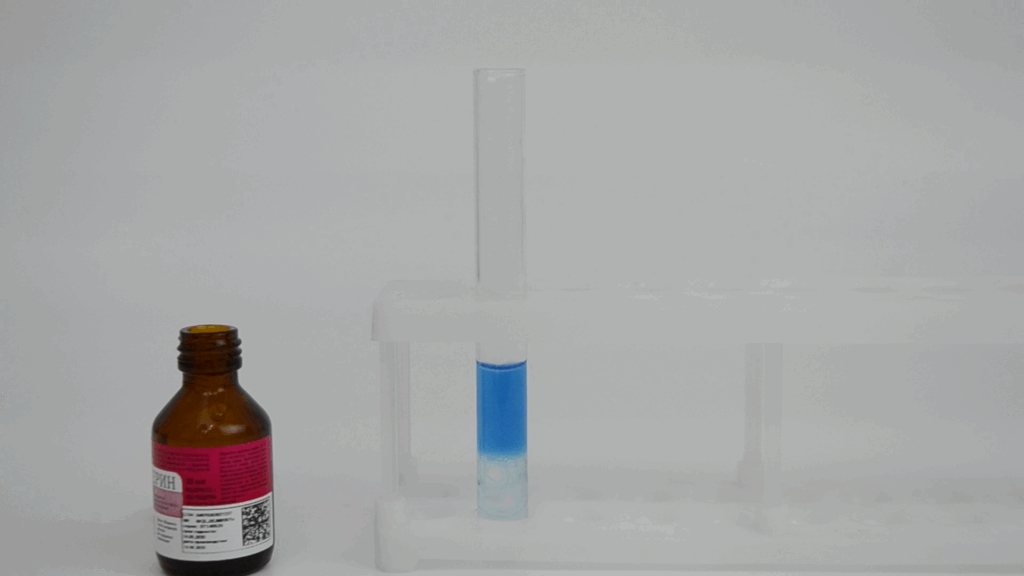
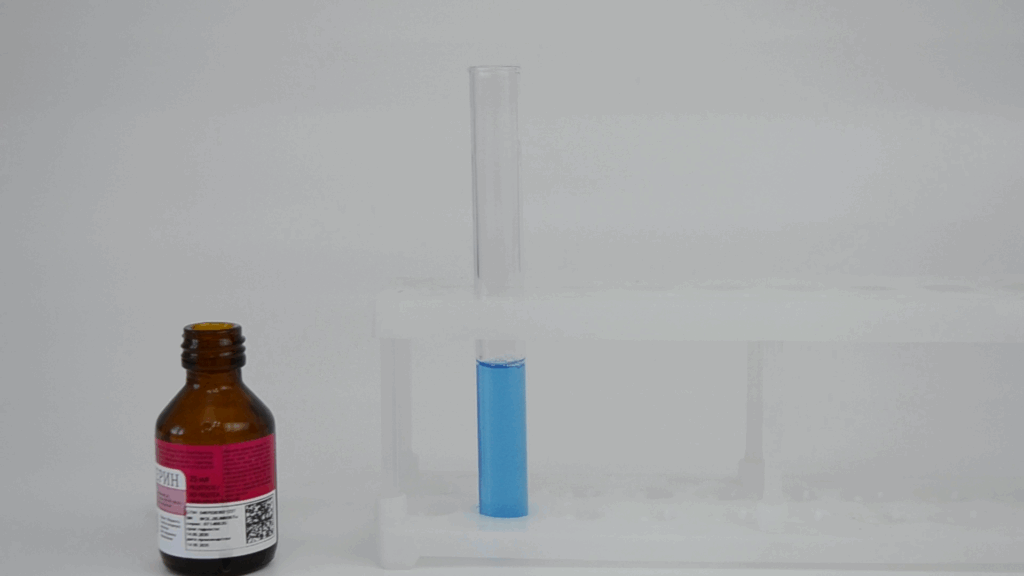
Step 14. Add a few drops of glycerol and stir. The precipitate dissolves, forming a bright blue clear solution – proof of glycerol being a polyatomic alcohol.
Conclusion
During this lab, students investigated the properties of alcohols. They observed that ethanol burns forming water and carbon dioxide, reduces copper (II) oxide, and glycerol forms a blue complex with copper ions. They also performed the iodoform test, confirming ethanol contains a methylcarbinol group – as shown by the yellow precipitate. Students learned to distinguish monoatomic and polyatomic alcohols using qualitative reactions.