
Lesson

Purpose of the work:
- to study the composition and structure of amino acids.
Expected results:
After completing the work, students can:
- develop teamwork skills
- be able to analyze and summarize the information received
- draw logical conclusions
Teacher’s Guide:
- The task can be completed in pairs or individually.
- Before starting laboratory work, please read the safety rules by following the link:
- To download the worksheet, follow the link:
Theory
Amino acids are organic compounds containing two functional groups:
- amino group (–NH₂),
- carboxyl group (–COOH).
The general formula of amino acids: H₂N–CH(R)–COOH, where R is a radical (substituent).
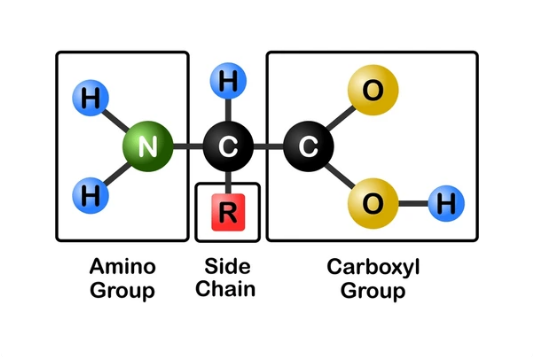
Proteins usually contain α-amino acids, in which the amino group and the carboxyl group are attached to the same carbon atom (the α-carbon).
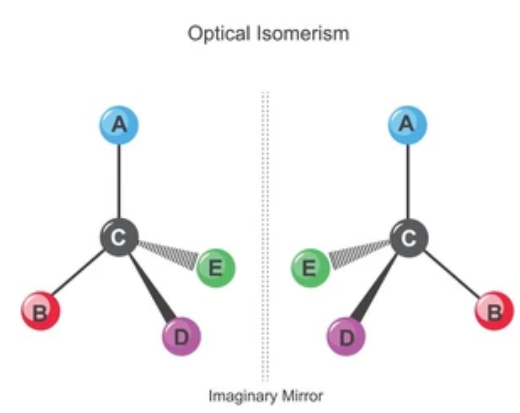
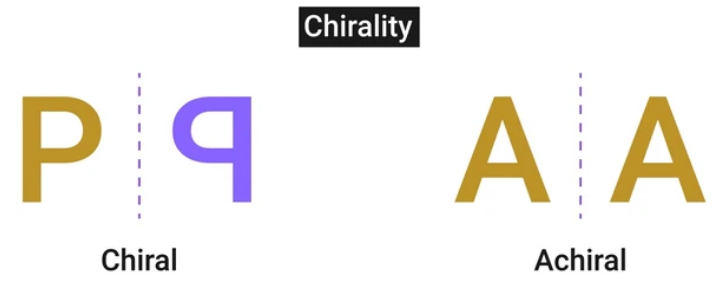
An asymmetric carbon atom (C*) is a carbon atom bonded to four different substituents. Such an atom makes the molecule chiral (it has two spatial forms – mirror images, called enantiomers).
Practical part
Step 1. Construct the general formula of amino acids:

Use plasticine to form atoms of different colors: carbon, hydrogen, nitrogen, oxygen. For the radical (R), use a ball of a different color. Hydrogen atoms should be smaller than the others.
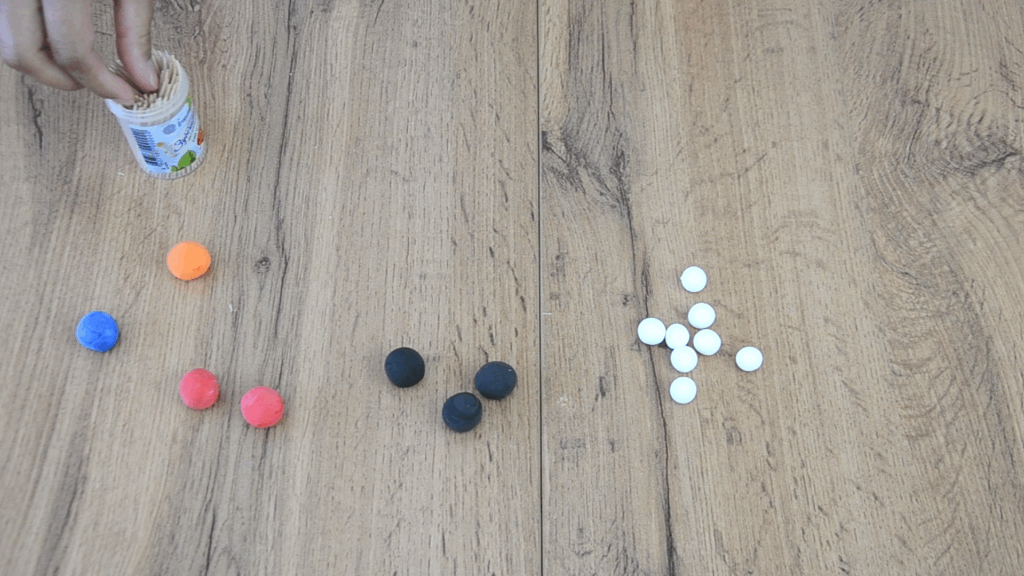
Step 2. Prepare toothpicks and cut them in half — they will represent the “bonds” between atoms.
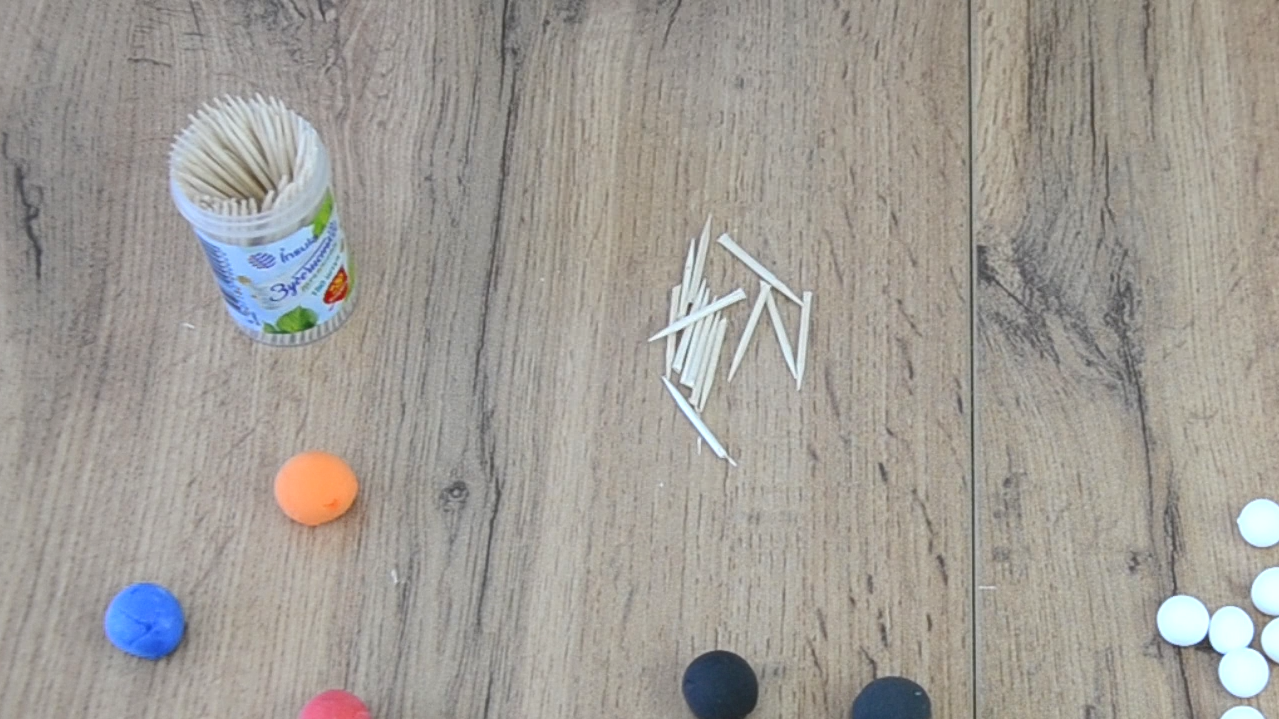
Step 3. Connect two carbon atoms together.
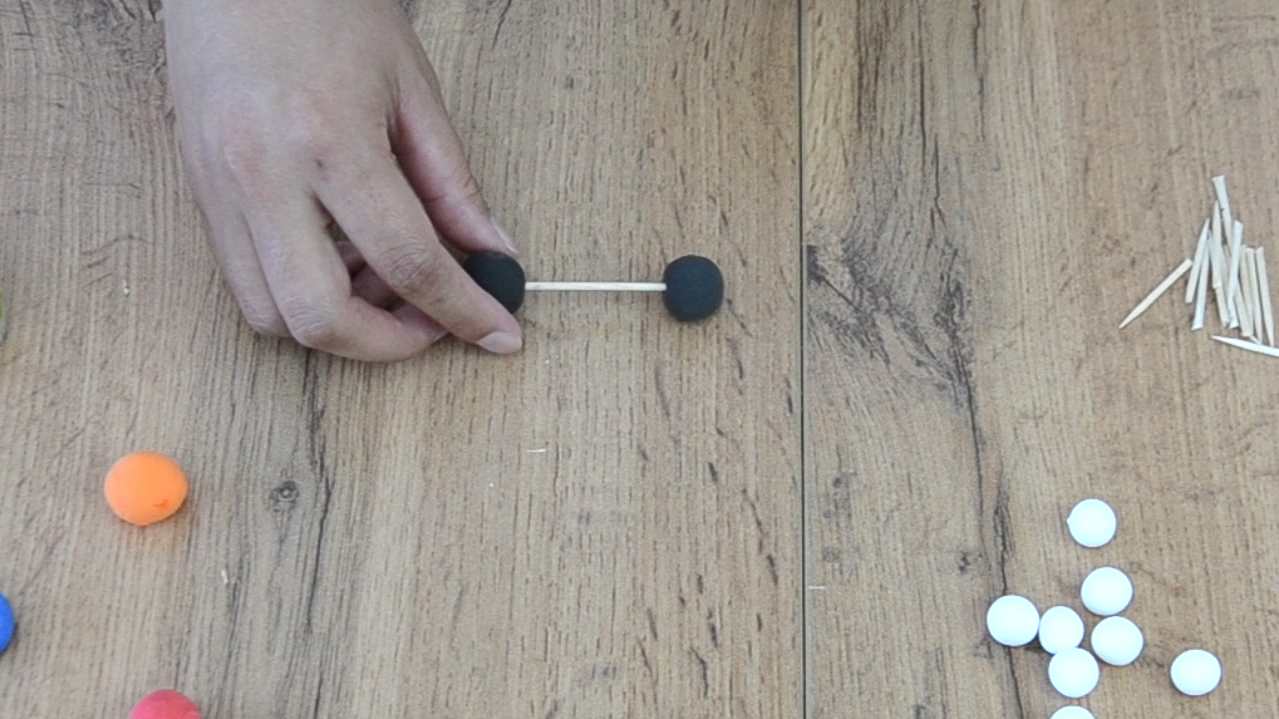
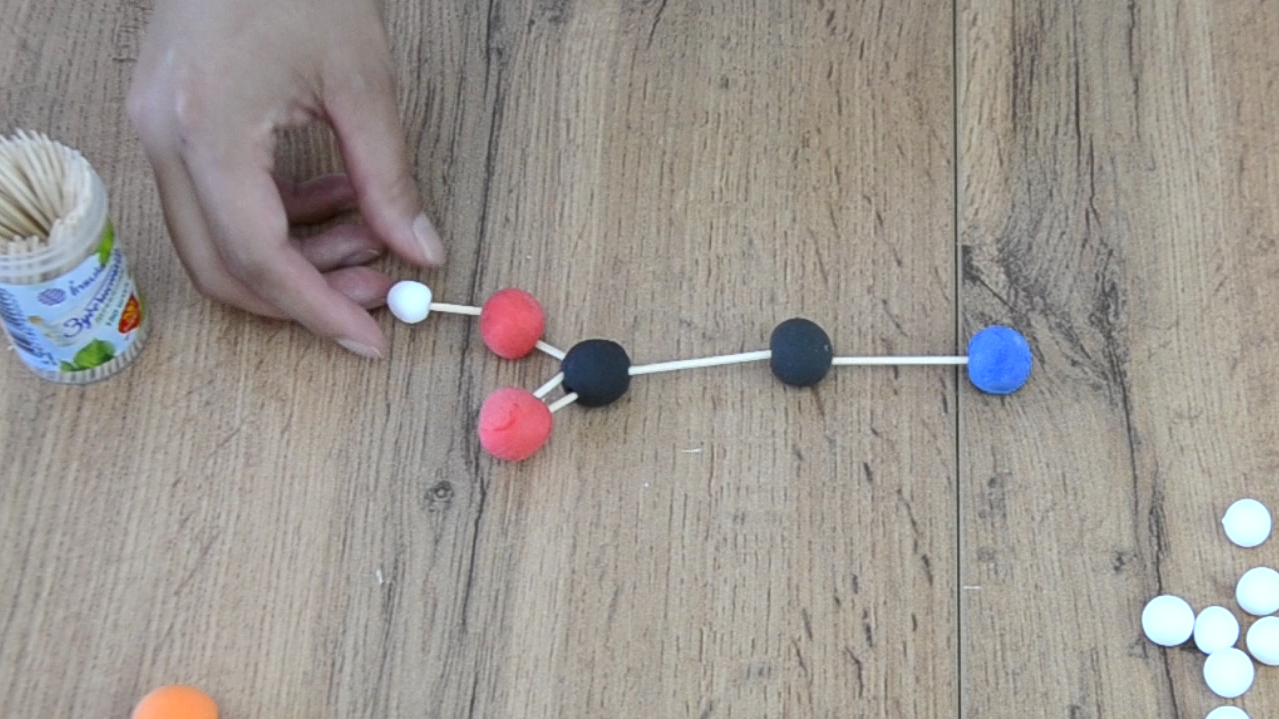
Step 4. Make the carboxyl group: attach two oxygen atoms to the terminal carbon (one by a double bond, the other by a single bond along with a hydrogen atom).
Step 5. Attach one hydrogen atom to the central carbon atom.
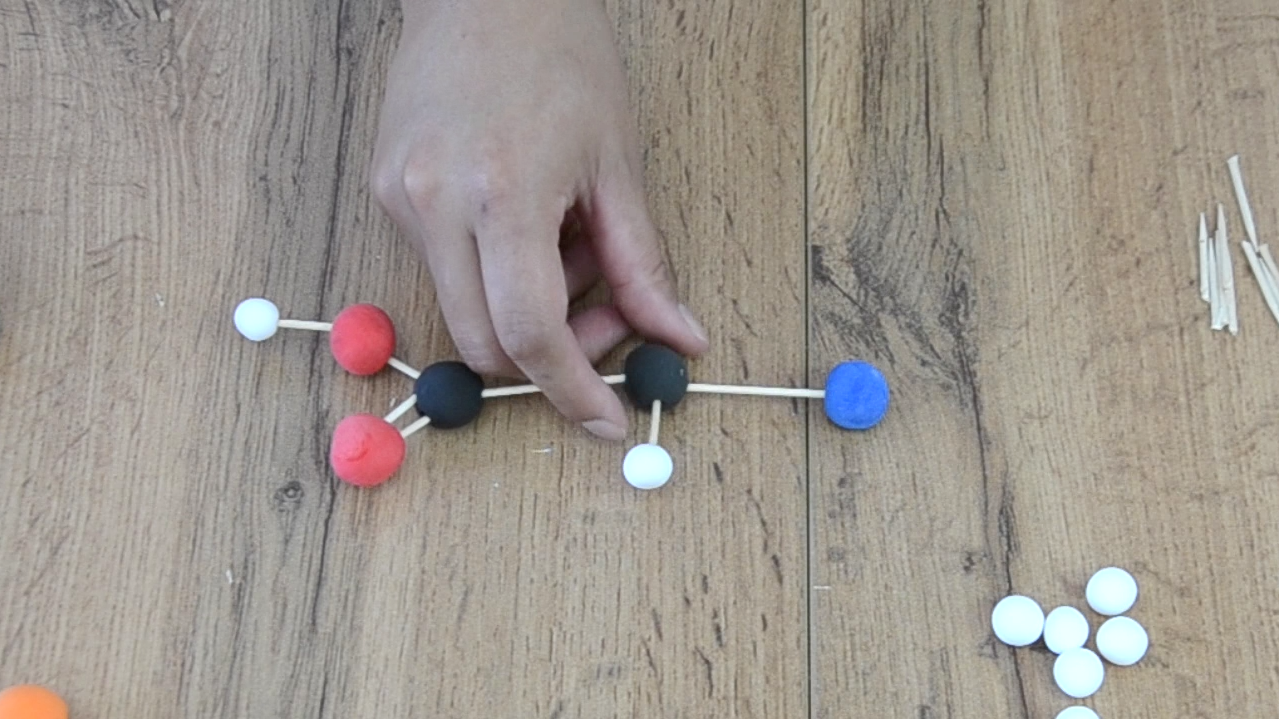
Step 6. Attach a nitrogen atom with two hydrogen atoms to the same central carbon — this forms the amino group.
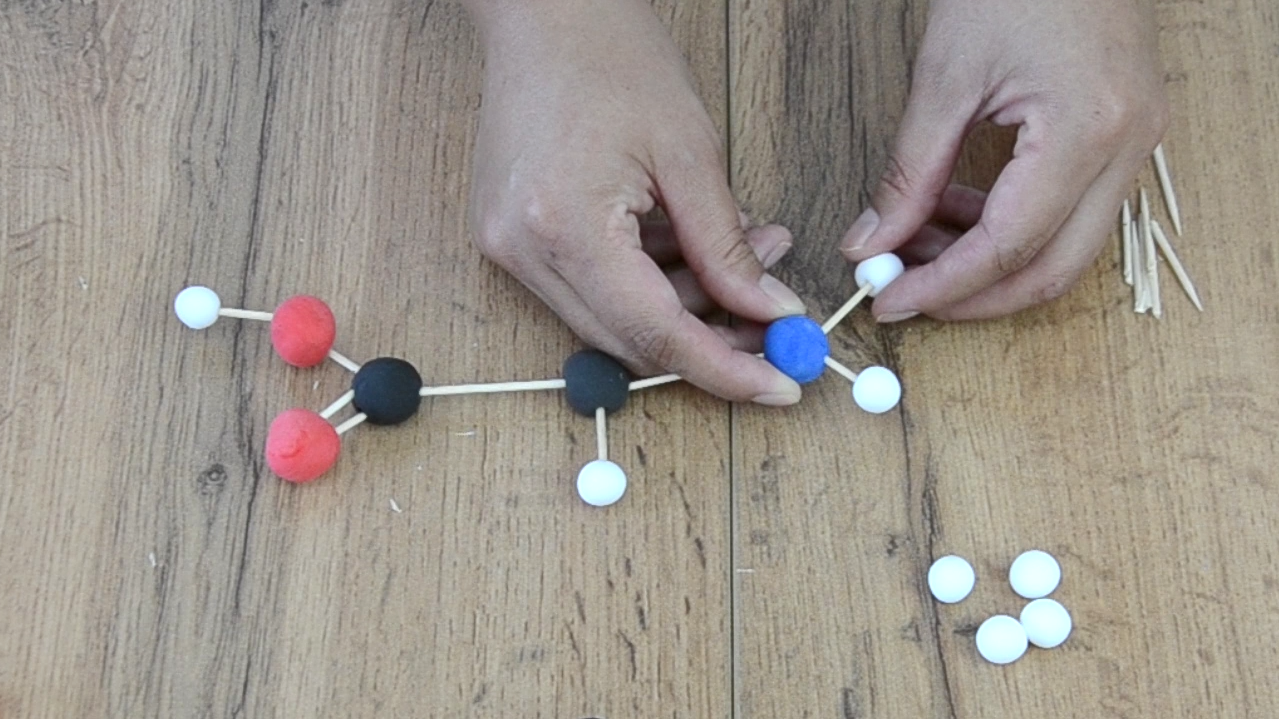
Step 7. Attach the radical (R) to the central carbon. The basic amino acid model is ready!
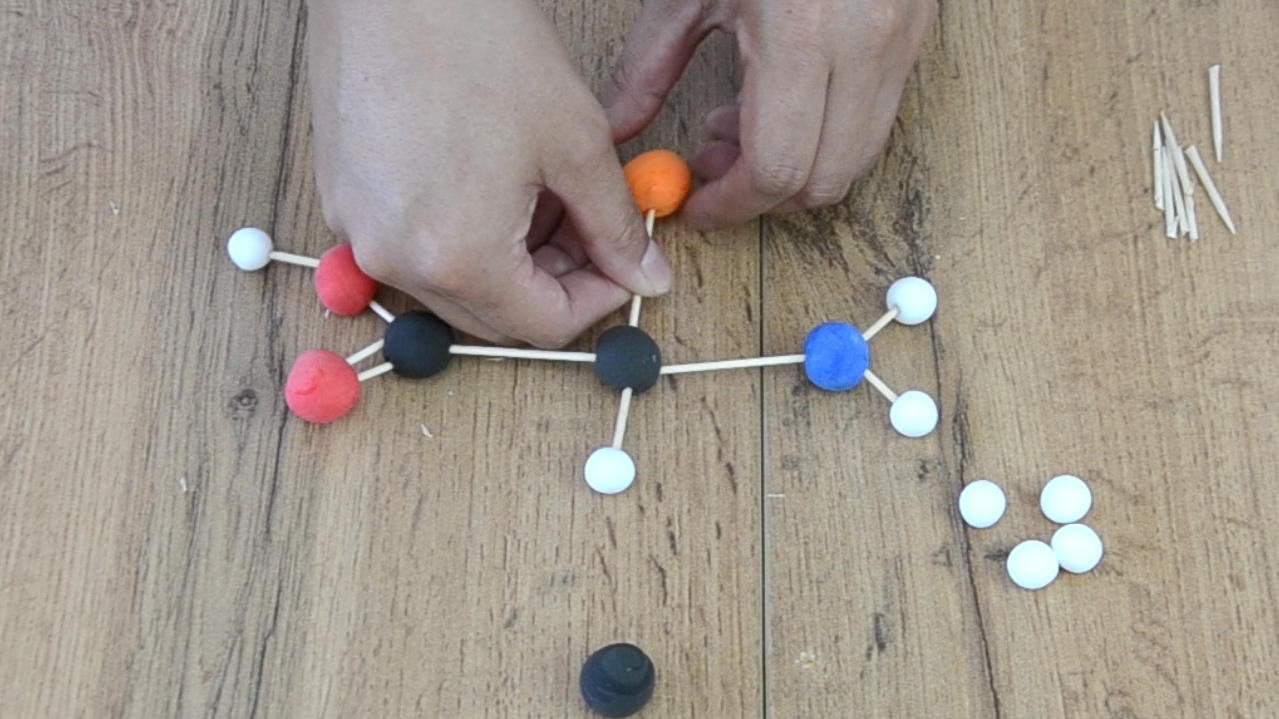
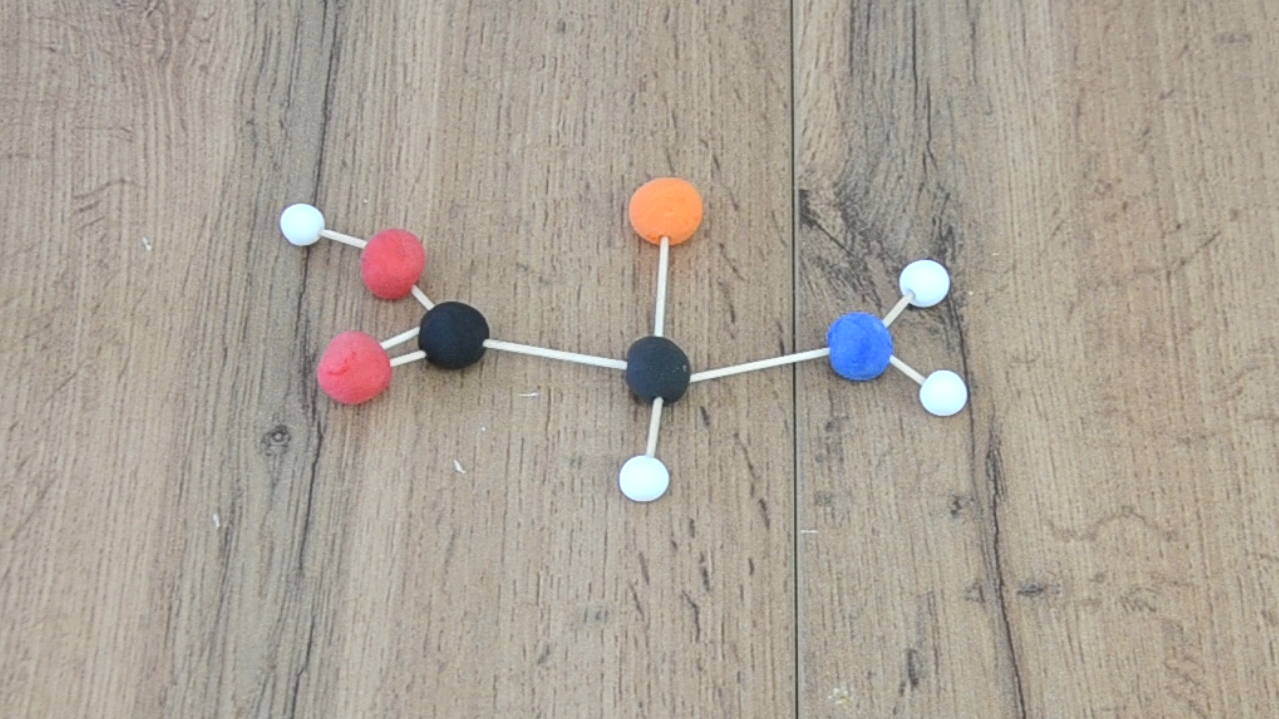
Step 8. Using this spatial model, build examples of amino acids.
For example, glycine: remove the radical and replace it with a hydrogen atom. The glycine model is ready! Determine if glycine has an asymmetric carbon atom and justify your answer in the Worksheet.
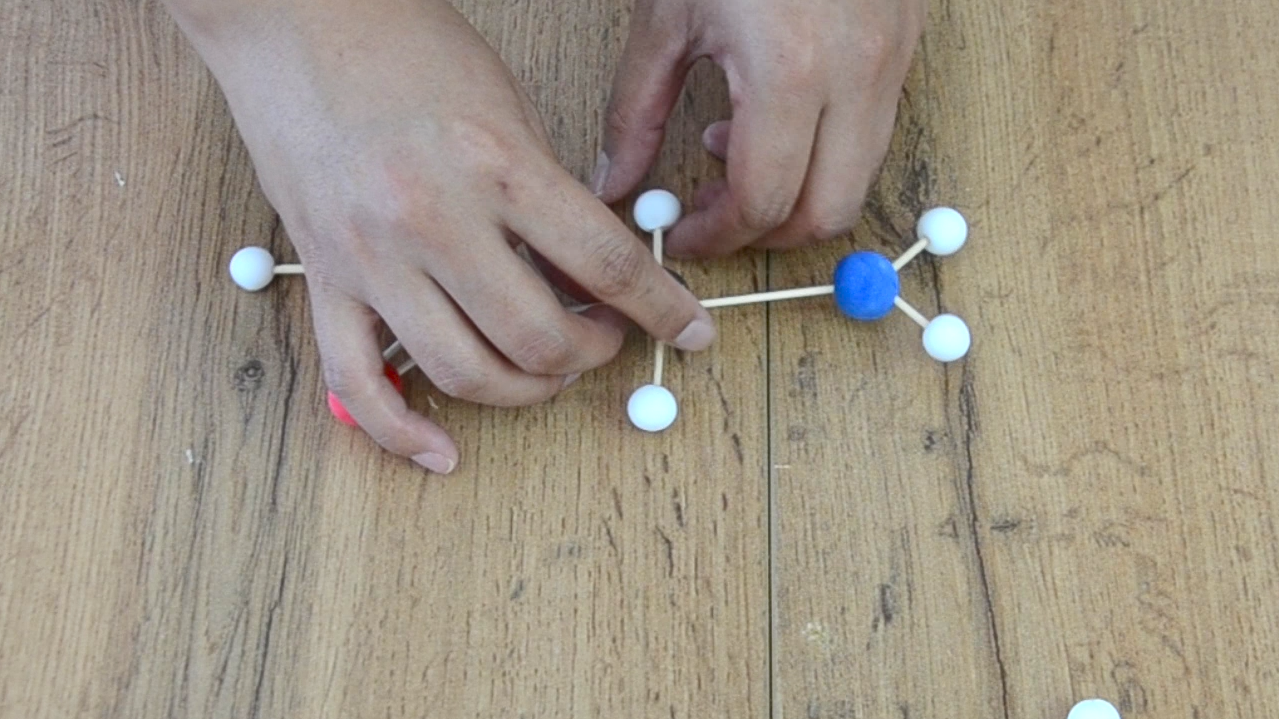
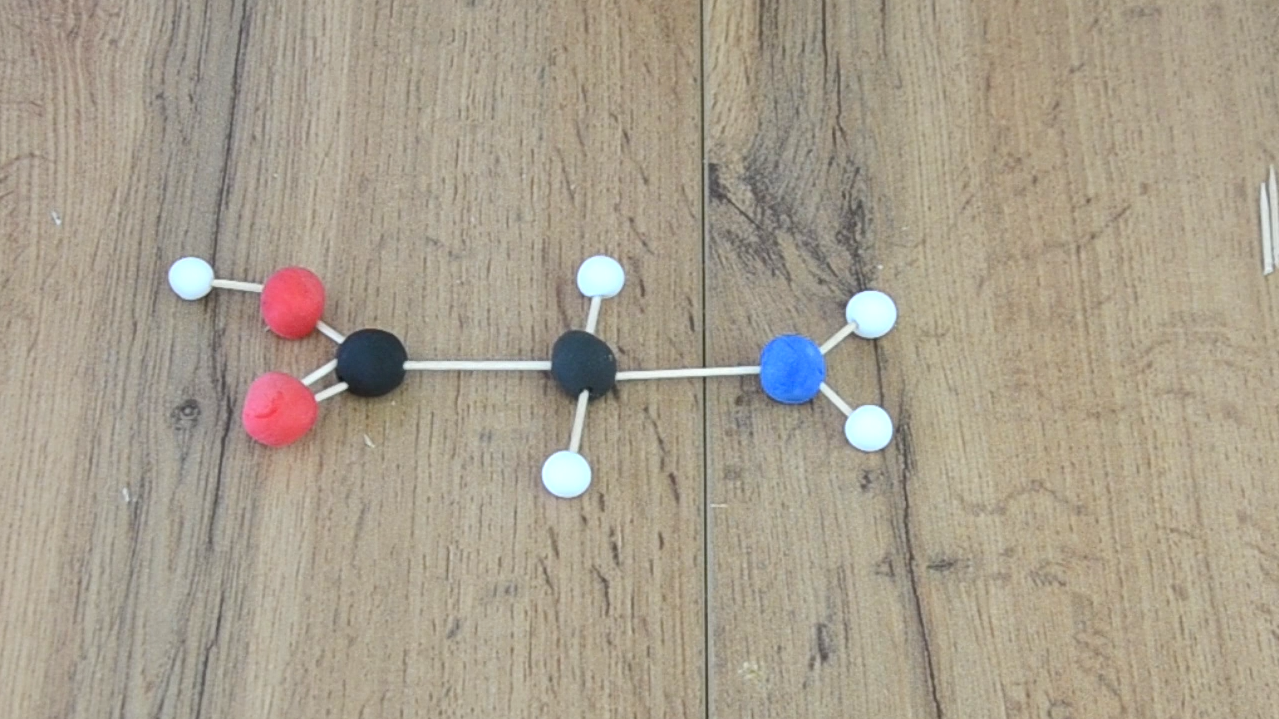
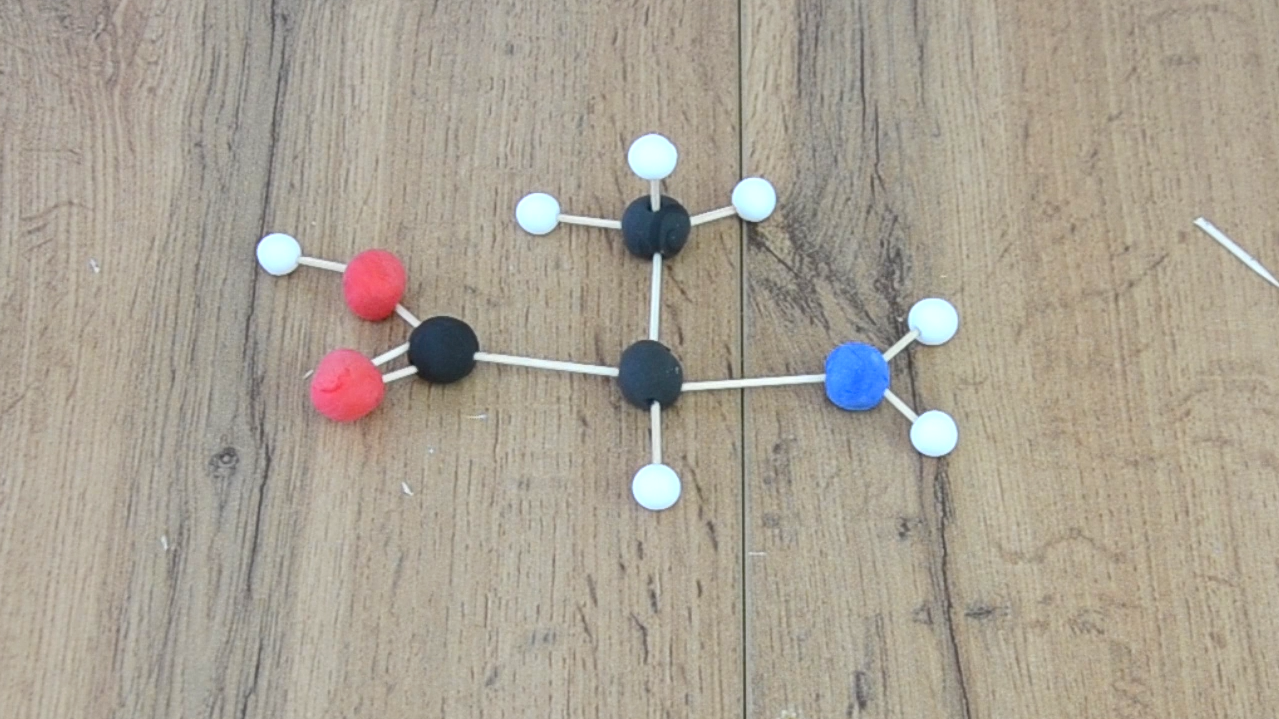
Step 9. Now build the alanine model: replace one of the hydrogen atoms on the central carbon with a methyl group (–CH₃).
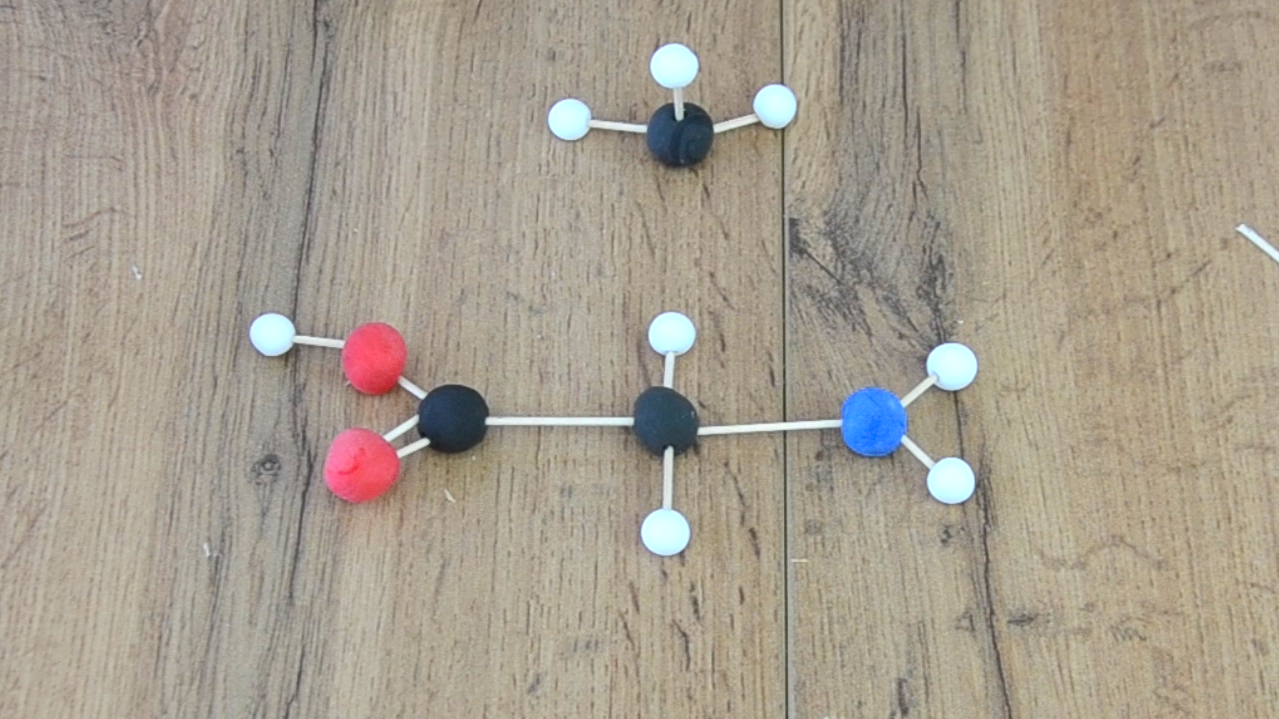
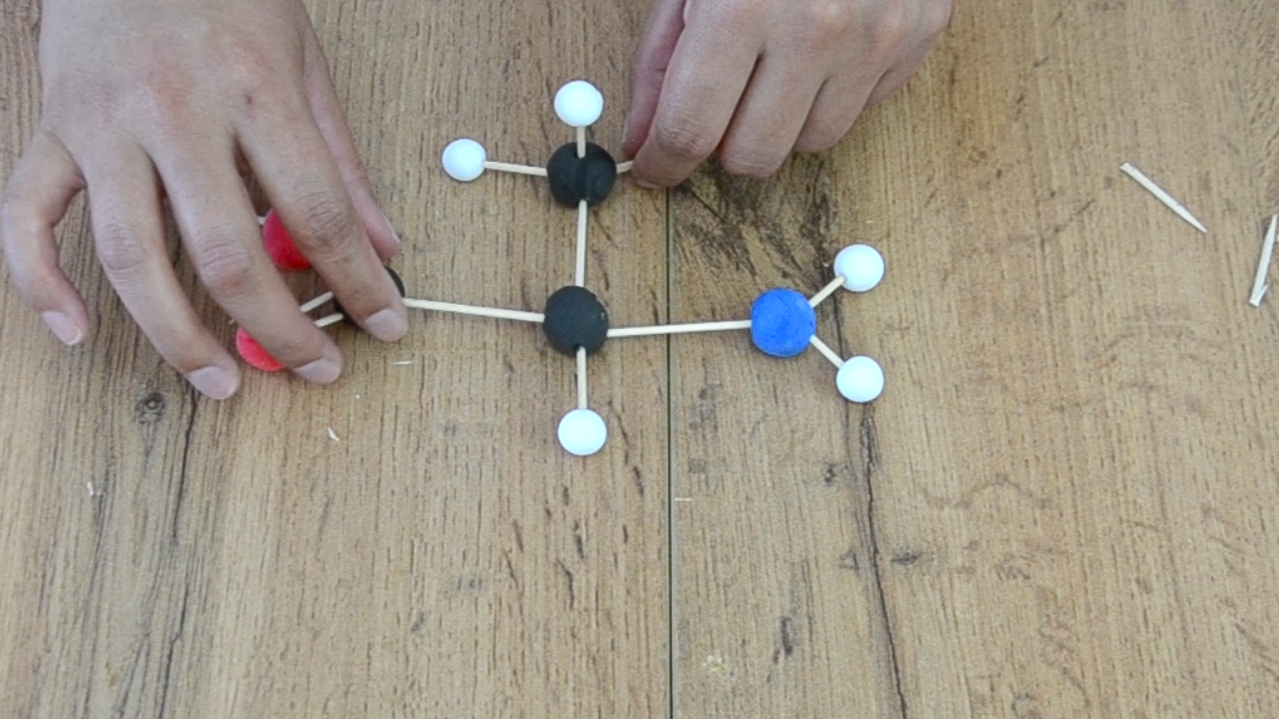
Step 10. Determine if alanine has an asymmetric carbon atom. Explain why. Write your answer in the Worksheet and make conclusions.
Conclusion
In this work, students modeled amino acid molecules, became familiar with their general formula and functional groups, and learned to identify the asymmetric carbon atom. Using the examples of glycine and alanine, they consolidated their knowledge about differences in amino acid structure and their biological role.