
Lesson

Project Objective:
Identify the purpose of using natural resources.
Teacher’s Instructions:
Before starting the project, explain the concept of an ecosystem and its main components (plants, animals, water, air, soil).
Divide the class into groups of 4–5 students for the project.
Each group can create its own ecosystem (forest, lake, meadow, desert, etc.).
Before starting the practical activity, introduce all necessary materials to the students and distribute them.
Briefly explain the safety rules during the activity.
At the beginning of the lesson, explain the PBL (Project Based Learning) rubric to the students. 4K Skills (Critical Thinking, Collaboration, Creativity, Presentation).
Theoretical Part
An ecosystem is a system of interconnections between living organisms (plants, animals, humans) and their environment (water, air, soil, light, solar energy).
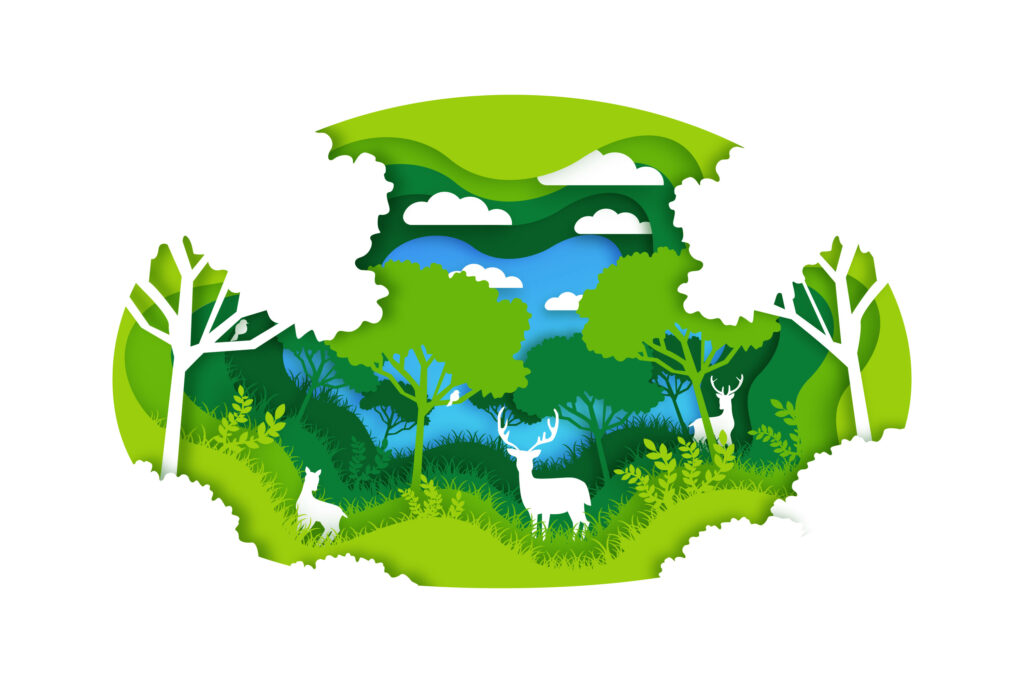
Each element is important:
- Humans also obtain oxygen, water, food, wood, and minerals from the ecosystem.
- Plants produce oxygen and serve as food for animals and humans.
- Water is the main source of life. Without it, no organism can survive.
- Soil provides nutrients for plants.
- Animals feed on plants and in turn become food for other animals.
If this balance in nature is disrupted, the ecosystem weakens. For example, water pollution can lead to the extinction of plants and animals. That is why protecting ecosystems is one of humanity’s most important responsibilities.
Practical Part
Step 1. Cut off one side of the containers with scissors.

Step 2. Glue the containers together with hot glue to form one large container.
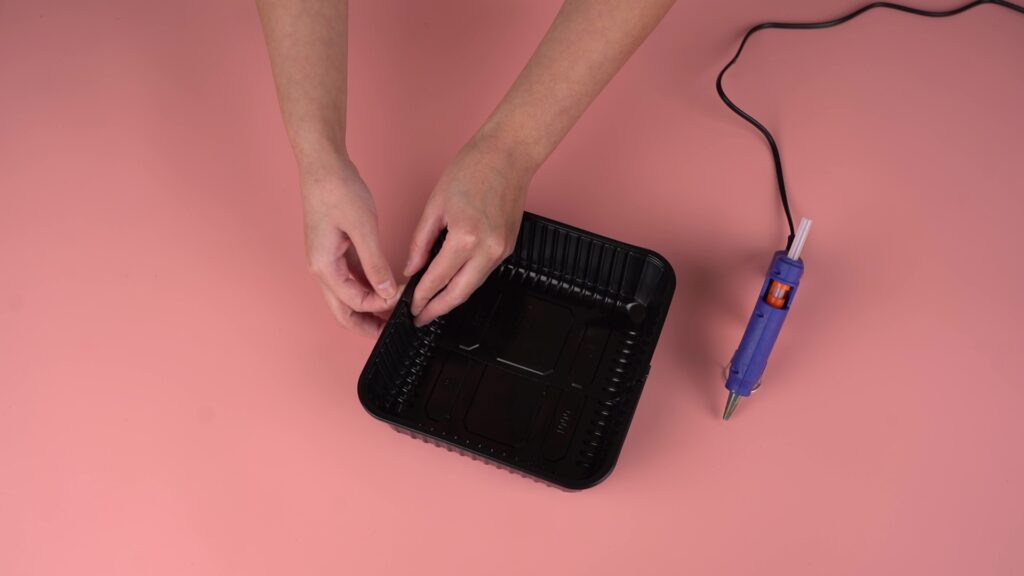
Step 3. Fill the container with soil up to above the middle.
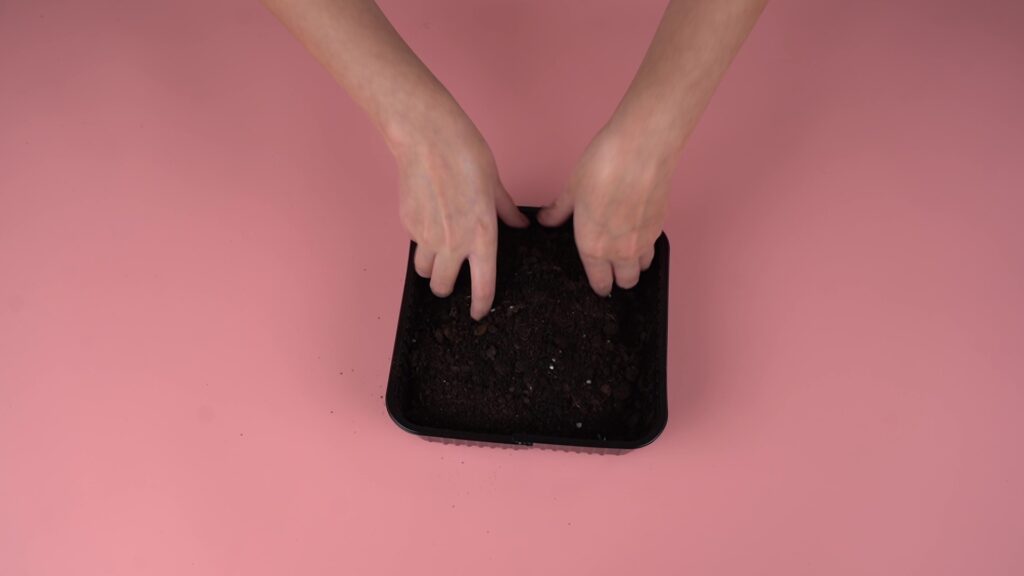
Step 4. Cut one ice cream stick in half.
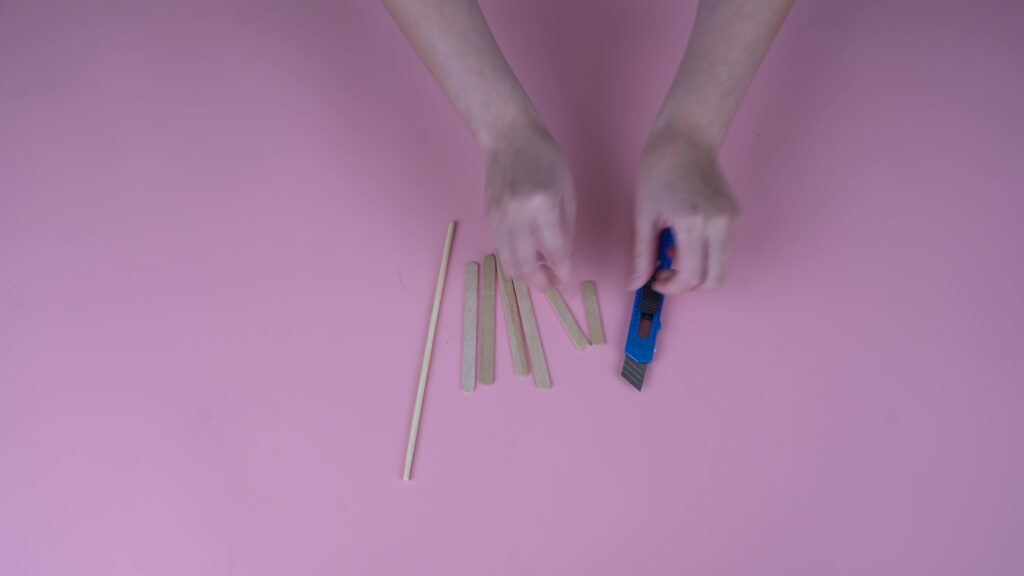
Step 5. Place four sticks in a row and glue the half sticks on the edges with hot glue.
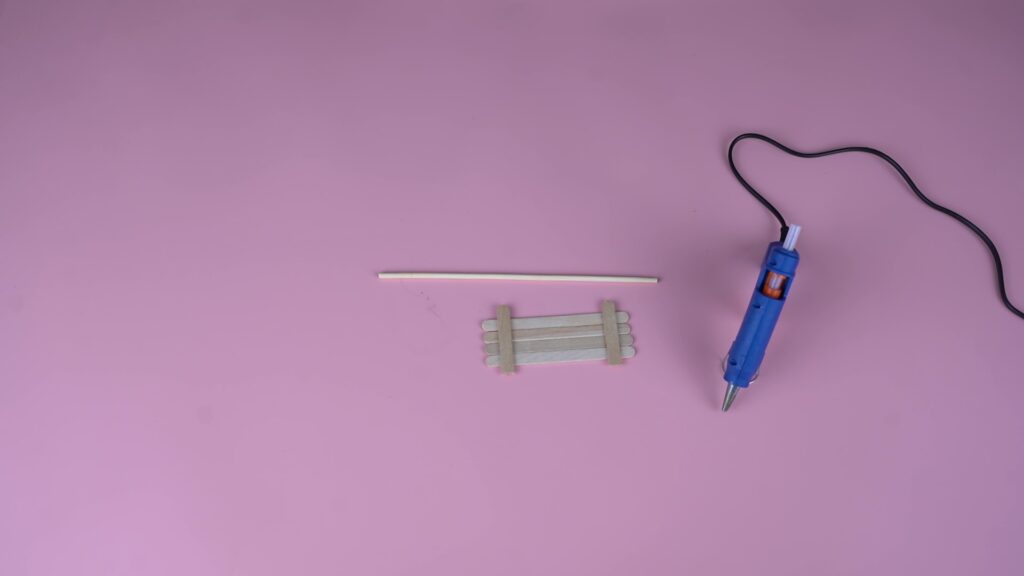
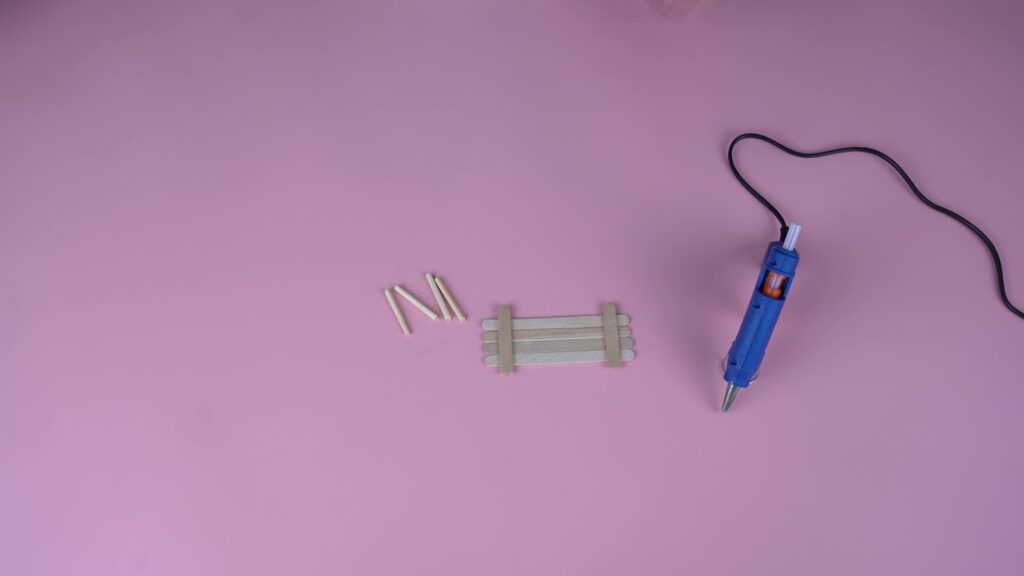
Step 6. Cut the wooden stick into 4 pieces, each 4 cm long. Glue them as table legs.
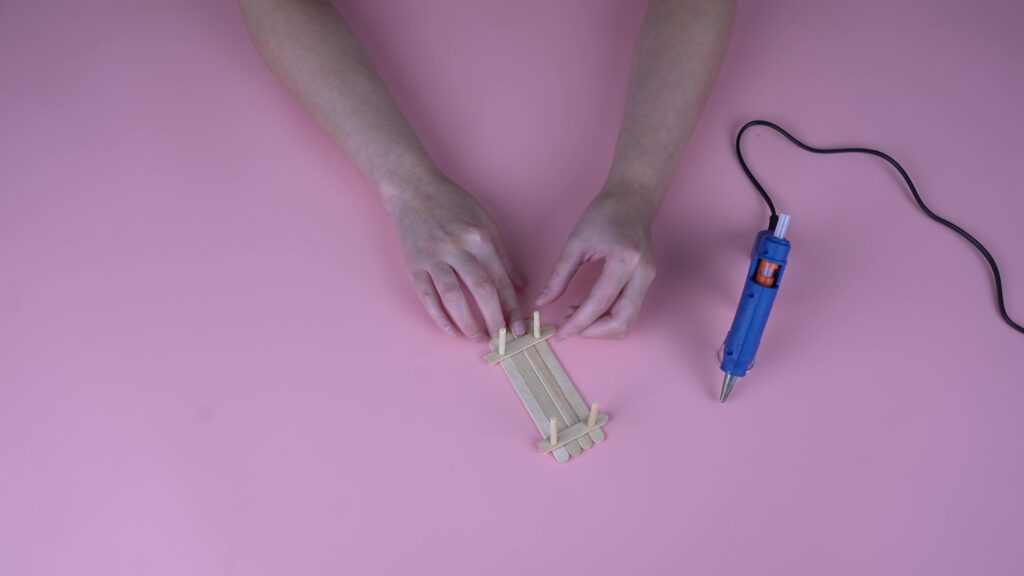
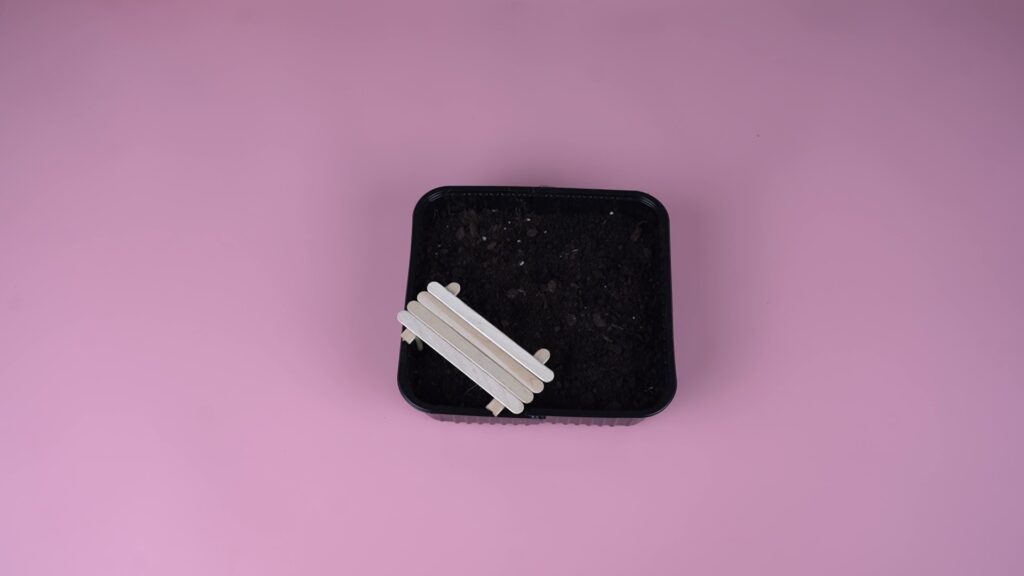
Step 7. Place the table in one corner of the container. In front of it, make a path out of stones.
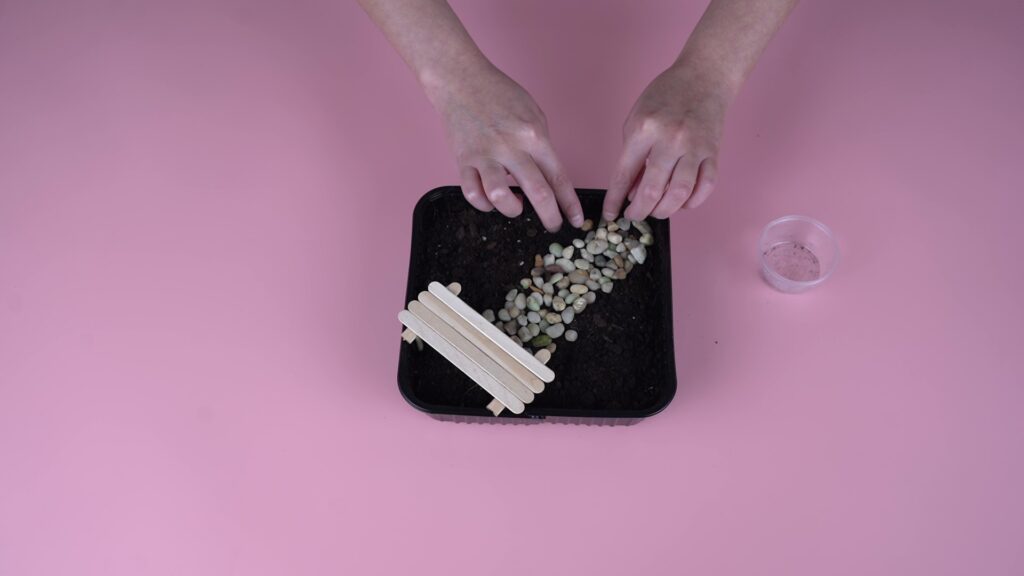
Step 8. Insert a sauce cup into the soil next to the table and fill it with water.
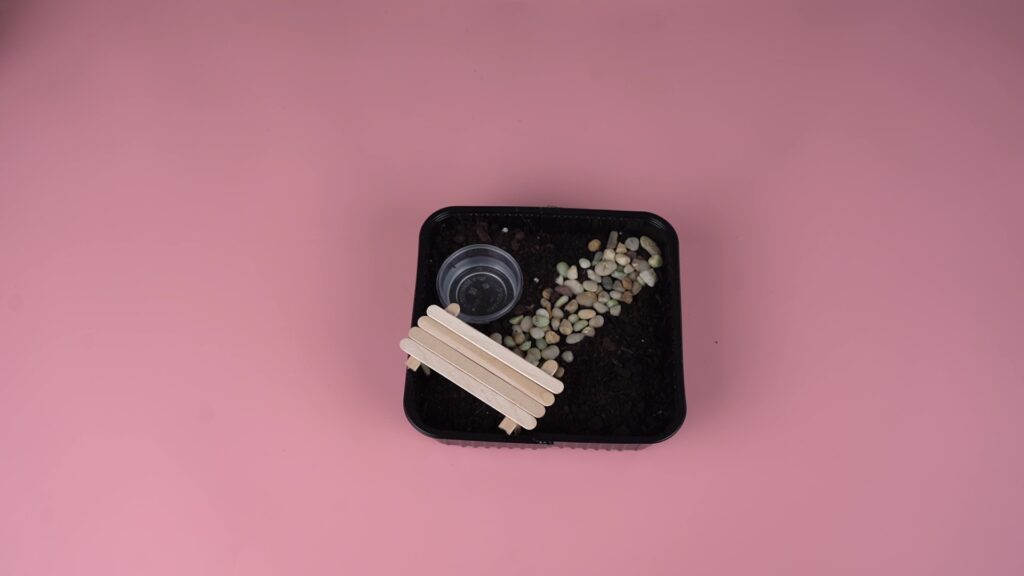
Step 9. Place moss along the path. Plant the selected types of plants into the soil.
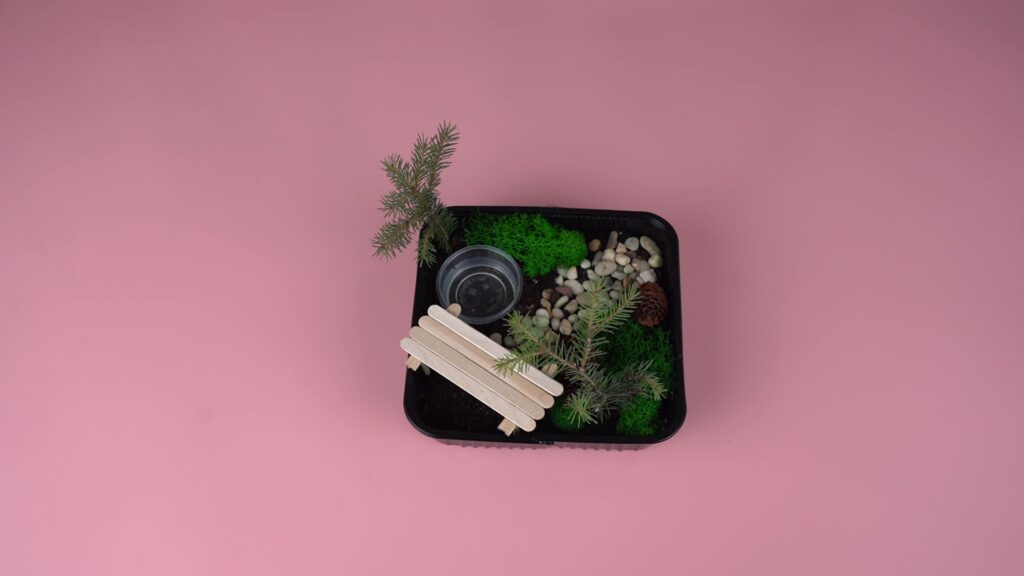
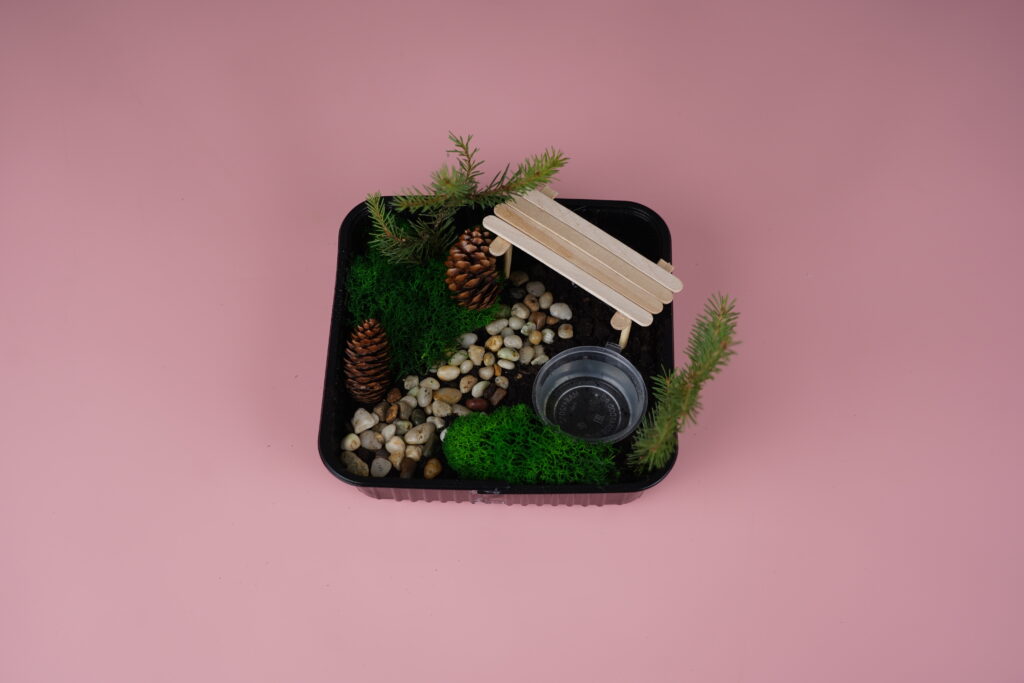
Done!
Spray the plants and moss with water using a sprayer. This is how you can water them.
Conclusion
By creating an ecosystem model, students can clearly see how natural resources are interconnected. They understand the importance of water, plants, and soil. At the end of the project, they realize that maintaining balance in the ecosystem greatly depends on human responsibility.

In this project, each student is assigned a STEAM title in several categories:
– By assembling this model, you have become a true master of science! You have learned how clocks work. This is real scientific thinking!
– Look at this beautiful clock! You have used your design and problem-solving skills to create a working model. Congratulations, you are an expert engineer!