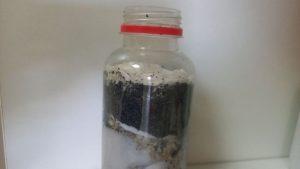
Lesson 2
Water pollution is a negative change in the chemical, physical and bacteriological properties of water. Depending on the origin, the types of water pollution are natural and artificial (related to human activity). Natural pollutants come from impurities that are contained in underground and surface waters, for example, salts, iron compounds. Examples of artificial sources of pollution are water flowing from municipal landfills and agricultural land.
Water pollution is one of the most problematic issues for many countries of the world. The abuse of scarce water resources, rapid industrialization and many other factors affect water pollution. Every year, more than 400 billion tons of waste are generated worldwide, most of which is dumped into reservoirs. About 30% of Ireland’s rivers are polluted with chemical fertilizers and sewage. In Bangladesh, about 85% of the total area is contaminated with groundwater. One of the main pollutants of water resources in this country is arsenic. The problem of water pollution also exists in the USA, where water from about 40% of rivers is not suitable for drinking or bathing. The rivers in the Asian continent are the most polluted. The content of bacteria formed as a result of human waste emissions in these rivers exceeds three times the average content of bacteria in other world rivers. In Kazakhstan, 40 out of 107 water bodies have the worst quality, 33 of which are unsuitable either for drinking or for industry.
FILTRATION – is based on the passage of purified water through a porous layer of filter material (activated carbon and gravel-sand are used in the project), on which particles of a certain size are retained.
Why gravel/sand as a filter material?
Being a natural filter, gravel is able to retain the smallest particles of suspensions and impurities, in addition, such a gravel filter is capable of self-cleaning.
Why activated carbon?
Activated carbon is a porous substance that is obtained from various carbon-containing materials of organic origin (coal, coke, petroleum coke, etc.). Must contain a huge number of pores. Participates in the adsorption process as an adsorbent.
As for microorganisms in the water, activated carbon is powerless here. To purify the water from bacteria, an additional bactericidal additive is required.

NOTE!!! The water filtered in this experiment SHOULD NOT be consumed by humans.
The practical part
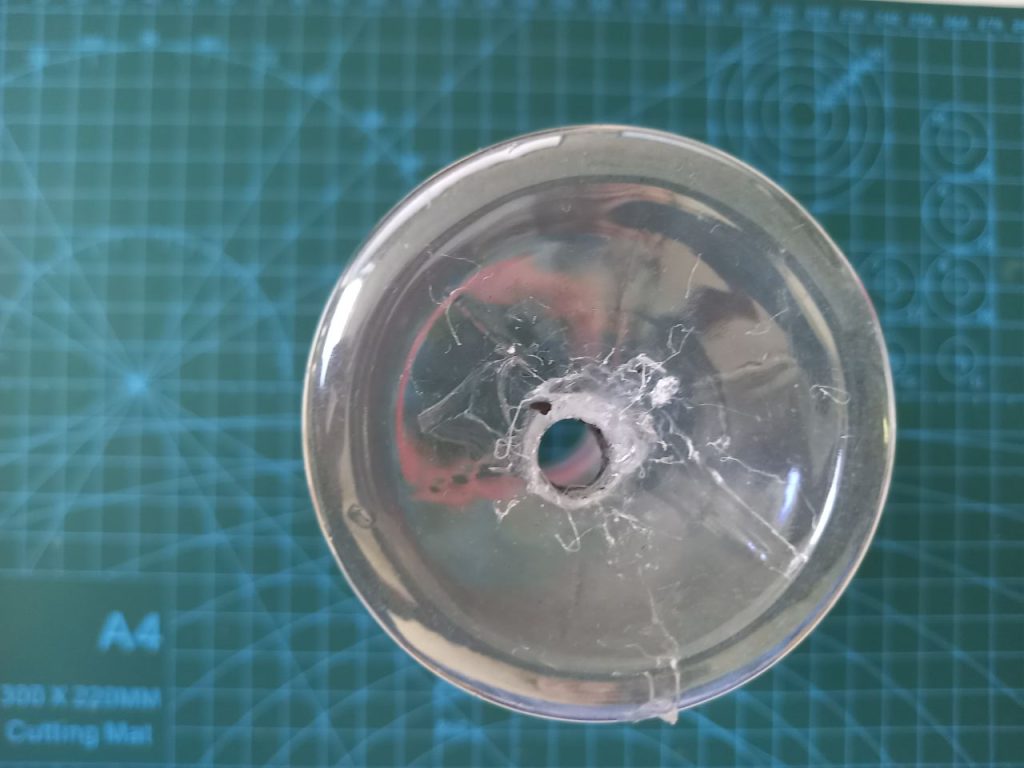
Step 1. Take 2 bottles with a capacity of 0.3 l or 0.5 l. 1 bottle with a capacity of o,3L make a hole from the bottom
Step 2. Put a cotton pad inside this bottle
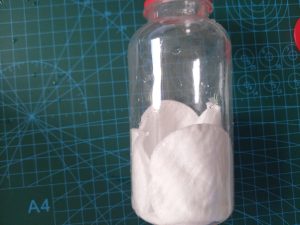
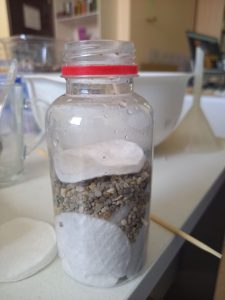
Step 3. Fill the top bottle with filter materials of various types and layers up to 3-4 cm from the top. Document the number and sequence of filter media used. Preferably in the sequence from the neck: cotton pads — activated carbon — gauze — gravel (sand) — gauze
Step 4. Slowly pour 200 milliliters of artificial wastewater through each water filtration device created by the student.