
Lesson
Purpose of the work
– to study the mechanism of enzyme action
– investigate the effect of various conditions (temperature, pH) on the enzyme activity
Run time: 20-30 minutes
Expected results
After studying the project, students will be able to:
- develop teamwork skills
- be able to analyze and summarize the information received
- draw logical conclusions
- based on the acquired knowledge, understand the mechanism of action of enzymes
Teacher’s guide:
- Divide the students so that there are 3 students in each group.
- Before starting laboratory work, please read the safety rules by following the link:
To download the worksheet, follow the link:
Theoretical part
Enzymes are biochemical catalysts that speed up chemical reactions. Catalysts are those substances that increase the rate of chemical reactions by 10, 100, 1000 times, but do not themselves participate in the course of the reaction, that is, they are not consumed. Enzymes are primarily proteins in nature. A significant number of enzymes are complex proteins, which, in addition to amino acids, include other elements. These can be metal ions, inorganic acids, vitamins, etc.
Experimental part
You will be using the catalase enzyme from yeast. Catalase enables the decomposition reaction of hydrogen peroxide (H2O2).
catalase
2 H2O2 —> 2 H2O + O2
hydrogen water oxygen
peroxide
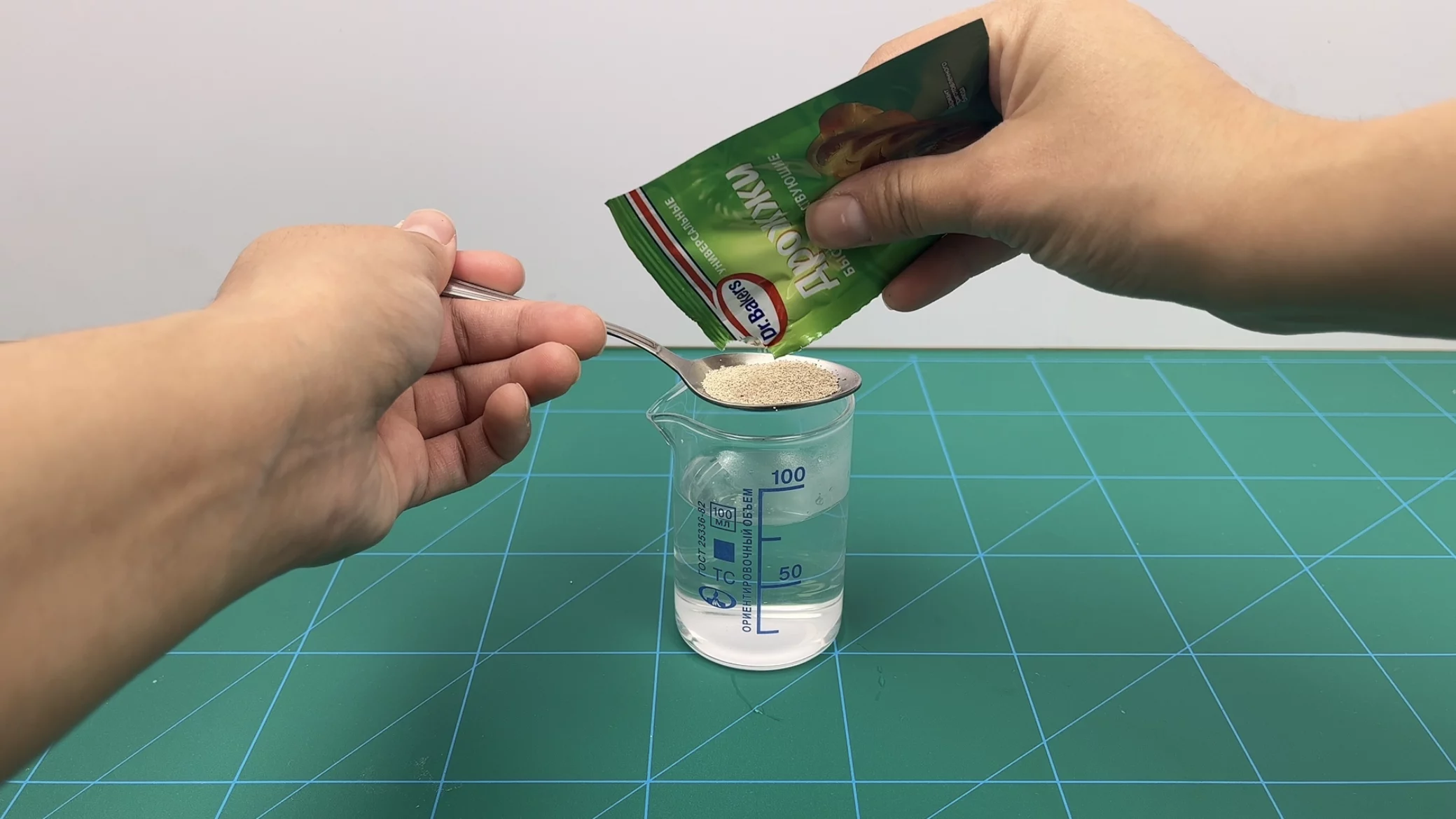
Step 1. Prepare the enzyme solution: dissolve one pack (7g) of dry yeast in ½ cup of warm tap water.
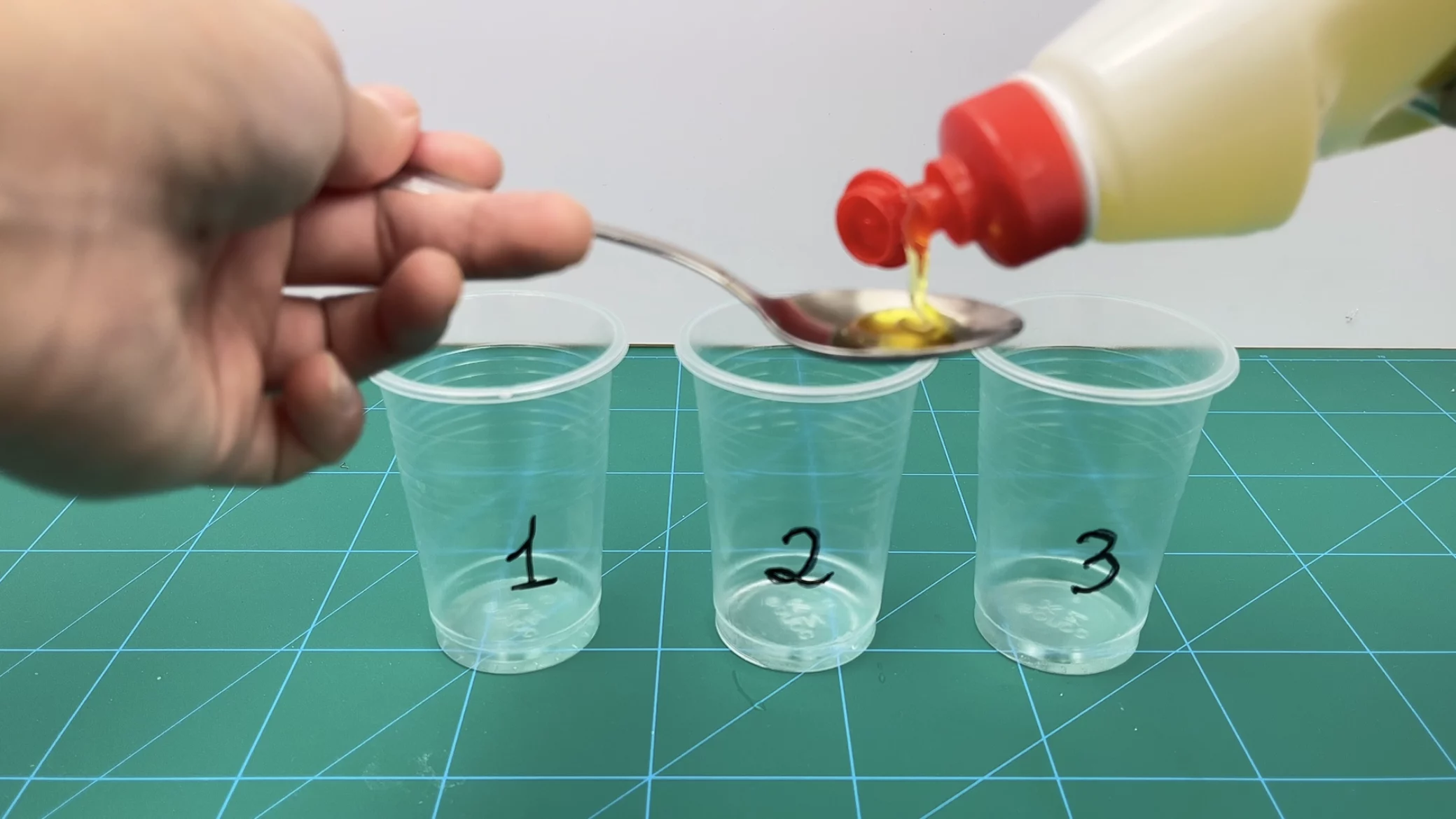
Step 2. Number the cups. Add a teaspoon of dishsoap to each cup.
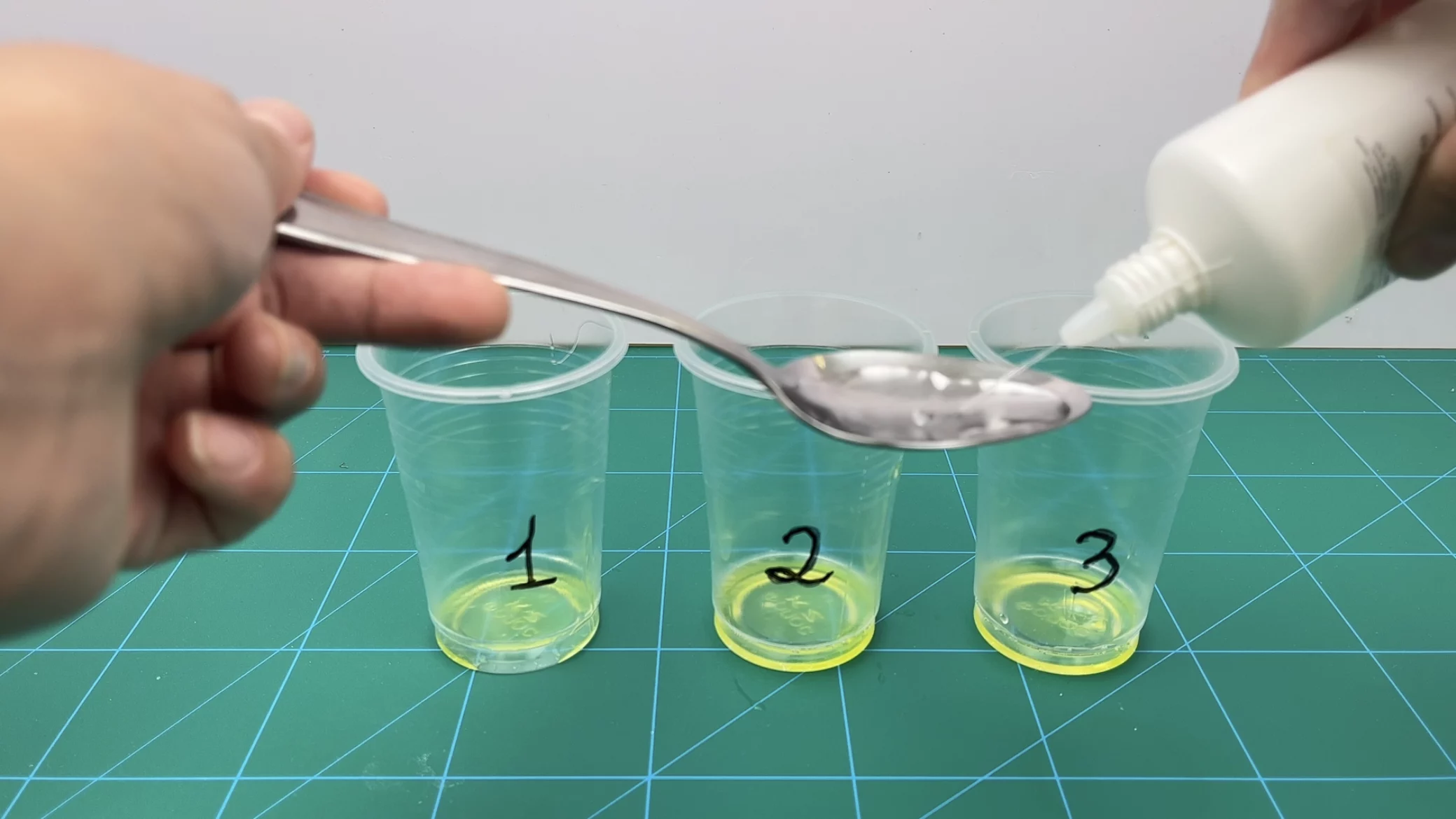
Step 3 Put on safety goggles before working with hydrogen peroxide. According to the number, add hydrogen peroxide (3%) in the amount as indicated below:
No. 1 – 0 tbsp.
No. 2 – 1 tbsp.
No. 3 – 2 tbsp.
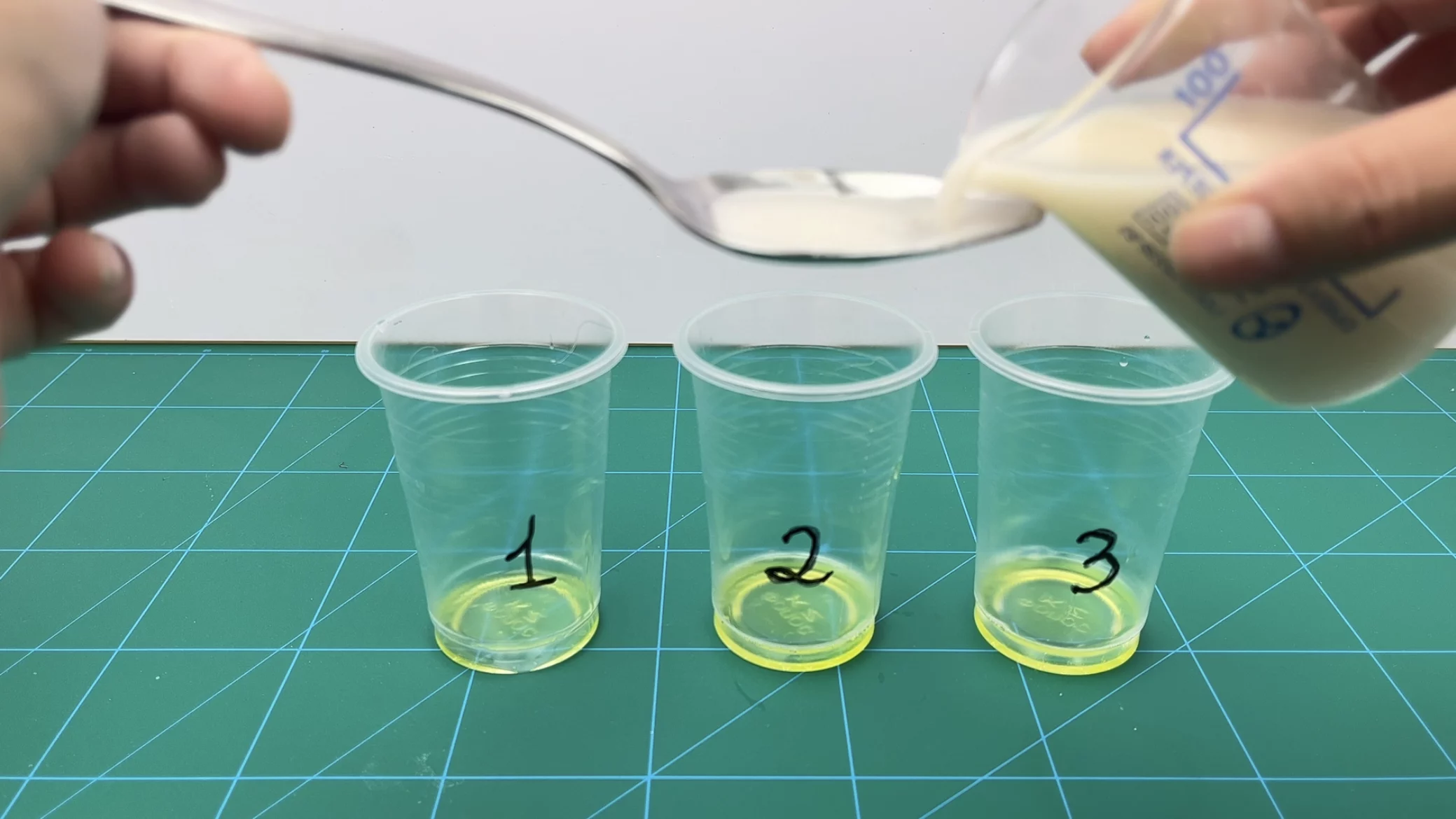
Step 4. Add one tablespoon of enzyme solution to all cups. What changes have appeared?
Step 5. Using a ruler, measure the height of the resulting foam in millimeters.
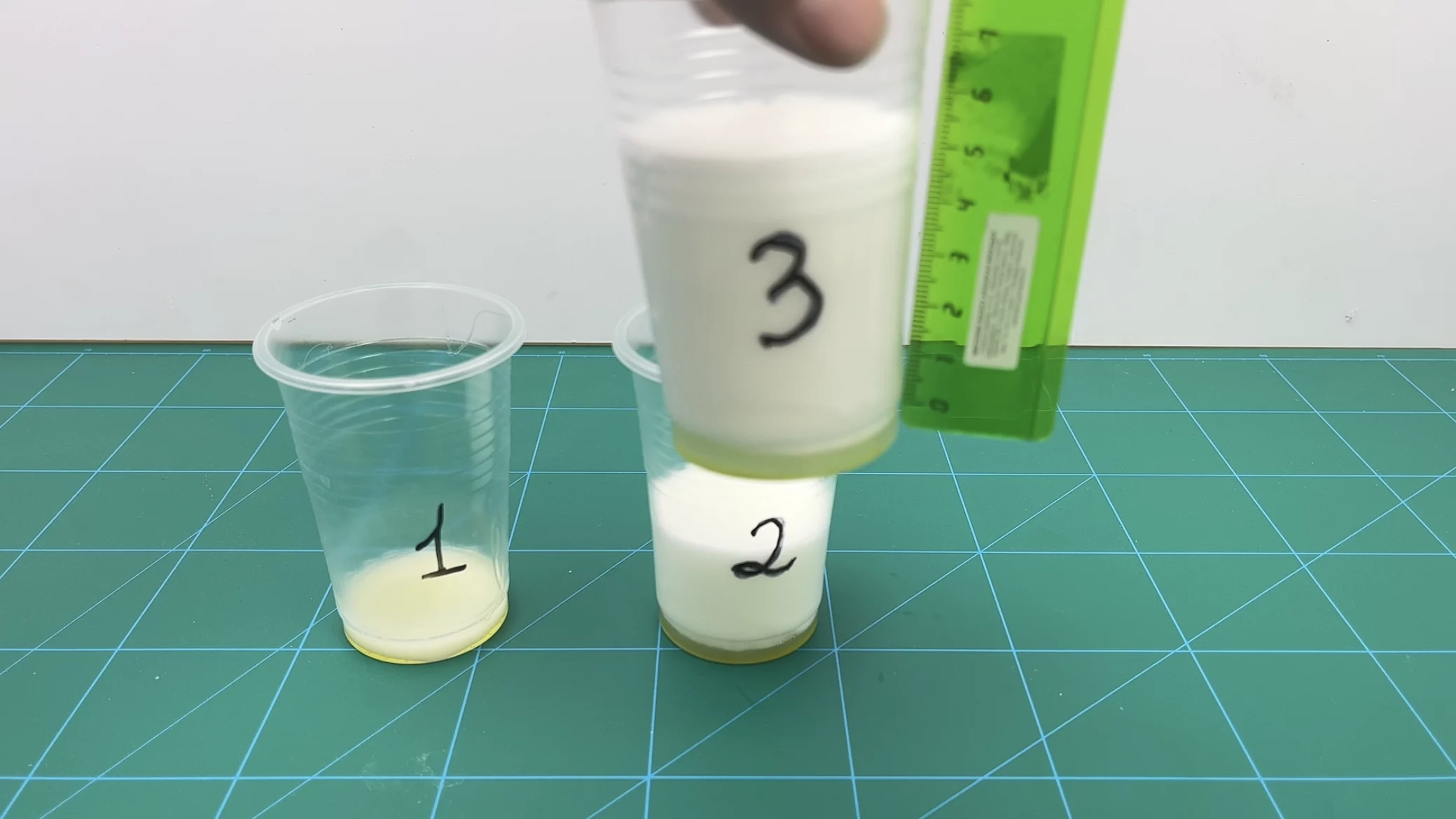
Step 6. Carry out similar work on the effect of temperature. Mix equal amounts of hydrogen peroxide and yeast solution in a test tubes. Place the tubes for 5 minutes in different temperature conditions: No.1 – in cold water, No.2 – in hot water (55-60°C), No.3 – in warm water (36-38°C). Measure the temperature with a thermometer. You can keep the temperature constant by adding warmer water or ice cubes.
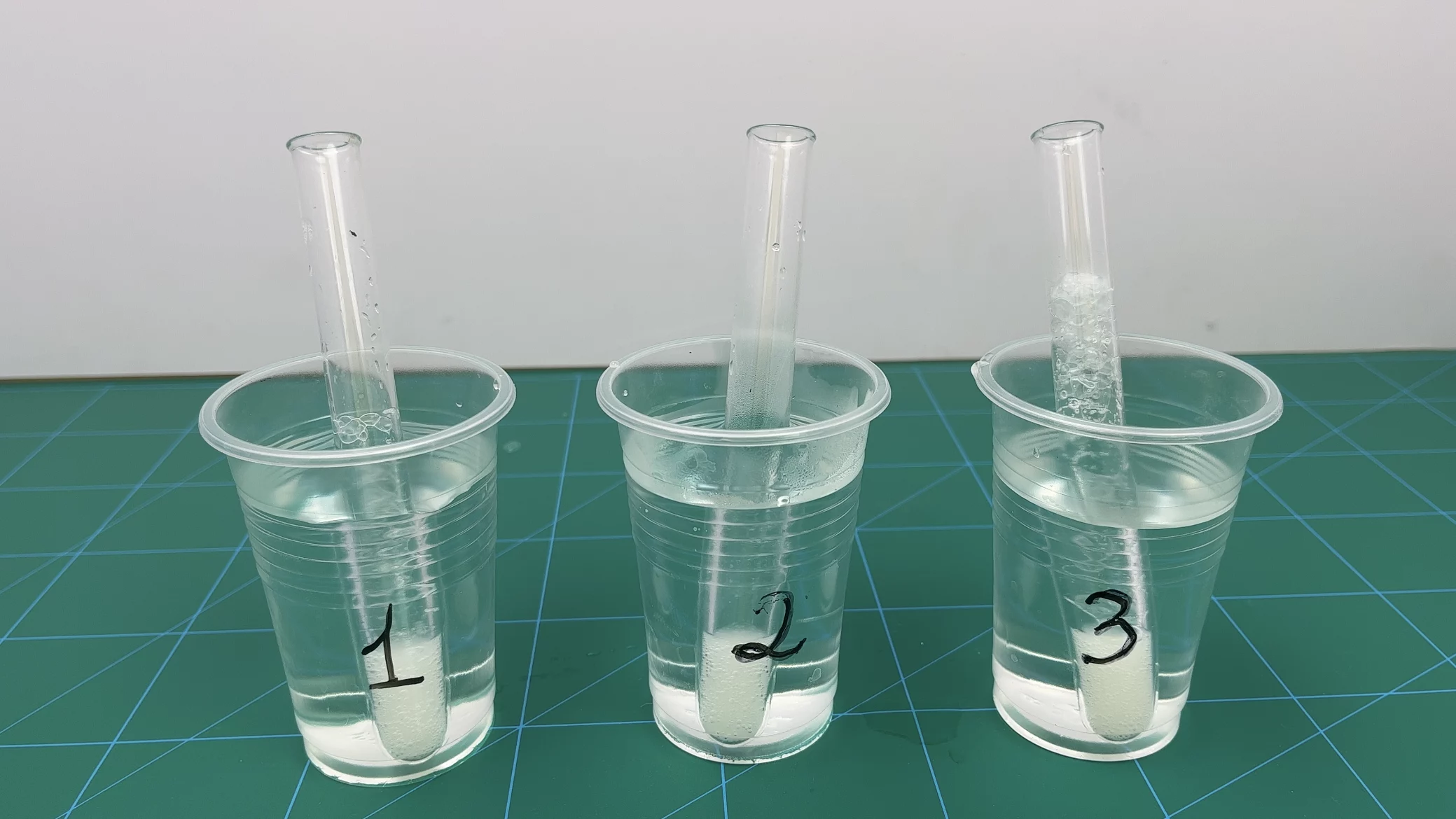
Step 7. Watch for changes. Enter the data in the table.
| рН effect | to effect | ||||
| Cup № | Test tube № | ||||
| 1 | 2 | 3 | 1 | 2 | 3 |
| Observed changes (foam height), mm | |||||
Step 8. Plot a graph of the effect of temperature and pH on enzyme activity in your worksheet.
Step 9. Drawing conclusions, write down in your copybook the answers to the following questions:
• What changes were observed in each tube when the yeast was added?
• Why is the height of the foam different in each tube?
• Based on your results, write about the effect of temperature on a catalase.
Conclusion
In this practical work, students investigated the effect of temperature and pH on the activity of the catalase enzyme in yeast. This study helped to understand the mechanism of enzyme action, as well as the influence of changes in various factors on it.
