
Lesson
Making a water filter
Objective:
- To describe the type of mixtures and learn how to separate them;
- To learn how to purify unclean water by filtering it.
Teacher’s Guide:
- Before proceeding with the lab work, review the safety rules by following the link:
- Divide the students so that there are three students in each group.
- To download the worksheet, go to: worksheet
Theoretical part

Mixture separation is the process of separating mixed substances into their components. There are many methods of separating mixtures used in chemistry, biology, physics and other sciences as well as in industry. A few basic methods of impurity separation are: sedimentation, sieving, filtration, evaporation, and magnetic separation.
In this practical work, a water filter based on filtration method of impurity separation is proposed.
Filtration is a method of separating a mixture which traps a particle of its components when the mixture is passed through a filter. In this way, it is possible to separate a mixture in which one component is water soluble and the other component is insoluble.
Based on this definition, dirty water can be purified with a filter. Gauze traps the coarse debris in the water. Activated carbon is good at absorbing toxic substances in water, absorbs an impressive series of heavy metals, and fights harmful microorganisms.
Practical part
Step 1.
Familiarize yourself with the necessary materials.
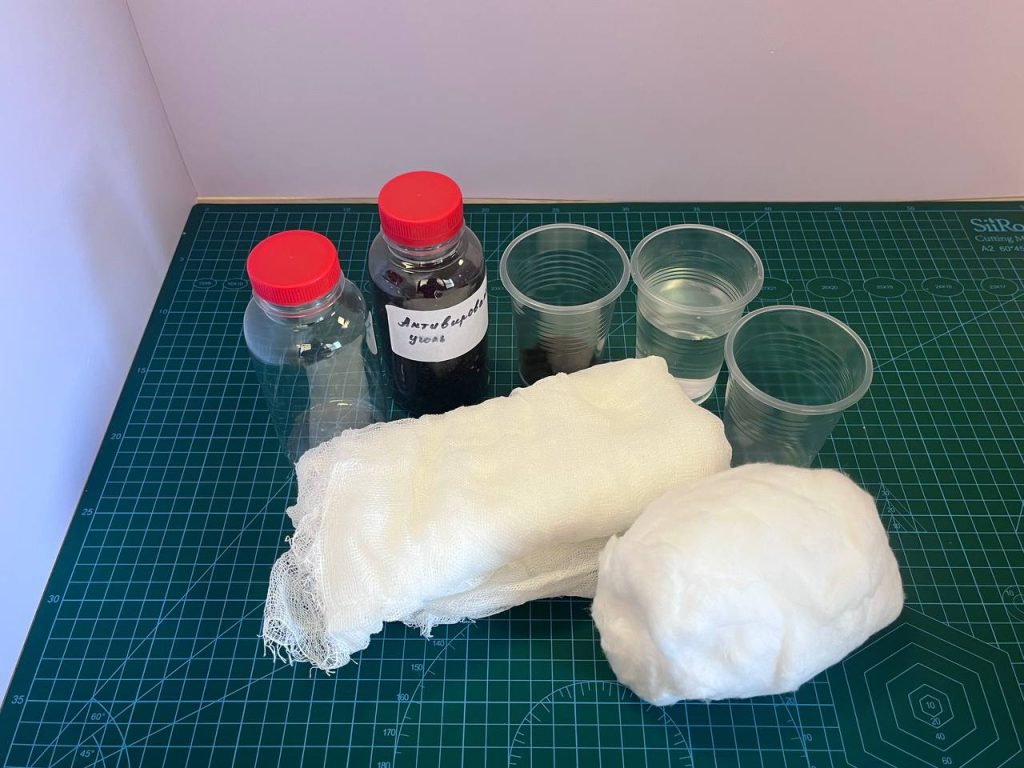
Step 2.
Cut and remove from the underside of the bottle at a height of 1-2 cm.
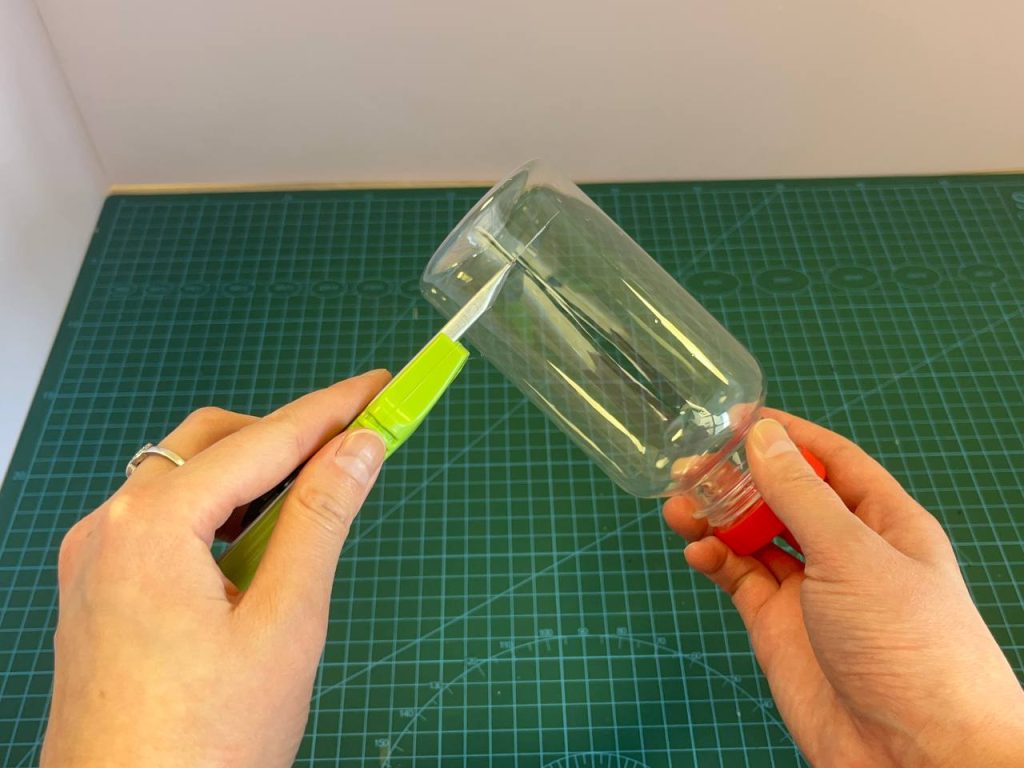
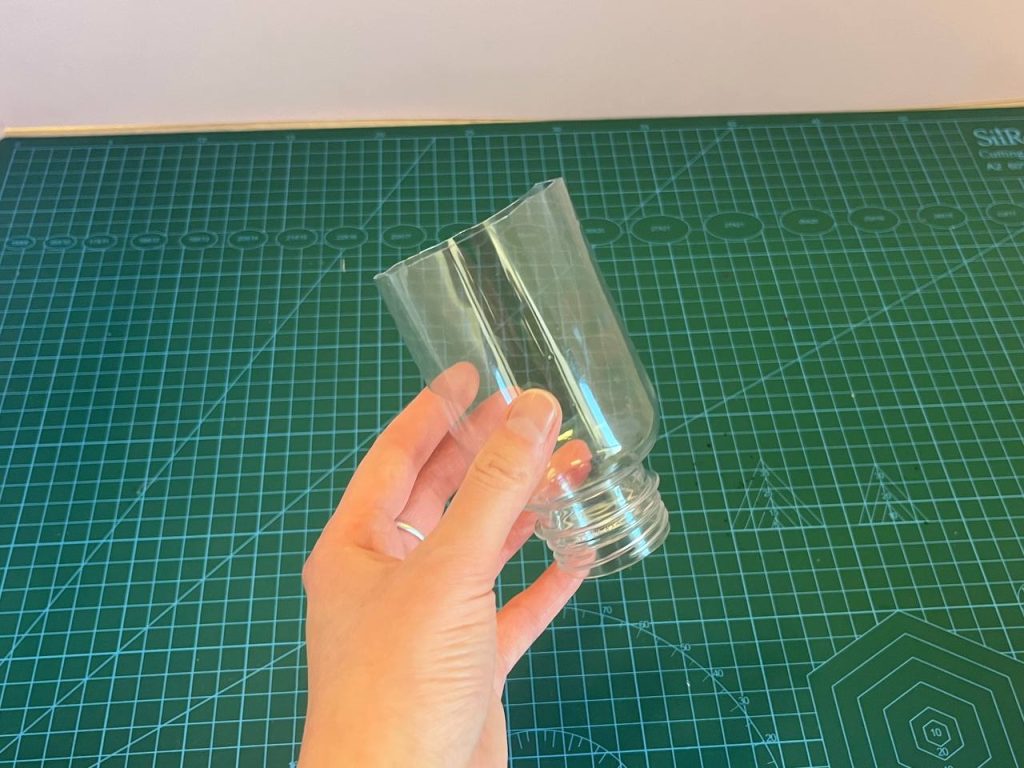
Step 3.
Cut the gauze so that it is 10 cm wide. Wrap some absorbent cotton in the middle.
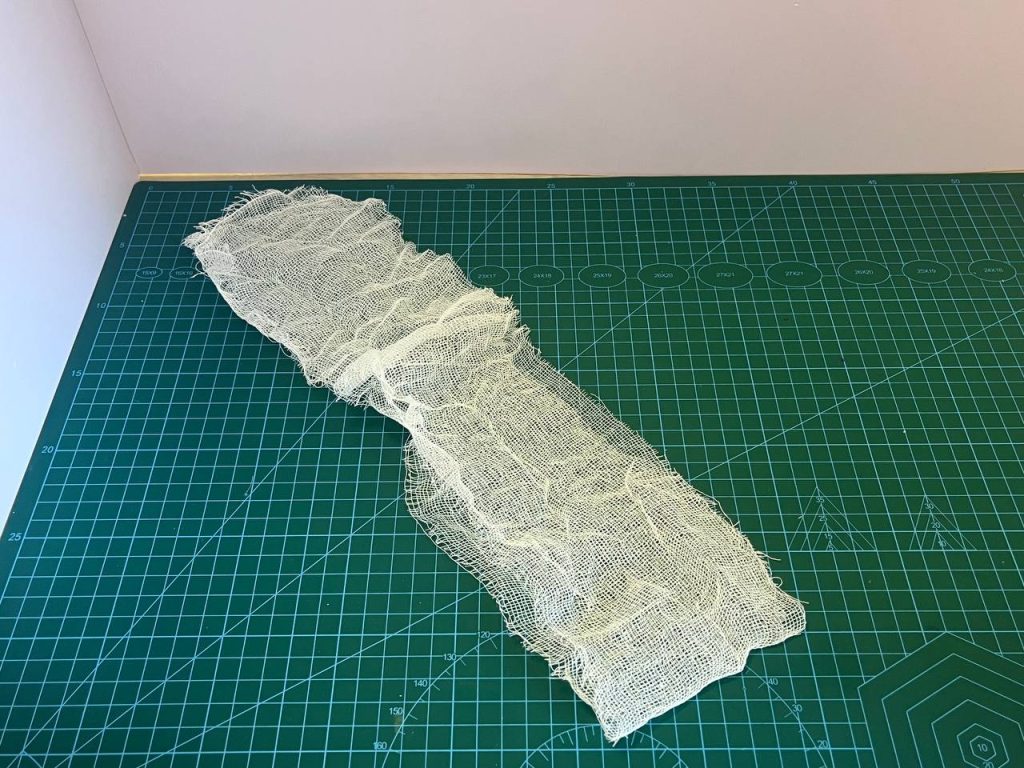
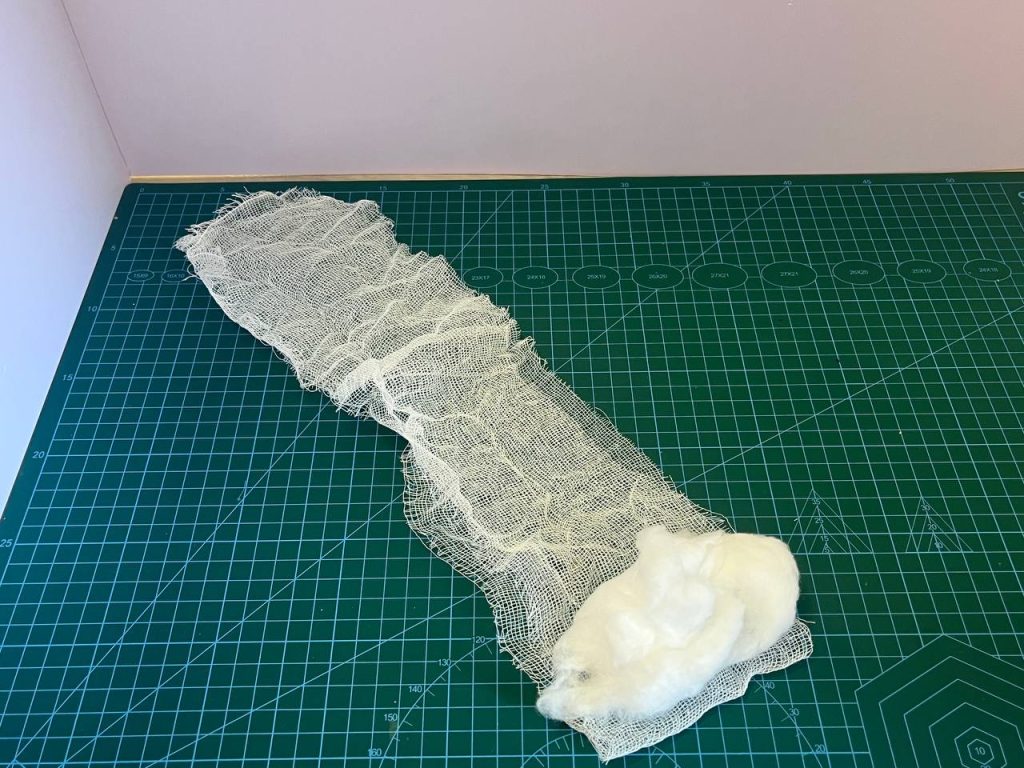
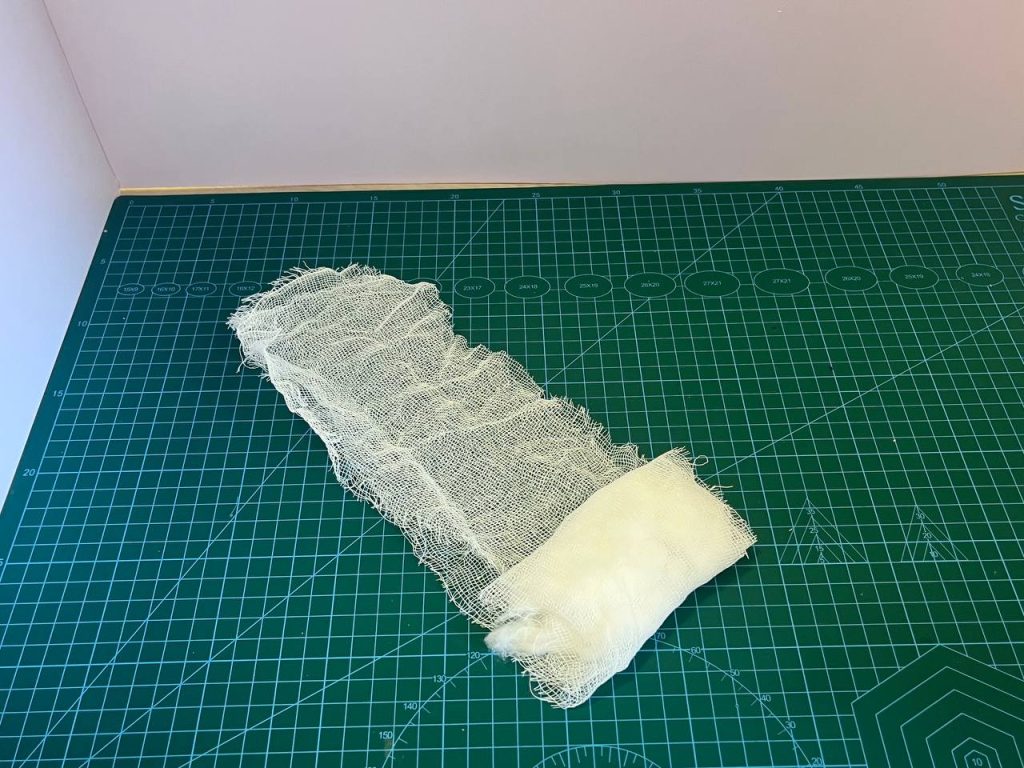
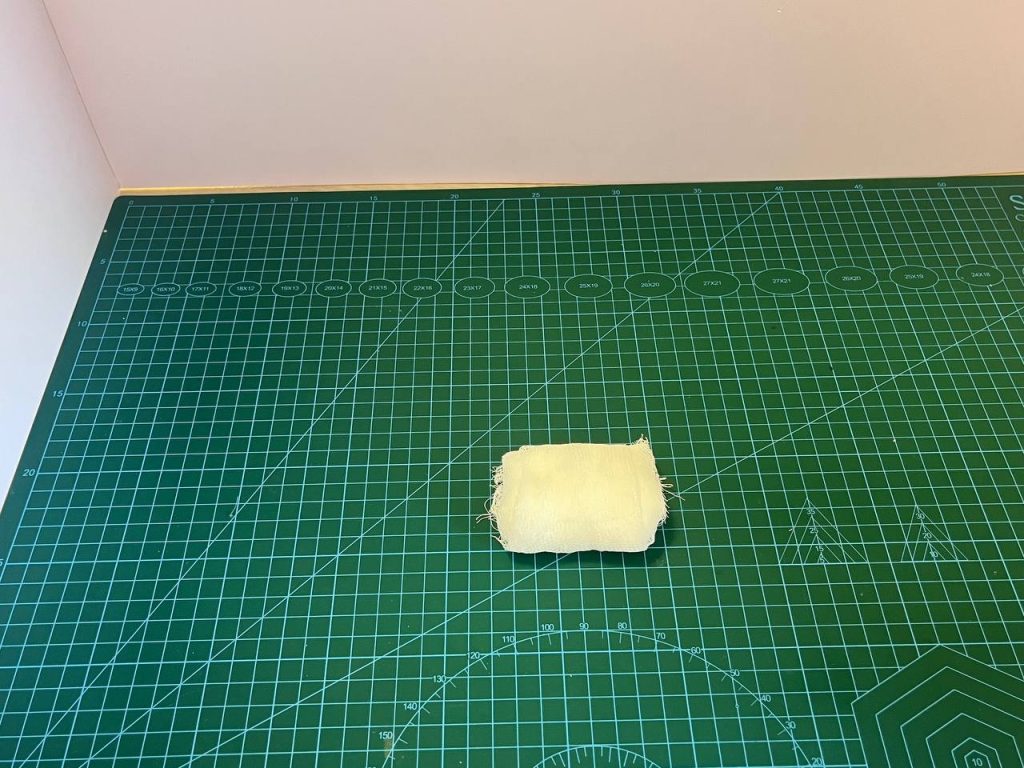
Step 4.
Place absorbent cotton wrapped in gauze on the head of the bottle.
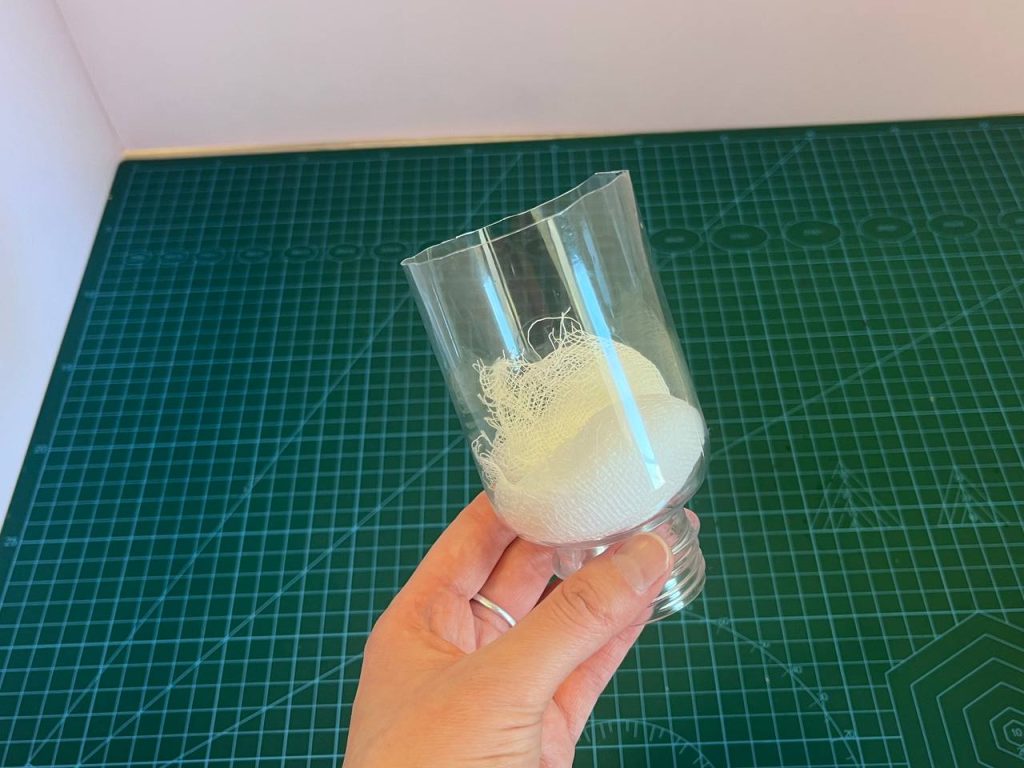
Step 5.
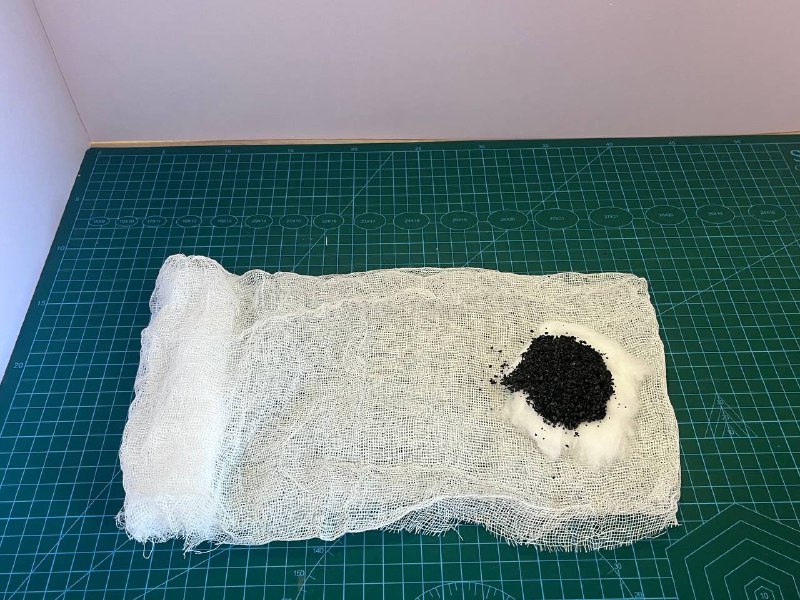
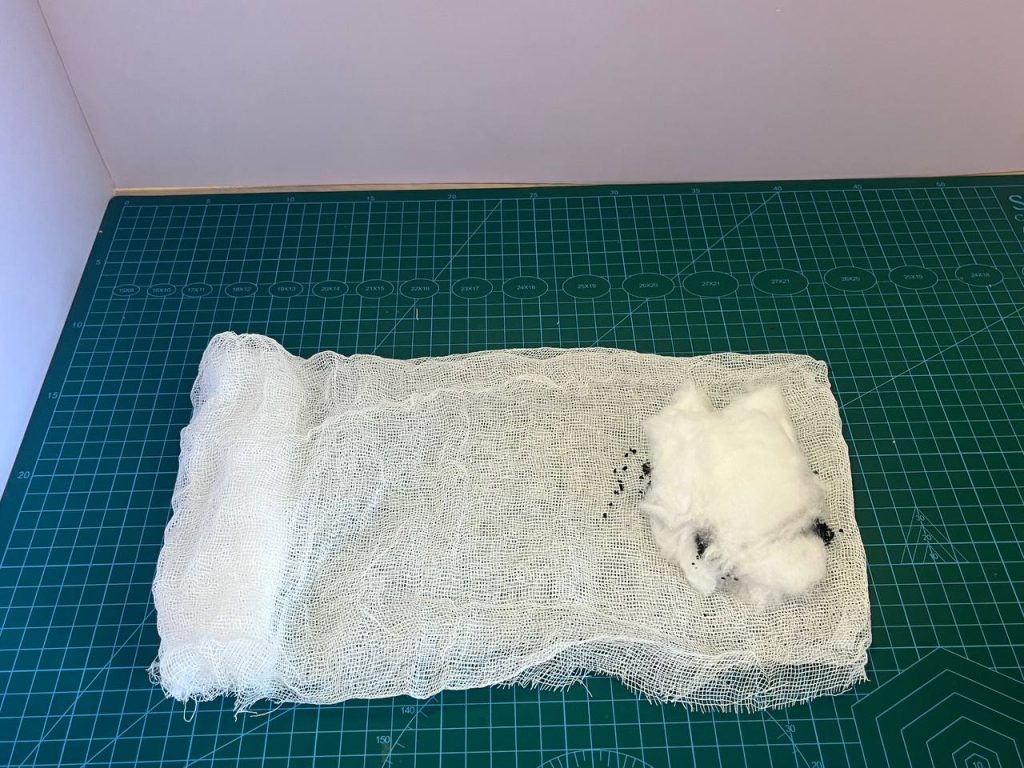
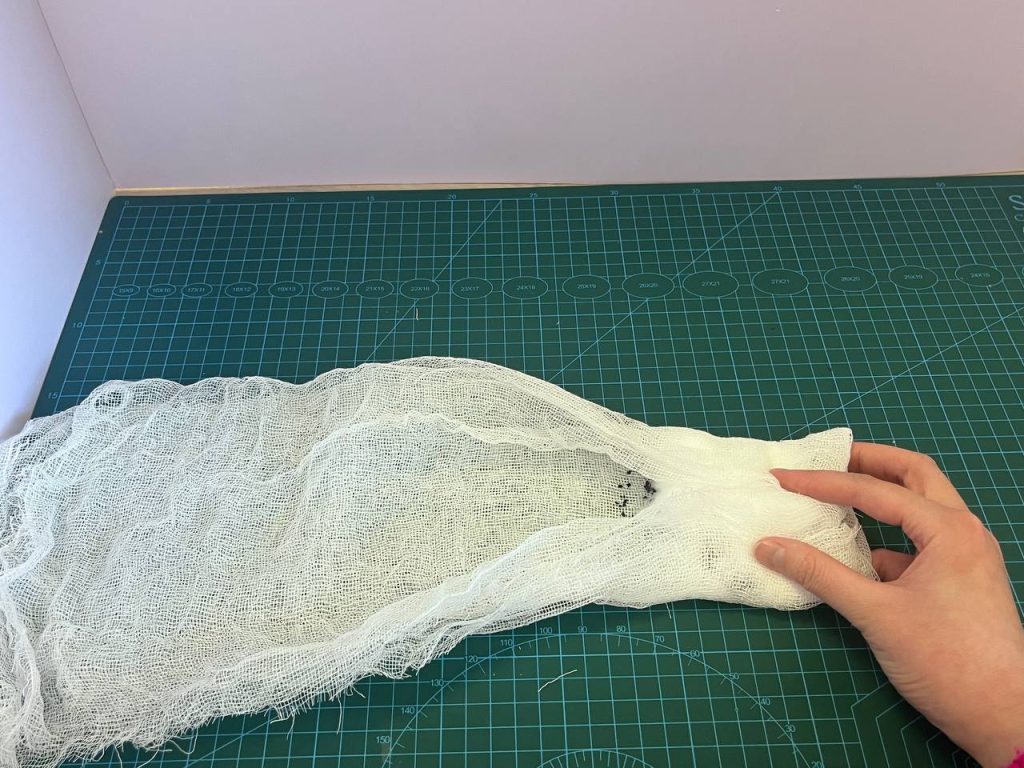
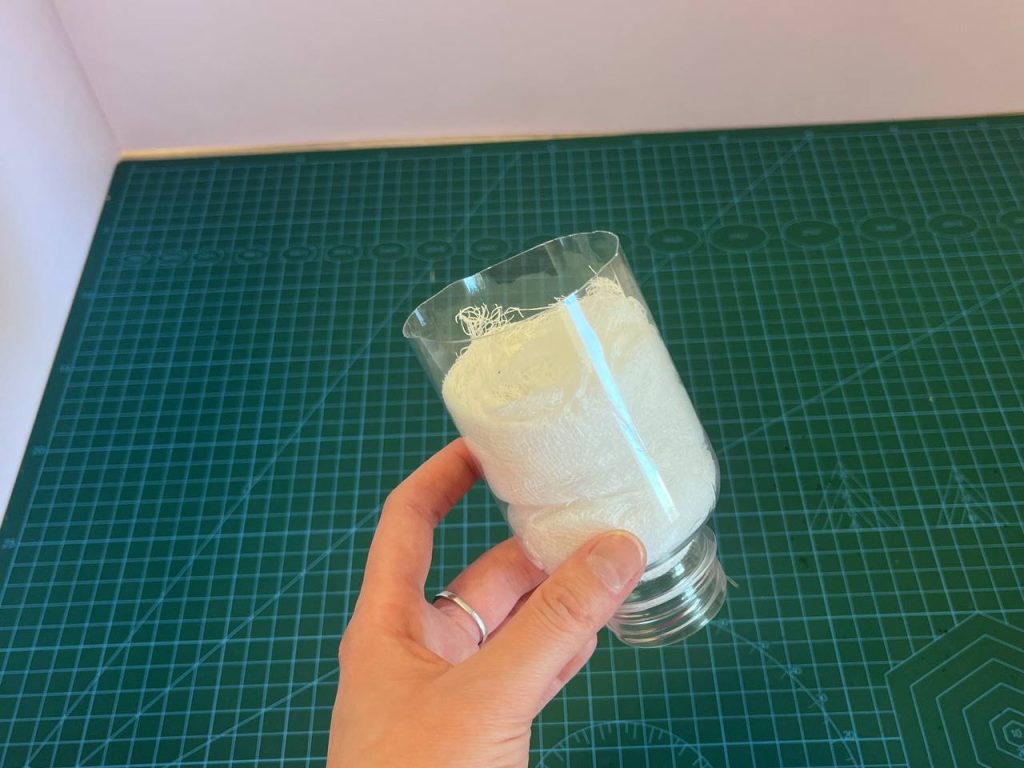
To make the second layer of filter, put absorbent cotton on a long gauze about 15 cm wide and put about 3 spoons of ground activated charcoal on it. Cover the top again with absorbent cotton, wrap the gauze completely, and place it in the bottle. In this layer activated charcoal perfectly adsorbs toxic substances, absorbs an impressive number of heavy metals and mercilessly fights harmful microorganisms.
Step 6.
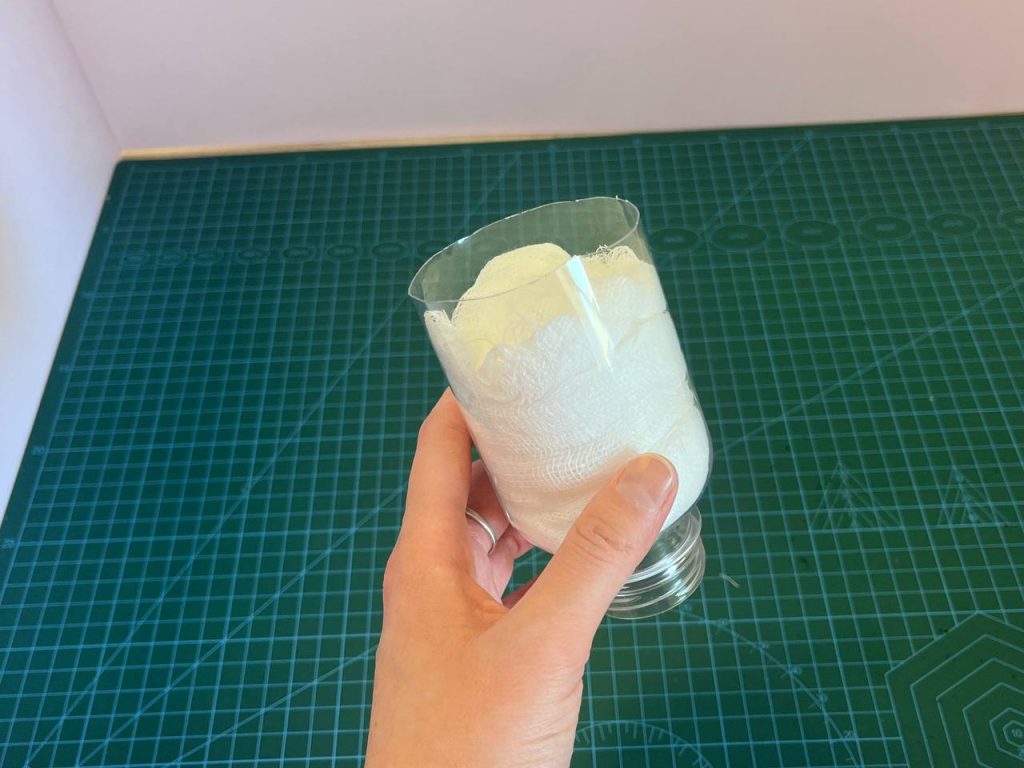
Wrap the gauze again with absorbent cotton and spread it over the bottle. This layer is the first filter layer to filter the water. It catches the largest debris.
Step 7.
Now press them down firmly and make sure they fit snugly.
Step 8.
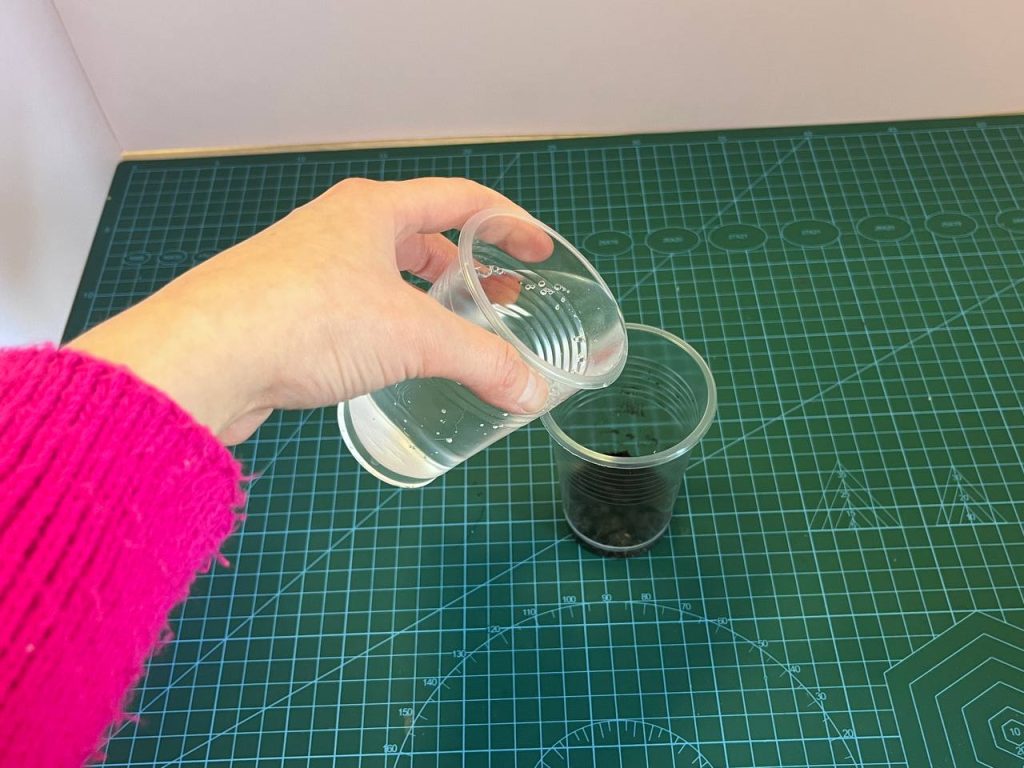
Put soil or sand in the water and mix.
Step 9.
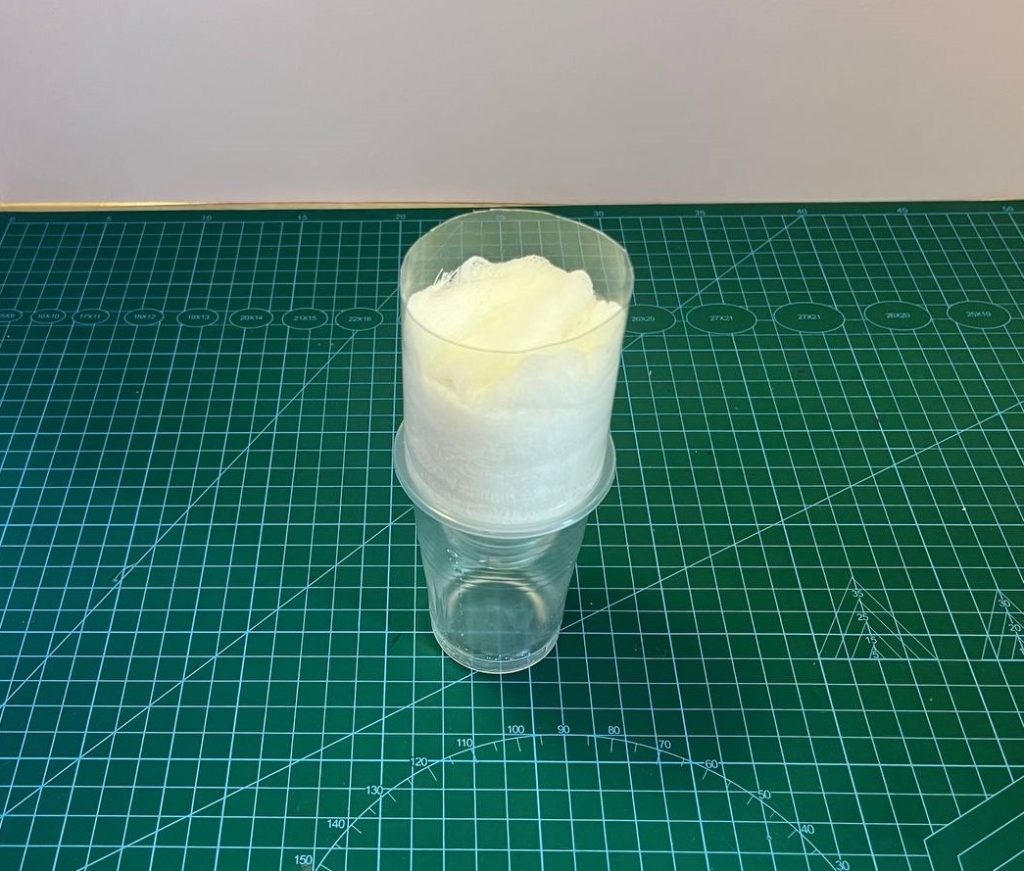
Place the bottle head on the glass.
Step 10.
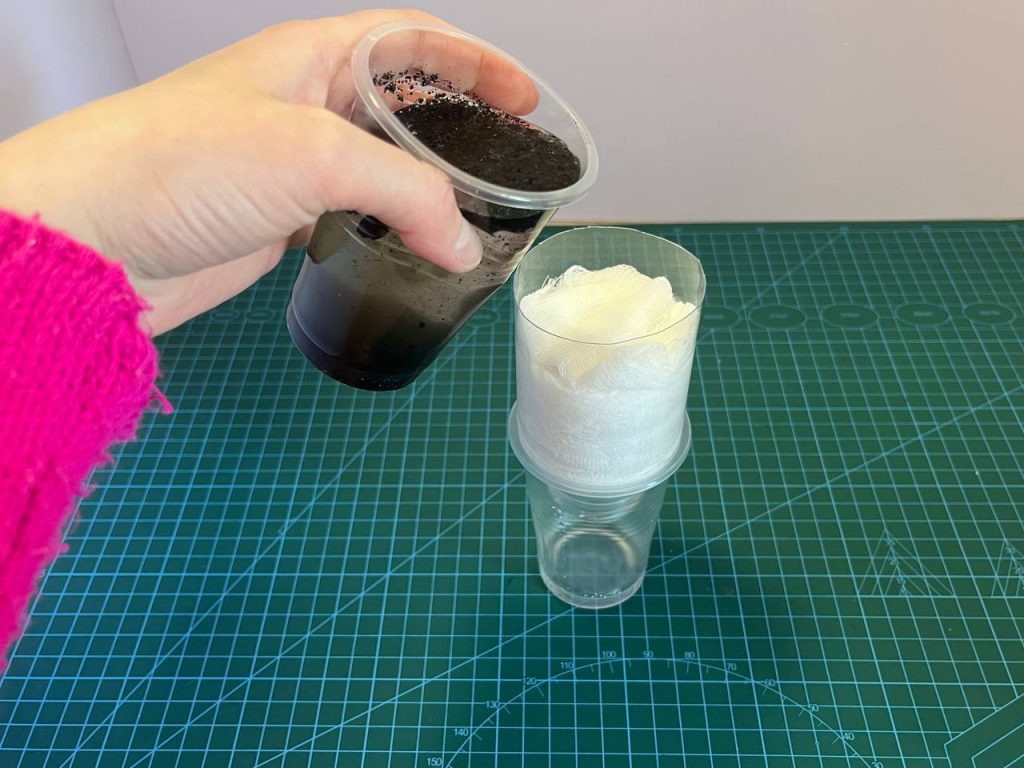
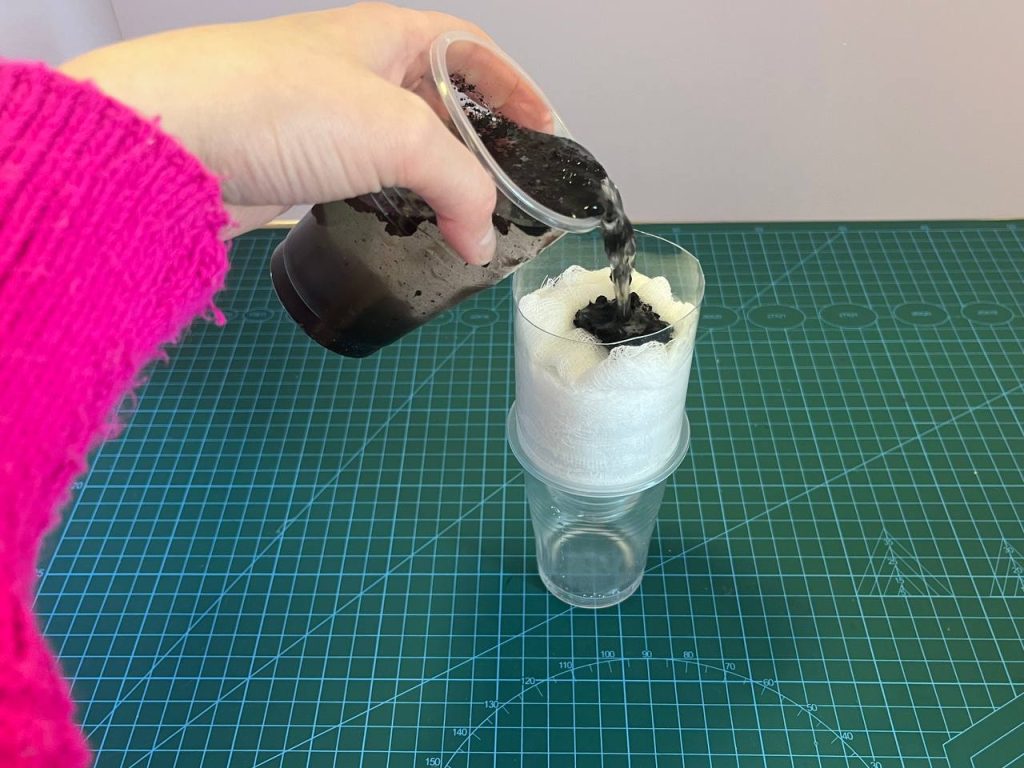
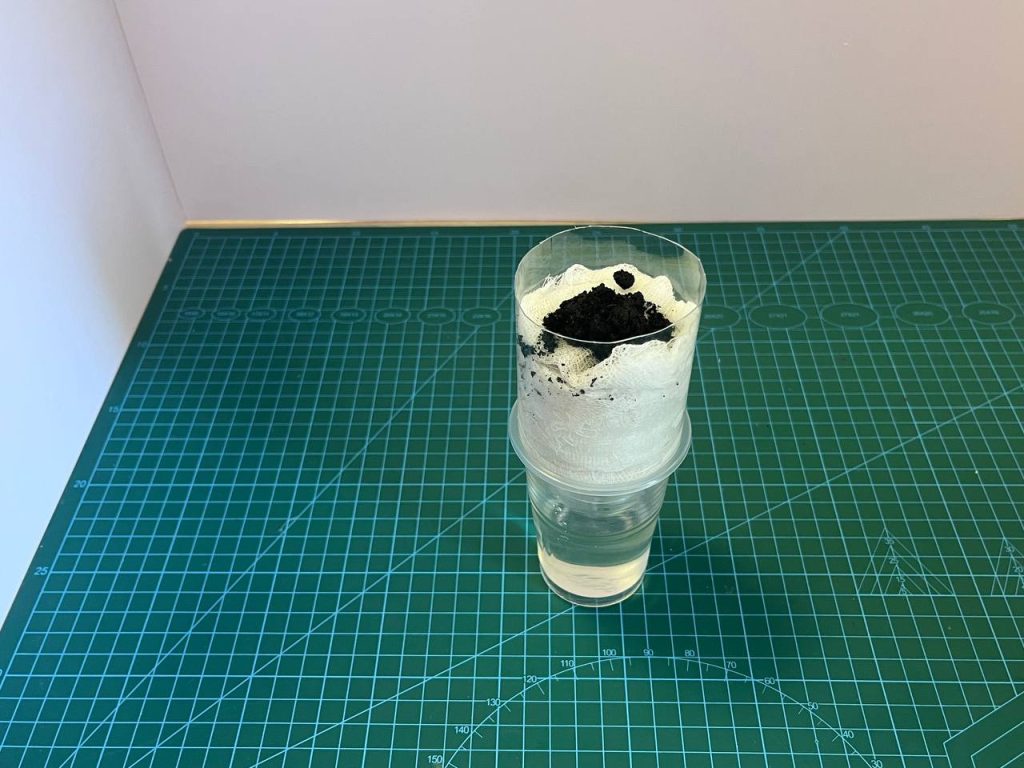
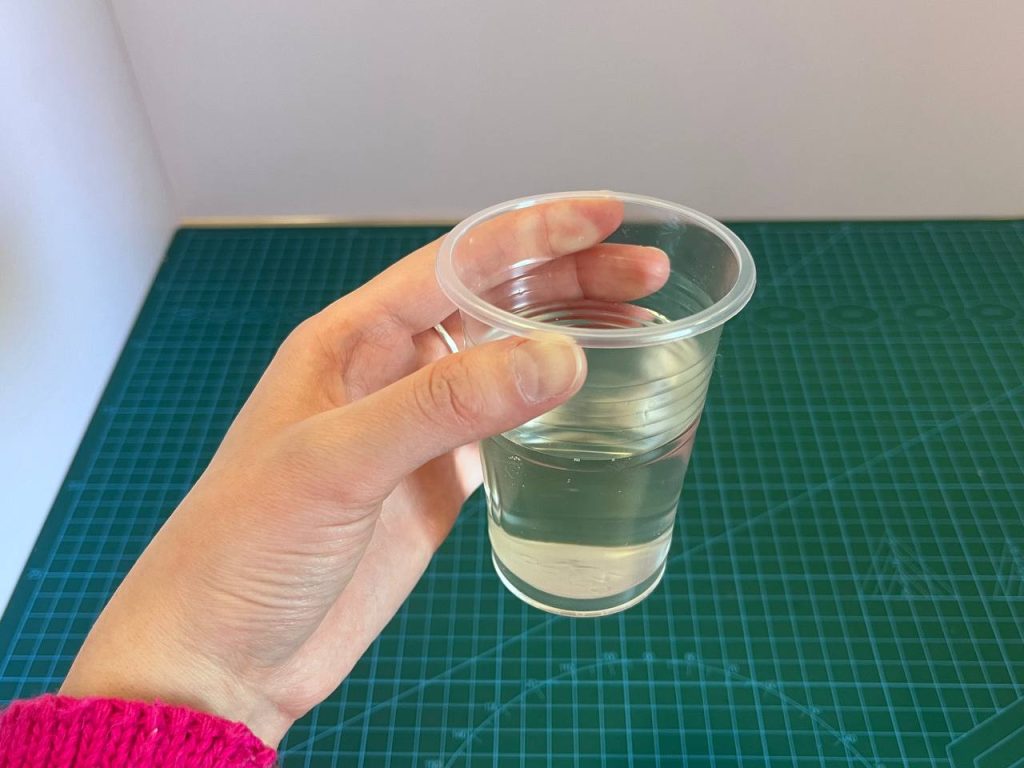
Pour dirty water from the bottom of the bottle and observe the process.
Step 11.
Summarize by answering the following questions:
- What type of mixture did you experiment with?
- What properties of the components of the mixture made it possible to use the selected separation method?
- Do you know of any other separation methods? Give them an example.
- What practical skills have you learned?
Conclusion
In this practical work, students learned how to manually make a water filter based on the topic of mixture separation. Although the method of making this water filter is very simple, it cleans dirty water and gives drinkable water. And water purification is a necessary measure of modern life, because the effects of a variety of human factors on nature have significantly affected its quality and purity.