
Lesson
Project objective
– To study sound propagation ;
– To make a sound amplifier with their own hands.
Teacher’s guide
– In the experimental part of the work, the students work individually.
– Explain how sound propagates.
– Give a brief instruction on how to use the hot melt glue (only the teacher uses it)
– Give a short safety overview.
– Explain the PBL (project based learning) rubric to students at the beginning of the lesson. Skills 4K (critical thinking, collaboration, creativity, presentation)
Safety in Steam lessons
Before we begin the lesson, teachers are advised to familiarise themselves with the safety procedures. If necessary (if using items specified in the PPE), brief the students. Go to Safety in Steam lessons
Theoretical part
“Heuristic conversation”. Guess the riddle:
The pupils are told to sit down.
Then get up and go away.
He tells many in the school,
For it rings, rings, rings.
– What does it ring at school? What does it ring for?
– How does it ring? Why do we hear it?
– Why does the bell ring . Children’s hypotheses.
Natural sources of sound are produced by objects and phenomena in nature. Man invented artificial sources of sound. For example, in music, sounds can be made by hitting something, pulling strings. The noise of cars, the banging of hammers, and the creaking of doors are all sounds produced by artificial sources.
“Cluster. Make a cluster ‘Sources of sound’.
Children name the sources of sound, explaining whether these sound sources are of artificial or natural origin. Write down the sound sources: artificial, natural. The speaker of each group goes to the blackboard and presents the cluster. The students of the other groups check that the cluster is correct.
“Did you know”.
Sound spreads the same way – in waves. A wave comes from each object. Hearing different sounds – catching a wave – is helped by our ears.
Our ears pick up sound waves. But these waves are very different – just like waves in the ocean – high and strong, small and quiet. When a sound wave is very strong and long – it causes a harsh, loud sound that can burst our eardrums. Therefore, sound depends on the length, frequency and power of the sound wave, i.e. the vibration of the air or an object.
You and I live in a world of different sounds. Objects, both living and inanimate, can make them. Sounds arise from the vibrations of objects. These vibrations are transmitted through the air, like circles on water.
“Explorers” Conducting an experiment
Each group will conduct an experiment. Throw a pebble into a pre-prepared container of water. (Throws a pebble into a container of water; examines the surface of the water; draws attention to the circles formed by the pebble; draws a conclusion). Pay attention to what appears on the surface (waves appear).
Why do circles appear on water?
– How do the circles spread?
– Where is the centre of these circles?
– From what do they diverge?
Work from the textbook.
-Who knows what the scientists who study sounds are called? So now we will read the scrambled word and find out the names of scientists who study the science of sound and the section of physics that studies sound. Read the text in the textbook. Answer the questions
– What is acoustics?
– What is sound scientifically?
– How does sound occur?
– What are sound waves?
Answers the question; solves the puzzle

Practical part
Step 1
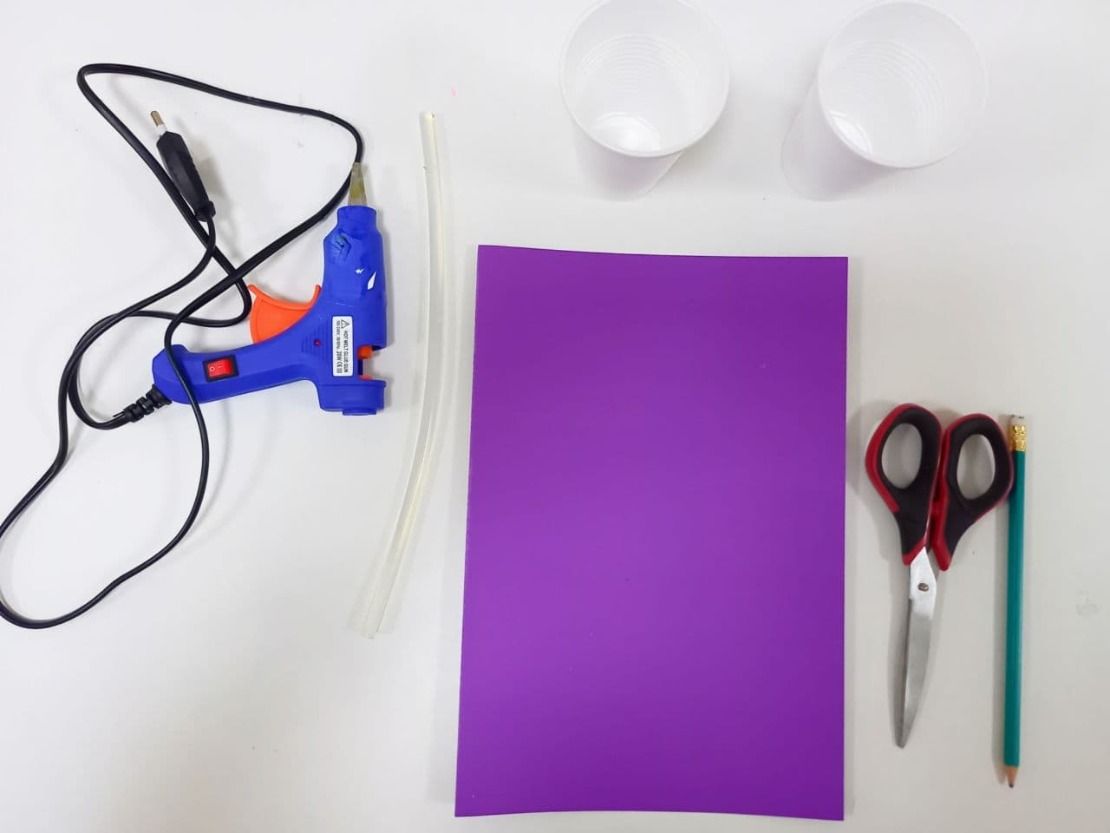
For the practical exercise we need:
- Cardboard paper
- Thermal glue (only the teacher can use it)
- Plastic glasses
- Scissors
- Pencil
Step 2
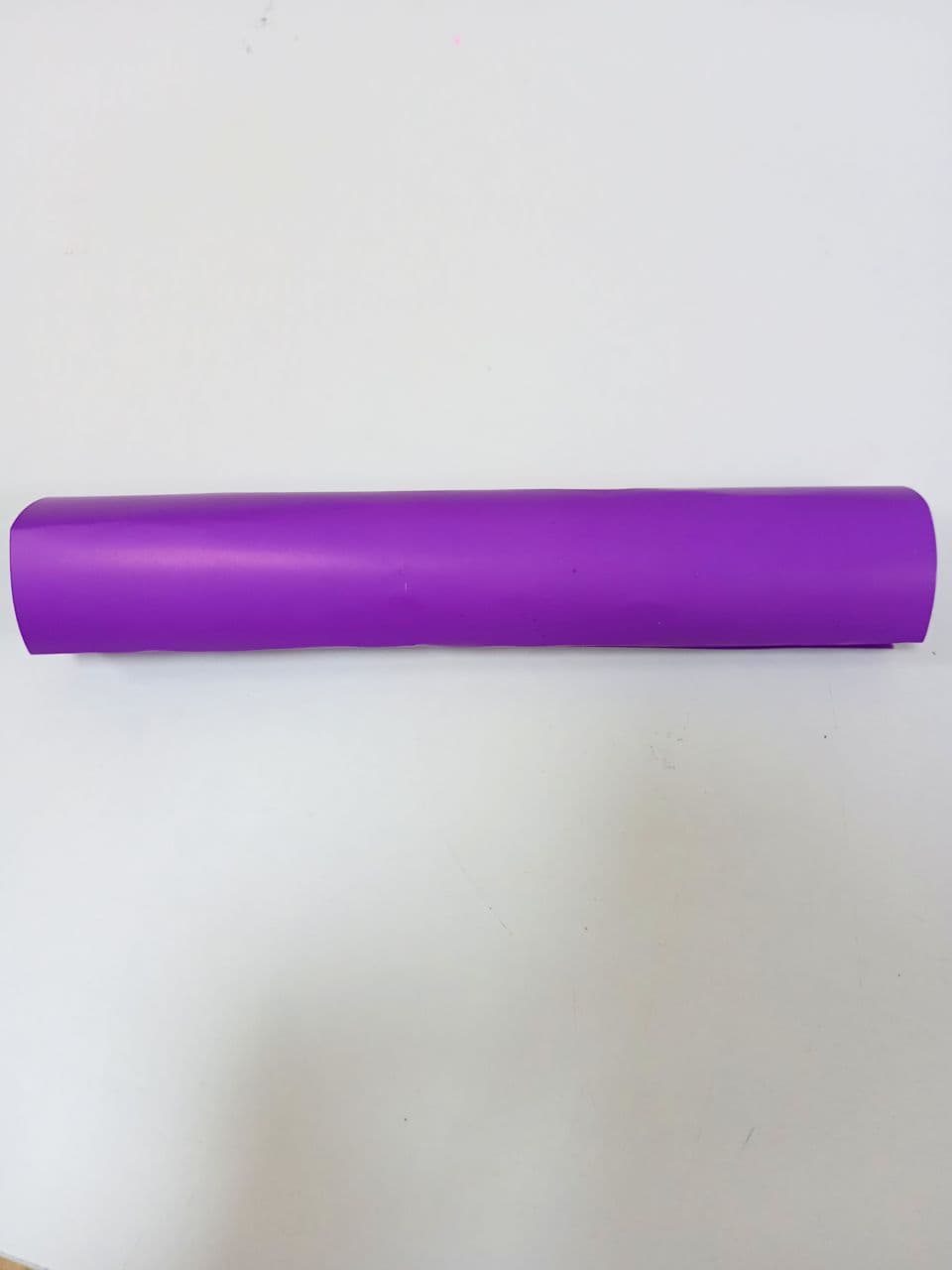
Make a pipe. Start with cardboard paper and glue it with hot-melt glue to make a pipe
Step 3
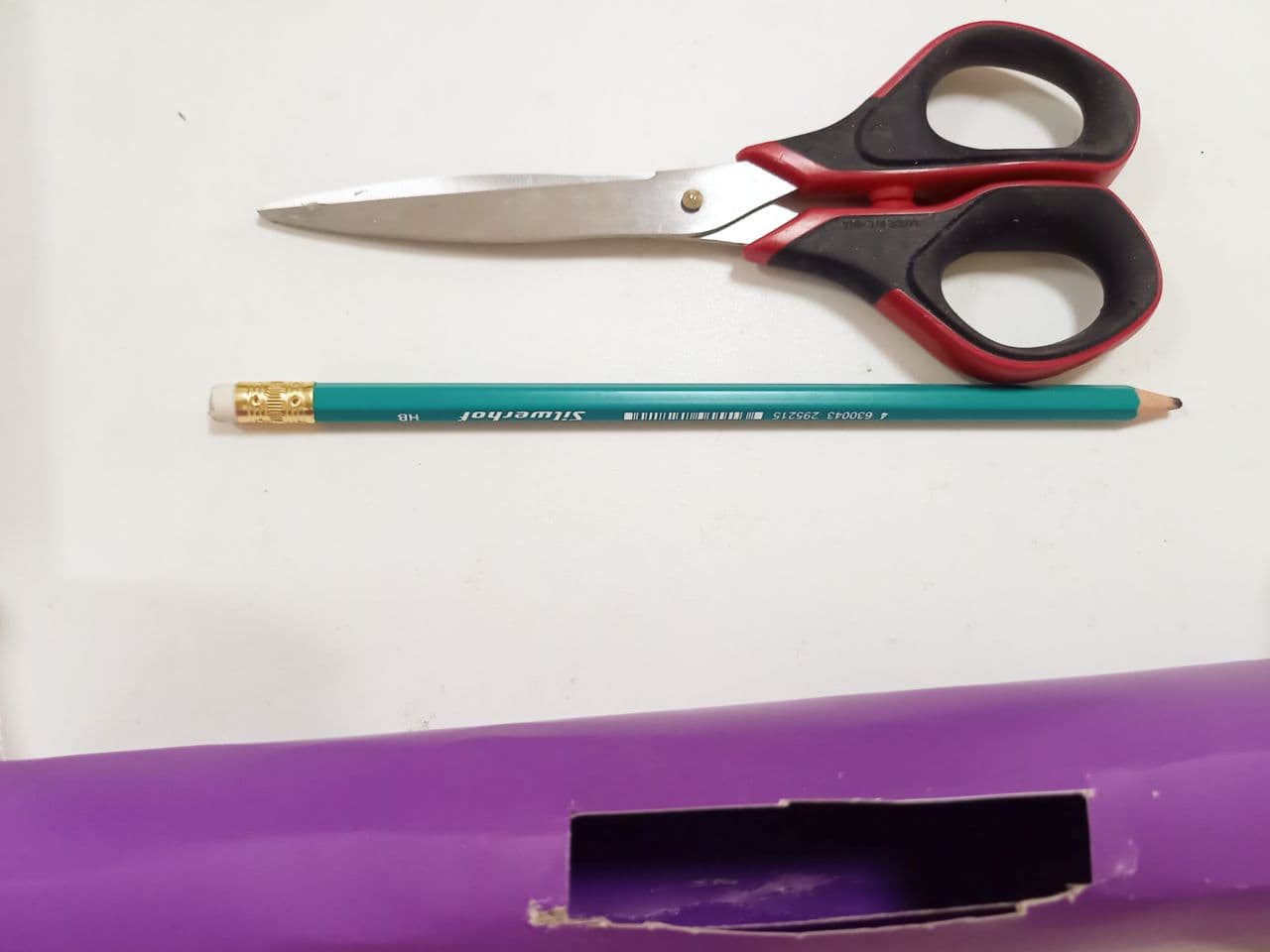
On the tube, make a square hole the size of the underside of your phone, mark with a pencil and cut out
Step 4
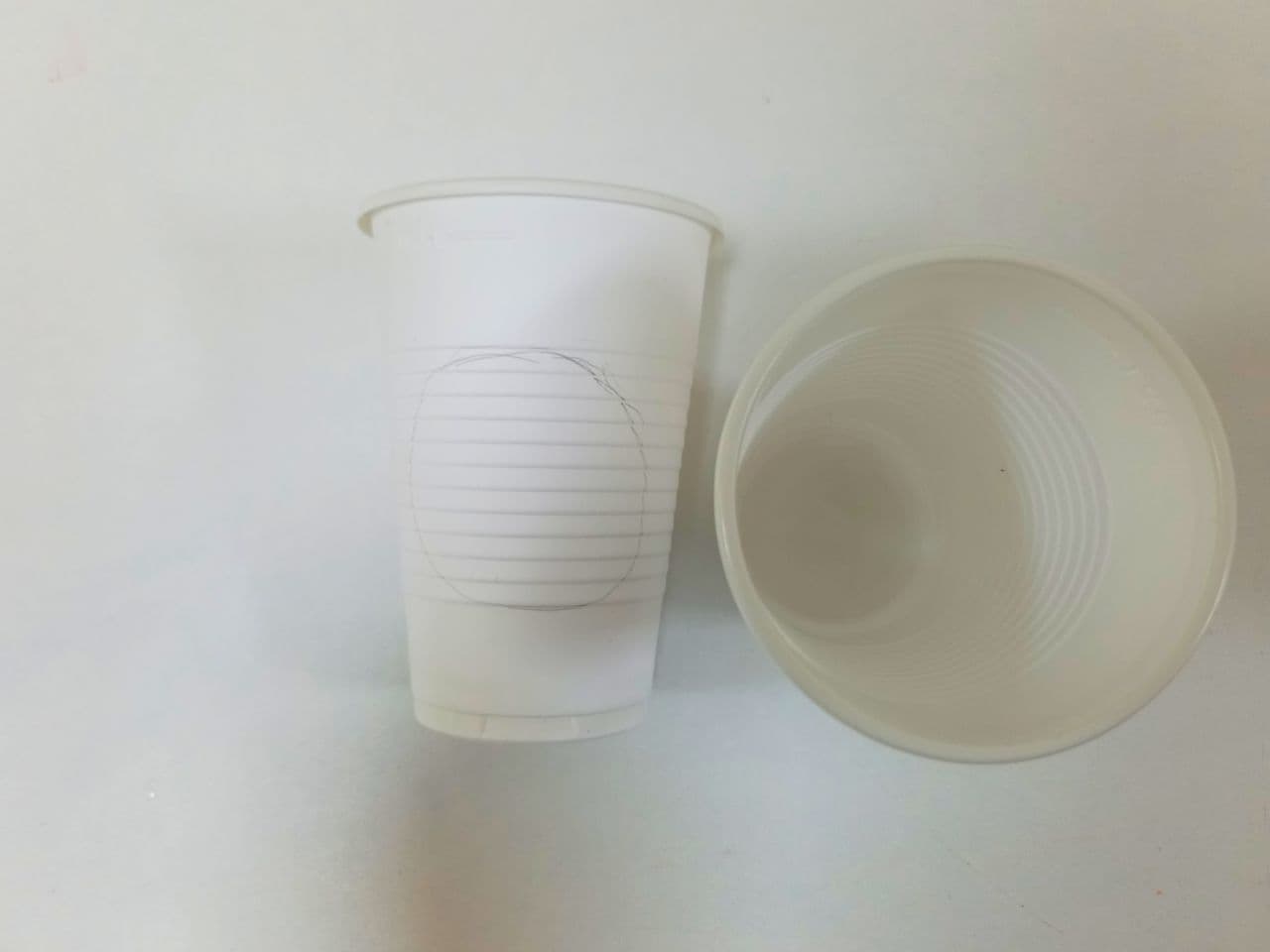
Take two plastic cups, and with a pencil mark a circle to the size of the pipe and cut it off
Step 5
Put two plastic cups on the pipe, on both sides
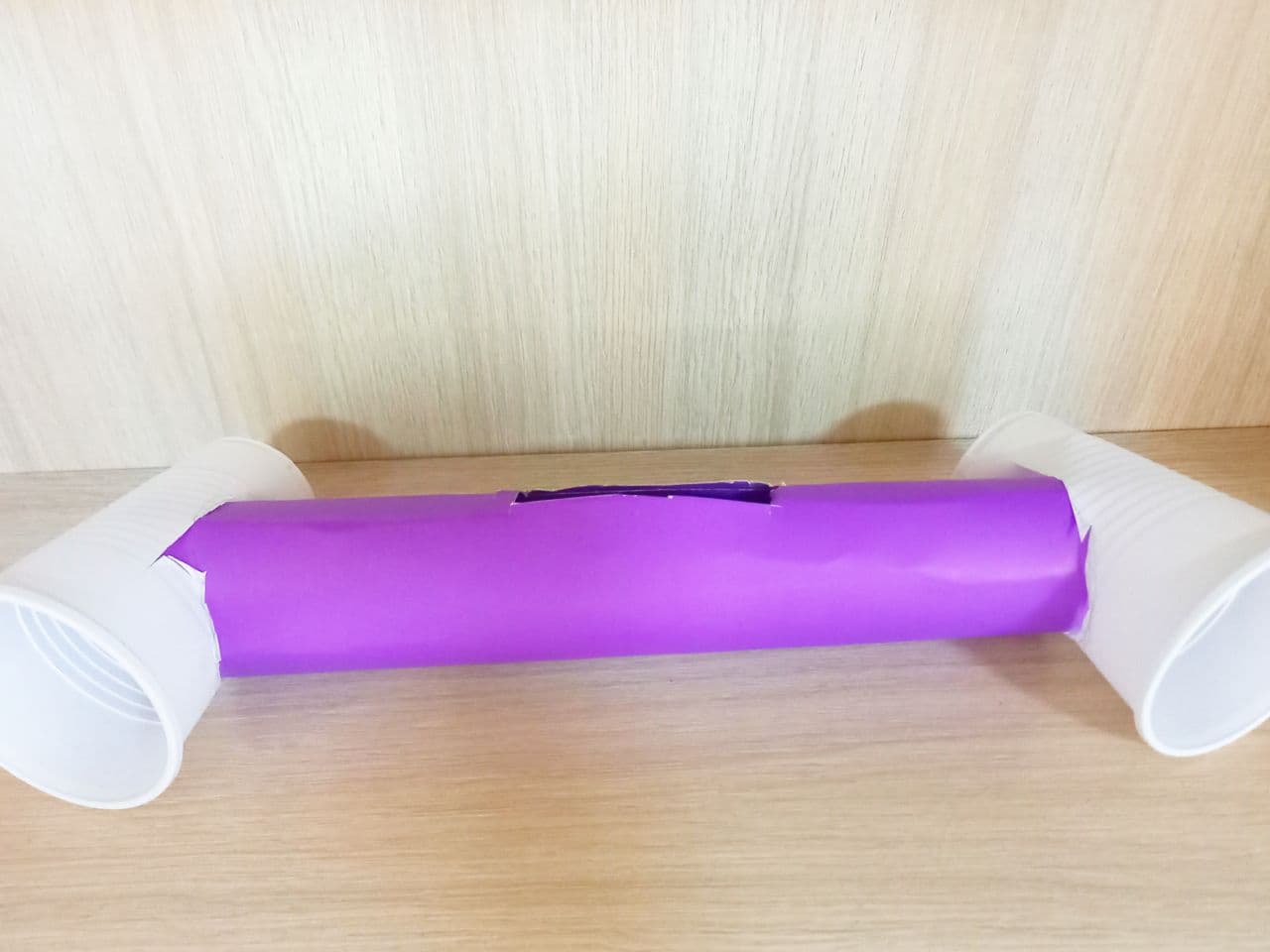
Step 6
Place the phone on the bottom side (where the speaker is located) into the square hole in the pipe, and play music
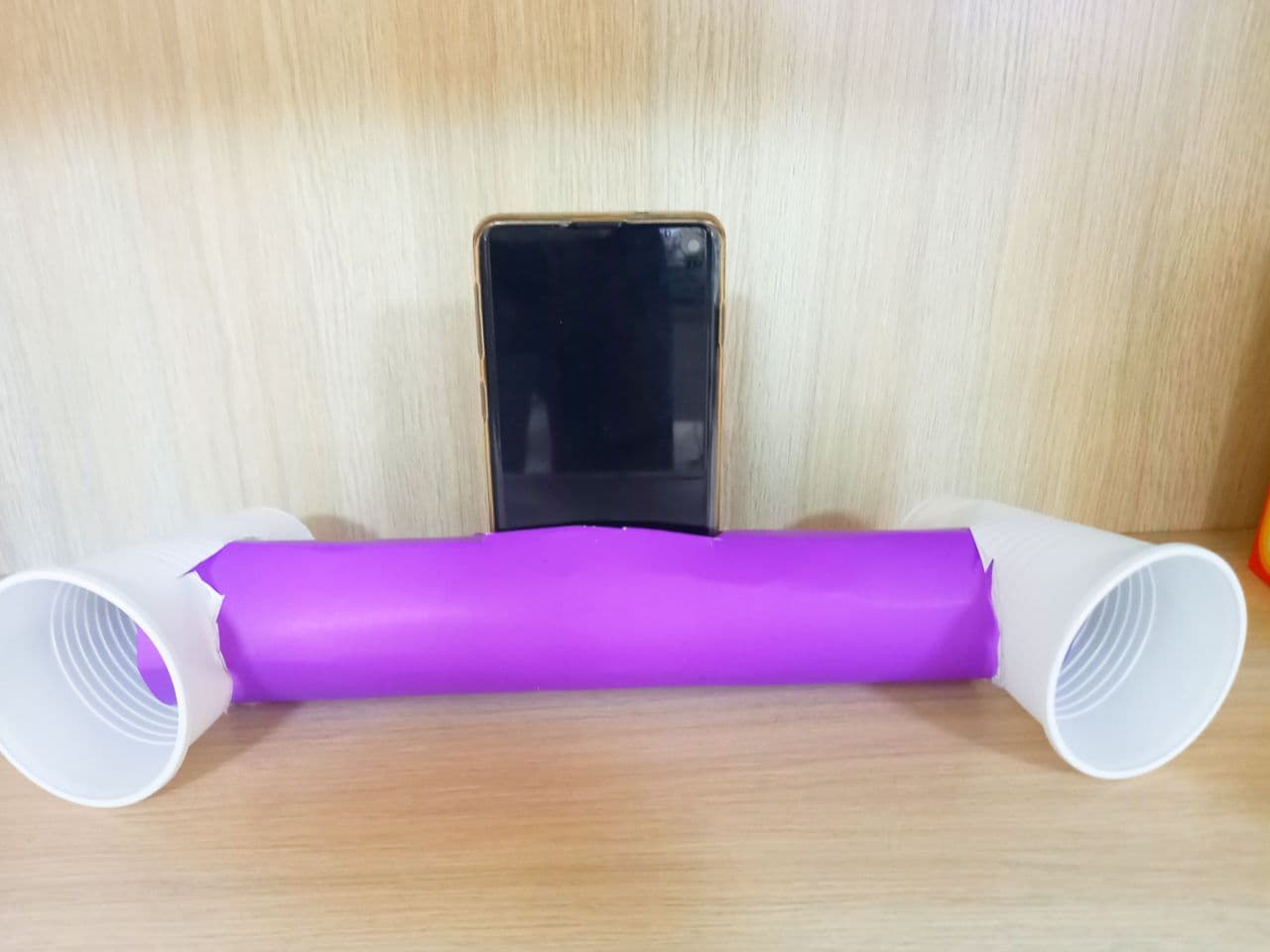
Our sound amplifier is ready! The sound amplifier plays the role of an ordinary loudspeaker. When you play music, compare how the sound comes from the phone. And how it sounds with the sound amplifier.
Conclusion
– The students have learned how sound travels. What sources of sound are available.
– They made a sound amplifier.

On this project, each pupil is awarded a STEAM title, by category:
– You independently, investigated the propagation of sound and examples of its manifestation, made a sound amplifier you are a true scientist!
– You have shown your creativity through practical work.
Evaluation

