Week 1
Objective of the project:
- Improve the ability to perform operations on numbers;
- Learn to draw geometric shapes;
- Develop spatial thinking.
Teacher’s Guide:
- Divide students into groups;
- Conduct a brief instruction on working with scissors and cardboard products;
- Before starting the practical part, familiarize and provide students with all the necessary material.
- Run a quick guide to working with hot glue.
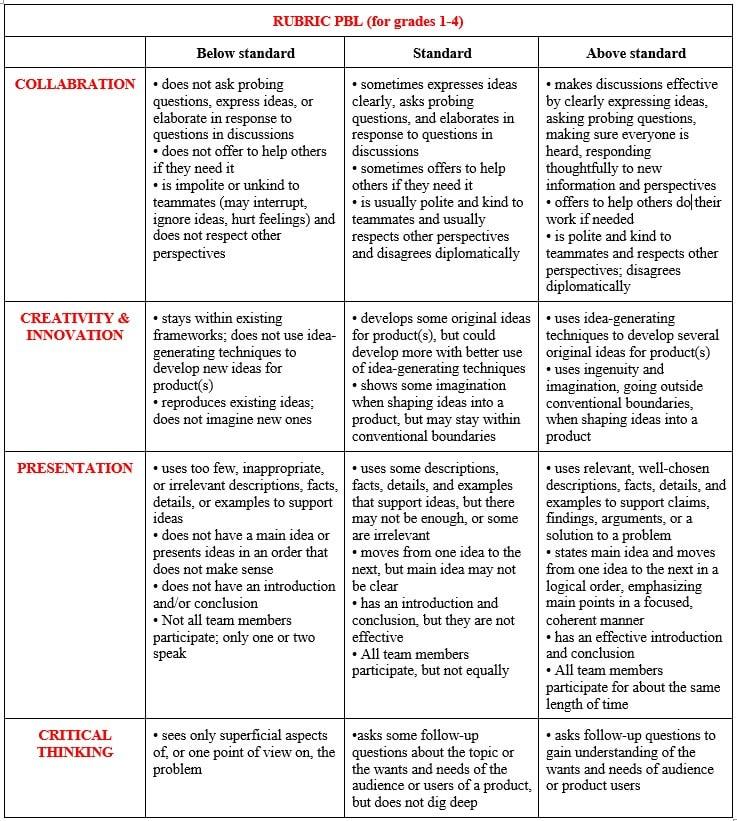
- At the beginning of the lesson, explain to students the heading PBL (project based learning) – 4K skills (critical thinking, collaboration, creativity, presentation)
Before starting a lesson, the teacher is advised to familiarize himself with the safety precautions. If necessary (in the case of using the items specified in the TB), conduct a brief briefing for students: safety insructions
Theoretical part
Number is one of the basic concepts of mathematics. It is used for numbering, to characterize the number of objects, and also to compare objects and their parts. The concept of number originated in ancient times. To indicate the number of objects, people used various signs: dots, dashes and notches. These signs were applied to bones, soft clay, wooden planks, papyrus. People also used rope account books. The number of knots on the rope indicated the number of objects or animals. But this recording method was inconvenient for recording a large number of objects or animals.
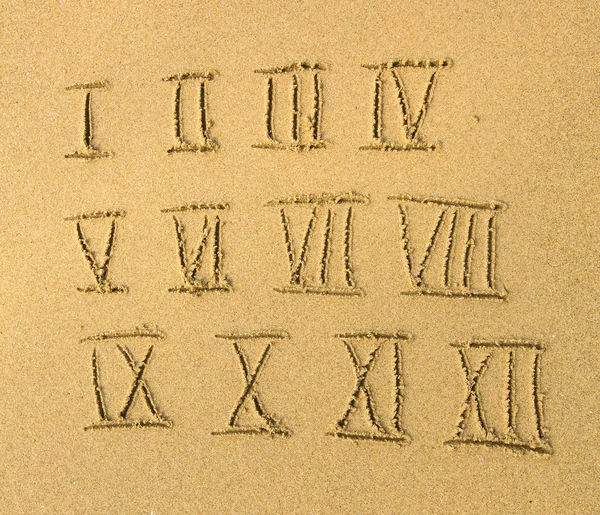
Since in ancient times the fingers were the only tools for calculating, people began to group their fingers into fives and tens. If the number of items was large, then they were first grouped by 10 units, and then the number of tens was counted. If there were more than ten tens, then they said ten tens or a hundred. Ten hundreds was called a thousand and so on. Such groups of numbers began to be denoted by special icons. For example, the Romans used the Latin letters I for 1, V for 5, X for 10, L for 50, C for 100, D for 500, M for 1000.
However, since such counting systems were unsuitable for complex calculations, scientists gradually developed notations for arithmetic operations, numbers and signs.
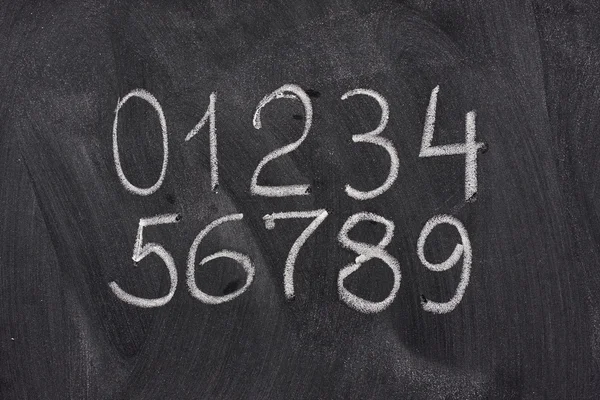
In the 9th century, the Central Asian mathematician astronomer Al-Khwarizmi wrote the work “On the Use of Hindu Numerals in Calculations”. Al-Khwarizmi was the first to give a systematic exposition of arithmetic based on the decimal number system. In the 12th century, Al-Khwarizmi’s treatise “On Numbers and Actions with Them” was translated from Arabic into Latin. Thus, Arabic numerals spread in the countries of Western and Central Europe by the middle of the 16th century.
References:
[1] https://mathvox.ru/algebra/chisla–deistviya–nad–chislami–mnojestva–chisel/
Practical part
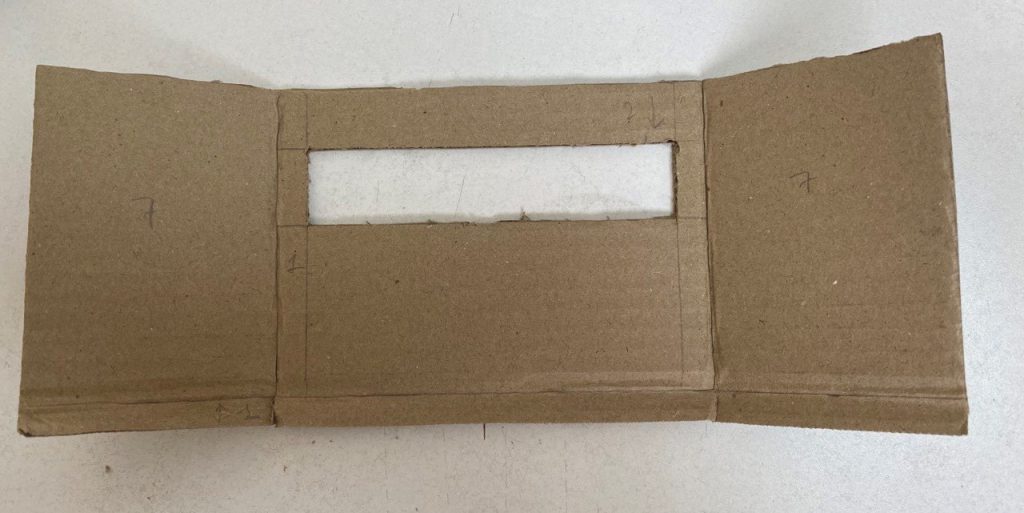
Take a piece of cardboard measuring 15 cm x 28 cm. Draw lines on a piece of cardboard with a simple pencil using the indents shown in the picture.
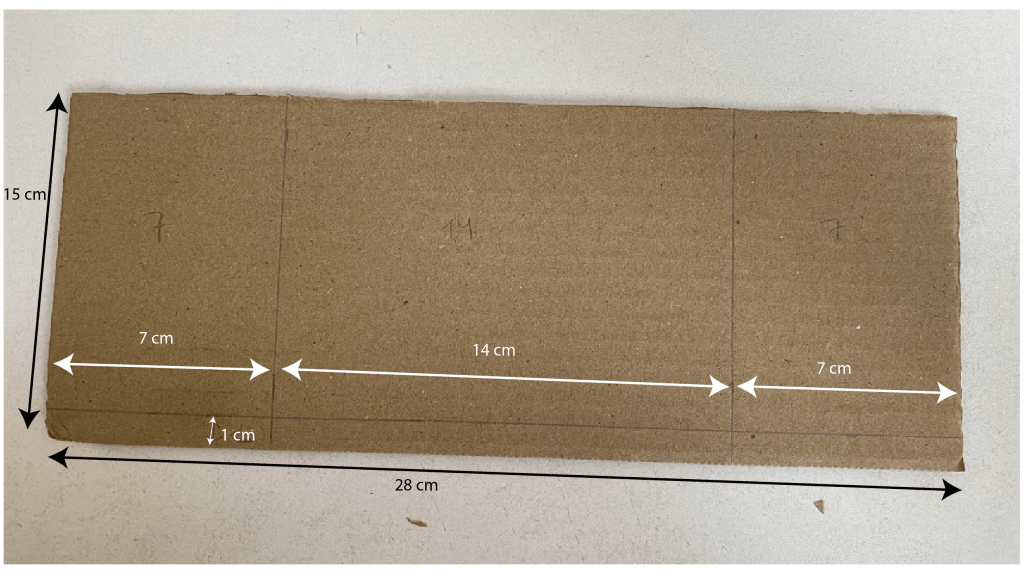
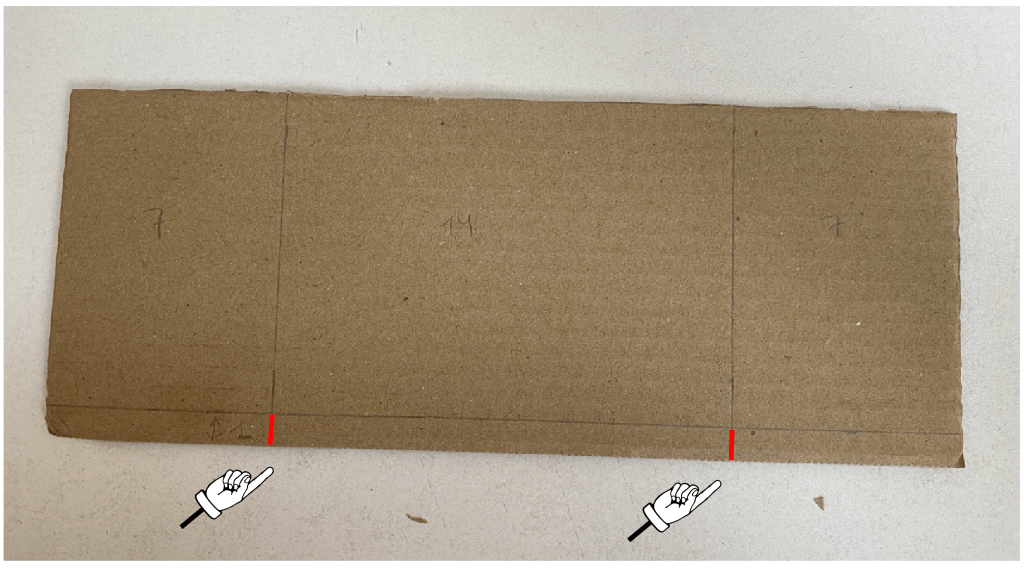
Make incisions in the indicated areas
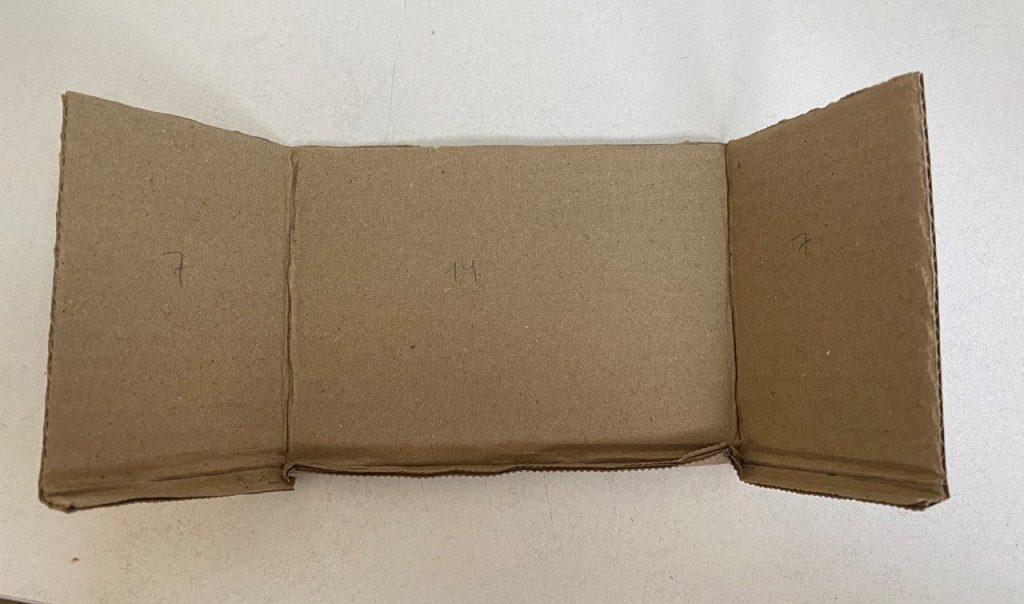
Indent from the top of the part and draw lines with a simple pencil
Indent from two edges of the part and draw lines with a simple pencil
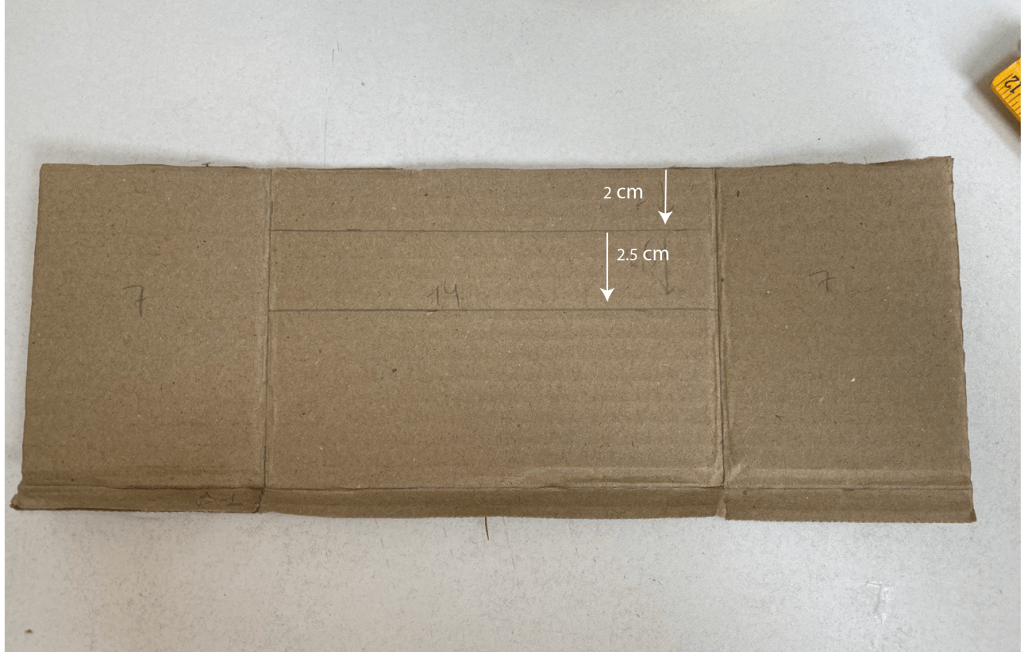
Cut out the middle
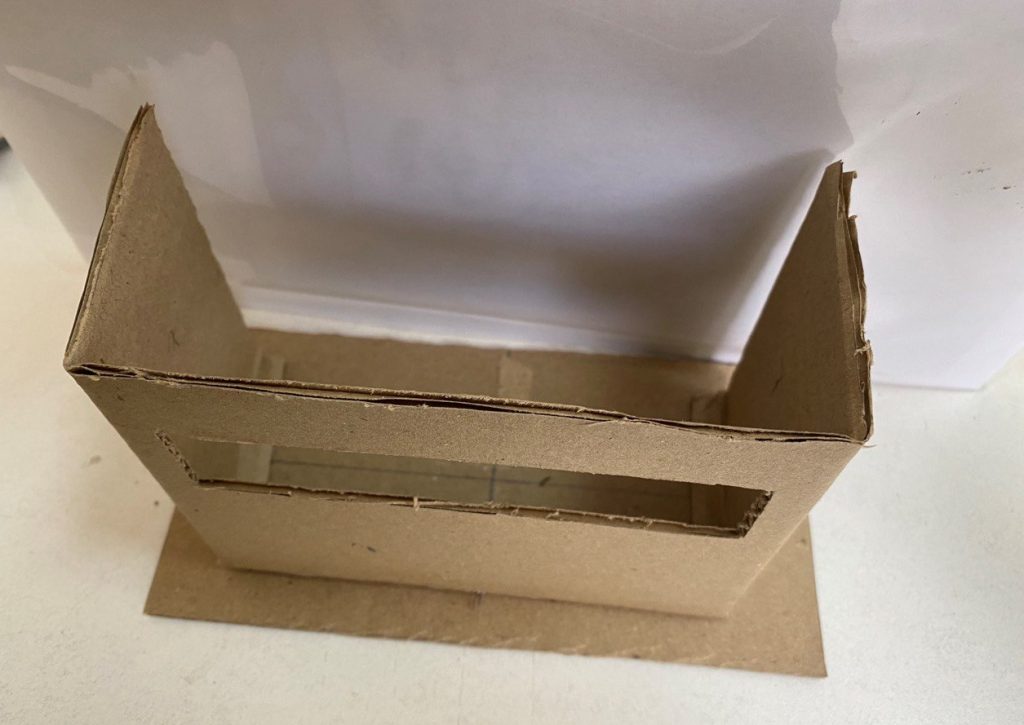
Glue the resulting part to the cardboard measuring 16 cm x 9 cm
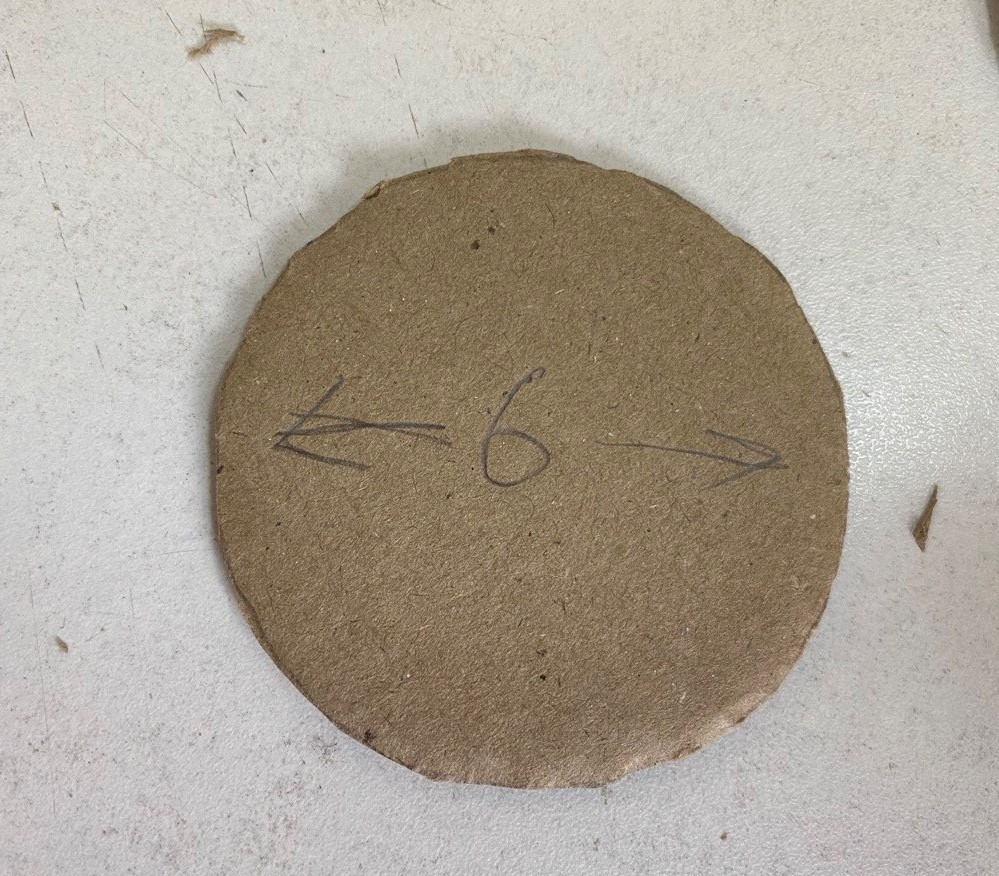
Draw circles with a diameter of 6 cm on cardboard and cut them out (you need to cut 18 such circles)
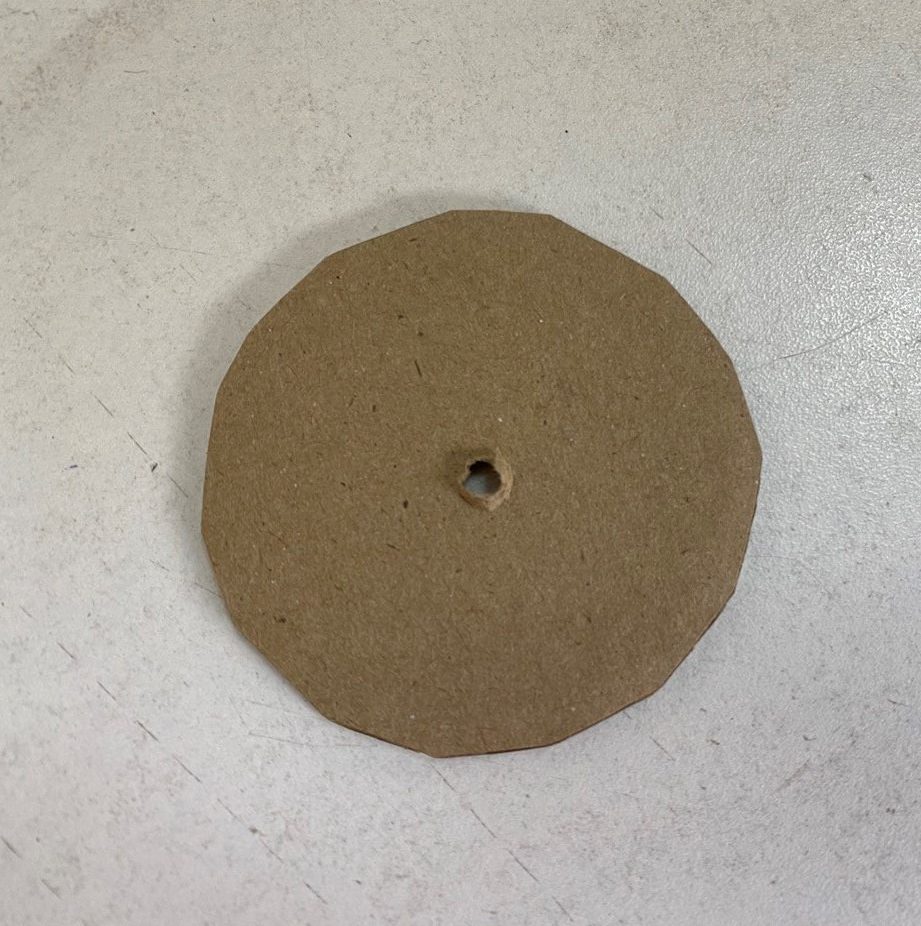
Poke a hole in the middle of the circles with a pencil
Glue 3 circles to each other applying thermoplastic adhesive between layers
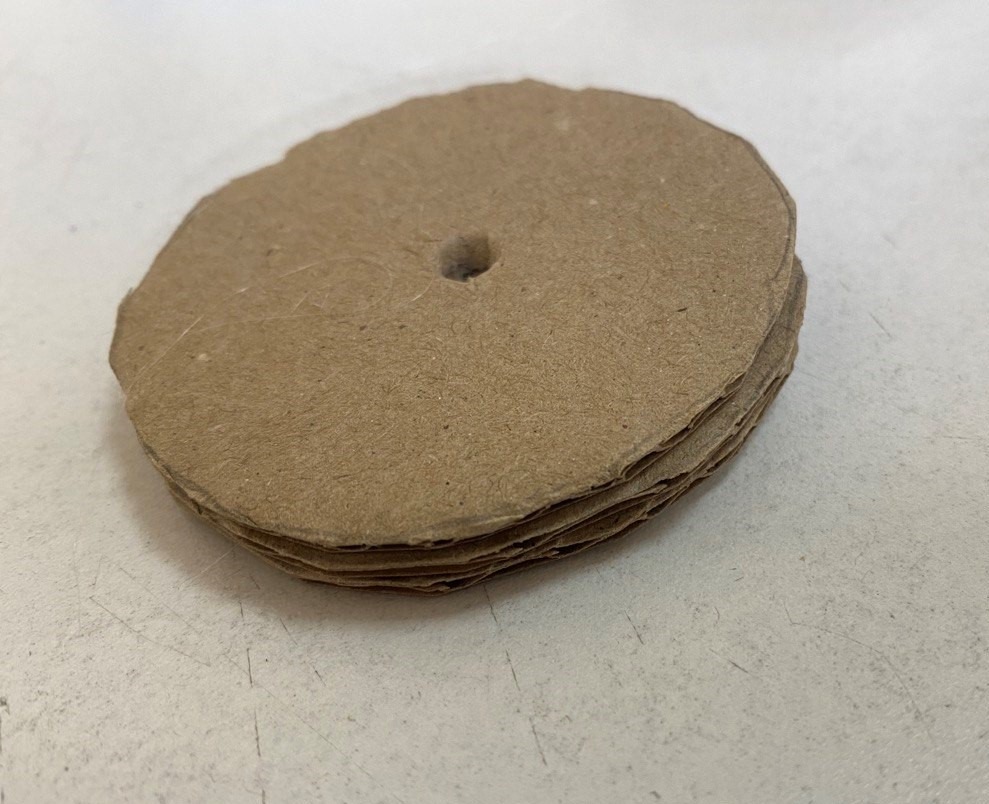
Cut out pieces of white paper 1.5 cm wide
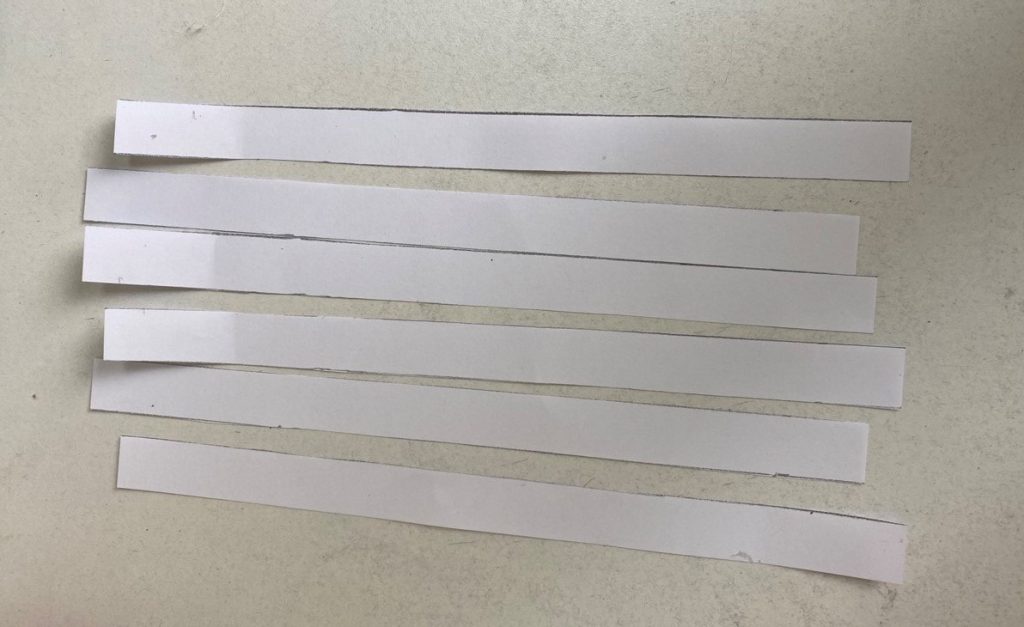
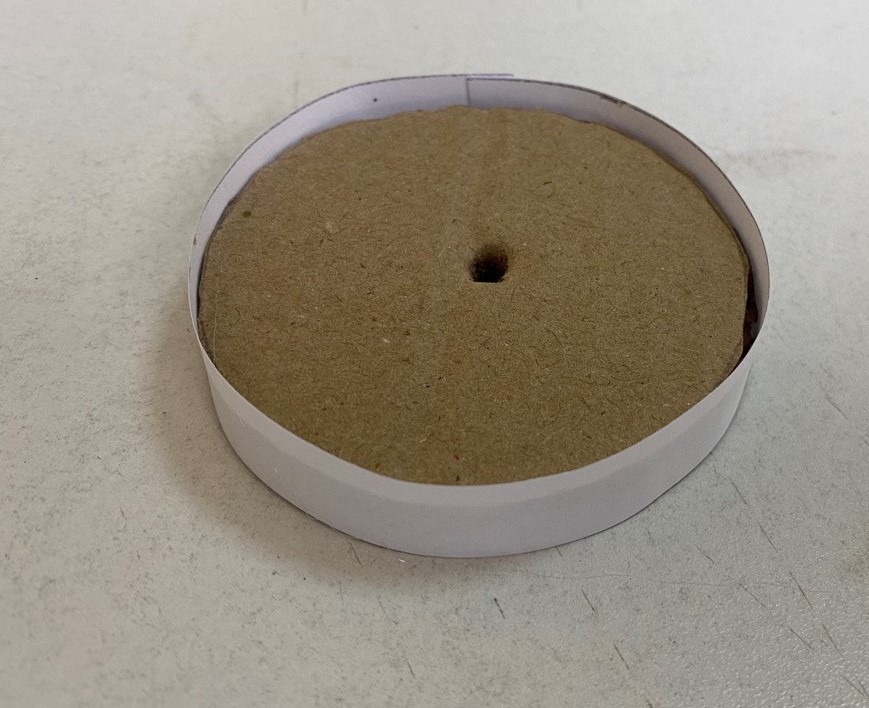
Glue the circles with pieces of white paper
Make indents from the top and edges of the part as shown in the picture
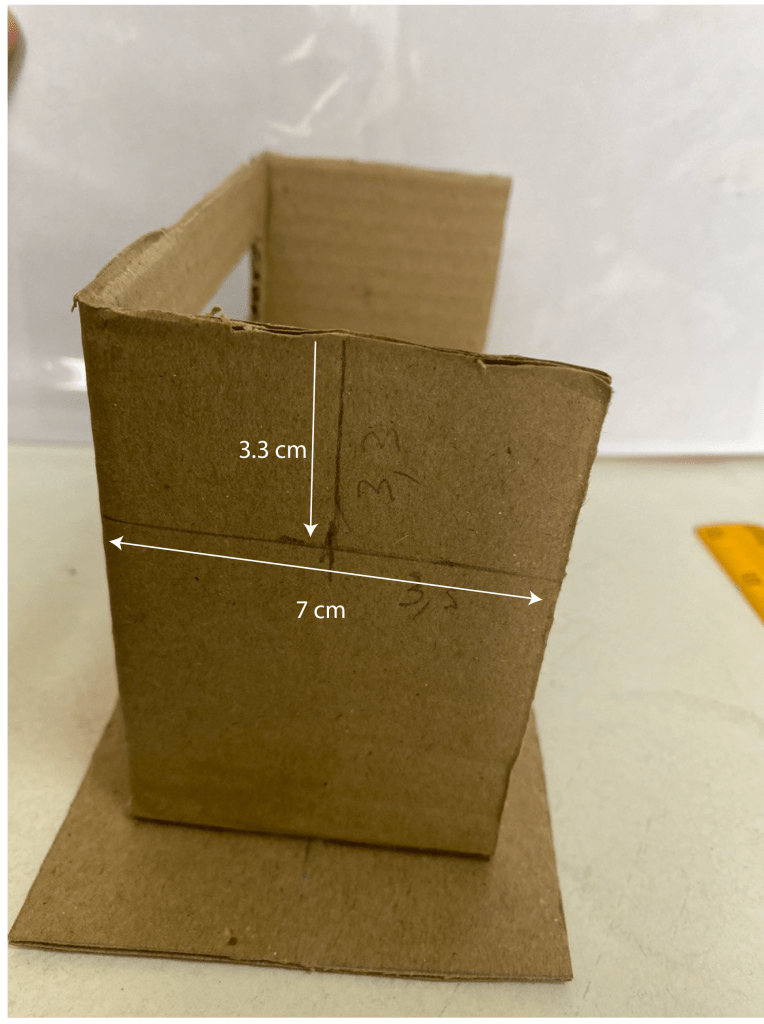
Make a hole at the intersection of the line with a pencil
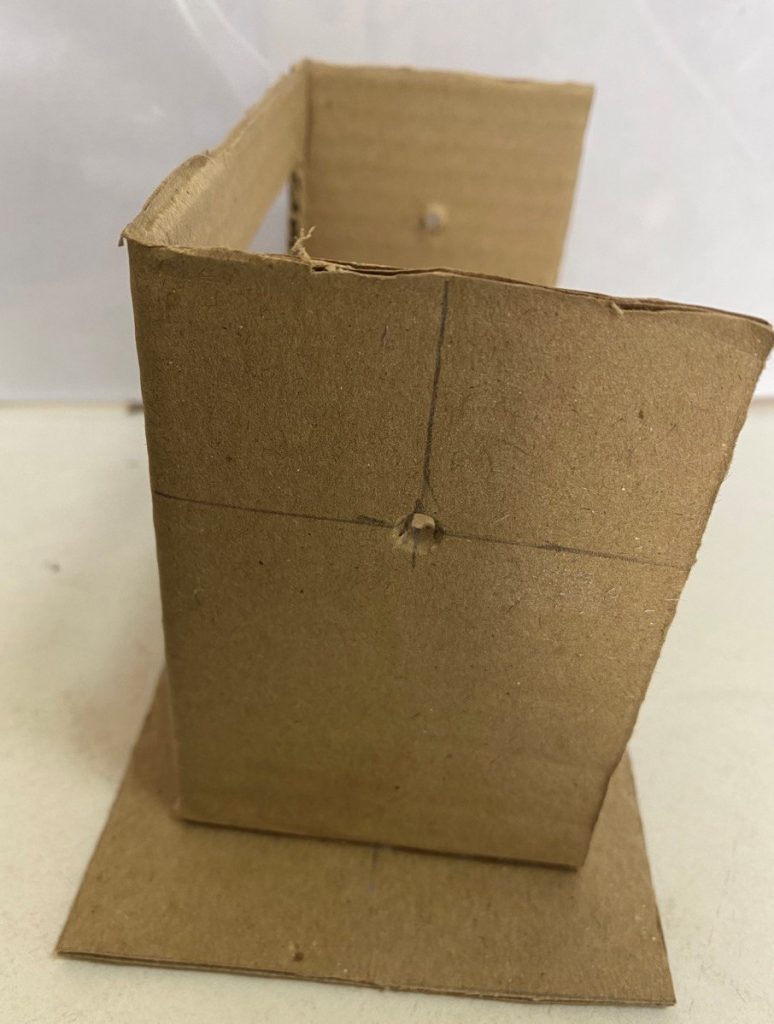
Pass a wooden skewer through the hole and put 6 circles on it
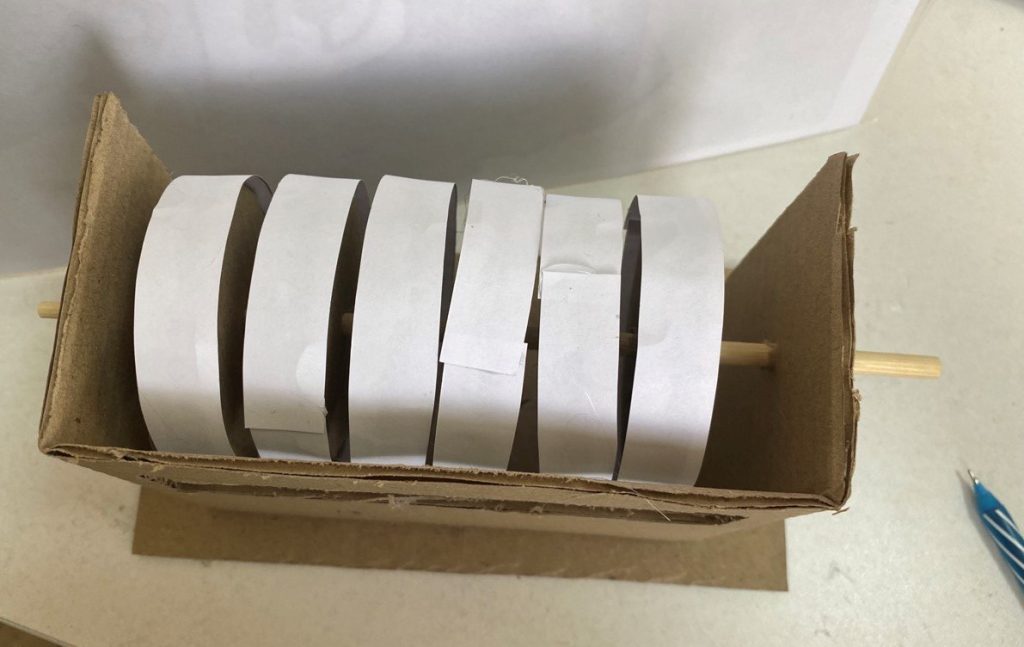
- Draw on the second circle the signs of the operation of addition and multiplication.
- Draw an equal sign on the fourth circle.
- On the rest of the circles draw numbers from 0 to 9.
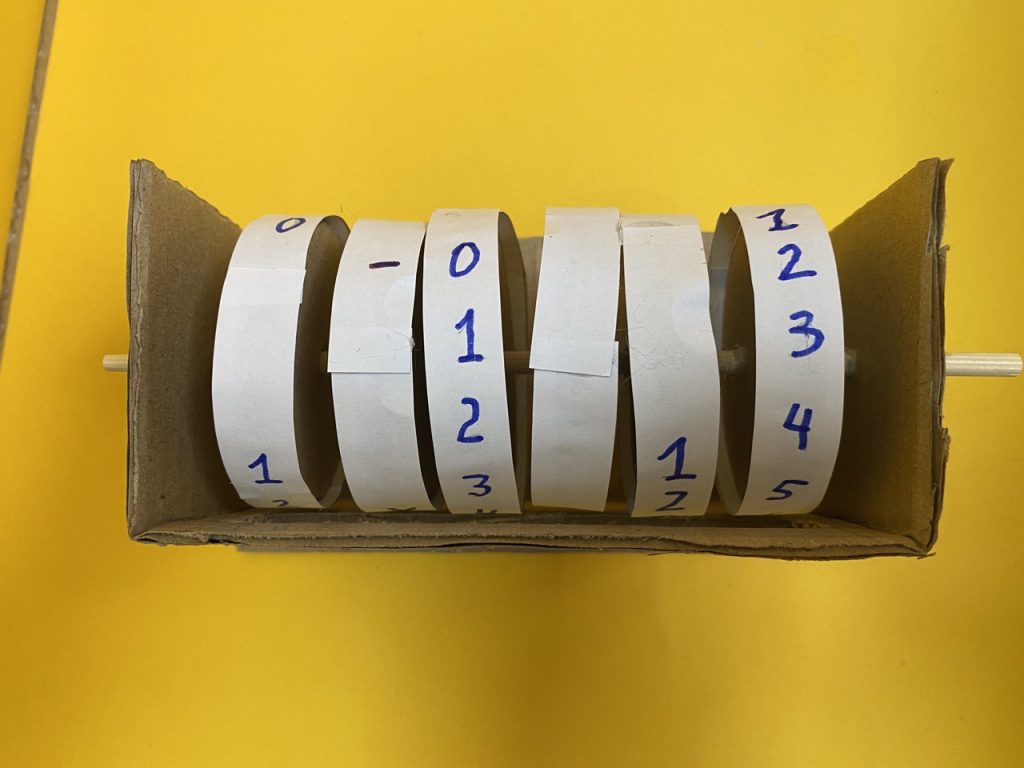
It should look like the picture below
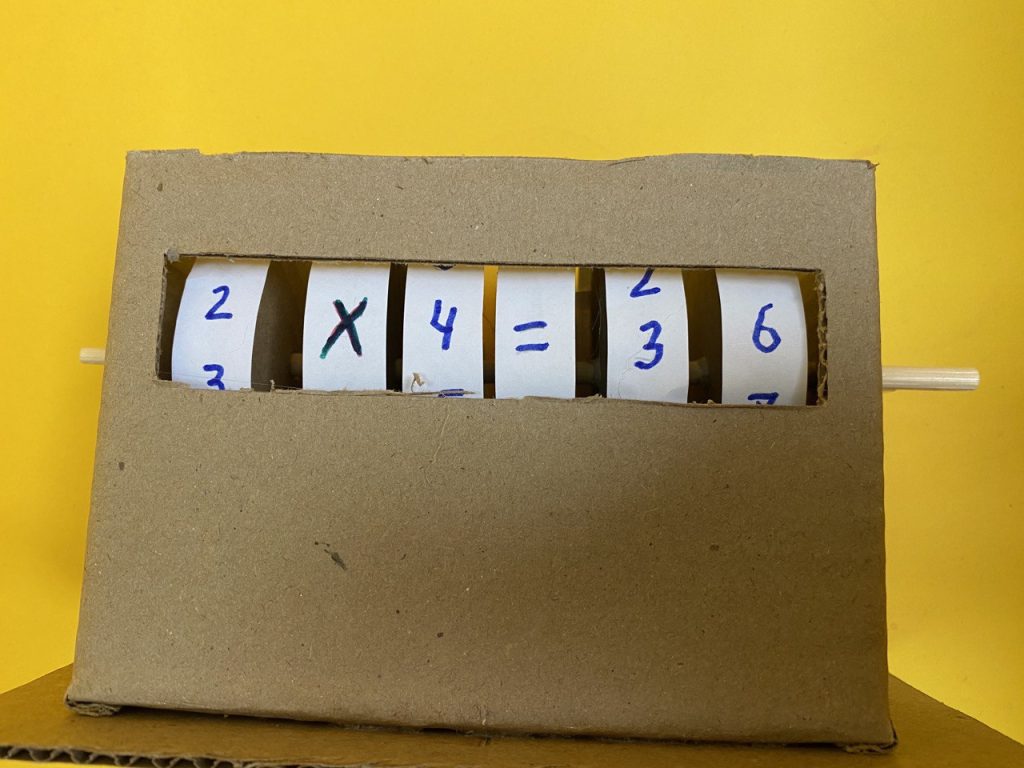
Glue a piece of colored paper over the part
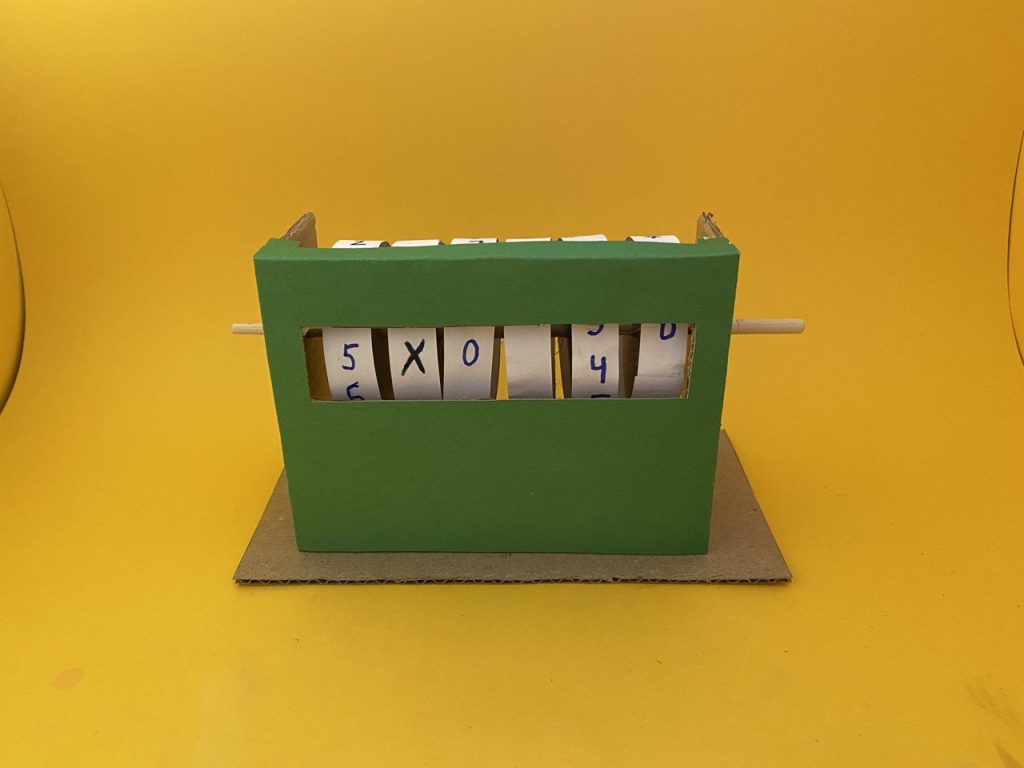
Next, students need to twist the circles and perform operations on numbers.
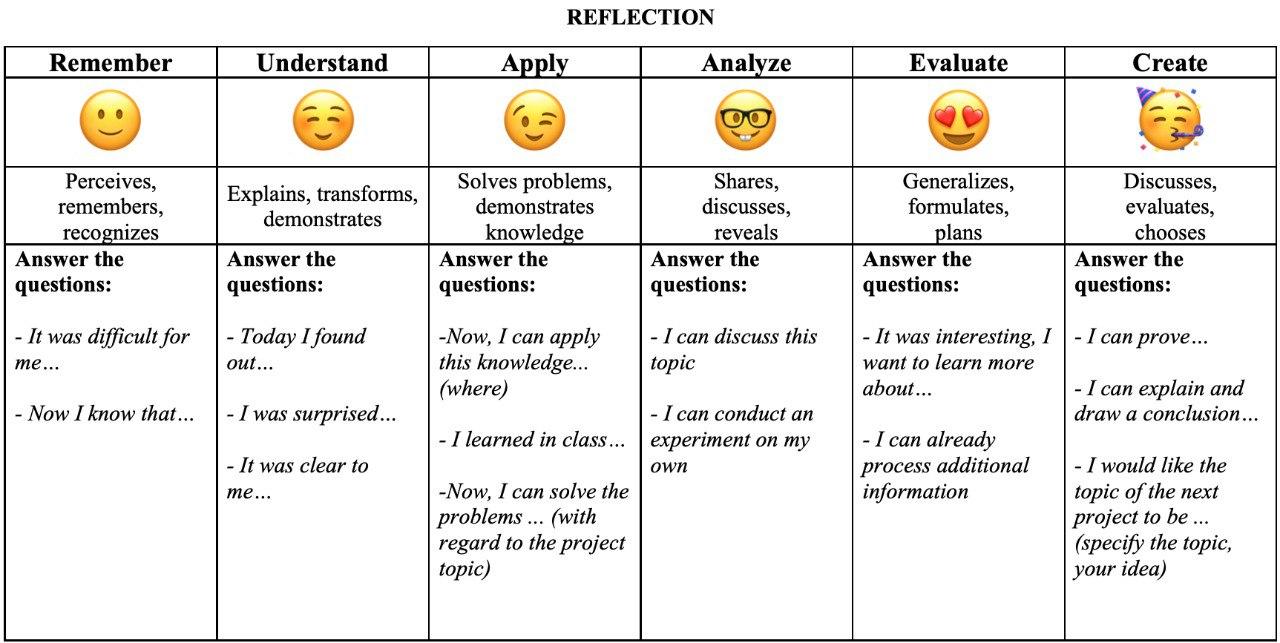
Conclusion
Students developed spatial thinking and learned how to depict geometric shapes through building a layout to perform operations on numbers. It is recommended to think about improving the design of the layout.
Evaluation