Week 1
Project objective
– To introduce the rules of comparing, adding and subtracting masses; to continue strengthening knowledge of the general principle of measuring quantities.
– Develop the ability to compare objects.
– Make homemade lever scales and use them in practice.
Teacher’s guide
– Familiarise pupils with the topics: mass, balance, types of weights, which objects are heavy and which are light.
– In the experimental part of the project the pupils work in pairs.
– Before starting the experimental part, familiarise and provide the students with all the necessary materials.
Safety in Steam lessons
It is recommended that teachers are fully aware of the safety procedures before the beginning of the lesson. If necessary (if they are using items specified in the PPE guidelines), brief the students. Visit Safety in Steam lessons: Safety rules
Theoretical part
Dear students, answer the questions:
– What can you use to weigh the mass of a body?
– What kinds of scales do you have at home?
– What do they show? (kg)
A scale is a device or apparatus for determining the mass of bodies (weighing) by the weight acting on them, assumed roughly to be equal to the force of gravity. The weight of a body can be determined either by comparing it with the weight of a reference mass or by measuring this force through other physical quantities. The body weight of various objects depends on the quantity.
If it is a lot, it is heavy; if it is small, it is light.
Research part
Working in pairs.
There are different objects in front of you. Try to determine “which one is heavy?” and “which one is light? Put your arguments on the table (the pupils can add other small objects to the table on their own).
| Name of subject | Heavy-light |
| Eraser – sharpener | |
| Pencil – ruler | |
| Notebook – book | |
| … |
The practical part
| Step 1: The children are divided into teams.Step 2: Each team uses a step-by-step algorithm to assemble the scales. | |
| Step 3: Familiarise yourself with all the necessary materials: | 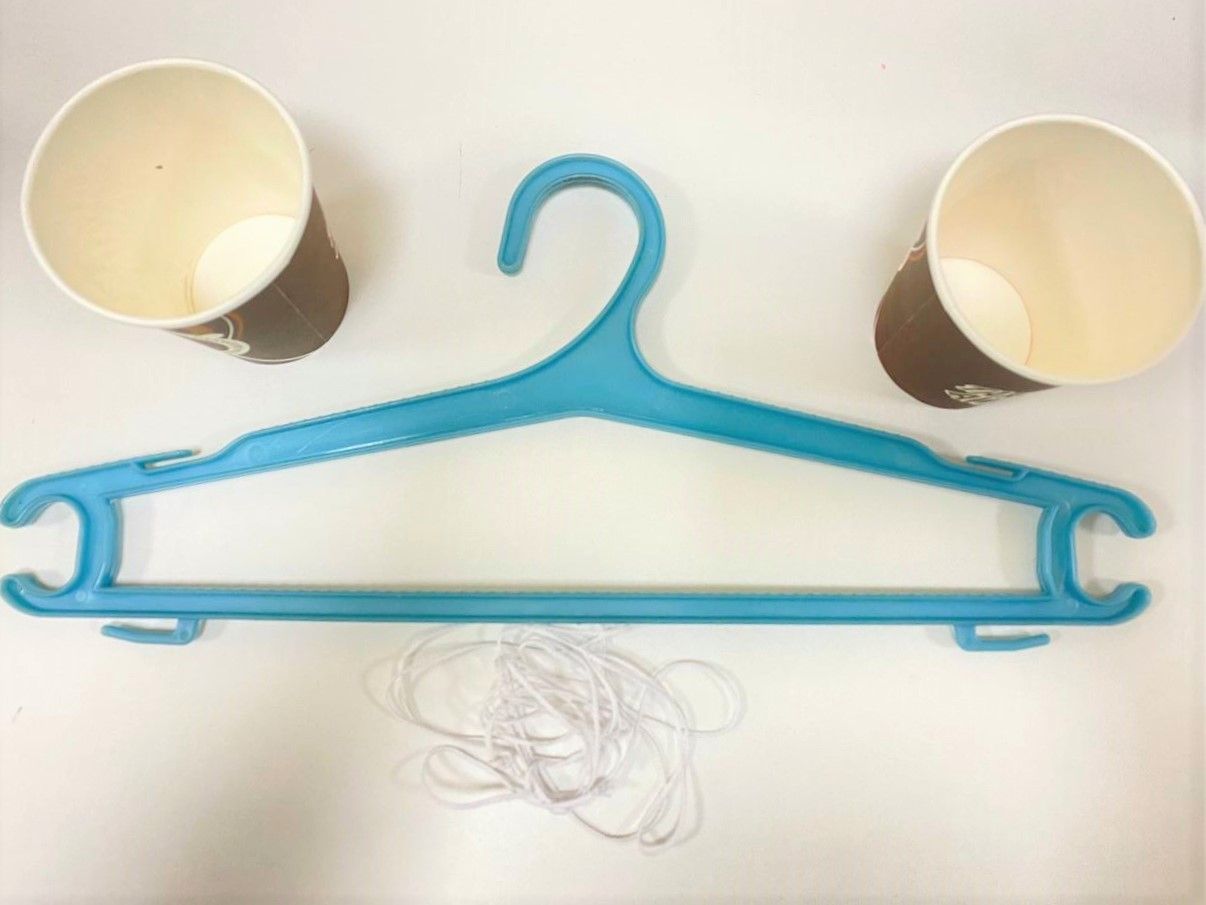 |
| Step 4: Take 2 plastic glasses – 2 pieces.Then make a hole on both sides using a hole punch.Or use a skewer. With the sharp end, make a hole. | 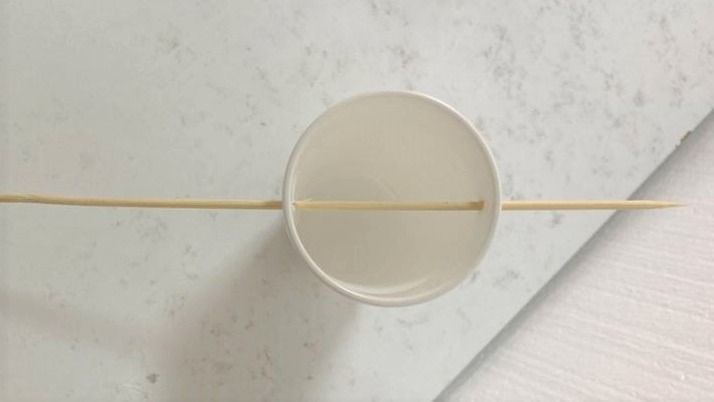 |
| Step 5: Cut ropes of equal length -2 pieces. Then thread the ropes through the hole in the glasses. | 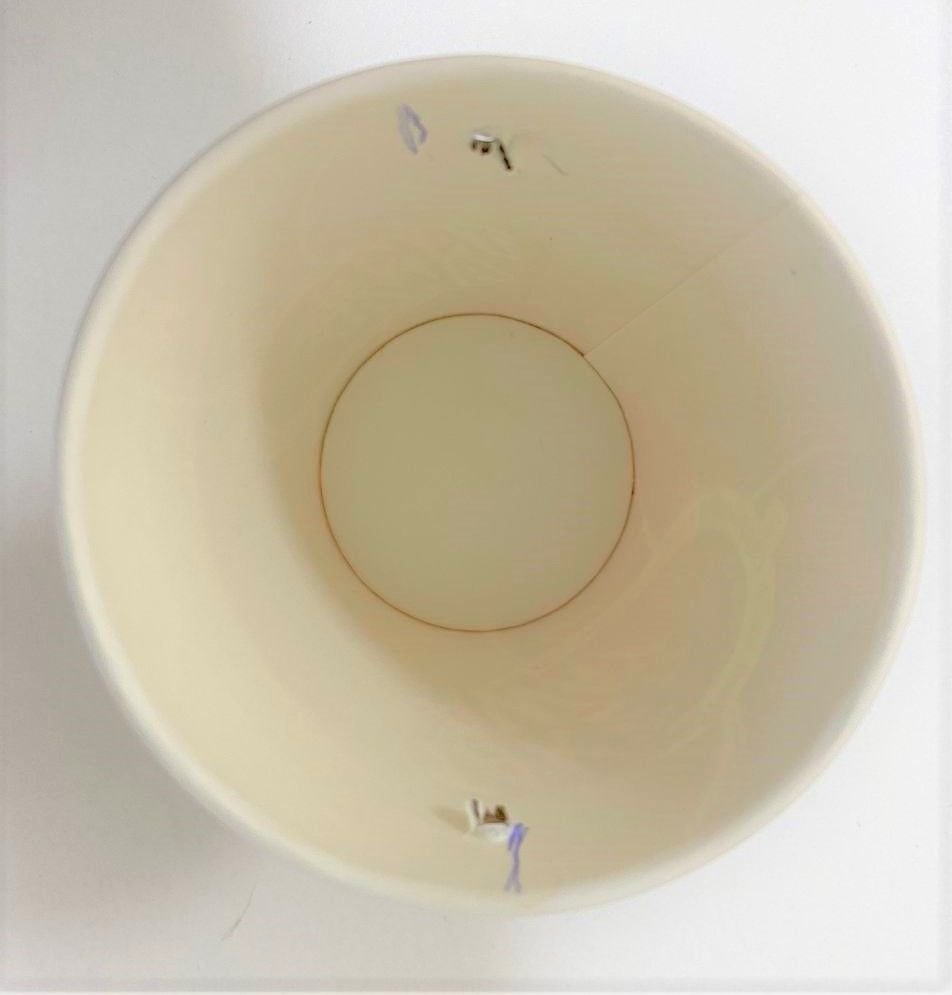 |
| Step 6: Now take hangers with slots. These are wooden or plastic hangers with openings in the top, on which you hang clothes on the hangers. | 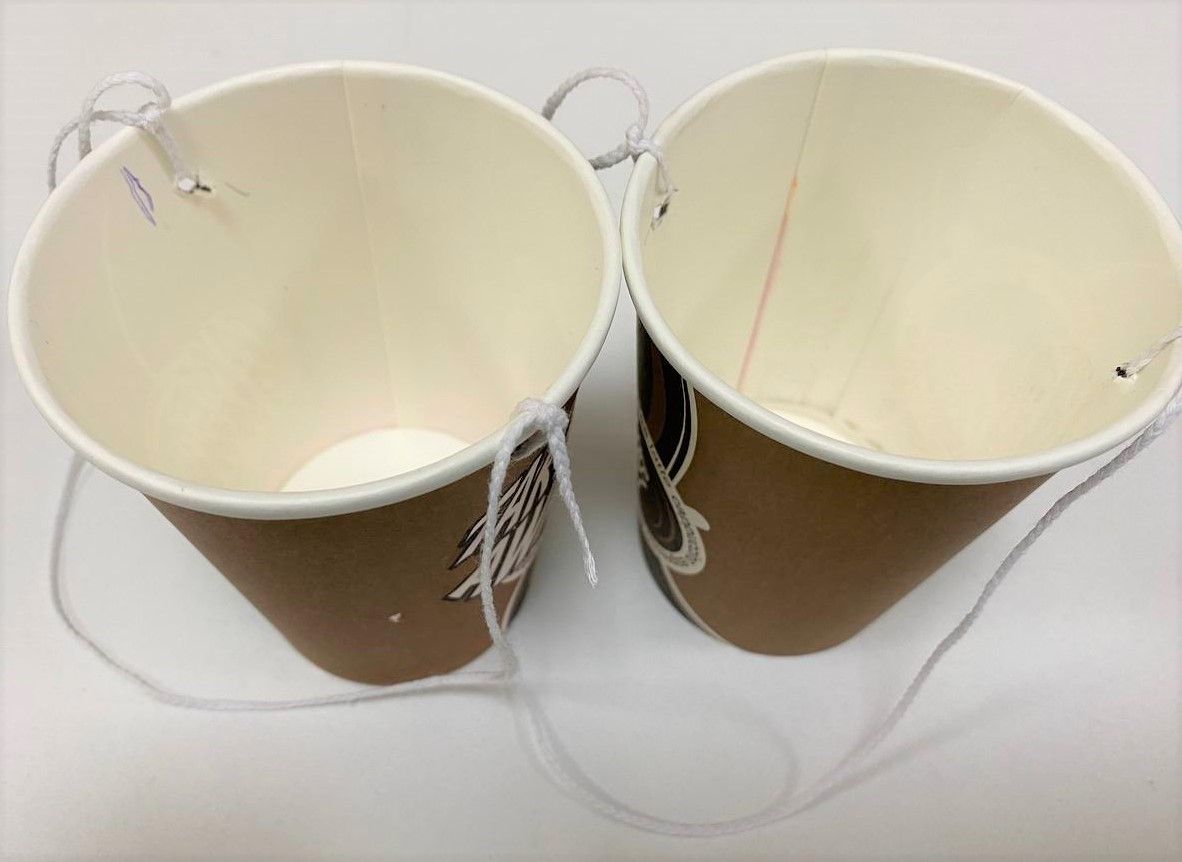 |
| Step 7. Then hang the buckets on the hanger by the twine handles. Hang the cups on opposite sides of the hangers in the notches. When you are finished, lift the scales and hold them by the top to inspect the buckets. Both buckets should hang level – if one is higher than the other, you will need to adjust the twine handles. | 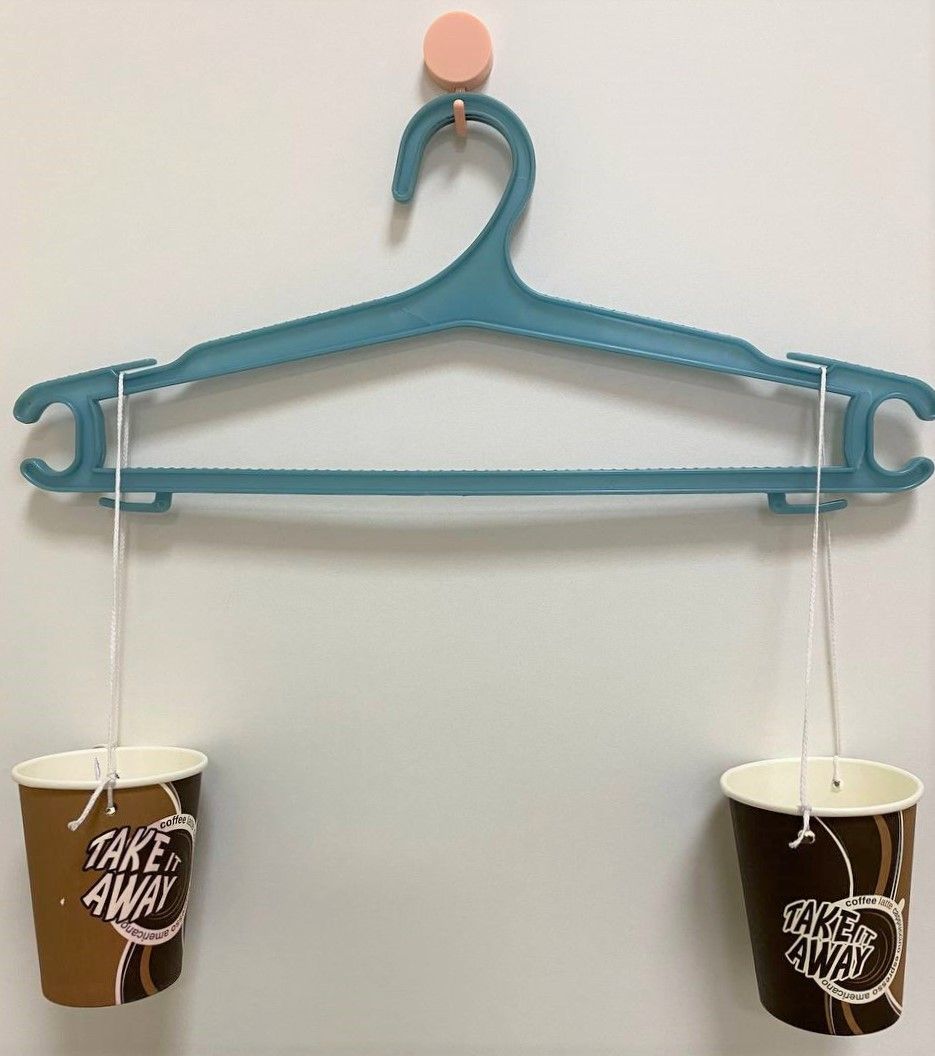 |
| Step 8: Hang a homemade lever scale on the door handle. (Closet, hangers etc. will do) | |
| Step 9: In the research part of the project, you have pre-determined which objects are heavy and which are light. Today you can use the scales you have made to test your arguments. Now weigh the objects. How can you balance them? | |
| Name of subject 1 | Name of subject 2 | heavy/light |
| … | ||
| … | ||
| … | ||
| … | ||
| … | ||
| … |
Step 11. Also, you have brought various cereals. We will weigh them too. The students work as a team. Weigh the different items and record the data in the table.
Conclusion
The pupils have learned that different objects have different weights and that the total weight of a body depends on the number of objects. If there is a lot, it is hard, if there is little, it is easy.
 On this project, each pupil is awarded a STEAM title:
– You, on your own, have researched the masses of objects and the balance, you are a true scientist – a mathematician!
– You, yourself, have made the construction of the Scale. This in turn is a technological process. Congratulations, you are a young process engineer!
Evaluation