Week 1
The aim of the project is to
To investigate the importance of electricity in people’s daily lives and where electricity is used.
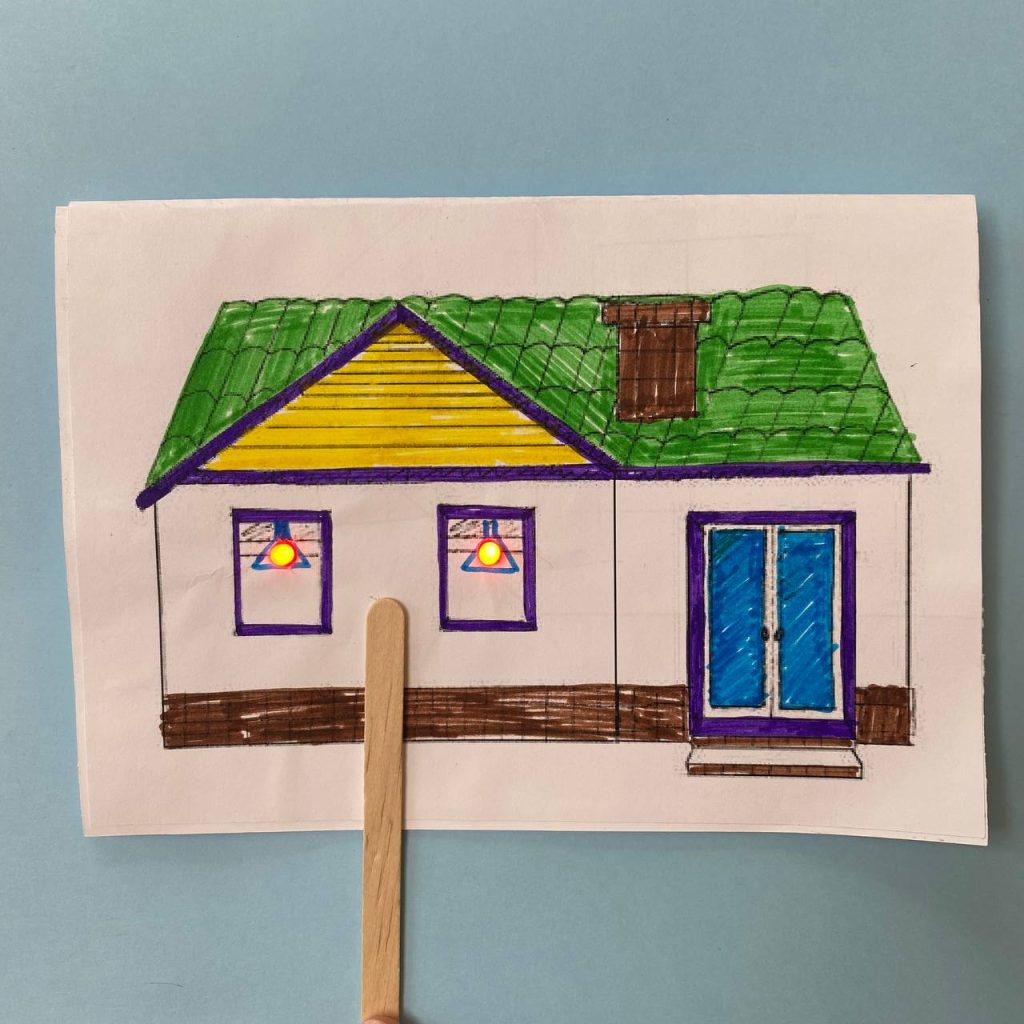
2. Make a postcard with a picture of a house with LEDs.
Teacher’s GUID
– In the experimental part of the project, the students work in groups of 4-5.
– The students should be introduced to the topics covering the purpose of the project.
– Before beginning the experimental part, familiarize and provide the students with all the necessary materials.
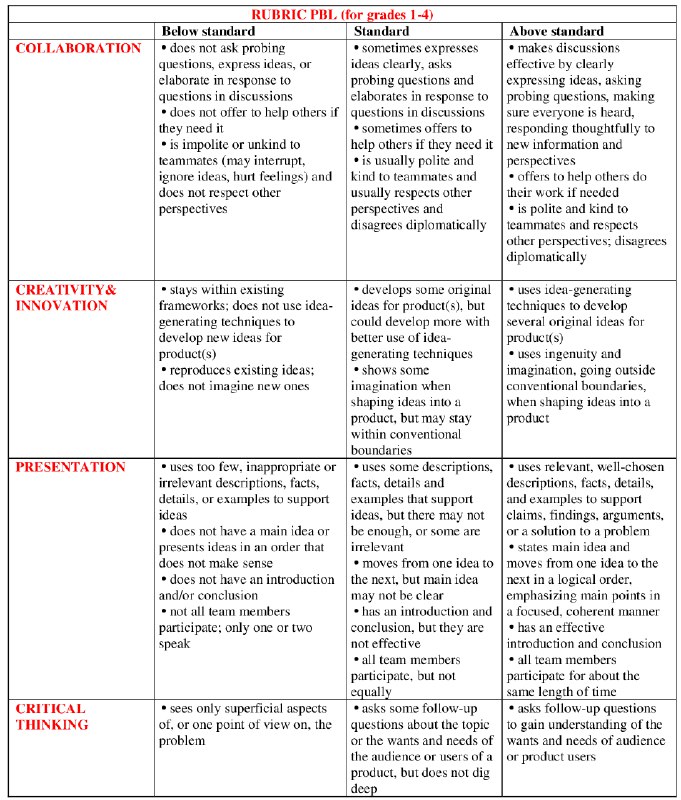
– At the beginning of the lesson explain the PBL (project based learning) rubrics to the students. Skills 4K (critical thinking, collaboration, creativity, presentation)
Safety in Steam lessons
It is recommended that teachers are fully aware of the safety procedures before the beginning of the lesson. If necessary (if they are using items specified in the PPE guidelines), brief the students. Visit Safety in Steam lessons: Safety
Theoretical Part
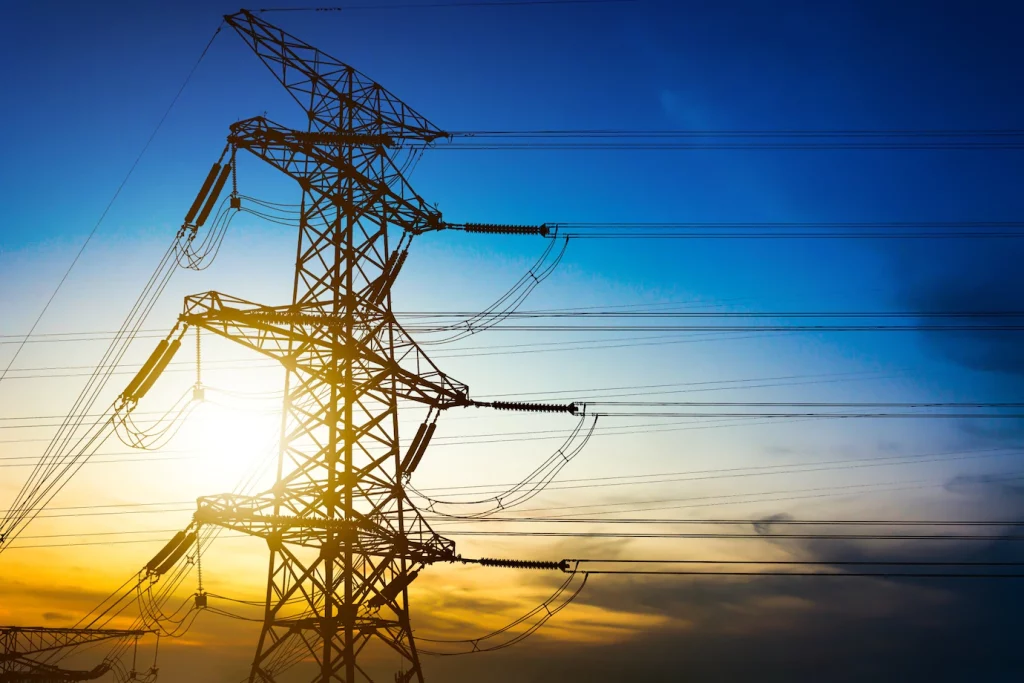
Electricity is one of the most important benefits that science has given to mankind. It has also become part of modern life, and it is impossible to imagine the world without it. Electricity has many applications in our daily lives. It is used for lighting rooms, running fans and household appliances like electric cookers, air conditioners and many more. All these things provide comfort to people. In factories, large machines are powered by electricity. Basic items such as food, cloth, paper and many other things are a product of electricity.
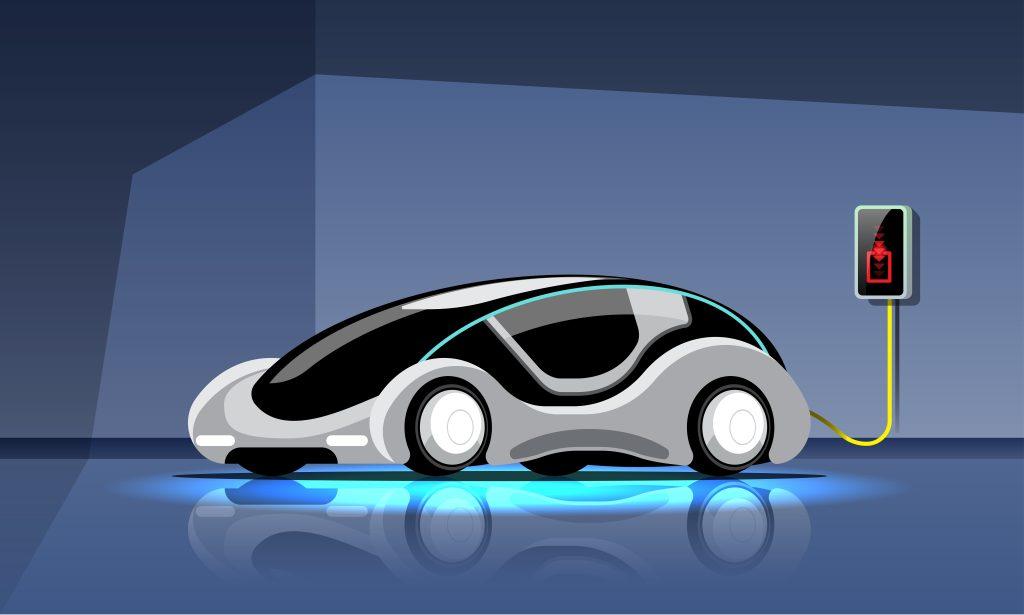
Modern means of transport and communication have been revolutionised by it. Electric trains and battery-powered carriages are a fast means of transport. Electricity also provides the means of entertainment, radio, television and cinema, which are the most popular forms of entertainment and are the result of electricity. Modern equipment such as computers and robots have also been developed thanks to electricity. Electricity also plays a key role in the fields of medicine and surgery, such as radiography and ECG. Electricity consumption is increasing day by day.
Sources:
1. <a href=”https://ru.freepik.com/free-vector/_14244858.htm?query=%D1%8D%D0%BB%D0%B5%D0%BA%D1%82%D1%80%D0%B8%D1%87%D0%B5%D1%81%D1%82%D0%B2%D0%BE?query=%D1%8D%D0%BB%D0%B5%D0%BA%D1%82%D1%80%D0%B8%D1%87%D0%B5%D1%81%D1%82%D0%B2%D0%BE&collectionId=2000&&position=2&from_view=collections”>Изображение от jcomp</a> на Freepik
2. https://www.thehindu.com/features/kids/Importance-of-electricity/article16544961.ece
The practical part
Step 1: Prepare A4 paper. Fold it in half. And on just one part horizontally, draw a layout of a house with windows, etc. Or you can download and print the layout in advance by following this link
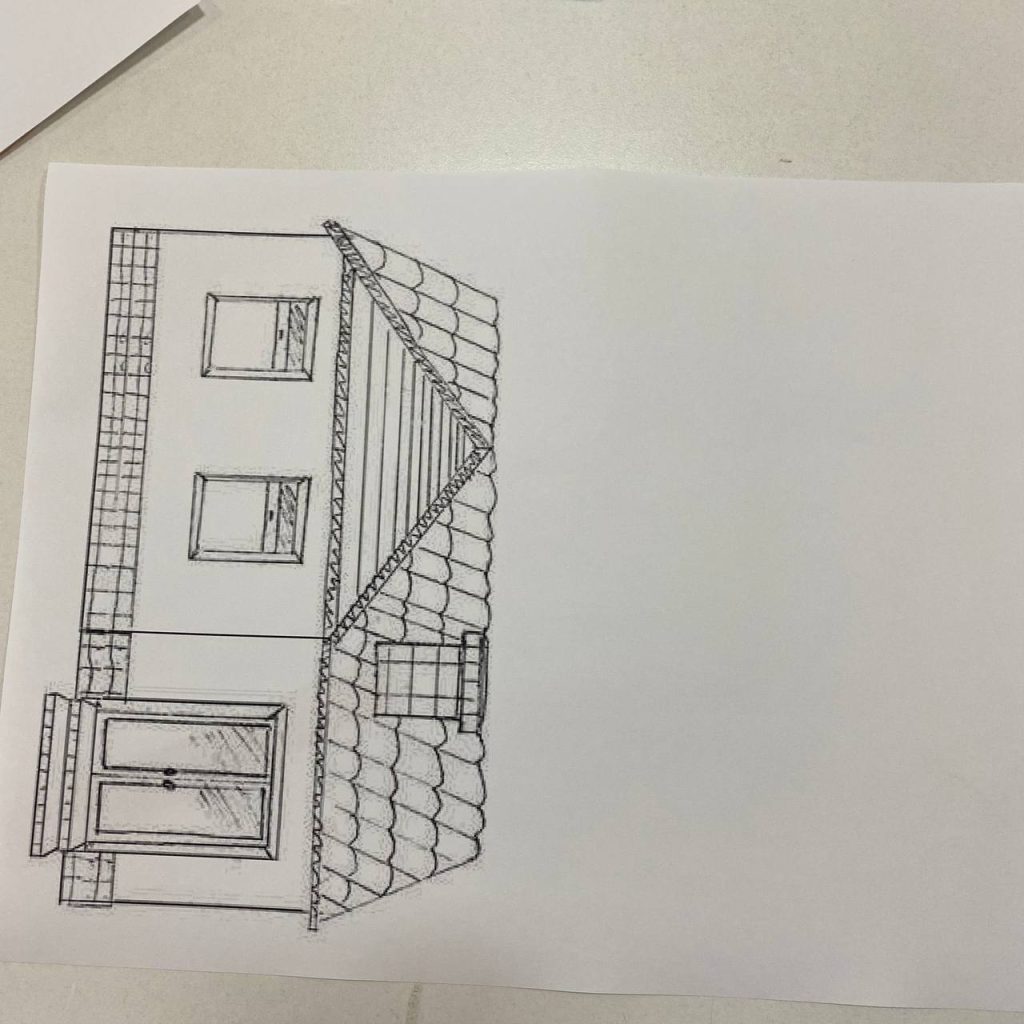
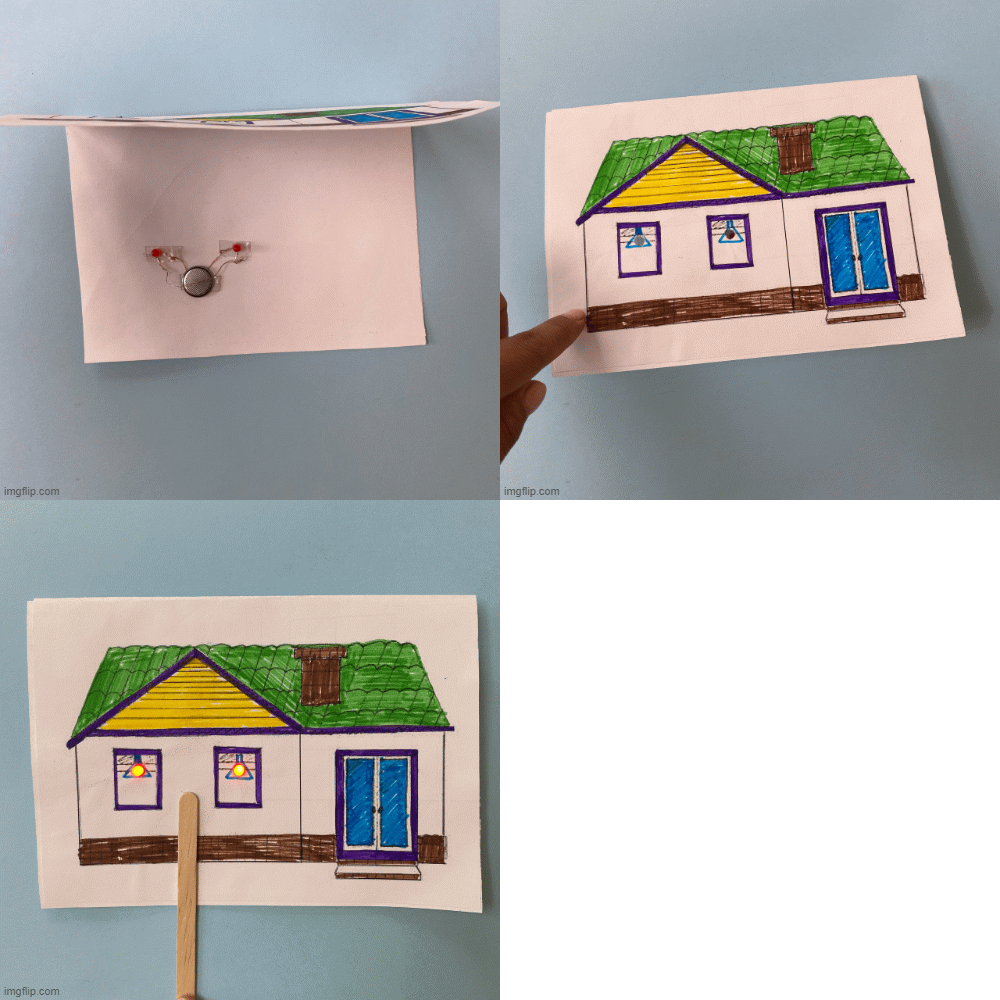
Step 2. This is roughly what it should look like if you add up two.
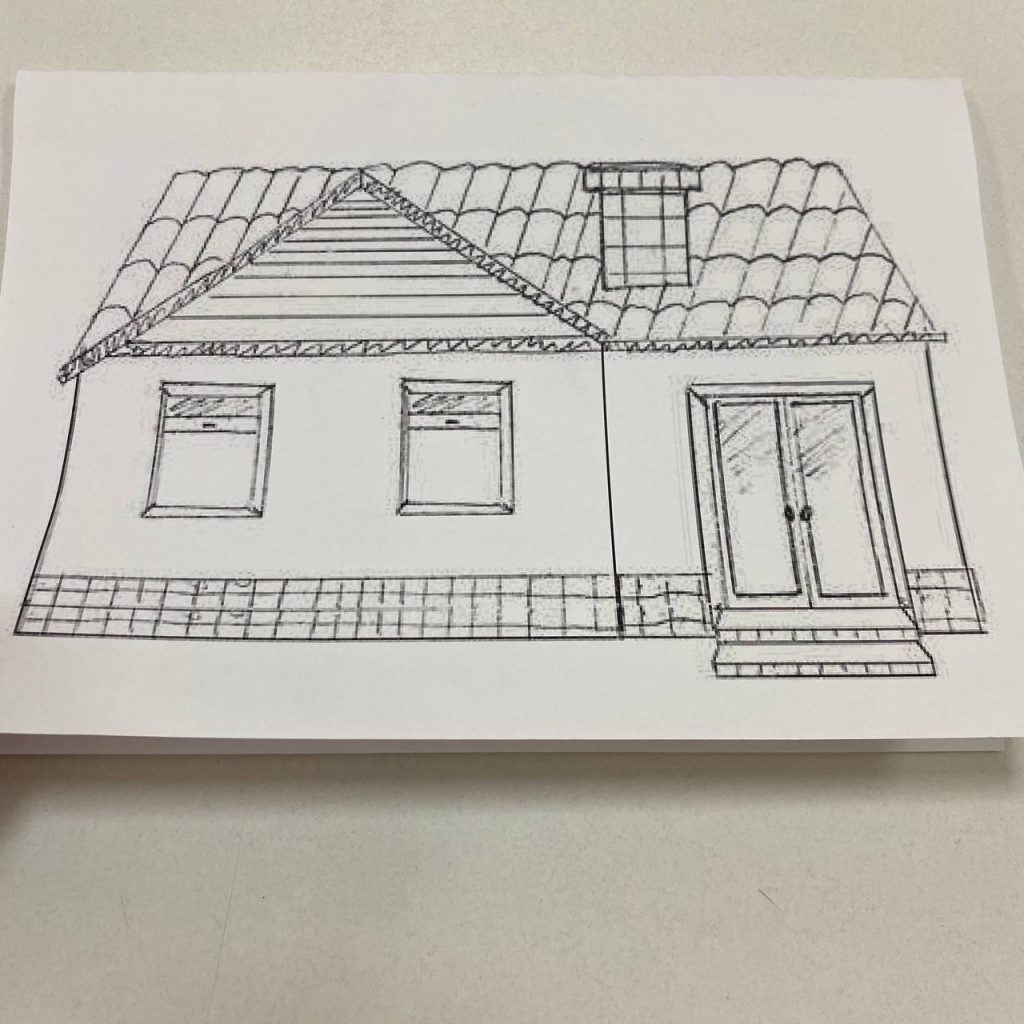
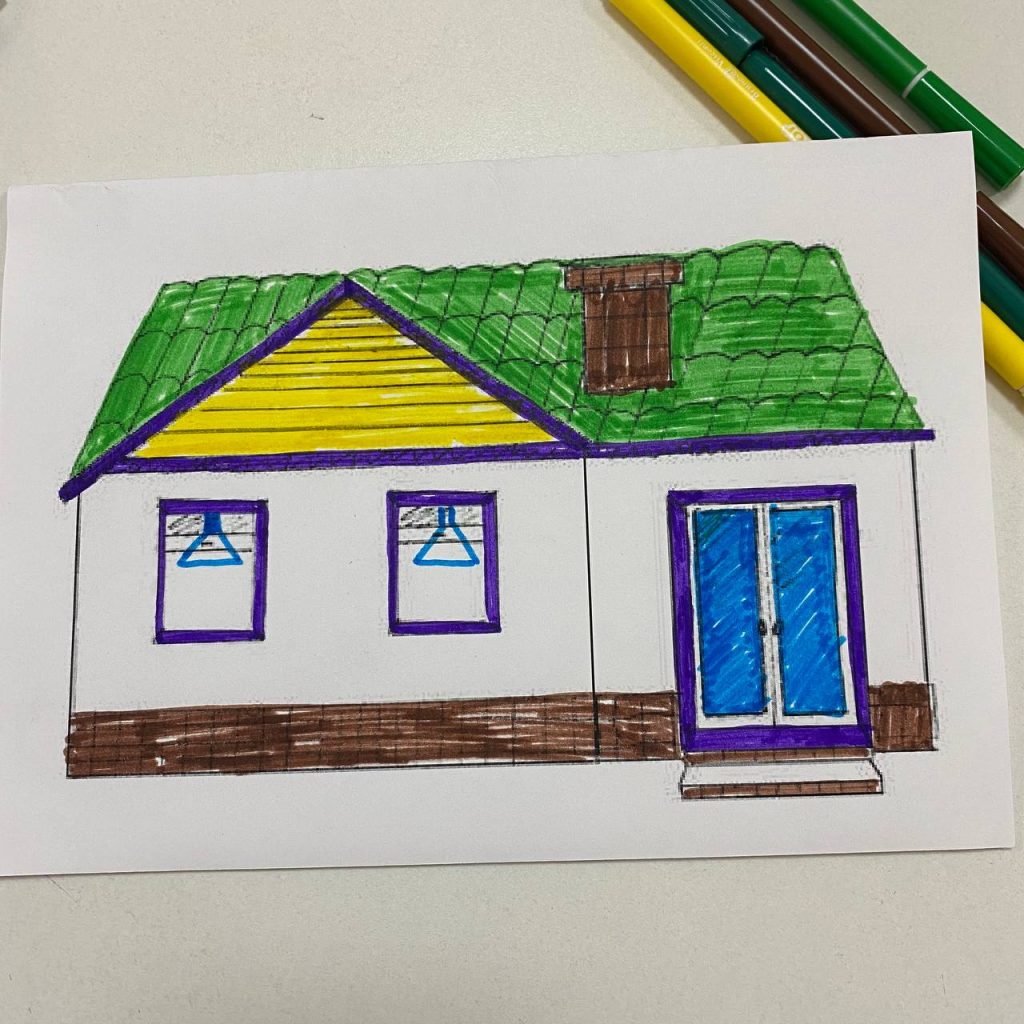
Step 3: Decorate your house using coloured pencils, felt-tip pens etc.
Step 4: Make a hole using a skewer on 2 of the windows.
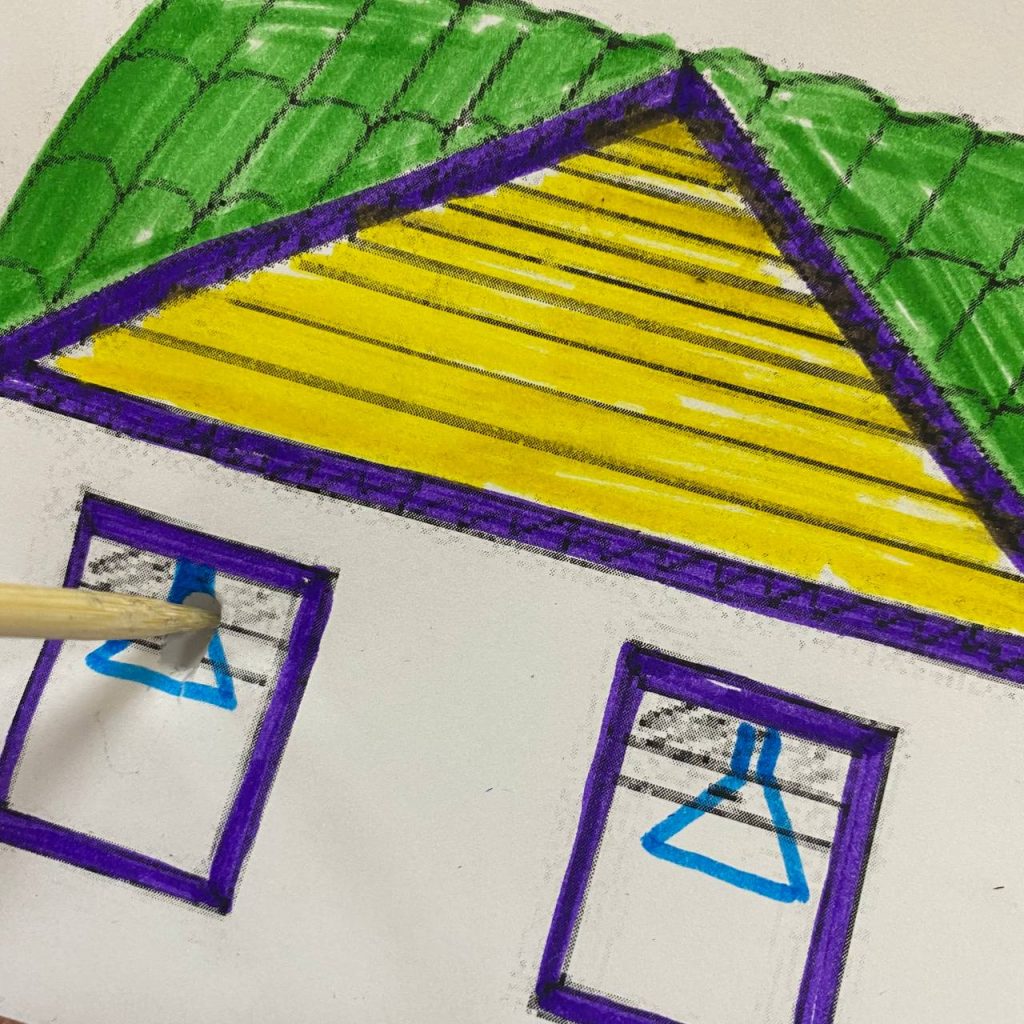
Step 5: Be careful! The hole only needs to be made on one side. The other half of the paper should remain intact.
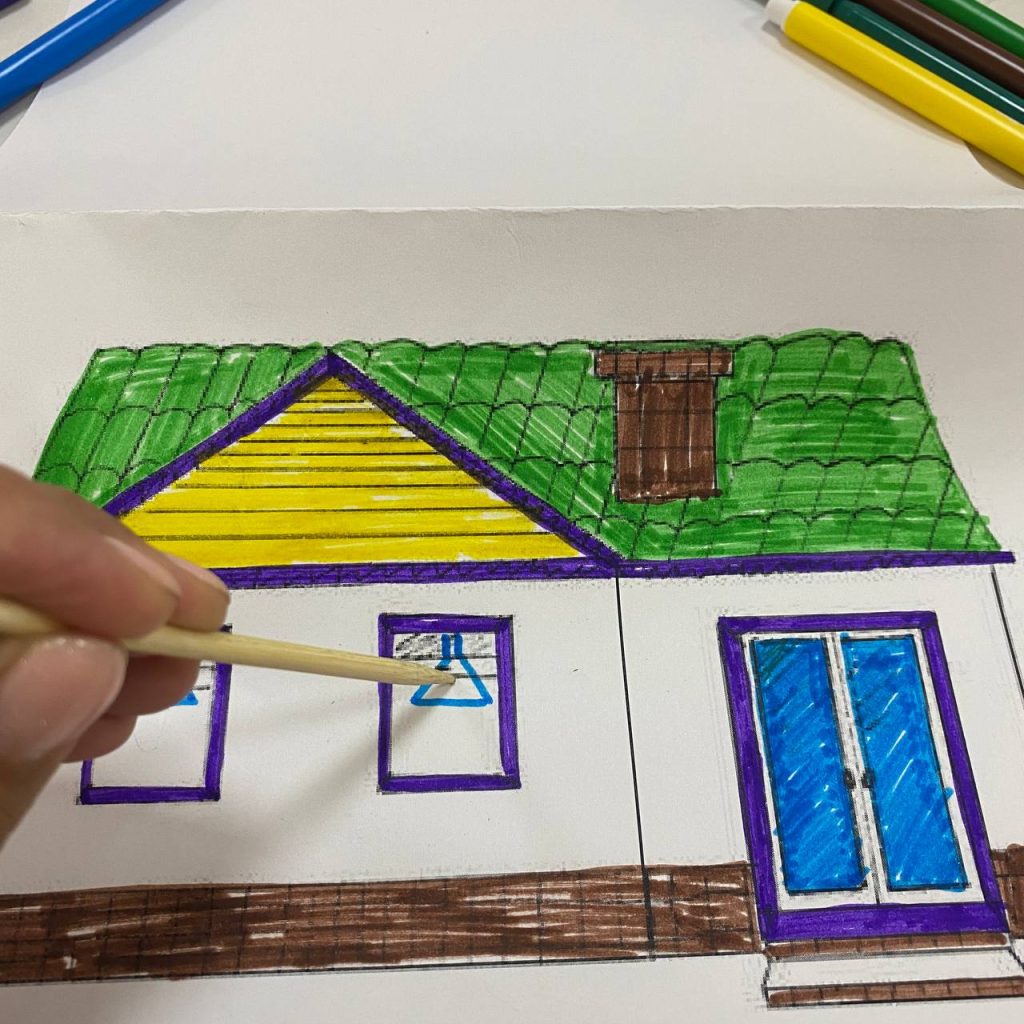
Step 6. Then make a pencil mark on the folded paper in half. Where the hole is.
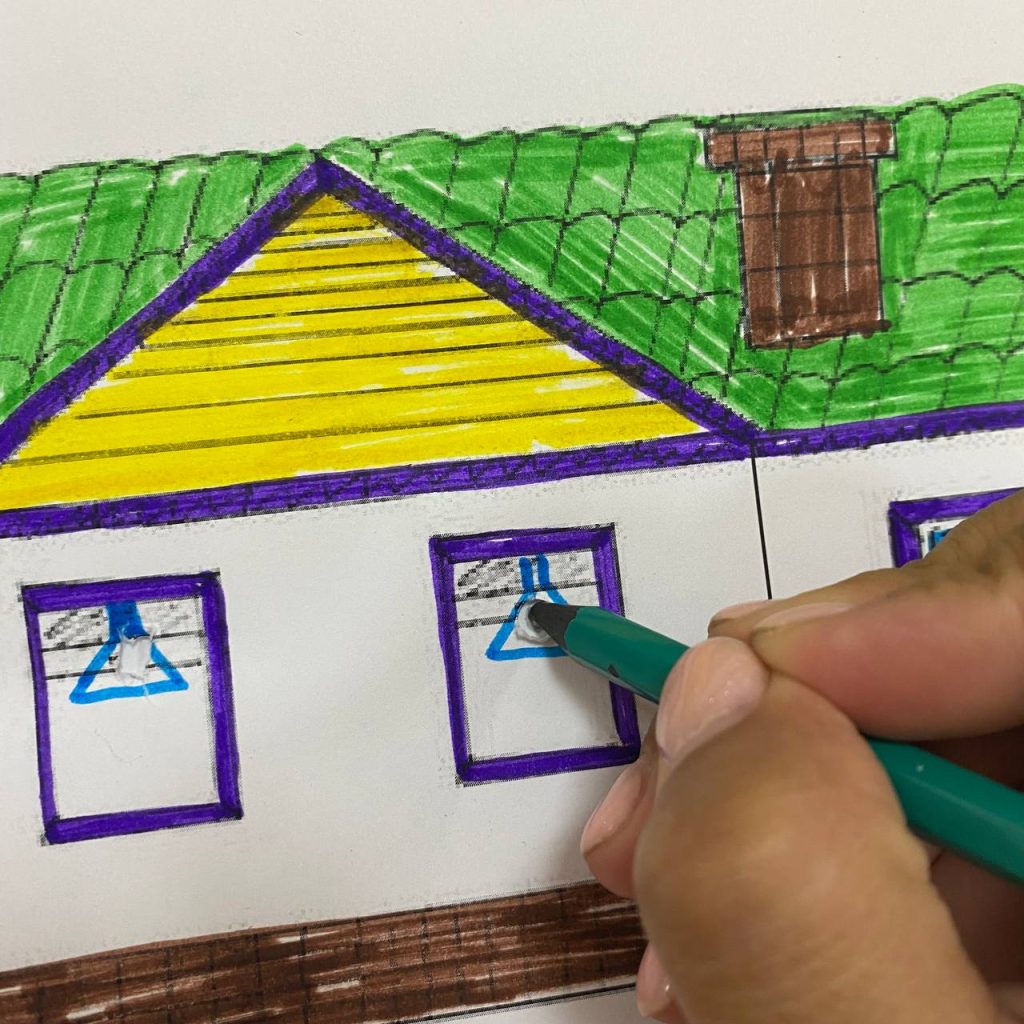
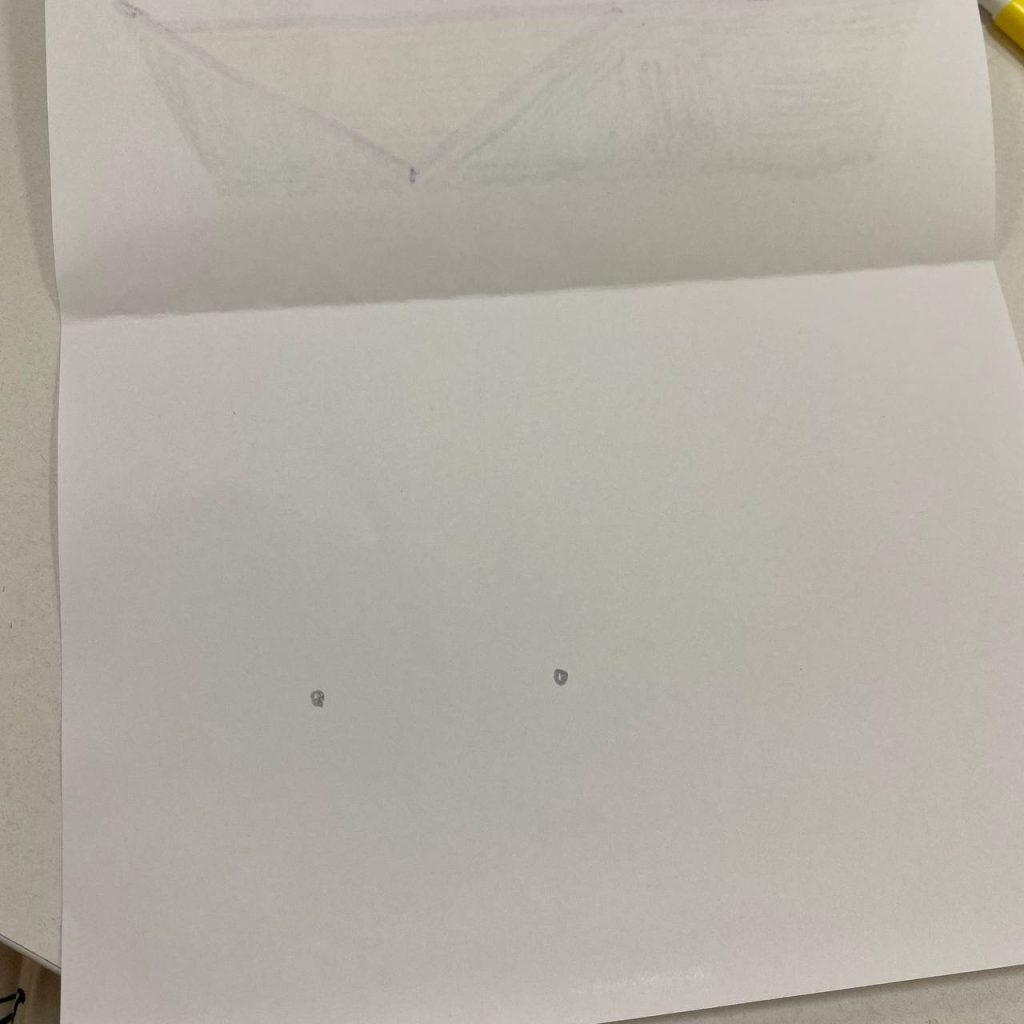
Step 7. Then look at the marks inside the paper. You will place the LEDs in these places.
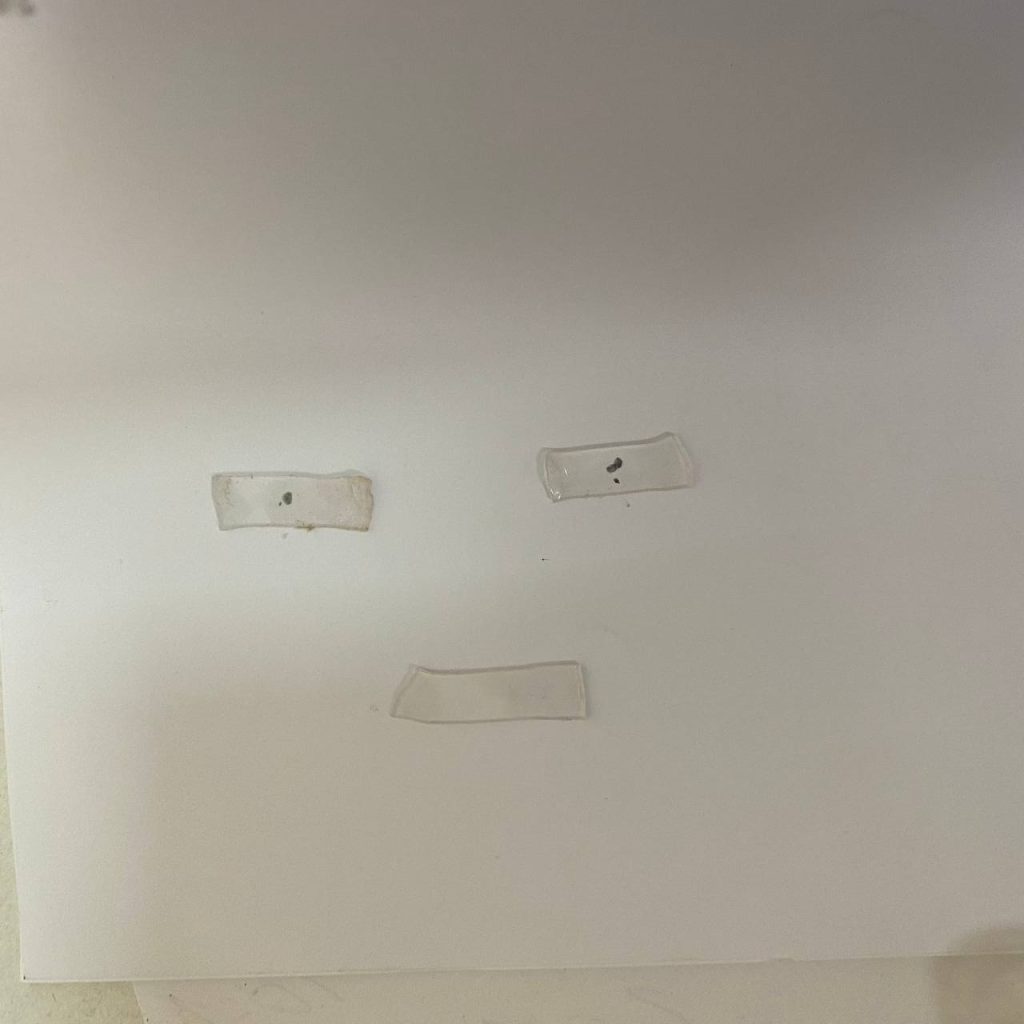
Step 8. Take a clear double-sided adhesive tape and stick it on the marked places and at the bottom in the middle of the paper about 4-5cm below the marks.
Step 9. Then mount the LEDs and connect the wires. The longest part of the LED means – positive charge – anode, and the shorter part -negative charge – cathode.
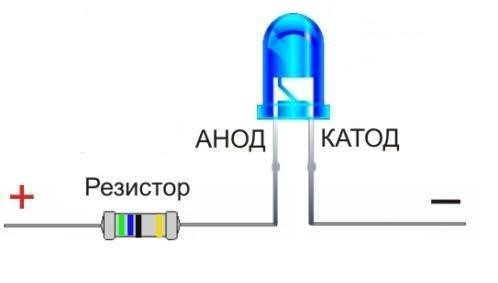
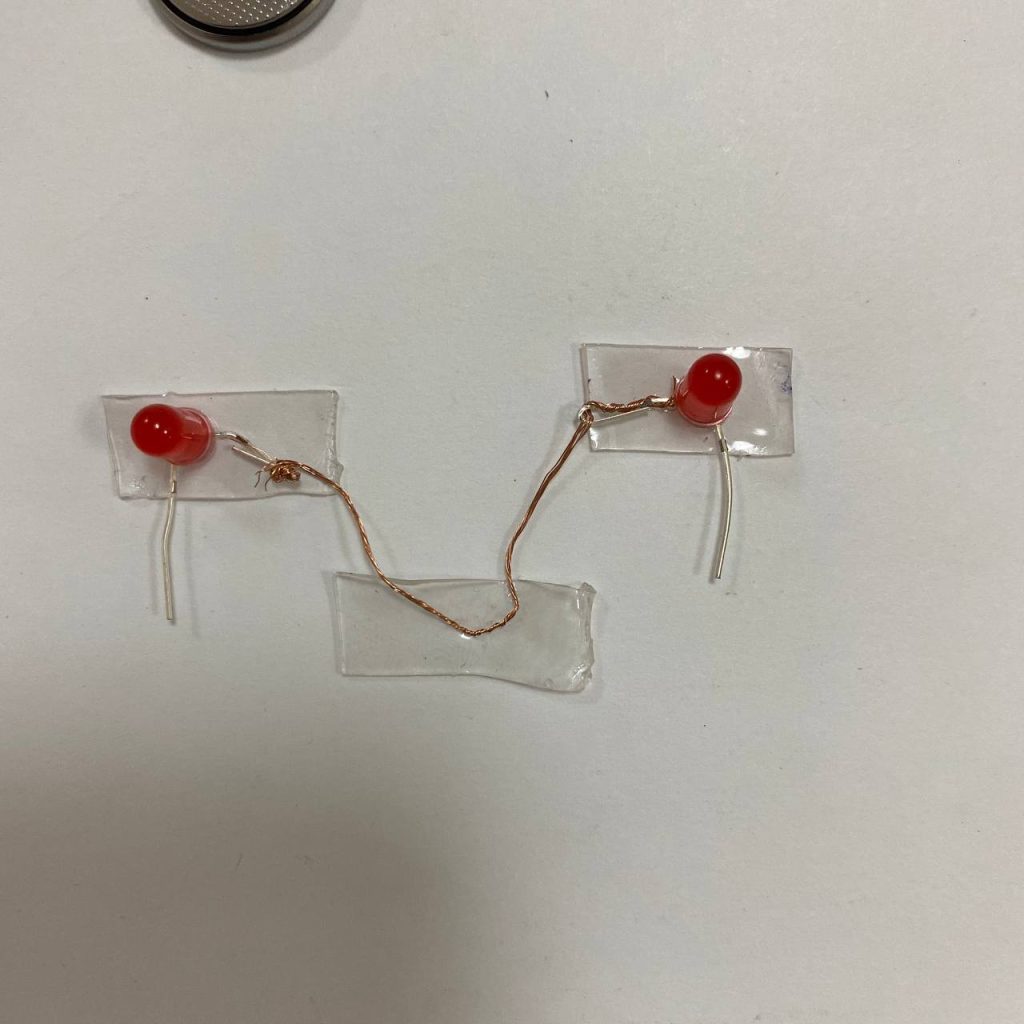
You can use aluminium wire or normal baking foil as a wire. Connect the wire (or foil) to the anode of the LED, fix the middle of the wire to the tape at the bottom in the middle of the paper, and connect the other end of the wire to the anode of the second LED.
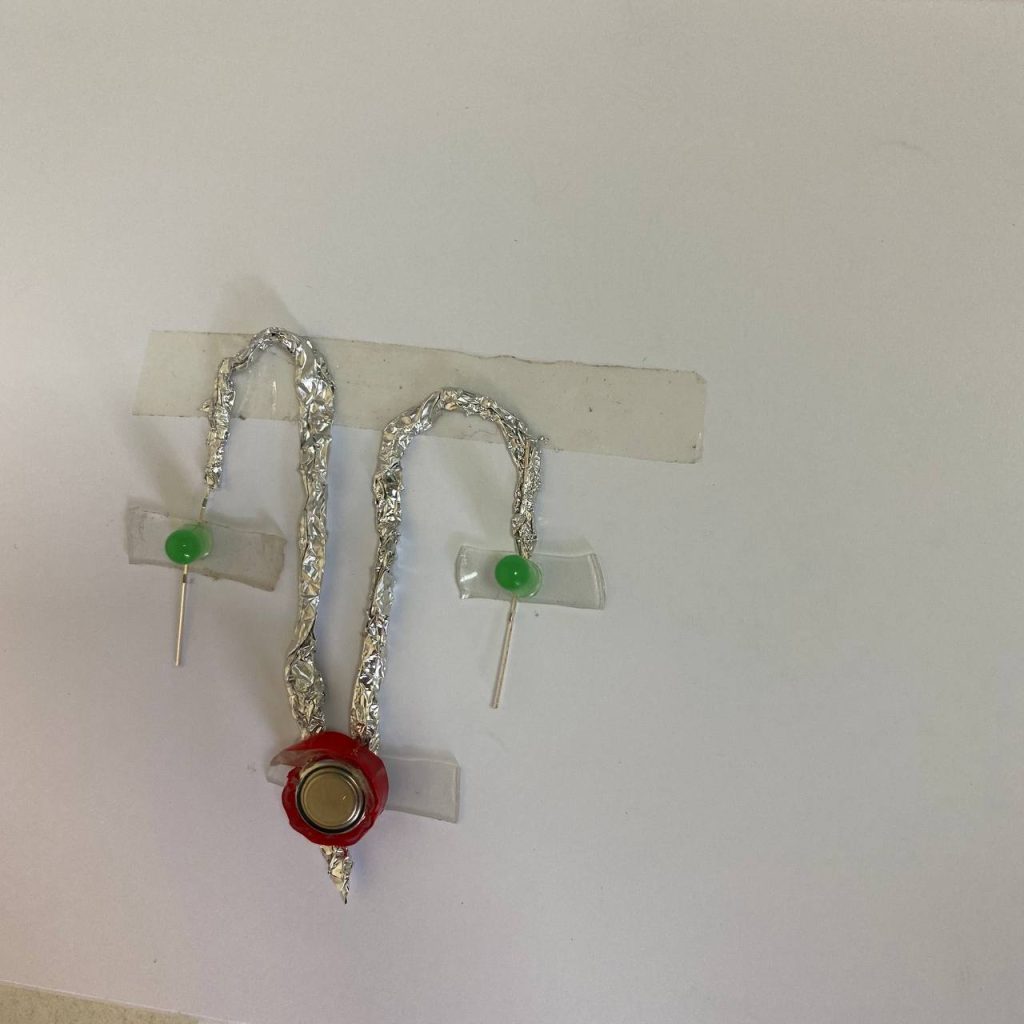
Step 10. Then put a battery in the middle of the wire at the top, so that it touches the wire (foil) at the bottom.Then connect the wire to the cathode of the LED and connect the other end of the wire to the cathode of the second LED.
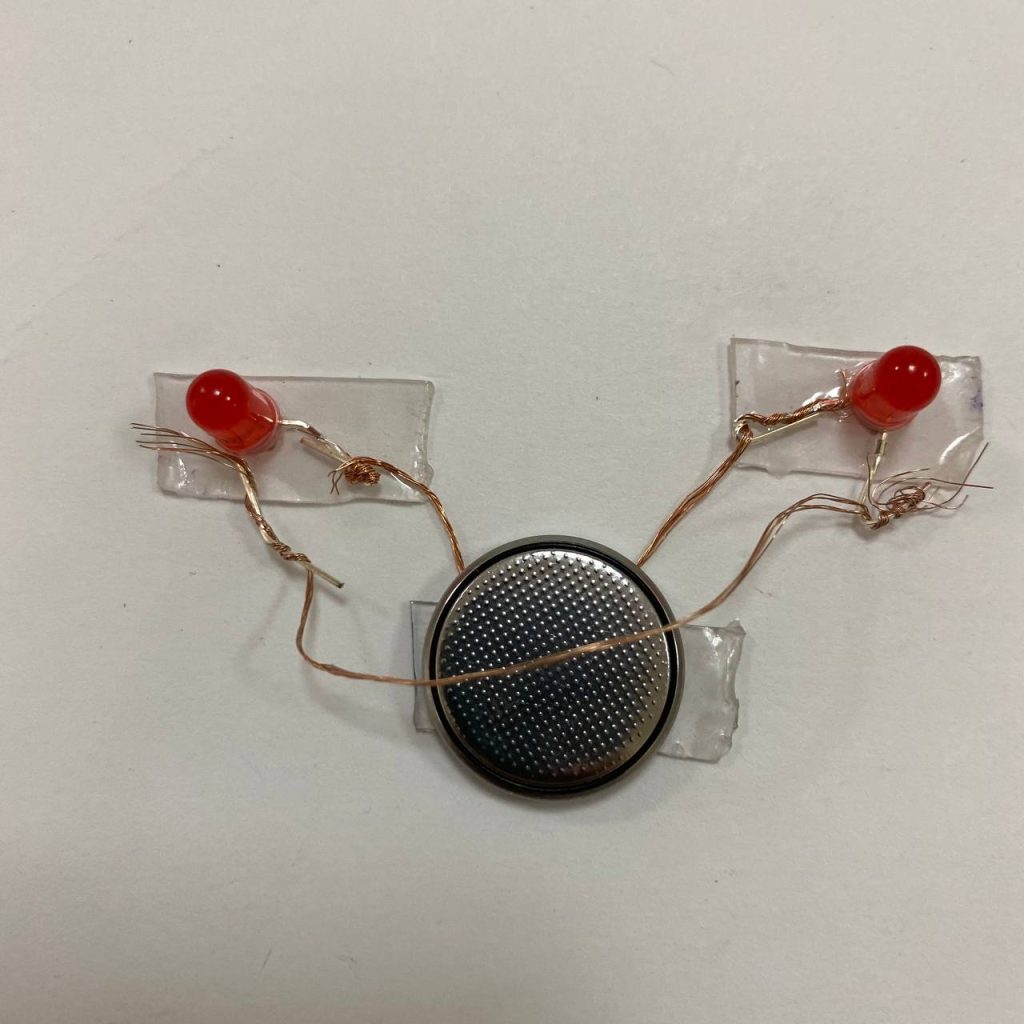
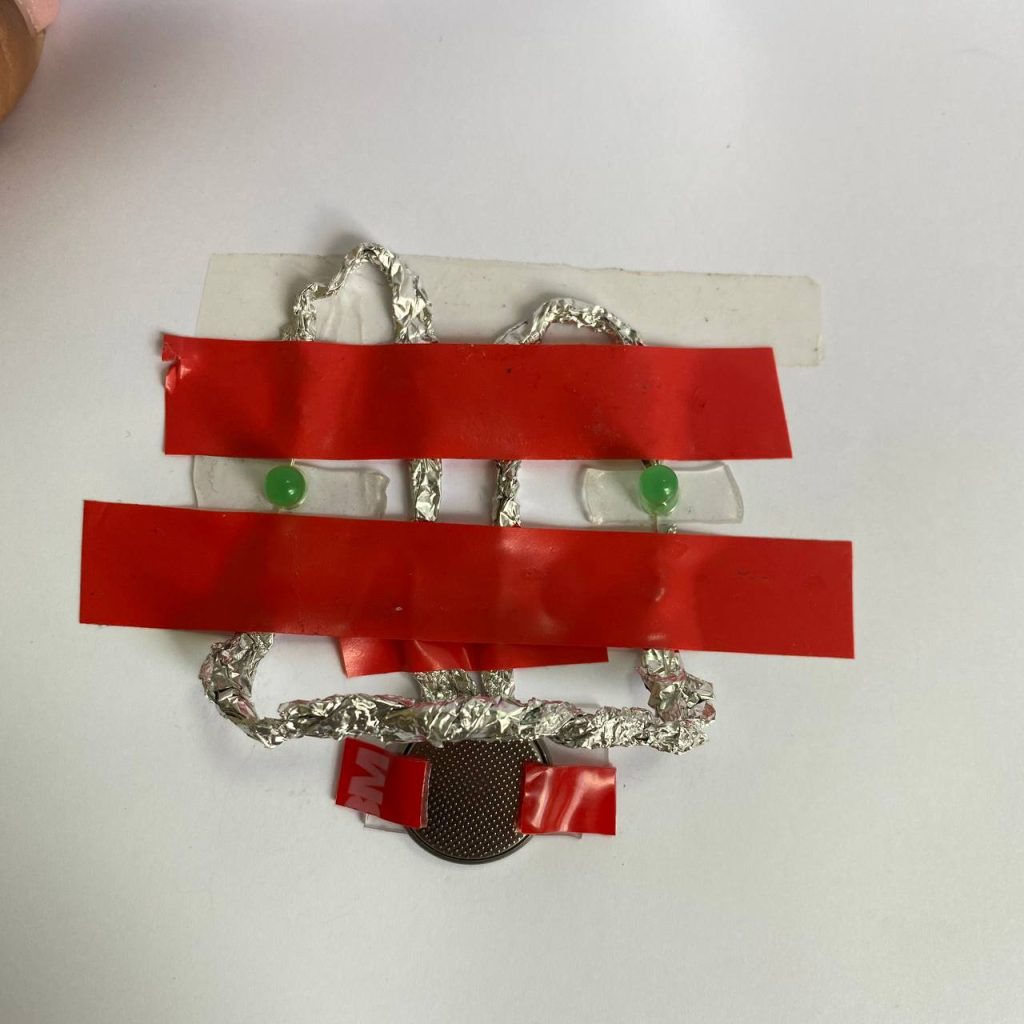
Step 11. Secure the wires if necessary.Note, the wires on top must not touch the battery, only when pressed.
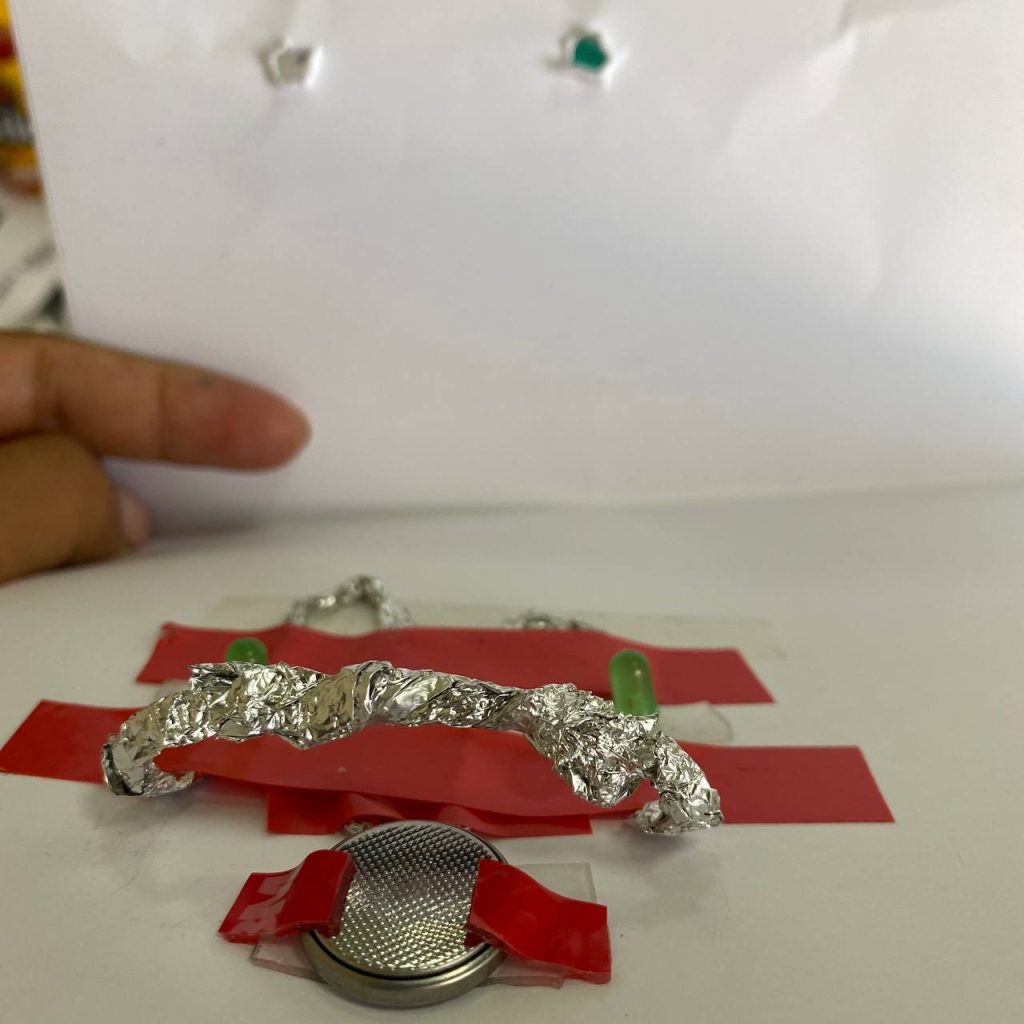
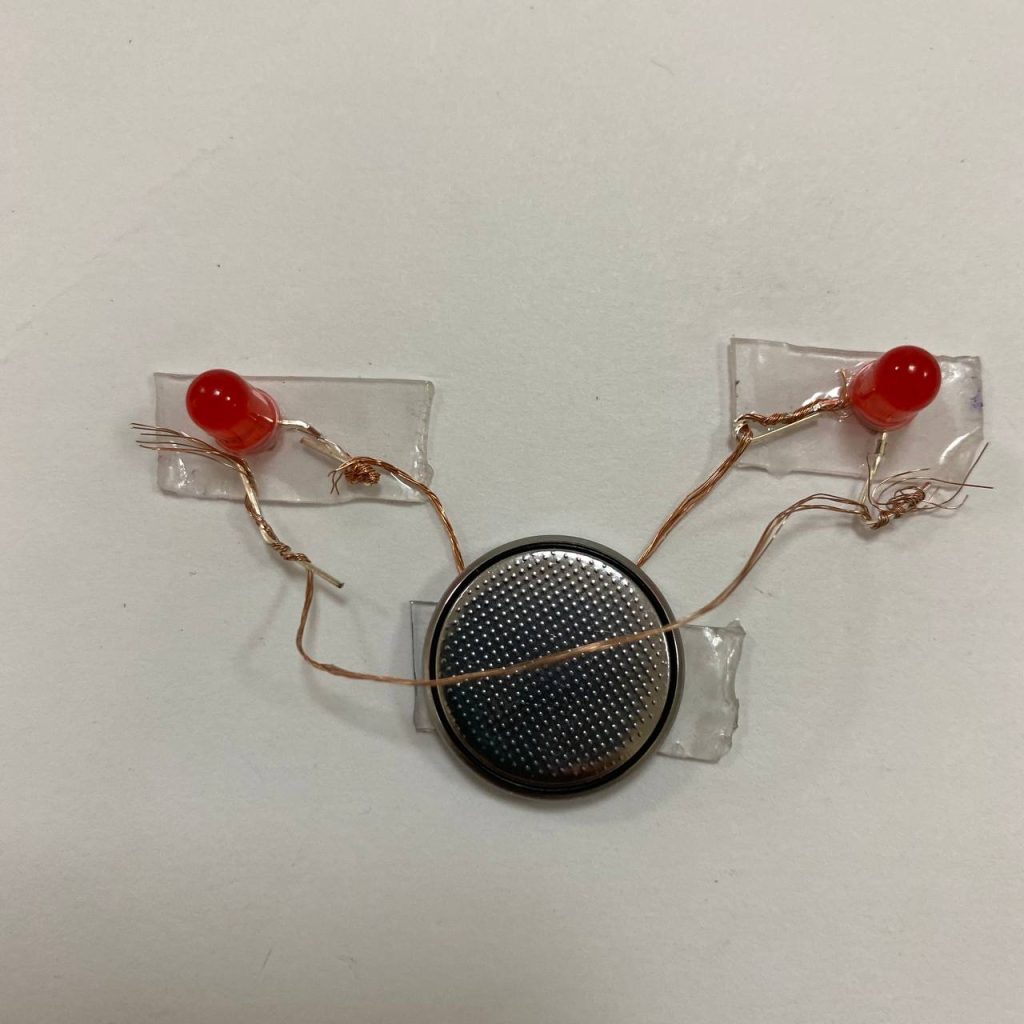
Step 12: Now test. Try closing your paper. What happened?
Did the LED light up?If it did!Congratulations, you’ve done it!
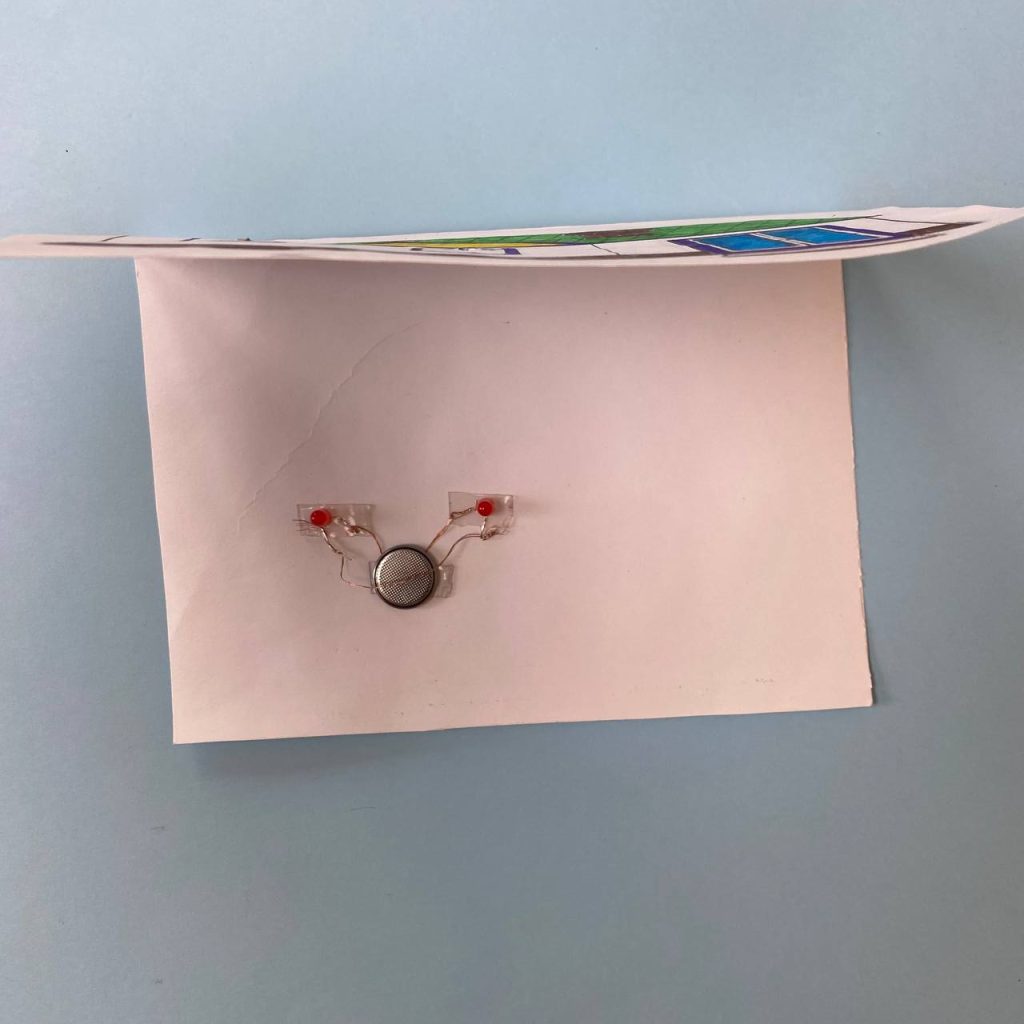
Conclusion
In this project the pupils learned about the importance of electricity in human life. Thus, they made a card in the form of a house with burning LEDs.
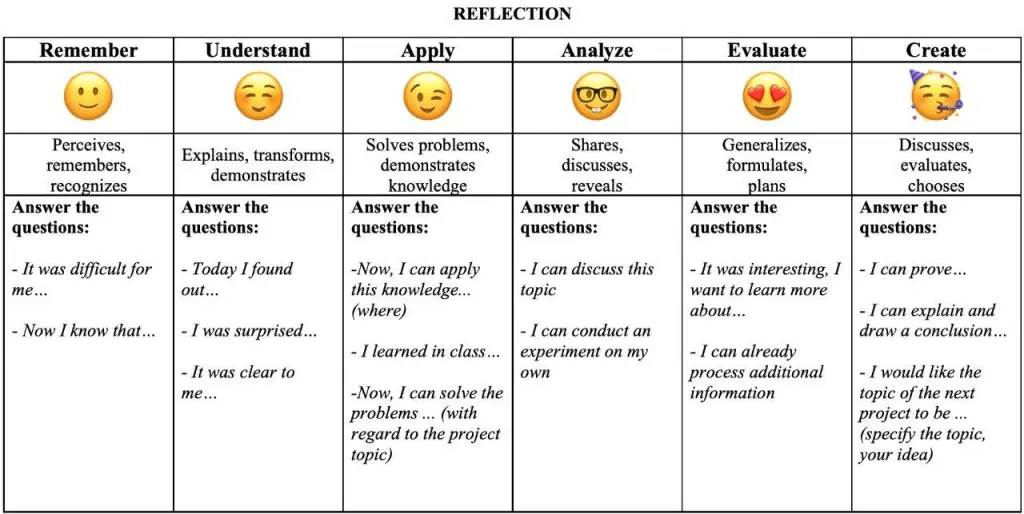
Evaluation