Week 1
Goal
- learn about ways to prevent germs from infecting the body
- learn to plan and build engineering facilities
- learn to work collaboratively and work in groups
Expected results
Students should develop an understanding of:
- the importance of hand disinfection
- communication skills to collaborate with the teacher and other students
- designing and assembling at least one type of sanitizer
Introduction
In everyday life, people encounter infection in many places: at work, in transport, in stores. Many respiratory viruses enter the human body through the eyes, nose, or throat when exposed to droplets containing the virus. One of the most common ways a virus spreads from one person to another is through the hands [2].

Hand hygiene through hand washing and the use of disinfectants is one of the best ways to prevent the spread of infection and bacteria [1].
How to wash your hands properly?
Quick washing or rinsing of hands cannot completely eliminate viruses.
Below is a step-by-step example of handwashing that can help prevent the spread of bacteria through your hands:
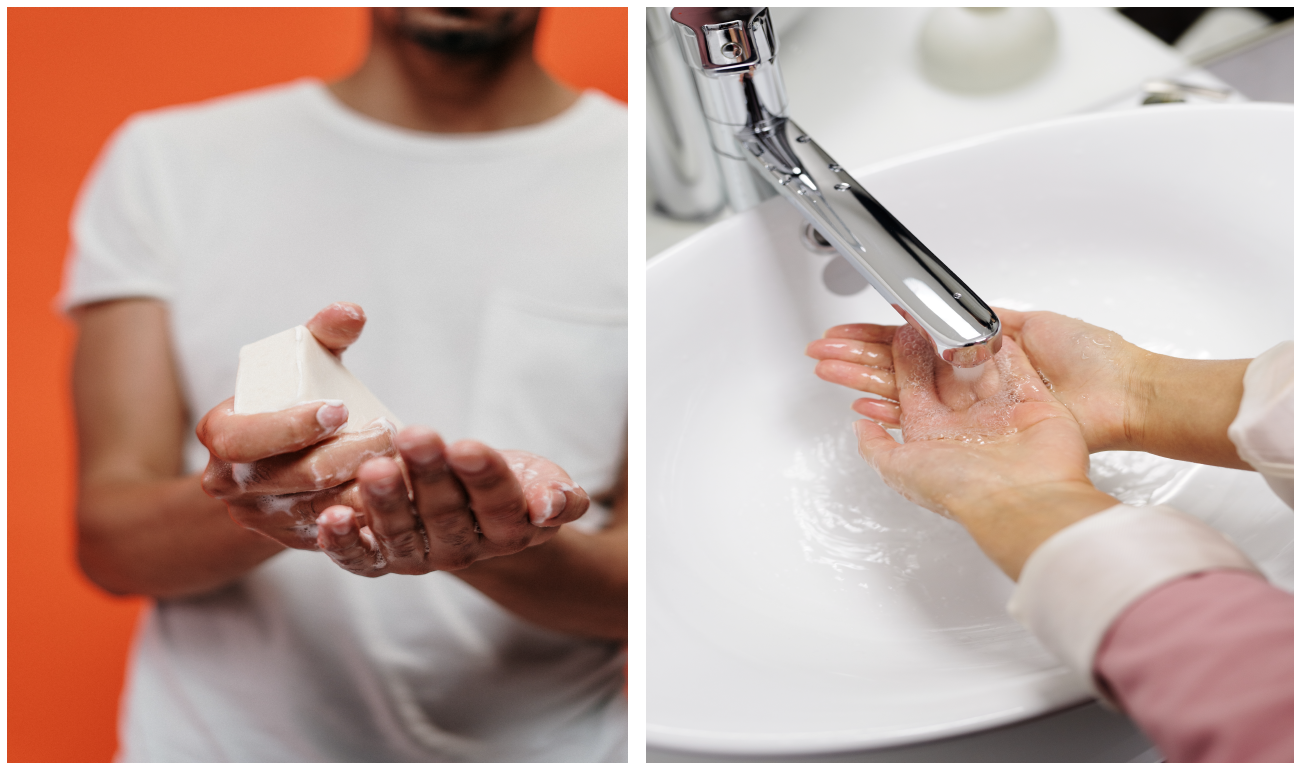
1. Wet your hands with running water
2. Apply a sufficient amount of soap to wet hands.
3. Thoroughly wipe all surfaces of the hands (including the back of the hand, the area under the nails, and between the fingers) for 40 – 60 seconds.
4. Rinse thoroughly with running water.
5. Dry hands with a disposable tissue or clean towel [2].
Use of hand sanitizers.
Along with hand washing, the use of hand sanitizers is also quite effective in killing most bacteria and germs. There is a category of people on whose clean hands the lives of many other people depend. These are dentists, medical workers, cooks, cosmetologists, food industry workers, and many others. To protect their hands from bacteria, they use specially designed products. For example, to prevent infection inside hospitals, healthcare workers must sanitize their hands. Depending on the medical manipulation performed, various types of disinfectants and antiseptics are used [3].
Use of automatic sanitizers.
At home, sanitizers are often used in bottles with a sprayer or dispenser. But in public places (cinemas, public catering, train stations, etc.) or in production, it is more convenient to use automatic sanitizers. A special automatic sensor doses and dispenses the disinfectant when you bring your hand to the device. There is no need to touch the device and run the risk of infection with bacteria and viruses.
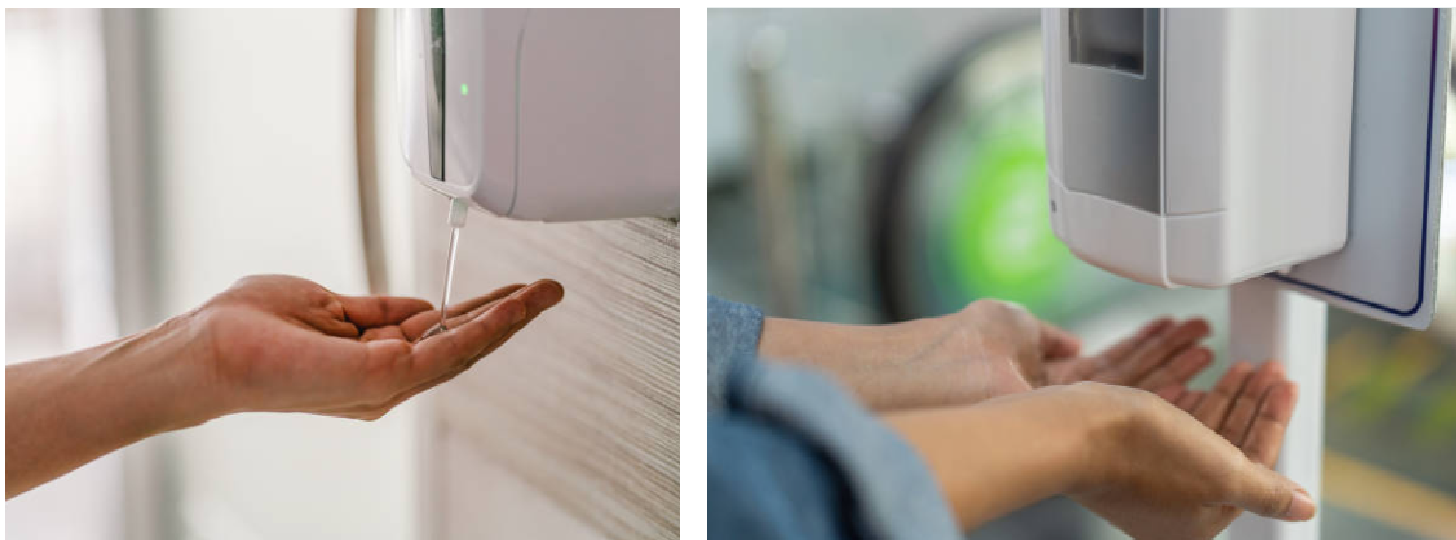
Sanitizers are equipped with a digital control system. An infrared sensor is installed in their body, which reacts to the movement of the hands. They are powered by an uninterruptible power supply or batteries [4].
References:
[1] https://www.mskcc.org/ru/cancer–care/patient–education/hand–hygiene–preventing–infection
[2] https://www.unicef.org/kazakhstan/%D0%9D%D0%BE%D0%B2%D0%BE%D1%81%D1%82%D0%BD%D1%8B%D0%B5-%D0%B7%D0%B0%D0%BC%D0%B5%D1%82%D0%BA%D0%B8/%D0%B2%D1%81%D0%B5-%D1%87%D1%82%D0%BE-%D0%B2%D0%B0%D0%BC-%D0%BD%D1%83%D0%B6%D0%BD%D0%BE-%D0%B7%D0%BD%D0%B0%D1%82%D1%8C-%D0%BE-%D0%BC%D1%8B%D1%82%D1%8C%D0%B5-%D1%80%D1%83%D0%BA-%D1%87%D1%82%D0%BE%D0%B1%D1%8B-%D0%B7%D0%B0%D1%89%D0%B8%D1%82%D0%B8%D1%82%D1%8C%D1%81%D1%8F-%D0%BE%D1%82-%D0%BA%D0%BE%D1%80%D0%BE%D0%BD%D0%B0%D0%B2%D0%B8%D1%80%D1%83%D1%81%D0%B0-covid-19
[3] https://niopik.ru/events/publications/231/
Practical part
Making the base of the sanitizer.
1. Take a piece of 50 cm x 45 cm cardboard and draw a layout of the sanitizer base on it.
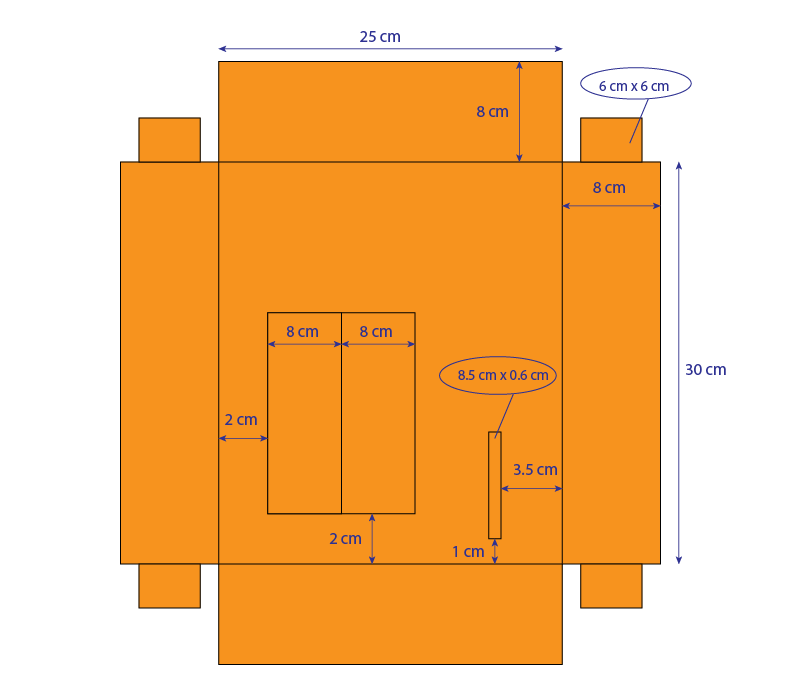
Cut out the piece.
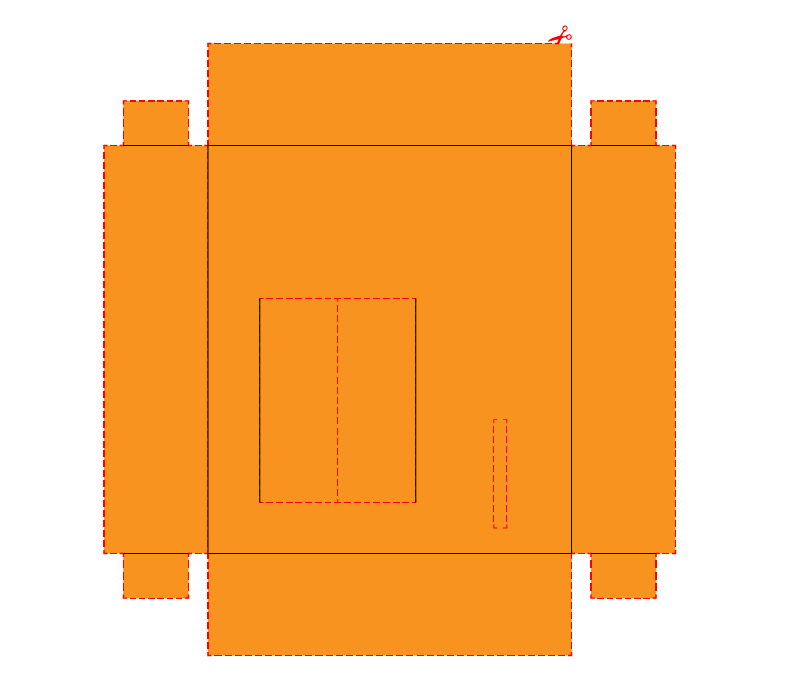
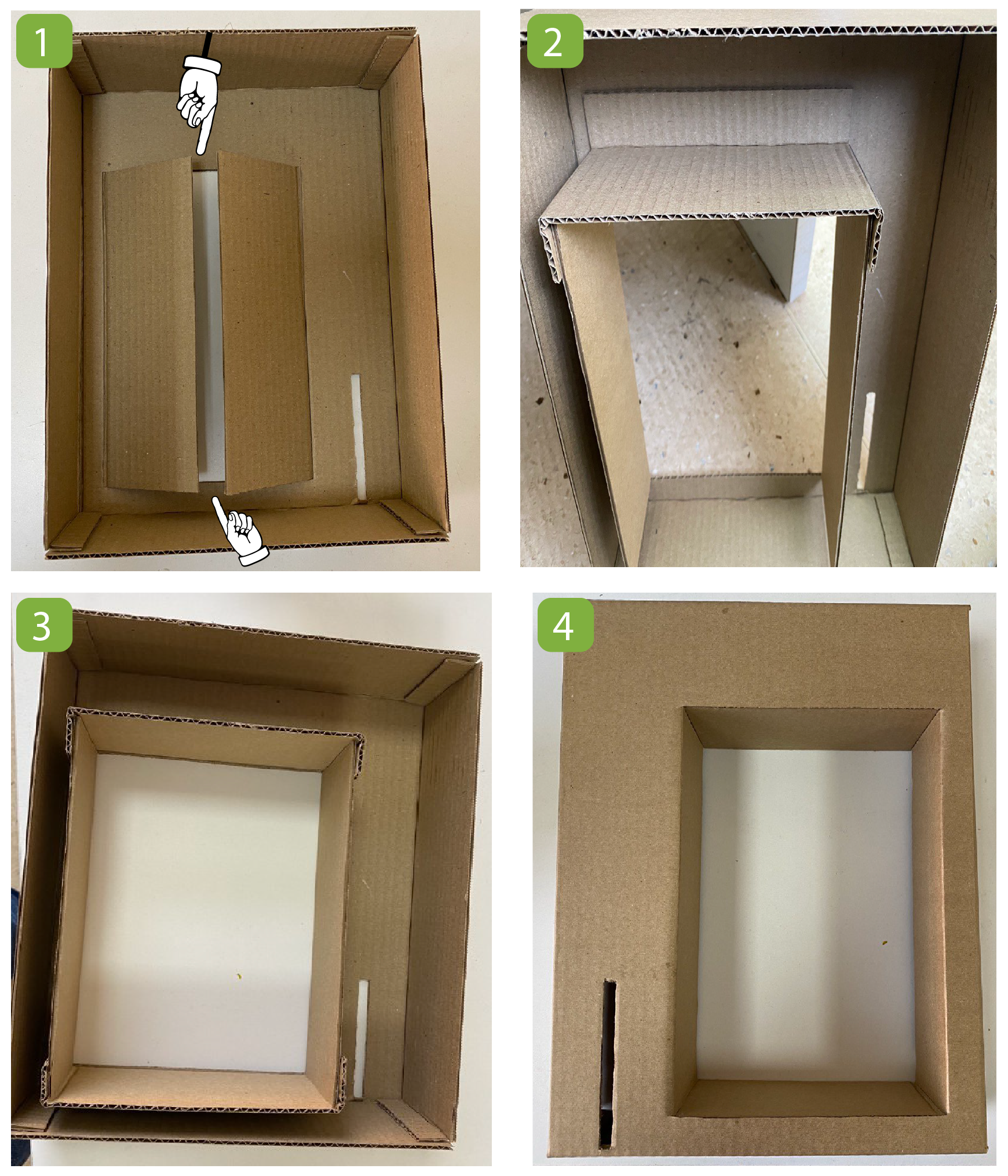
2. Bend the edges of the layout and glue its corners as shown in the figure.
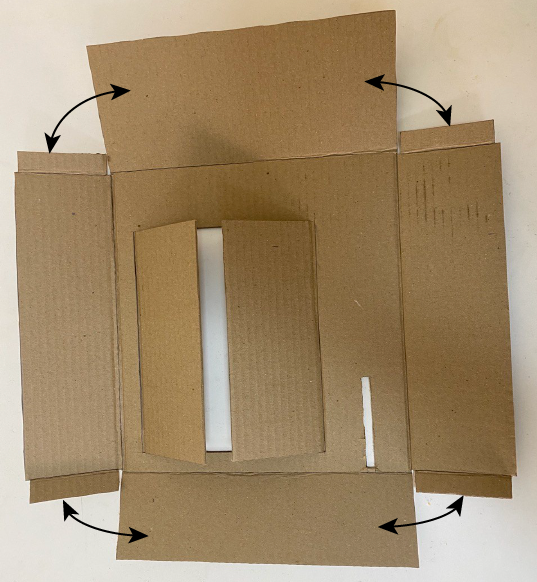
You should get the following layout

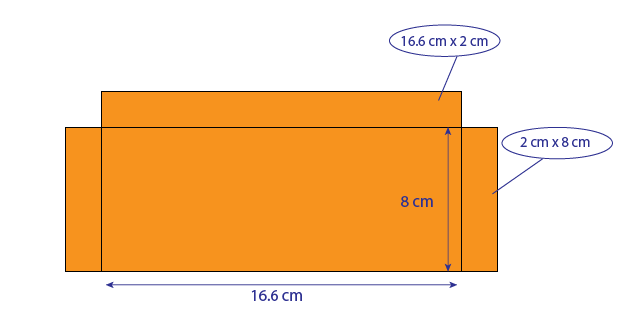
3. Take cardboard measuring 22 cm x 44 cm and draw on it two identical parts, the dimensions of which are shown in the following figure. Cut out the parts.
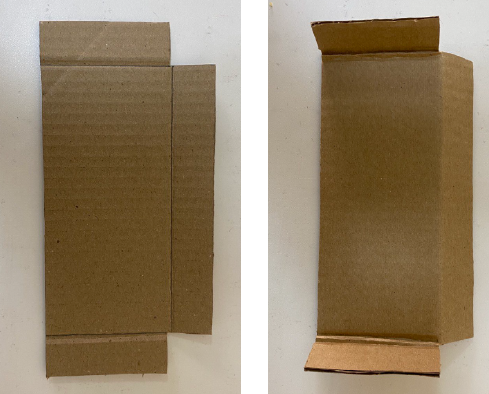
4. Glue the cut pieces to the top and bottom of the box as shown in the picture