Week 1
Objectives
- learn about ways to save water
- learn to plan and build engineering facilities
- learn to work collaboratively and work in groups
Expected results
Students should develop an understanding of:
- designing rainwater harvesting systems
- planning and construction of engineering facilities
- communication skills to collaborate with the teacher and other students
- at least one type of rainwater harvesting system
Teacher’s Guide
– Conduct a brief instruction on how to work with thermoplastic glue (only the teacher can use thermoplastic glue)
Introduction
The water resource of the planet Earth is limited and has a minimum supply. The percentage of water suitable for drinking on our planet is only 3%. However, not all of this water is available for use. More than half of drinking water is contained in glaciers, and 30% is concentrated in groundwater. Surface water and other drinking water account for only a small percentage of all freshwater (more than 1% of all drinking water). In addition, global warming has an impact on the reduction of water resources [1].
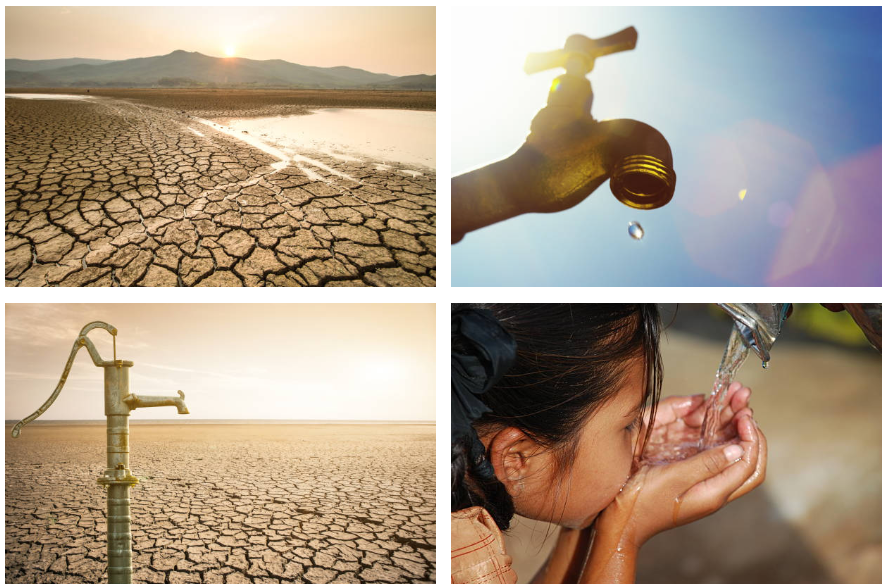
Due to climate change and poor water management, drought is becoming an increasingly common problem and water scarcity is worsening in all regions of the world. Drought often results in poor water quality, crop failures, livestock deaths, and famine. Water shortages in cities can strain existing infrastructure and increase costs for citizens and governments [2]. All of the above reasons point to the need for a careful attitude to water and the need to save it. Considering all of the above, we must understand that the water resources will be exhausted if we do not carry out an appropriate series of measures (actions) to save water.
One way to save water is to harvest rainwater. This process involves the collection of water during the rain for later use when it does not rain. Rainwater harvesting has been used for centuries as a method of conserving water and involves the installation of cisterns and barrels that can collect water for later use. The collected water can be used for watering plants, showering, cooking and many other purposes [3].
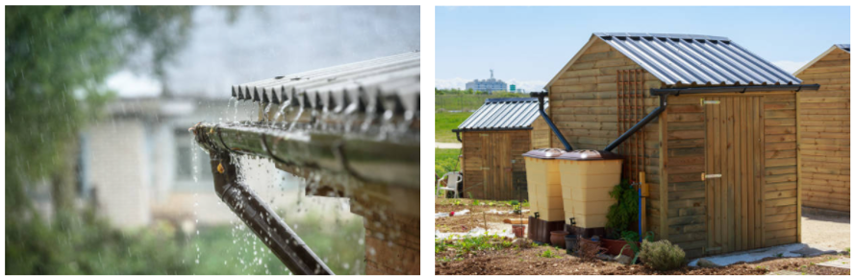
Benefits of using rainwater:
- lower cost
- reduces water bill
- helps to save water and energy
- does not require a filtration system to water landscape plants
- the technology is easy to install and use
References:
[1] https://ecosoft-market.com.ua/pochemu-i-zachem-nado-ekonomit-vodu-prichiny-i-sledstviya
[2] https://iwa-network.org/publications/water-scarcity-and-drought/
[3] https://www.btlliners.com/help–drought–regions/
Tell students:
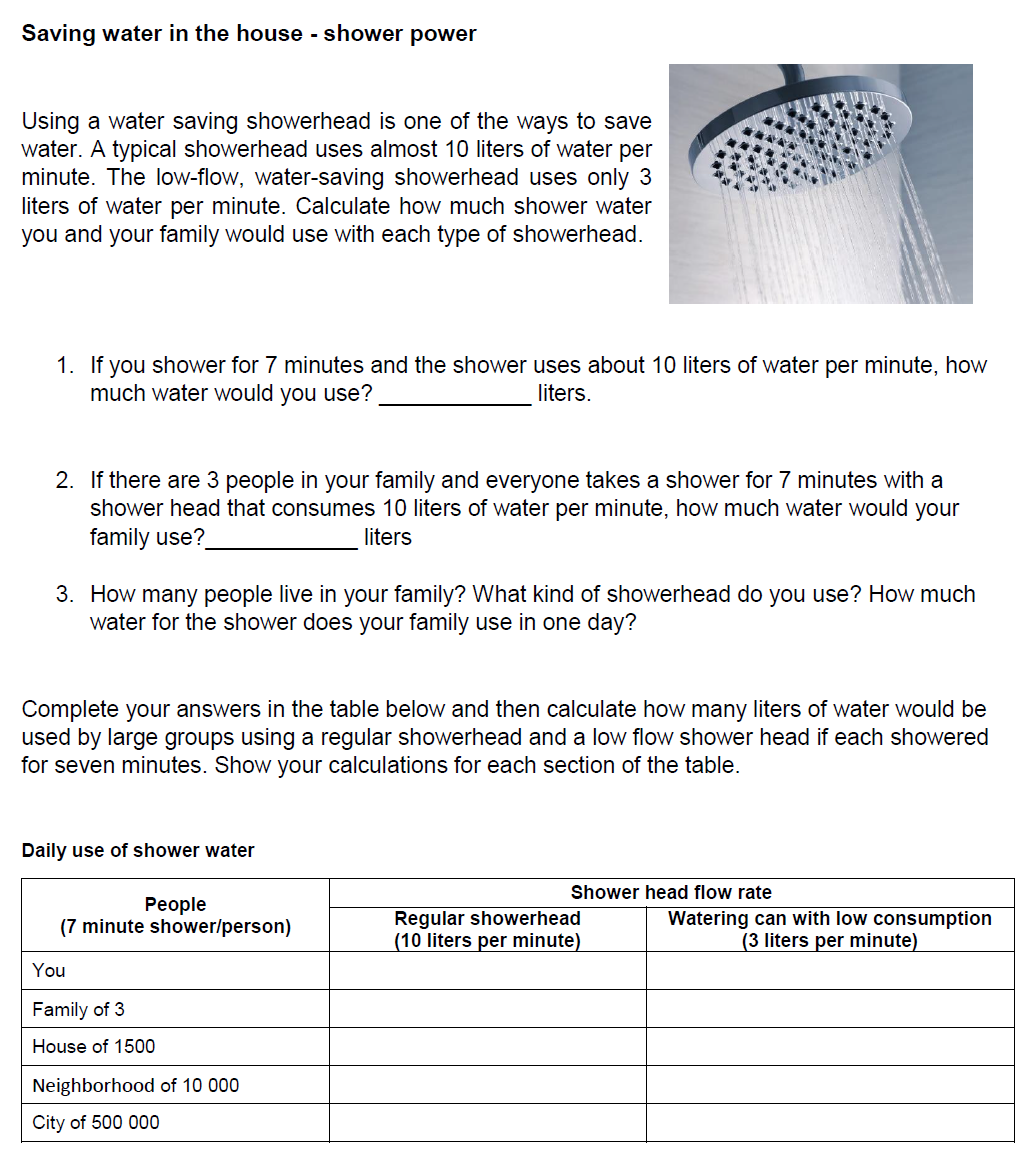
In this lesson, you will learn how much water you spend on average in the shower. You will also find out how much water can be collected on average from the roof of a house.
Download the paper with problems and provide it to students. Let them solve problems on their own. [ link ].