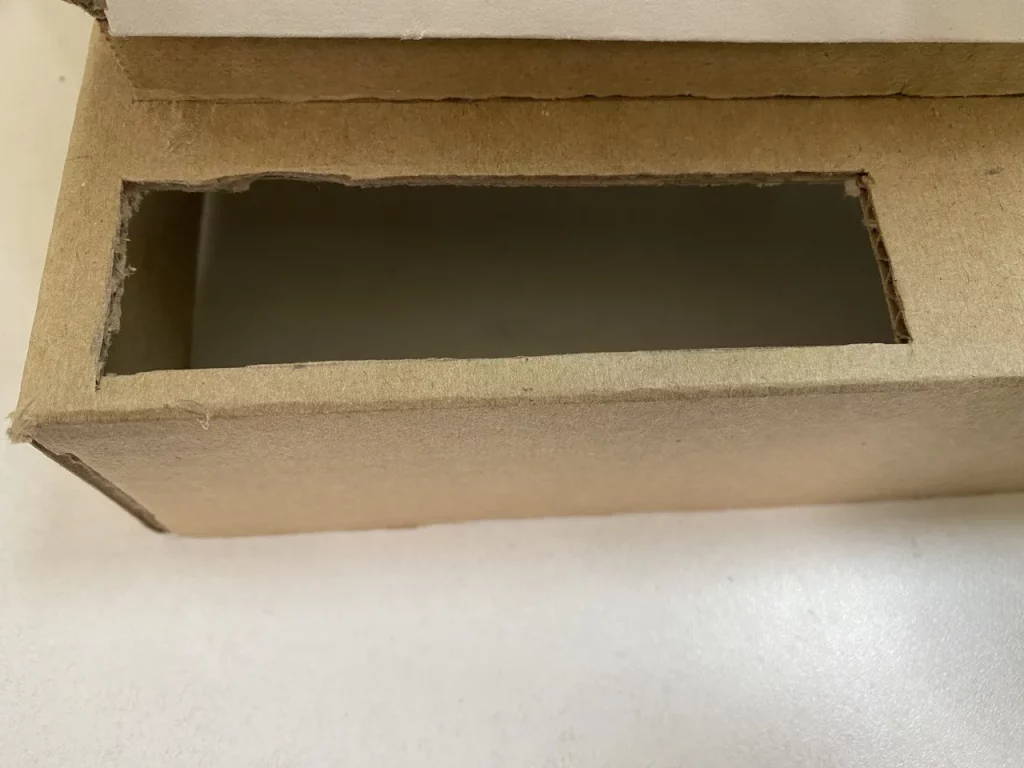
Week 1
Objective:
- To become familiar with the self-contained home.
- To learn how to plan and build engineering structures
- Know how to use solar energy and solar panels.
- To know how to use wind energy and solar panels.
Expected results
After learning about the project, students will:
– Be able to communicate well with the teacher and work in a group, in pairs
– analyze and summarize information
– a responsible approach to learning will be formed
– communication skills will be formed in the process of learning
– independent logical reasoning and conclusion
– the ability to make an autonomous home
– The introduction of inexhaustible sources of energy
Interdisciplinary connections:
- Physics
- Biology
- Artwork
Teacher’s guide:
- For the evaluation of the project, in the first week, provide this material (PBL rubrics) to students so that
– students understand in advance what criteria they need to prepare for,
– Students are able to independently assess their peers.
- At the beginning of the lesson it is recommended:
- To stimulate interest in the project, ask a few “leading questions”, such as:
– what is an autonomous home?
– what is the difference between a house, a smart home, and an autonomous home?
– what supply lines are needed to build a house?
– What are inexhaustible energy sources?
– can we replace supply lines with inexhaustible energy sources?
An autonomous house is a single organic ecosystem with its inhabitants, which accumulates and uses renewable energy as efficiently as possible. Such a house is absolutely environmentally effective and safe.
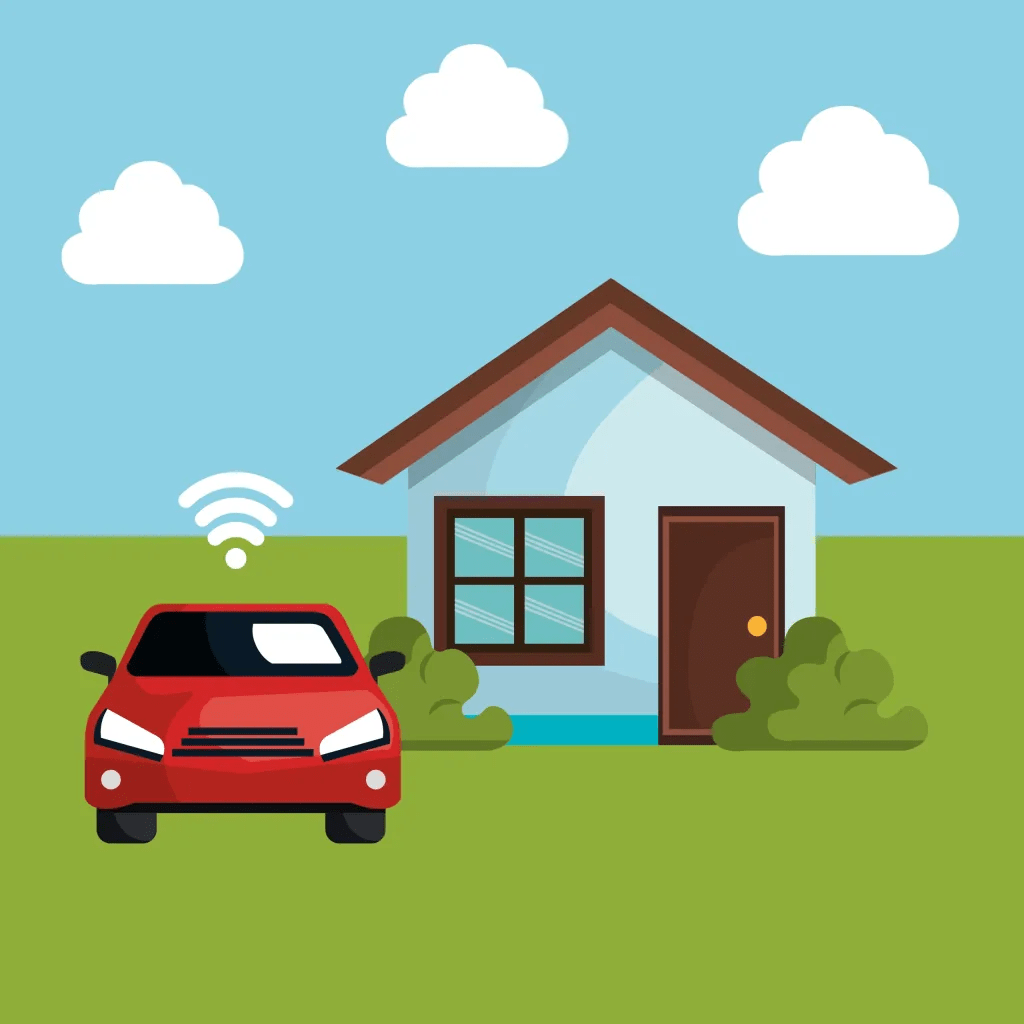
An autonomous house is a construction that does not depend on city communications:
- Gas
- Electricity
- Sewer and water supply
Key advantages of an autonomous home are compact equipment, relatively inexpensive electricity, the equipment works automatically, its construction is possible in any place, in any territory, which cannot be said about conventional buildings, which are tied to the area and communications.
The main differences between the standard house and an autonomous
The first and most important difference is technology. In an autonomous house you can replace all the standard processes independent of the networks. Let’s take electricity as an example.
On average, a residential home uses up to 300 kWh of electricity each month. You can replace this need with solar panels. It should be noted that in summer the solar insolation plays a key role in the production of electricity, but in the autumn-winter period the wind and the sun perfectly complement each other.
Photovoltaic panels are most commonly used to convert solar energy into familiar and well-developed electricity. An alternative to solar panels is a wind generator. Most often in bad weather, when the sun is hidden and the panels provide little power, a fairly strong wind blows. Therefore, the combination of solar panels with a wind generator can smooth out the unevenness of the energy from the solar panels. Such a combination provides an increase in the capacity of your power grid, and also increases the reliability of the energy system as a whole.
However, the presence of the wind generator in conjunction with the solar panels does not guarantee a constant supply of energy in the necessary amounts, because there can be periods of complete windlessness in cloudy weather. Therefore, it is necessary to store energy in those periods when its supply is excessive, in order to use it when renewable sources do not provide sufficient supply. In other words, energy storage devices – batteries – are needed.
Autonomous home is located so that the snow and rain melt water flows into a special basin, where it is thoroughly cleaned and filtered. The pool itself can accumulate snow, which is melted by heaters or naturally on sunny days.
Resources:
- Автономный дом. Список конструктивных и инженерных решений (ecotech-home.ru)
- Автономный дом. Как функционирует – преимущества (tm24.by)
- Основа автономного дома – энергия из возобновляемых источников (altenergiya.ru)
- АВТОНОМНЫЙ ДОМ (homeforlife.ru)
Practical part
Step 1
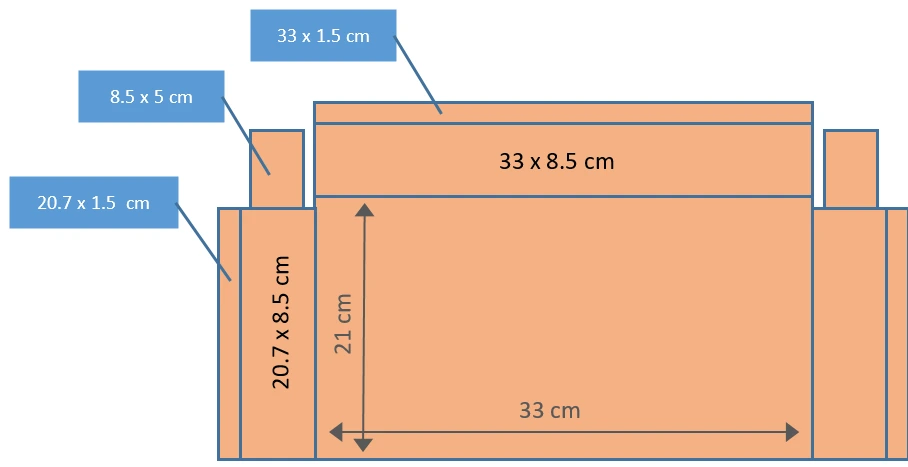
Take a piece of cardboard measuring 44 cm x 27 cm. On the cardboard, draw a model of the base of the structure as shown in the picture below.
Step 2.
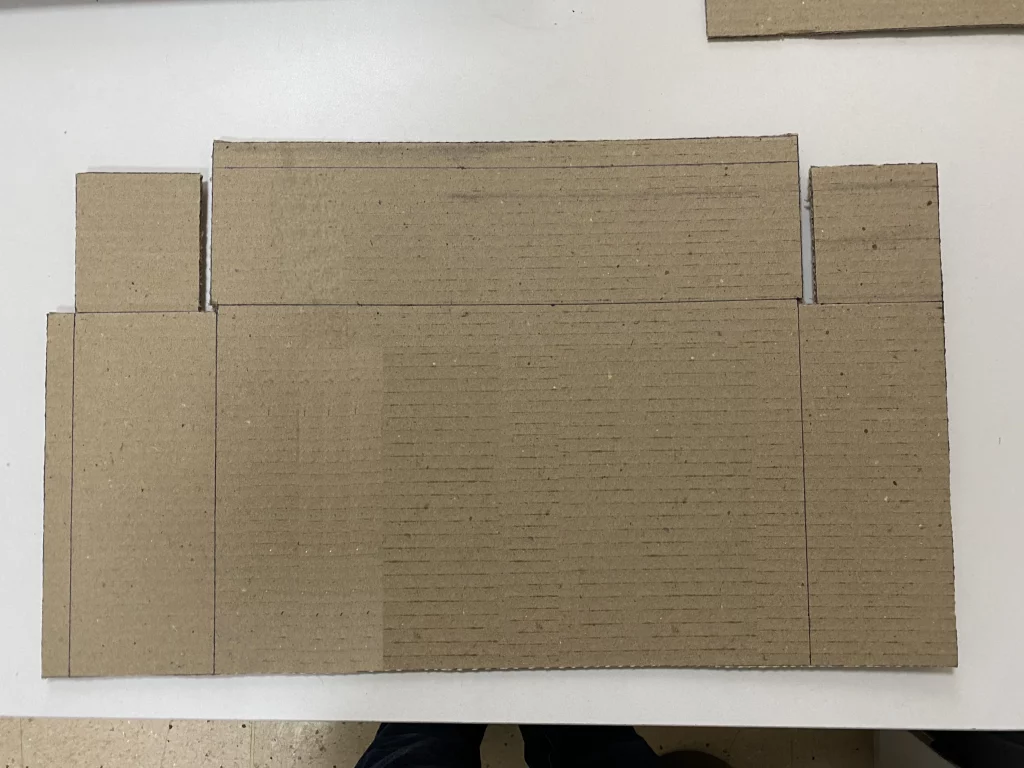
Cut out the layout. You should have the following pattern
Step 3.
Assemble the base of the structure by gluing the edges together with thermoplastic adhesive.
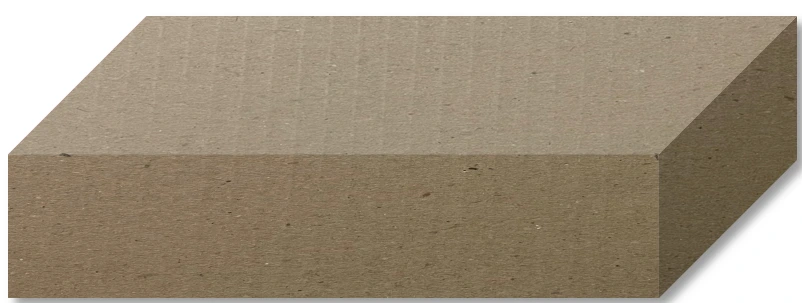
Step 4
The frame of a free-standing house
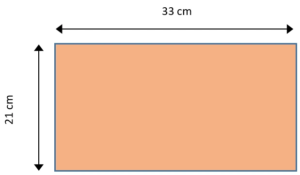
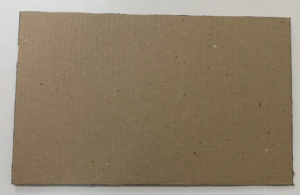
Cut out a piece of cardboard measuring 33 cm x 21 cm.
Step 5.
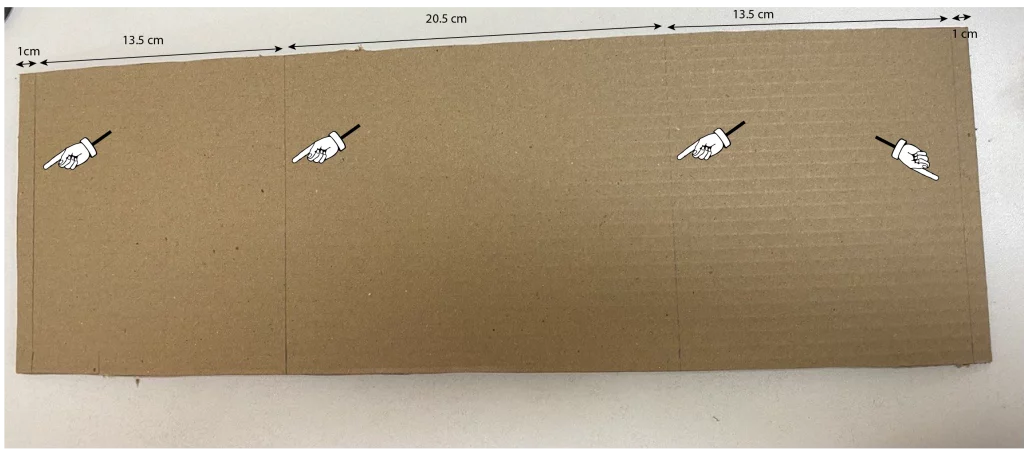
Draw indents on the resulting cardboard using a simple pencil (1 cm, 20.5 cm, 13.5 cm, 1 cm). The indentation dimensions are shown in the picture below.
Step 6.
Fold the cardboard along the lines shown.
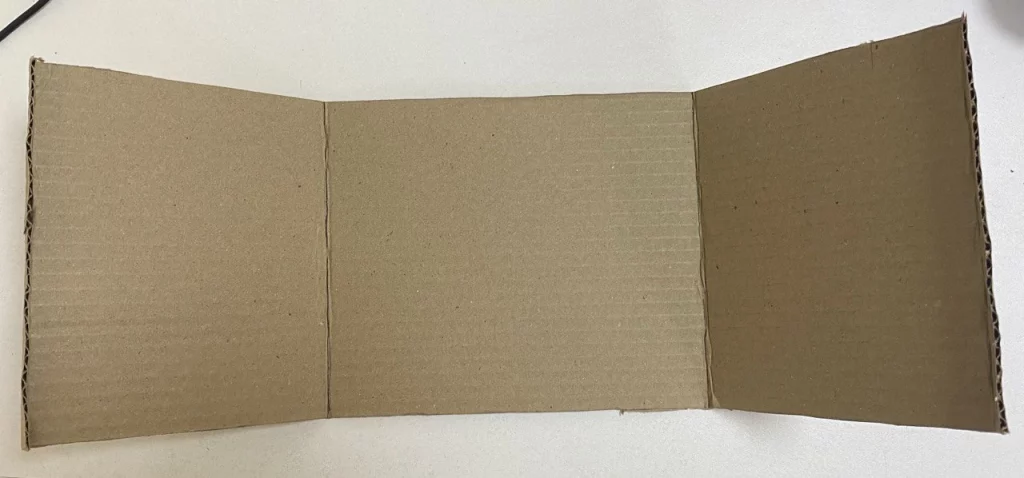
Step 7
Glue the cardboard to the base
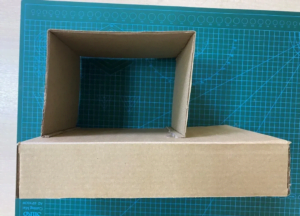
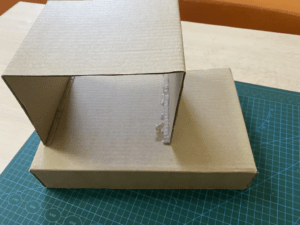
Step 8.
Take a lid from a plastic dishcloth and place it over the frame of the house.
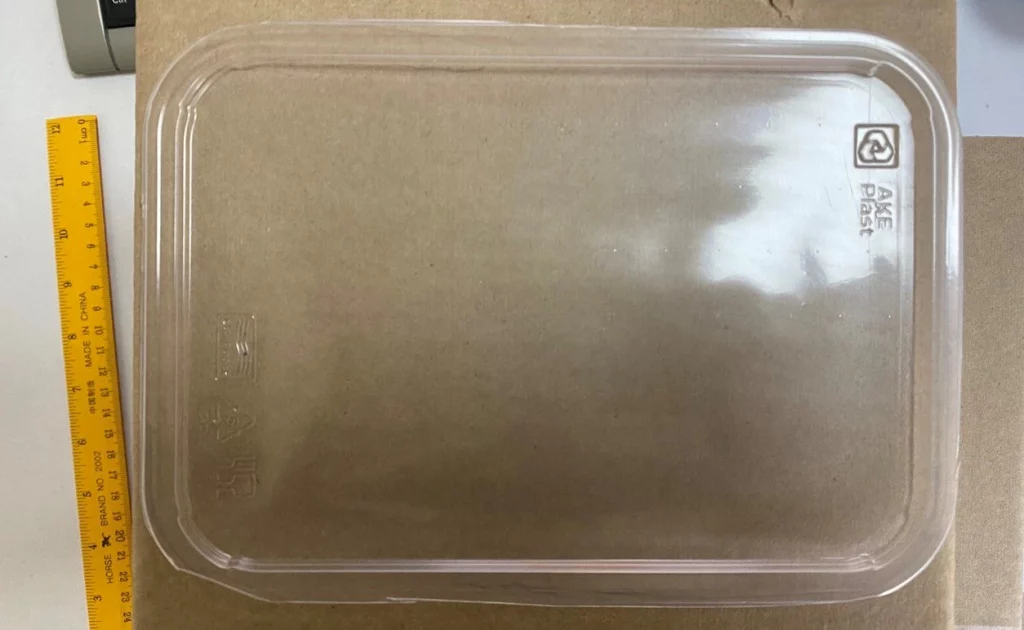
Step 9
Trace the edges of the lid with a pencil.
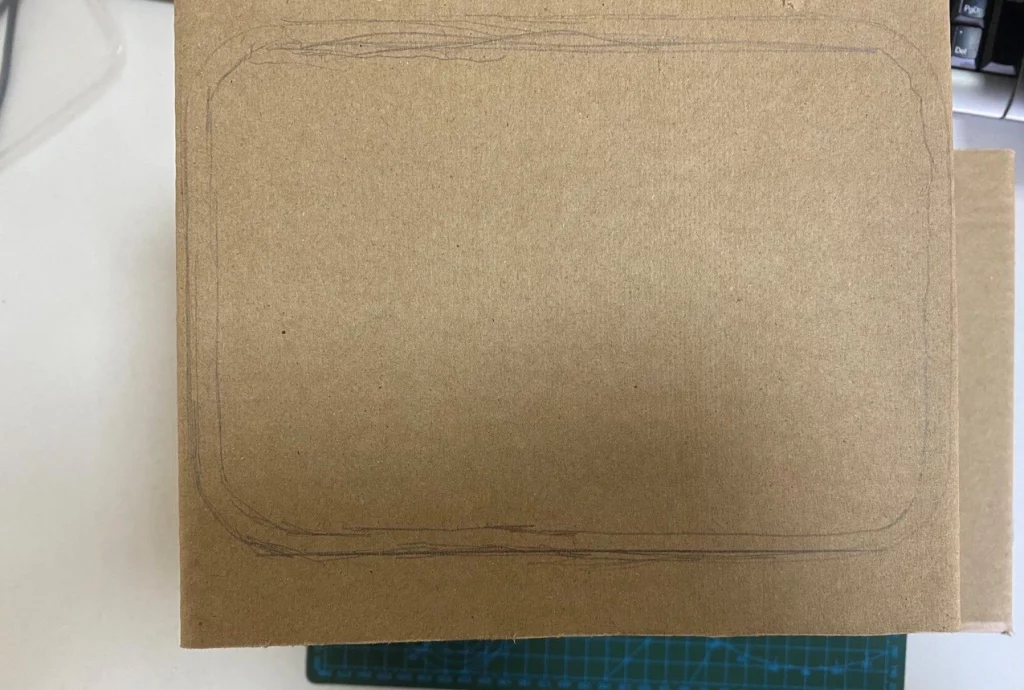
Step 10.
Make an opening over the frame of the house.
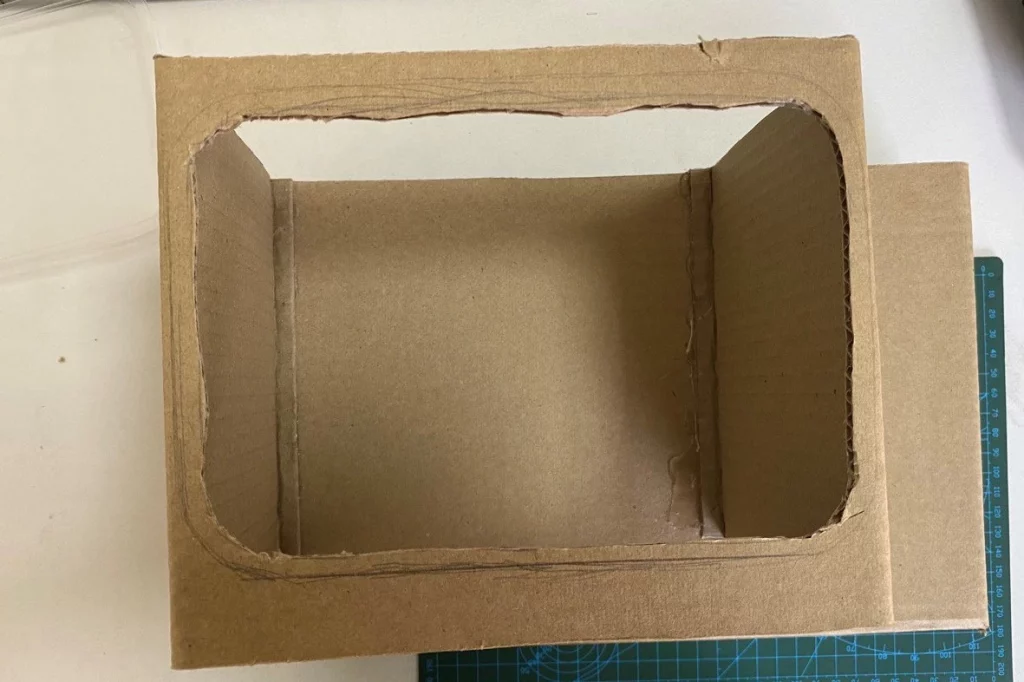
Step 11
Place a lid from a plastic dish to the resulting hole. Glue the edges using thermoplastic adhesive.
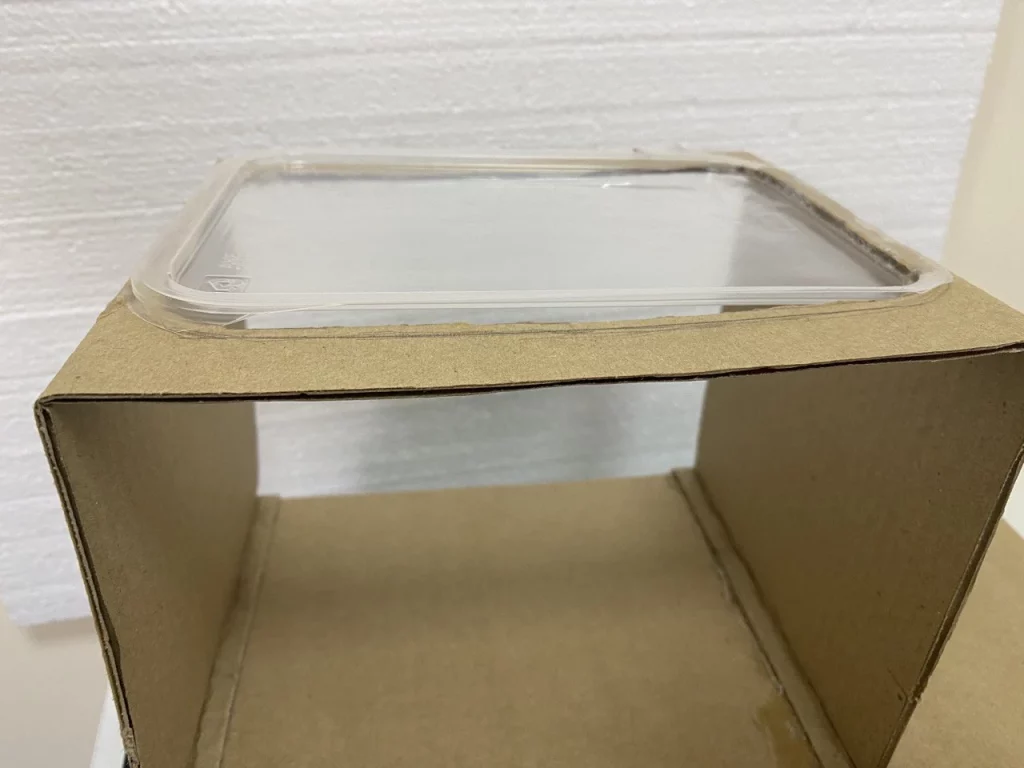
Step 12.
Take two more lids for plastic dishes. Make drawings on them according to the dimensions shown in the picture
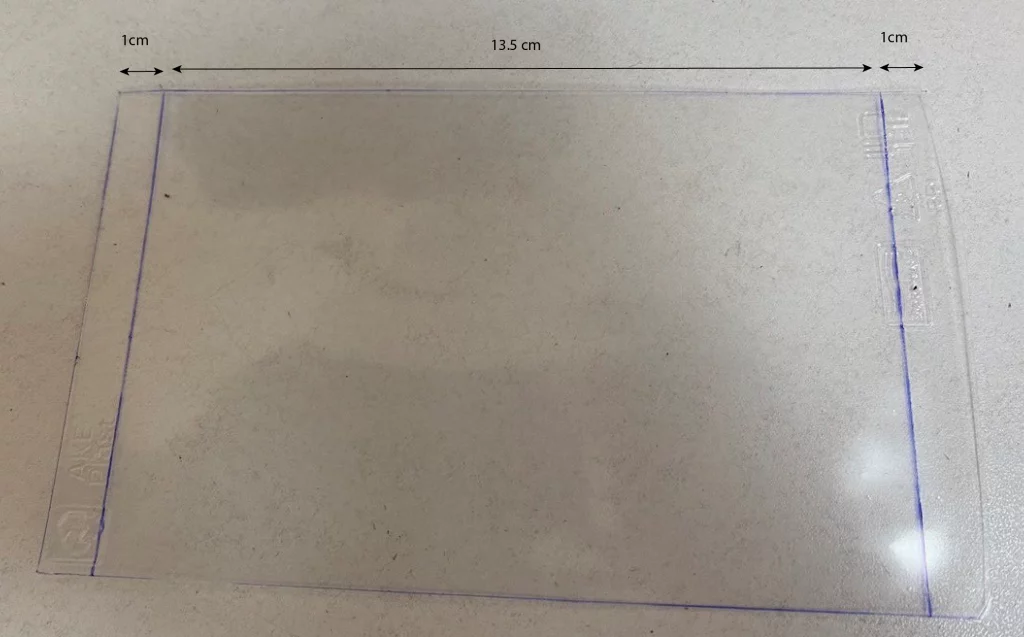
Step 13.
Cut out the parts. Fold the parts along the lines. Glue the two resulting parts to the front of the house frame using thermoplastic adhesive.
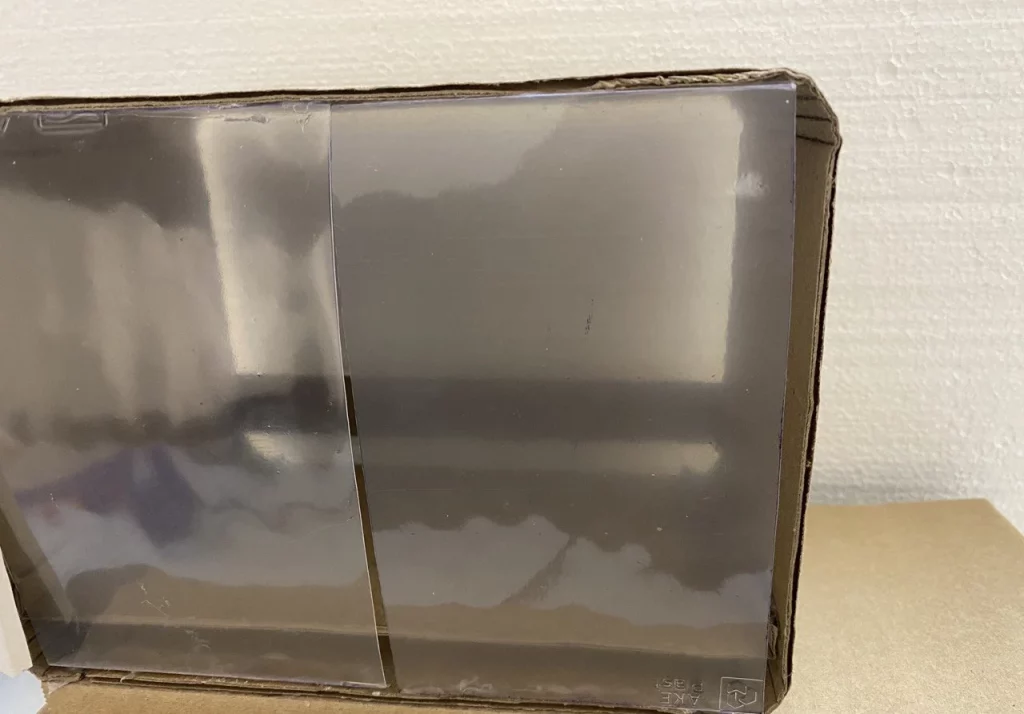
Step 14
Cut out 18 cm x 3 cm rectangles from the white cardboard. Fold the pieces down the middle. Glue the parts to the front of the layout as shown.
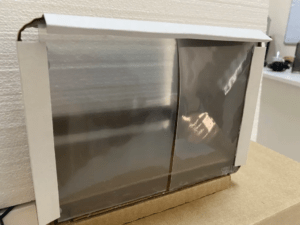
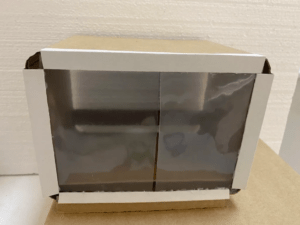
Step 15
At the front of the layout, draw a rectangle measuring 11 cm x 3 cm
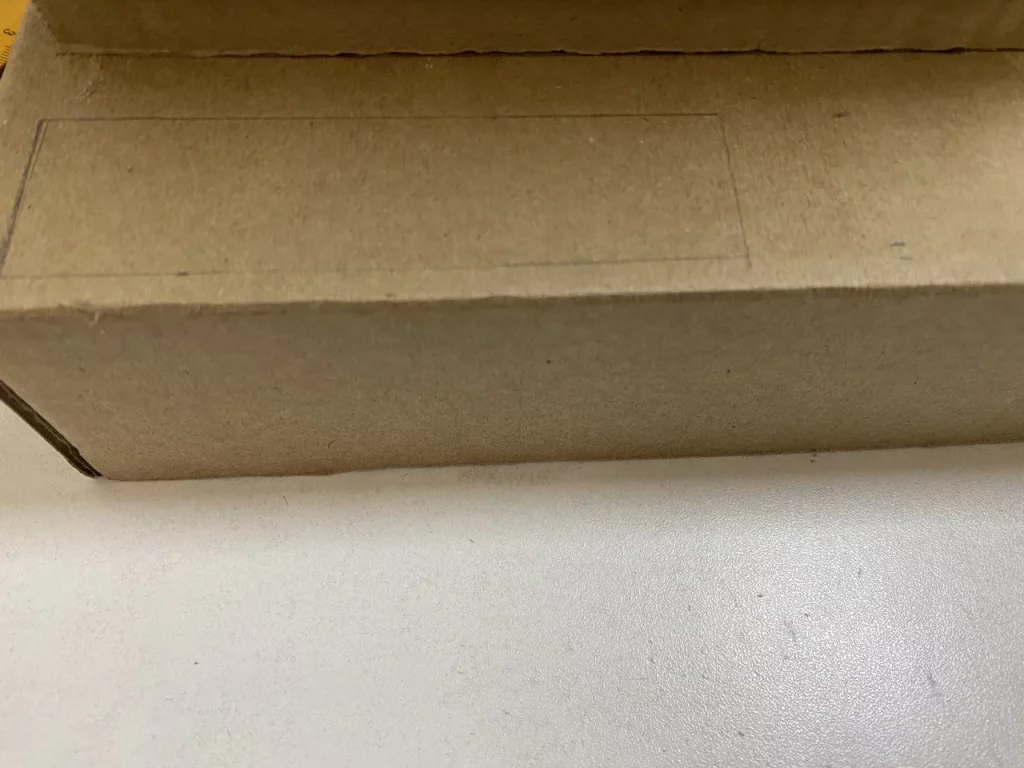
Step 16
Cut the hole according to the drawing