
Week 1
Goals:
- study the anatomy of the foot
- study the shapes of shoes on the ground
- build a model of astrosocks and visualize data using Arduino
- create solutions to mitigate the impact on astronauts’ feet
Expected results
- Students should develop an understanding of:
- finding an idea for a project
- the nature of microgravity and its impact on the lives of astronauts
- study of literature in the field, work with sources
- creation of project prototypes
- improvement of the prototype, based on the received data
Interdisciplinary communication
- Physics (basics of microgravity)
- Biology (foot anatomy)
- Technique (work with electronics)
- Computer science (programming)
Introduction
Astronauts working on space stations face the unique challenges of microgravity – the lack of gravity we’re used to feeling on Earth. This affects their physiological and psychological state, as well as their ability to work and live in space.
One of the main effects of microgravity is a decrease in bone density, which can lead to osteoporosis. Therefore, astronauts must perform daily exercise and maintain a balance of nutrients in their diet. They also use special equipment such as exercise equipment to increase their strength and endurance.
Other challenges associated with microgravity include imbalance and coordination problems, problems with the cardiovascular system, changes in the behavior of body fluids and keeping their legs in good shape. Astronauts use various technologies and devices to support their life and work in conditions microgravity.
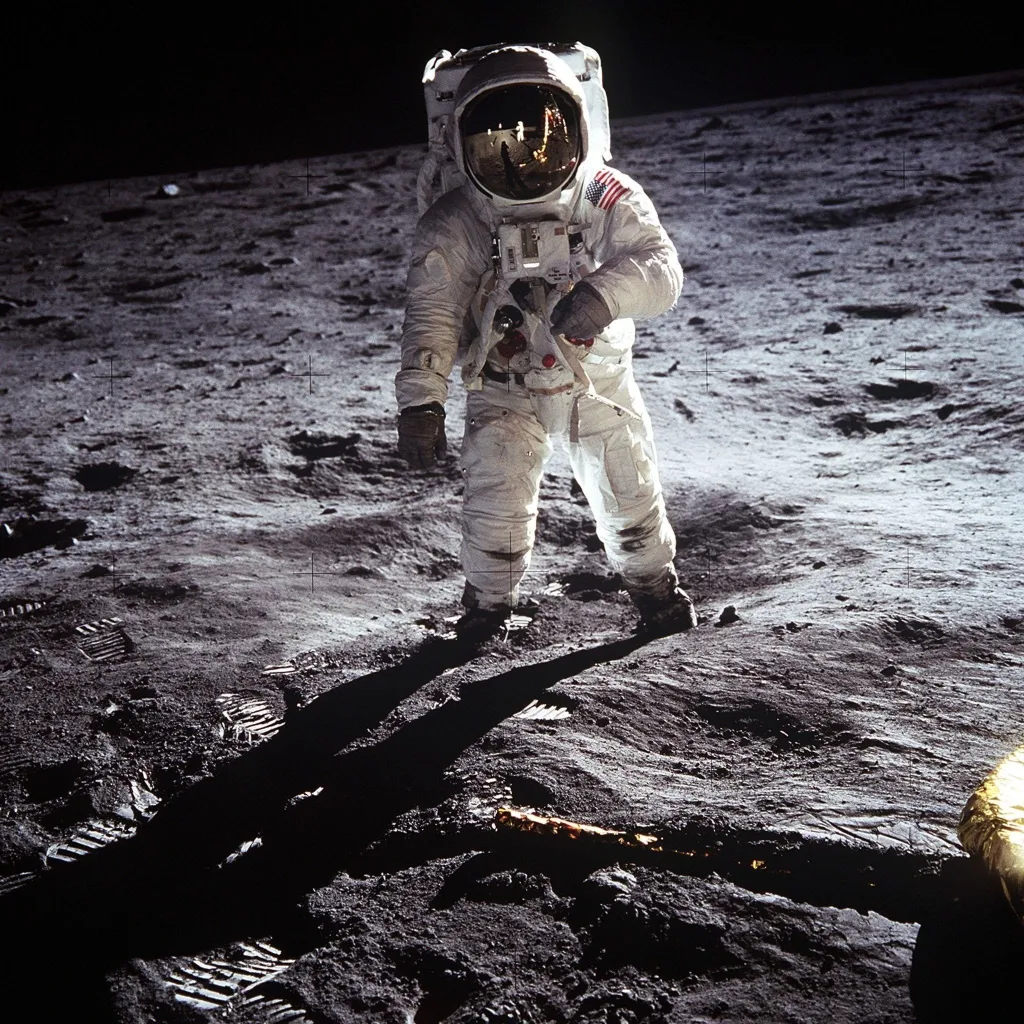
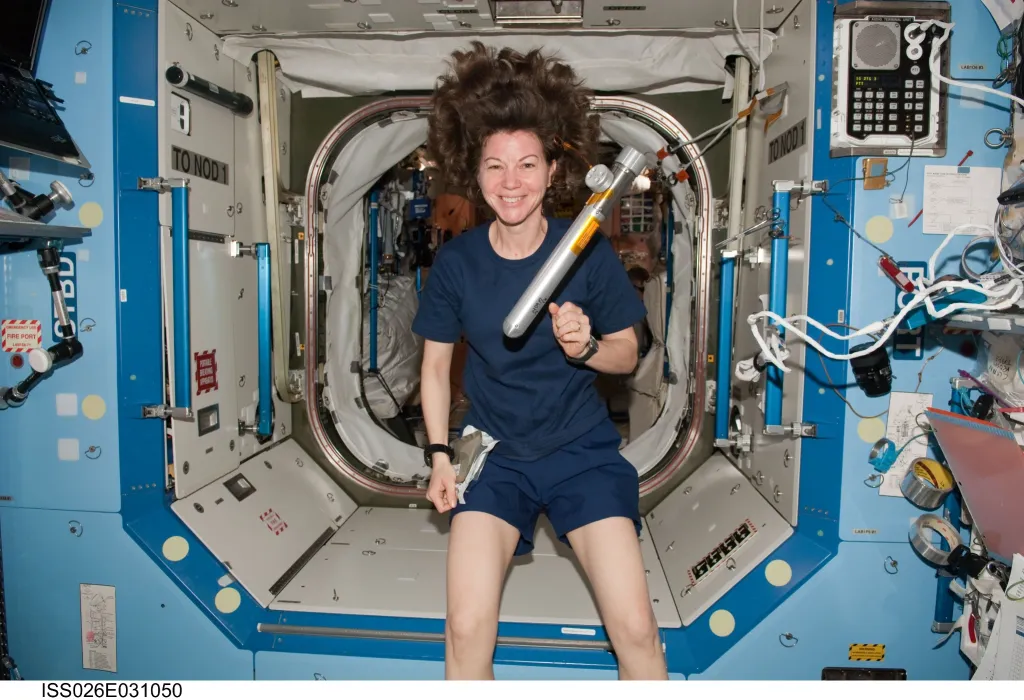
In the absence of gravity, astronauts’ feet don’t experience the daily stress they get on Earth. This can lead to decreased muscle mass and strength in the legs, as well as decreased bone density. To counter these effects, astronauts perform special exercises, use exercise equipment, and wear compression socks to maintain muscle tone and improve circulation in the legs.
Sources:
[1] NASA. (2019). Living in Microgravity: The Impact of Space Travel on the Human Body. https://www.nasa.gov/hrp/bodyinspace
[2] Kanas, N., Salnitskiy, V., Grund, E. M., Gushin, V. I., Weiss, D. S., Kozerenko, O. P., … & Sled, A. (2007). Psychosocial issues associated with long-duration spaceflights: a review of astronaut journal entries. Aviation, space, and environmental medicine, 78(5 Suppl), B37-44.
[3] Clement, G. (2017). Fundamentals of Space Medicine. Springer International Publishing.
Practical part
Acquaintance with the project “Creation of astrosocks to study the effect of microgravity on the body of astronauts”
Goals:
- study the anatomy of the foot
- study the shapes of shoes on the ground
- build a model of astrosock and visualize data using Arduino
- create solutions to mitigate the impact on astronauts’ feet
Life in microgravity
- The International Space Station is a large spacecraft orbiting the Earth.
- The space station orbits the Earth at a distance of 400 km and experiences 90% of the Earth’s gravity.
- It does not fall to the Earth, because it moves in its orbit at exactly the specified speed.
- Astronauts on the space station experience the Earth’s gravity and fall towards the Earth. We just don’t see it.
- Because they’re all falling at the same speed, the objects inside the station are in a state we call “weightlessness” (0g), or more accurately, microgravity (1×10⁻⁶g.).
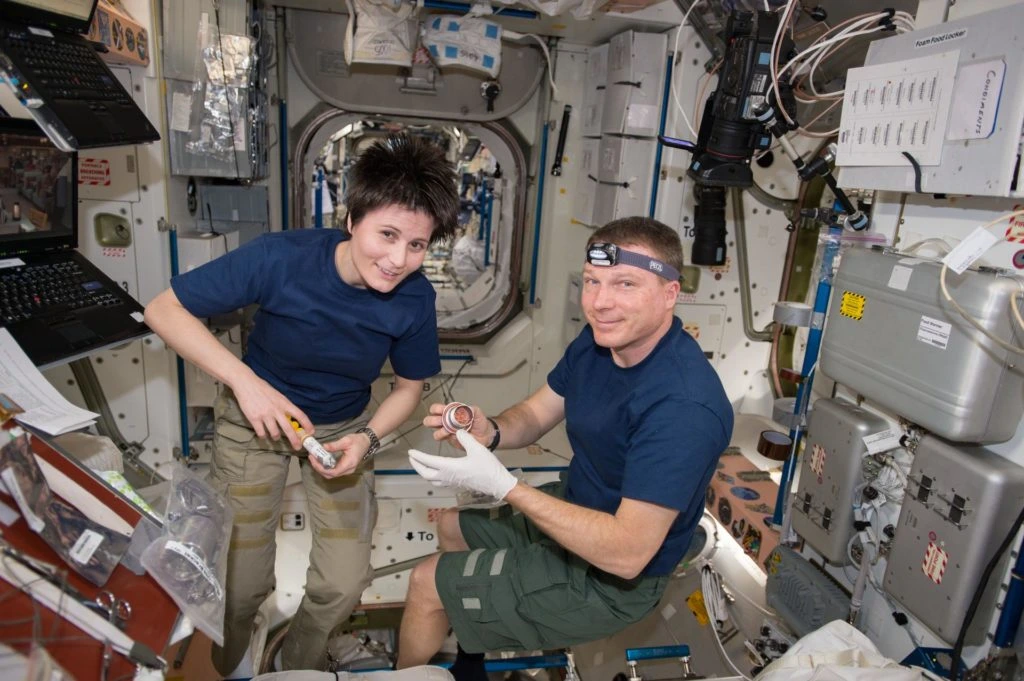
- Movement in weightlessness. Students should be asked the question – How do Astronauts move around the International Space Station?In microgravity or zero gravity, astronauts put a lot of pressure on their feet as they cling to handrails to move around and stop in a certain position.To stabilize their bodies, astronauts use various types of restraints for their arms, waist, and legs. Two main types of restraints are used for stabilization:Short term leg restraintsLong term leg restraintsThe restraints apply pressure, causing blisters to form on the top of the astronauts’ feet.Study of the anatomy of the foot and disease [1] that may occur, for example, wearing the wrong shoesA discussion of the form and function of running shoes [2] will serve as the main point after which students should pay attention to those things that are important for the feet of astronauts.