
Week 2
Theoretical part
Root zones
Root is an axial underground organ of vascular plants with unlimited terminal growth.
At the very tip of the root, like a thimble, a root cap is “put on” – several layers of closely spaced cells with thickened walls. The functions of this structure are to protect the division zone and facilitate the penetration of the root into the soil due to the formation of mucus by the collapsing outer cells of the cap. From the inside, the root cap is constantly growing due to the cells of the educational tissue (meristem).
The division zone consists of small constantly dividing cells of the apical meristem. This zone is found at the tips of all plant roots. Thanks to the apical meristem, the root grows in length.
The elongation (growth) zone consists of cells stretching in length, due to which the root is elongated. In the same zone, cell differentiation in structure and function begins. Surface cells turn into cells of the root skin (rhizoderms, epiblems). Conductive tissue cells form in the central part of the root.
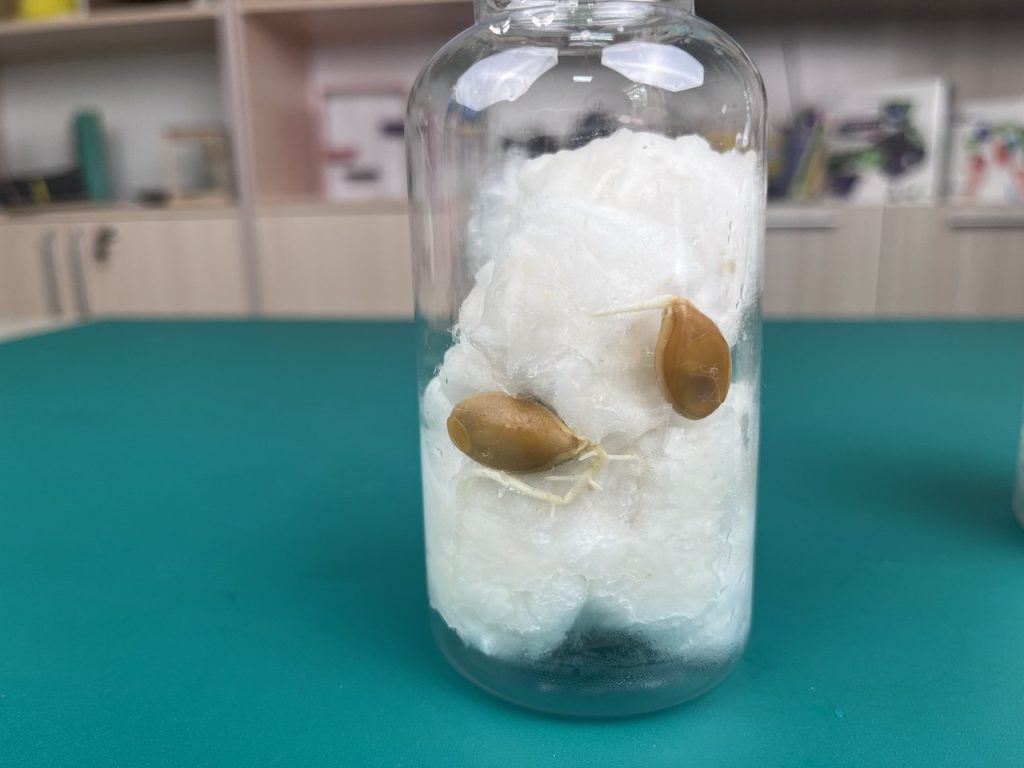
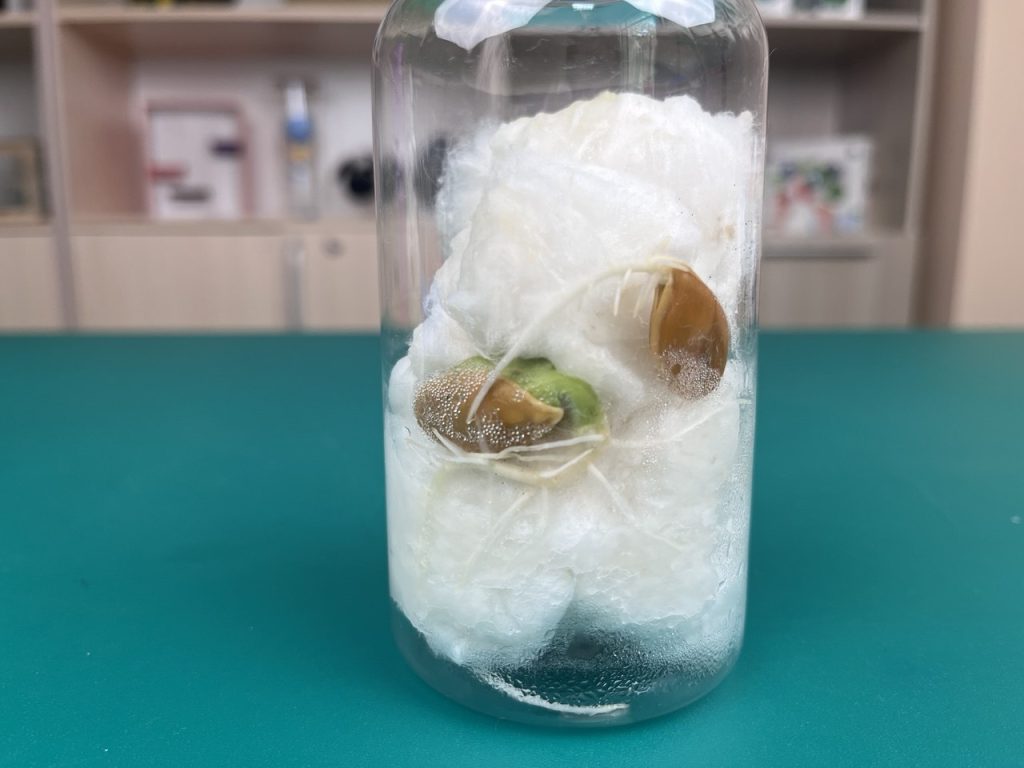
The suction (absorption) zone is covered on the outside with a thin integumentary tissue (rhizoderma). In this zone, the integumentary cells form outgrowths – root hairs. Root hairs are long thin filamentous cellular outgrowths into which the cell nucleus moves. The function of root hairs is to absorb water and minerals from the soil. As the root grows, they are destroyed, the root skin (rhizoderm) is usually replaced by a cork, and the suction zone is replaced by the conduction zone.
The holding zone continues to the ground parts of the plant. It contains the vessels of wood (xylem), through which water with minerals rises from the root, and sieve tubes of the bast (phloem), through which organic substances from the leaves enter the root.
Practical part
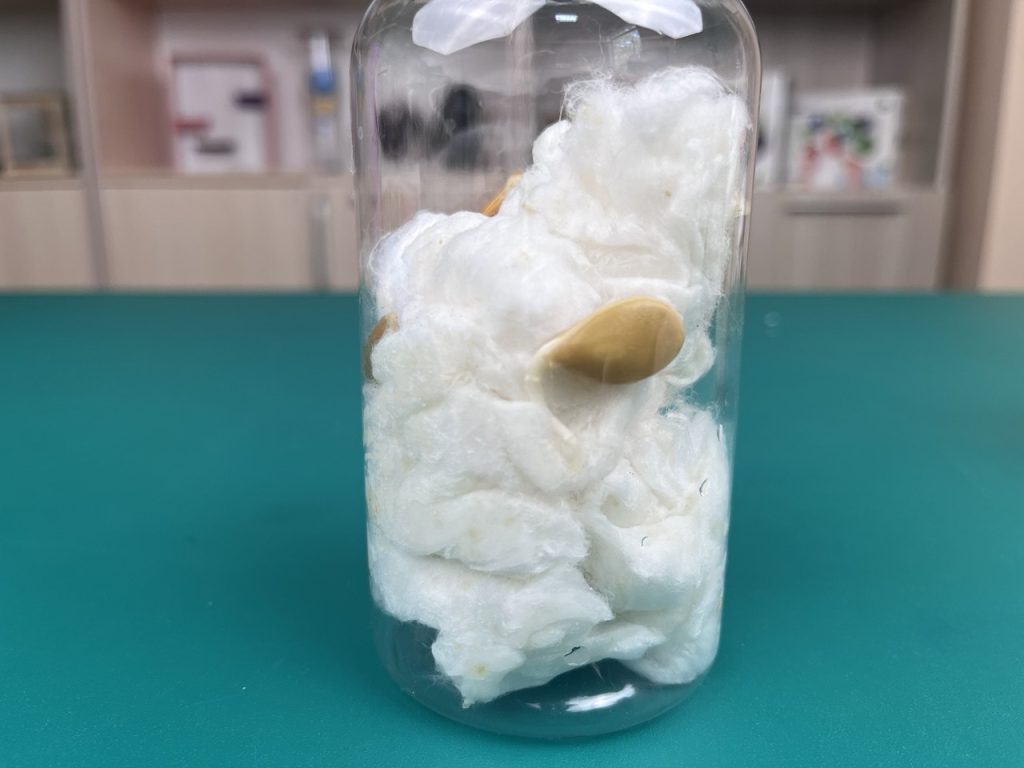
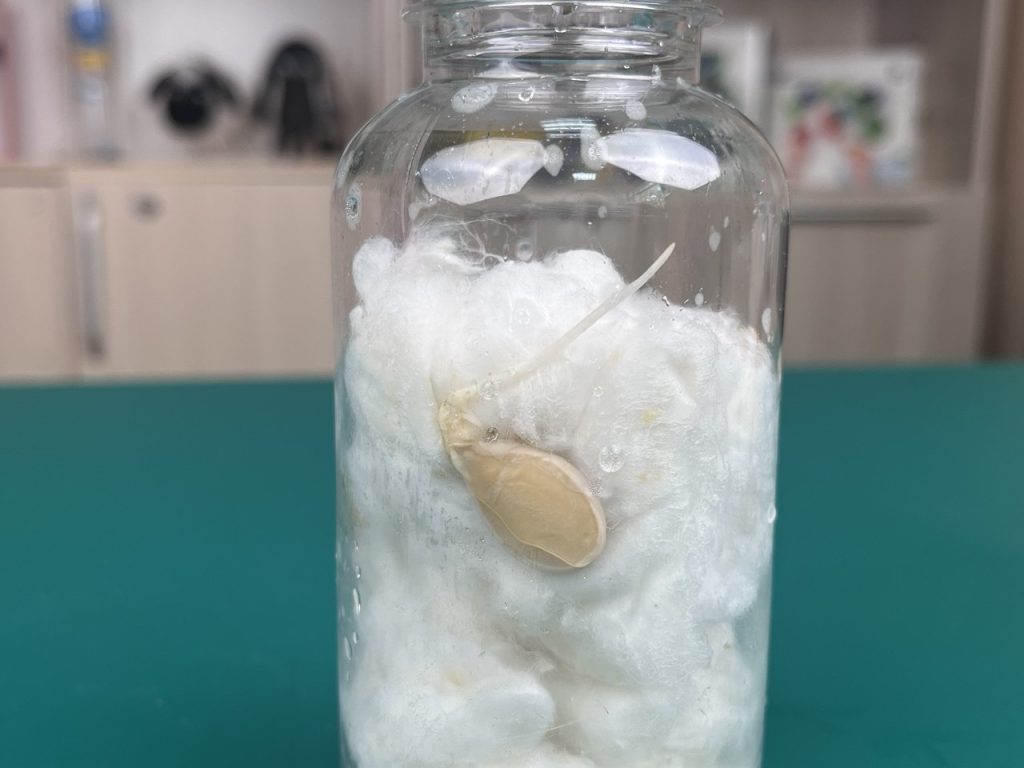
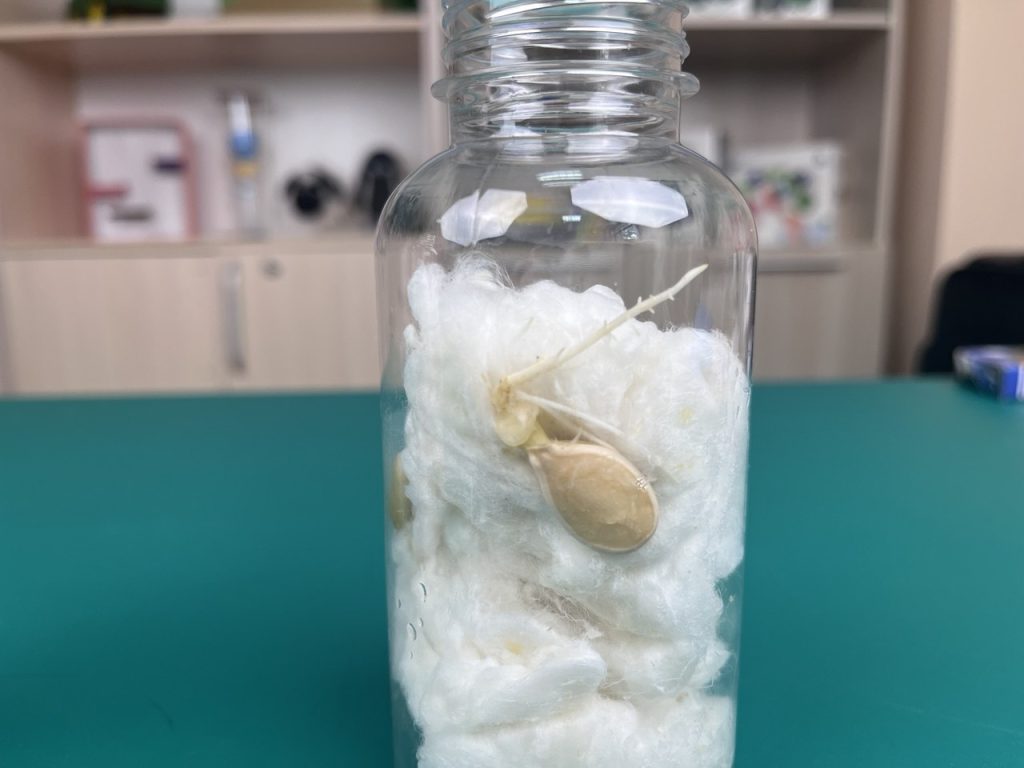

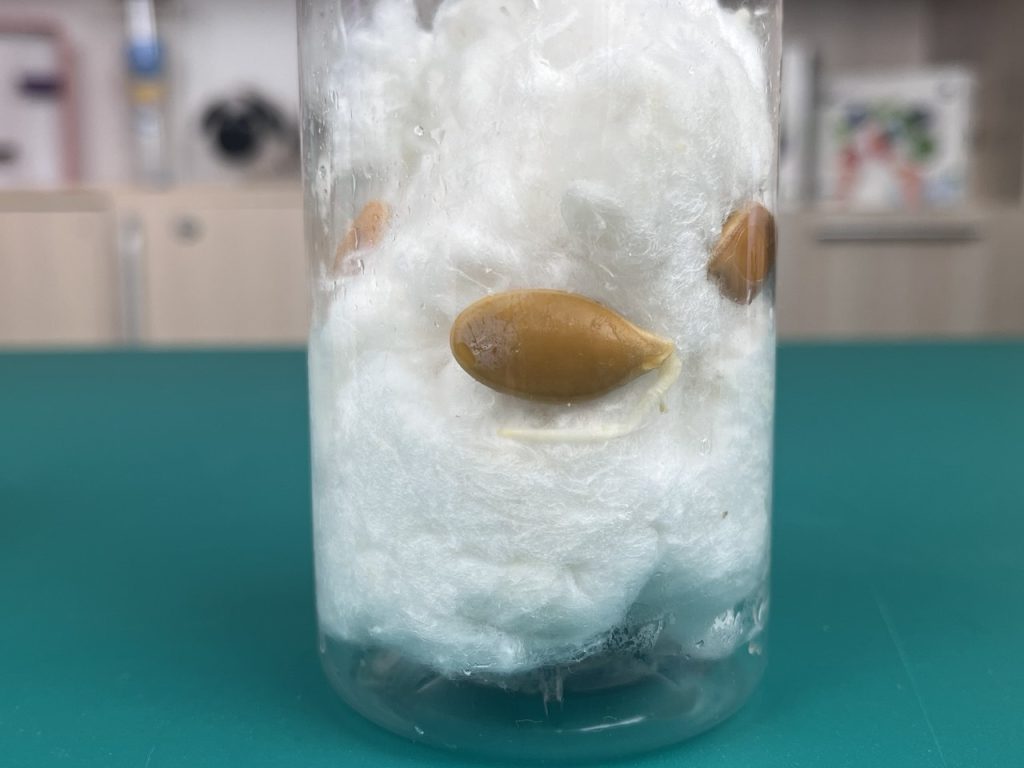

Conclusion
As a result of this study, students learned to determine the structure of the stem at the cellular level. They also supplemented their theoretical and practical knowledge while working with a microscope.
