
Lesson 1
Purpose of the work
Study of the oil industry of the Republic of Kazakhstan. Conducting research in the field of oil production.
Designing rod pumping units.
Designing an oil pumping mechanism. Physical and chemical analysis of oil.
Statistical data. Presentation.
Interdisciplinary communication:
– Chemistry (chemical technology, oil and gas production, etc.)
– Engineering/physics (electronics, electrolysis, work with measuring devices)
– Mathematics (collection and analysis of information, statistical data)
Teacher’s Guide
To evaluate the project, in the first week, provide this material (PBLrubrics) to students in order to:
– the students understood in advance what criteria they need to prepare for,
- students were able to independently assess their colleagues.
Before starting work, divide the class into teams of 4-5 students.
Follow the instructions when working with electronic devices (current).
Before the practical part, study all the necessary materials and devices.
Theoretical part
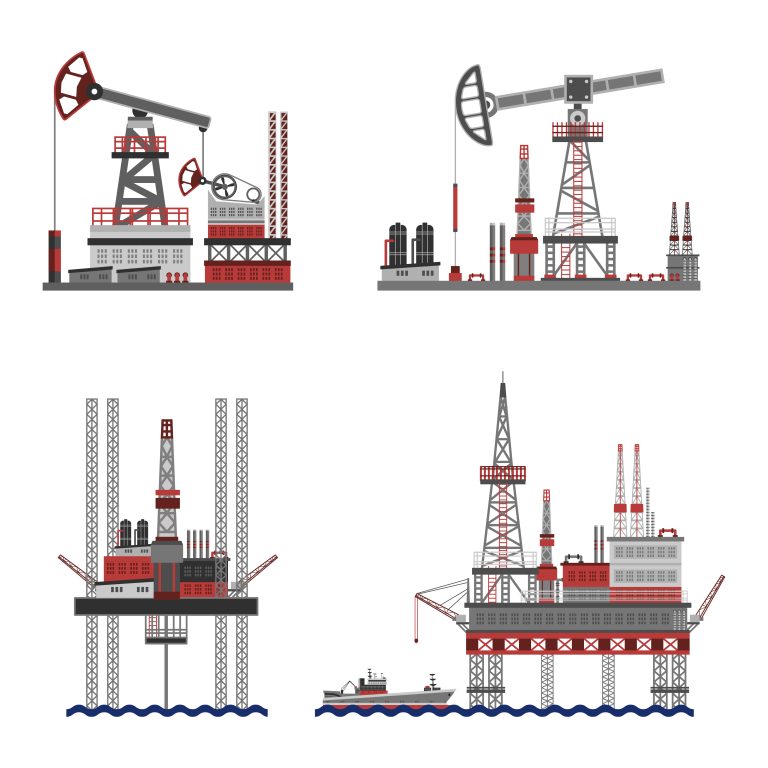
The oil and gas industry is one of the most important industries in the Russian Federation, so it is important to determine and select the most efficient, economical and safe way to extract oil. There are three main methods of oil extraction:
- fountain;
– gas lift;
- pumping.
With the flowing method, oil rises to the surface due to the natural energy of the reservoir. If there is not enough energy, then either a gas lift or a pumping method is used. The pumping method is subdivided into several more, depending on the type of pump or pumping unit used. Electric centrifugal pump installations (ESP), electric screw pump installations (UEVN), sucker rod pump installations (SHSNU) and others are used. About 65% of the production well stock is operated by sucker-rod pumping units. In the development of low-rate and hard-to-recover reserves, the share of the use of SHNU will increase.
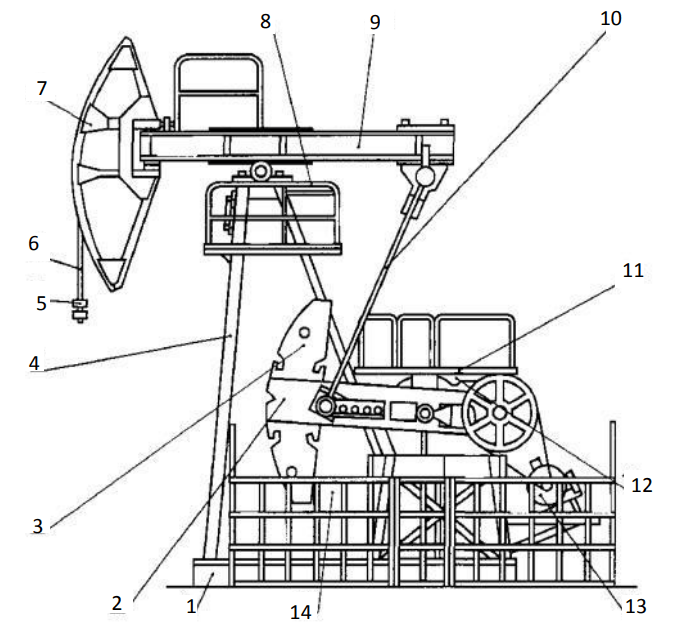
Balancing pumping unit: 1 – frame; 2 – crank; 3 – balancing device; 4 – rack; 5 – wellhead rod suspension; 6 – traverse; 7 – balancer head; 8 – upper platform; 9 – balancer; 10 – connecting rod; 11 – observation deck; 12 – reducer; 13 – drive motor; 14 – protective fence
Rod downhole pumping units (SHSNU) are designed to lift reservoir fluid from a well to the surface.
Sources:
- Штанговые скважинные насосные установки: конструирование и расчет: учебное пособие / А.Л. Попов, А.Н. Вихарев, А.Э. Абанов, М.В. Теселкин; Сев. (Арктич.) федер. ун-т. – Архангельск: САФУ, 2016. – 90 с.
- https://ru.freepik.com
Practical part
Step 1. Take ice cream sticks (wide) and divide in half.
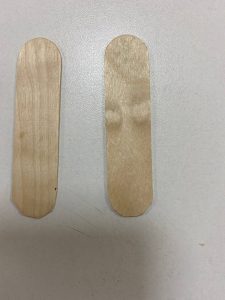
Step 2. And take another stick, also divide it in half and then make a hole at the ends.
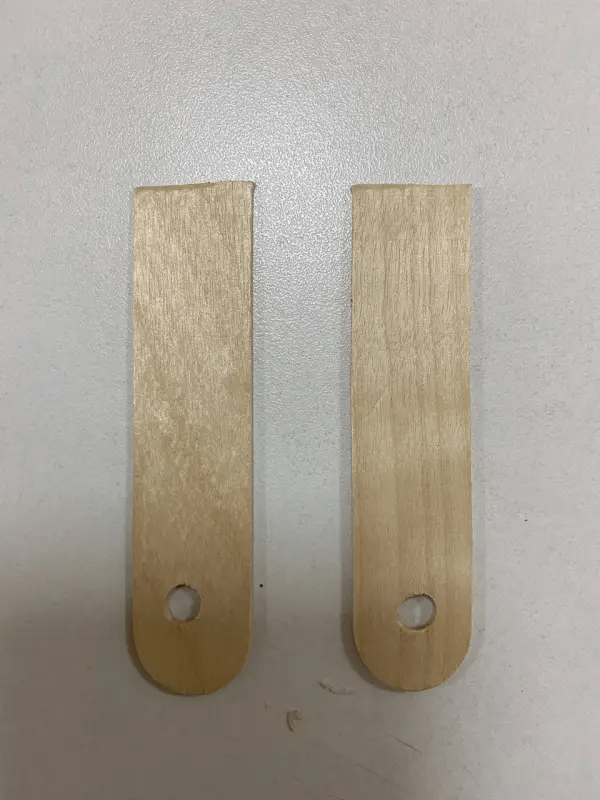
Step 3. Connect these parts with hot glue
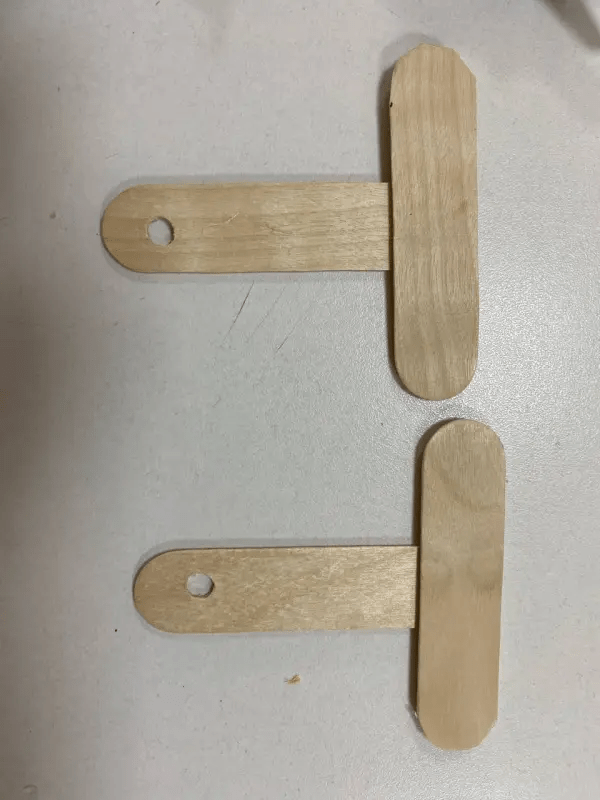
Step 4. Make another hole in the middle of the sticks
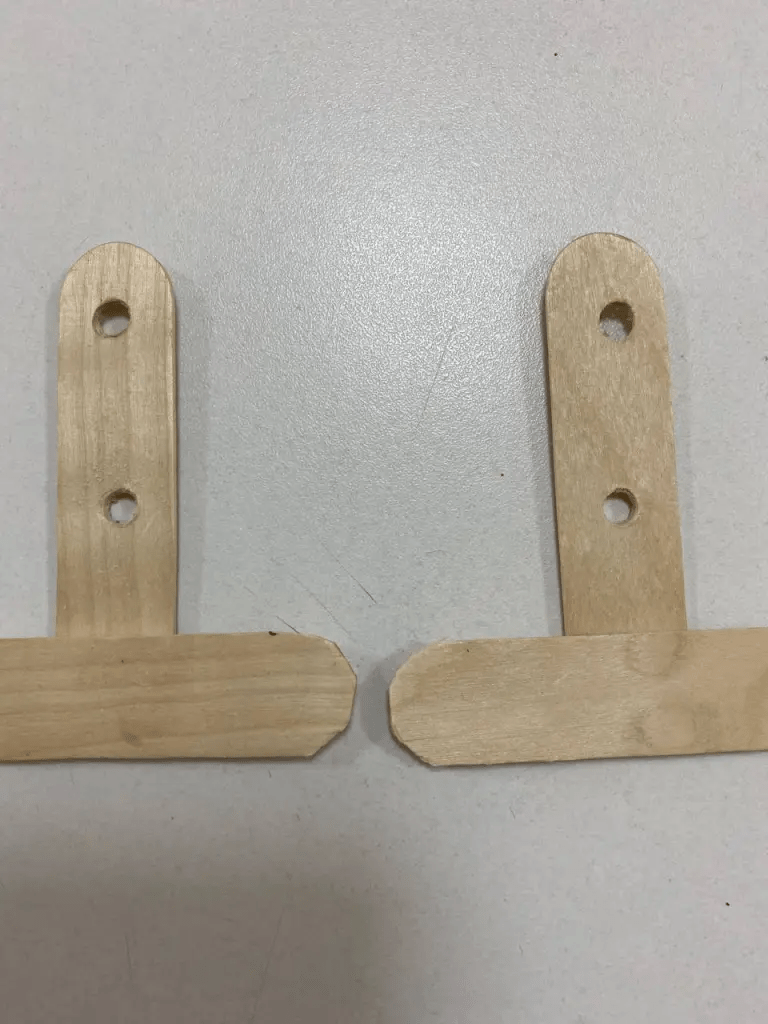
Step 5. Prepare a tube for juice and cut it 0.5 cm long.
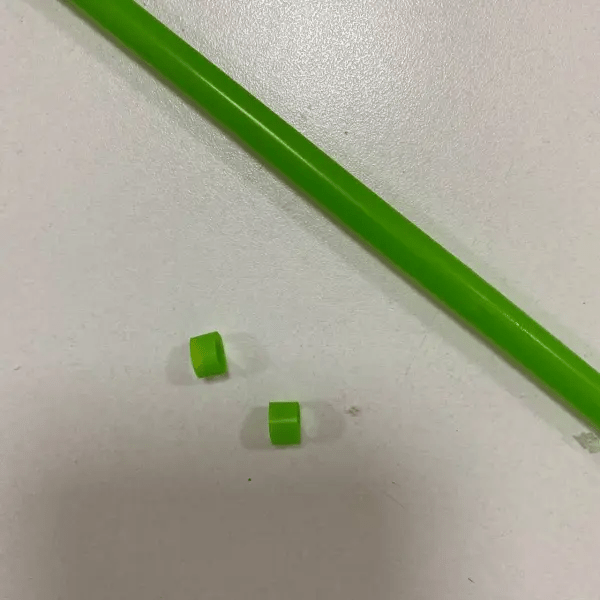
Step 6. Then pass the parts from the tubes into the motor shafts
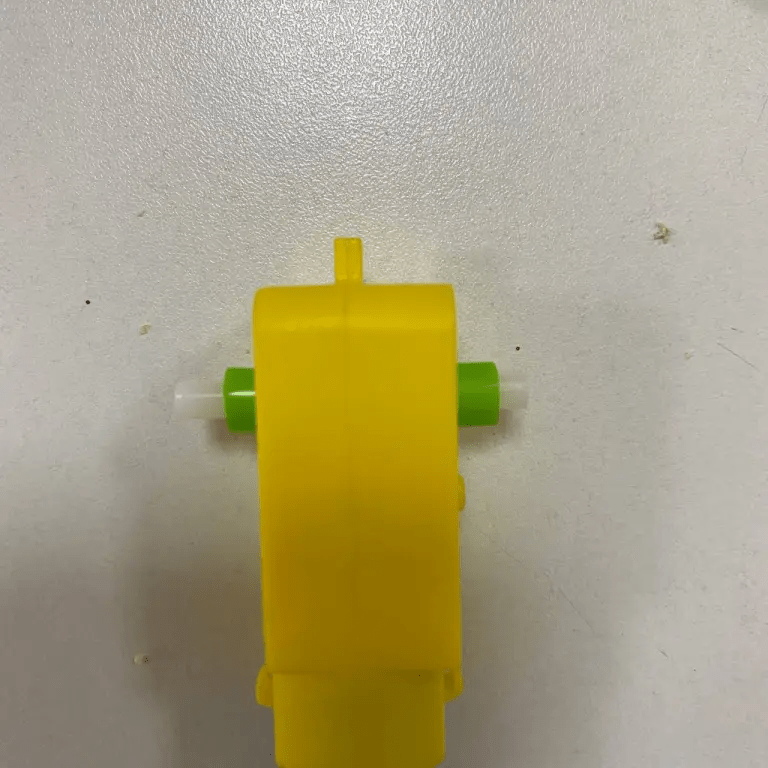
Step 7. And connect the prepared parts and secure with hot glue
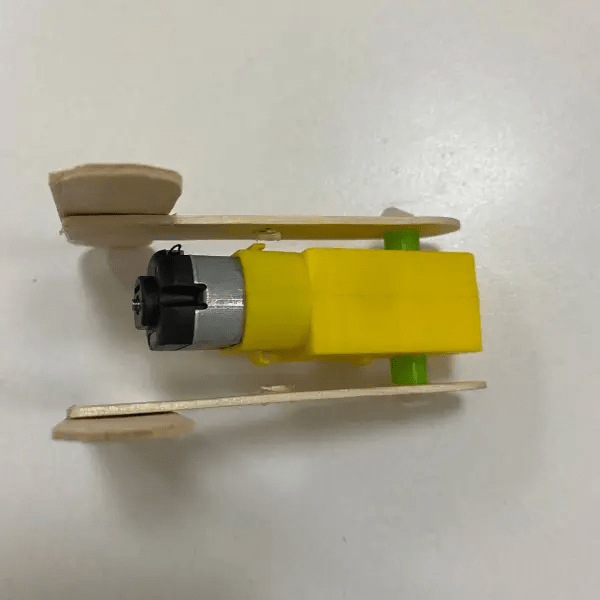
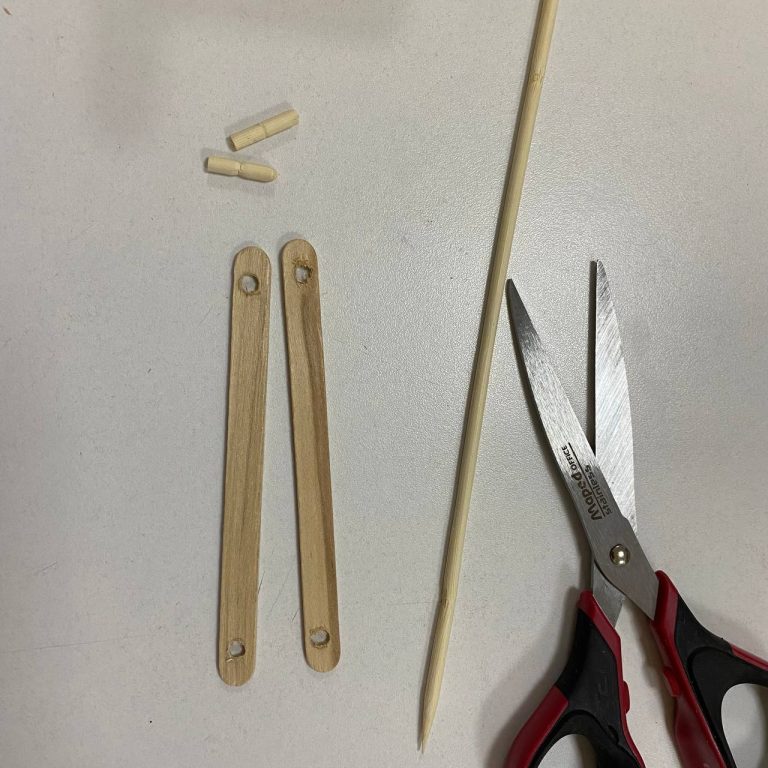
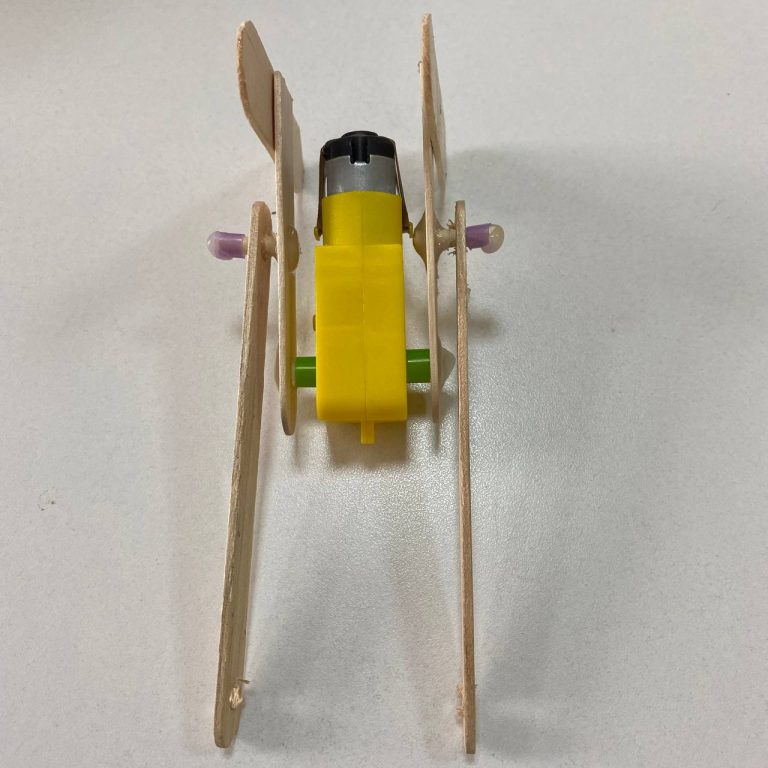
Step 8 Prepare 2 small sticks. Make a hole on both sides. And prepare 2 cm skewers.
After these sticks, fasten to the middle of the prepared parts and secure with hot glue as shown in the 2nd picture.
Home work
Make a study in the field of the oil and gas industry of the Republic of Kazakhstan with the whole group:
- Place of Birth. What field is there in Kazakhstan. List the names on the map. What is produced and in what quantity. As well as manufacturers (the company and the share of the Republic of Kazakhstan).
- Recycling. Where petroleum products are processed and produced. How many factories? Also, show on the map. What is mined and producers.
- What methods are used to extract oil.
- Prepare a presentation of your choice.
Each member of the group should be involved in the project and present with the group. Share responsibilities.