
7 grade. 4 lab. Lesson
The title of the laboratory work: Studying elastic deformations
Purpose of the work:
- Determine the stiffness coefficient from the graph of elastic force versus elongation.
Expected results:
- The elastic force is directly proportional to the elongation of the spring.
Teacher’s Guide:
- Divide the students to 3 students in each group.
- Before starting laboratory work, read the safety rules:
- To download the worksheet, please follow this link:
Theoretical part
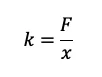
Elastic force is a force that arises in a body as a result of its deformation and tends to return the body to its original state. The elastic force is directly proportional to the elongation (compression) of the deformed body. Calculated by the formula:
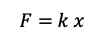
where F is the elastic force, k is the stiffness coefficient, x is the elongation (compression) of the spring.
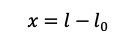
where l is the length of the deformed body, l0 is the initial length of the body.
Sources:
- Сила упругости, закон Гука. (2017). Физика. Учебник для 7 класса общеобразовательной школы.
Experimental part
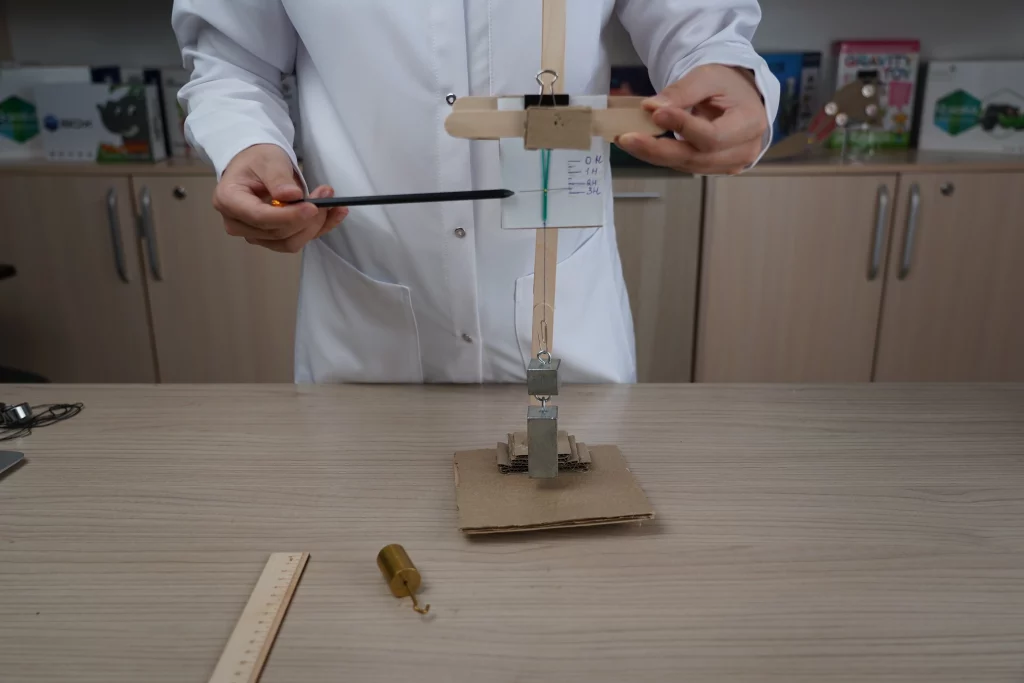
Experiment 1. Measuring the elongation of a spring at various values of gravity.
Procedure:
Step 1.
Attach the dynamometer to a laboratory stand.
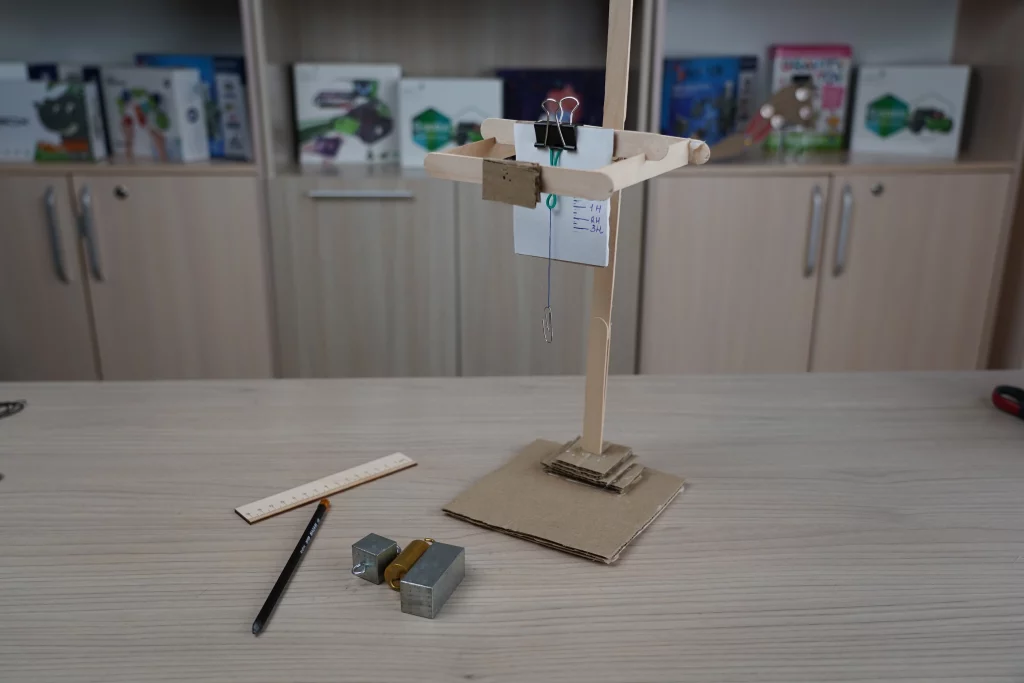
Step 2.
Hang a load of known mass to the dynamometer and measure the elongation. Enter the data into the table.
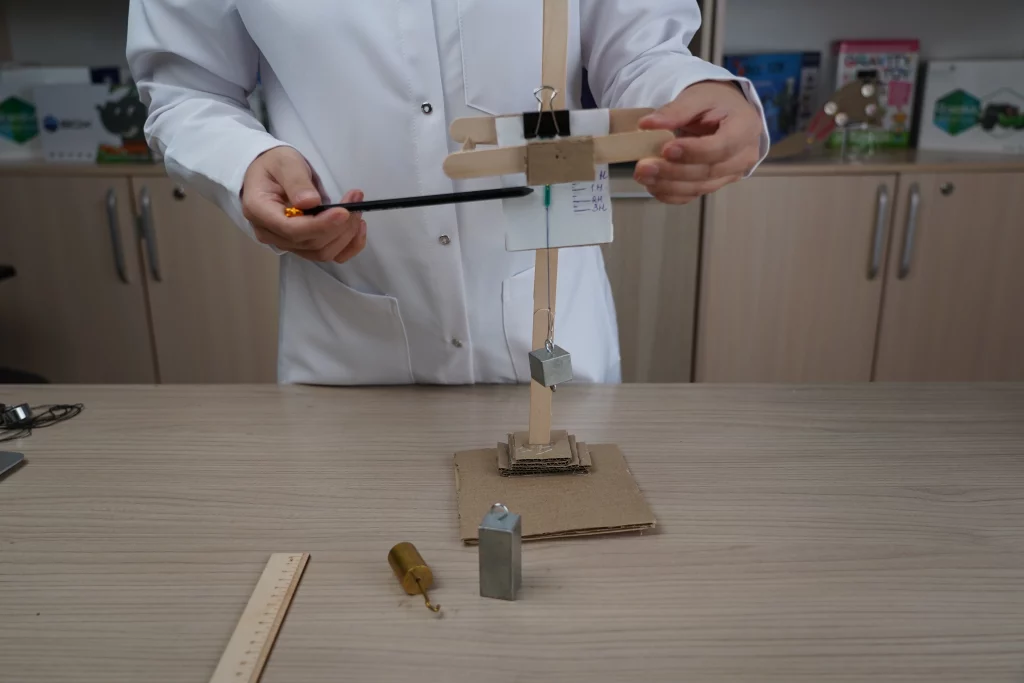
Step 3.
Repeat the previous step by hanging a larger load from the dynamometer, increasing the weight by equal parts. Measure the elongation and record the data in the table.
Experiment 2. Plotting a graph of the elastic force versus elongation, determining the spring stiffness.
Procedure:
Step 1. Based on the measurement results, construct a graph of the elastic force versus elongation.
Step 2. Select a point in the middle of the graph, determine the value of the elastic force and elongation.
Step 3. Calculate the spring stiffness using Hooke’s law:
Draw a conclusion.
Research part
| № | Mass of the weight m, kg | Force of gravity F=mg, N | Elastic force | Elongation |x|, m |
| 1 | ||||
| 2 | ||||
| 3 | ||||
| 4 | ||||
| 5 |
When deriving conclusions, answer the following questions:
- Why do we take the elastic force equal to the force of gravity?
- Under what condition is the graphical method used to find the average value?
Conclusion
The elastic force is directly proportional to the elongation of the spring.