
8 grade. Lab 3. Lesson
The title of the laboratory work: Electrical circuit assembly. Measuring current and voltage in various parts of it
Purpose of the work:
- Make sure that the current in different parts of the circuit consisting of series-connected devices is the same;
- Learn to measure voltage in different parts of a circuit.
Expected results:
- The current in a series connection is the same in different parts of the circuit;
- To measure the voltage on a section of a circuit, you need to connect a voltmeter in parallel to that section.
Teacher’s Guide:
- Divide the students to 3 students in each group.
- Before starting laboratory work, read the safety rules:
- To download the worksheet, please follow this link:
Theoretical part
Electric current – is a physical quantity, quantifying how many charged particles traveled through the wire in time t. It can be found from the formula:
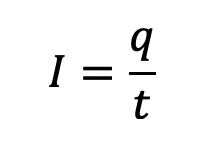
where I – is the electric current, q – is the charge, t – is the time it took the charges to travel.
The voltage of a section of a circuit is a physical quantity equal to the work done by the current to move a unit charge in this section. Calculated by the formula:
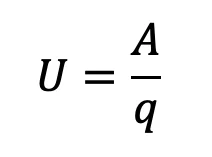
where U is the voltage, A is the work done to move a charge from one point to another, q is the charge.
Sources:
- Электрическая цепь и ее составные части, сила тока, напряжение. (2018). Физика. Учебник для 8 класса общеобразовательной школы.
Experimental part
Experiment 1. Measuring electric current.
Procedure:
Step 1. Determine the ammeter division value. Enter the result in the table.
Step 2.
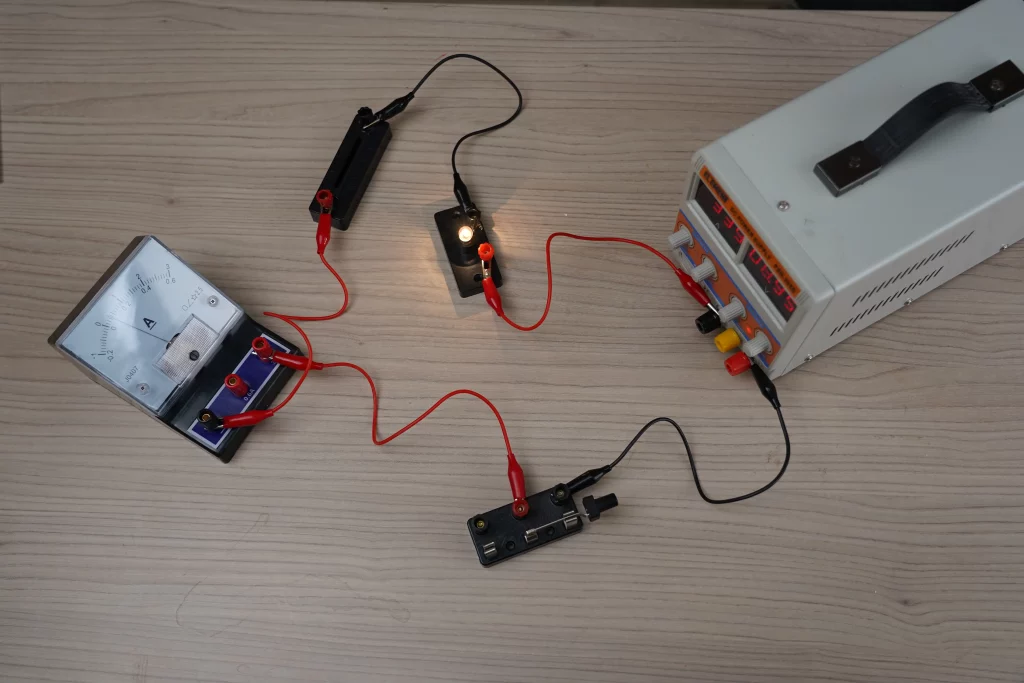
Assemble the chain as shown in the photo. Turn on the switch. Take the ammeter reading and record the result in the table.
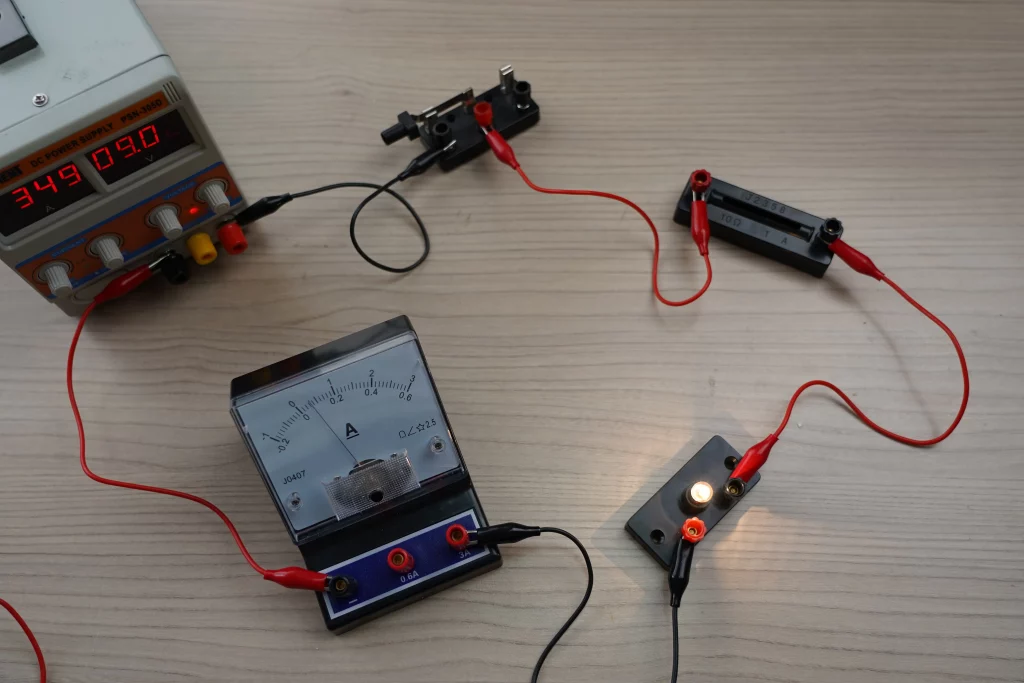
Step 3.
Turn off the switch. Change the position of the ammeter in the circuit in accordance with the photo and take the ammeter reading. Enter the readings into the table.
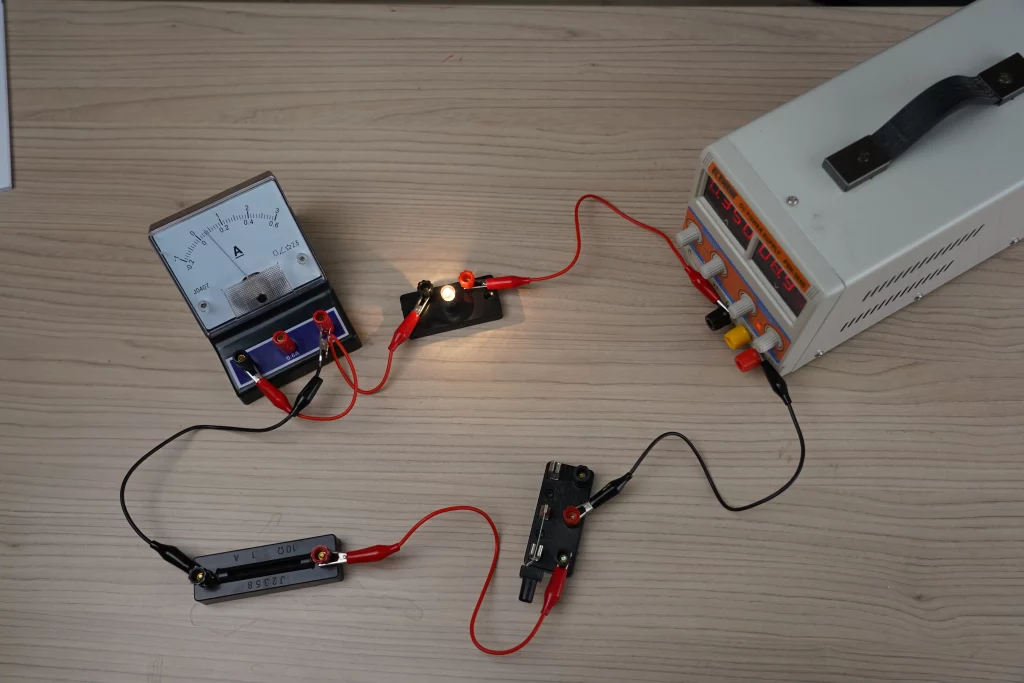
Step 4.
Turn off the switch. Change the position of the ammeter in the circuit in accordance with the photo and take the ammeter reading. Enter the readings into the table.
Step 5. Compare the readings for each case and draw a conclusion.
Experiment 2. Measuring voltage.
Procedure:
Step 1. Determine the voltmeter division value. Enter your result into the table.
Step 2.
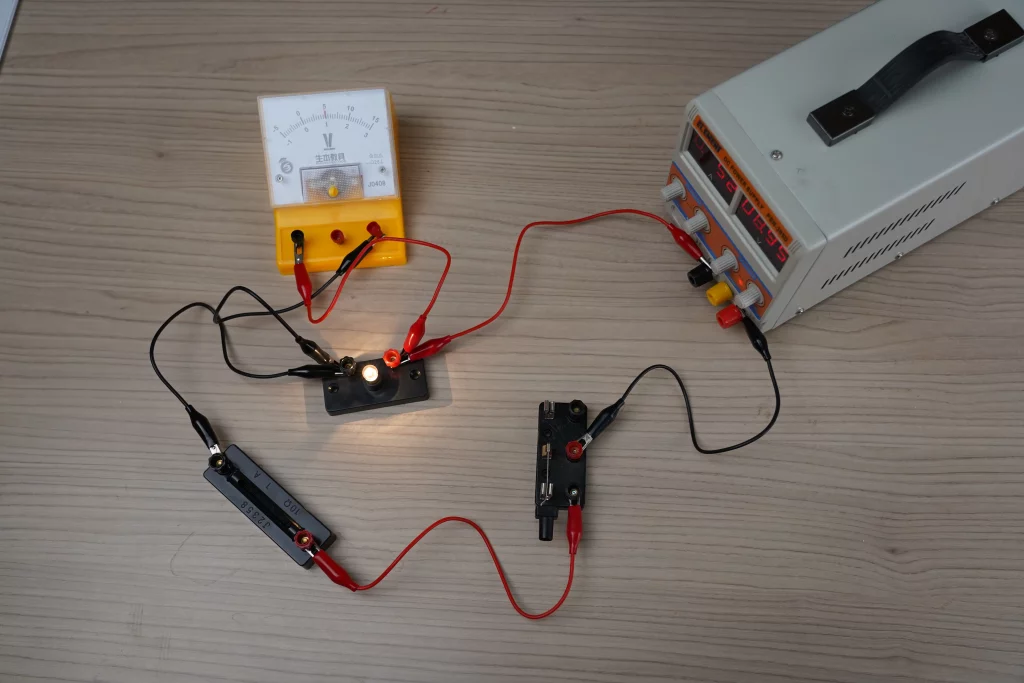
Assemble the chain as shown in the picture. Turn on the switch, take the voltmeter readings and write the result in the table.
Step 3.
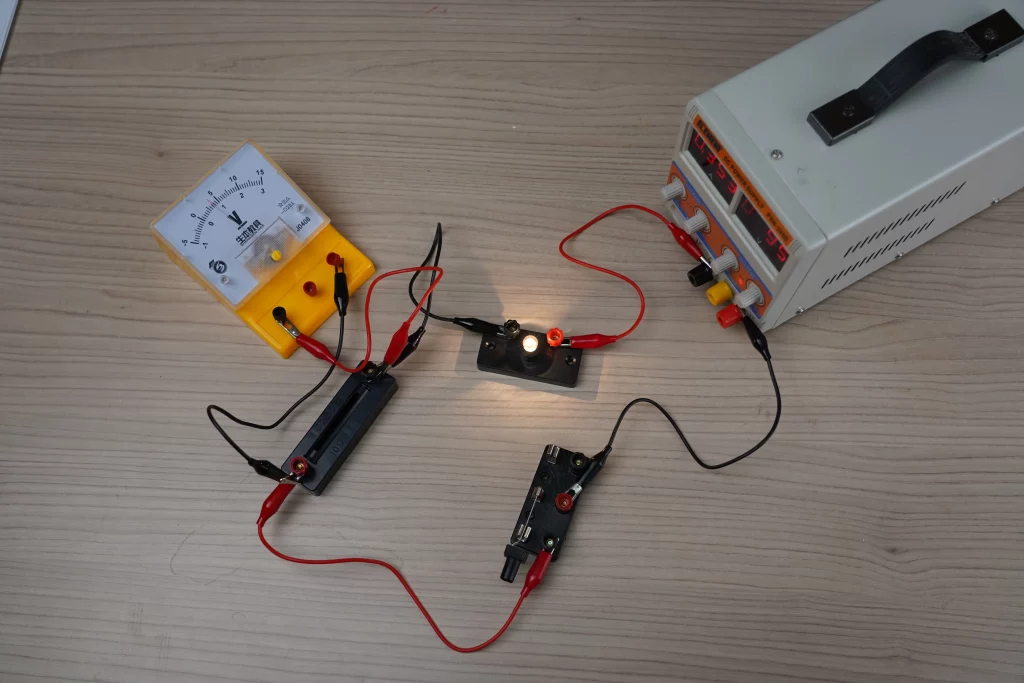
Turn off the switch. Reposition the voltmeter as shown in the figure. Take and record the readings in the table.
Step 4.
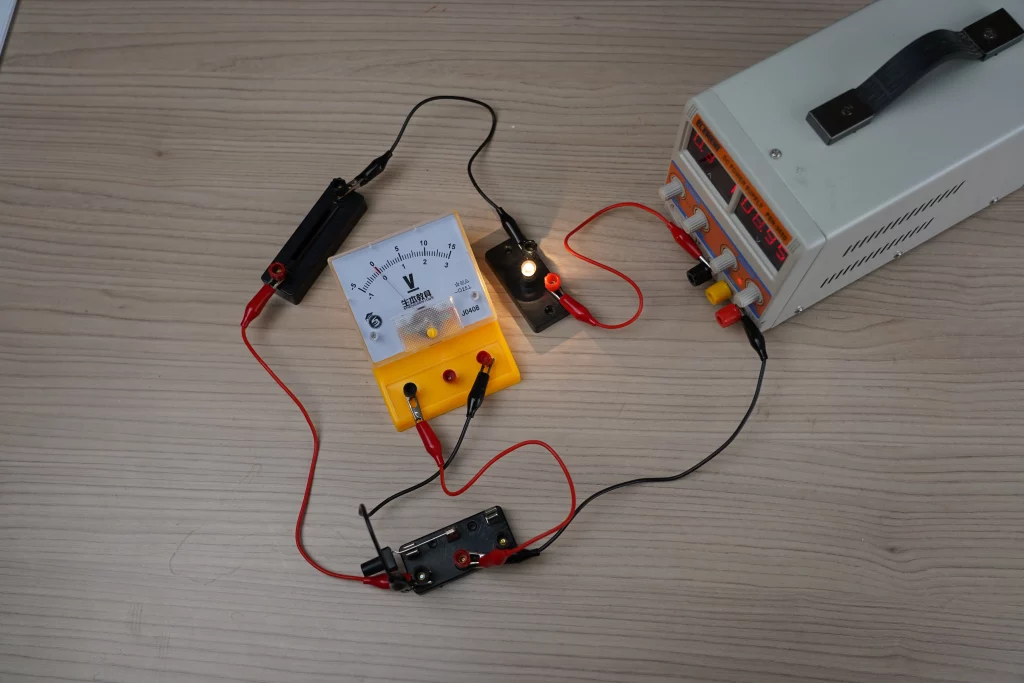
Turn off the switch. Change the position of the voltmeter, take readings and record them in the table.
Step 5.
Turn off the switch. Change the position of the voltmeter again, take readings and record them in the table.
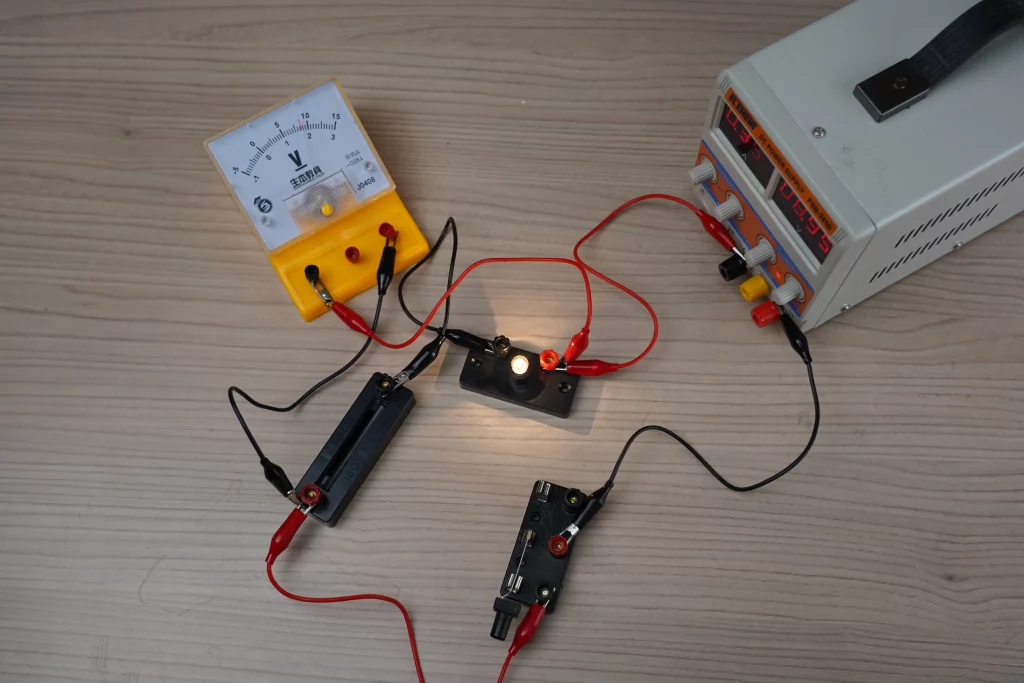
Step 6. Compare readings at different parts of the circuit. Draw a conclusion.
Research part
| Ammeter division value | I1, А | I2, А | I3, А |
| Voltmeter division value | U1, V | U2, V | U3, V | U, V |
When deriving conclusions, answer the following questions:
- What guess can you make based on the different voltage values?
- At which part of the circuit is the voltage greatest?
- In which part of the circuit is the voltage negligible?
- Is it possible to say that the voltage on two sections of the circuit is equal to the sum of the voltages on each of them?
Conclusion
The electric current in a series connection is the same in different parts of the circuit. The voltage when connected in series is different and the total voltage is equal to the sum of the individual section voltages of the circuit. To measure voltage, you need to connect a voltmeter in parallel.