
Lesson 1
Project objective
To study the types of electricity sources. Hydroelectric power station .
2. Make a working model of a hydroelectric power station from handicrafts and investigate the principle of its operation
A teacher’s guide
– In the experimental part of the project the pupils work in groups of 4-5.
– The students should be familiarized with the topics like Electricity, Electricity sources, Hydropower plant – principle of operation, Hydropower plant in RK.
– Before starting the experimental part, familiarise and provide the students with all the necessary materials.
– Give a brief instruction on how to use the hot glue (only the teacher uses it)
– Explain the PBL (project based learning) rubrics to the students at the beginning of the lesson. Skills 4K (critical thinking, collaboration, creativity, anticipation)
Safety in Steam lessons
It is recommended that teachers are fully aware of the safety procedures before the beginning of the lesson. If necessary (if they are using items specified in the PPE guidelines), brief the students. Visit Safety in Steam Lessons
Theoretical Part
Dear students, answer the questions:
– What kinds of electrical appliances do you have in your home?
– Where do these appliances come from?
– What are sources of electricity? Which ones do you know? List them.
– What is a hydropower plant? What does a hydroelectric power plant use to generate power?
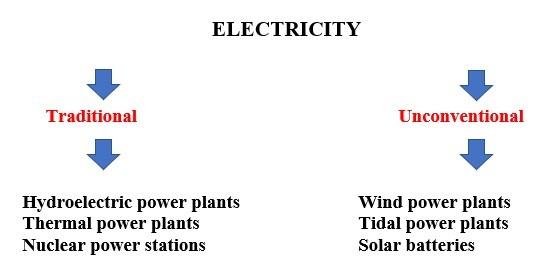
Many appliances need electricity to work. They are powered by the grid and receive electricity through wires, which comes from power plants. There are traditional and unconventional sources of electricity.
| Conventional sources of electricity | Photo | Description |
| Hydroelectric power plants | 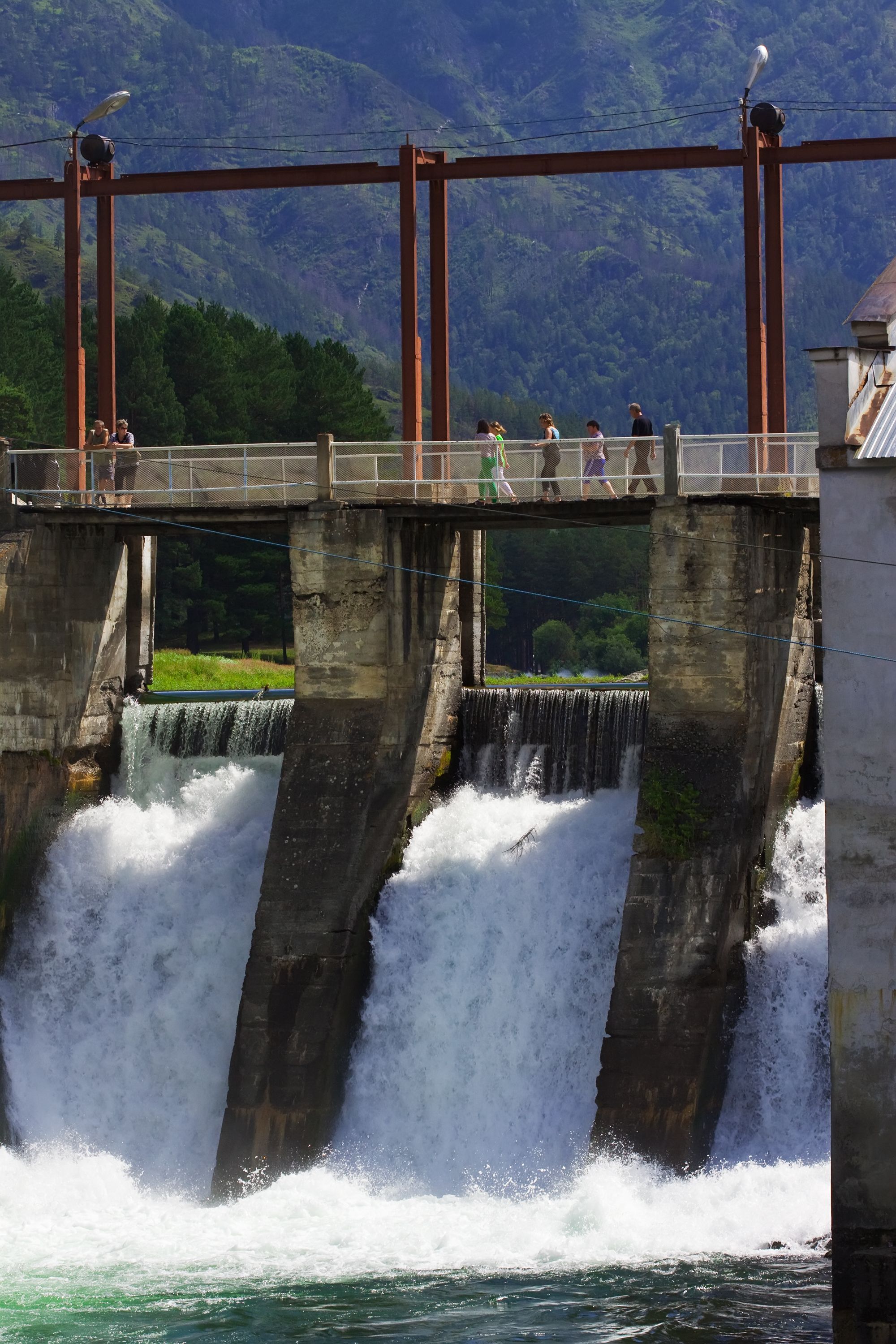 | They are built on large rivers. Here, the energy of the water flow is converted into electricity. |
| Thermal power plants | 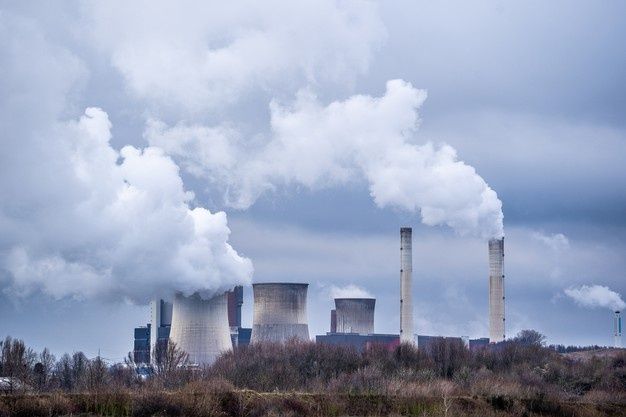 | These plants generate electricity by converting the heat energy produced by burning fuel (coal, oil, gas). |
| Nuclear power stations | 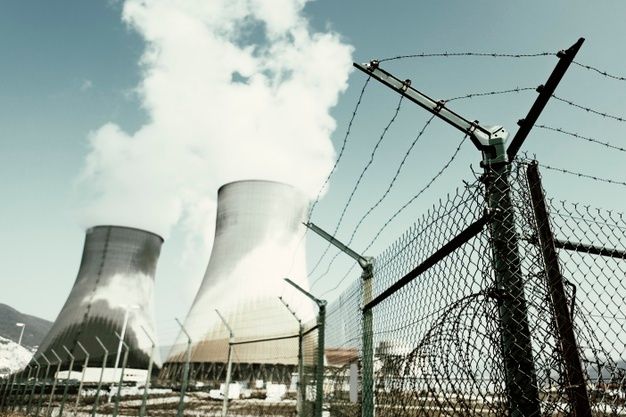 | These plants use nuclear power to generate electricity. |
| Unconventional energy sources | Photo | Description |
| Wind power plants | 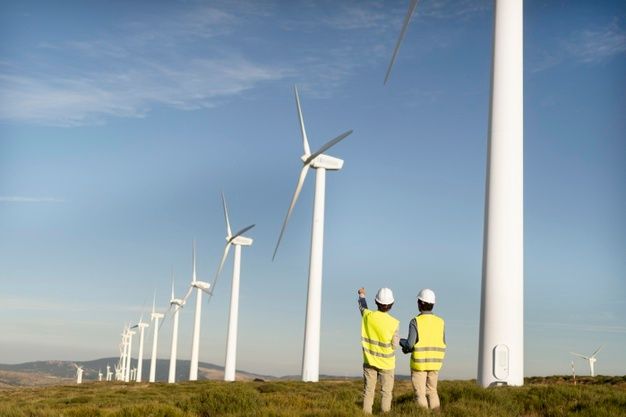 | They are capable of turning wind energy into electricity. This is a vane wind turbine system. |
| Solar batteries | 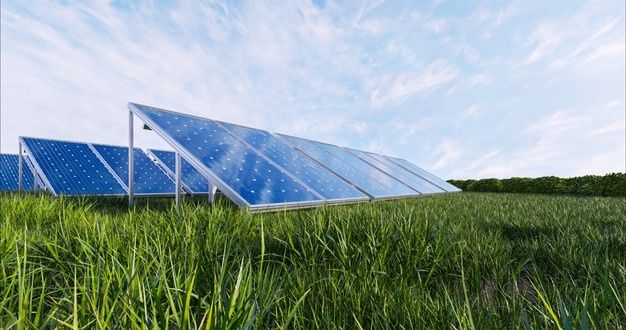 | They convert solar energy into electrical energy. In sunlight-rich countries, with hot summers and mild winters, the use of solar panels is very active. They are installed on the roofs of houses. Some devices, such as lanterns, use electricity stored in batteries. |
| Tidal power plants | 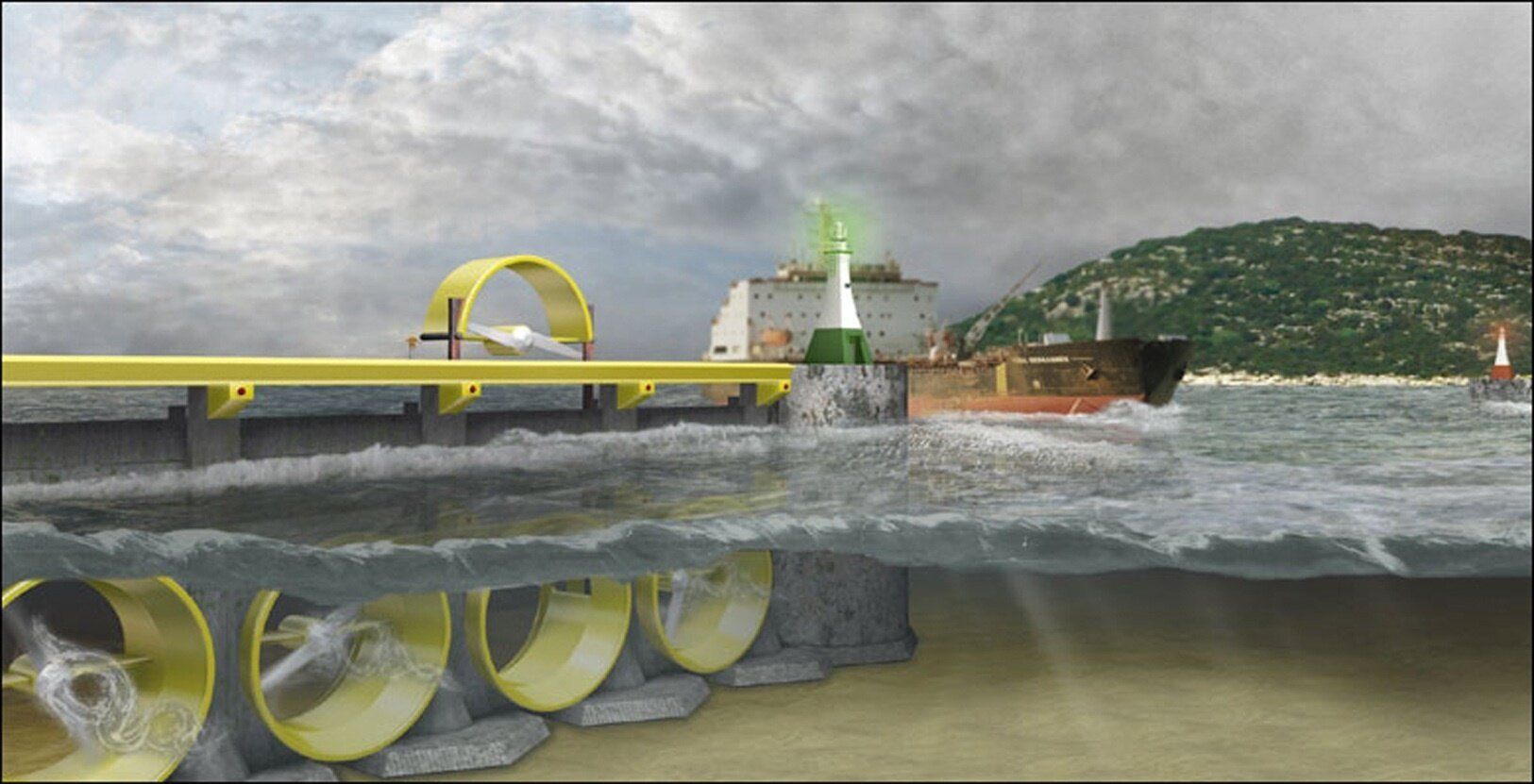 | They harness the tidal energy of the world’s oceans. Twice a day, the level of the ocean rises and falls. They are built on the shores of seas and oceans. |
Hydropower plants in Kazakhstan
There are many hydropower plants in Kazakhstan.
Here are some of them
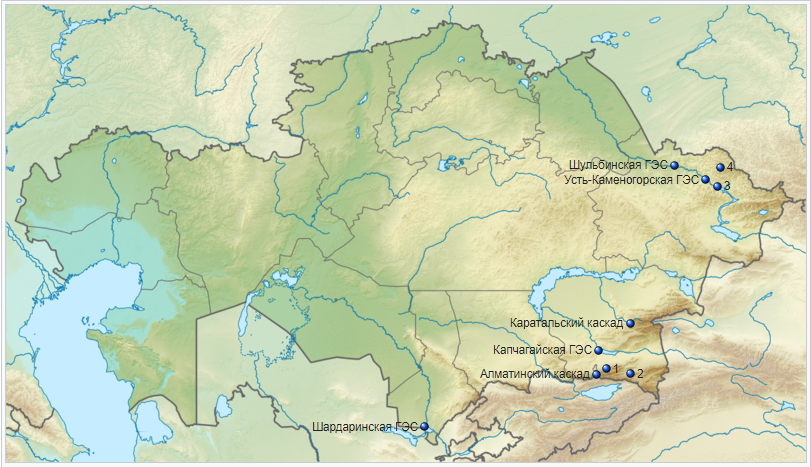
Source: https://upload.wikimedia.org/wikipedia/commons/b/b3/Relief_Map_of_Kazakhstan.png
Practical part
On this project the pupils will make a hydroelectric power station as shown in the video.
Step 1: Divide into groups. Study all the necessary materials.
Step 2 Next, make a tower for the water tank. Use popsicle sticks for this.
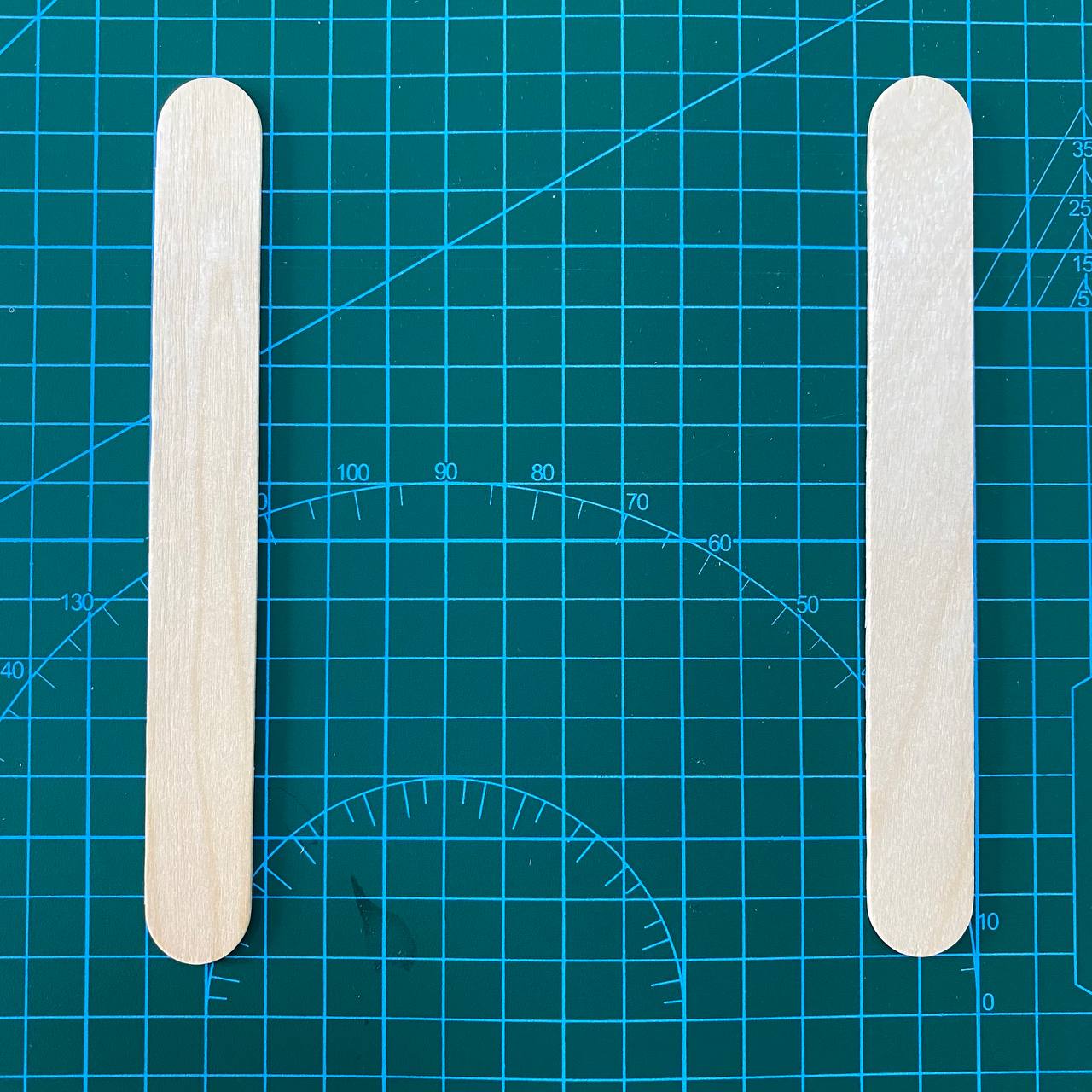
Step 3: Apply thermal adhesive in the right places
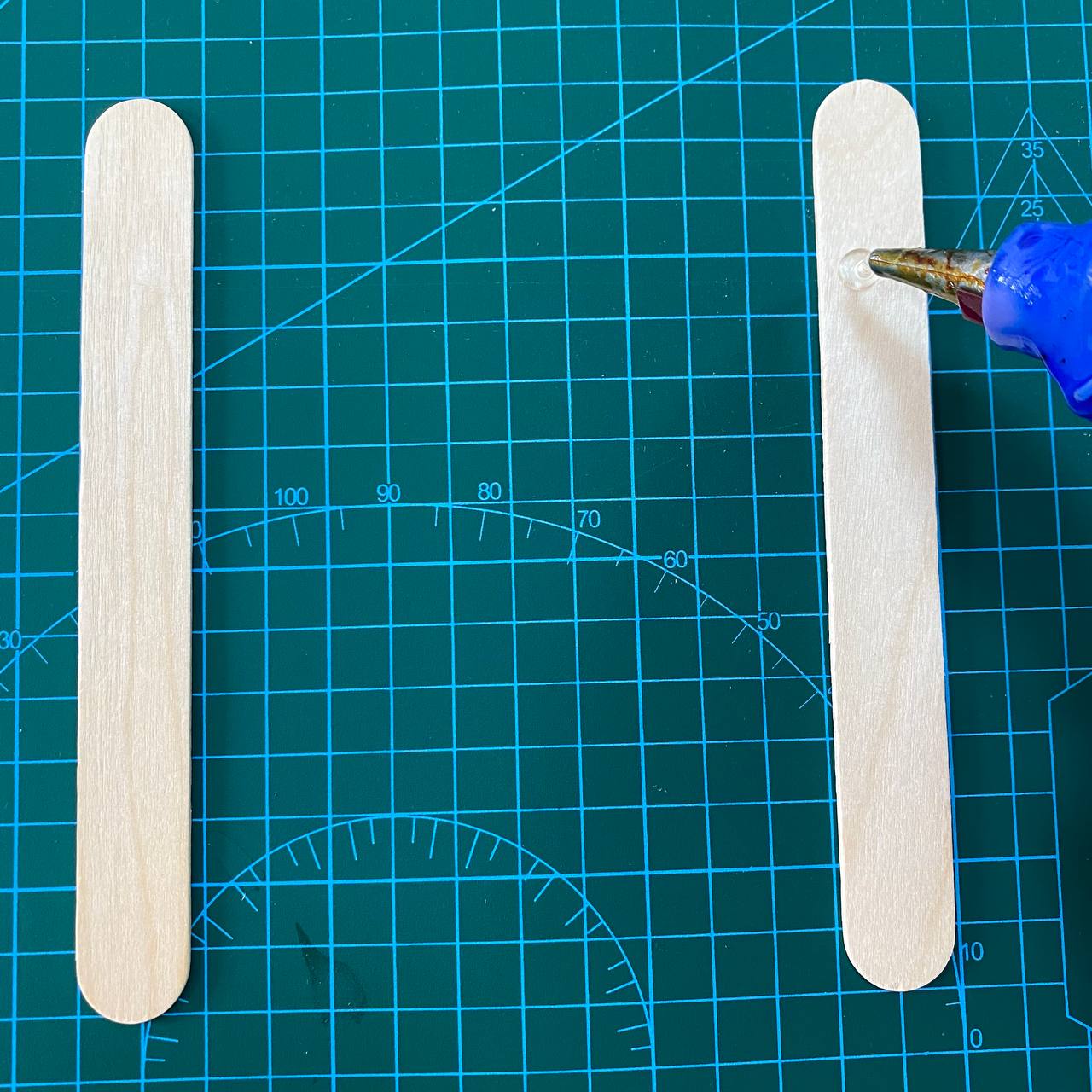
Step 4: Use hot melt glue to make a square out of the popsicle sticks

Step 5: Next, cross-connect 2 more sticks using hot-melt glue
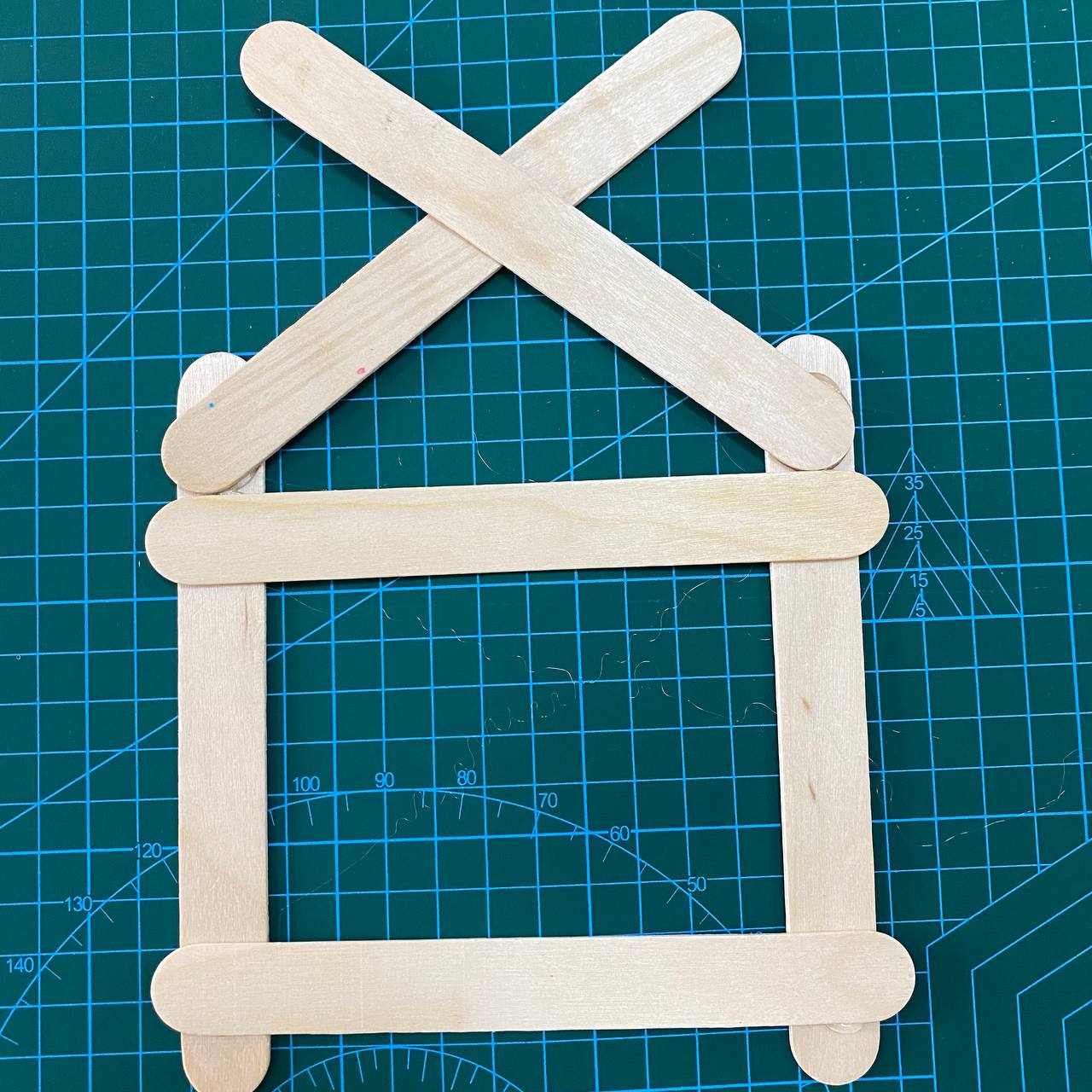
Step 6: Make identical parts like this
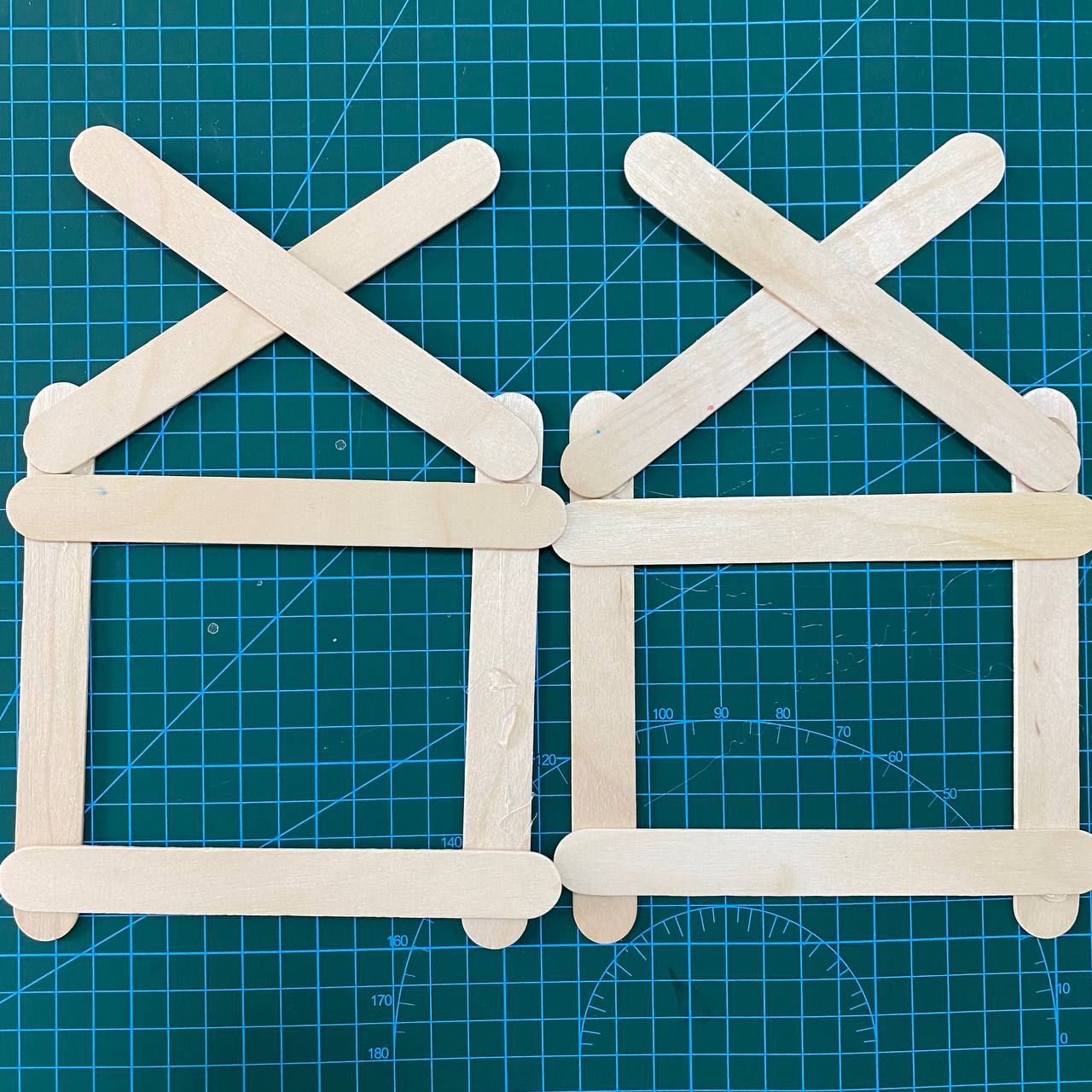
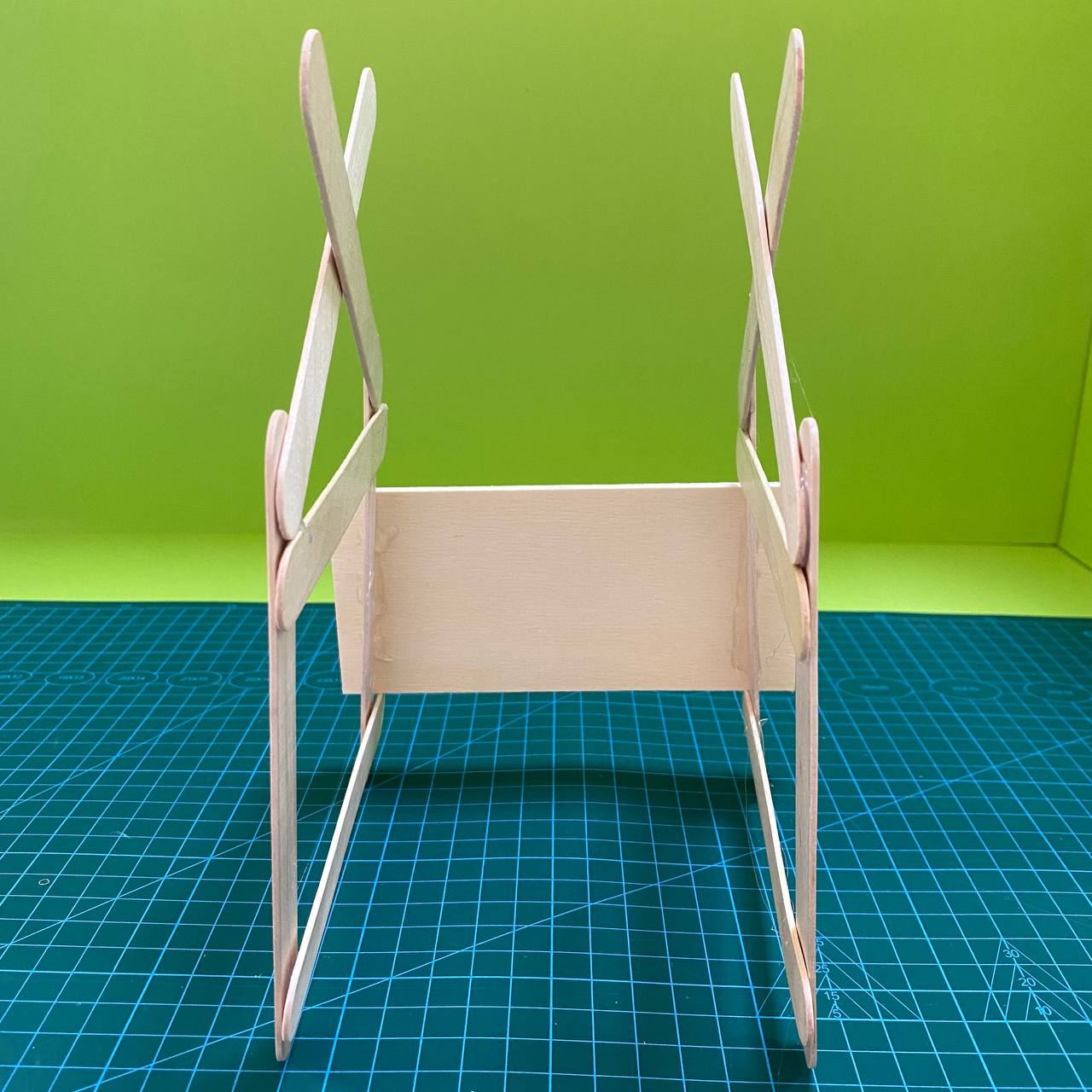
Step 7: Use plywood or popsicle sticks to connect the previous parts
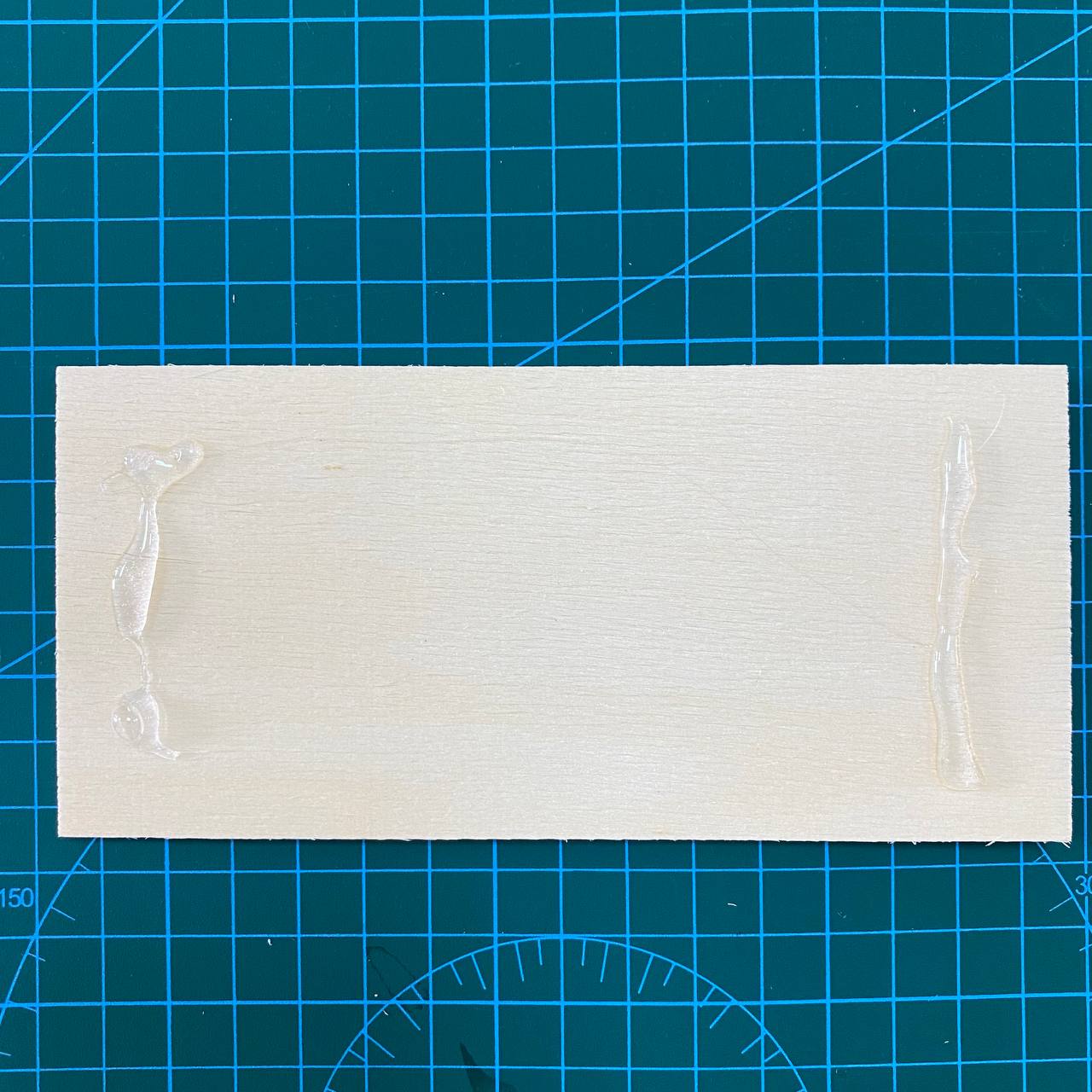
Step 8. Connect one side of the plywood (or stick)
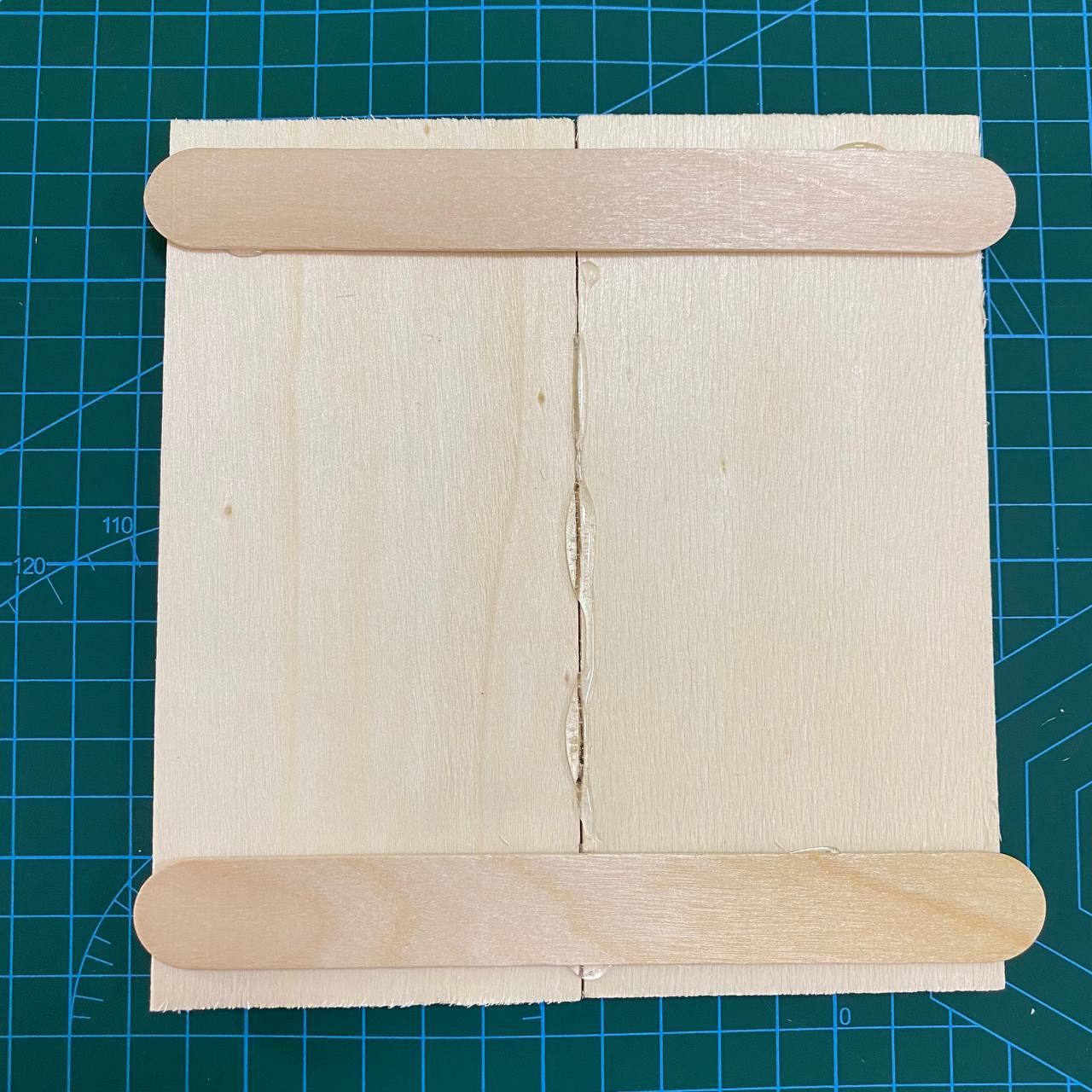
Step 9. Using 2 boards and 2 sticks, make a support for the bottle.
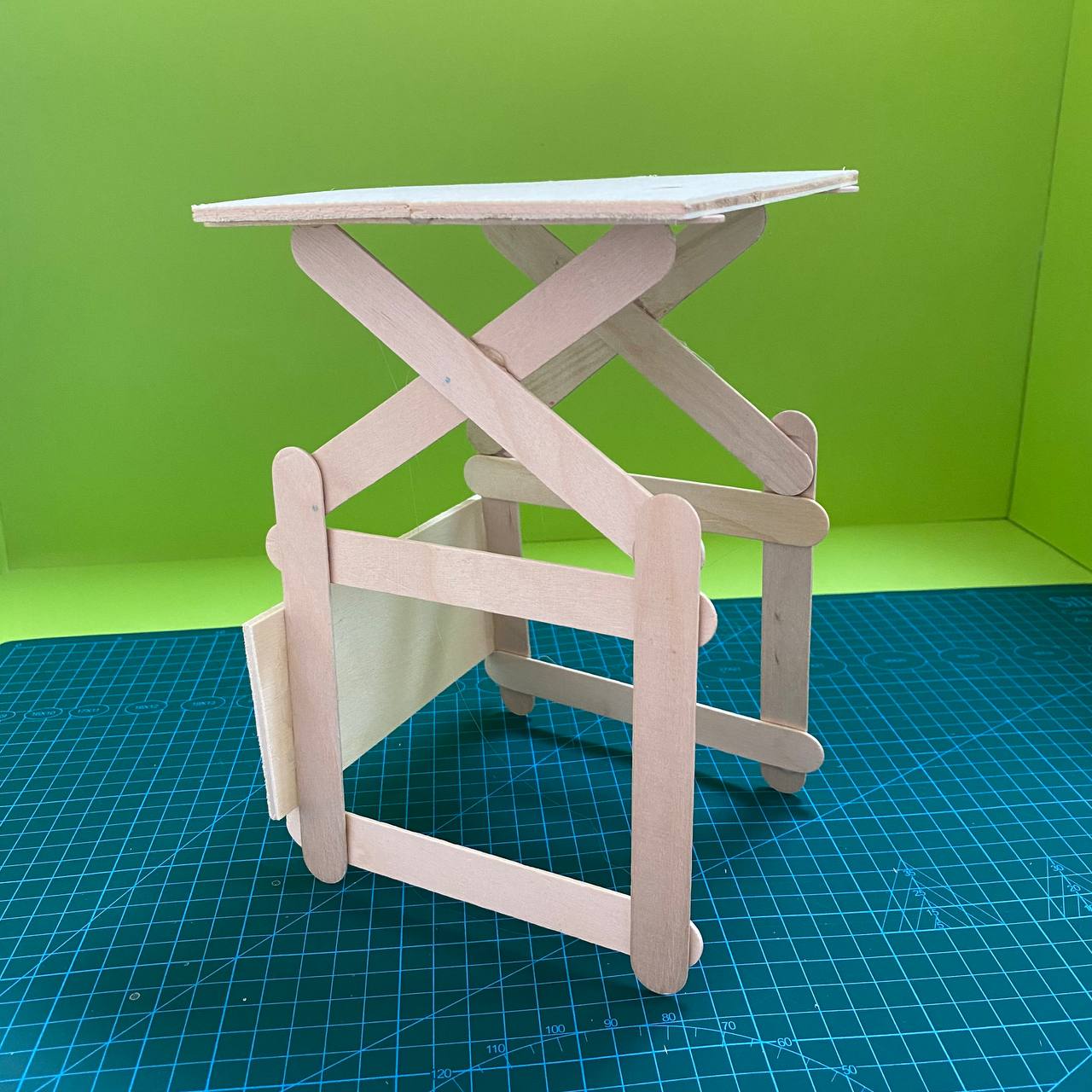
Step 10. Join the tower to the stand using hot melt glue. The construction should come out like this.
Take-home work
1. leave your materials in the boxes until the next lesson.
2. Think about it, ask an adult how a hydropower plant works.
3. in the next lesson, you will continue to build a model HPP. Think about what you would add, what other power plants you could make with your own hands.