Lesson 2
In the second week you will continue with the construction of a hydroelectric power station.
Practical part
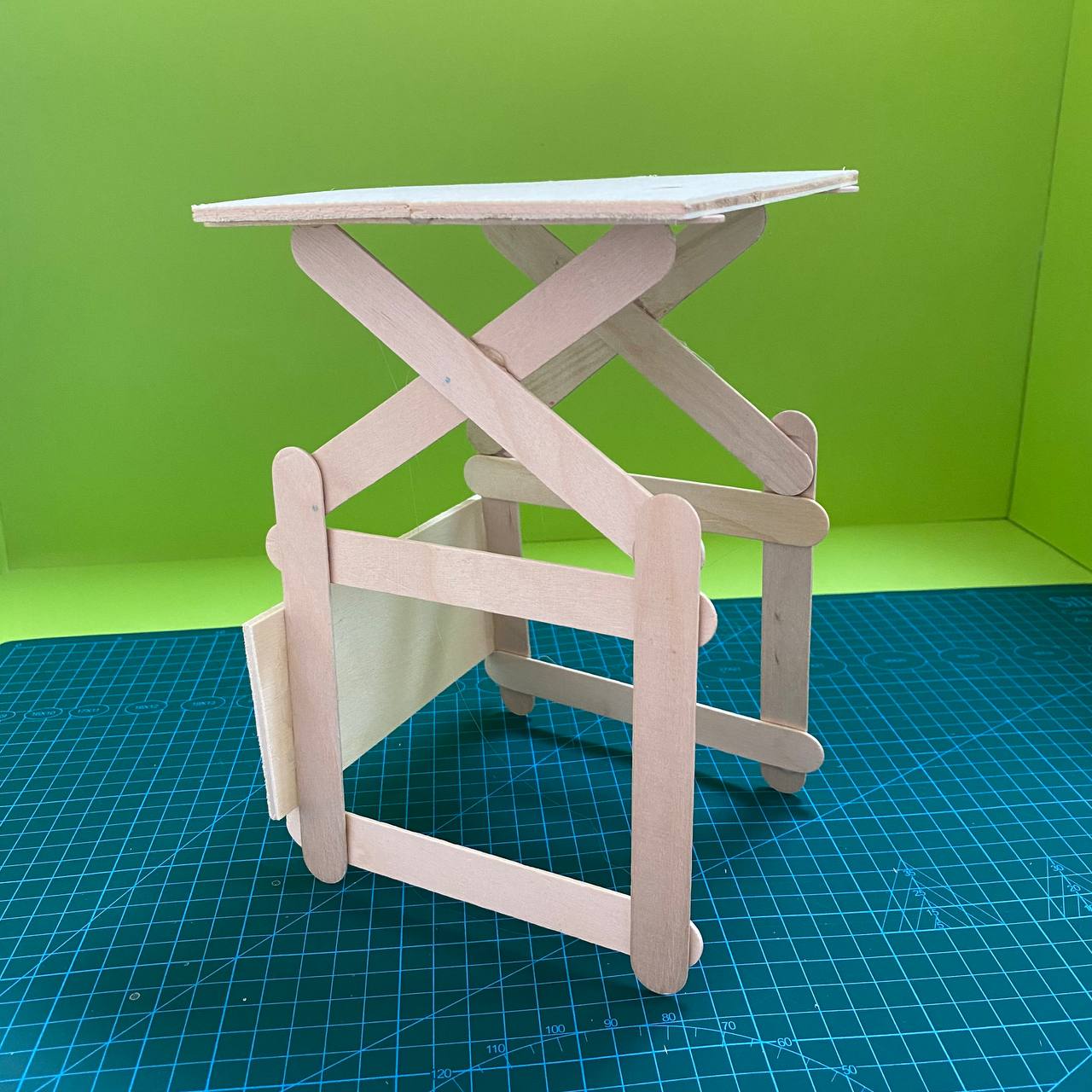
Step 1: Prepare the parts you made in the last lesson. Remember where you left off.
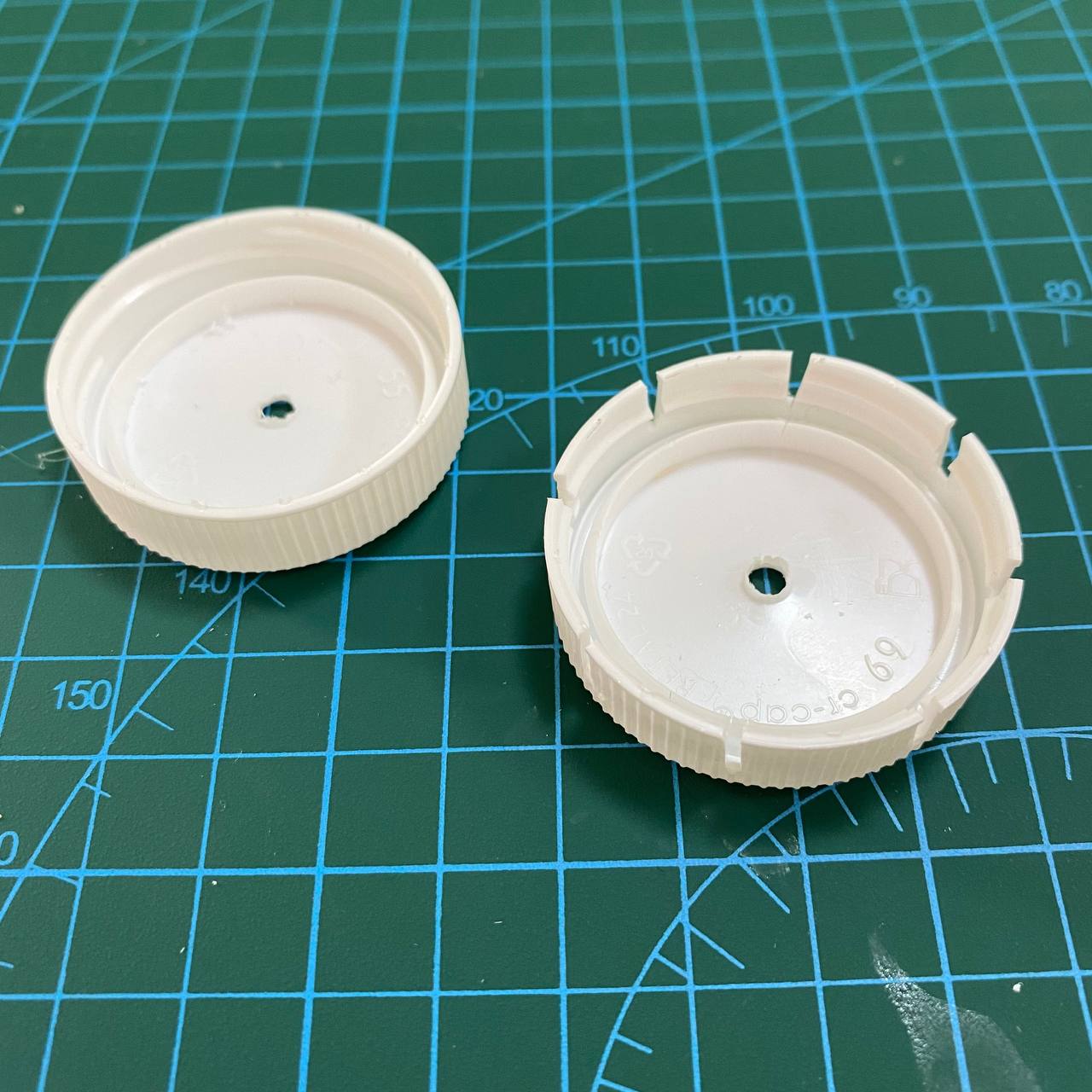
Step 2: Prepare two bottle caps and make a small hole in the centre. On one lid, make 8 notches around the edges to make it symmetrical.
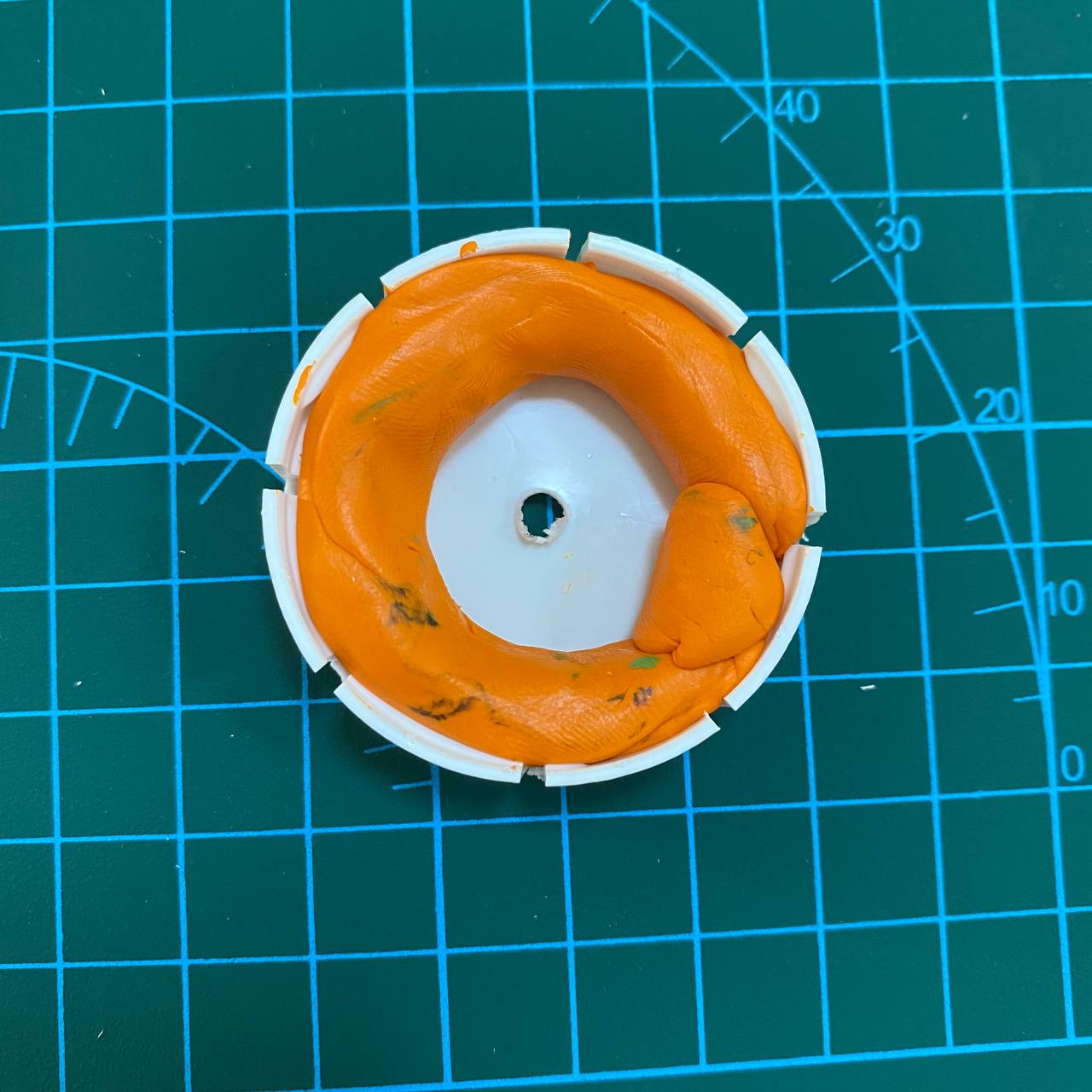
Step 3: Stick a piece of plasticine on the inside of the lid (Do this on 2 lids)
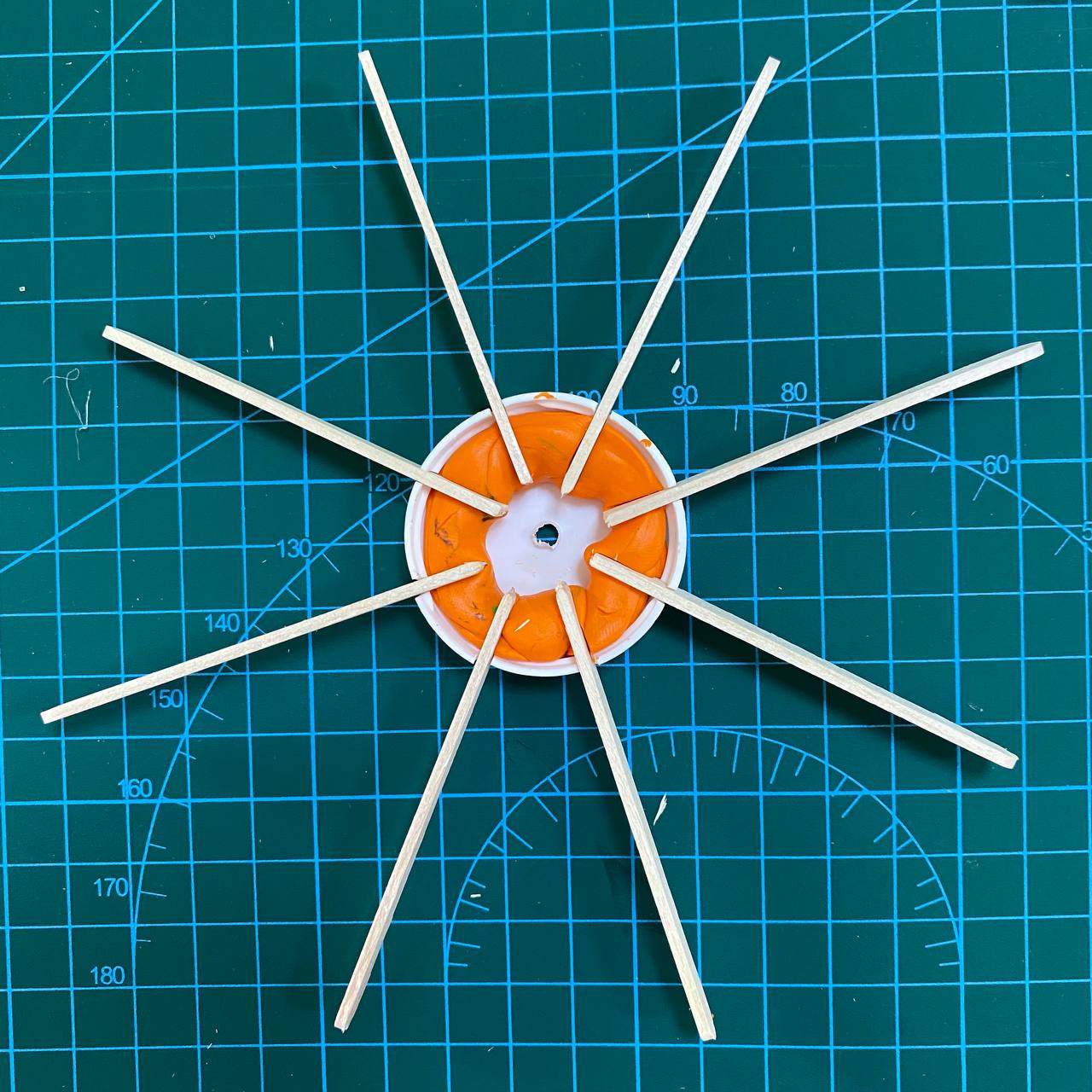
Step 4: Take 4 coffee sticks (wooden stirrers), then divide them in half. There should be 8 sticks of equal length. Insert these chopsticks into the hole in the lid.
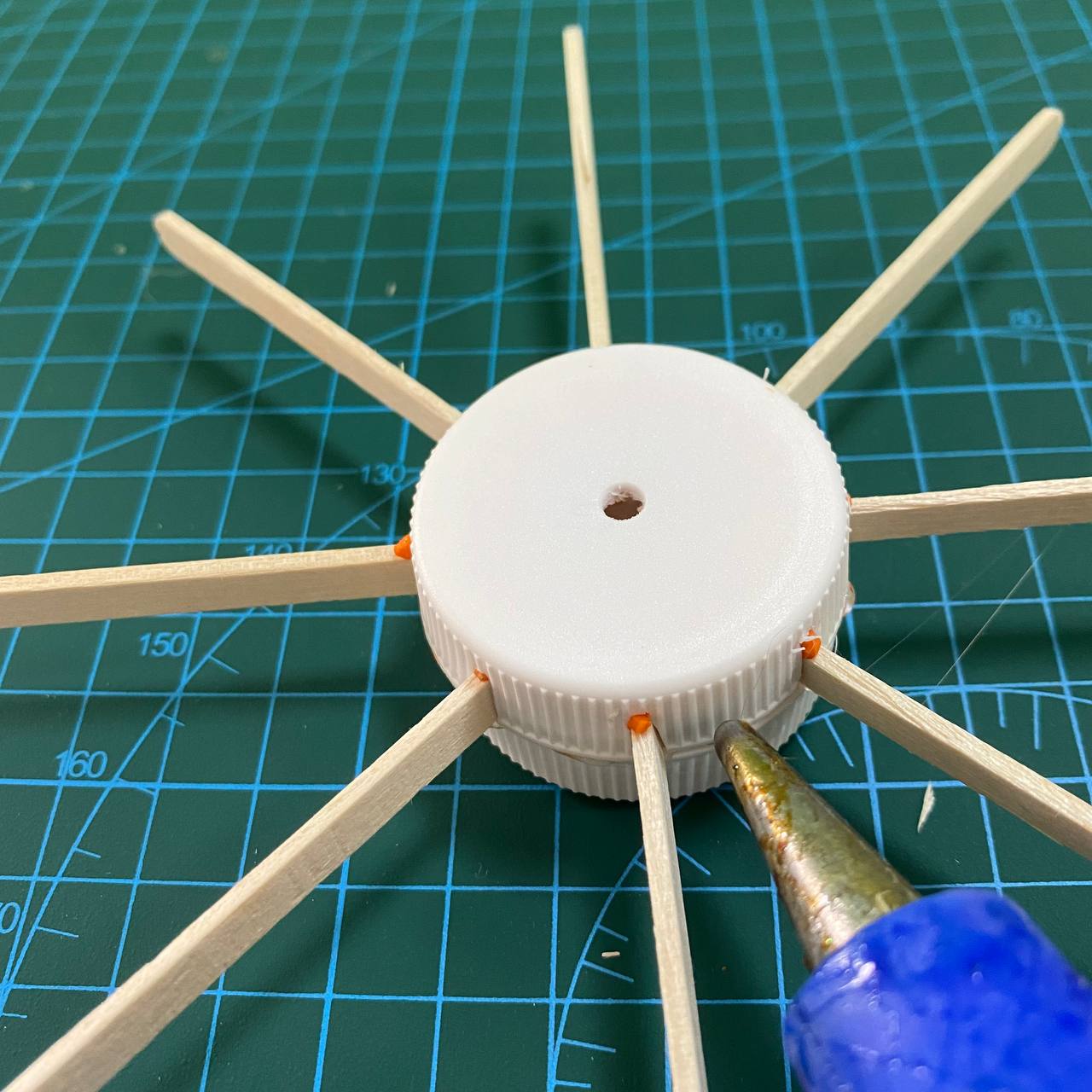
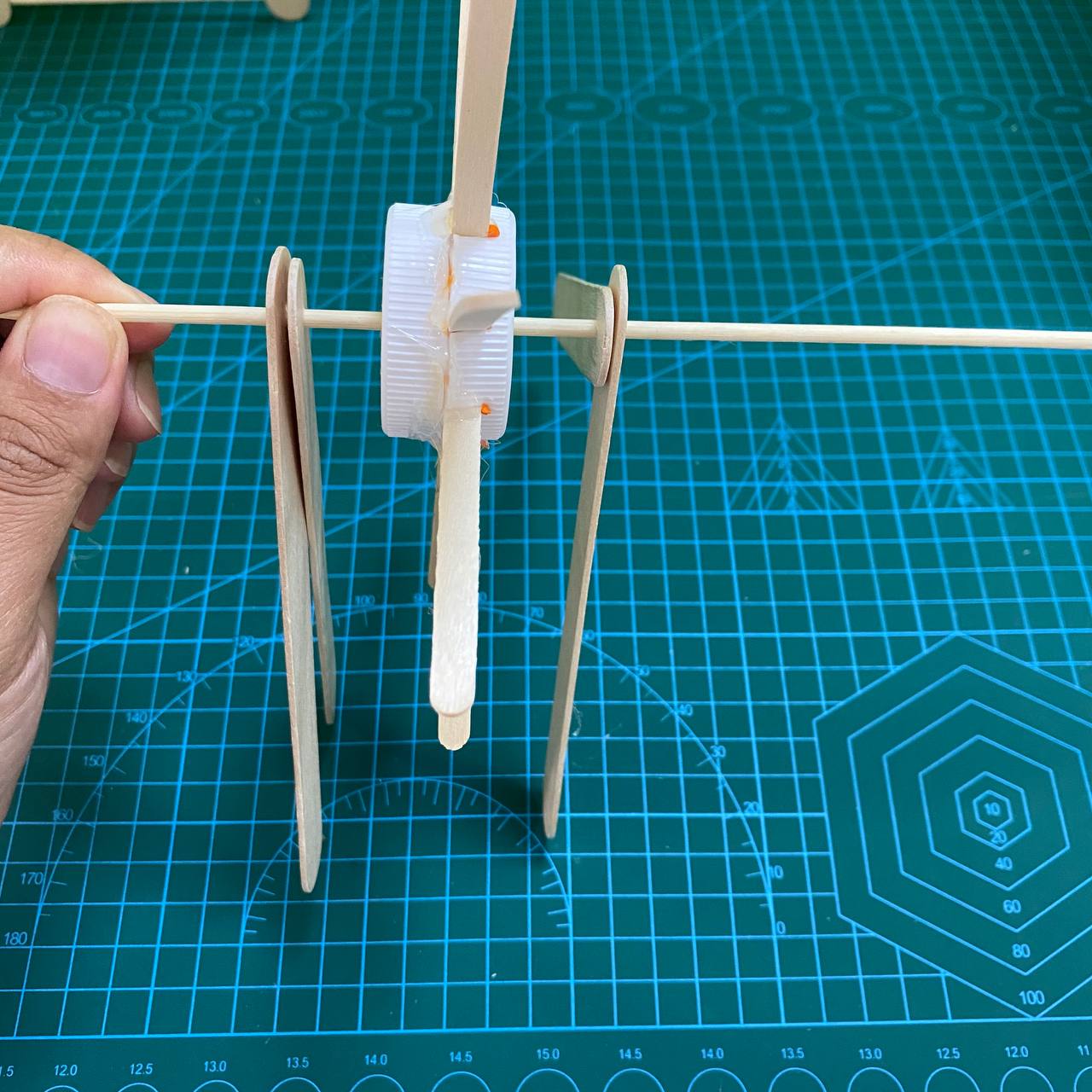
Step 5: Then close the second lid and connect the two lids using hot melt glue
Step 6: You should have 4 chopsticks with a hole in them. Take 2 of the sticks and run a skewer through.
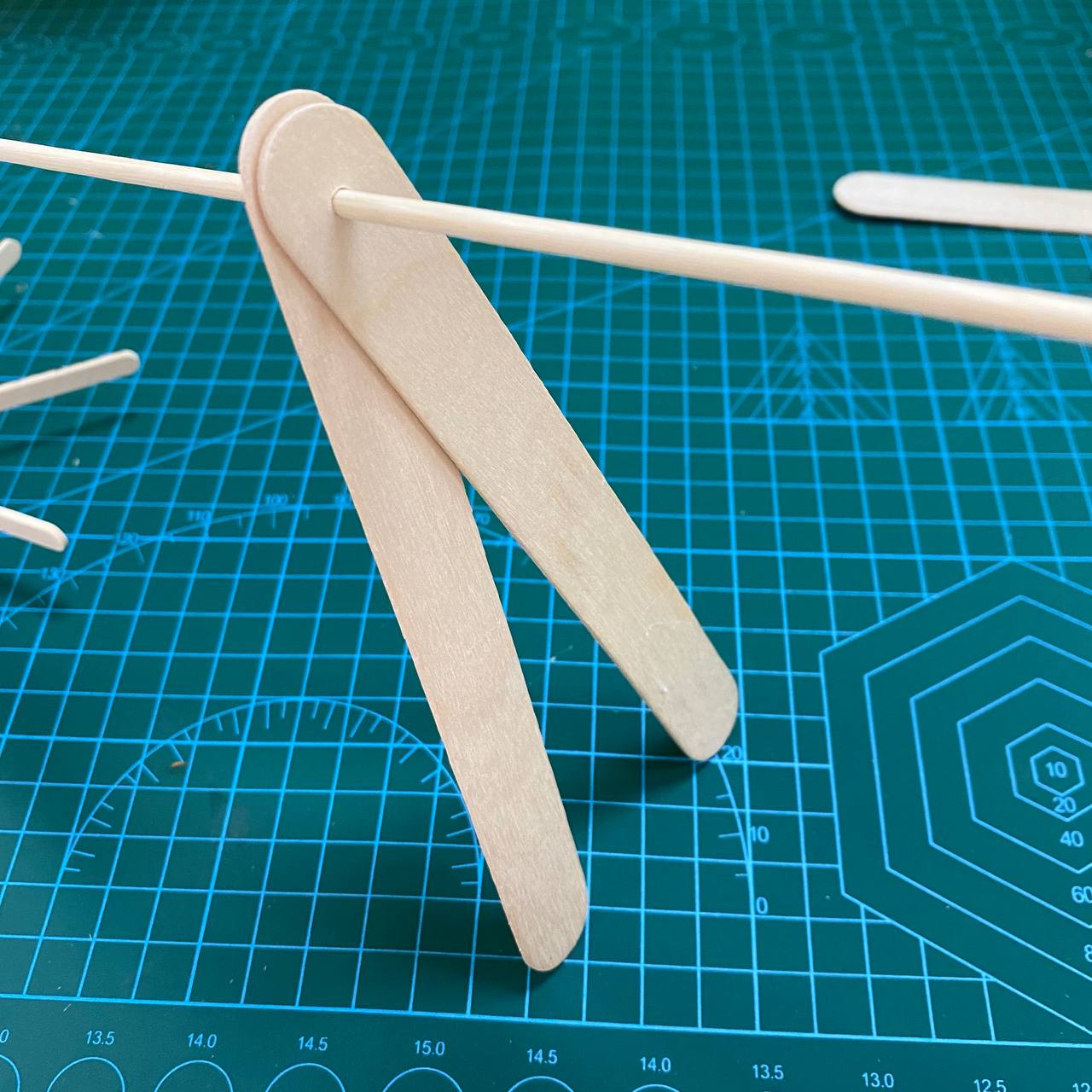
Step 7. Then insert the lids and back (outside) the two sticks in stages
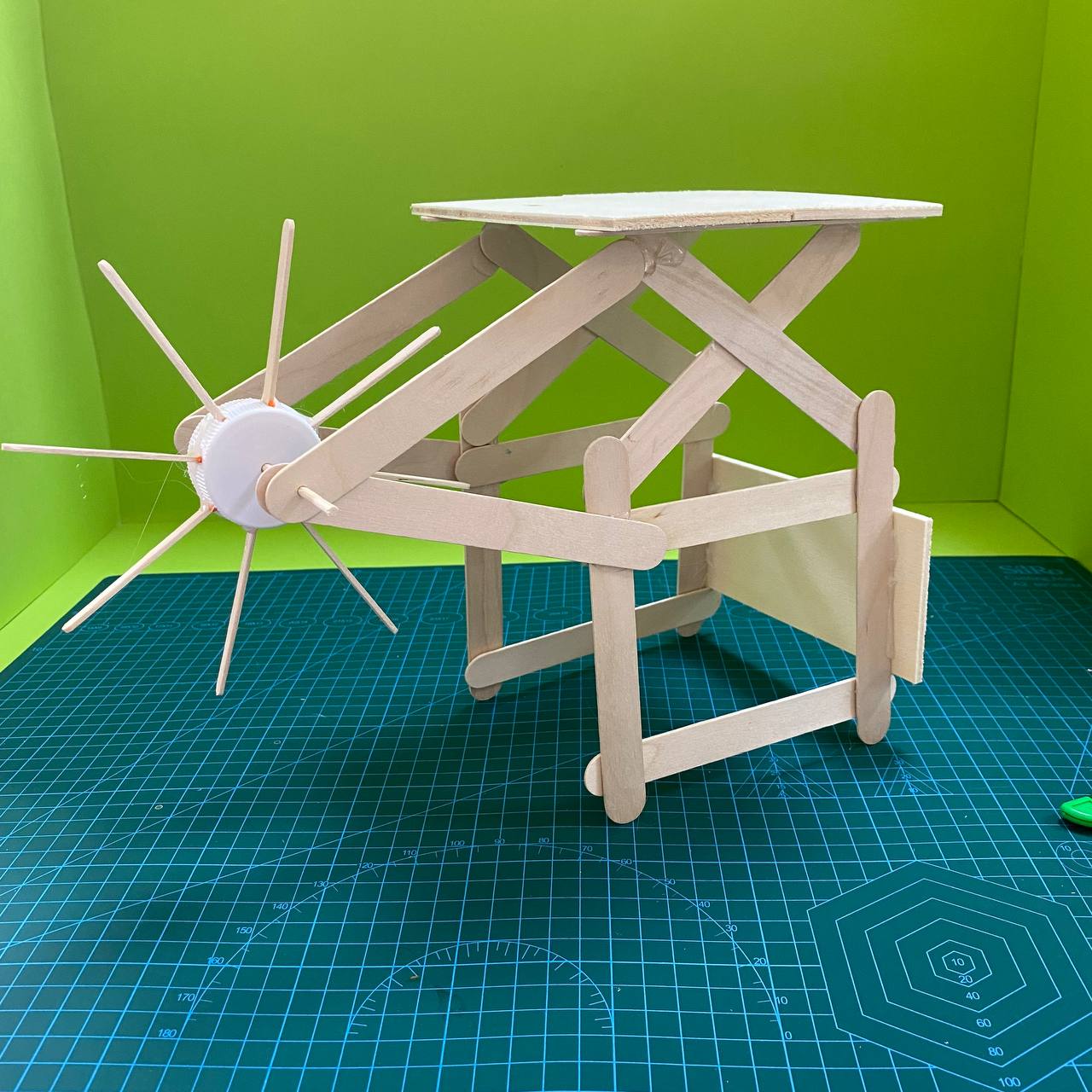
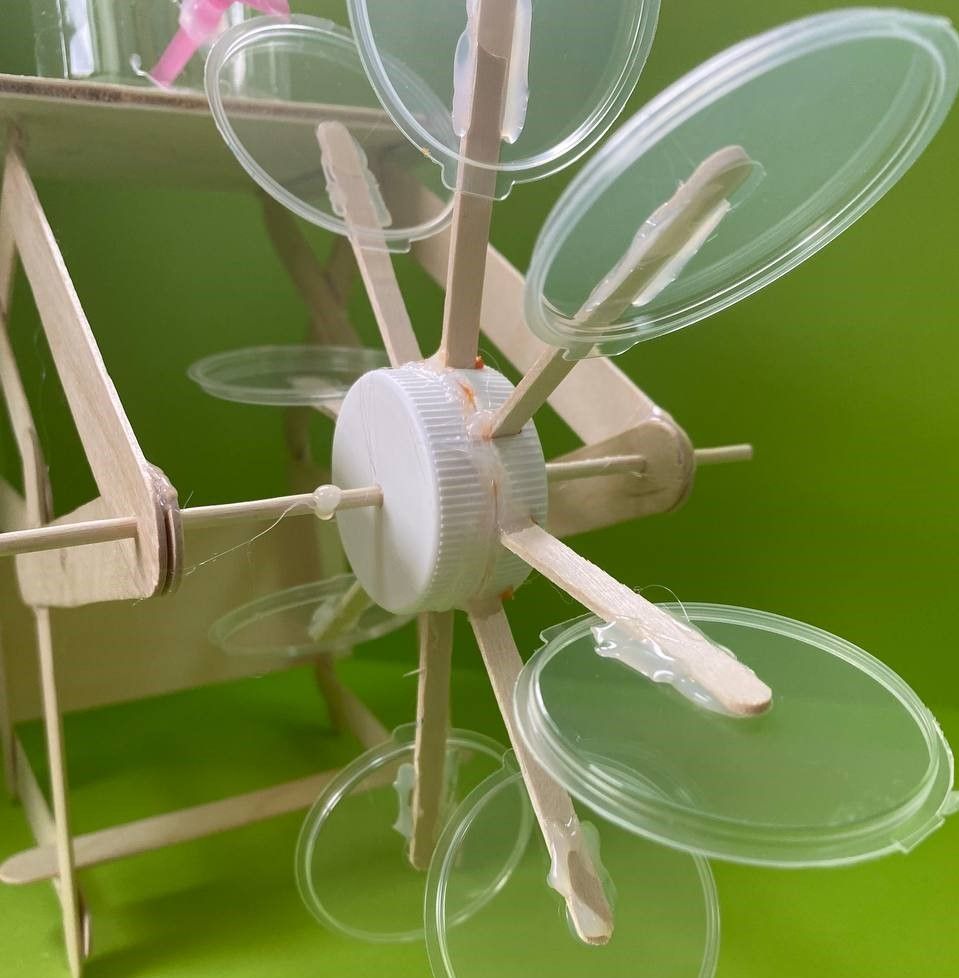
Step 8: Join the prepared parts together using hot melt glue. The mill construction should turn out as shown in the picture.
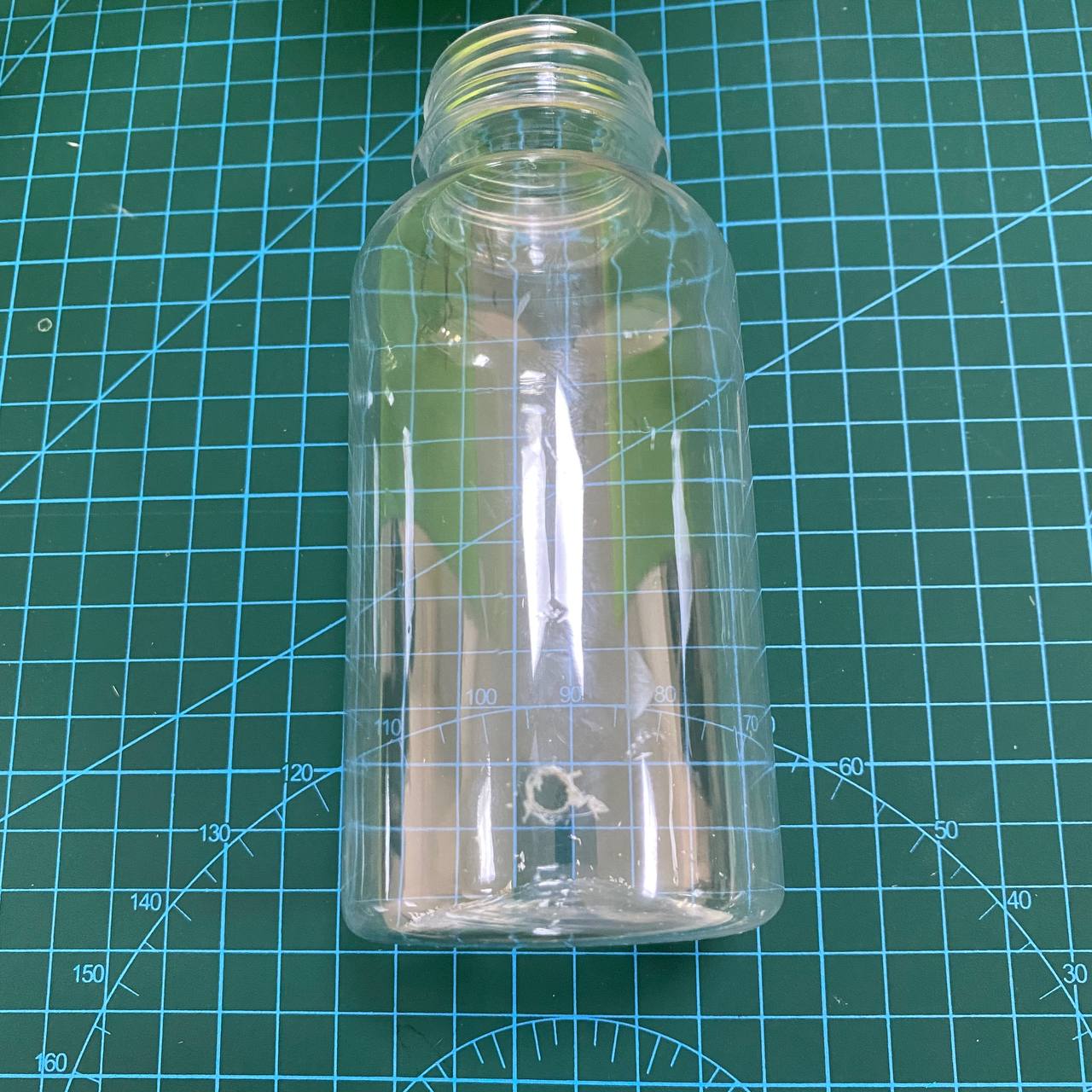
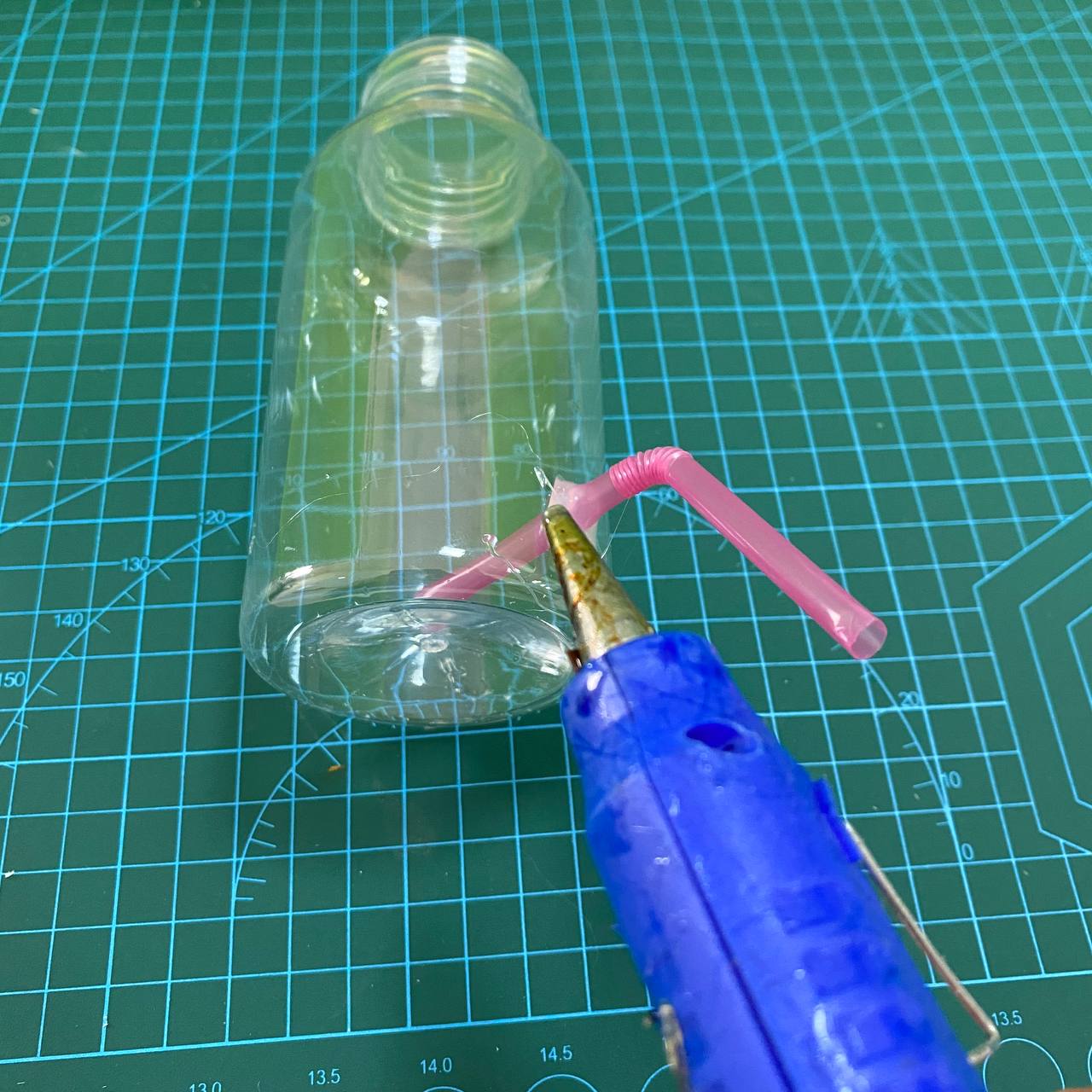
Step 9: Make a hole in the bottle for the tube.
Step 10. Dip a pre-cut tube into the hole.
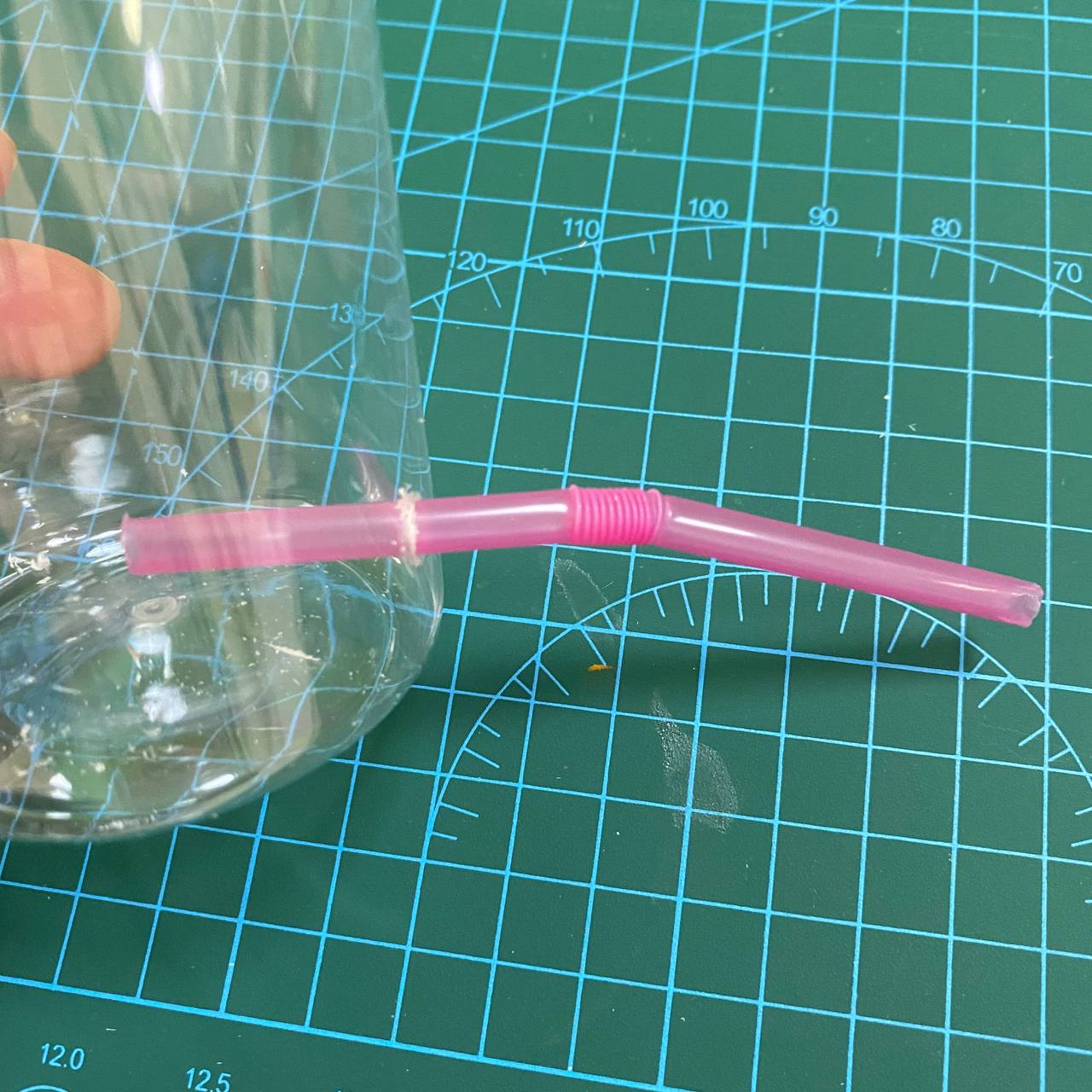
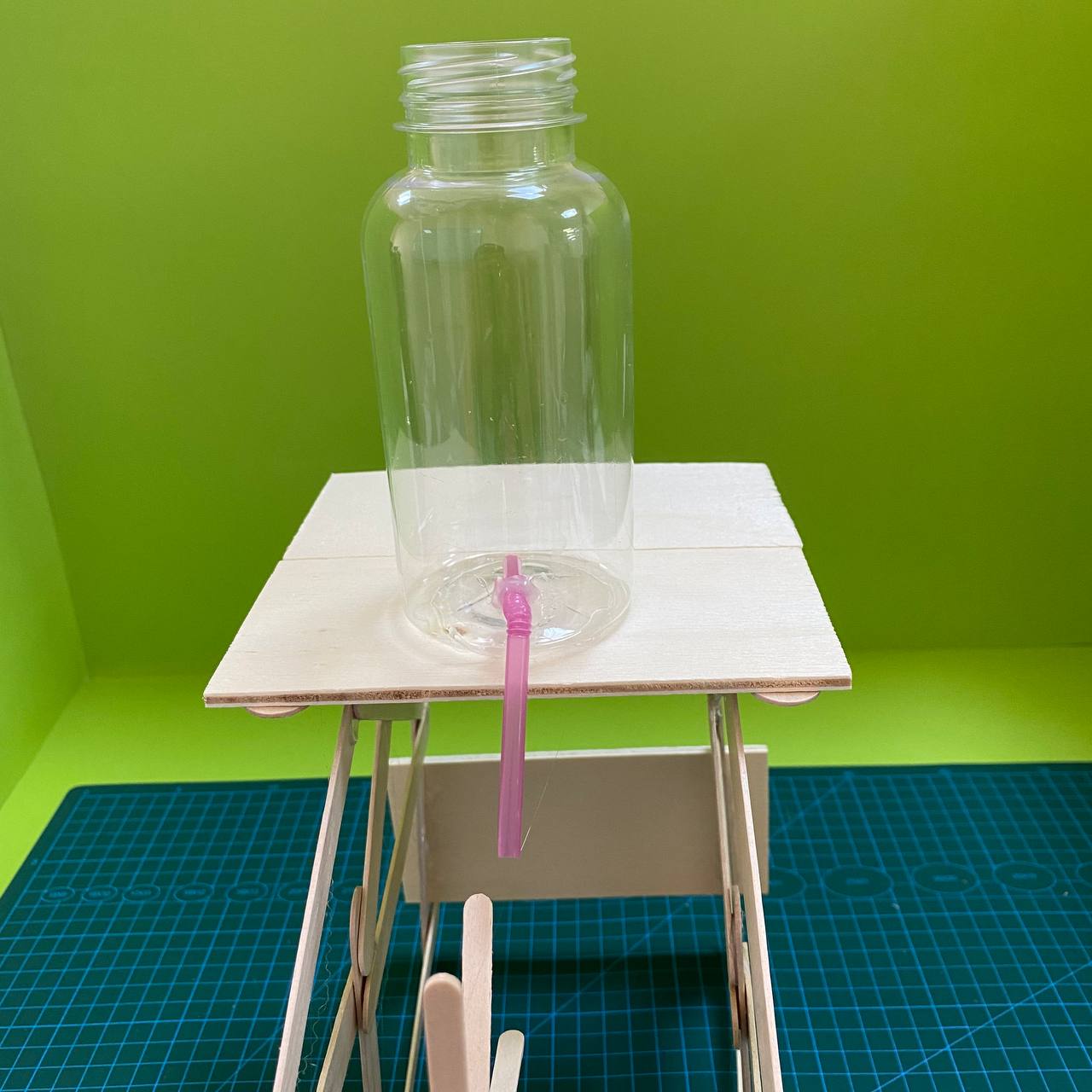
Step 11. Afterwards, use plasticine to close (seal) the empty space around the tube. Or use hot-melt glue to seal it.
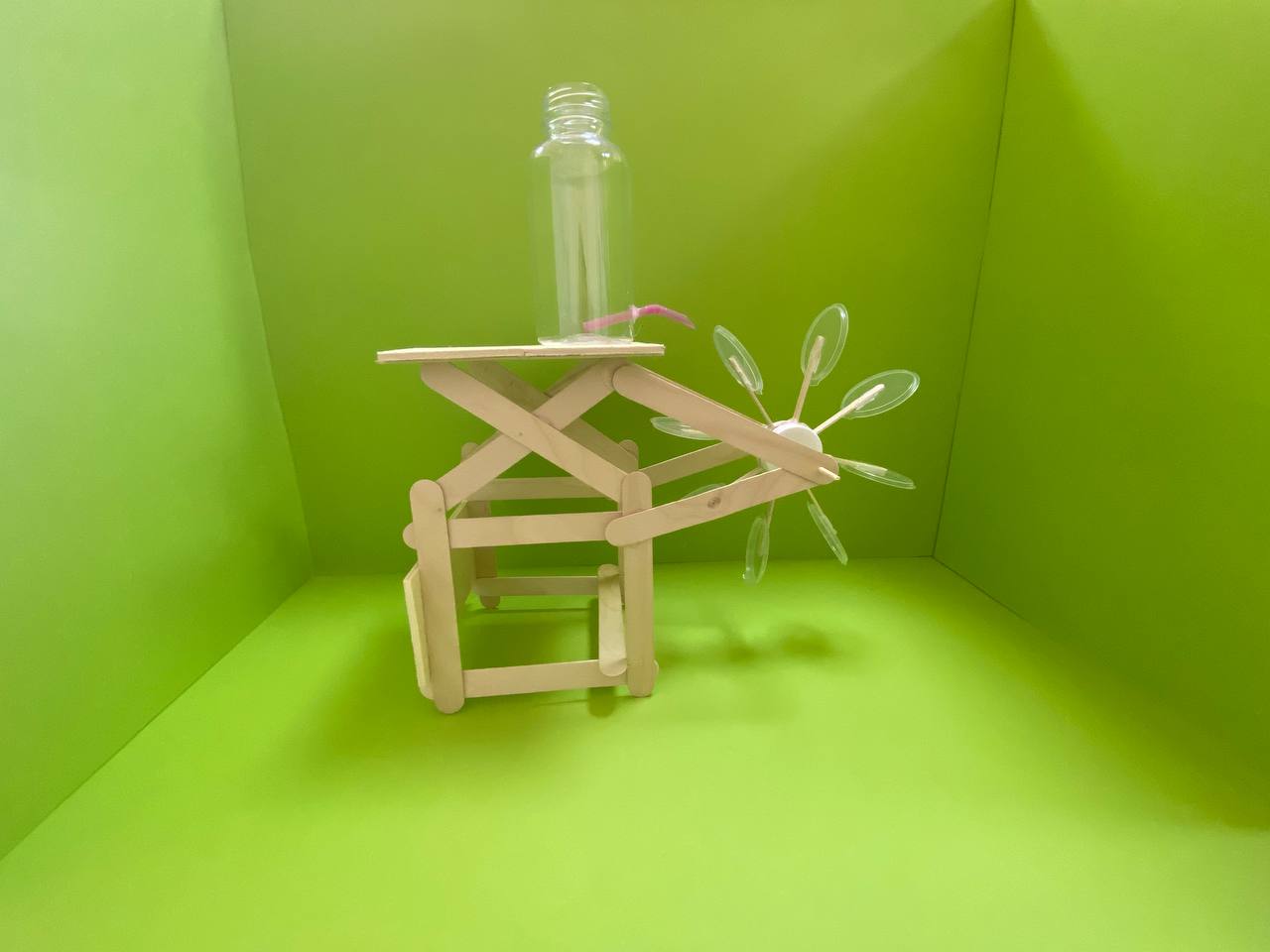
Step 12. Join all the parts together: glue the mill to the tower and place the bottle on the tower.
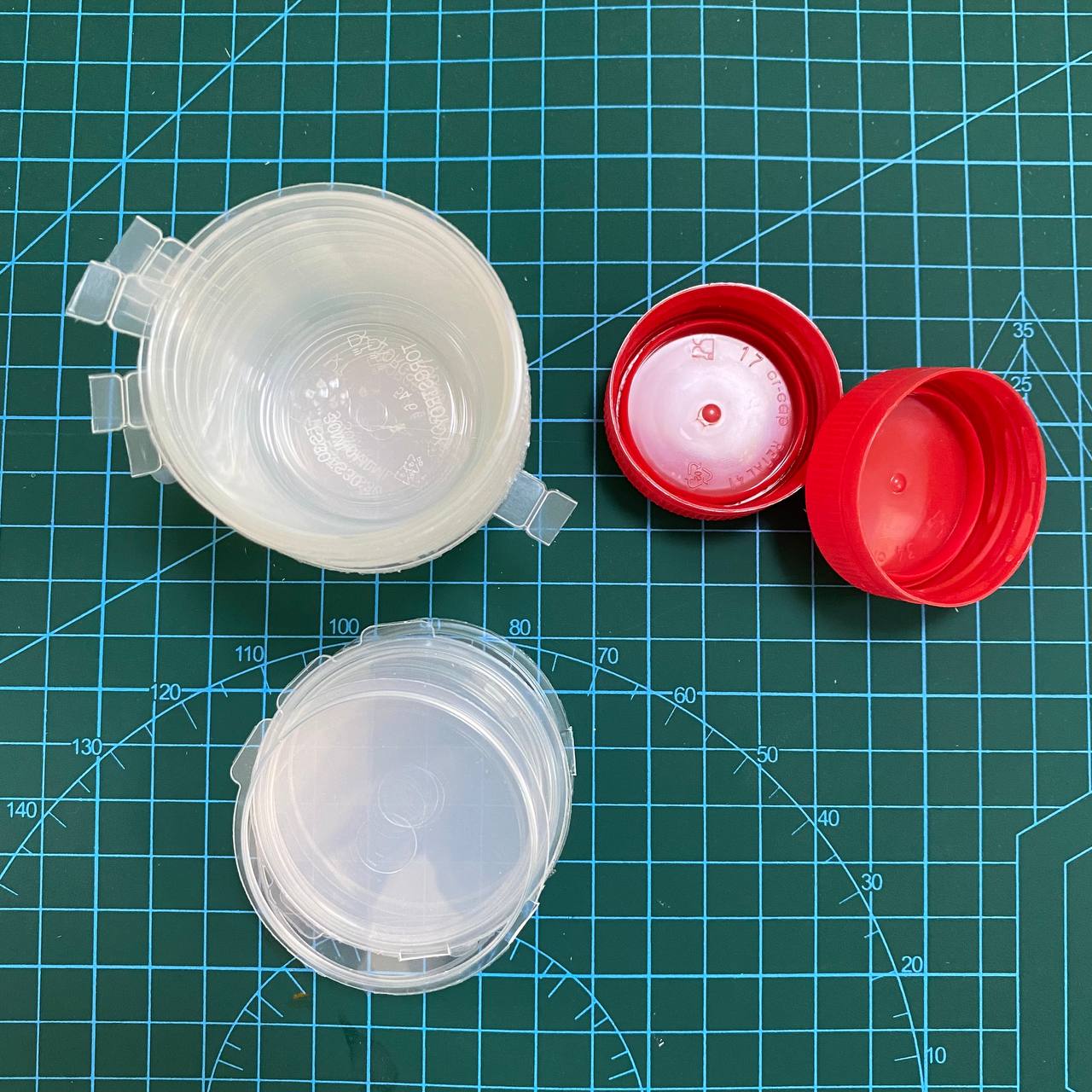
Step 12. A variety of materials can be used as containers on the mill, such as lids, small saucepans/gravy pot lids, etc. In this project we used flat lids from a saucepan.
Step 13. Apply hot-melt glue and glue the lids on, step by step.
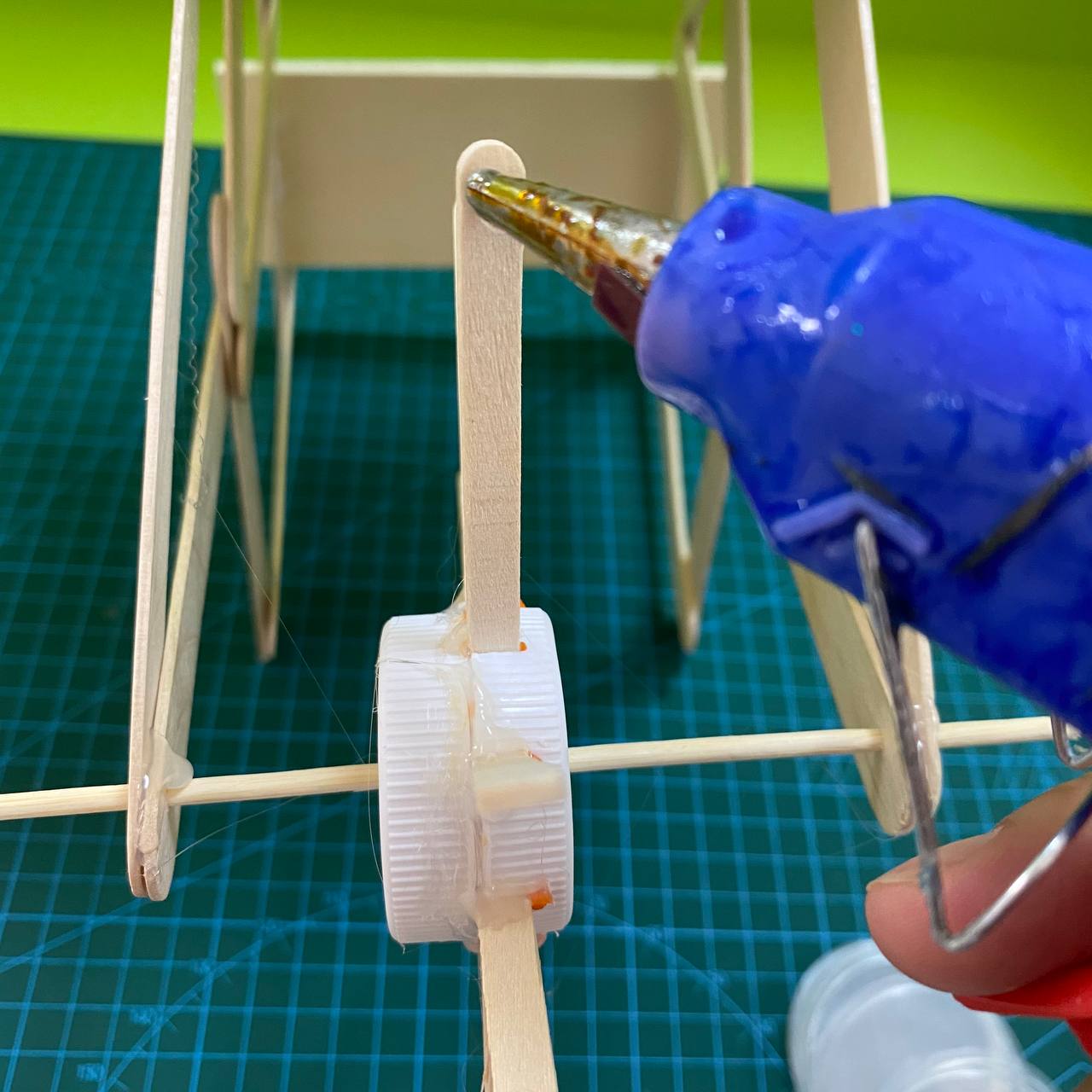
Step 14. At the end, the construction of the hydropower plant should come out.The mill should spin freely when the water comes out from under the bottle tube.Remember to place a container before use, this is where the water will run off.
Conclusion
Thus, on this project the pupils have learned about hydroelectric power stations and how they work. With the help of the necessary materials, the pupils made a model of a hydroelectric power station on their own.
On this project, each pupil is awarded a STEAM title, in three categories:
– You have independently researched a hydropower plant and how it works, you are a real scientist!
– You have independently produced a model of a hydropower plant. This in turn is a technological process. Congratulations, you are a young process engineer!
– You have independently, investigated the direction and flow of water! Now to become a real power engineer, think about how you can generate electricity from this, you need to develop the idea further!
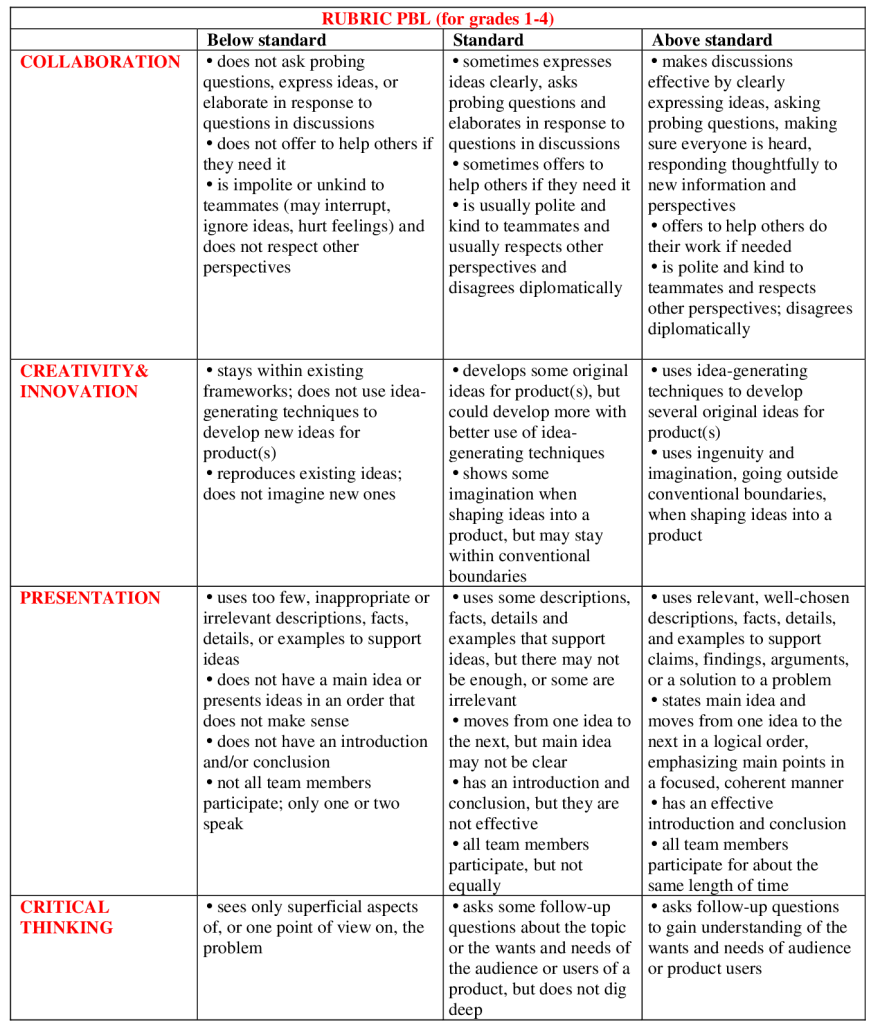
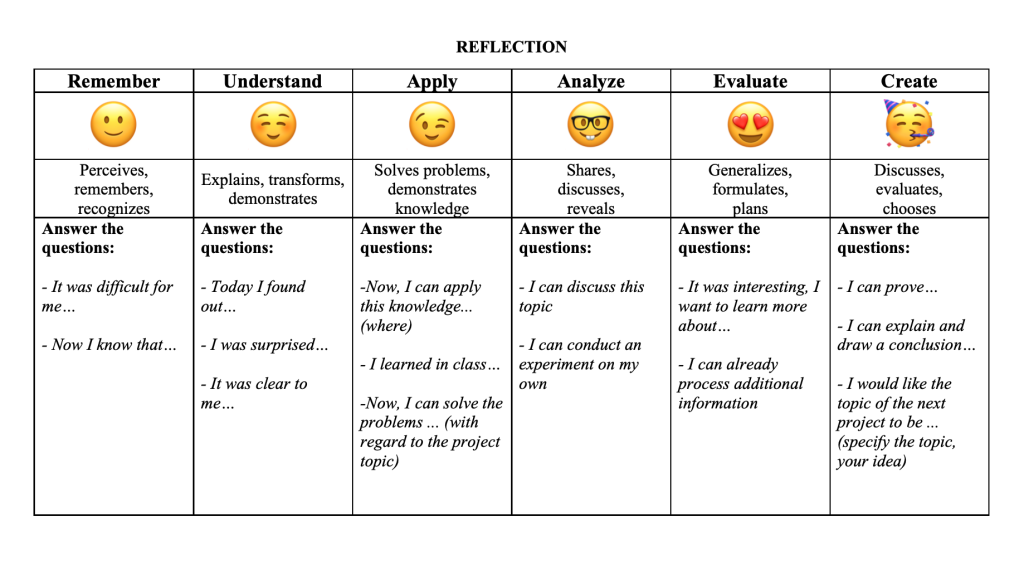
Evaluation