Lesson 1
Project objective
To study and investigate the properties of water.
To investigate the causes of drinking water pollution. And ways of cleaning them.
3. Make their own water filtration unit for purifying water.
A teacher’s guide
– In the practical part of the project, the students work in groups of 4-5.
– Pupils should be familiarised with topics like properties of water, factors that pollute water, cleaning methods, the term filtration.
– Before starting the practical part, familiarise and provide the students with all the necessary materials.
– Give a brief instruction on how to use a box cutter. The knife is used exclusively by the supervisor.
– At the beginning of the lesson explain the PBL (project based learning) rubrics to the students. Skills 4K (critical thinking, collaboration, creativity, pre-setting)
Safety in Steam lessons
Before we begin the lesson, teachers are advised to familiarise themselves with the safety procedures. If necessary (if using items specified in the PPE), brief the students. Visit Safety in Steam Lessons
Theoretical Part
Dear students, answer the questions:
– What properties of water do you know?
– What pollutes the water on our planet?
– What ways can you suggest to purify water?
– Have you heard the term filter, filtration?
Water is the source of life!
What properties does water have?
Research section
| Experiment 1 Let’s determine the properties of liquid water by pouring water into one glass and milk into the other. Compare water and milk using the senses and determine the colour, taste and smell of water. Water is colourless, tasteless and odourless. Water is clear. | Experiment 2 Pour water into a glass, add a spoonful of granulated sugar and stir. The water will become sweet. Other substances dissolve in water. So water is a solvent | Experiment 3 Water has no shape. It takes the shape of the vessel it fills. |
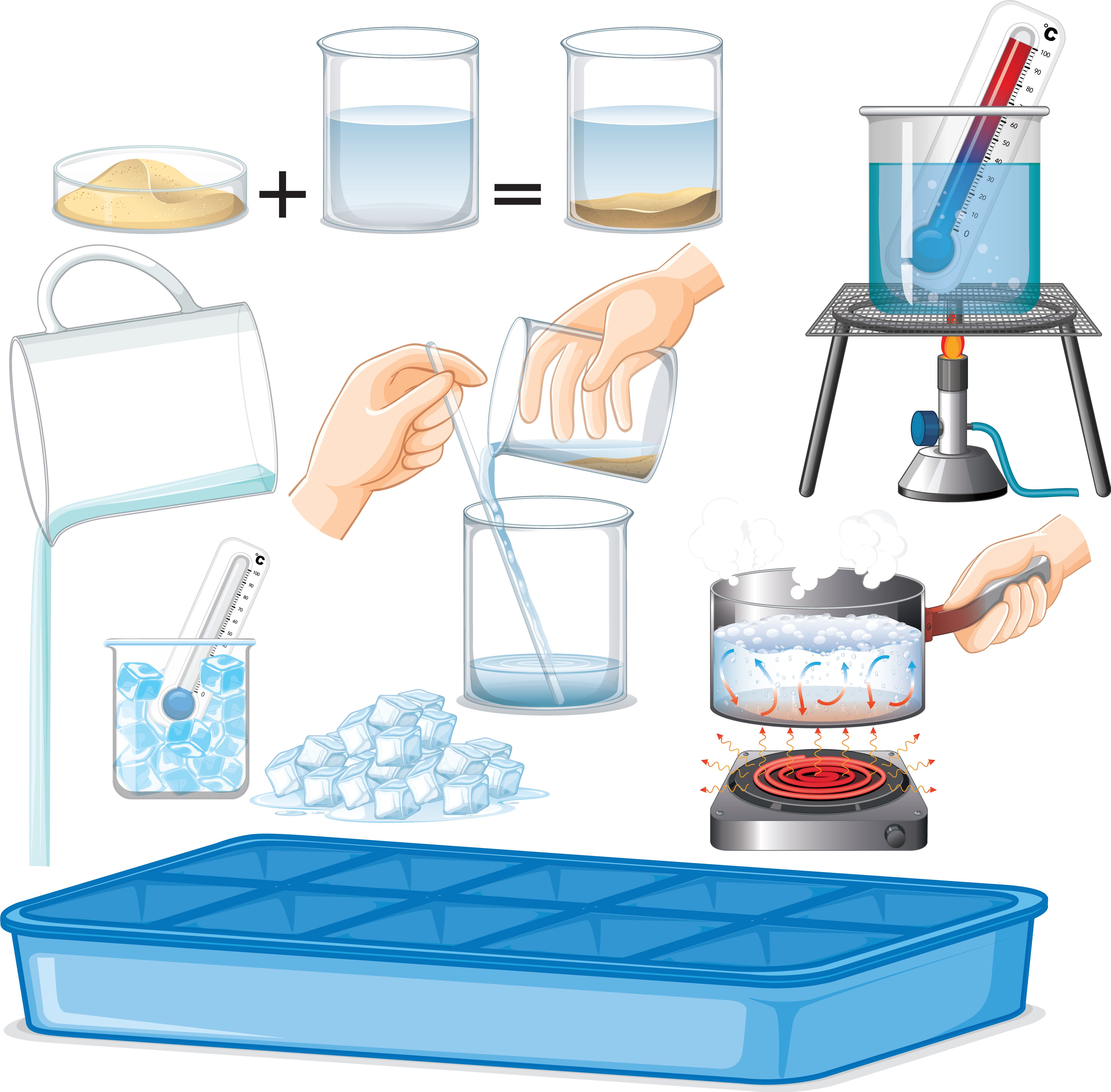 | ||
| Experiment no. 4 Pour hot water into a glass with a spoon. After ten minutes, the glass cannot be picked up. The water has heated both the spoon and the glass walls. The ability of water to hold heat for a long time is a property of heat capacity. Water is the only substance on Earth that exists in three different states at once: liquid, gaseous and solid | Experiment no. 5 Pour water into a kettle and bring it to the boil. The boiling water turns into clear water vapour, which we cannot see. This process of liquid water changing to gaseous water is called evaporation. The invisible water vapour is located above the boiling water, at the very bottom of the spout. When the steam cools in the air, it turns into a mist. And mist is the tiny droplets of liquid water. | Experiment No. 6 If you pour water up to the neck of a bottle and close it tightly, put it out in the frost. The bottle bursts. So there is more water when it freezes, not less! The distance between the molecules of frozen water has increased and ice takes up more space than liquid water. It has also become lighter. Let’s test this. Throw a piece of ice in a glass of water. And what do we see? The ice is floating in the water. |
Water has its own unique and subtle features. It is colourless, tasteless, odourless, transparent, formless, fluid, and has a good solvent heat capacity. Fog, clouds, dew, rain, hail, frost, snow, ice, hoarfrost are all water in different states. Every corner of the planet can’t do without it. Its influence is truly enormous. People have to keep water in our lives.
Sources of water pollution
Water pollution is a big environmental problem, but modern ways of cleaning it do not solve it. It can lead to serious ecological consequences, as no living thing can survive without water. To solve the problem we need to identify the sources of pollution and the existing approaches to solving them.
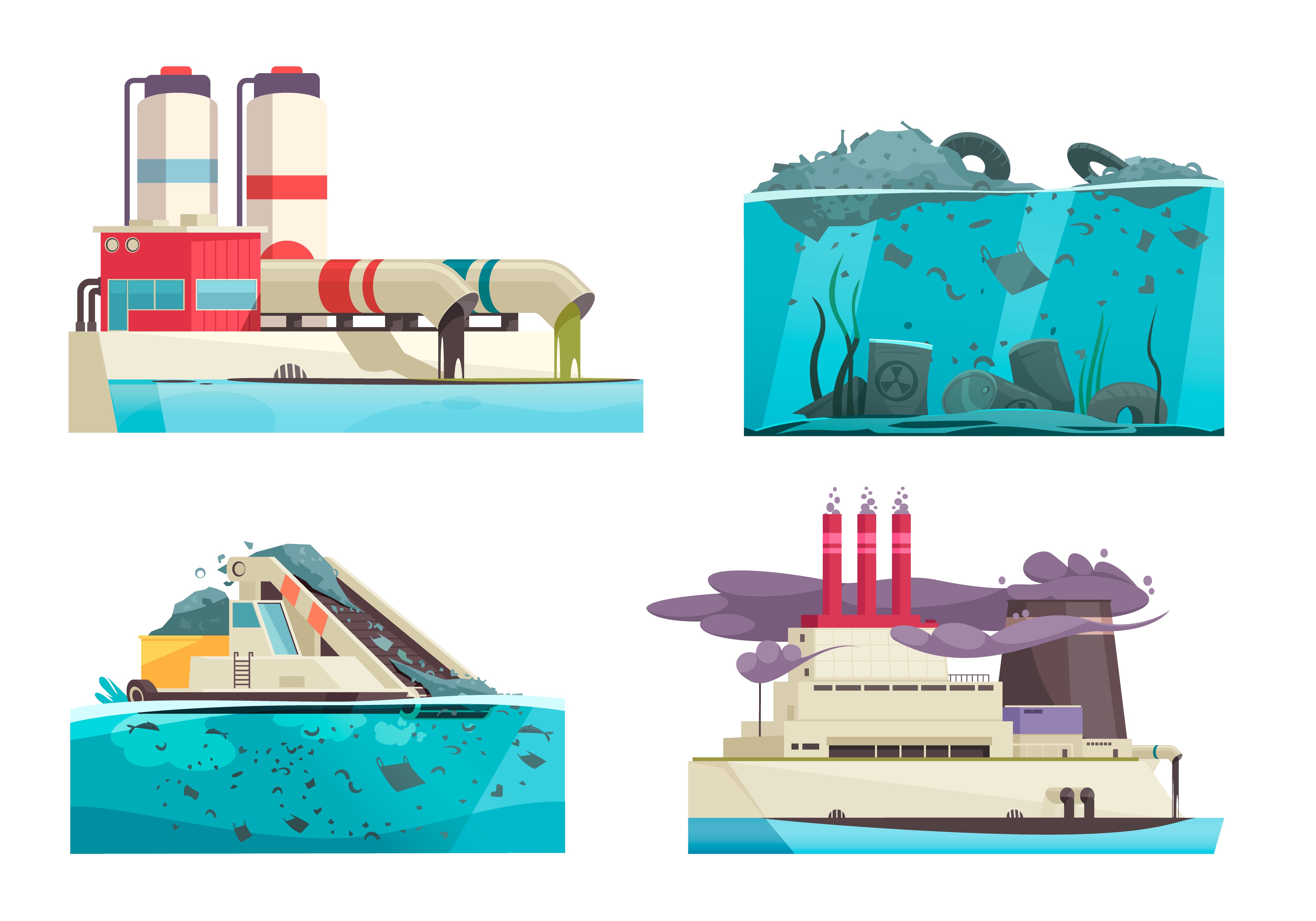
Study the drawing carefully and state the main causes of water pollution.

Then after studying the picture below, tell what we can do to save water or clean it (in what way?). Compare the 2 pictures.
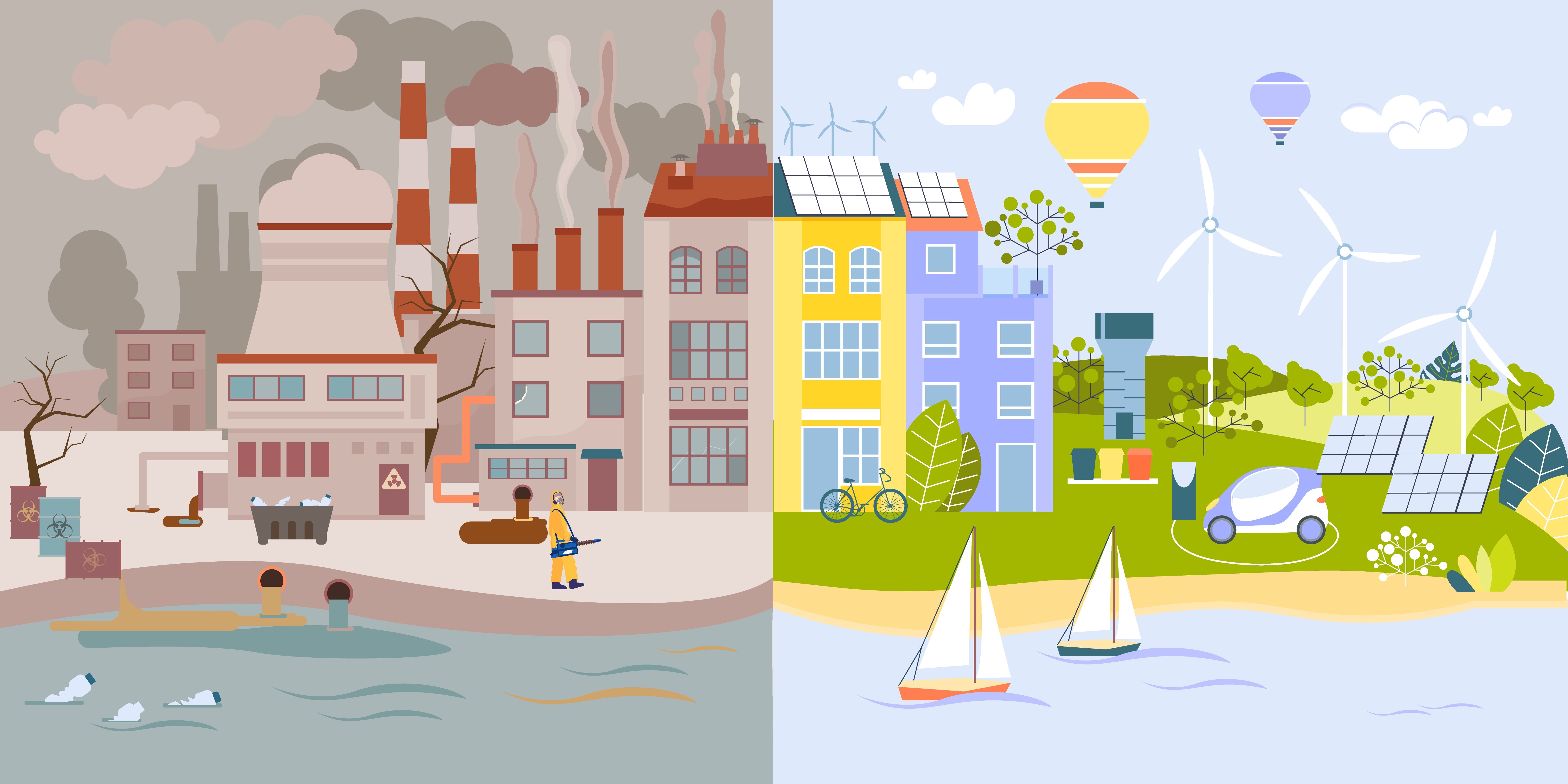
Ways of solving problems
Water treatment
Water protection
On this project you will make a model of a water filtration plant!
Sources:
1. https://znanio.ru/media/prezentatsiya_po_okruzhayuschemu_miru_voda_istochnik_zhizni_3_klass-214650
2. <a href=’https://ru.freepik.com/vectors/background‘>Background вектор создан(а) brgfx – ru.freepik.com</a>
3. https://cleanbin.ru/problems/water-pollution
The practical part
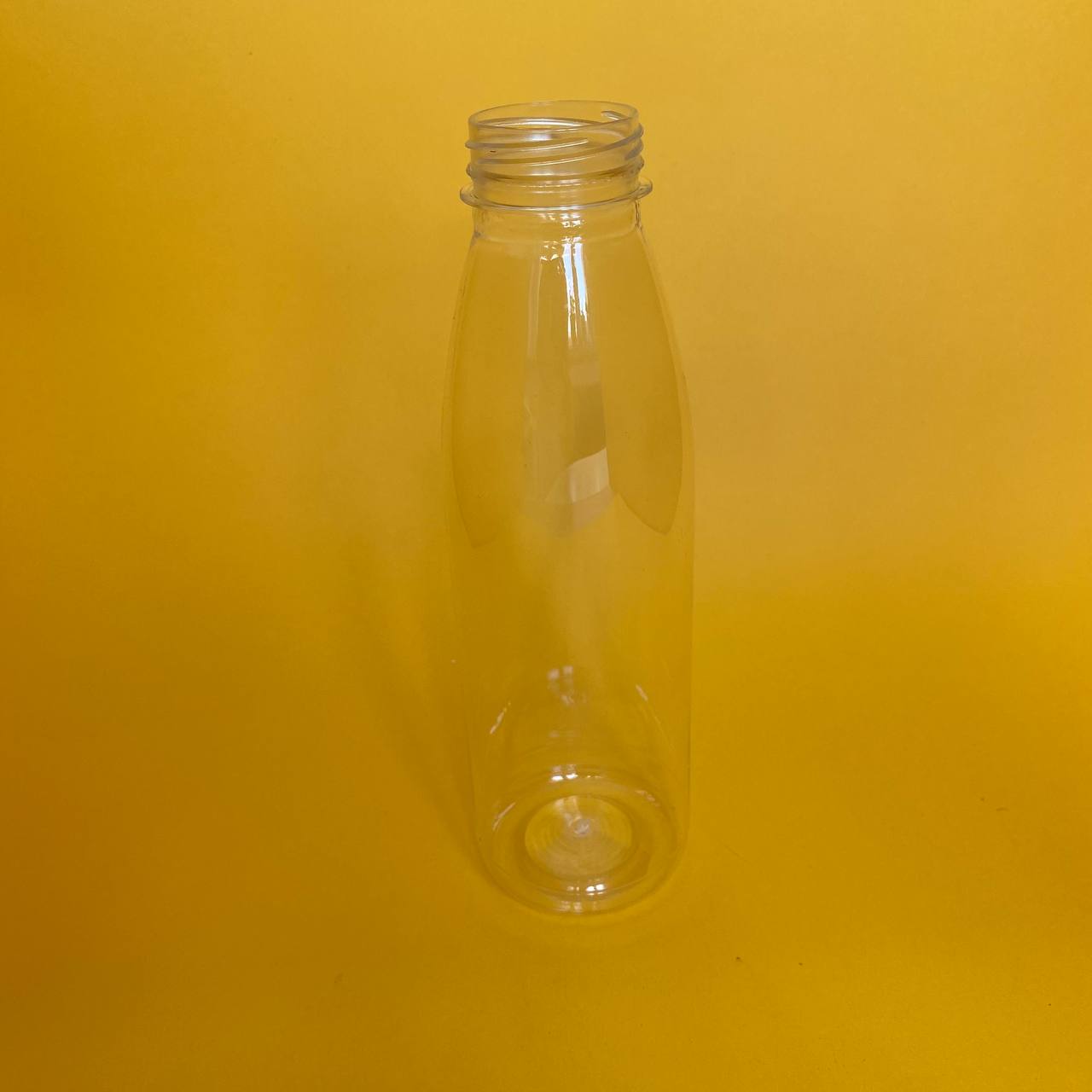
Step 1: Take 1 bottle and cut it in half.The use of a stationery knife is permitted only under the keen guidance of the teacher. Alternatively, you may use scissors.
.jpg)
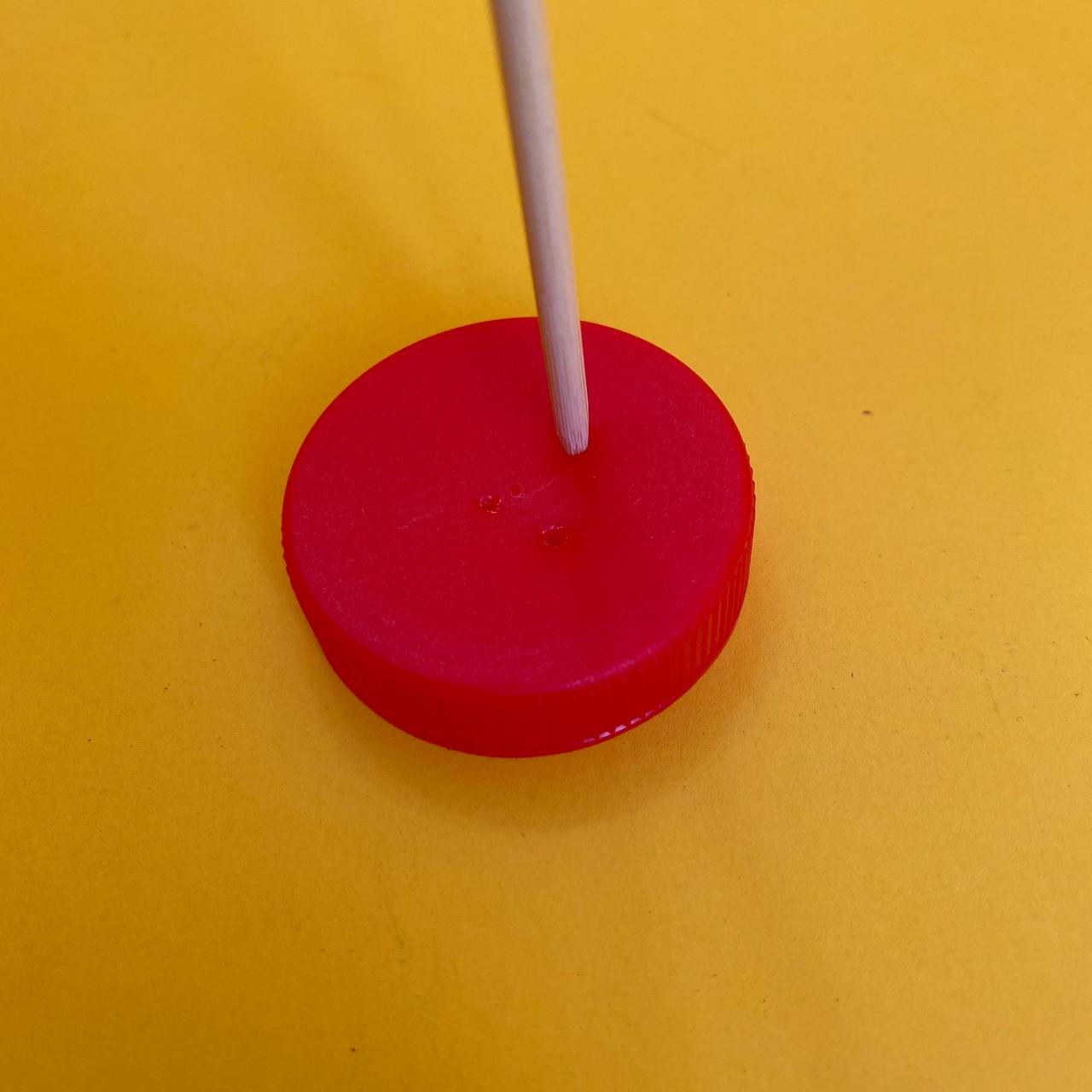
Step 2: Take the lid and use the sharp tip of a skewer to make a few holes.
.jpg)
Step 3: Take 2 bottles and cut out just the neck
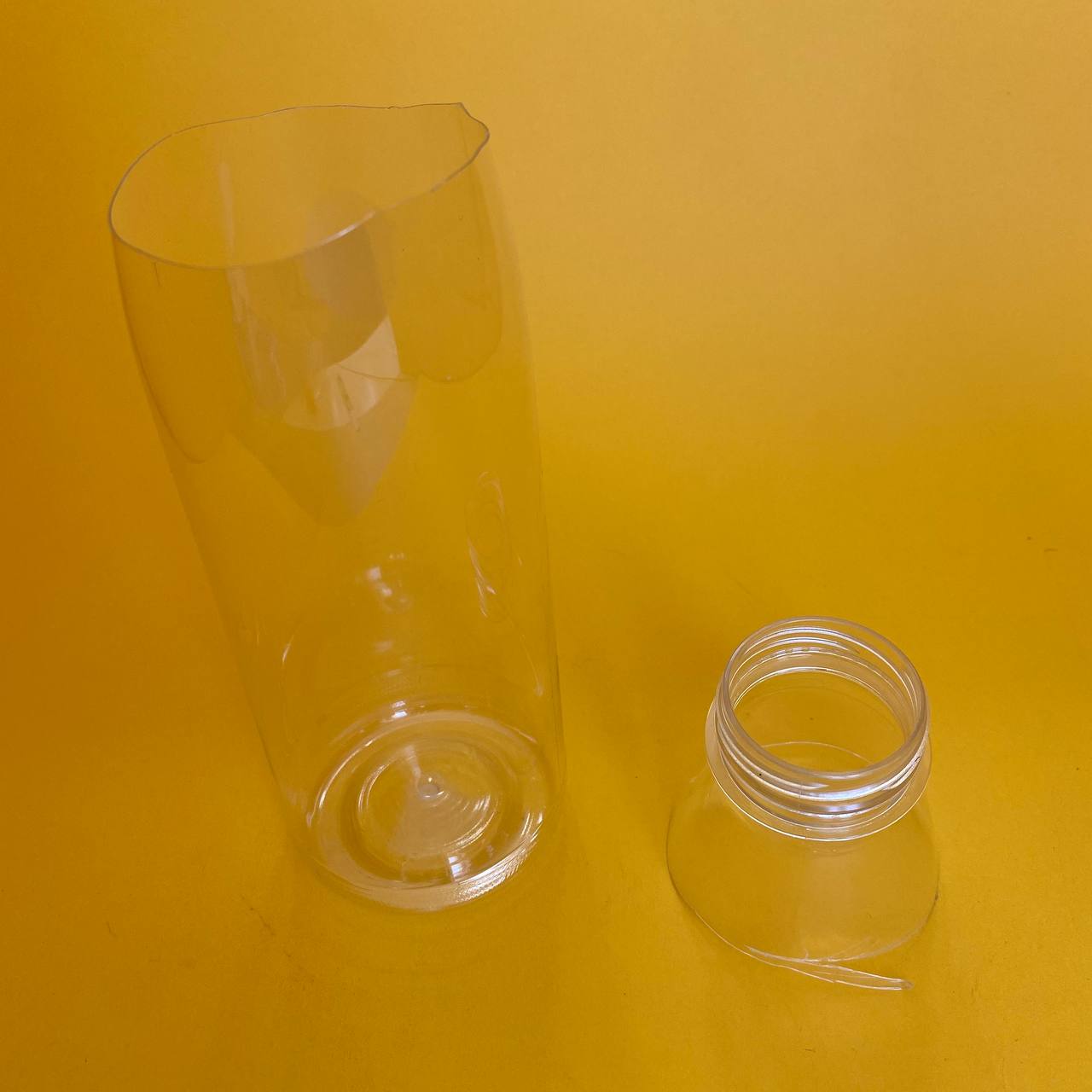
Step 4: The result will be this design
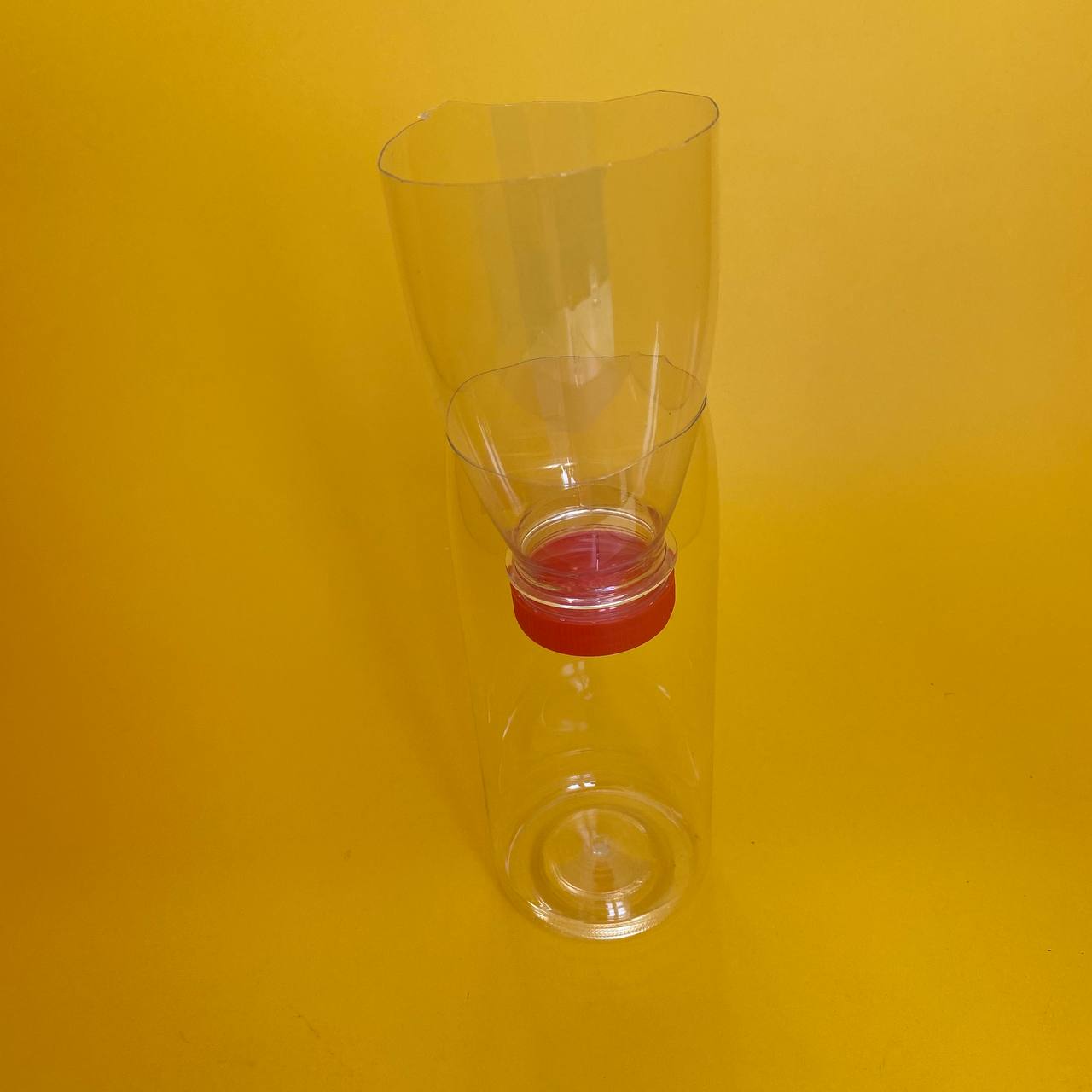
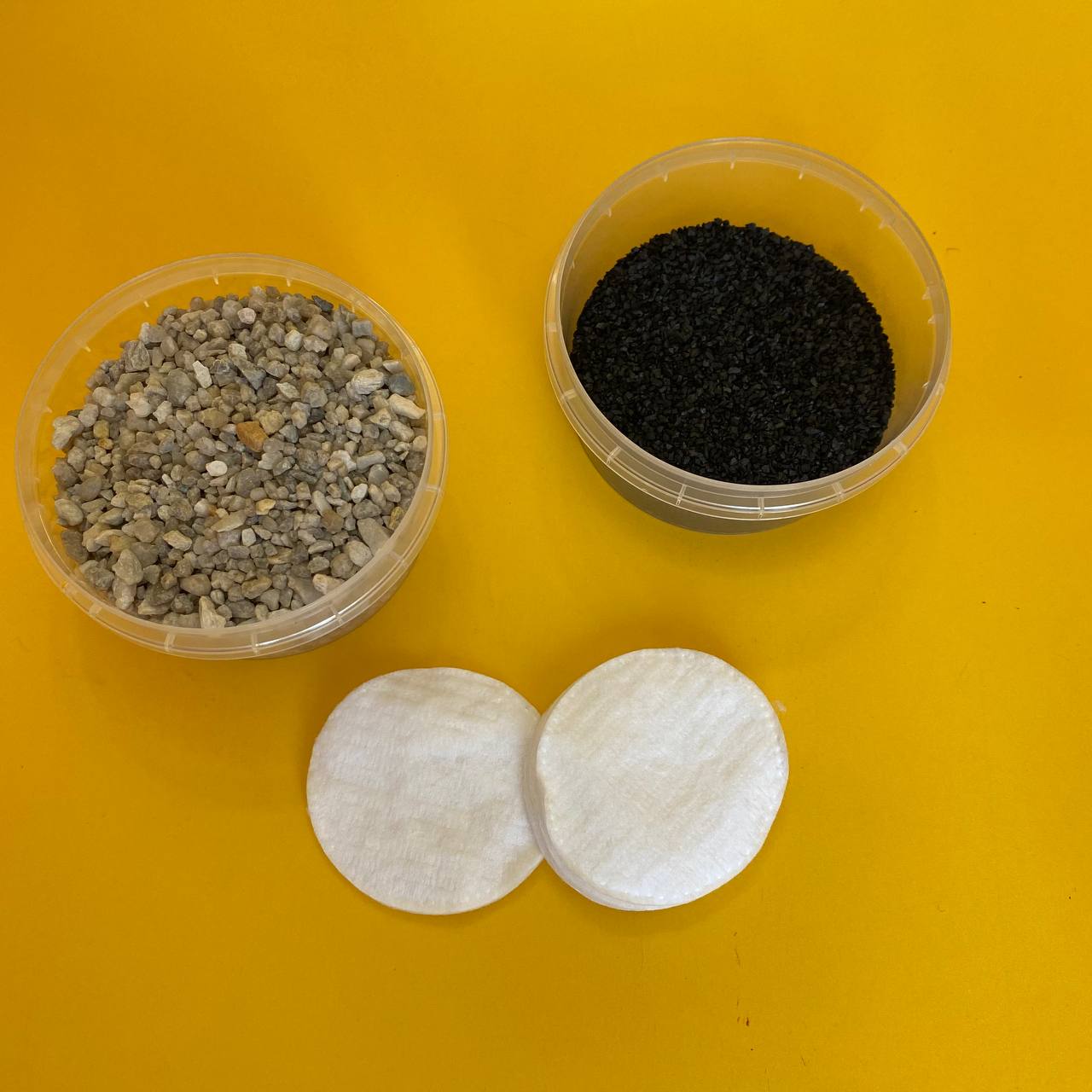
Step 5: Prepare filtering materials before the next lesson.