
Lesson 1
Objective of the project
– Construct a three-dimensional model of the globe (Globe) from paper. Explore the continents and oceans through colouring.
Teacher’s guide
– For the experimental part of the project, students work in groups of 4-5.
– The students should be familiar with the topics like Earth, the structure of the Earth, and the Globe.
– Before beginning the experimental part, familiarize and provide the students with all the necessary materials.
Safety in Steam lessons
It is recommended that teachers are fully aware of the safety procedures before the beginning of the lesson. If necessary (if they are using items specified in the PPE guidelines), brief the students. Visit Safety in Steam lessons
Theoretical part
Dear students, answer the questions:
– Which planets in the solar system do you know? Name .
– What is a globe?
– What are the parts of the Earth made of?
Structure of the Earth
The Earth is the third farthest planet in the solar system from the Sun. The densest. The only planet with life.
We are all Earthlings to each other.
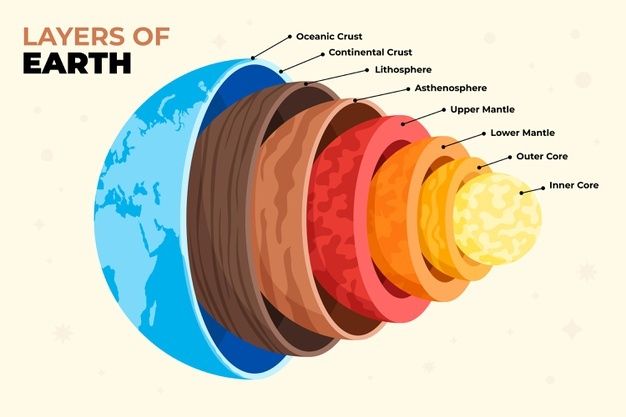
What is the Earth made of? The internal structure of our planet (see table and picture below)
| Earth’s crust | This is the top part of the solid Earth. There are two types of crust – continental (continents) and oceanic.Continental crust includes the continents – Eurasia, Africa, Australia, South America, North America and Antarctica.The oceans are the Pacific, Atlantic, Indian and Arctic oceans. |
| The lithosphere | The lithosphere is the Earth’s solid shell. It consists of the Earth’s crust and the upper part of the mantle. There are blocks of the lithosphere – these are the lithospheric plates that are moving. |
| The Asthenosphere | This is a plastic shell in the Earth’s upper mantle, beneath the lithosphere. |
| The mantle | This is the Earth’s intermediate layer, located underneath the crust and above the core. It contains most of the Earth’s matter.It is divided into the Upper Mesosphere (upper mantle) and Lower Mesosphere (lower mantle).Substances above the mantle are in a semi-molten state. |
| The core | The core is the central part of the Earth, the sphere beneath the mantle Divided into a solid inner core and a liquid outer core. The temperature at the centre of the Earth’s core reaches 6000 °C |
Sources of information:
1. https://ru.freepik.com/
2. Верхняя мантия. Пер. с англ. — М.: «Мир». 1964.
3. Земля // Большая советская энциклопедия : [в 30 т.] / гл. ред. А. М. Прохоров. — 3-е изд. — М. : Советская энциклопедия, 1969—1978.
Practical part
This week the students will:
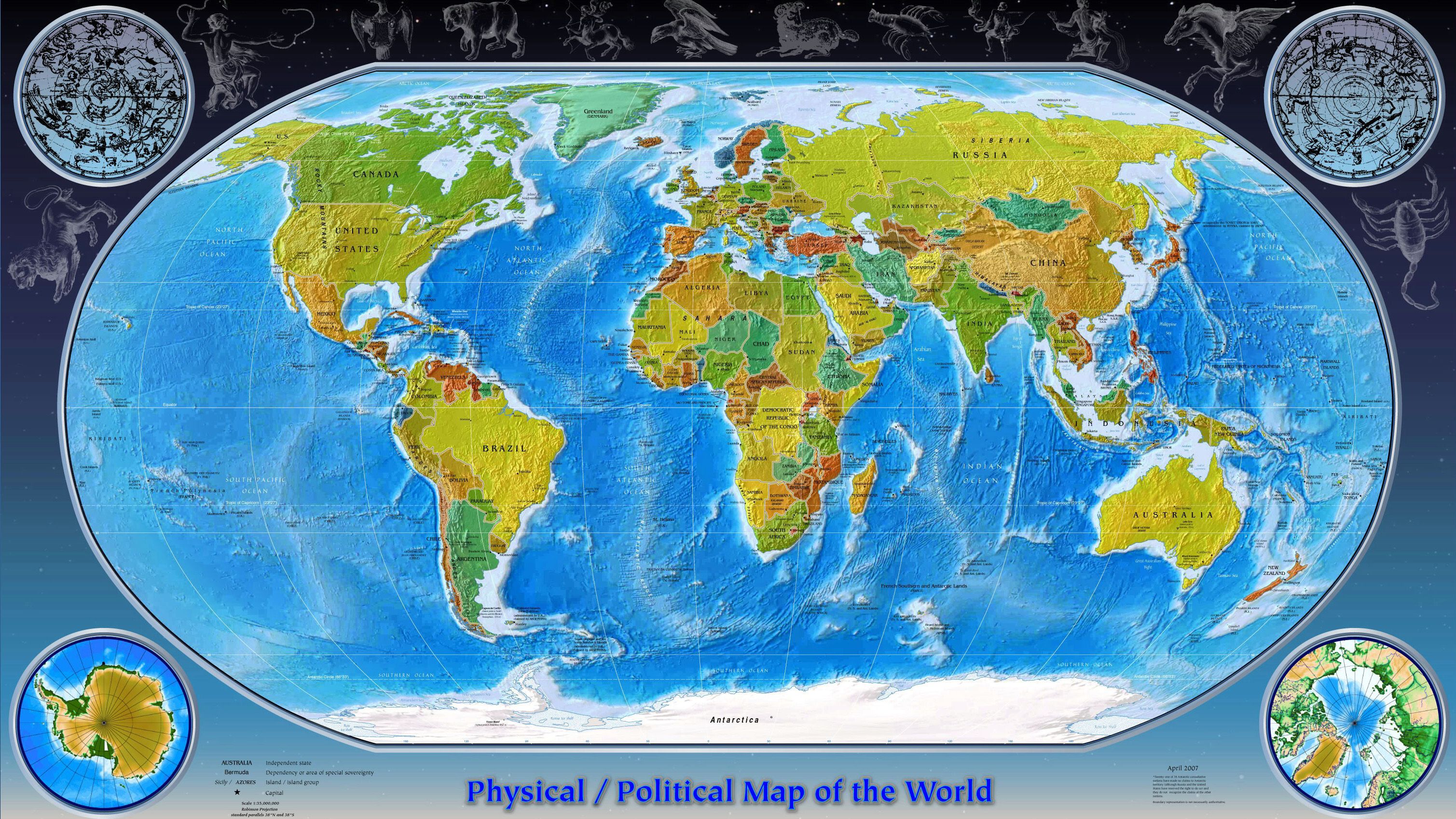
1. Colour in the continental and oceanic crust
2. Cut out a model of the Globe from paper (according to the diagram)
Step 1: Divide into groups (5 students each).
Distribute the functional responsibilities of each group member, e.g:
– 3 pupils cut out and fold the globe along the dotted lines
– 2nd pupil paints the globe
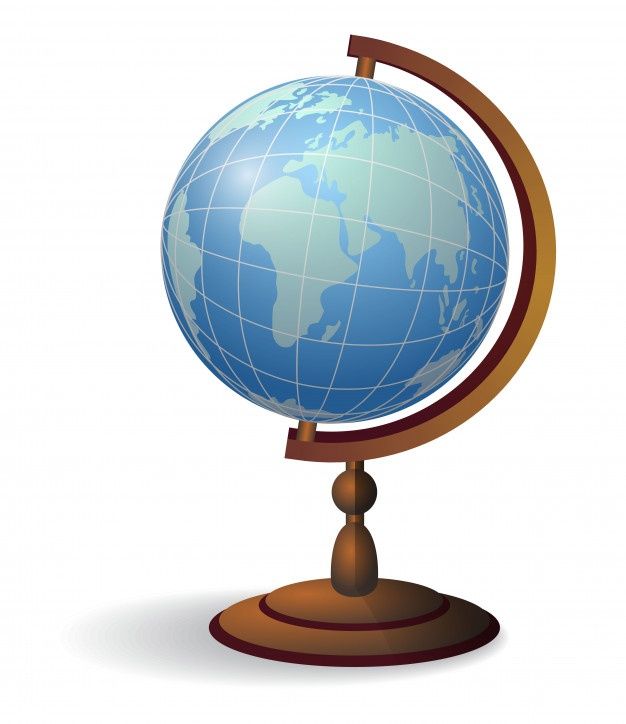
A globe made of paper.
By clicking on the link you can download the document:
Step 2: Familiarise yourself with all the necessary materials and divide into 2 projects (Paper Globe)
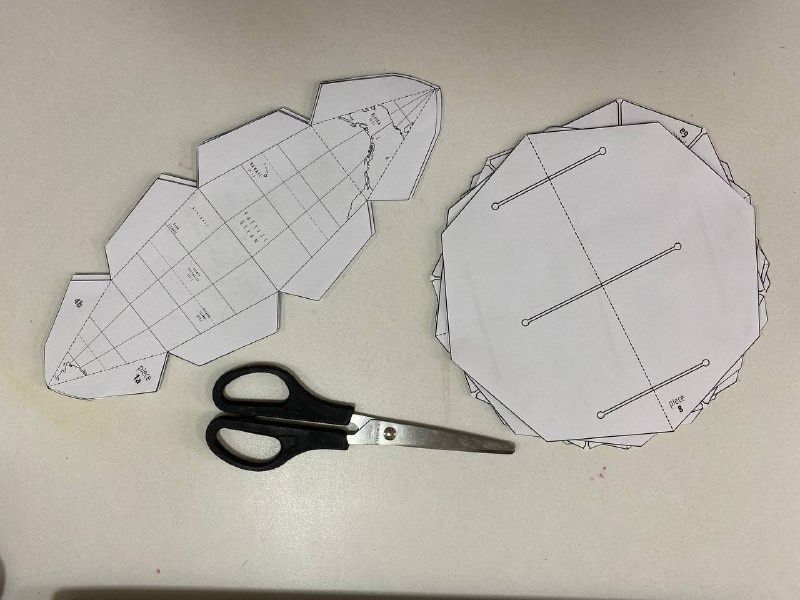
Step 3: Globe.You need to cut out the shapes from the octagons (8 shapes)
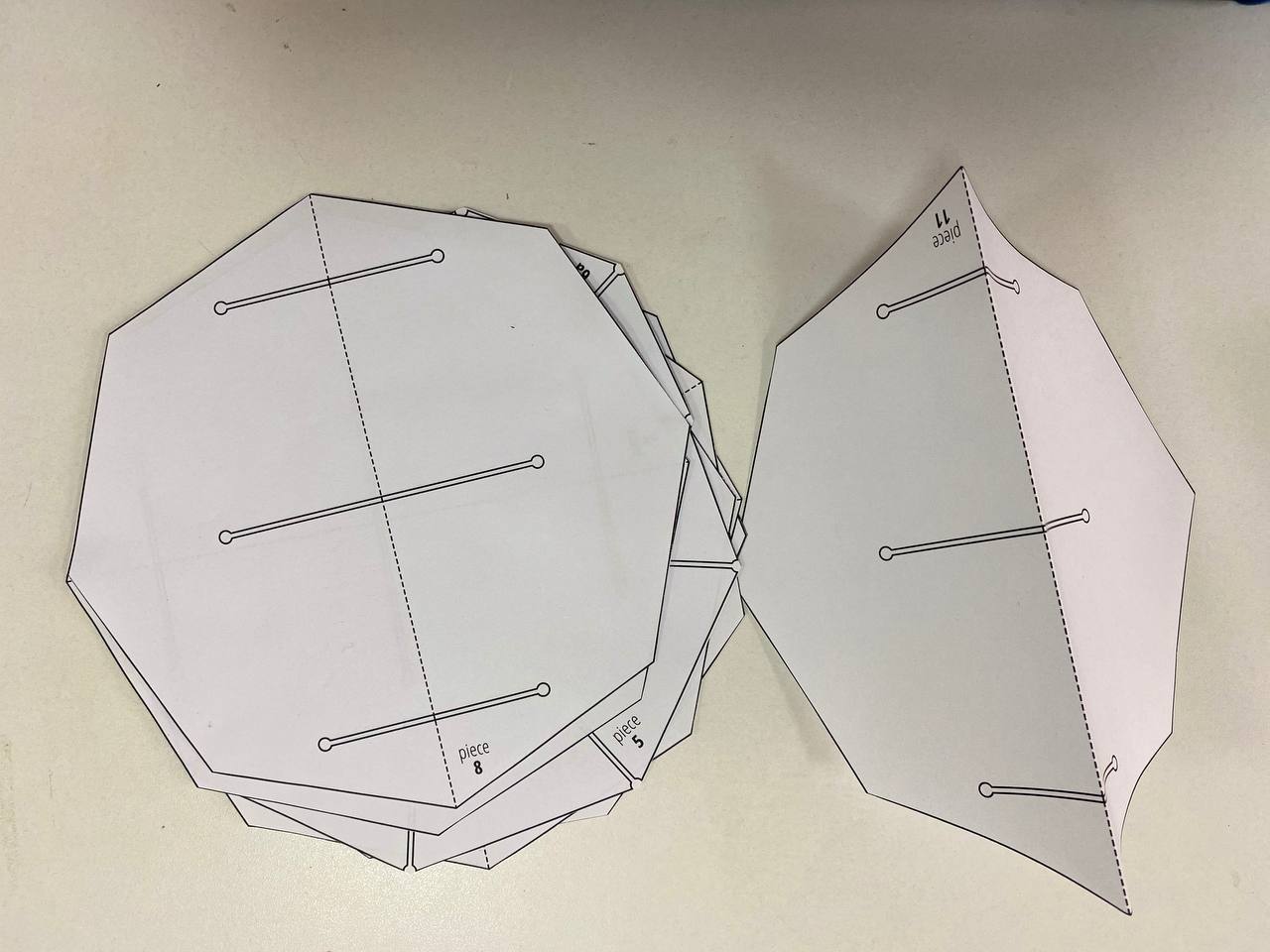
Step 4: Globe.Then fold each octagon along the indicated dotted line
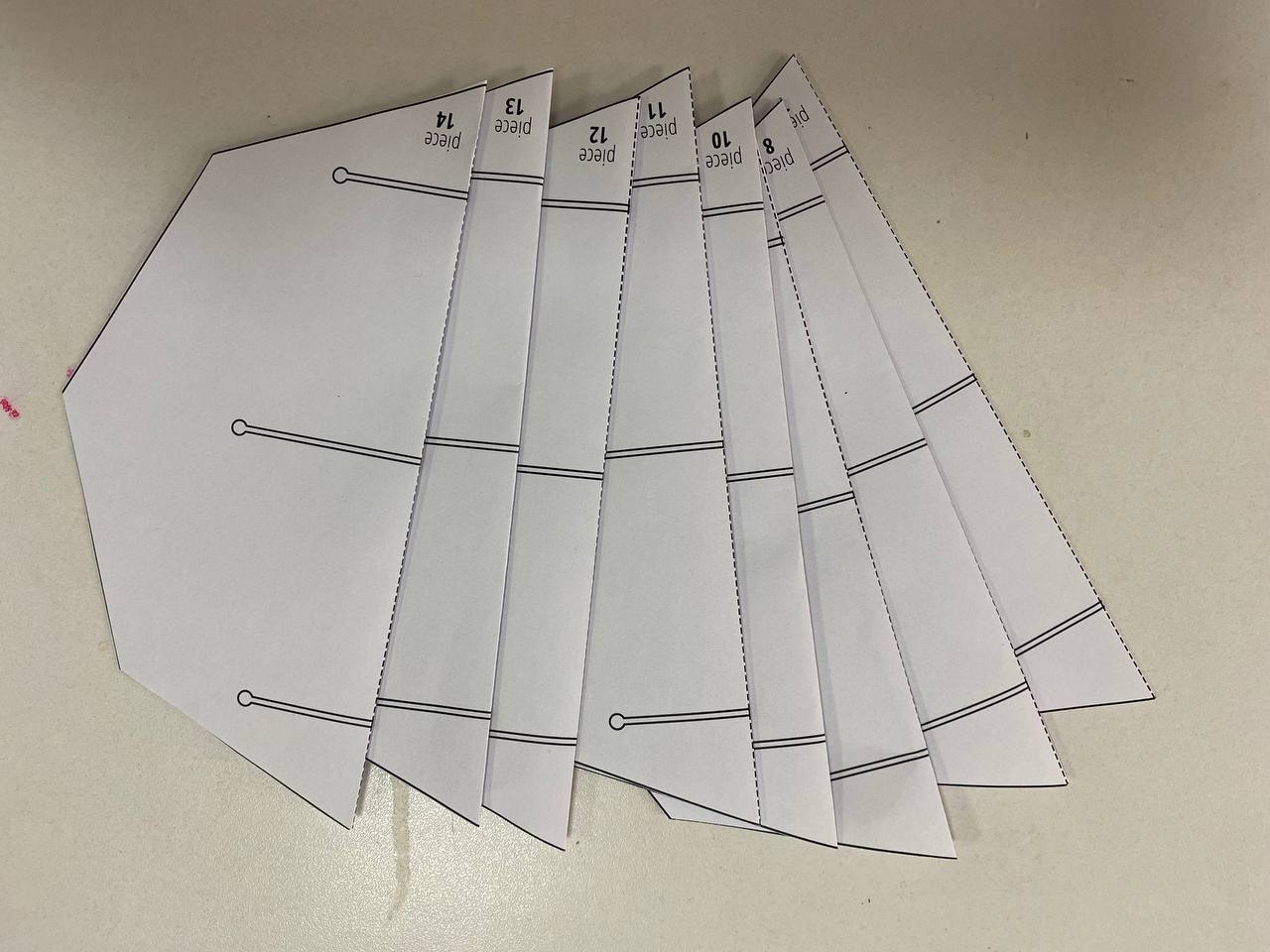
Step 5: Globe.Afterwards you need to cut out thin lines when folded, 3 lines on each paper
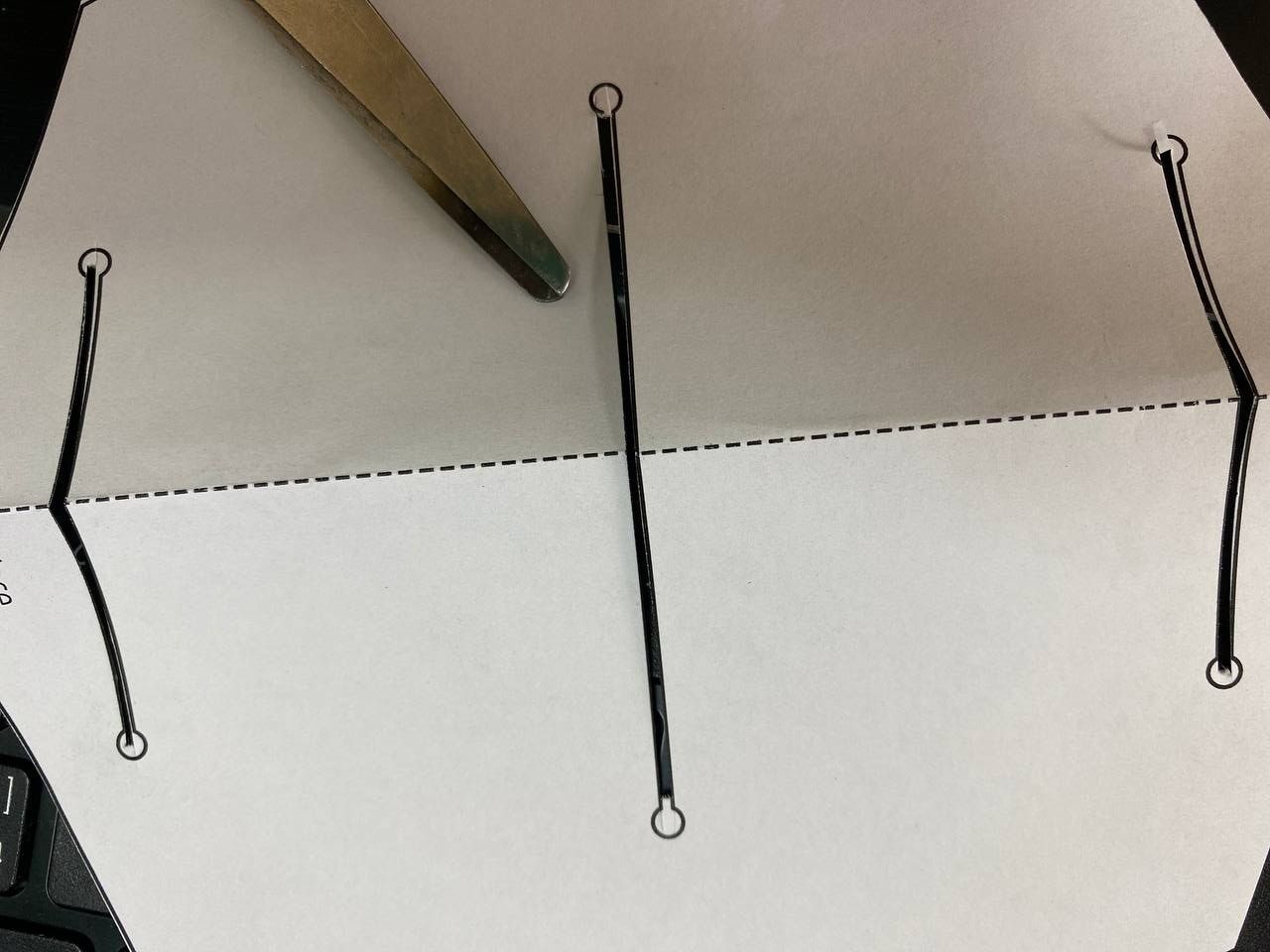
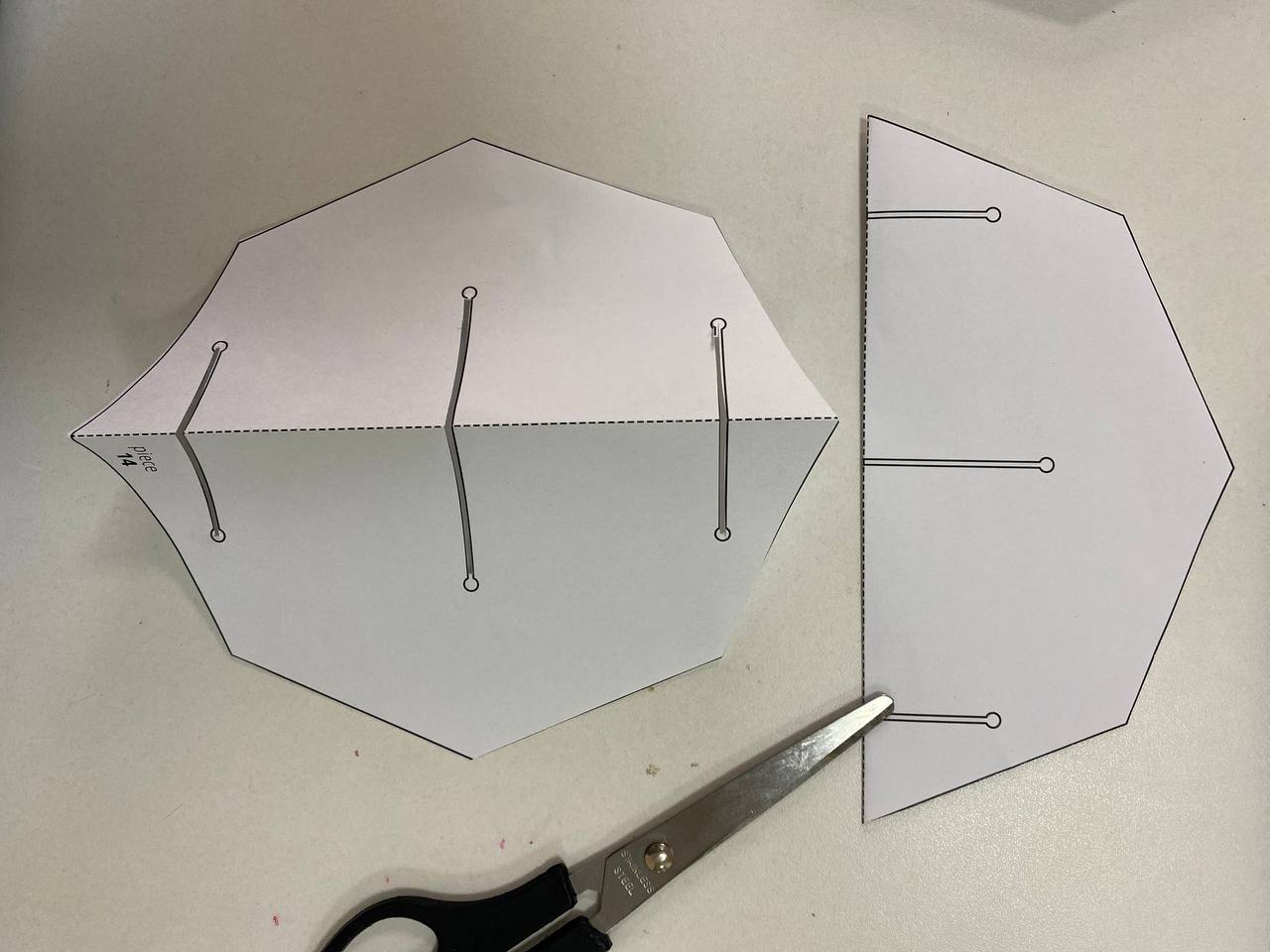
Step 6: Globe.Cut out an octagon with lines on each corner – 1 piece
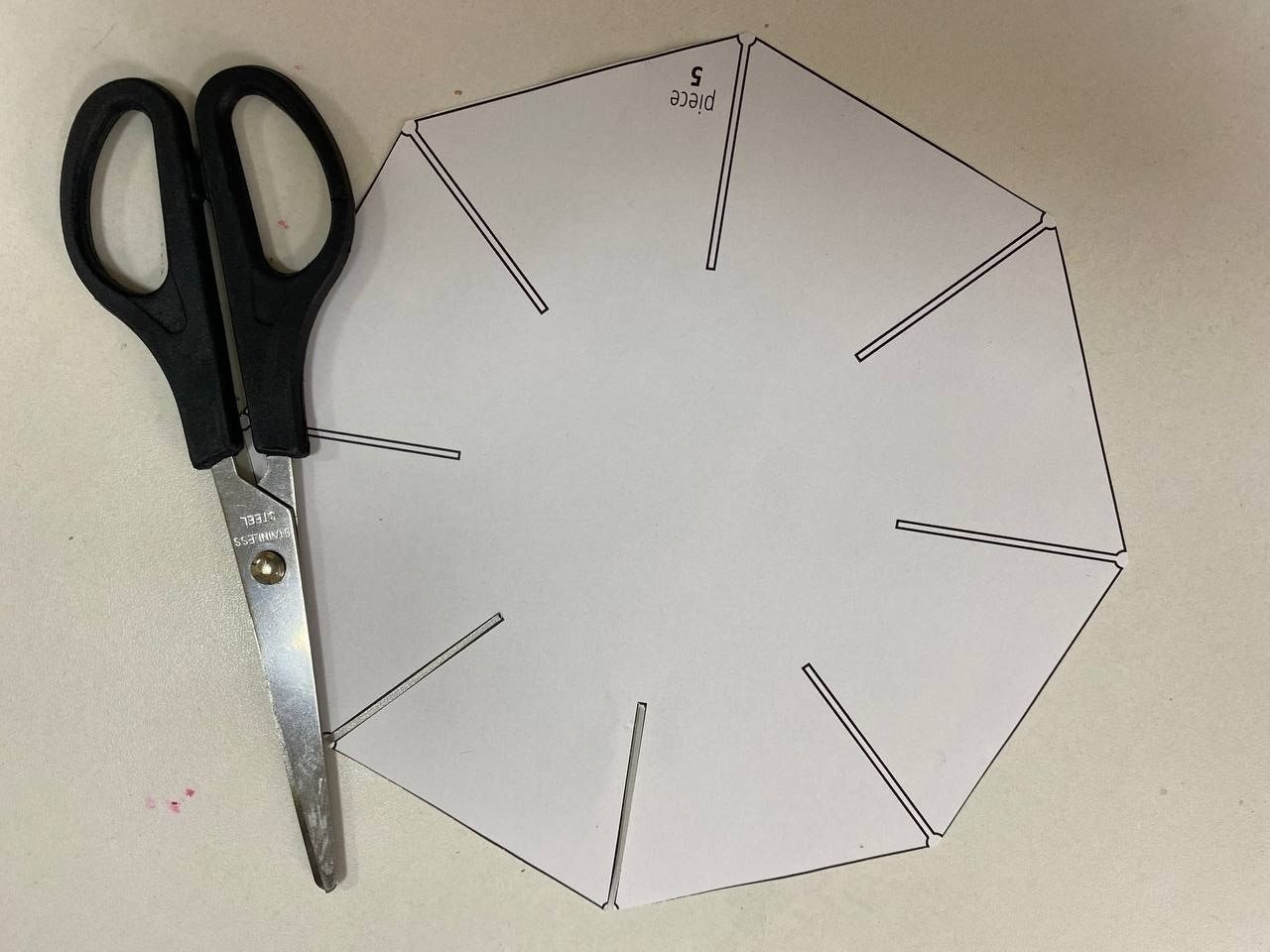
Step 7: Globe.Cut out small octagons with lines on each corner – 2 pieces
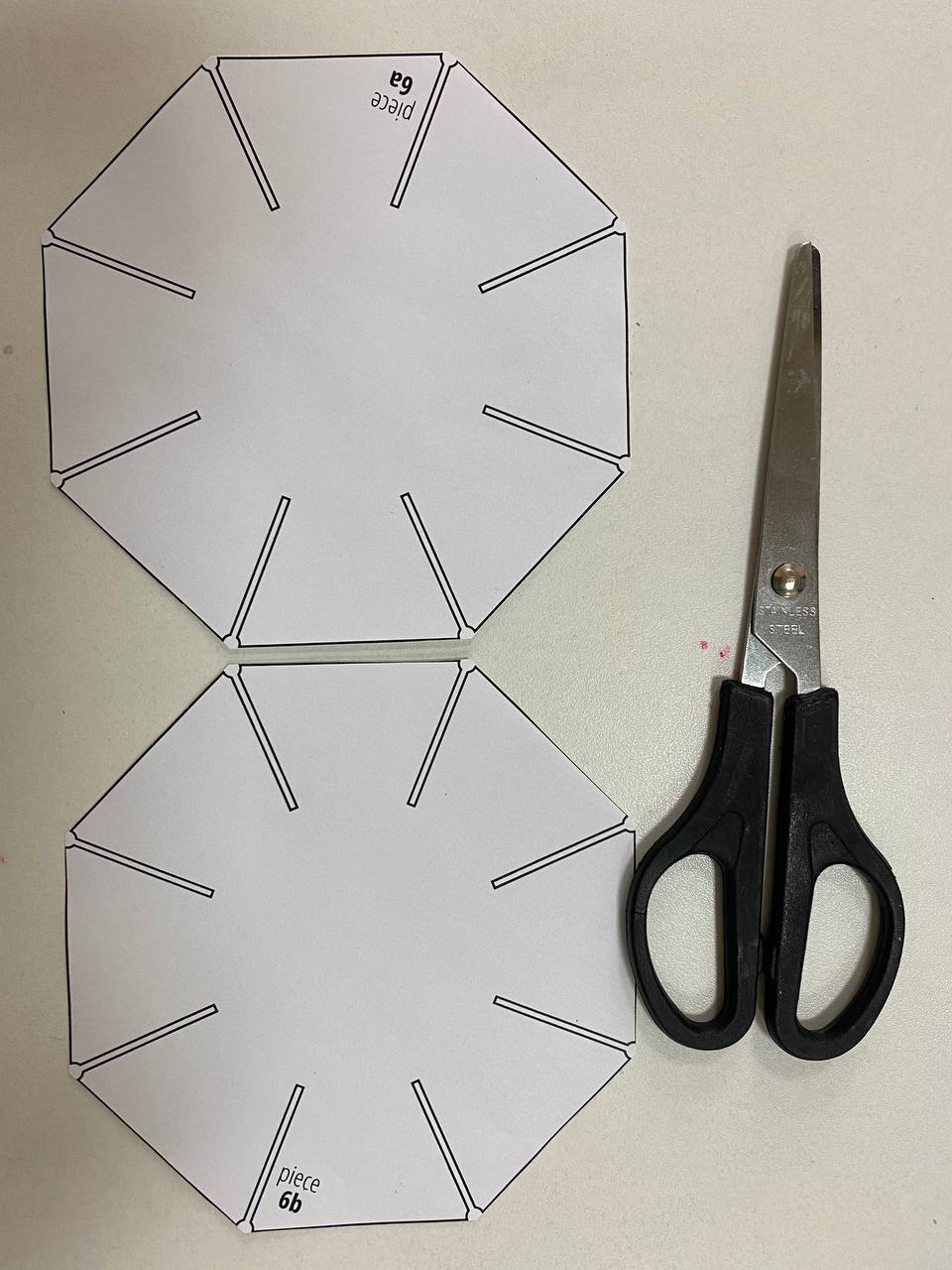
Step 8: Globe.Cut out a world map (8 pieces)
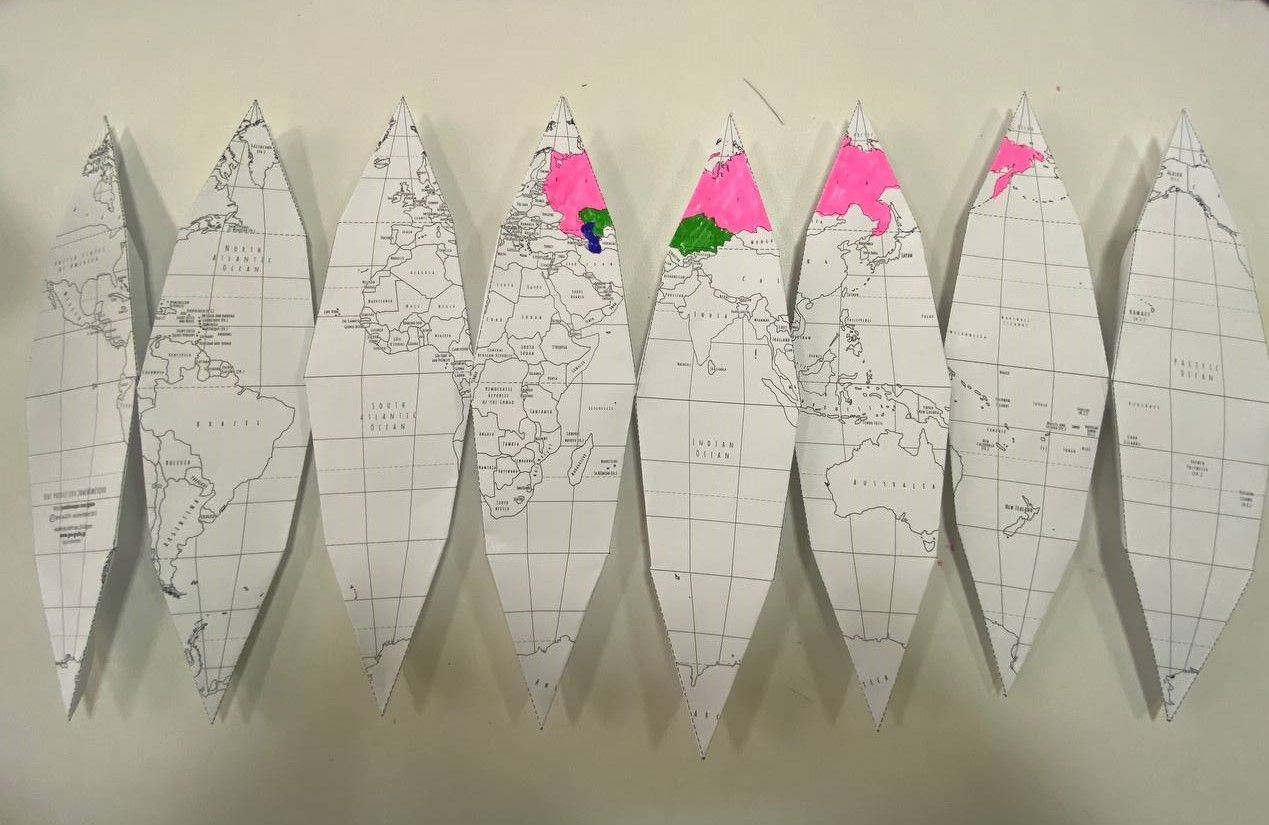
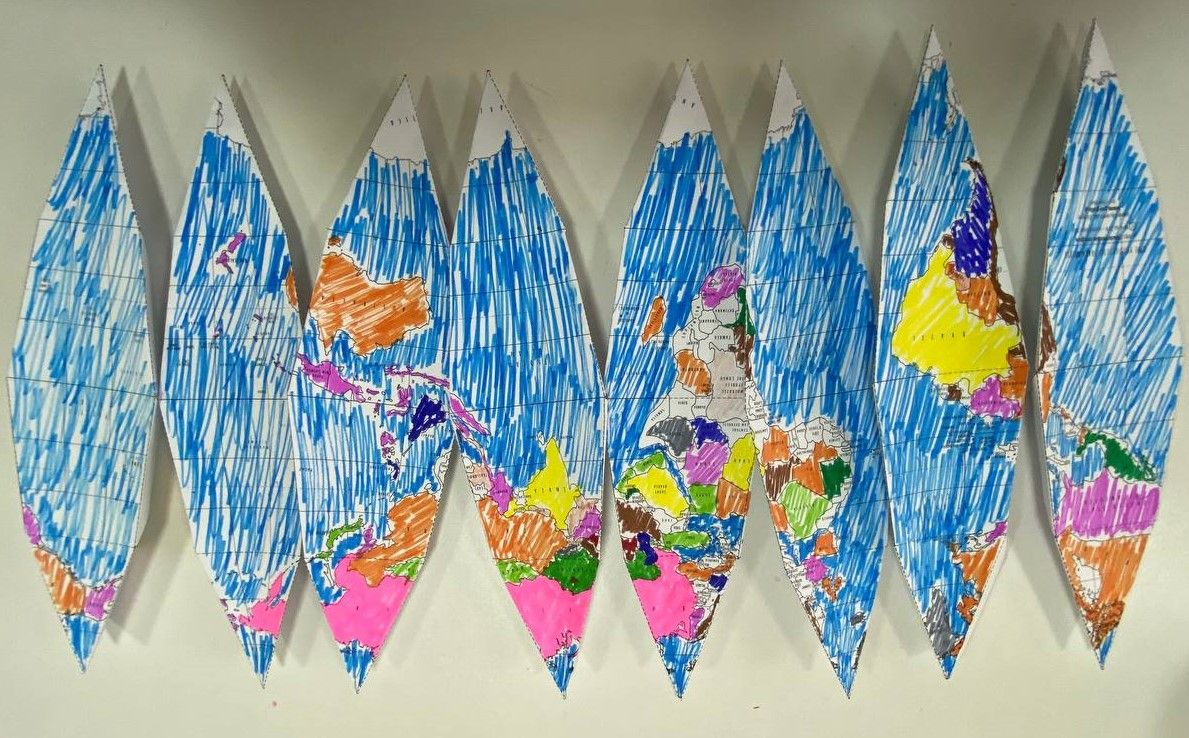
Step 9: Globe.You can colour the continents using the example shown in the picture. You can also add your own creative ideas (colouring by country, highlighting Kazakhstan or individual cities, etc.)
Take-home work
1. leave your materials in the boxes until the next lesson.
2. Think about what else you could make models of the Earth or other planets in the solar system.
3 In the next lesson, you will continue constructing the Globe. Think about what you would add to this layout.