
Lesson

Project Goal:
To determine the lifestyle of the Turkic peoples through the study of various materials.
Teacher Instructions:
Divide students into groups of 4–5 members.
Before starting the practical part, introduce students to all necessary materials.
Conduct a brief safety instruction on working with a blender and PVA glue.
At the beginning of the lesson, explain the PBL (Project Based Learning) rubric to the students. 4K Skills (Critical Thinking, Collaboration, Creativity, Presentation).
Theoretical Part
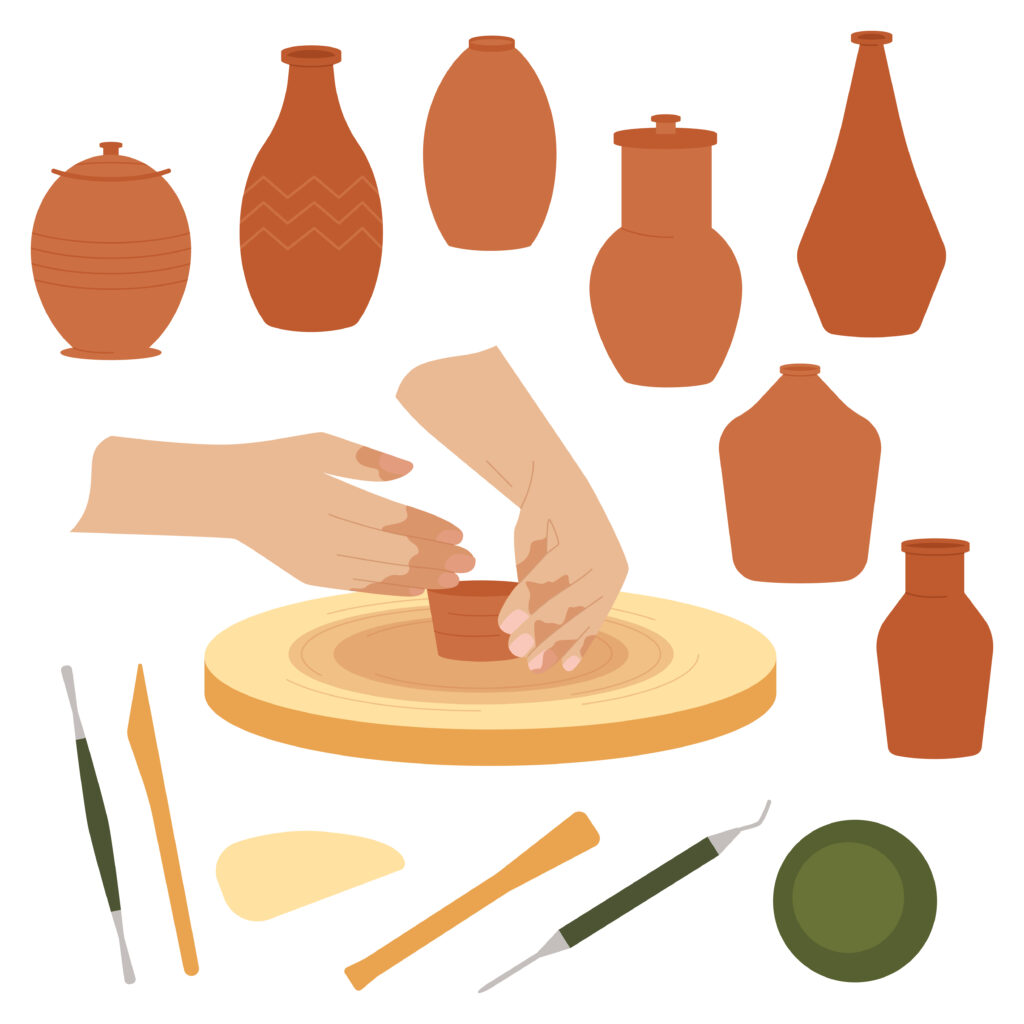
Ancient Turks lived in harmony with nature and crafted household items mainly from natural materials like clay, leather, and wood. Their dishes were used not only for eating but also for storing and transporting goods. This shows that people of that time made efficient and respectful use of their environment.
Today, one way to continue this tradition is to create useful items from household waste, especially paper waste. Paper is one of the most commonly used and discarded materials. By recycling it properly, we can protect nature from pollution and create new products.
Products made from paper pulp are eco-friendly, economical, and visually appealing. During the process, students work with physical quantities such as length, mass, volume, and time. This is not only a creative project but also a scientific and technological experience.
Such projects not only develop children’s thinking skills but also foster care for nature and build a culture of waste reuse. In this way, the project revives the environmentally respectful lifestyle of our ancestors in a modern context.
Practical Part
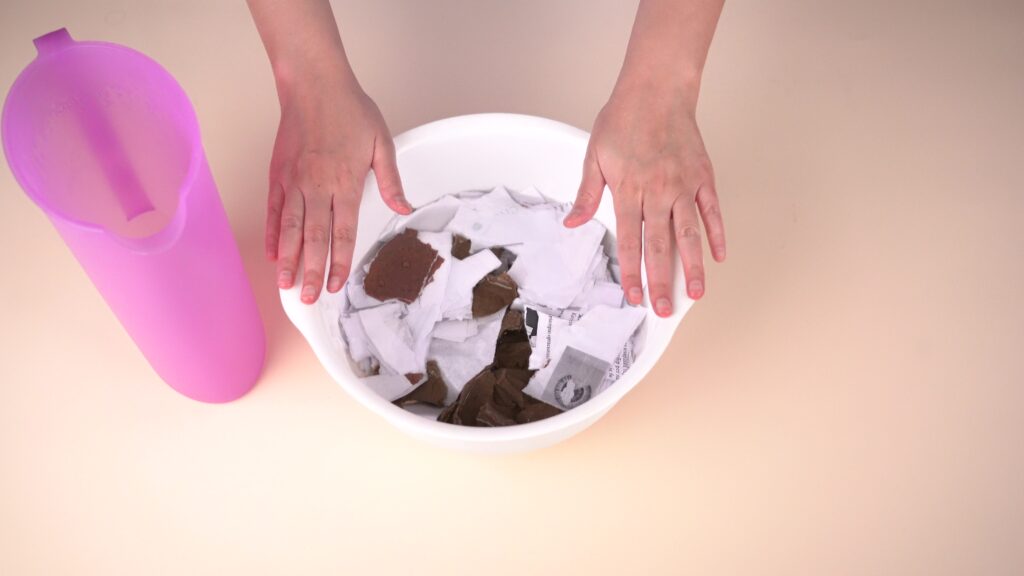
Step 1. Prepare the paper pulp. Tear A4 paper and egg cartons into small pieces, place them in a bowl, and pour warm water over them. Let soak for 1 hour.
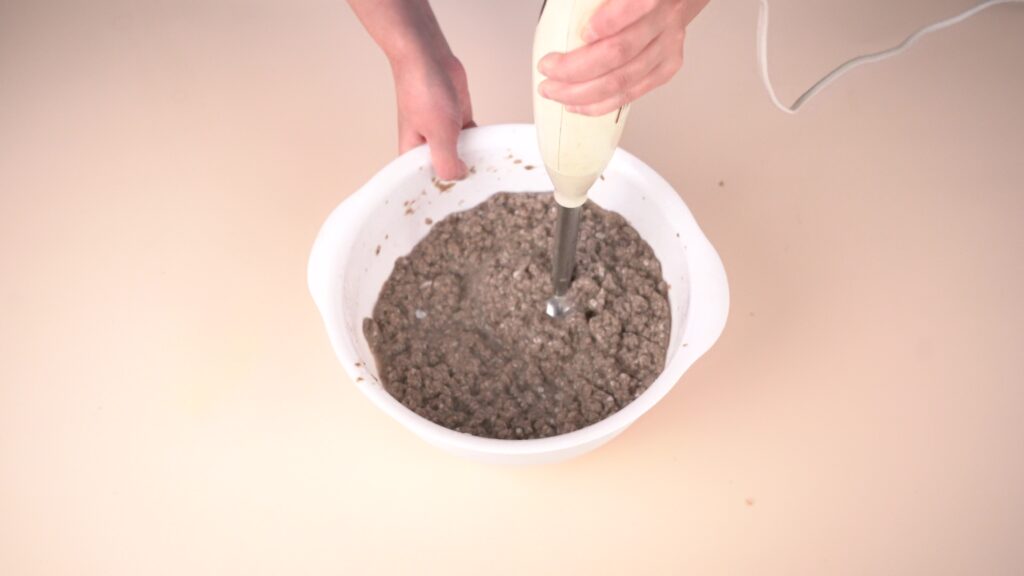
Step 2. Blend the soaked paper using a blender until it becomes a uniform pulp.
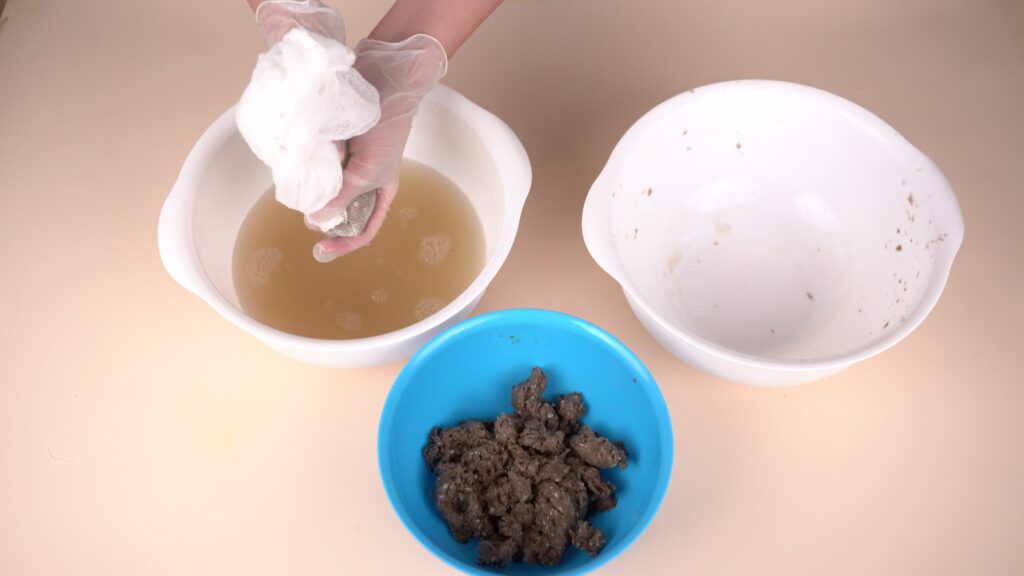
Step 3. Drain and squeeze out the excess water (it should remain slightly damp).
Recipe 1: Soaked paper + flour
Ingredients:
- Half of the paper pulp
- Flour – 100-120 g
- Water – 55-60 ml
- Salt – 1 tablespoon
Step 4. Mix the flour, water, and salt into a liquid dough.
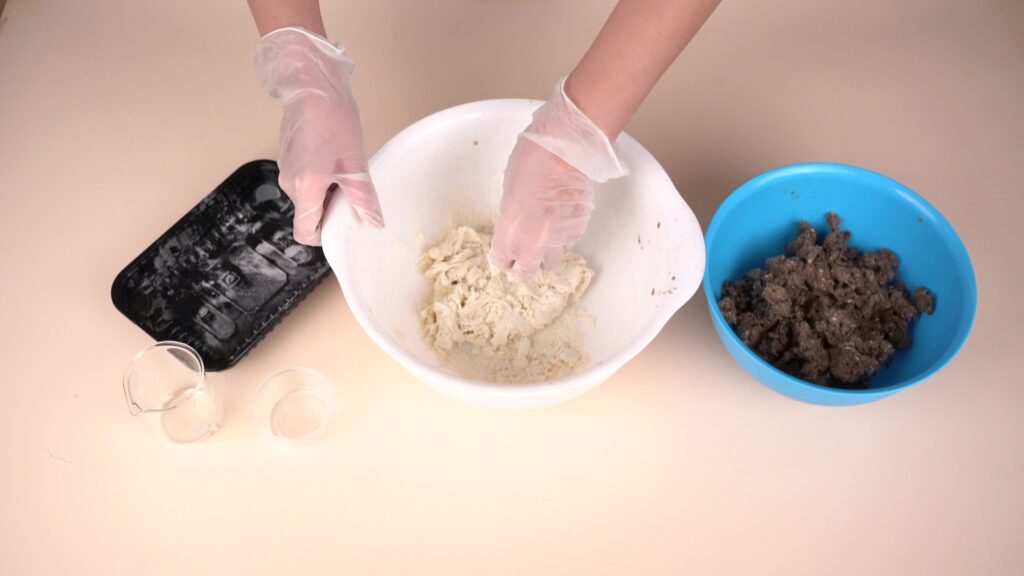
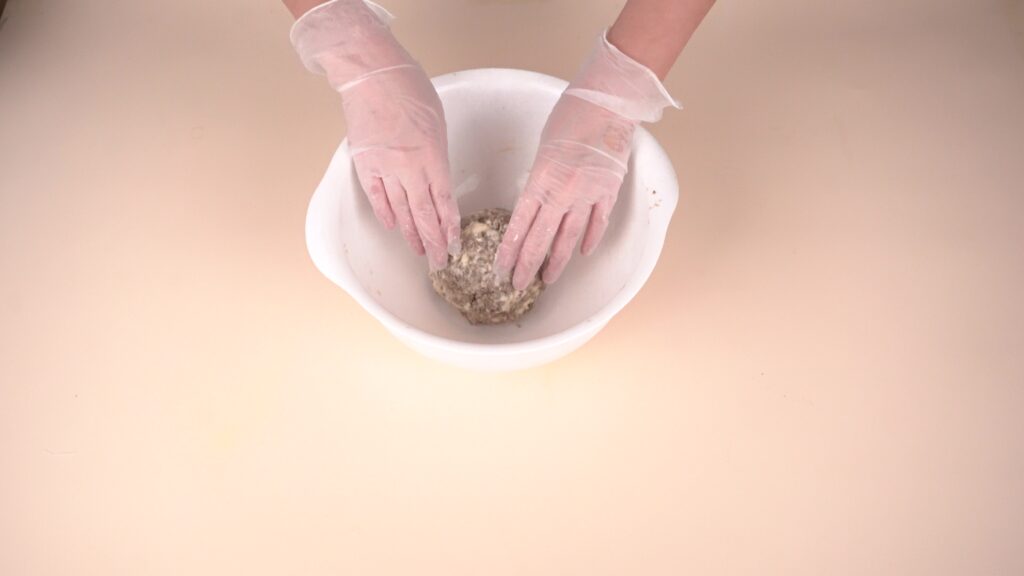
Step 5. Add the mixture to the paper pulp and knead thoroughly until you get a soft, playdough-like texture.
Recipe 2: Soaked paper + flour + glue
Ingredients:
Vegetable oil – 2 tablespoons
The remaining half of the paper pulp
Flour – 150-180 g
Salt – 1 tablespoon
PVA glue – 100 g
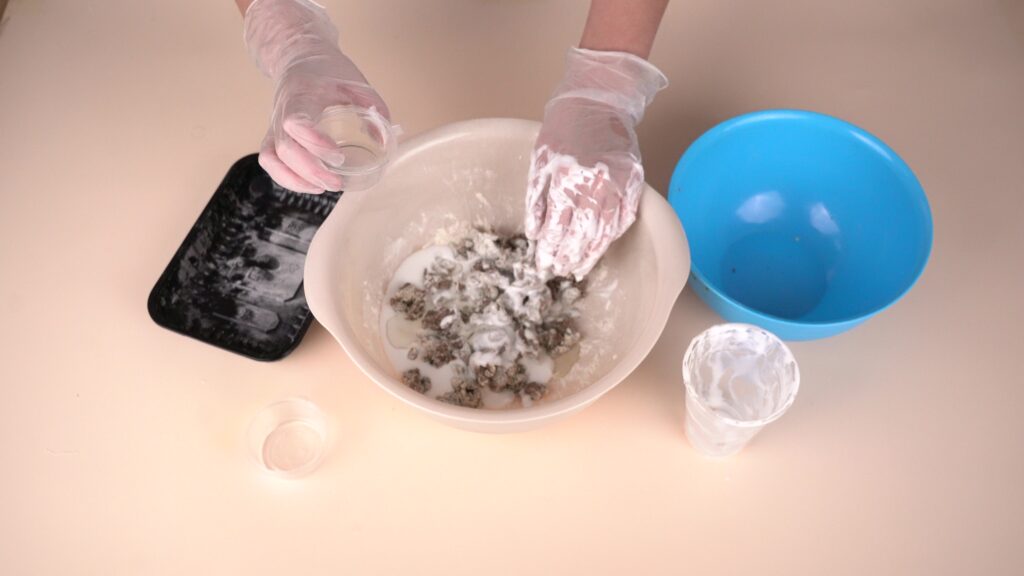
Step 6. Add all ingredients to the second part of the paper pulp.
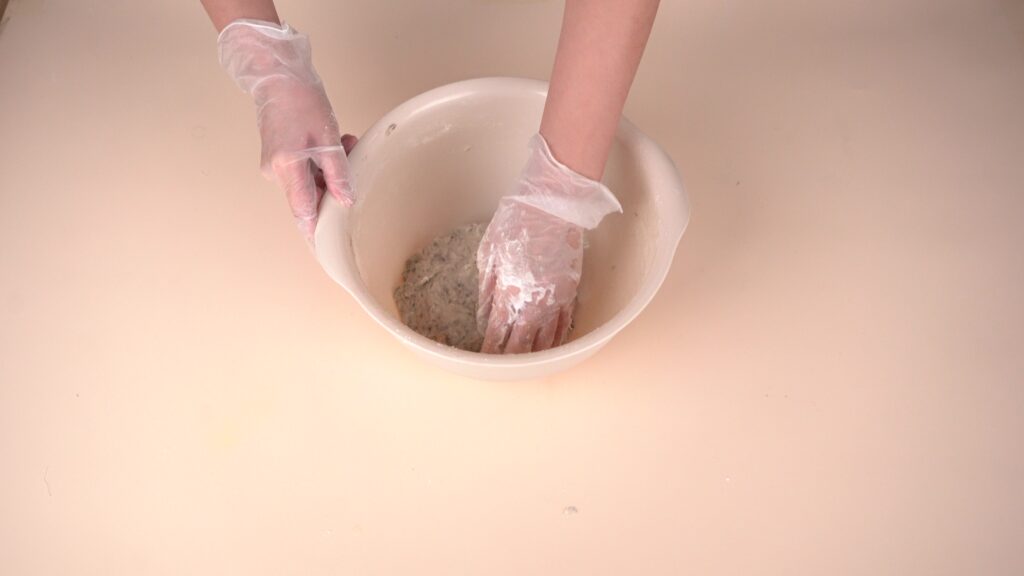
Step 7. Knead thoroughly using a spoon or your hands. The oil will make the mixture soft and pliable.
Step 8. Cover two bowls with plastic wrap – they will be used as molds.
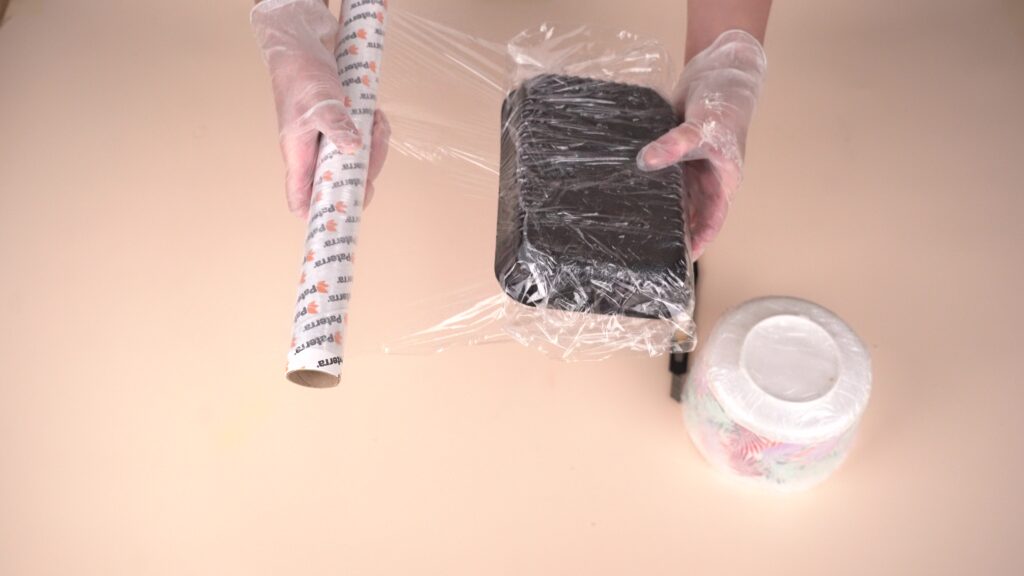
Step 9. Place each pulp mixture on a bowl and shape it evenly.
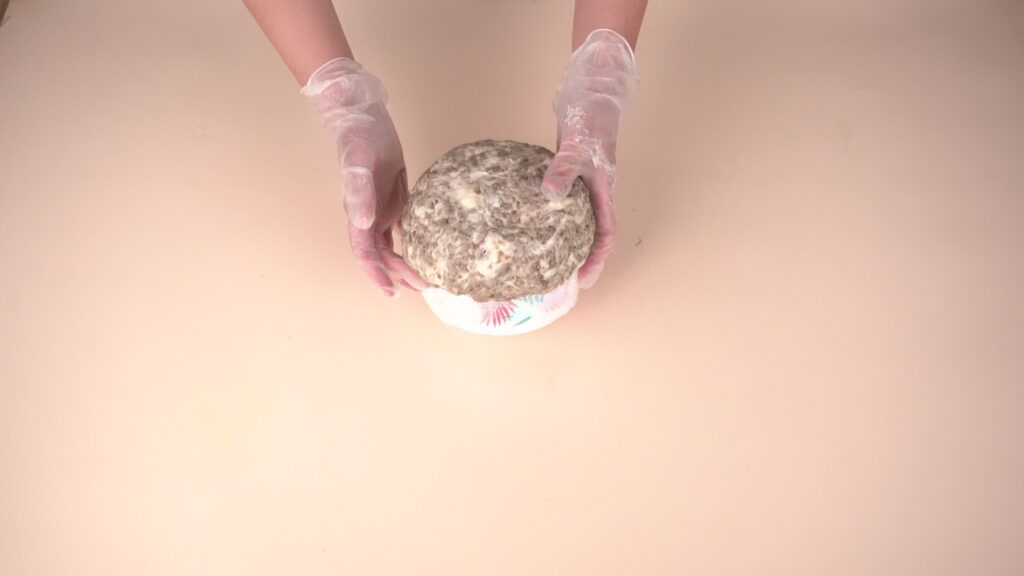
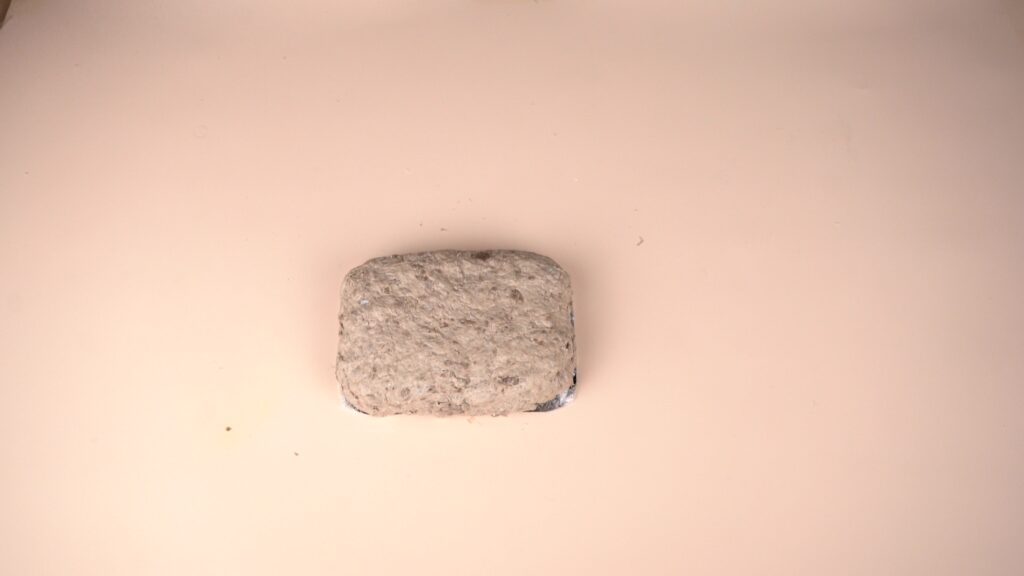
Step 10. Leave them to dry for 3-4 days in a warm, ventilated place.
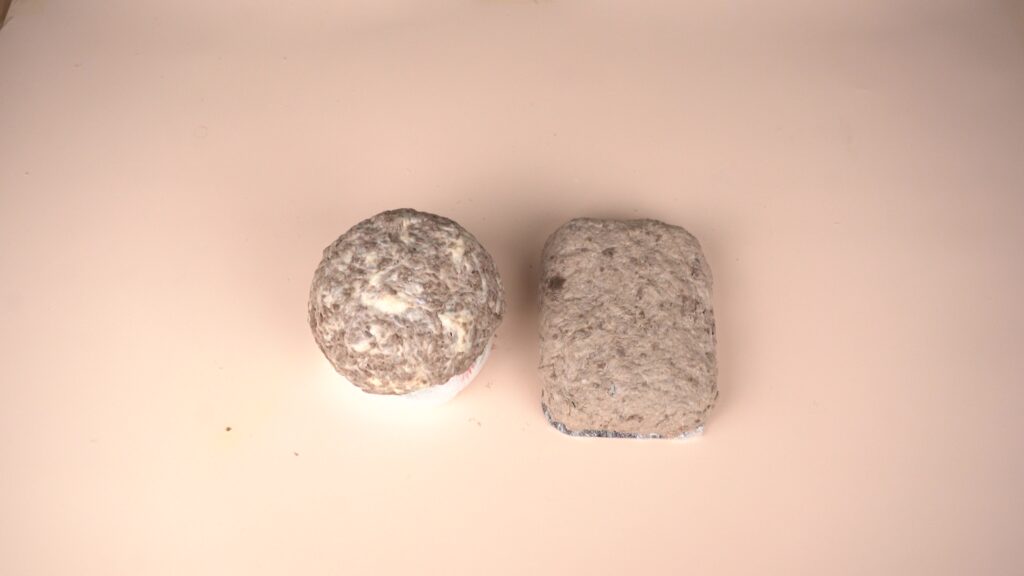
Step 11. Once fully hardened, carefully remove from the mold.
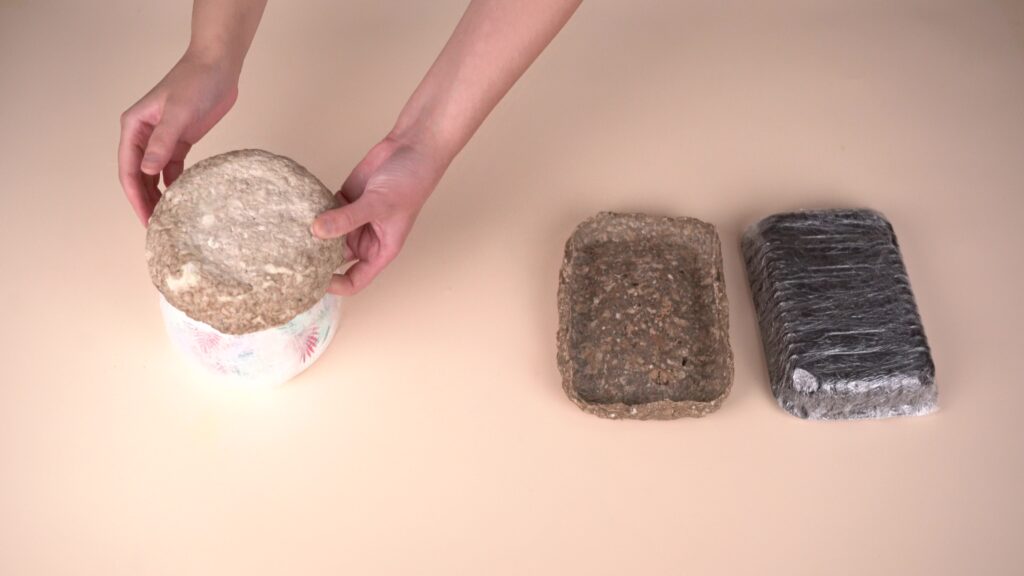
Done!
The flour-based bowl turned out more delicate but eco-friendly. The glue-based bowl was stronger, smoother, and easier to refine.
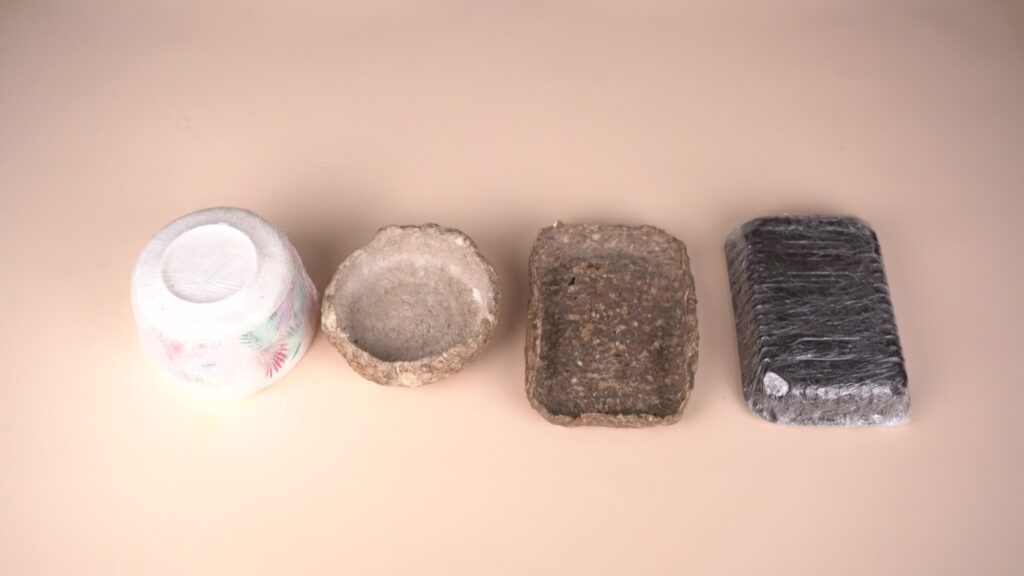
Conclusion
Throughout the project, students learn about recycling, proportions, shapes, and historical-cultural values. They explore the lifestyle and household items of ancient Turks and create modern versions by hand. This project combines ecology, art, and history, helping students develop functional literacy.
In this project, each student is assigned a STEAM title in several categories:
– By assembling this model, you have become a true master of science! You have learned how clocks work. This is real scientific thinking!
– Look at this beautiful clock! You have used your design and problem-solving skills to create a working model. Congratulations, you are an expert engineer!