
Lesson

Purpose of the work:
- To investigate the chemical properties of amino acids using glycine as an example.
Expected results:
After completing the work, students can:
- develop teamwork skills
- be able to analyze and summarize the information received
- draw logical conclusions
Teacher’s Guide:
- The task is performed in groups of 3-4 people
- Before starting laboratory work, please read the safety rules by following the link:
- To download the worksheet, follow the link:
Theory
Amino acids are organic compounds that contain both an amino group (-NH₂) and a carboxyl group (-COOH). Because of this, they show dual properties: they can behave as both acids and bases.
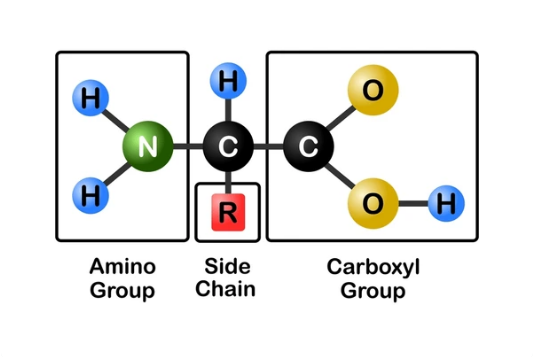
- In an acidic medium, the amino group accepts a proton → forming a cation.
- In an alkaline medium, the carboxyl group loses a proton → forming an anion.
Thus, amino acid solutions are amphoteric. In addition, amino acids decompose or burn upon heating, since they contain carbon, hydrogen, and nitrogen.
Practical part
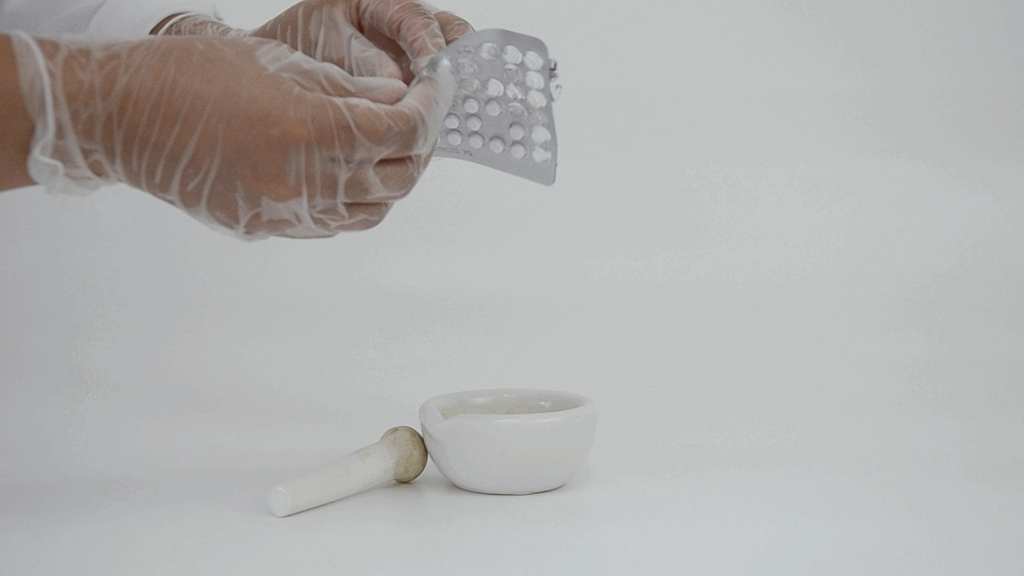
Step 1. Prepare a glycine solution. To do this, grind 10 glycine tablets into powder using a mortar and pestle.
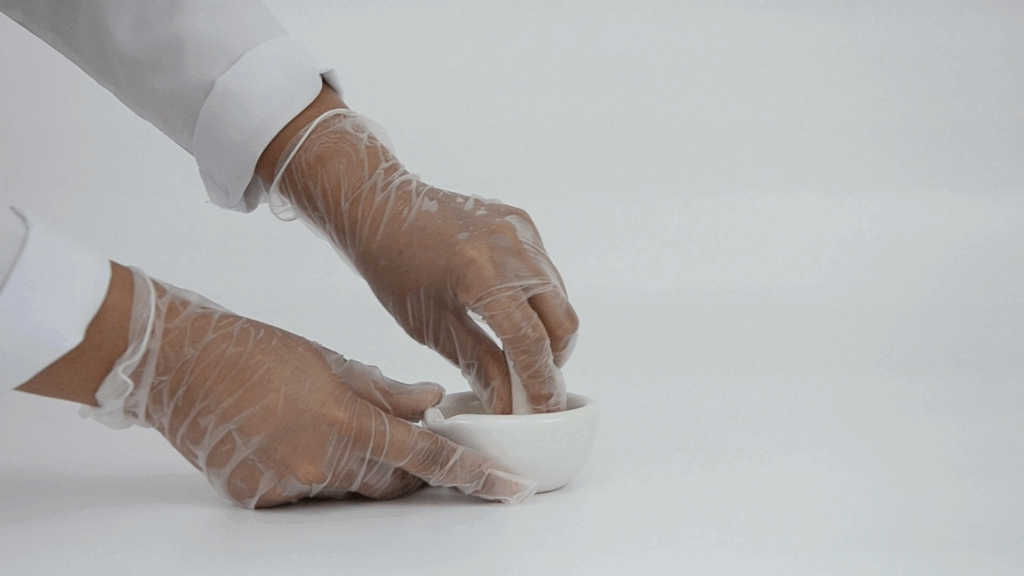
Step 2. Dissolve the obtained powder in 100 ml of warm water.
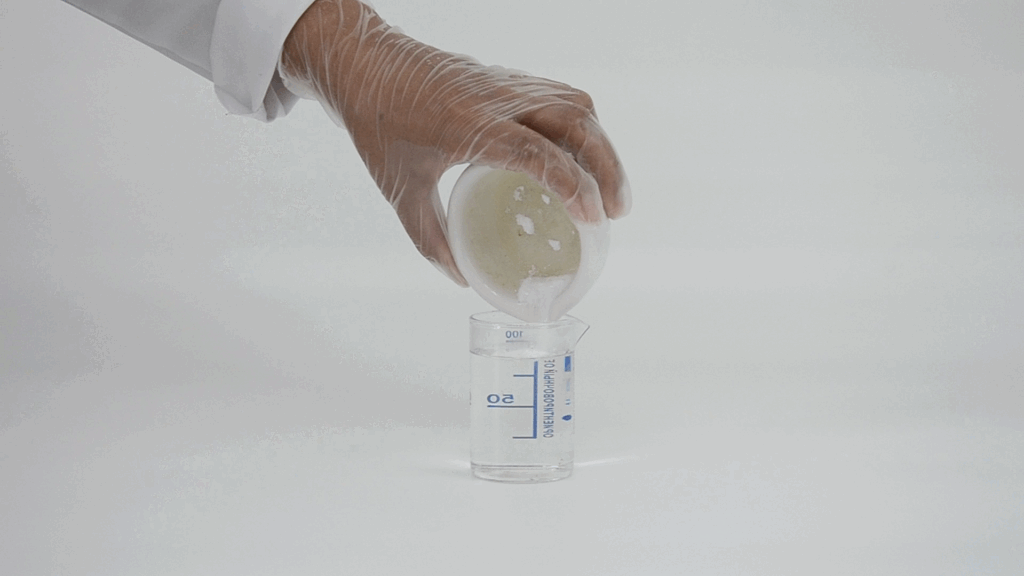
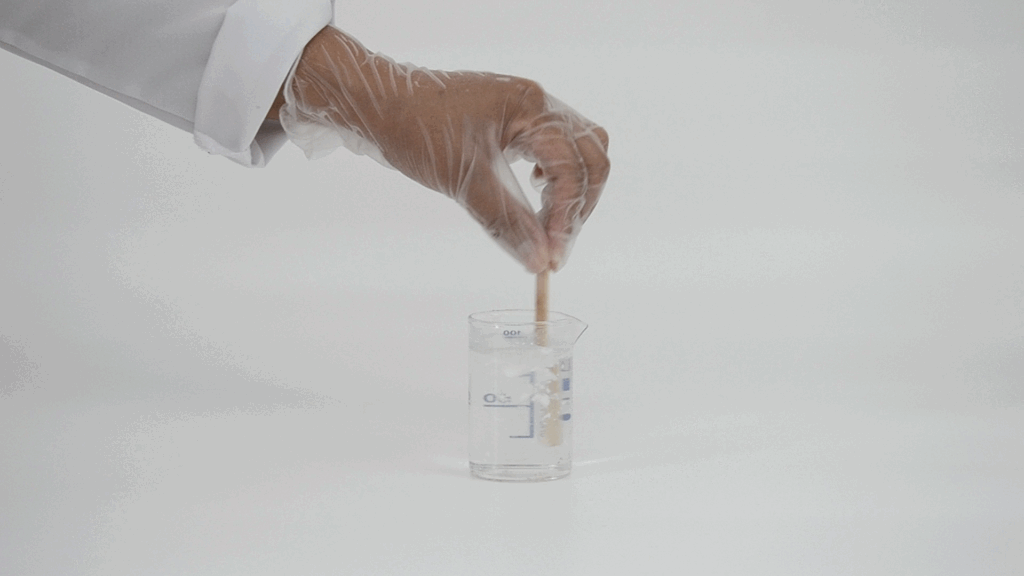
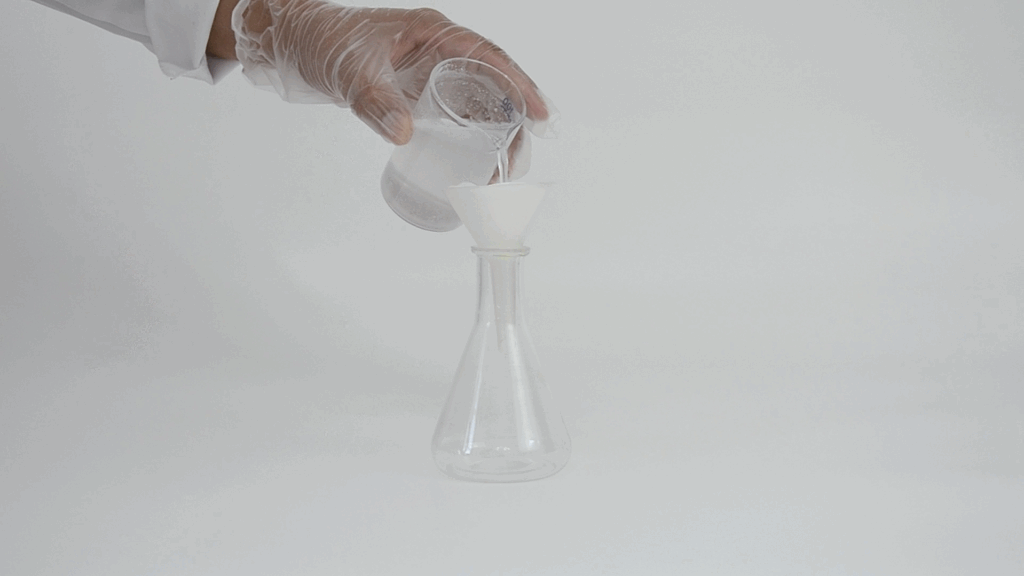
Step 3. Filter the solution into a clean beaker. Your solution is ready.
Interaction with indicator
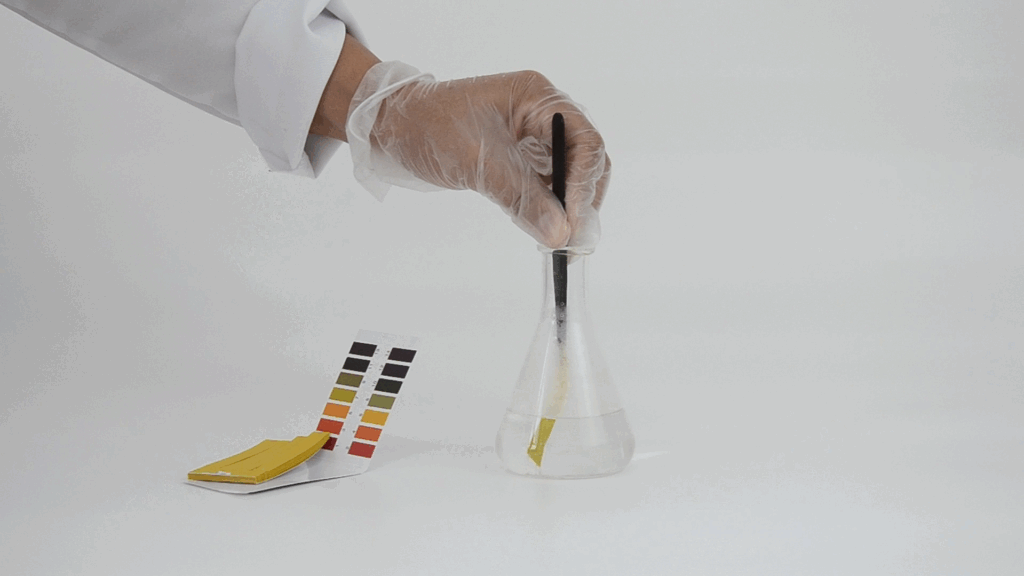
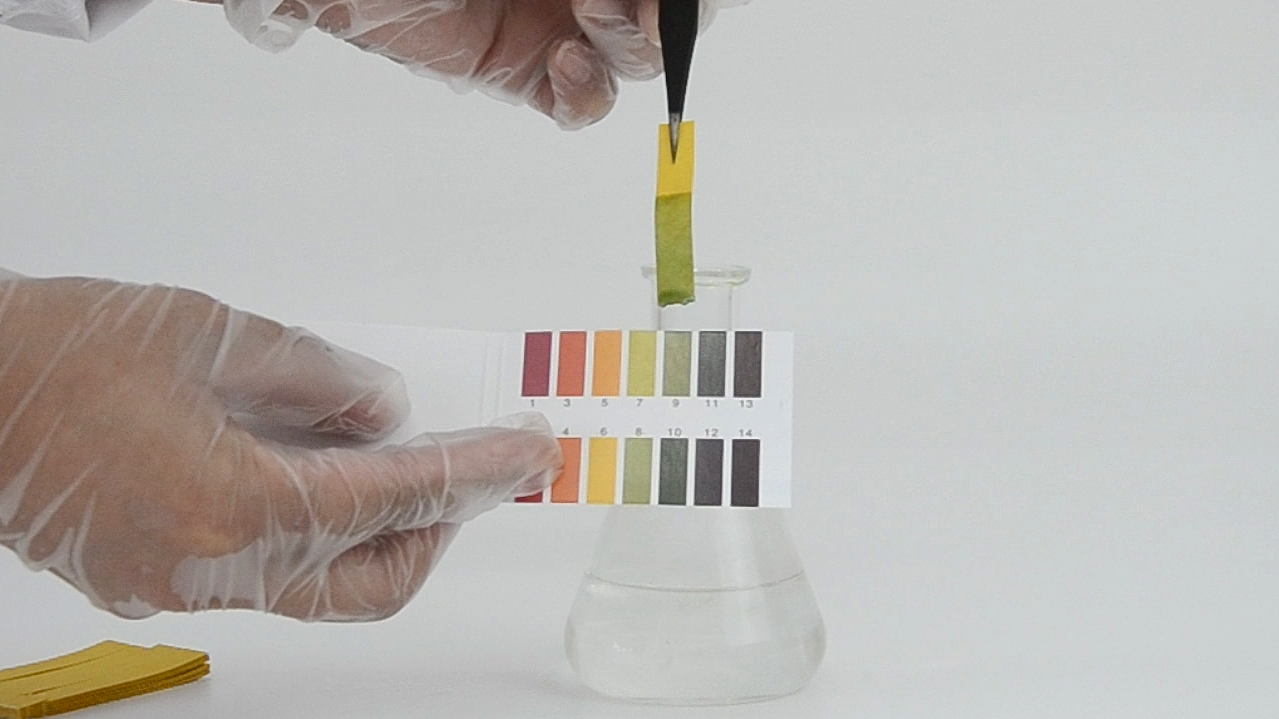
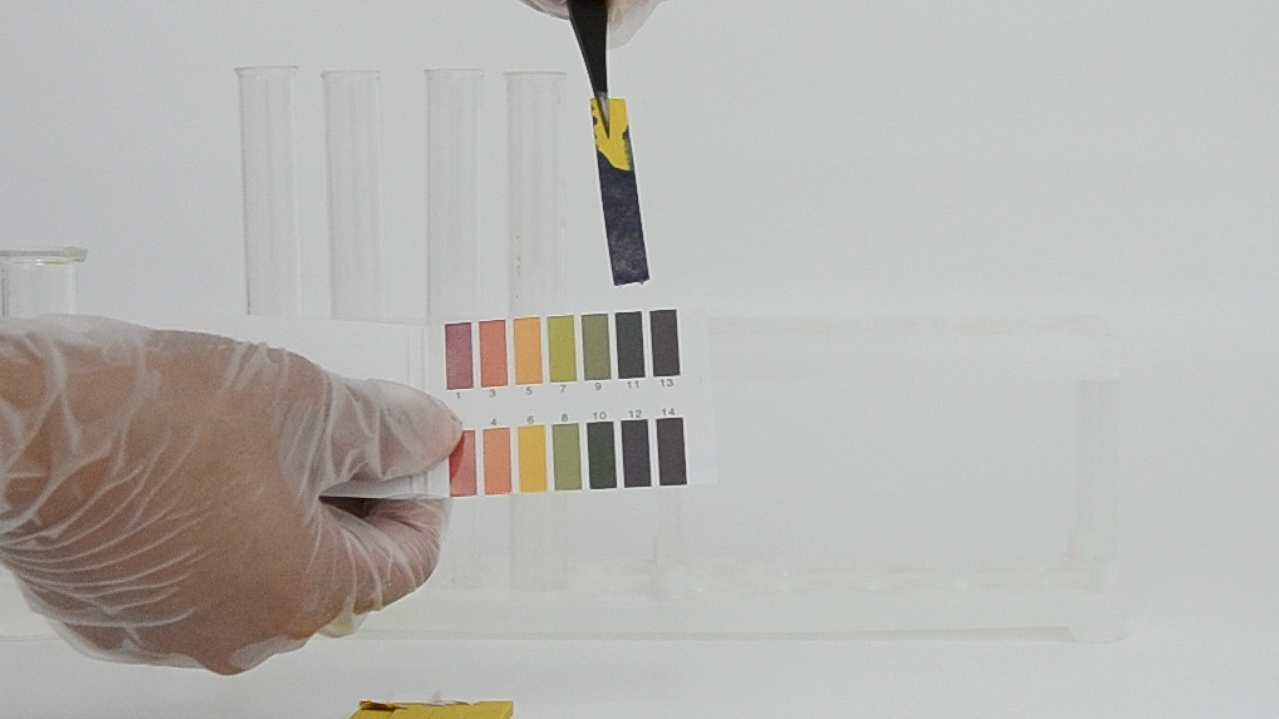
Step 4. Check the pH of the solution using a universal indicator or litmus paper.
Glycine in aqueous solution is close to neutral, since its carboxyl and amino groups mutually compensate for the acidic and basic properties (forming a zwitterion).
Study of amphoteric properties of glycine
Step 5. Pour a small amount of the solution into two test tubes.
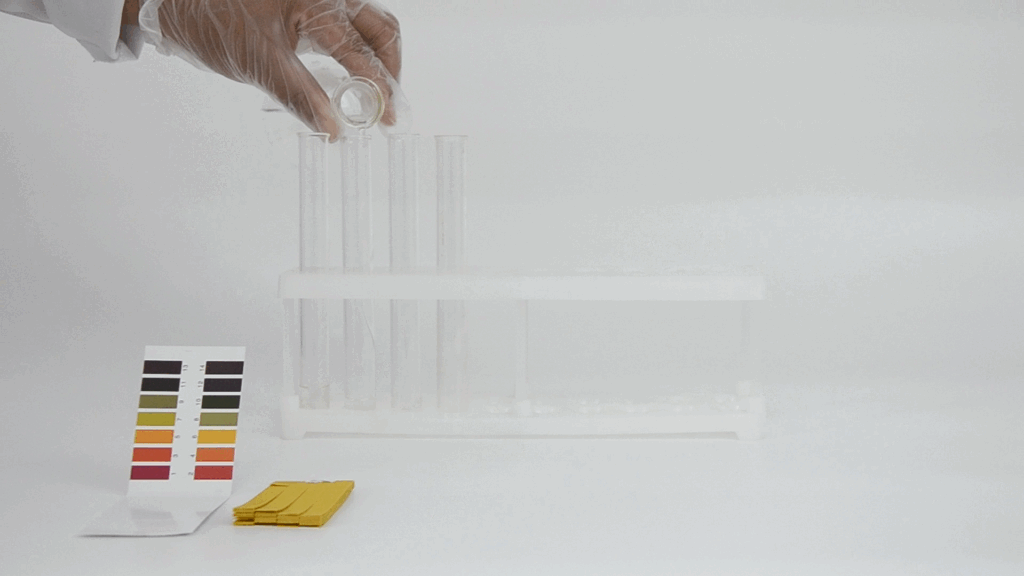
Step 6. Add a few drops of acetic acid to the first test tube and check the pH of the solution.
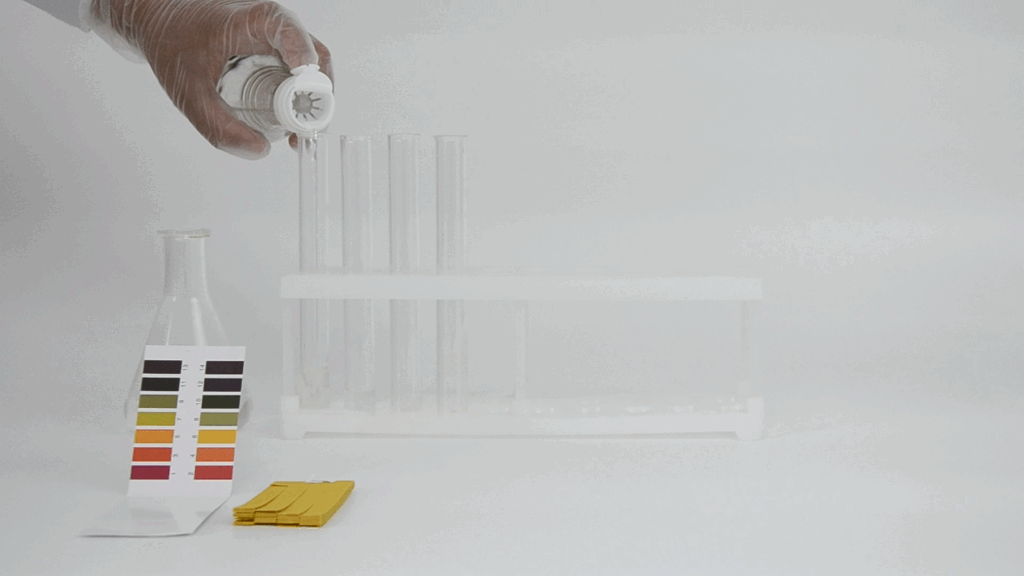
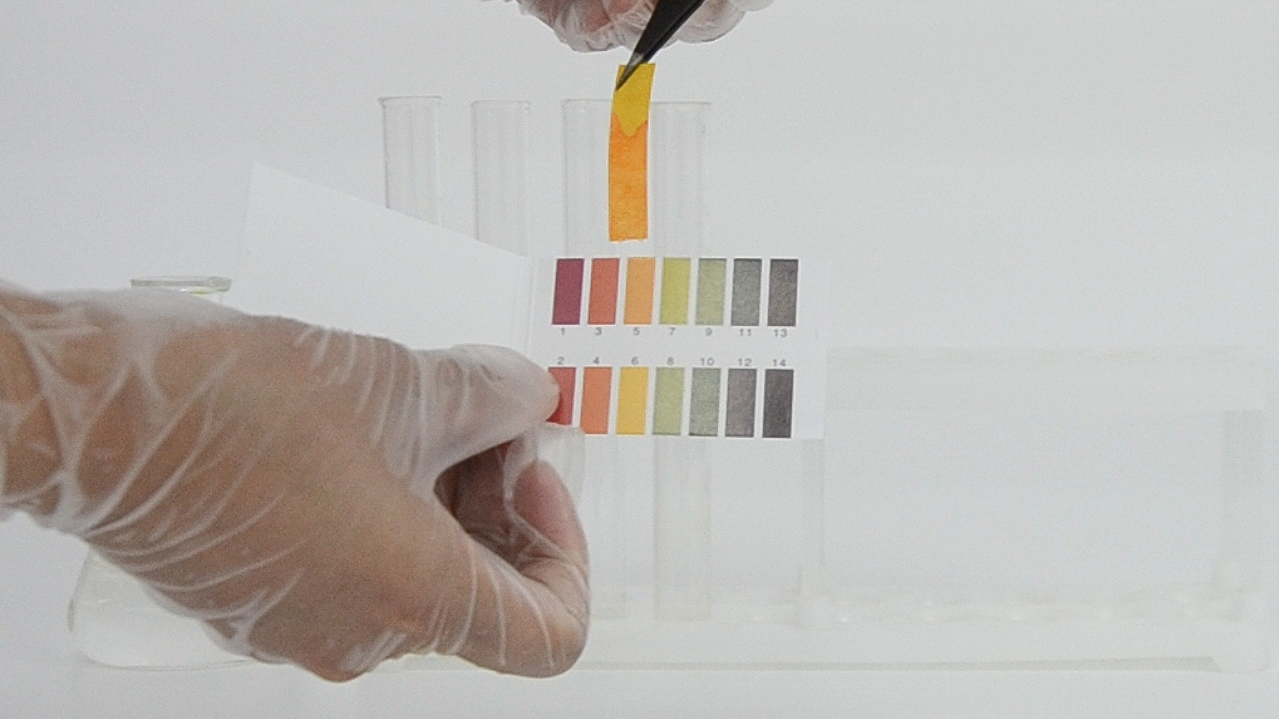
Step 7. Add a little alkali to the second test tube and also check the pH with an indicator.
Glycine shows amphoteric properties: in an acidic medium it behaves as a base (the amino group is protonated), and in an alkaline medium it behaves as an acid (the carboxyl group dissociates).
Interaction with metal salts
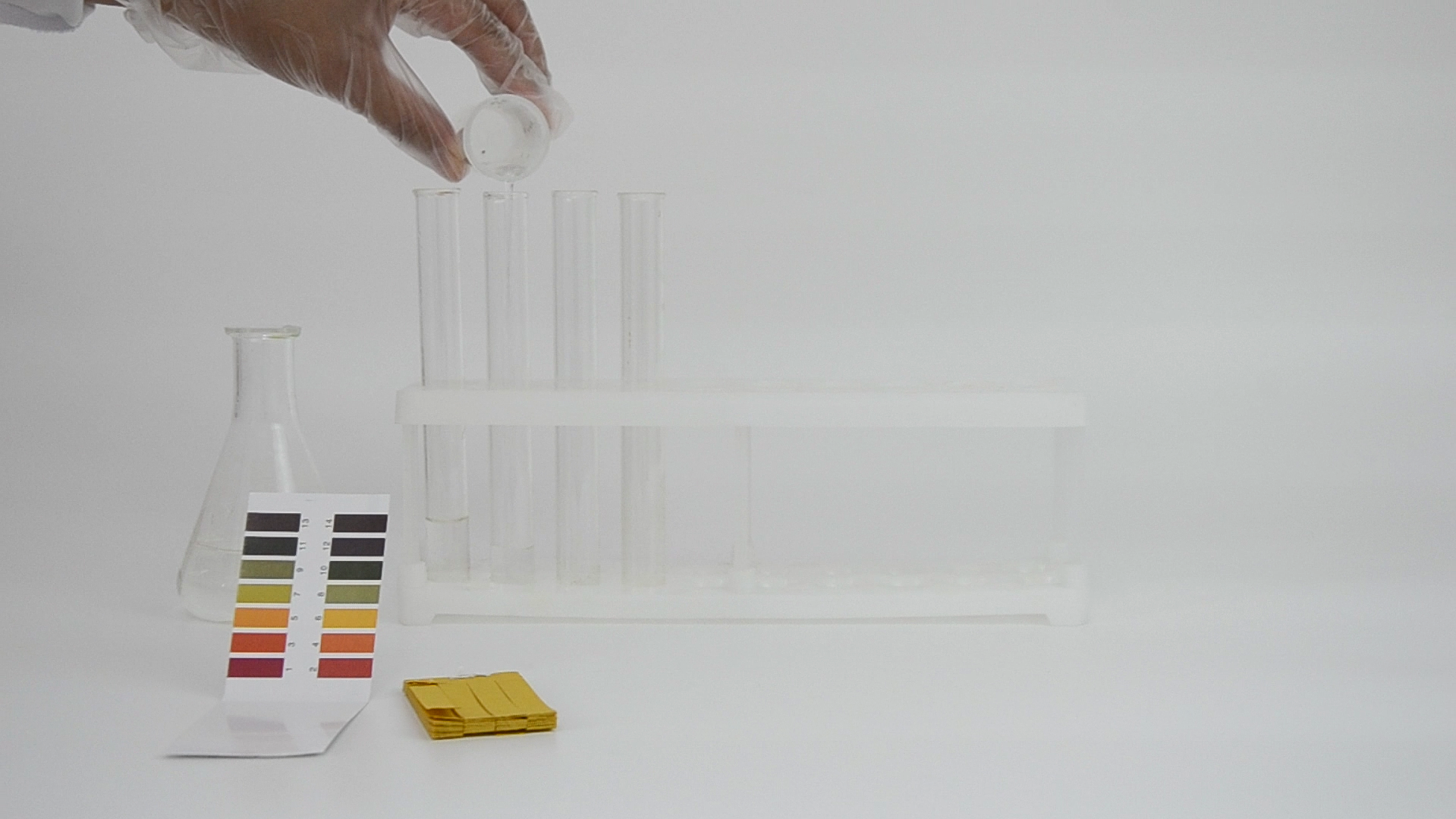
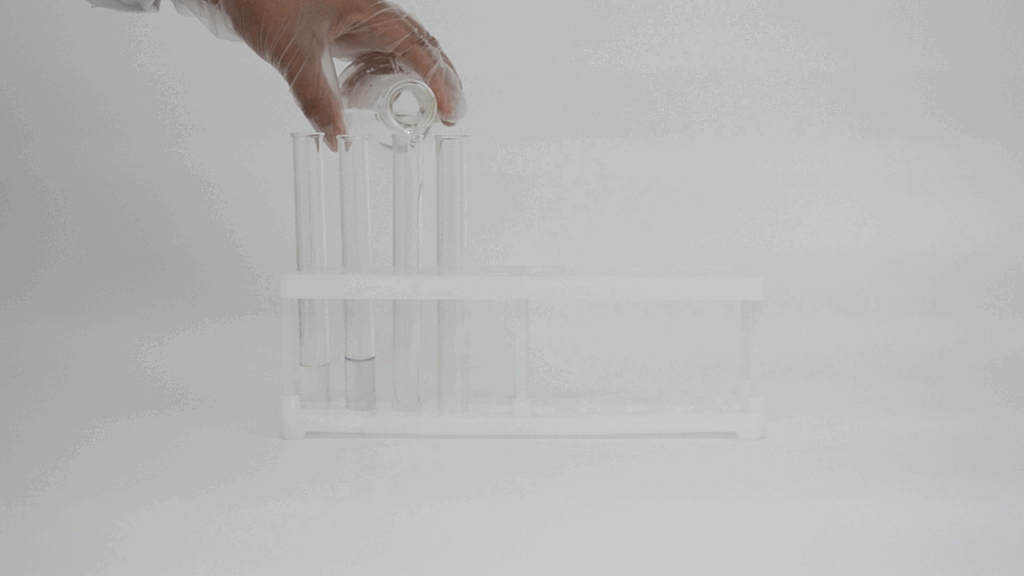
Step 8. Pour portions of glycine solution into two clean test tubes.
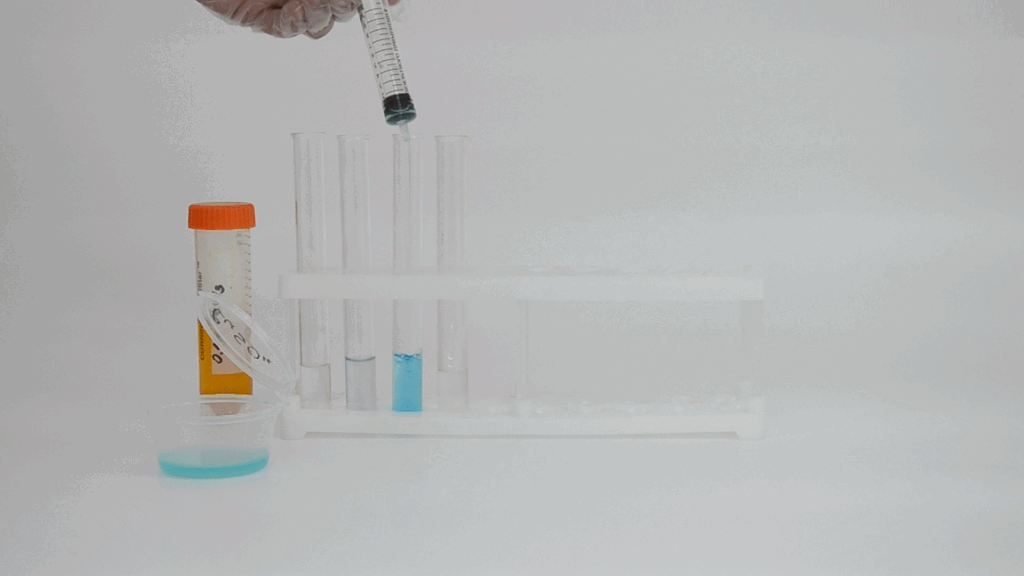
Step 9. Add copper(II) sulfate solution to one test tube and iron(III) chloride solution (or other metal salts) to the other.
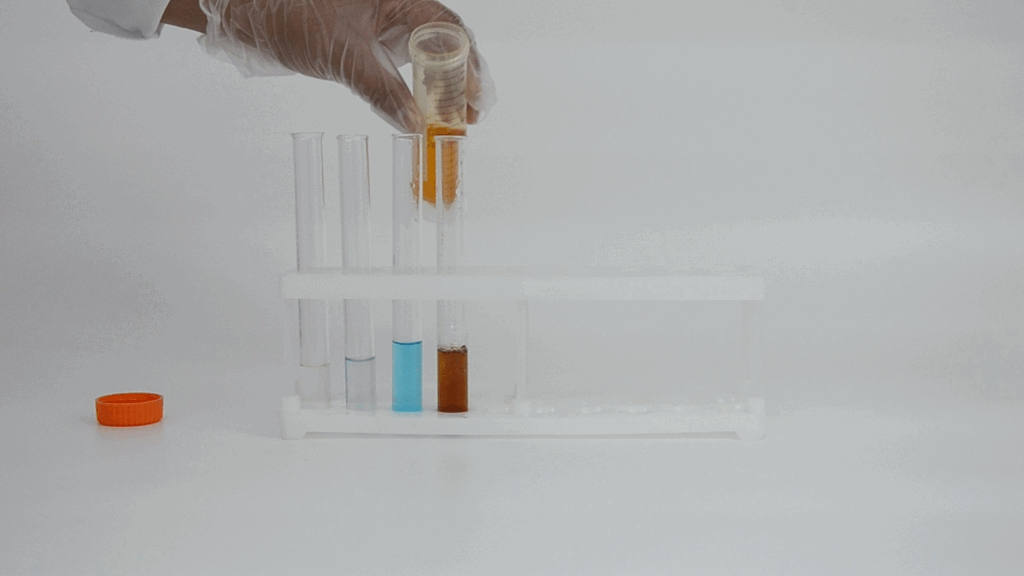
Step 10. Add 2–3 ml of sodium hydroxide to each test tube and observe the changes.
When alkali is added to the mixture of glycine and iron(III) chloride, a brown precipitate of Fe(OH)₃ forms. In the glycine–CuSO₄ solution, the addition of NaOH results in a more intense blue color due to the formation of copper–glycinate complexes.
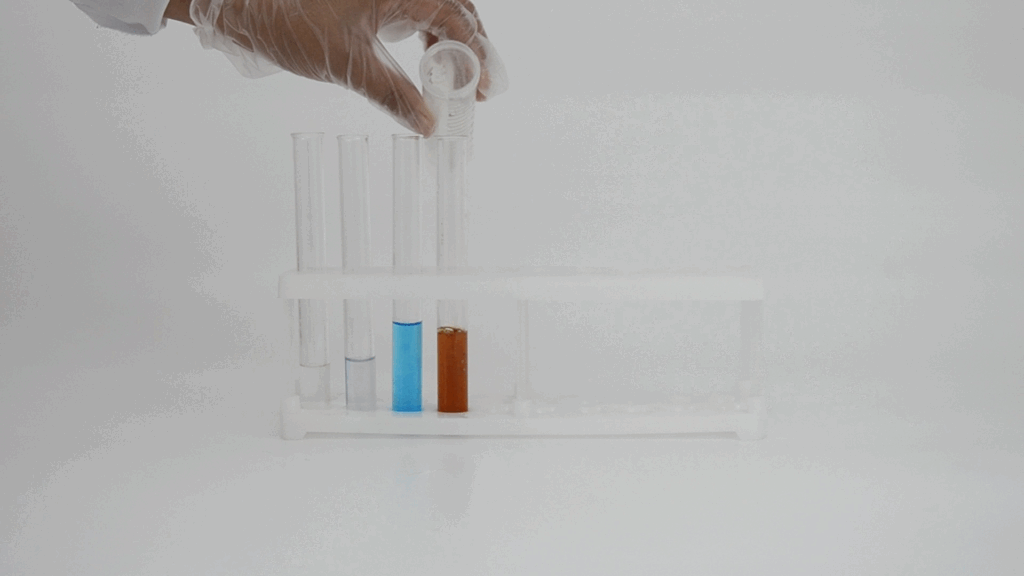
Combustion of glycine
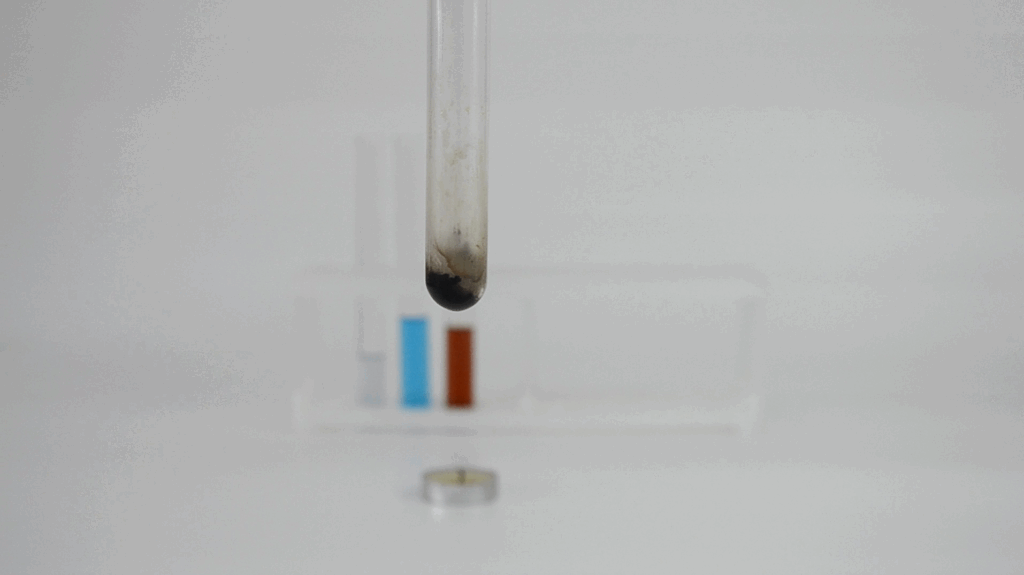
Step 11. Place a small amount of glycine powder into a clean test tube. Carefully heat the test tube and observe the changes.
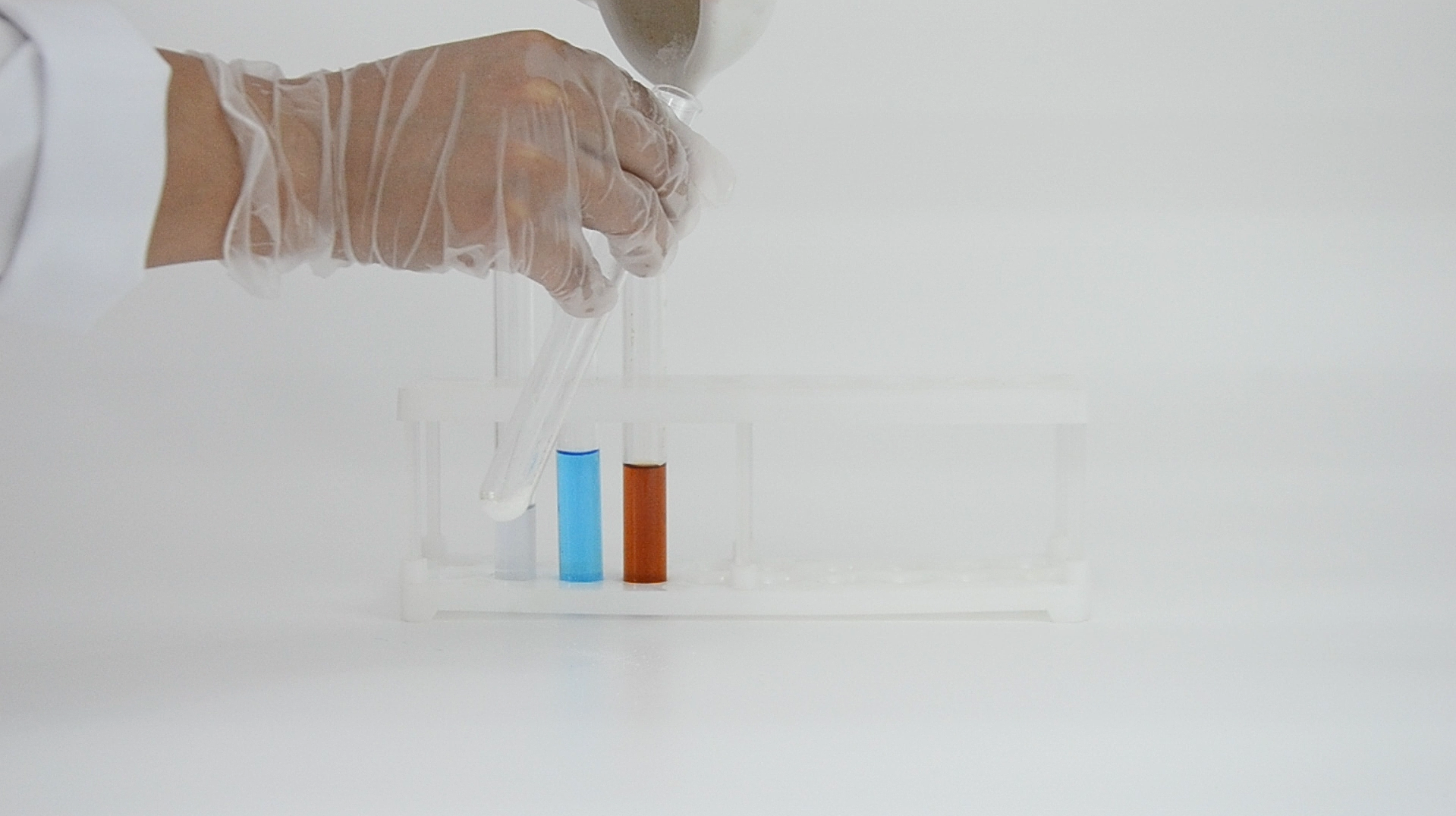
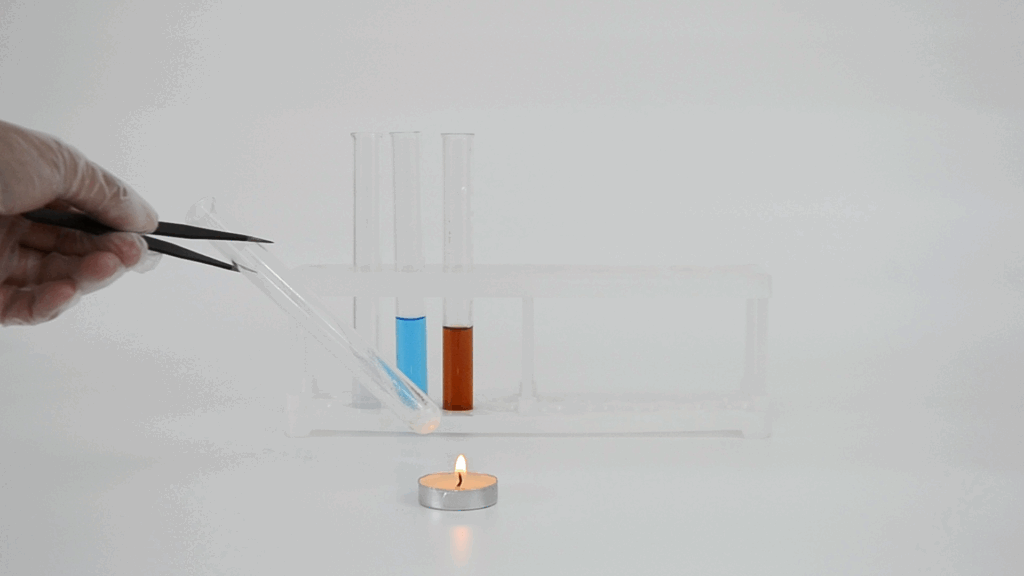
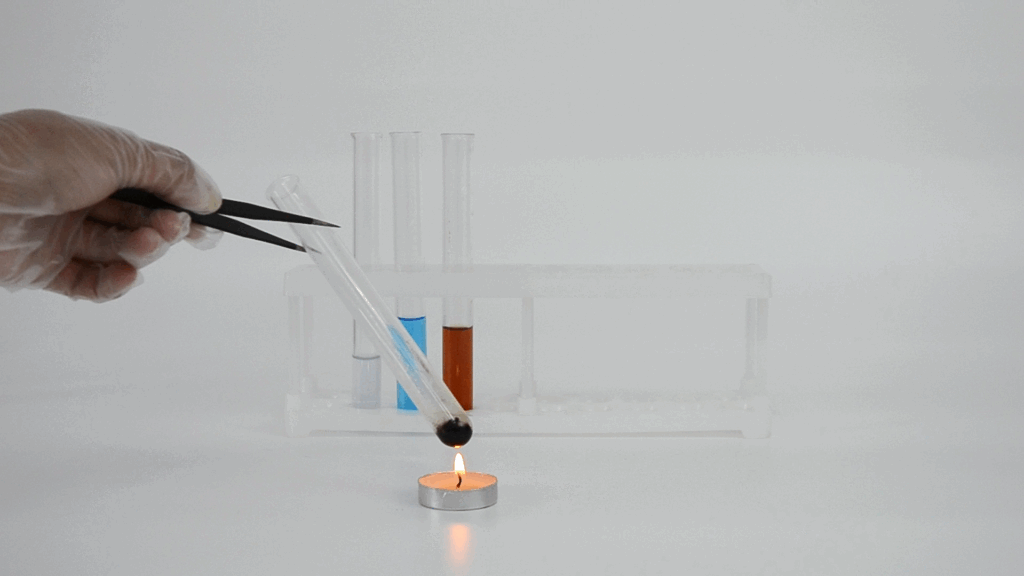
Upon heating, glycine decomposes: gases with a characteristic odor (NH₃, CO₂, etc.) are released, and a black carbonaceous residue is formed. With sufficient oxygen, glycine can burn to produce CO₂, H₂O, and N₂.
Conclusion
Amino acids exhibit amphoteric properties: they can react with both acids and bases. When heated or burned, they decompose with the formation of gaseous products and a carbonaceous residue. These reactions confirm the specific structure of amino acids and their importance as a significant class of organic compounds.