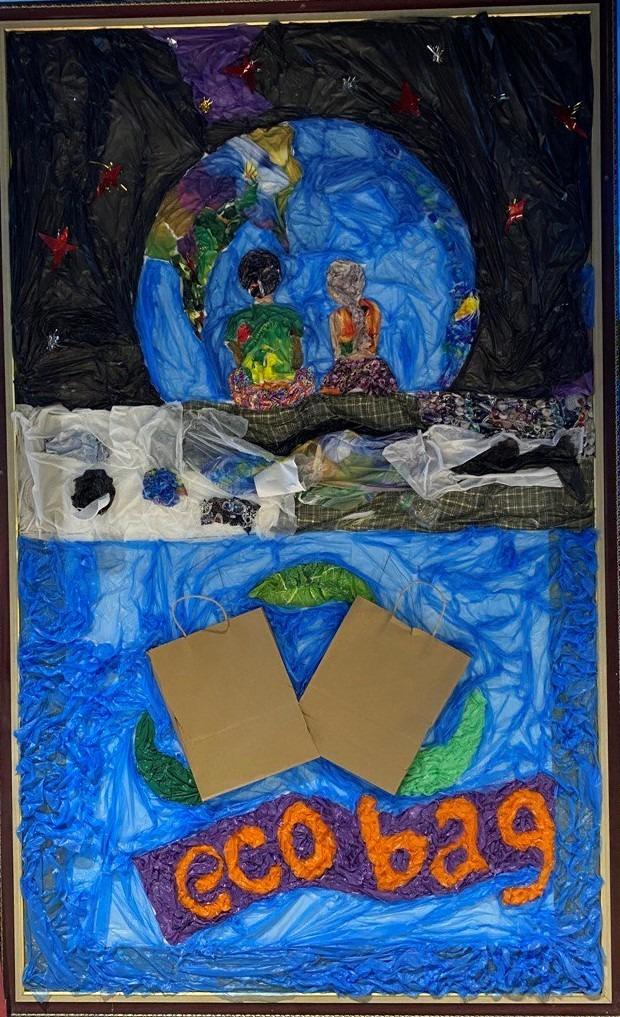
Lesson 2
Theoretical part
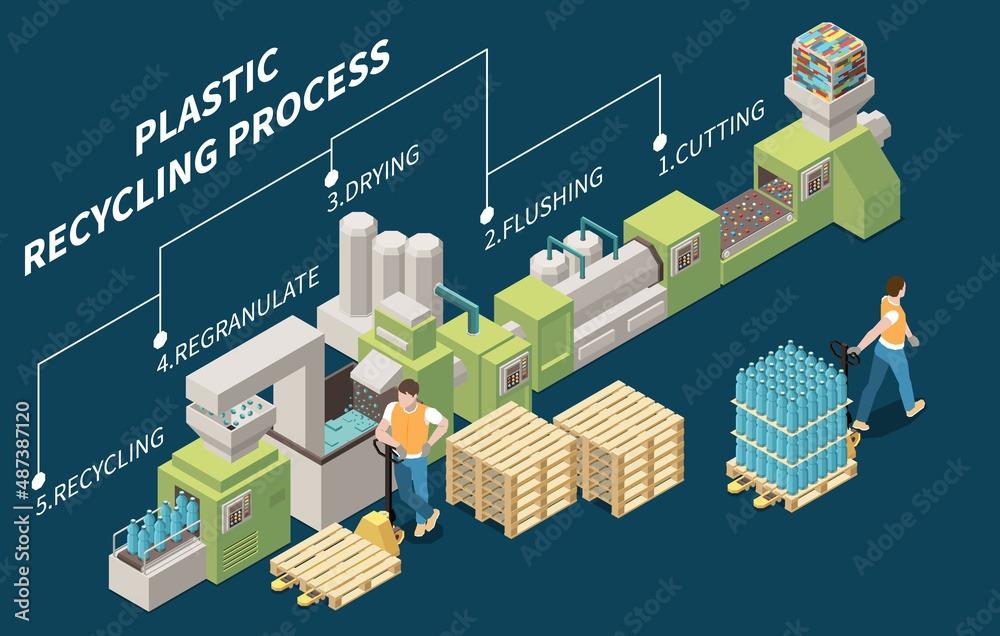
On a larger scale – how best to manage waste?
Businesses and individuals can make a concerted effort to reduce the amount of plastic bought, used and discarded. Small habit changes, such as those listed above, can make a positive difference in reducing plastic pollution.
However, on a larger scale, waste sorting facilities also have to adhere to strict regulations. It should also be easier to see where each piece of plastic goes after it is sent to mixed recycling.
Responsibility, traceability and transparency are key to ensuring that waste is respected and used as a potential future resource where possible.
Large companies such as supermarkets must also adapt by changing the way they package their products. A supermarket in north London recently became the first in the UK to introduce plastic-free zones. This follows the first supermarket in the world to introduce a plastic-free aisle in Amsterdam last year.
While attitudes towards plastic waste are changing, it is imperative to use this momentum to protect the future of our planet.
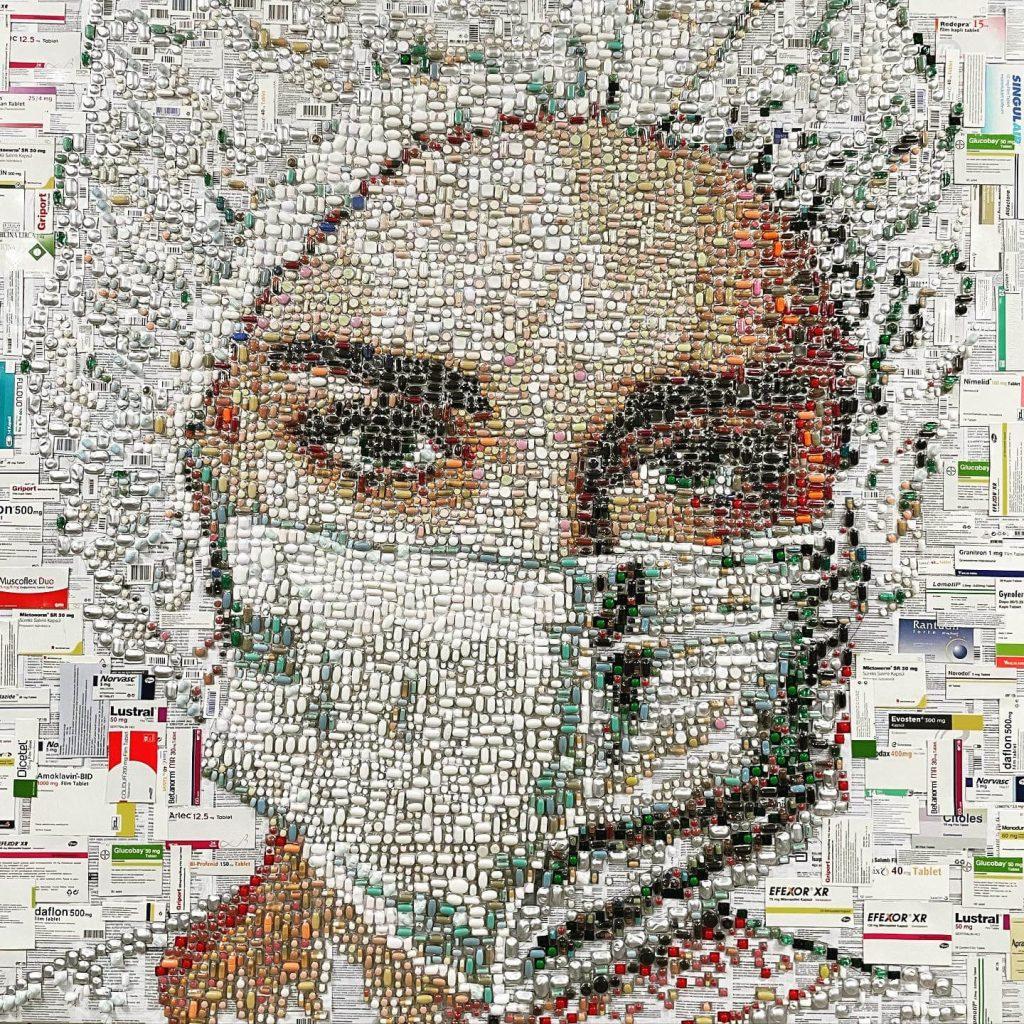
PAINTINGS FROM WASTE
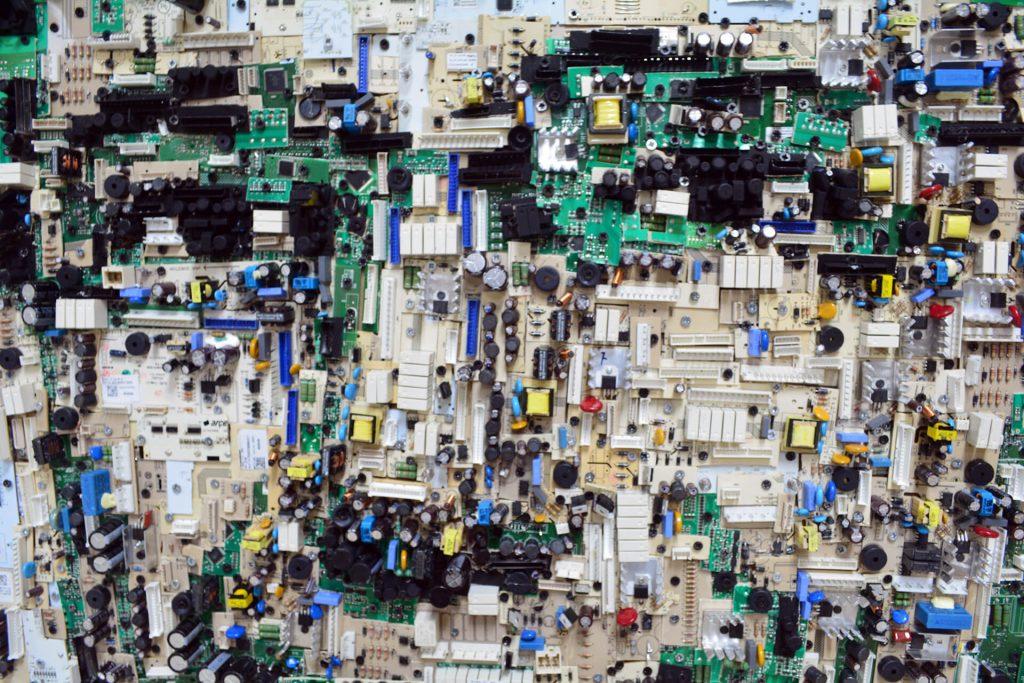
The painting depicts the Turkish artist Deniz Sagdich. She began to produce unique art from various wastes (electronics, plastic, teskil, cardboard and paper, etc.) that are collected and sorted at Istanbul airports.
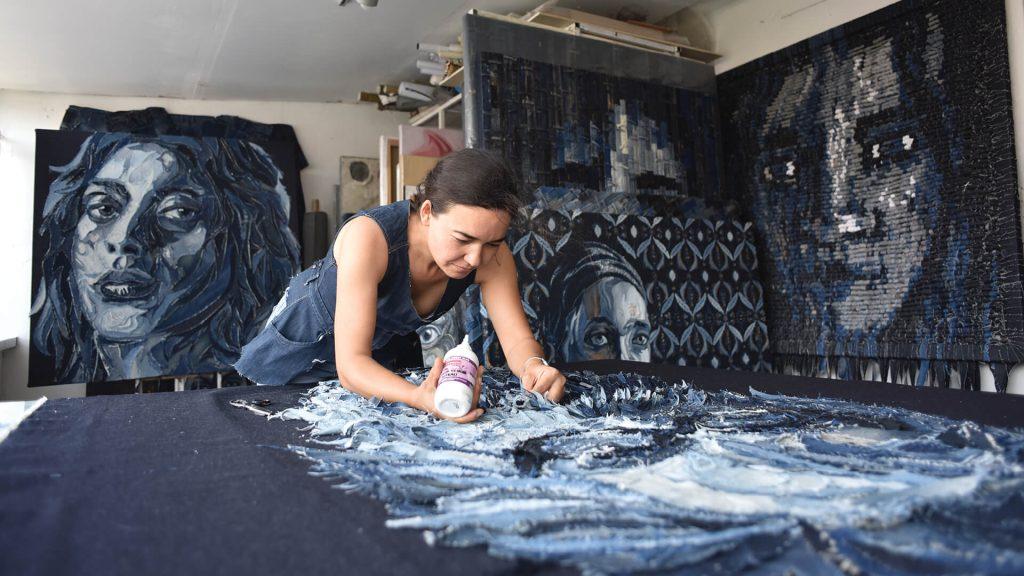
Watch a report about plastic art:


These are already finished art objects of the artist:
Practical part
Step 1. Prepare all your materials (waste) that you collected during the week.
Step 2. Then prepare the cardboard of the required size for your art. And all the necessary tools, hot glue, PVA glue, scissors, etc.
Step 3. Brainstorm with the whole team about your project and what you want to get from these materials. Unleash your fantasies!
Step 4. After you have decided which object you will be making, connect all plastic materials to the base or to each other with hot glue or PVA glue.