
Lesson
Project objectives
- To introduce students to the basics of molecular biology.
- To teach students the methods of DNA extraction.
- To develop students’ skills in conducting scientific experiments.
Teacher’s Guide
- In the experimental part of the project, students work in groups of 4-5 people.
- Before starting experiments, make sure that students are familiar with the basics of DNA structure and genetic code.
- Before starting the experimental part, familiarize and provide students with all the necessary materials.
- Give a short briefing on the safety rules when working with instruments.
- At the beginning of the lesson, explain the PBL (project based learning) categories to your students. 4K skills (critical thinking, collaboration, creativity, presentation)
Introduction
The Super Secret Instruction Book of Life: Unveiling the Mystery of DNA
Imagine you have a super tiny library inside every cell of your body. This library holds the instructions for everything that makes you, you! It controls your eye color, hair texture, even your love for pizza. This amazing library is built from a molecule called DNA, and it’s shaped like a twisted ladder!
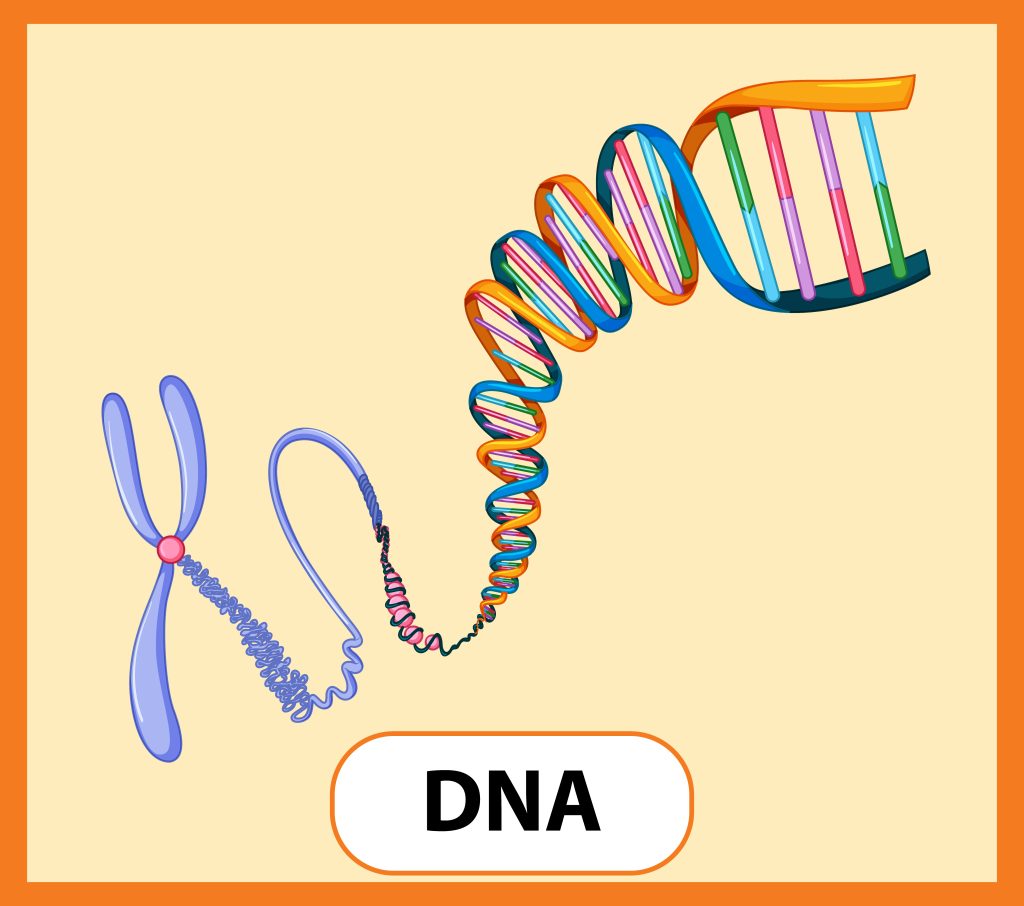
The Ladder Rungs: The Code to You
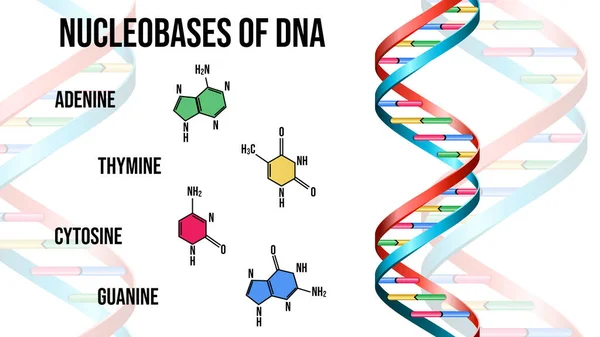
The rungs of this ladder aren’t made of wood, but pairs of special chemicals called bases. These bases come in four types, kind of like four different colored letters. The order these “letters” line up in is the code! It’s like a secret message that tells your cells how to build everything you need to function.
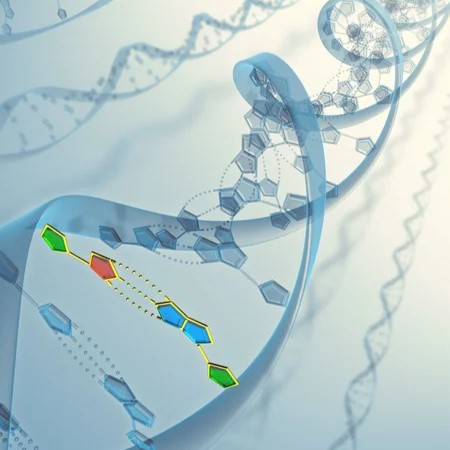
Here’s the coolest part: the rungs always pair up in a specific way, like a matching game. Adenine (A) always pairs with Thymine (T), and Cytosine (C) always pairs with Guanine (G). Imagine building your ladder using only these colored rungs, always following the pairing rule. This specific pairing keeps the code safe and makes it easy to copy when your cells grow.
Mutations and Change
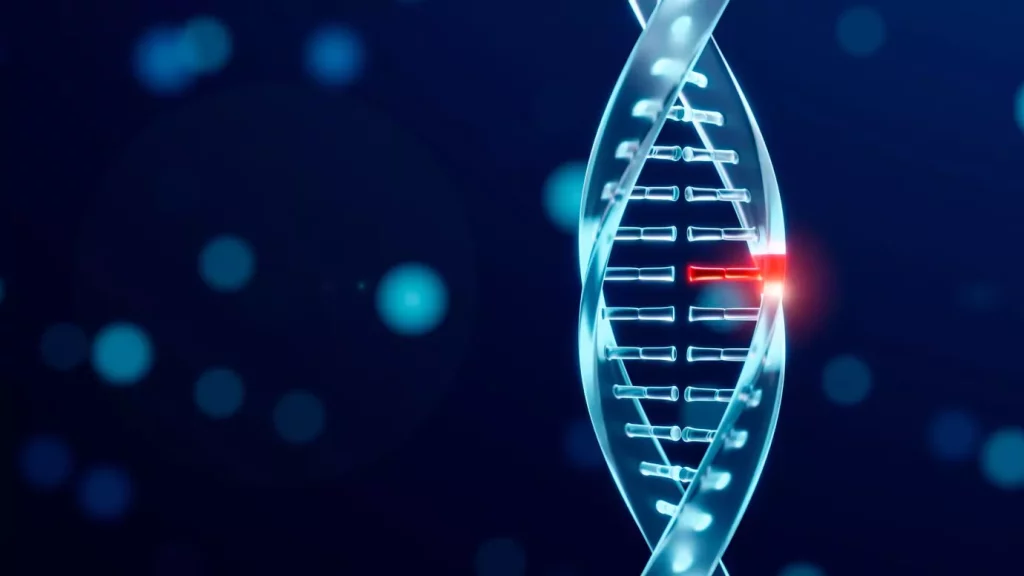
Sometimes, mistakes can happen when the DNA code is copied. It’s like a typo in your instruction book. These mistakes are called mutations, and they can cause slight changes in your traits, like maybe making your hair a little curlier. But sometimes, big mutations can have a stronger effect, and that’s how new variations arise in living things over time.
DNA is like a secret code that unlocks the mysteries of life. By understanding its structure and how it works, scientists can unravel the puzzle of why we look the way we do, how diseases develop, and maybe even unlock the secrets of how life began!
Practical part

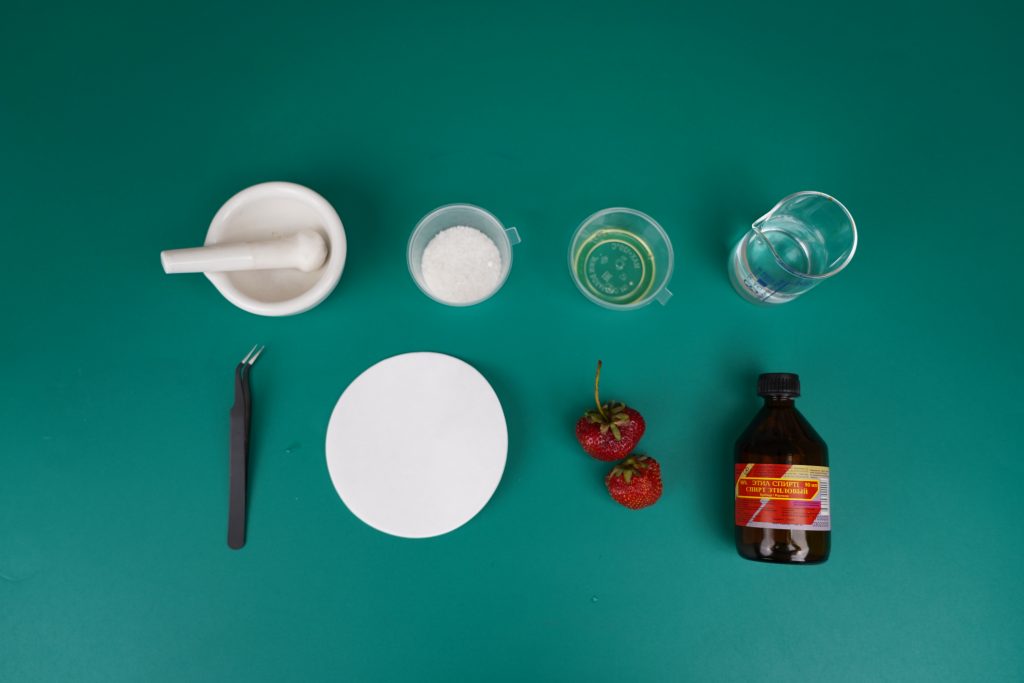
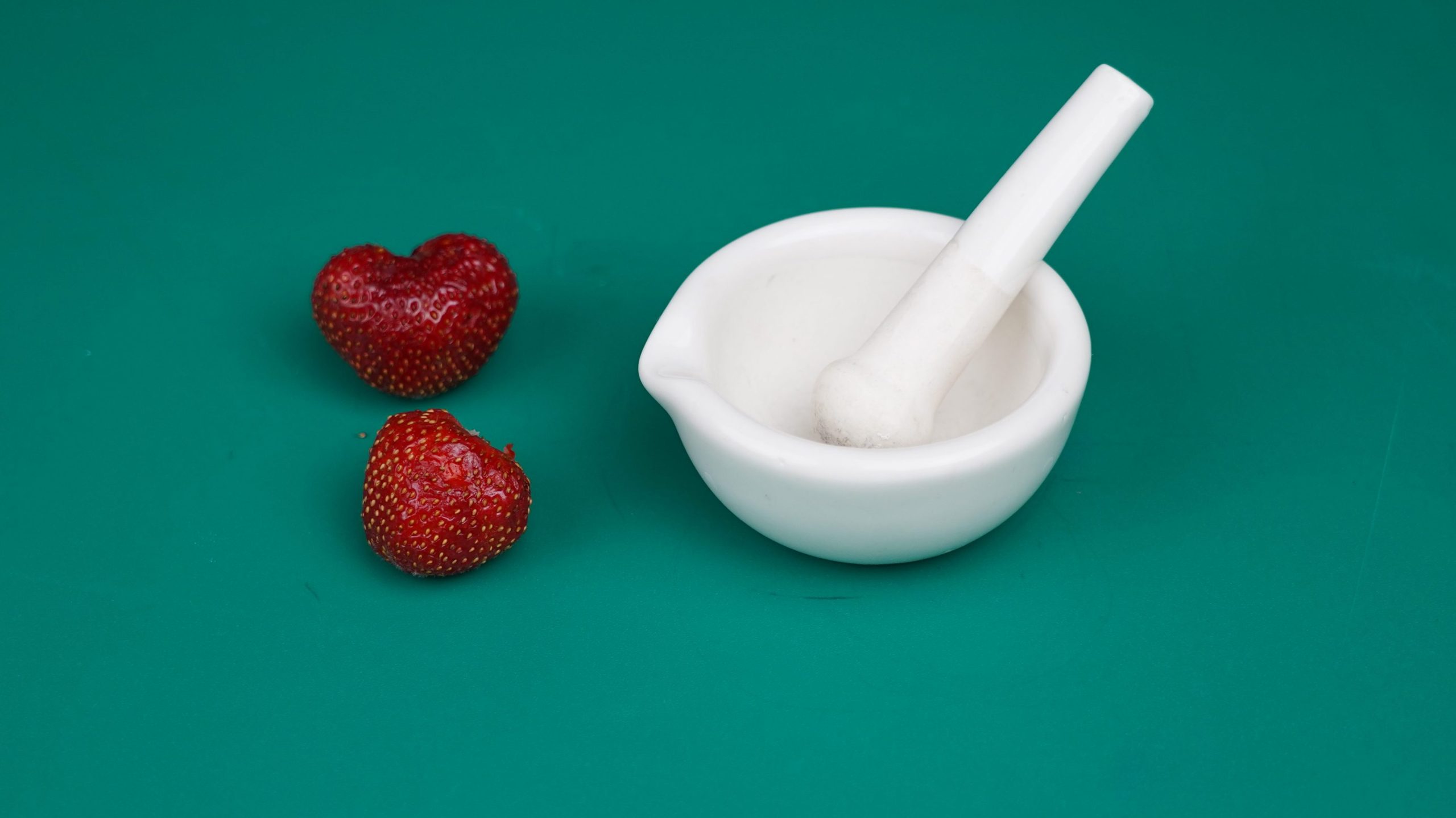
- Prepare all the necessary materials.
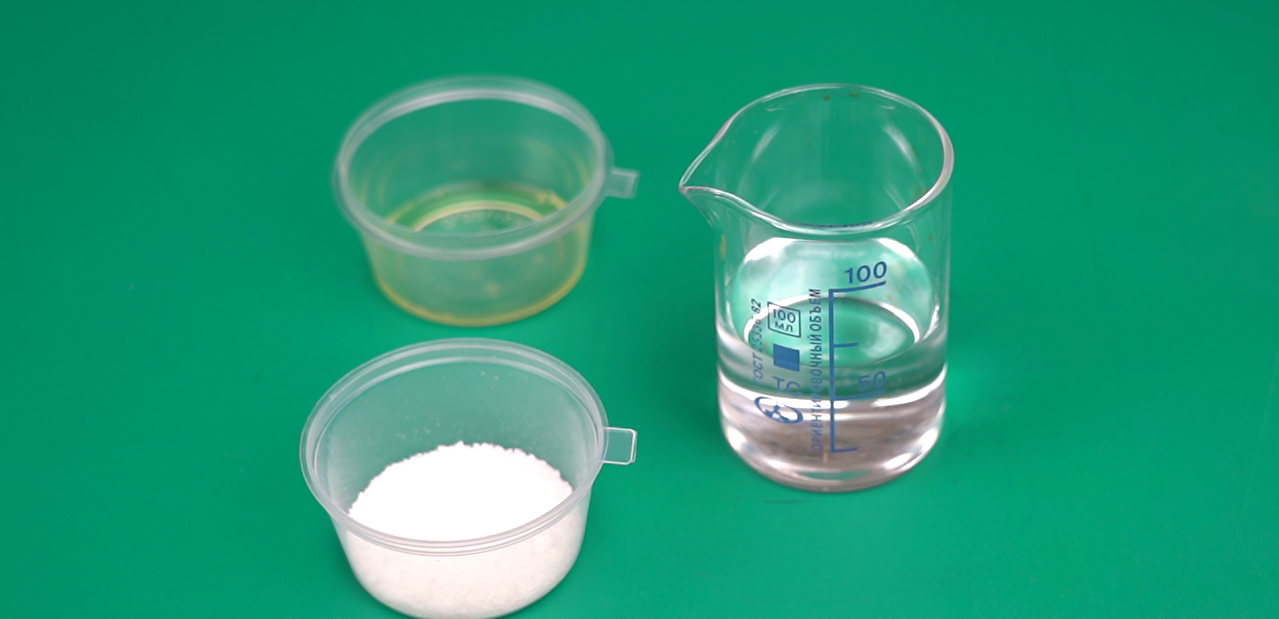
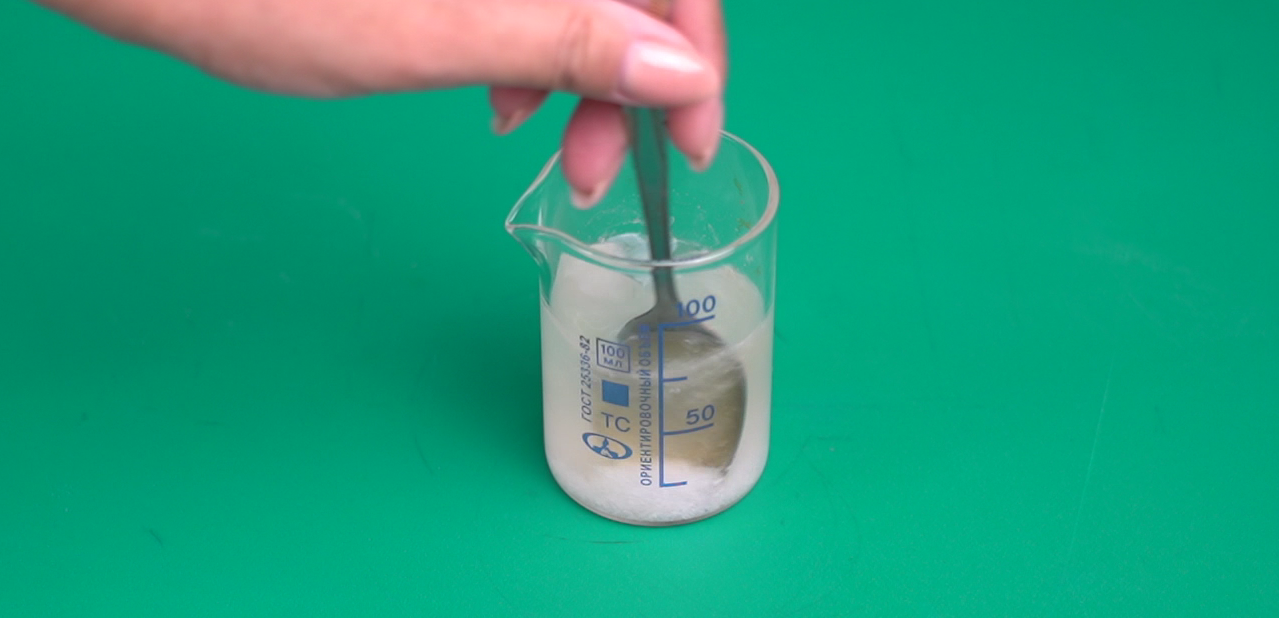
- Add salt and detergent to 60 ml of water. Mix the solution thoroughly. Salt helps to precipitate DNA molecules, and detergent dissolves fats and proteins.
- Mash the strawberries into a puree. You can use a fork, mortar, or even mash strawberries with your hands by putting them in a closed bag.
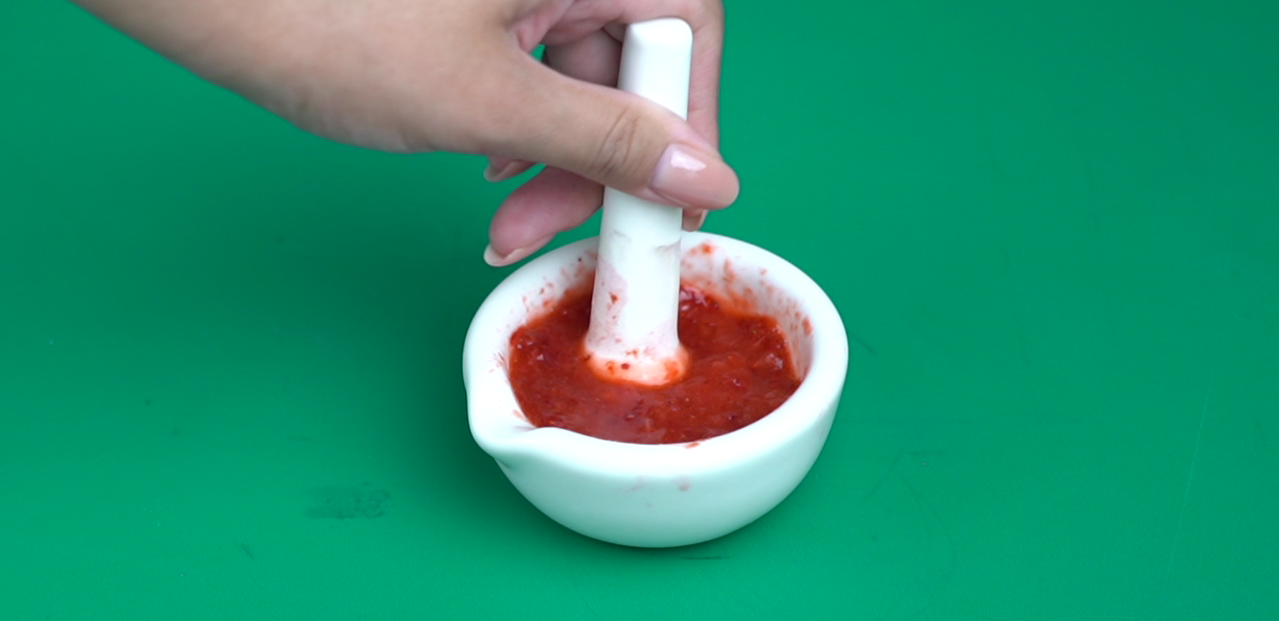
- Add 20 ml of the finished solution to the puree. Let the mixture stand for 5-10 minutes.
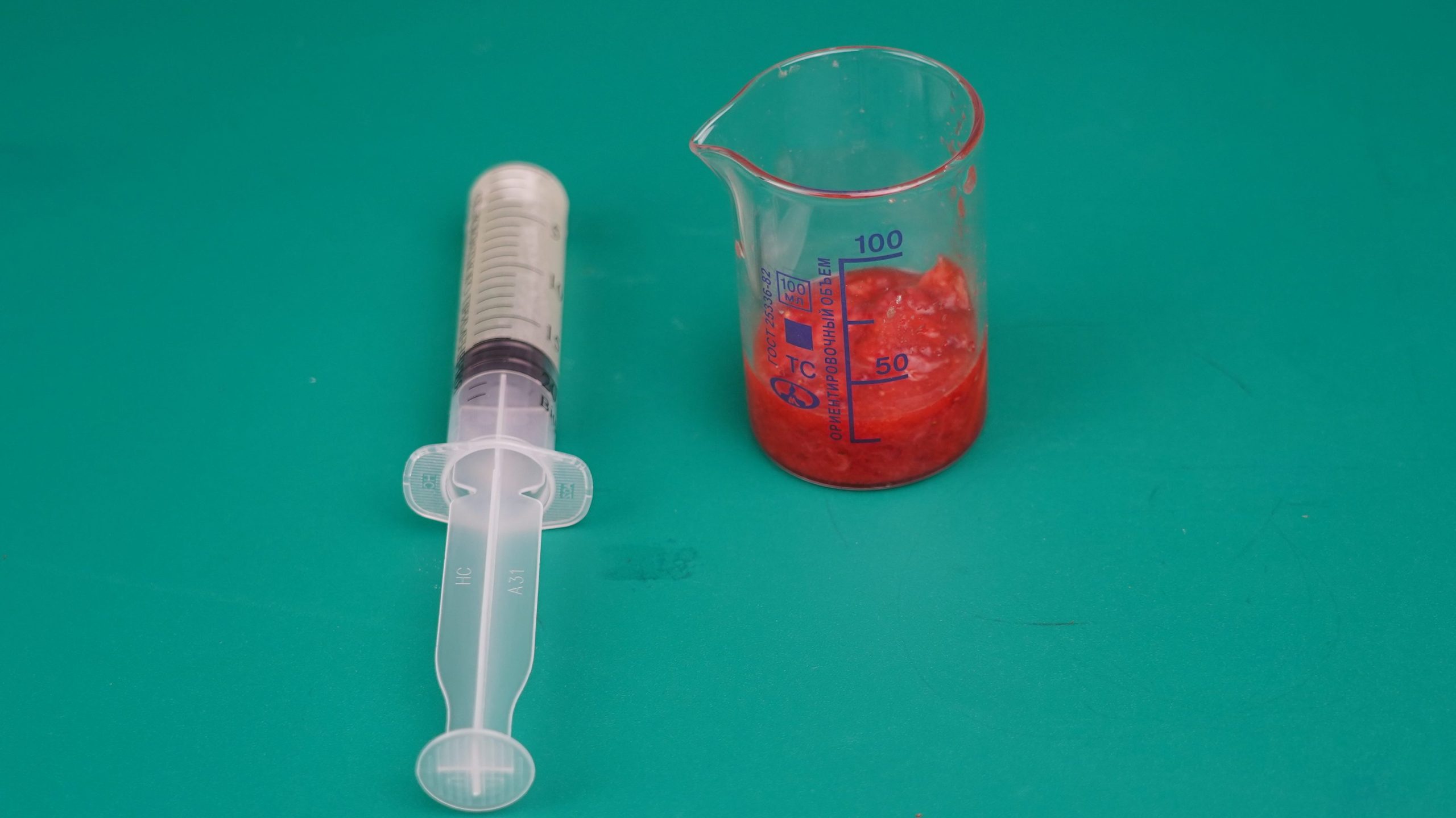
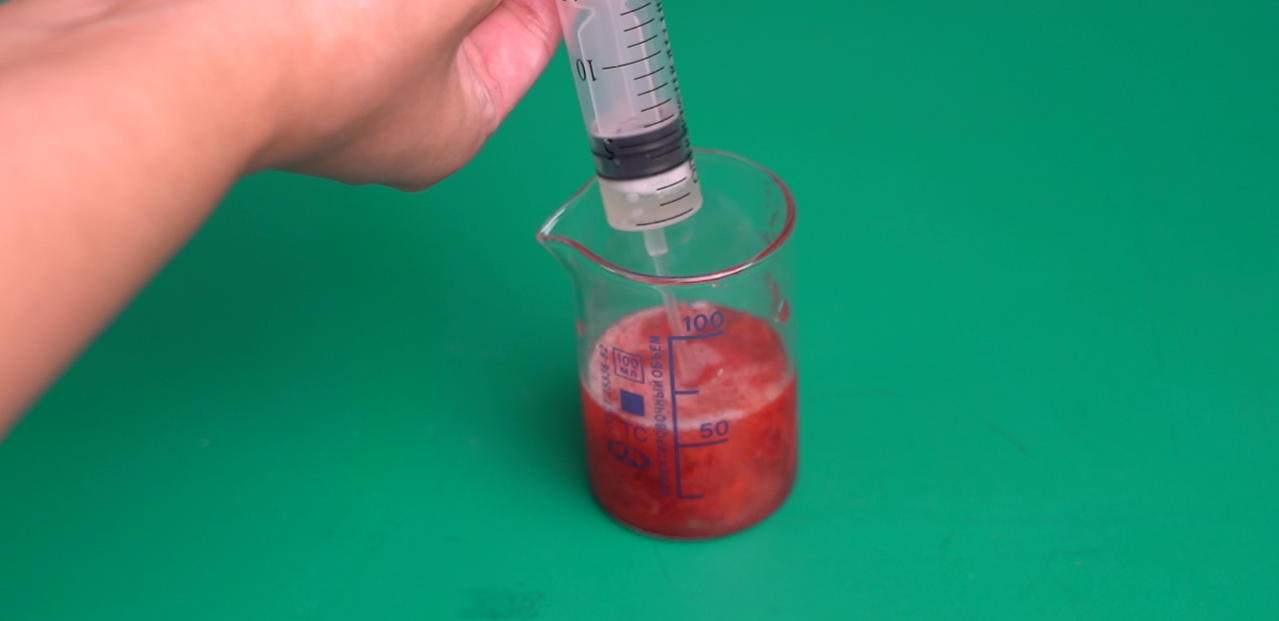
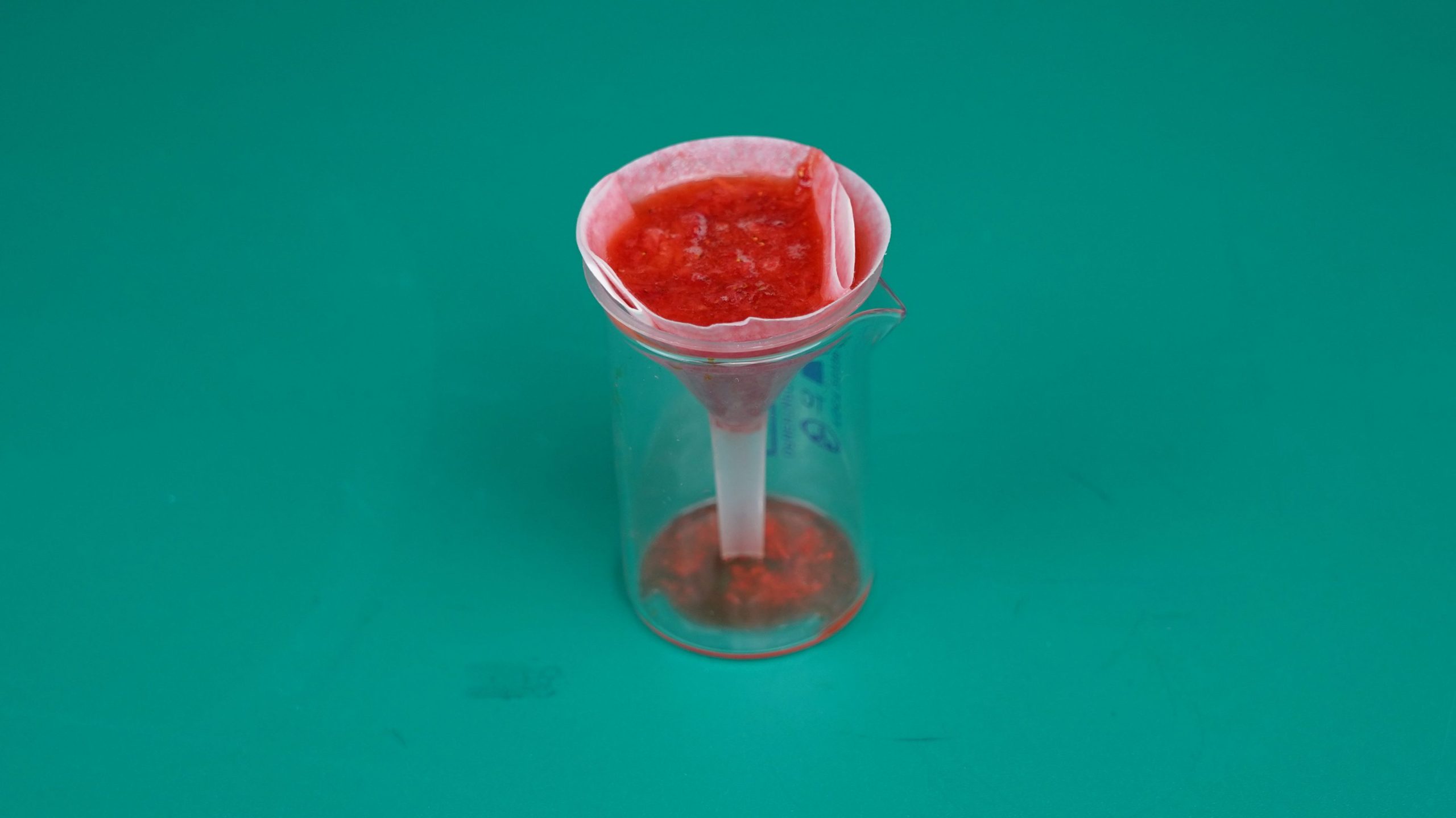
- Filter the mixture to separate the DNA from the other components. Strain the mixture through cheesecloth or using filter paper into a clean glass.
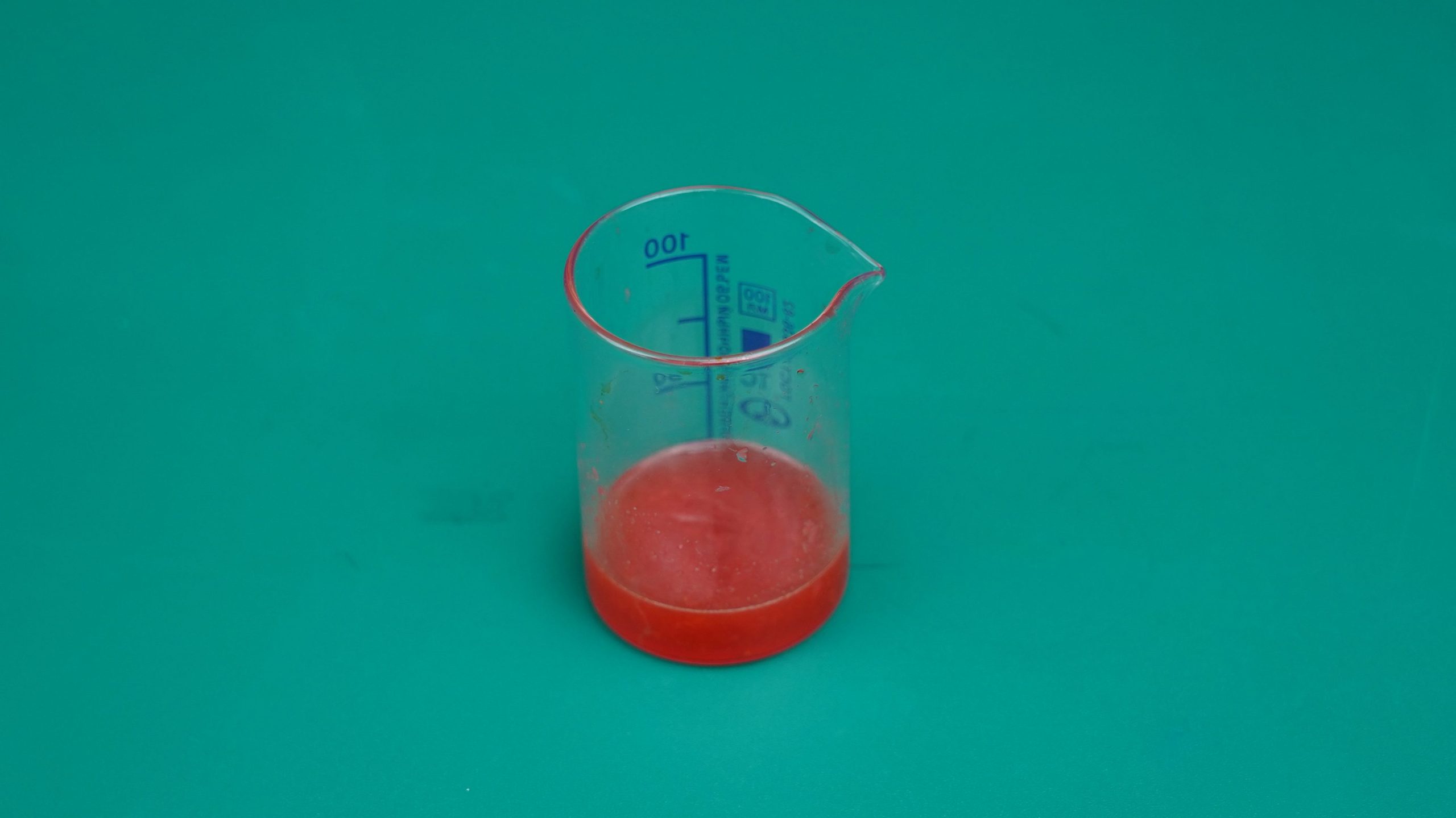
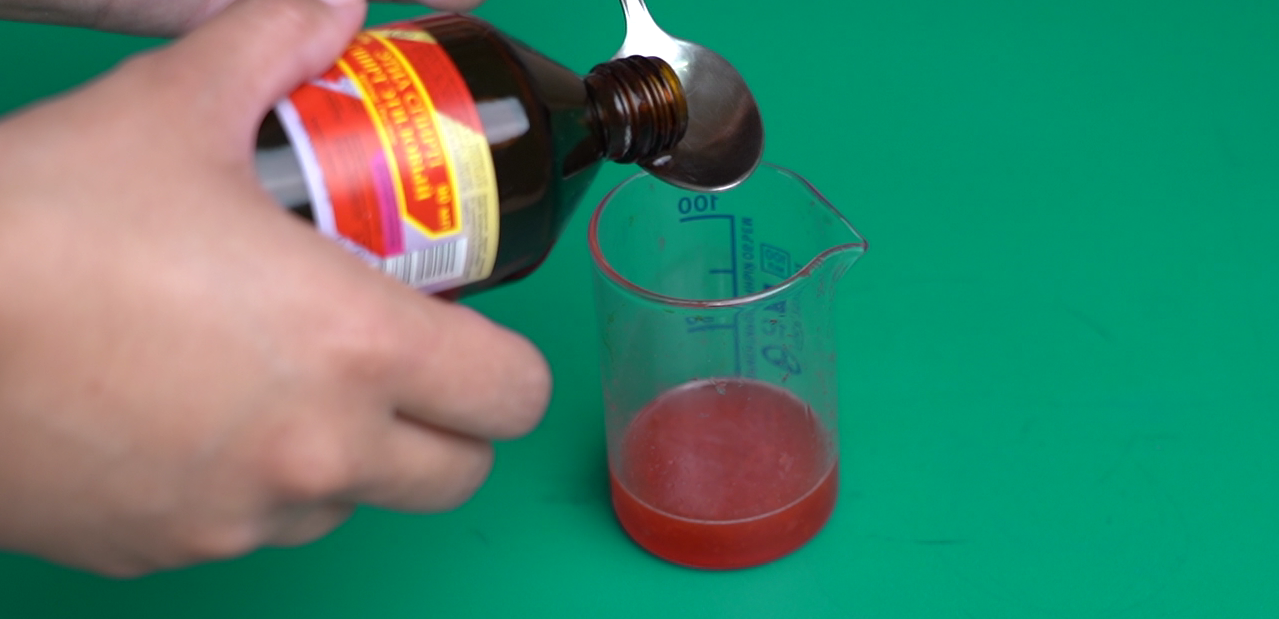
- Now add ethanol to it. You will notice how the ethanol and the mixture react immediately. Gently twist the glass so as not to shake it. Leave it on for 5-10 minutes.
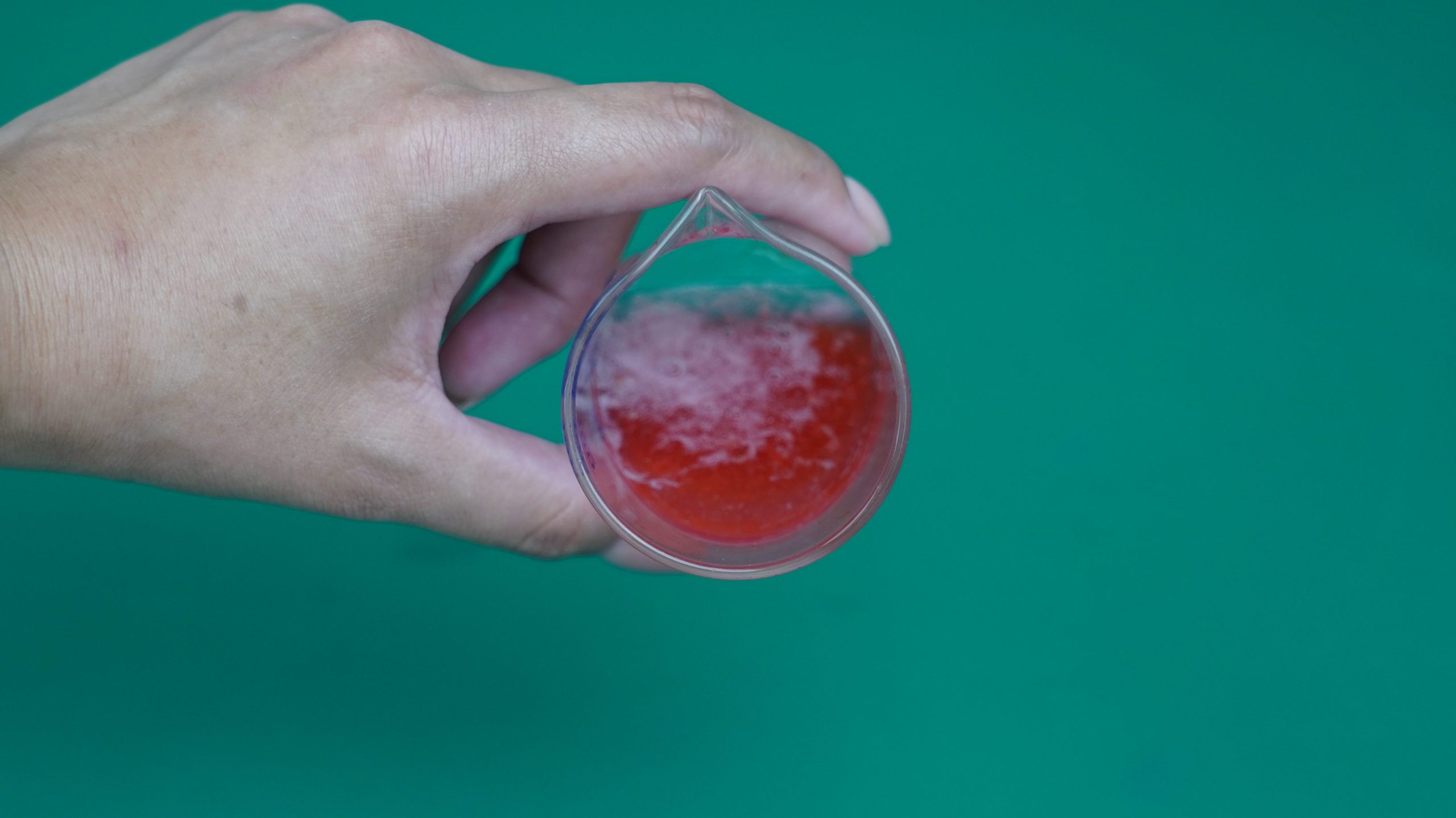
- Observe the formation of a white flake-like precipitate – this is DNA! Try to observe its consistency and texture.
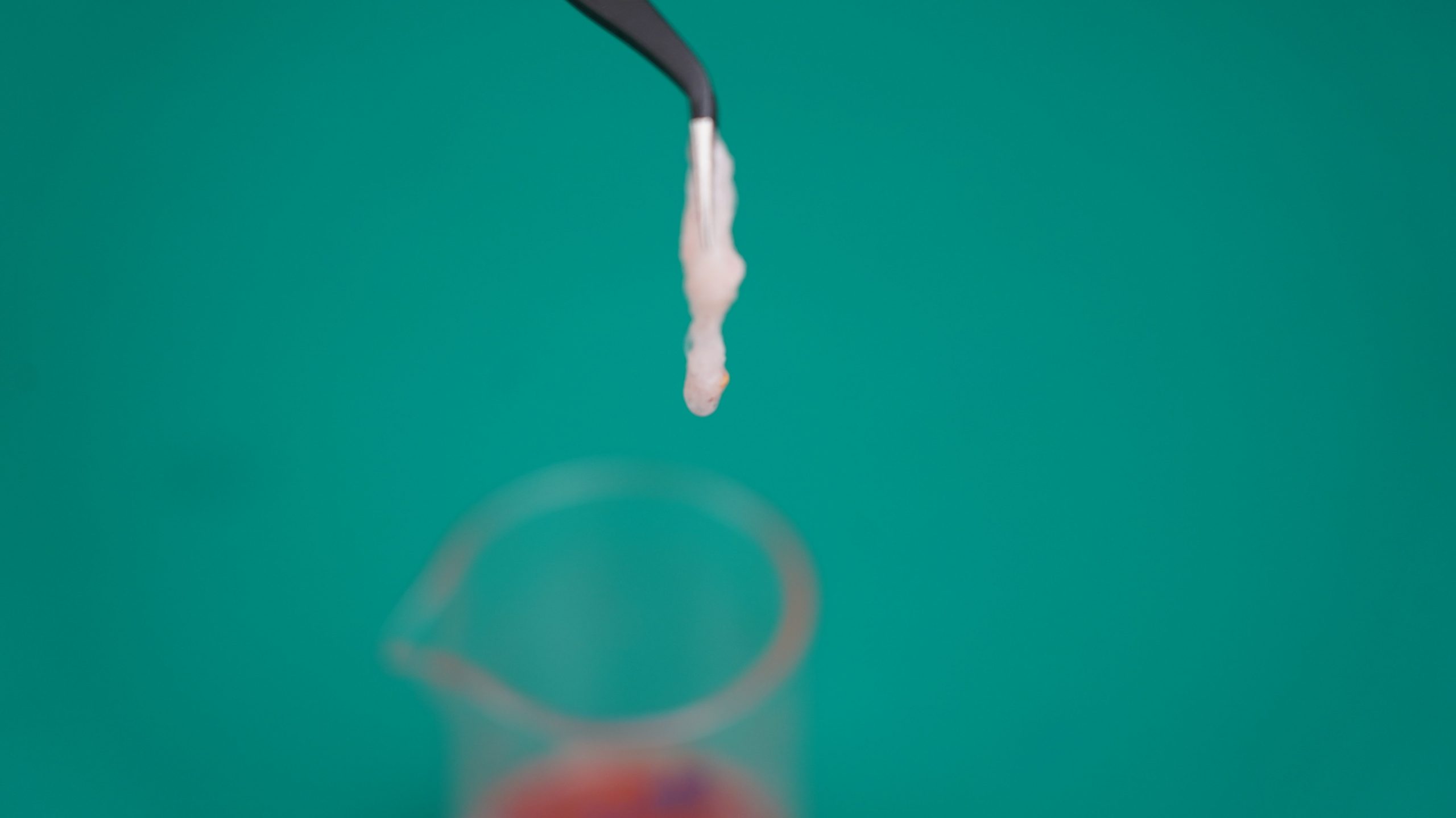
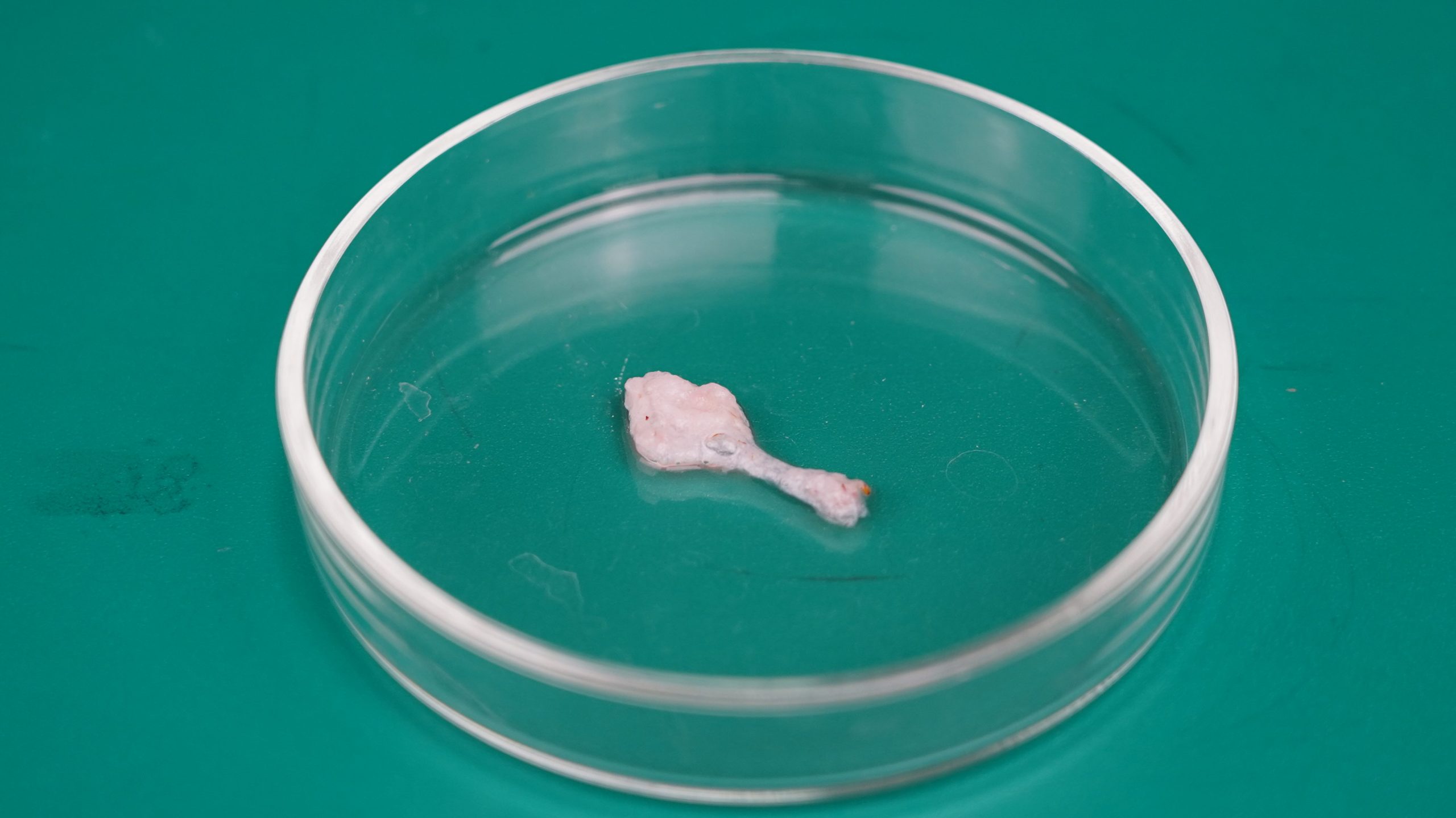
Recommendations:
- For a more accurate result, use ripe, juicy strawberries.
- You can use chilled distilled water.
- Do not shake the mixture too hard, so as not to damage the DNA.
- To obtain a cleaner DNA precipitate, steps 6-7 can be repeated twice.
Conclusion
During this experiment, we successfully isolated DNA from strawberries. This is a simple and fascinating experiment that allows you to introduce students to the basics of molecular biology.
The experiment showed that DNA is found in all living cells, even in such simple ones as strawberry cells.
DNA is a carrier of genetic information, and it plays an important role in the life of all organisms.

On this project, each student is awarded a STEAM title, in several categories:
You were able to successfully isolate DNA from strawberries, You are a Genetic Engineer!
You personally conducted an accurate experiment, to see DNA with your own eyes, You are an Experimental Biologist!
Evaluation
PBL based assessment criteria:
Problem-based learning is a teaching method in which students acquire knowledge and skills, working on one project to research and find an answer to a genuine, interesting and complex question, problem, or challenge. (follow the link). For project grading, provide this material (PBL rubrics) to students in order to:
– the students previously understood by what criteria they need to prepare,
– pupils were able to independently assess their colleagues.