
Week 1
Goal
1. To study the essence of the hydroponic system
2. Independently construct a hydroponic system and grow a plant
Expected results
After studying the project, students will be able to:
– to acquire the skill of cooperation with a teacher and work in a group, in pairs
– analyze and summarize the information received
– communicative competence will be formed in the course of educational activities
– independently build logical reasoning and draw conclusions
– to study the hydroponic system, the principle of growing plants without soil
– to form a value attitude to nature
– demonstrate the hydroponics process and present it in front of the whole class
Interdisciplinary communication:
– Natural science (plants, planting)
– Artistic work (development of the layout)
Teacher’s Guide
1. Students work in groups of 5-6 students.
2. Before the practical part, give a brief instruction on how to work with a stationery knife, hot glue and electronic devices.
3. To evaluate the project, in the first week, provide this material (PBLrubrics) to students in order to:
– the students understood in advance what criteria they needed to prepare for,
– students were able to independently give an appropriate assessment to their colleagues.
3. At the beginning of the lesson, it is recommended to ask a few questions in order to arouse interest in the project:
– How to grow plants without soil? How is it different from the traditional method?
– What is hydroponics?
– Which of you planted the seeds of plants?
– How much is it practically profitable to use hydroponics?
Do a brief research on the topic: Hydroponics vs traditional method.
Project Description
In the modern world, it is possible to grow flowers, harvest lettuce, vegetables and other crops not only in the garden or greenhouse, but also in an ordinary city apartment. To grow plants at home, it is necessary to create artificial climate conditions for them. One of the most effective methods of cultivation is hydroponics.
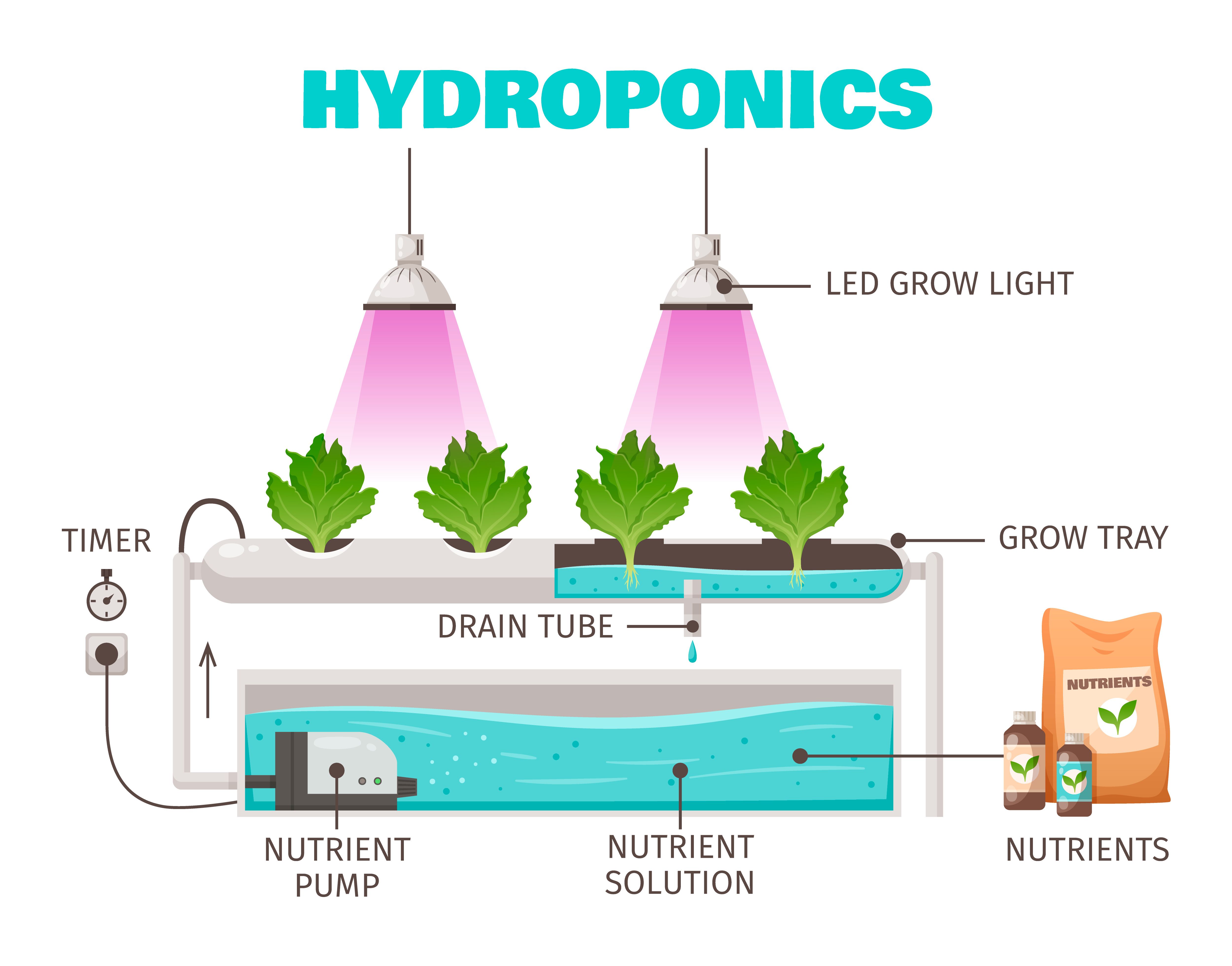
Hydroponics is a technology of groundless cultivation of plants, which has a number of advantages over the traditional method of growing in the soil, namely:
- there is no need to loosen the soil, fight weeds, regularly water the plantings;
- full control over the nutrition of the plant;
- in hydroponics, plants easily get all the nutrients and do not waste energy on the development of the root system.
Sources:
1. https://agrodom.com/advice/gidroponika-svoimi-rukami/
The practical part
Step 1. Familiarize yourself with all the necessary materials
- – Ground
- – Plant seeds
- – Pots for seedlings
- – Plastic cups
- – Nutrient solution
- – 0.5 l bottles.
- – Silicone hose
- – Pump
- – Battery compartment with switch
- – Batteries
- – Scissors
- – Thermal glue
- – Water
- – A container for a nutrient solution
Step 2. Take the dishes for seedlings. Fill up to half of the soil
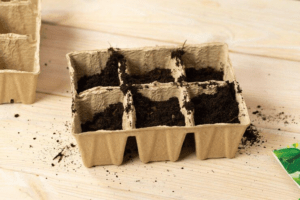
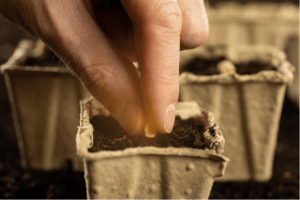
Step 3. Plant 3 seeds in each dish and fill in more soil (2 cm). Pour some water.
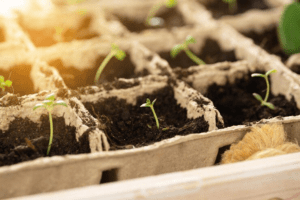
Step 4. Put it in a warm place and observe for a week. Water if necessary.
Homework
1. Do a brief research on the topic: Hydroponics vs traditional method.
2. Prepare a presentation, or do it on a sheet of Whatman
3. Check your seedlings every 2 days, irrigate if necessary. Watch the process.