
Week 2
Now let’s figure out what we eat!
Fast food
The modern rhythm of life is rapidly gaining momentum, forcing people to get used to constant haste. Insane traffic and lack of free time forces residents of megacities to give up full nutrition. Convenience and speed are put in the first place. It was under these two criteria that fast food was created – the ideal food of the 21st century.
Fast food is a concept that includes fast food, simple fast cooking that does not require a lot of time, and the ability to eat such food without using cutlery.
Fast food — food with reduced time of eating and cooking, with simplified or abolished cutlery or off the table.
What applies to Fast Food:
1. hot dog, corn dog, hamburgers, sandwiches, sandwiches, pizza
2. shawarma, pasties, pies, sausages in dough, pancakes with fillings,
3. french fries, chips, popcorn,
4. instant noodles, corn flakes,
5. carbonated water, drinks, energy drinks, all kinds of cocktails,
6. even Kazakh bauyrsaks and everything that is cooked quickly and fried
Burger Ingredients
| Рictures | Title | Chemical composition |
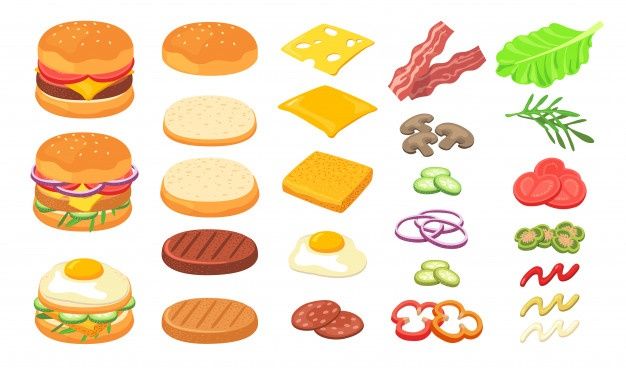 | ||
The chemical composition of carbonated beverages indicated on the labels:
| Substances | Chemical formula | Coca-cola | Pepsi | Fanta | Energy drinks | Water – control sample |
| Carbonated water | H2O | + | + | |||
| Sugar | C6H12O6 | + | + | + | ||
| Concentrated orange juice | + | |||||
| Stabilizers:-gum arabic– sucrose acetate isobutyrate– glycerin and resin acids ether | D-galactose, L-arabinose, L-rhamnose and D-glucuronic acid in a ratio of 3:3:1:1. Free acid is bound Na, К, Mg or Са. C40H62O19С3Н5(ОСО С19Н29)3 + 3Н2О | + | +++ | |||
| Vitamin C – ascorbic acid | C6H8O6 | + | ||||
| Preservative:-potassium sorbate | C6H7KO2 | + | ||||
| Water | Н2О | + | + | + | ||
| Flavors | + | + | + | + | ||
| Sweeteners:– acesulfame potassium(potassium salt of 2,2-dioxide 3,4-dihydro-6-methyl-1,2,3-oxatiazine-4-one)– aspartame**(L-Aspartyl-L-Phenylalanine) | C4H4KNO4S C14H18N2O5 C14H18N2O5 | ++ | ||||
| Dyes: – caramel syrup– sugar COLOR IV E150d– beta-carotene |  С40H56 С40H56 | + | + | + | ++ | |
| Vitamins:– B3 (nicotine k-ta)– B5 (pantothenic acid)– B6 (pyridoxine)– B7 (biotin)– B12 (cyanocobalamin) | C₆H₅NO₂C9H17NO5C8H11NO3C10H16N2O3SС63H88CON14O14P | +++++ | ||||
| Acidity regulators:– orthophosphoric acid– citric acid (3-hydroxy-3 carboxy-pentanedioic acid)– sodium citrate 3-substituted | H3PO4C6H8O7Na3C6H5O7 | + | + | ++ | ++ | |
| Maltodextrin | C6nH(10n+2)O(5n+1) | + | ||||
| Taurine | C2H7NO3S | + | ||||
| Кофеин | C8H10N4O2 | + | + | + | ||
| L-Carnitine | C7H15NO3 | + | ||||
| Antioxidant:– ascorbic acid | C6H8O6Caffeine | + |
The experimental part.
 | It is recommended to carry out the research part of the project in chemistry classrooms (laboratories).Carefully study the safety rules for working with chemical utensils and reagents! |
Before starting the experiment, you should divide into groups (5 students).
Each group performs 1 or 2 experiments.
Experience No. 1. Experiment with cutlets
Required materials:
– Homemade cutlet
– Cutlet from a ready-made Hamburger
– Plastic container with lid
Step 1. Separate the ingredients from the Burger. Visually examine the composition of the cutlet.
Step 2. You have brought a homemade minced meat patty, preferably steamed. (or ask someone from the parent). Write down the composition
Step 3. Place the homemade cutlet and hamburger cutlet in two separate transparent containers (jar, plastic container) with a lid. Mark the samples.
Step 4. Leave two samples until the next lesson. In addition, during the week, write down the received data in Table No. 1 every day.
| Organoleptic indicators | Sample No. 1 (homemade cutlet) | Sample No. 2 (Hamburger Patty) | ||||||||||||
| Date and time | Day1 | Day2 | Day3 | Day4 | Day5 | Day6 | Day7 | Day1 | Day2 | Day3 | Day4 | Day5 | Day6 | Day7 |
| Aggregate state | ||||||||||||||
| Appearance | ||||||||||||||
| Smell | —– | —– | —– | —– | ||||||||||
| Colour | ||||||||||||||
| Taste | —– | —– | —– | —– | —– | —– | —– | —– | —– | —– | —– | —– | ||
| Consistency uniformity | ||||||||||||||
| Others (what metrics would you like to add?) | ||||||||||||||
Step 5. At the end of the experiment, draw conclusions and answer the questions:
1. Which sample first lost its freshness and why?
2. Why did Sample No. 2 survive longer than sample No. 1?
3. Try to form an approximate composition of sample No. 2.
4. Do you want to eat such food in the future?
Experience No. 2. Determination of the acidity (pH) of beverages.
Required materials:
– carbonated Coca-Cola drink
– carbonated drink Fanta
– any energy drink
– carbonated Pepsi drink
– 5 test tubes
– universal indicator paper (or pH meter)
| Step 1. Pour drinks into test tubes and number them:No. 1: WaterNo. 2: carbonated drink Coca-Cola – 10mlNo. 3: carbonated drink Fanta – 10mlNo. 4: energy drink – 10mlNo. 5: carbonated Pepsi drink – 10ml | 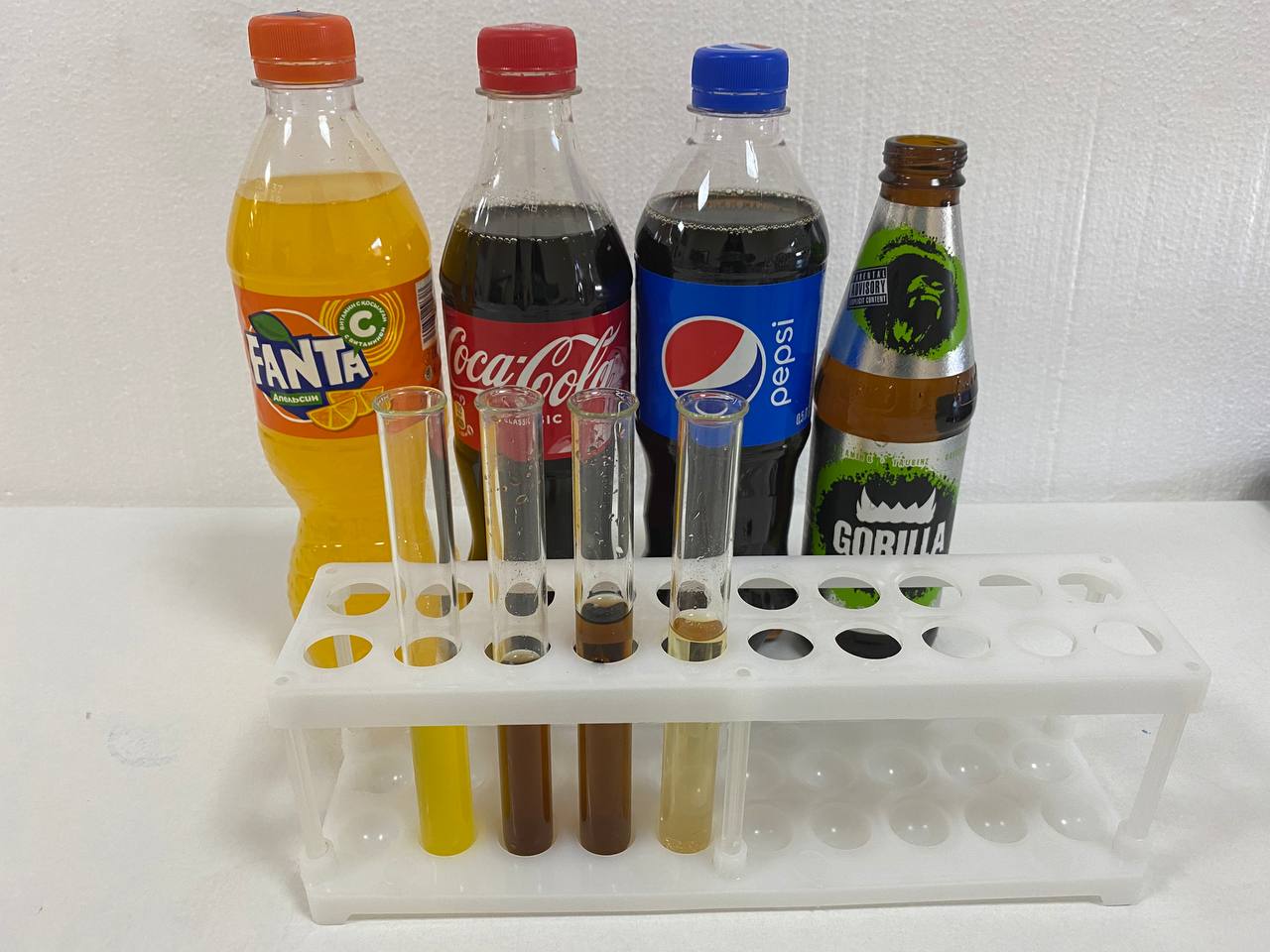 |
| Step 2. Immerse the indicator paper in the samples by holding the tweezers for a few seconds.And put it on a clean sheetSample No. 1- water -standard pH =7 | 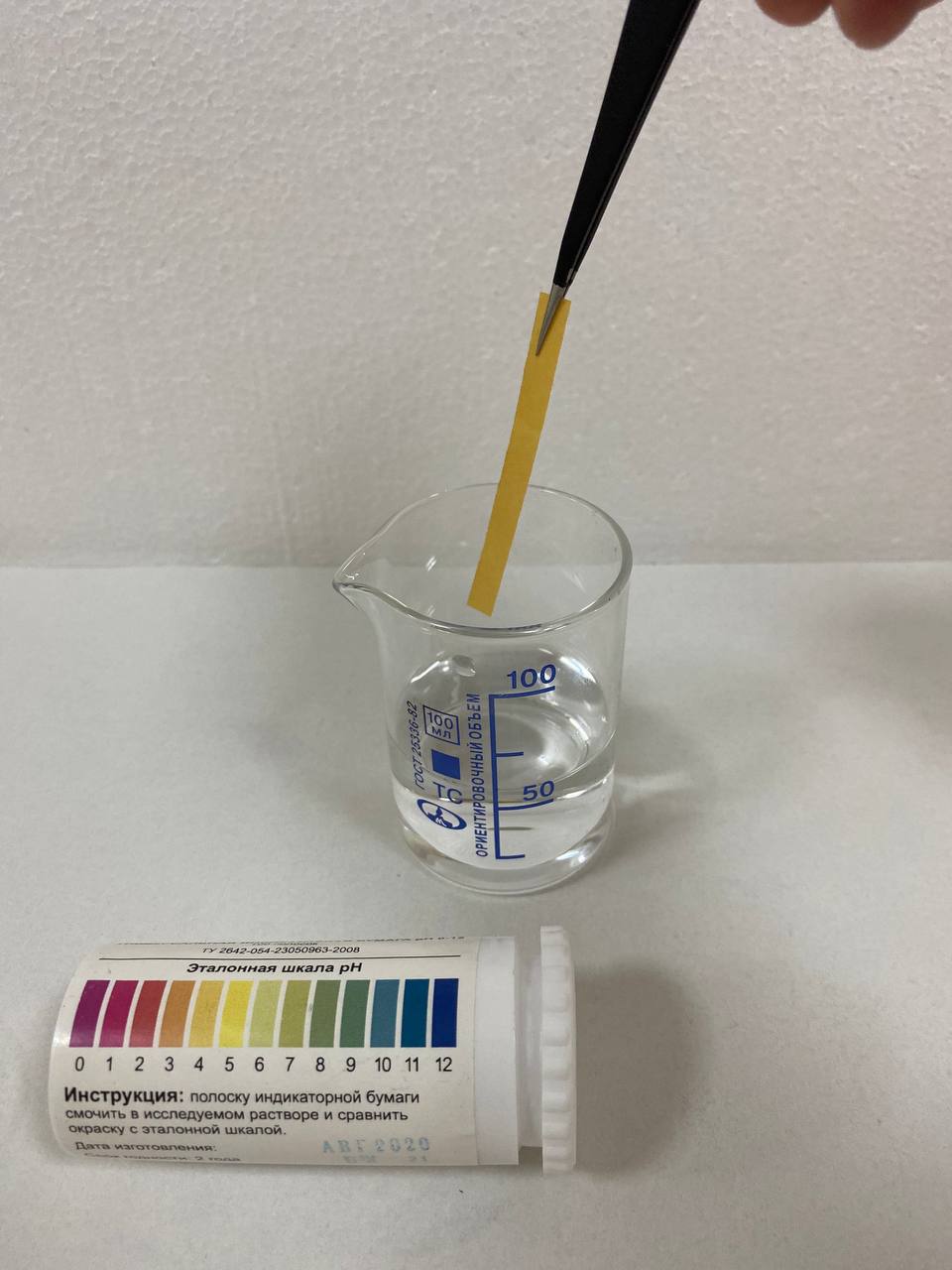 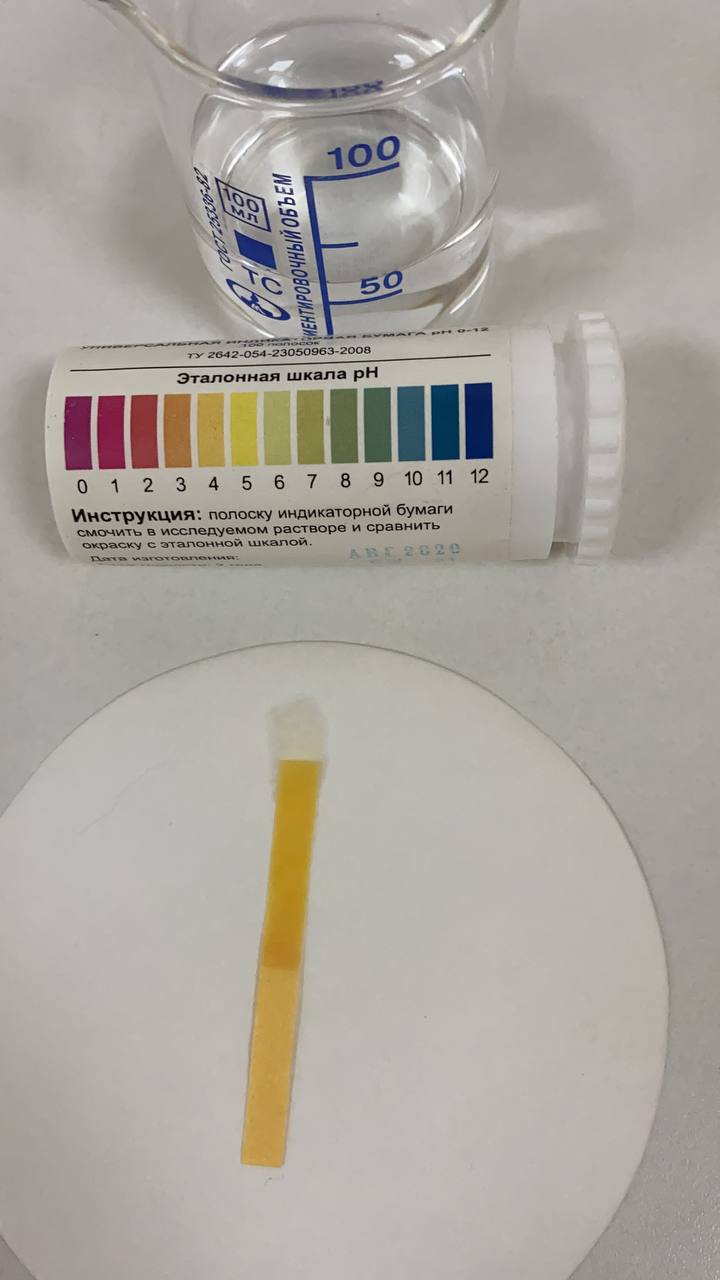 |
| Step 3. Then do the same on the rest of the samples. | 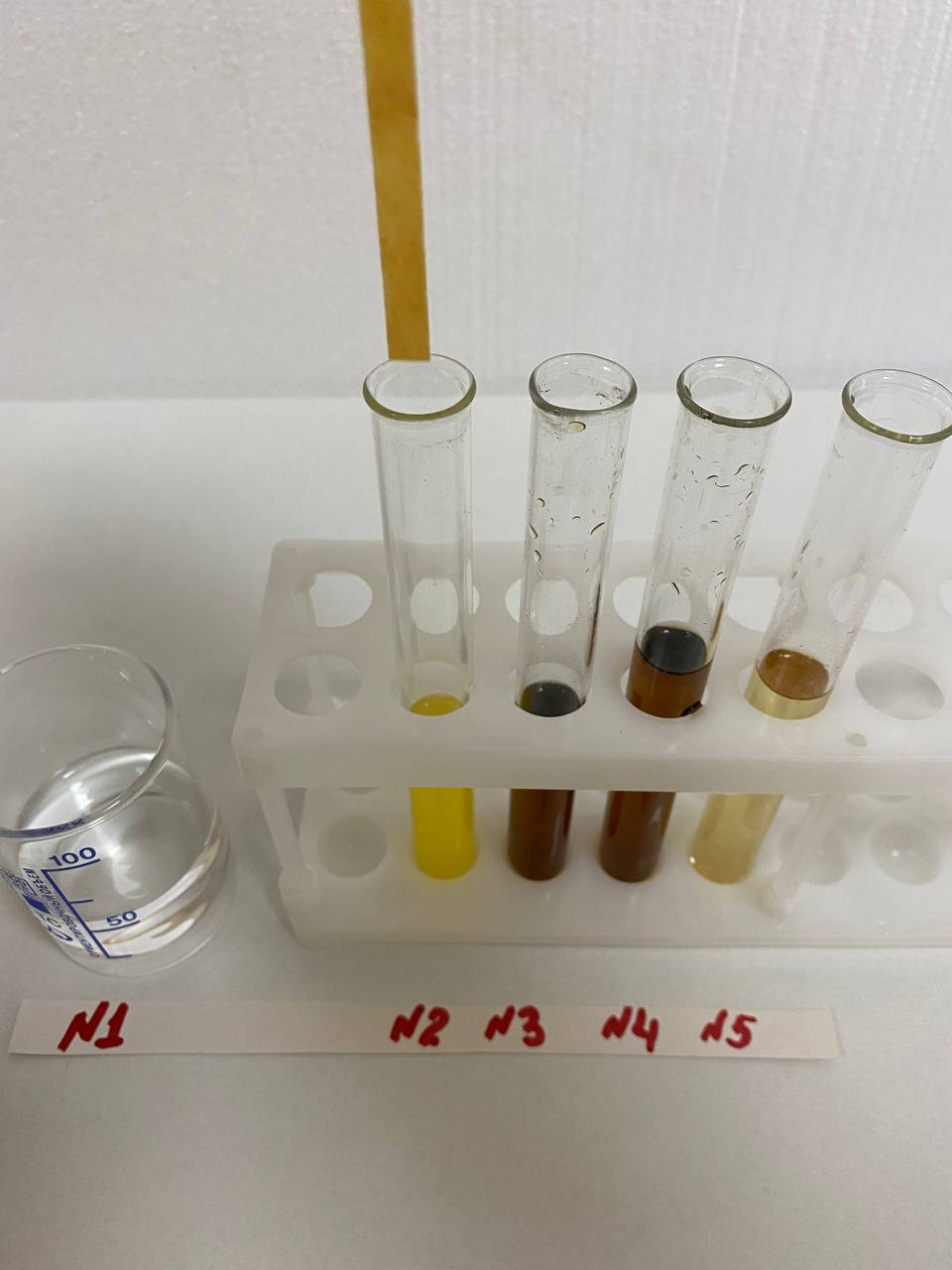 |
| Step 4. Compare the received data | 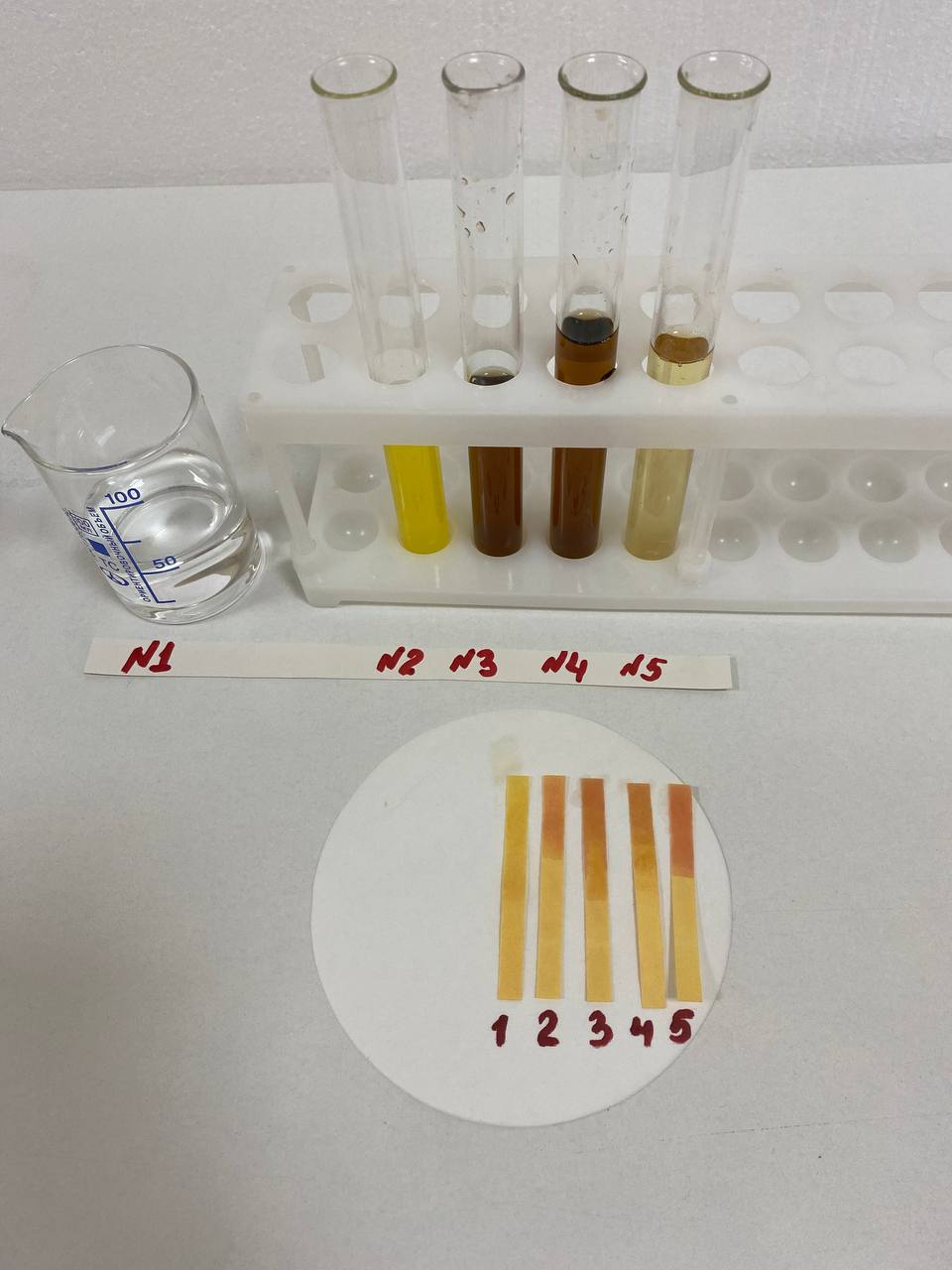 |
| Step 5. Compare with the reference scale and write down the data, fill in the table. | 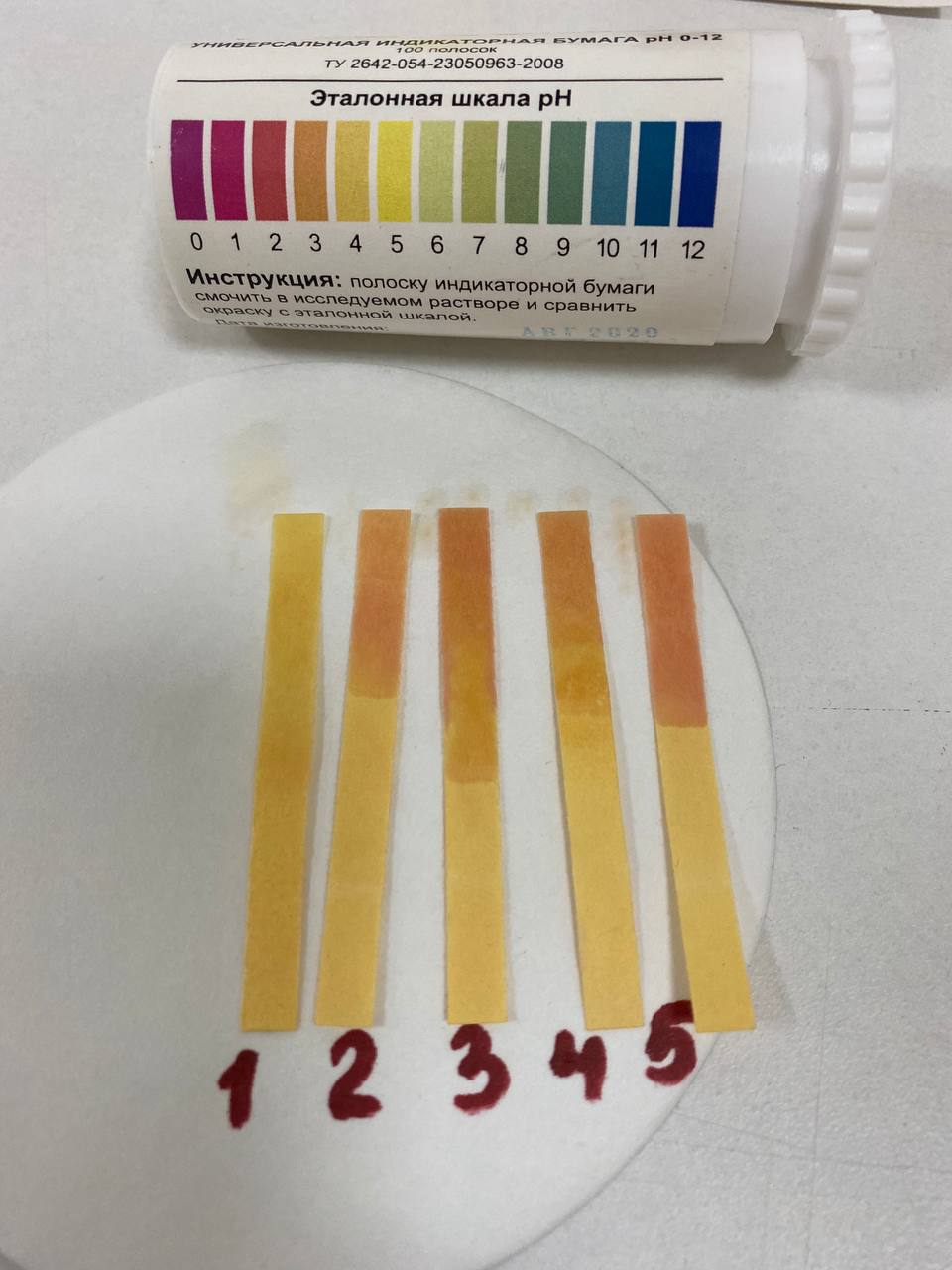 |
Step 6. Fill in the table:
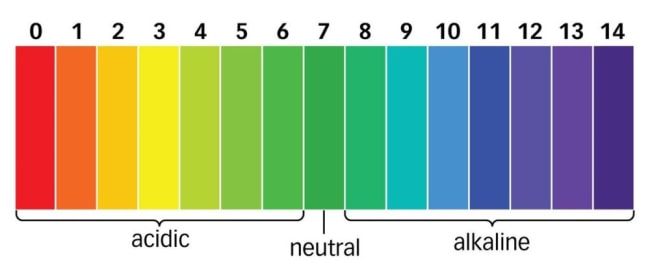
| Samples | pH value | ph environment(acidic, neutral, alkaline) |
| No. 1 Water/standard | ||
| No. 2: carbonated Coca-Cola drink | ||
| No. 3: carbonated drink Fanta | ||
| No. 4: energy drink | ||
| No. 5: carbonated Pepsi drink |
Step 7. At the end of the experiment, draw conclusions and answer the questions:
1. Where is what environment?
2. What do you think is a favorable environment for the body?
3. Do you want to use such drinks in the future?
4. Offer a healthier and healthier alternative to these drinks.
Experience No. 3. Experiment with carbonated drinks. The effect of dyes and acids.
Required materials:
– carbonated Coca-Cola drink
– carbonated drink Fanta
– any energy drink
– carbonated Pepsi drink
– a glass of 4 pieces
– egg 4 slices (the shell will be treated as tooth enamel)
| Step 1. Before you start the experience yourself, study:– tooth structure – the effect of food and drinks on enamel | |
| Step 2. Prepare 4 glasses | |
| Step 3. Pour drinks into glasses and number them: Sample No. 1: carbonated drink Coca-Cola – 75ml Sample No. 2: carbonated drink Fanta – 75ml Sample No. 3: energy drink – 75ml Sample No. 4: carbonated drink Pepsi – 75ml | 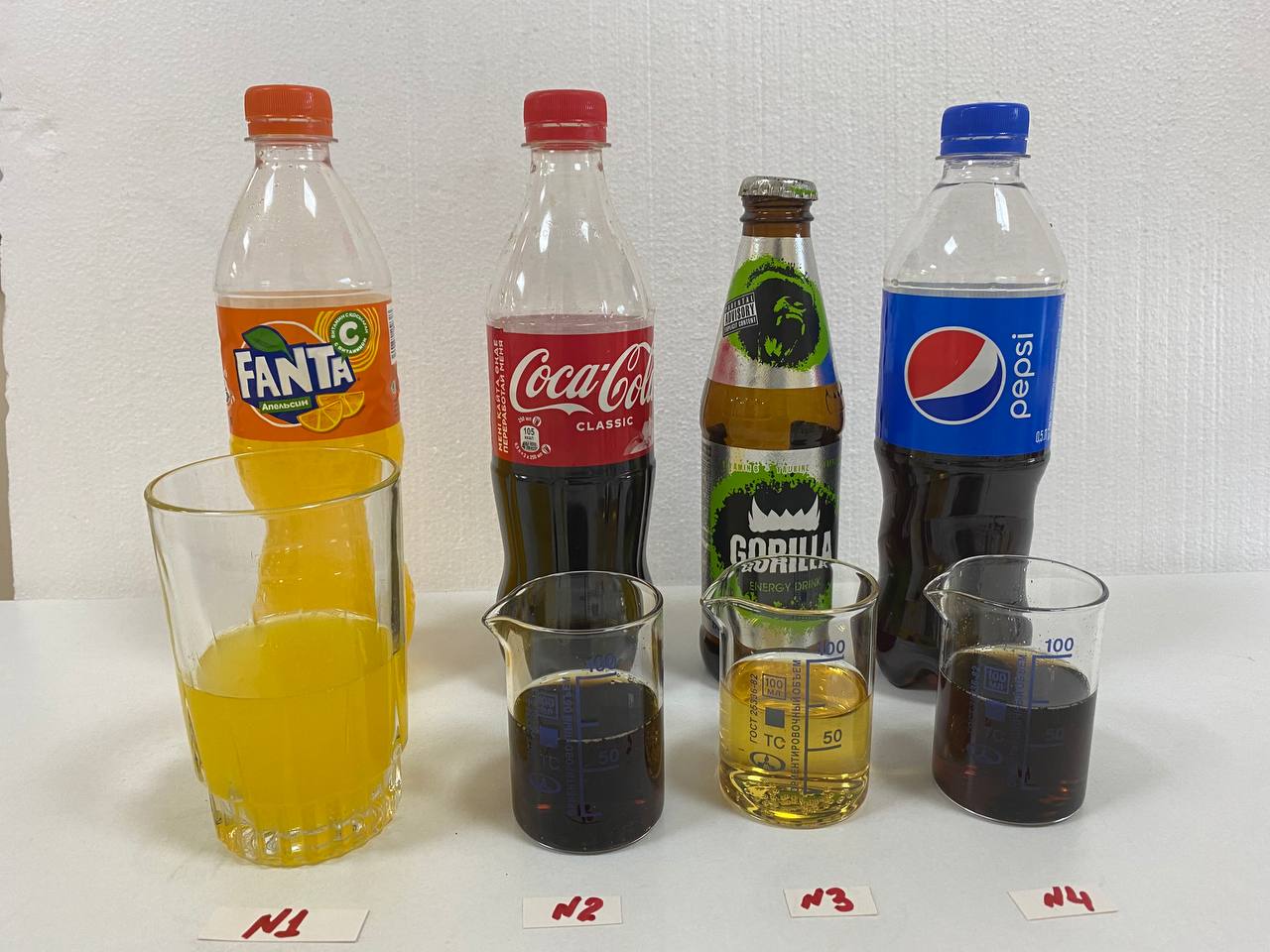 |
| Step 4. After that, put an egg in each bowl. | 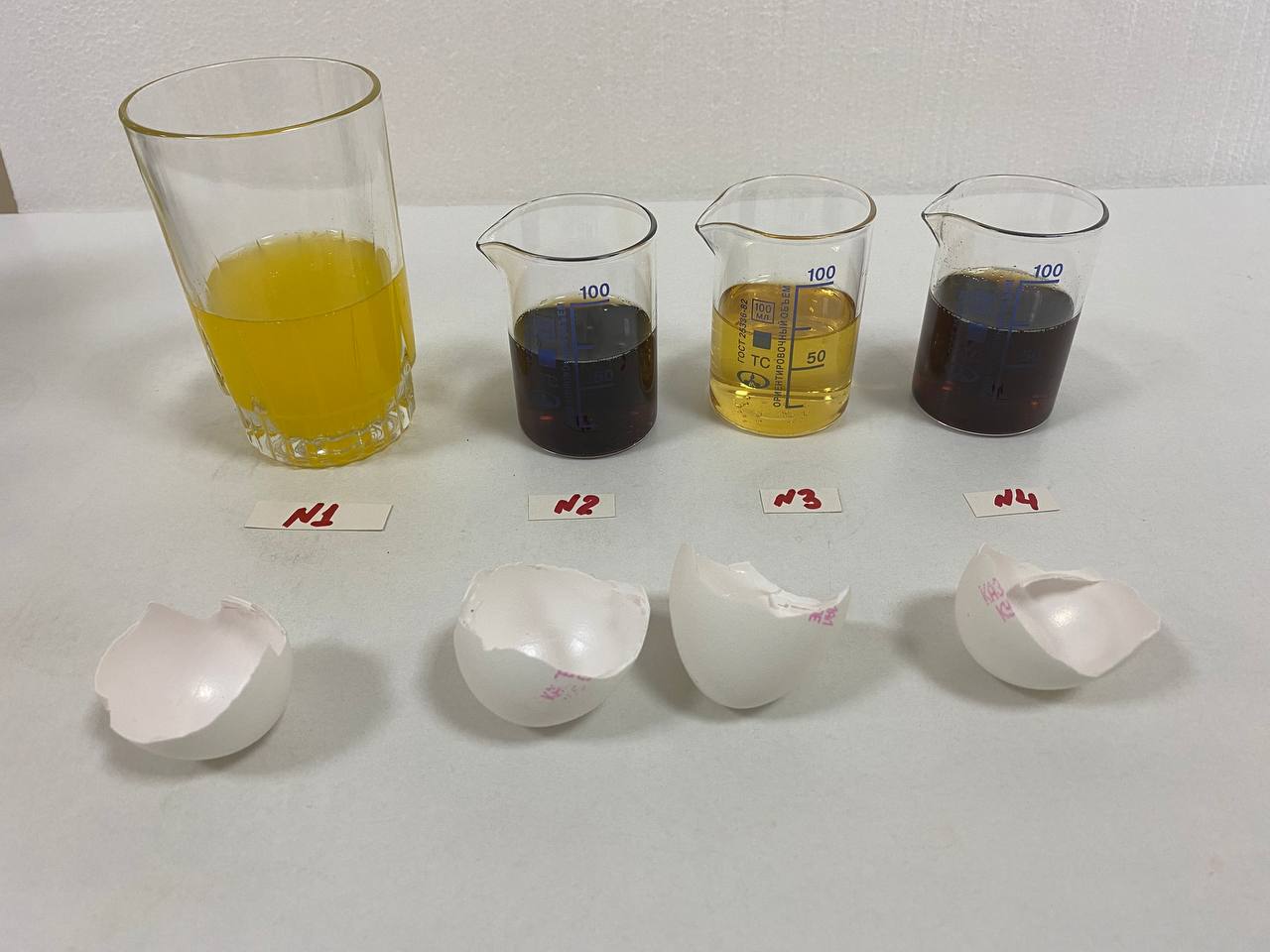 |
| Step 5. Leave this bowl with a drink and an egg for a day. | 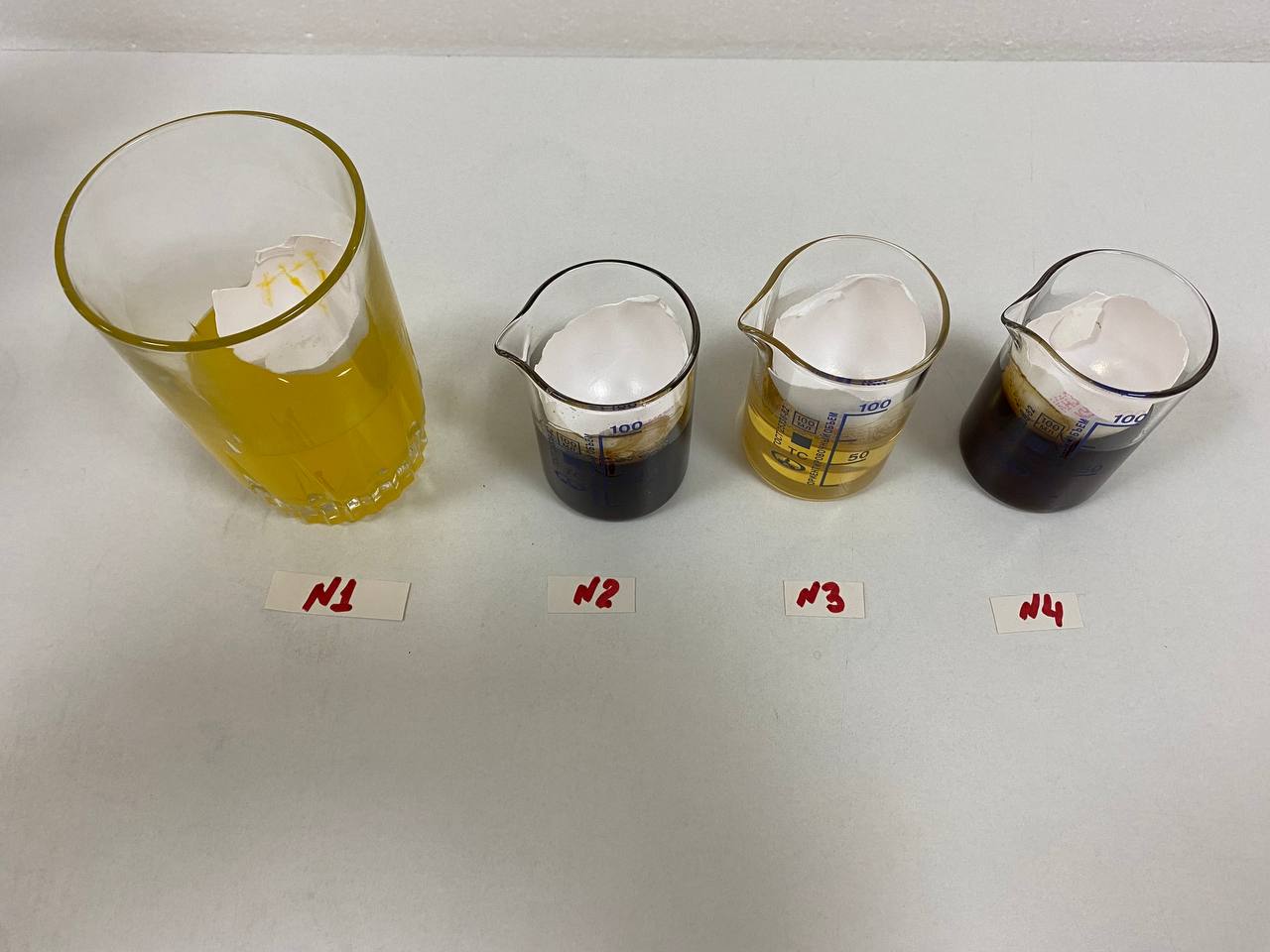 |
| Step 6. Finally, examine the egg. | 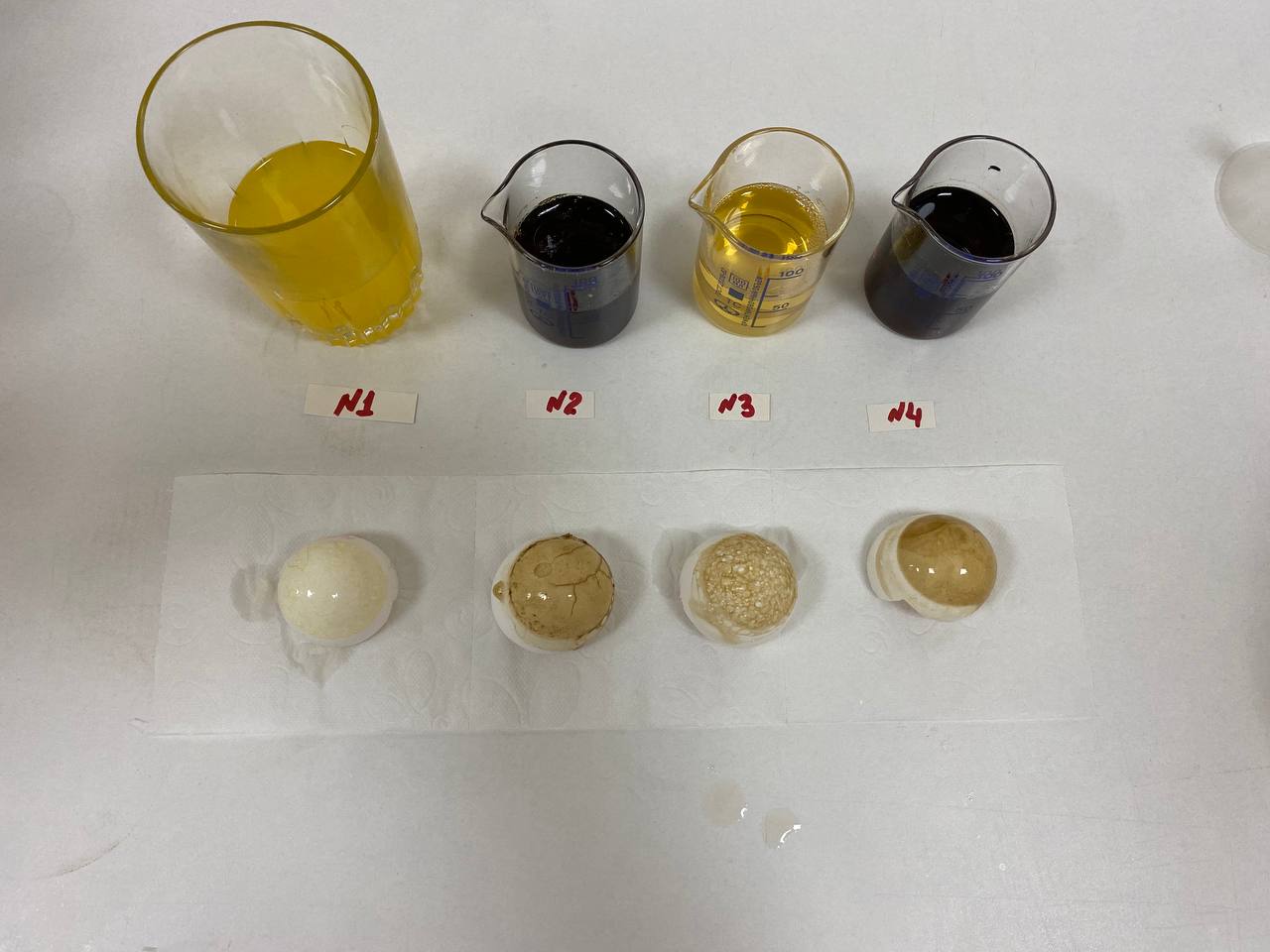 |
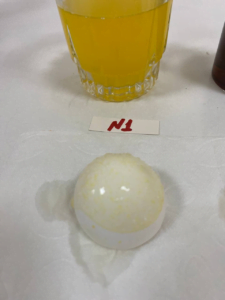
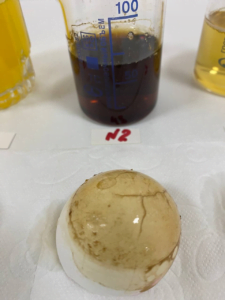
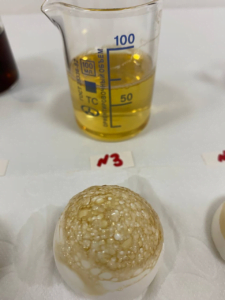
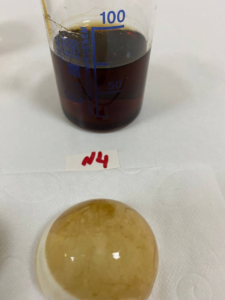
Step 7. Write down the data before and after in the table:
| Parameters | Egg (before experience) | Egg (after experience) | ||||||
| Coca-Cola | Fanta | Pepsi | Energy drink | Coca-Cola | Fanta | Pepsi | Energy drink | |
| Calour | ||||||||
| Others (what metrics would you like to add?) | ||||||||
Step 8. At the end of the experiment, draw conclusions and answer the questions:
1. What changes have you observed?
2. Do you want to use such drinks in the future?
3. Offer a healthier and healthier alternative to these drinks.
Experiment No. 4 The presence of carbon dioxide in beverages and its effect. Cola and mentos/food.soda
Required materials:
– carbonated Coca-Cola drink
– carbonated drink Fanta
– any energy drink
– carbonated Pepsi drink
– a glass of 4 pieces
– Mentos
– Baking soda 2-3 tablespoons
Step 1. Prepare all the necessary materials
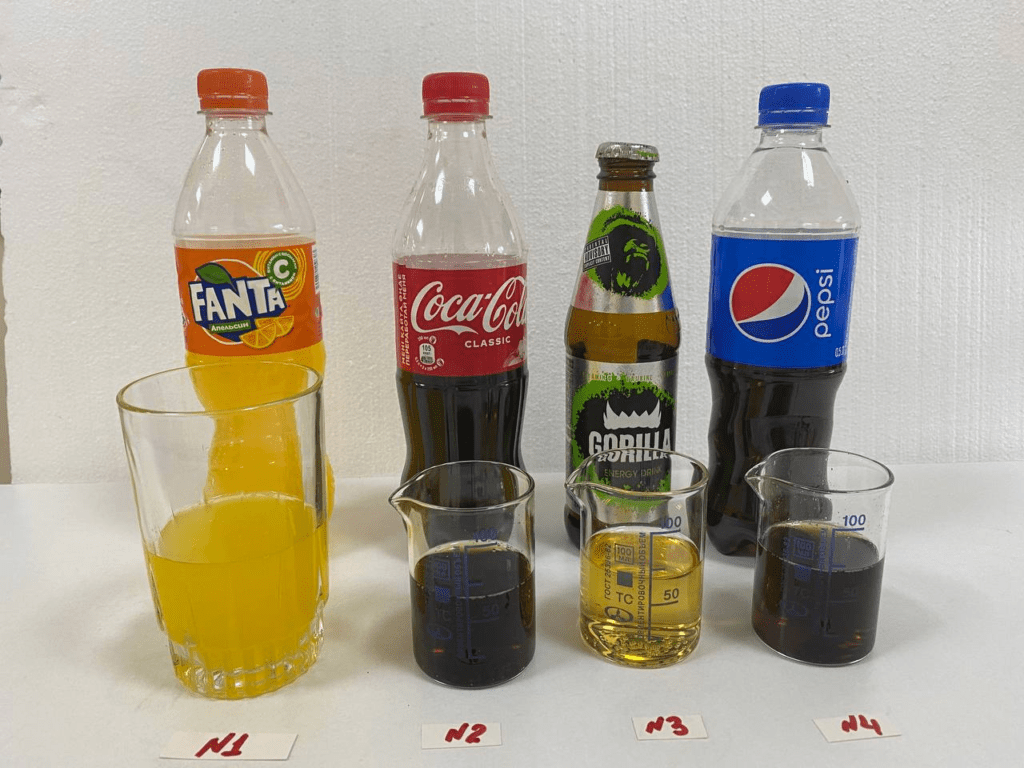
Step 2. Add mentos pills to the samples.
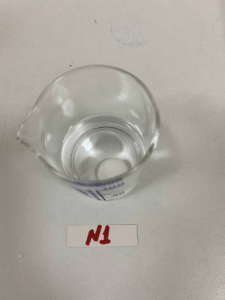
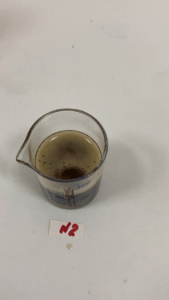
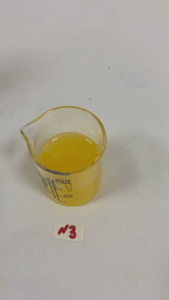
The reason for foaming is in the roughness of the surface of the pellets, which serve as centers for the release of carbon dioxide. The process is also enhanced by additives in the drink, such as the sweetener aspartame (sugar substitute). The sweetener reduces the surface tension of the liquid, which in turn facilitates the release of gas. The volume of the bottle also plays a role, that is, the rising bubbles are secondary centers of gas release. Other ingredients that play a role in the process of gas release: sodium benzoate (preservative) and caffeine in Coca-Cola; gum arabic and gelatin in chewing pills.
Step 3. Repeat this experiment with sodium bicarbonate, that is, baking soda.
Step 4. In conclusion, write down your observations.
______________________________________________________________________
Experiment No. 5 The presence of orthophosphoric acid in beverages. High-quality reaction.
Required materials:
– Coca-Cola, fanta, pepsi
– indicator paper or pH meter
– filter paper
– glass or test tube
– silver nitrate, AgNO3
– milk
– pipette
– funnel
| Step 1. Pour 5 ml of Coca-Cola into a test tube and so that the excess gas does not interfere with the experiment, we release CO2 by stirring the cola.Then add 5 ml of milk | 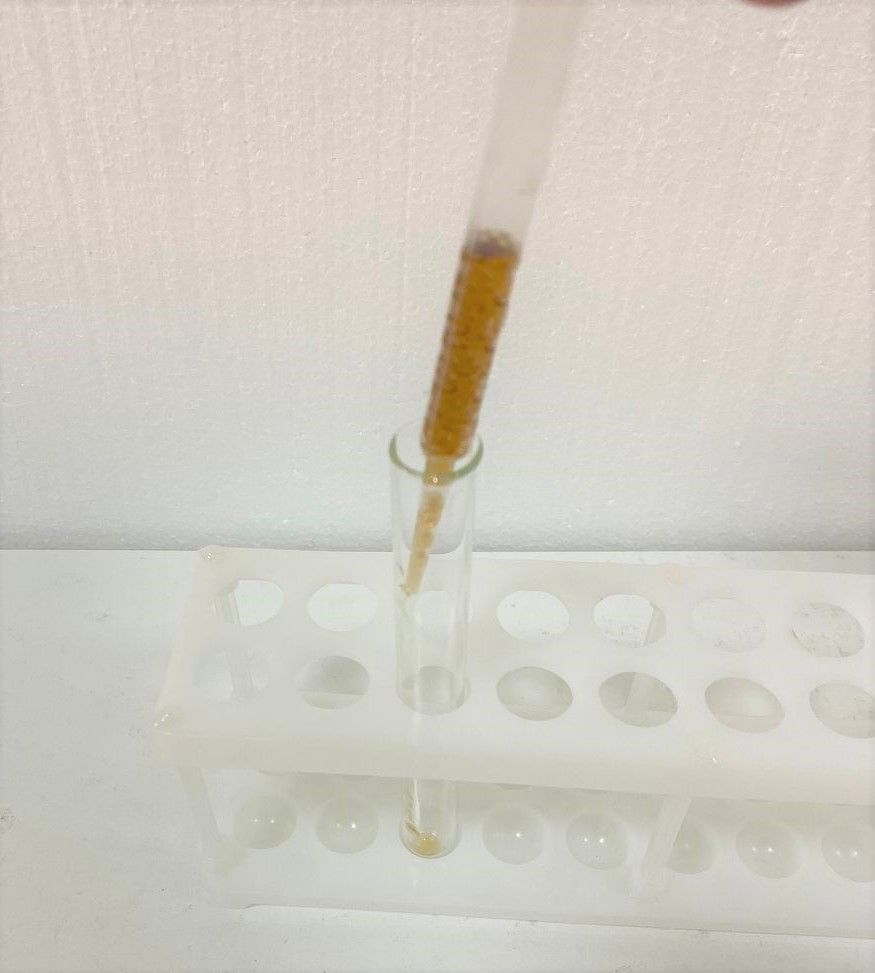 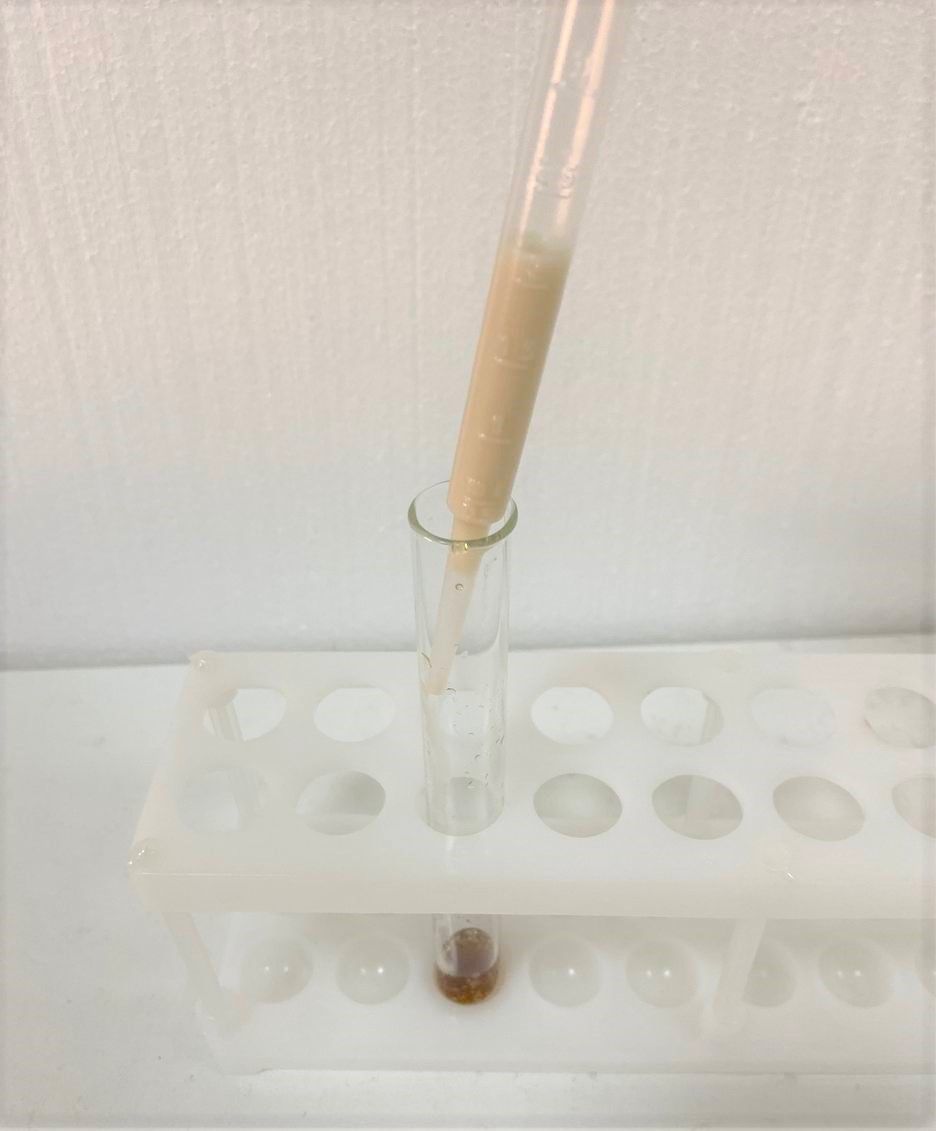 |
| Step 2. Then mix and check the acidity. Milk consists of proteins, fats, trace elements and water. At the same time, the reaction of milk is approximately neutral (pH≈ 7) – almost like water. When we add milk to cola, the structure of milk proteins changes under the action of orthophosphoric acid and collapses.Low pH causes denaturation of milk protein (casein) and its precipitation. | 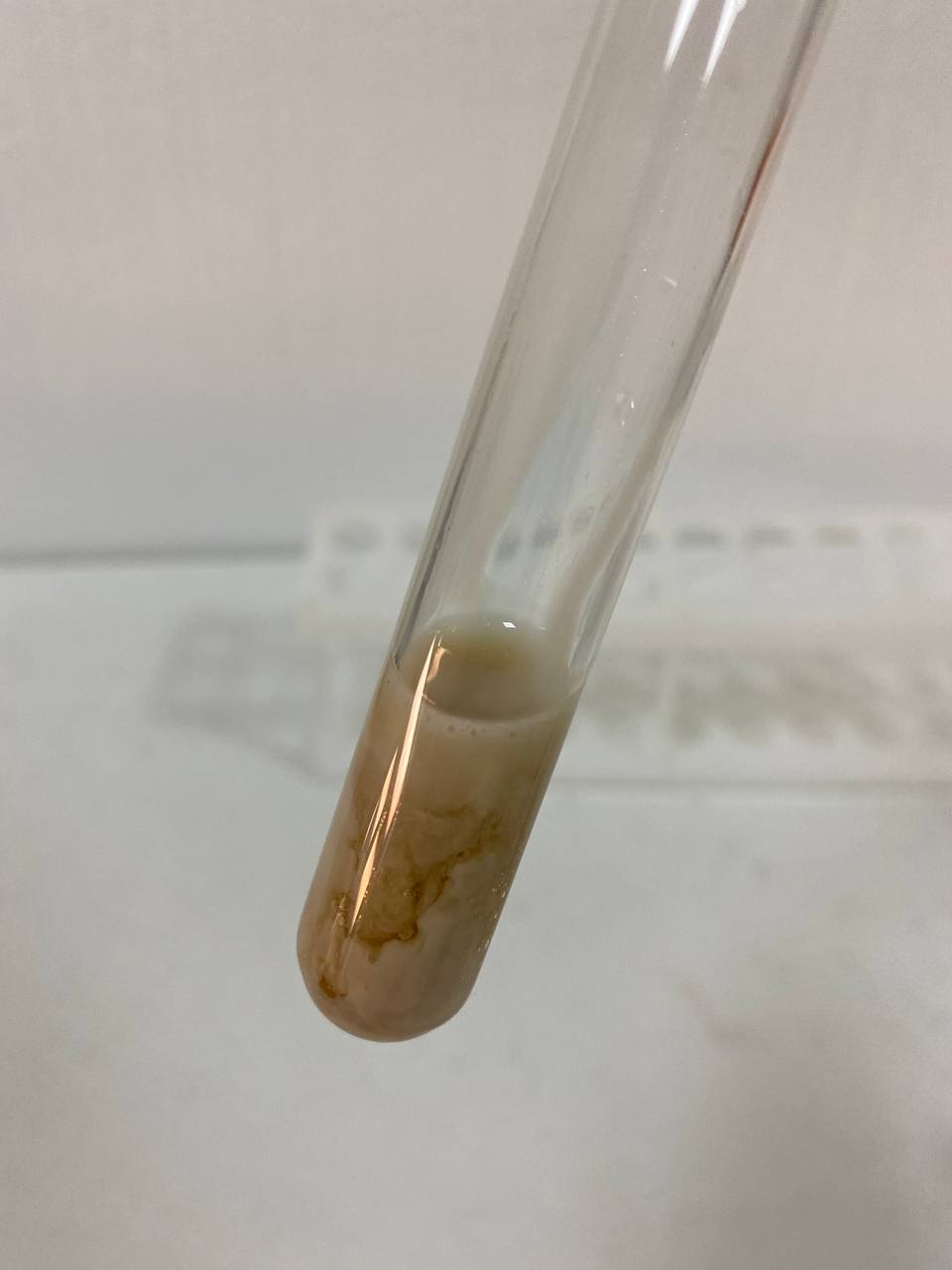 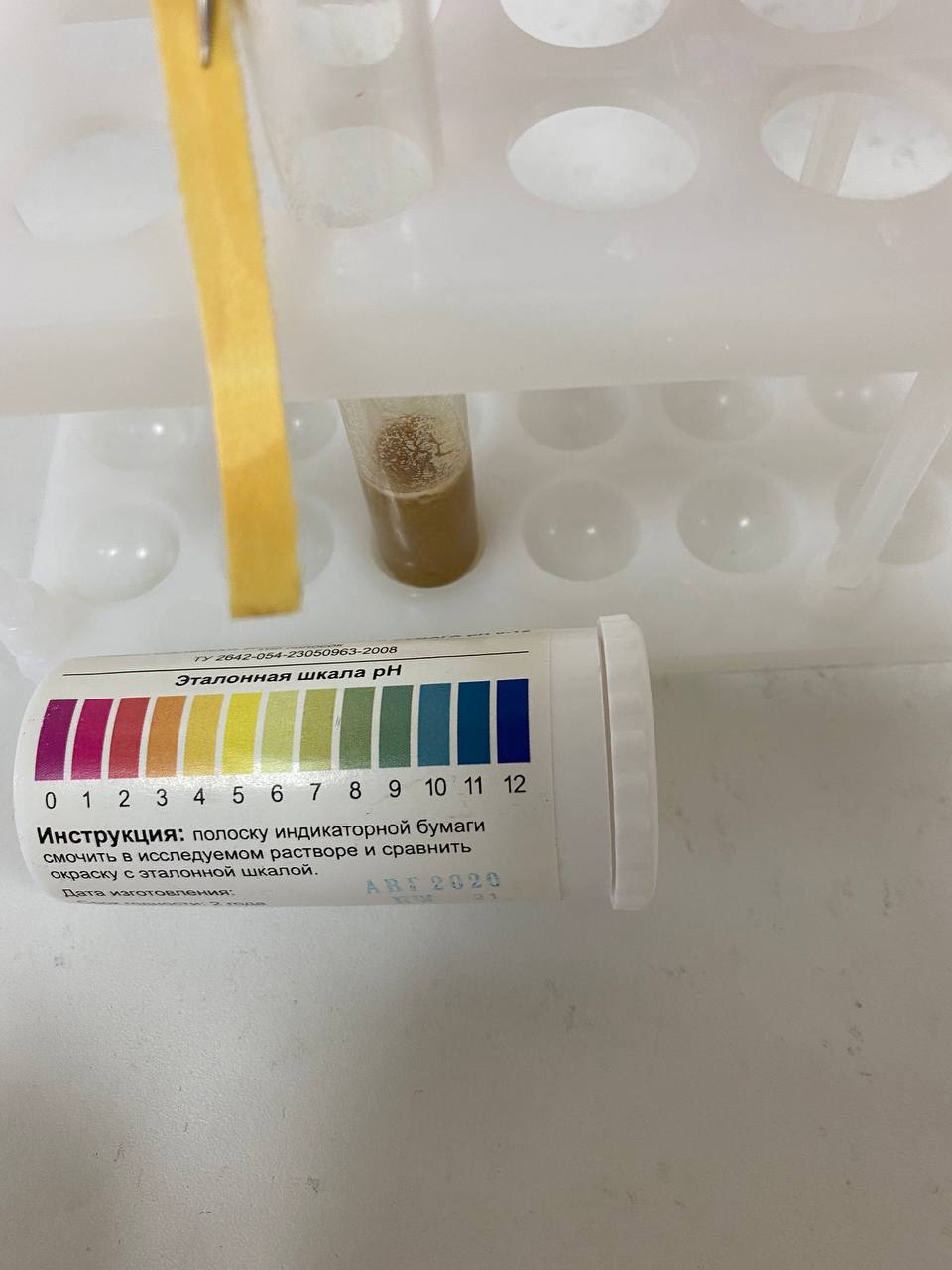 |
| Step 3. Prepare the filter paper, funnel and glass. Then filter this solution.A curd-like mass of dark beige color remained on the filter paper — this is the result of the interaction of milk proteins and orthophosphoric acid protons | 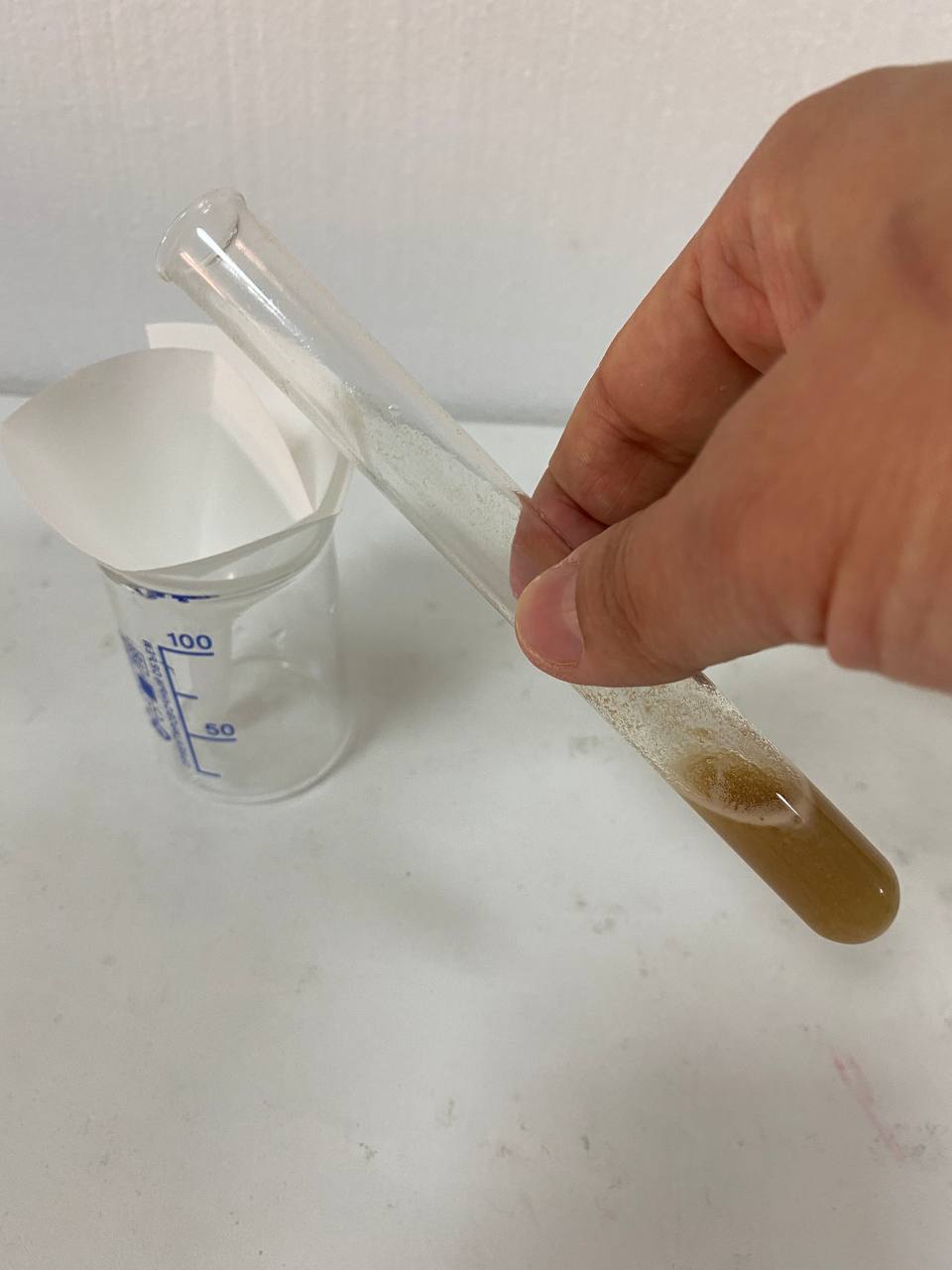 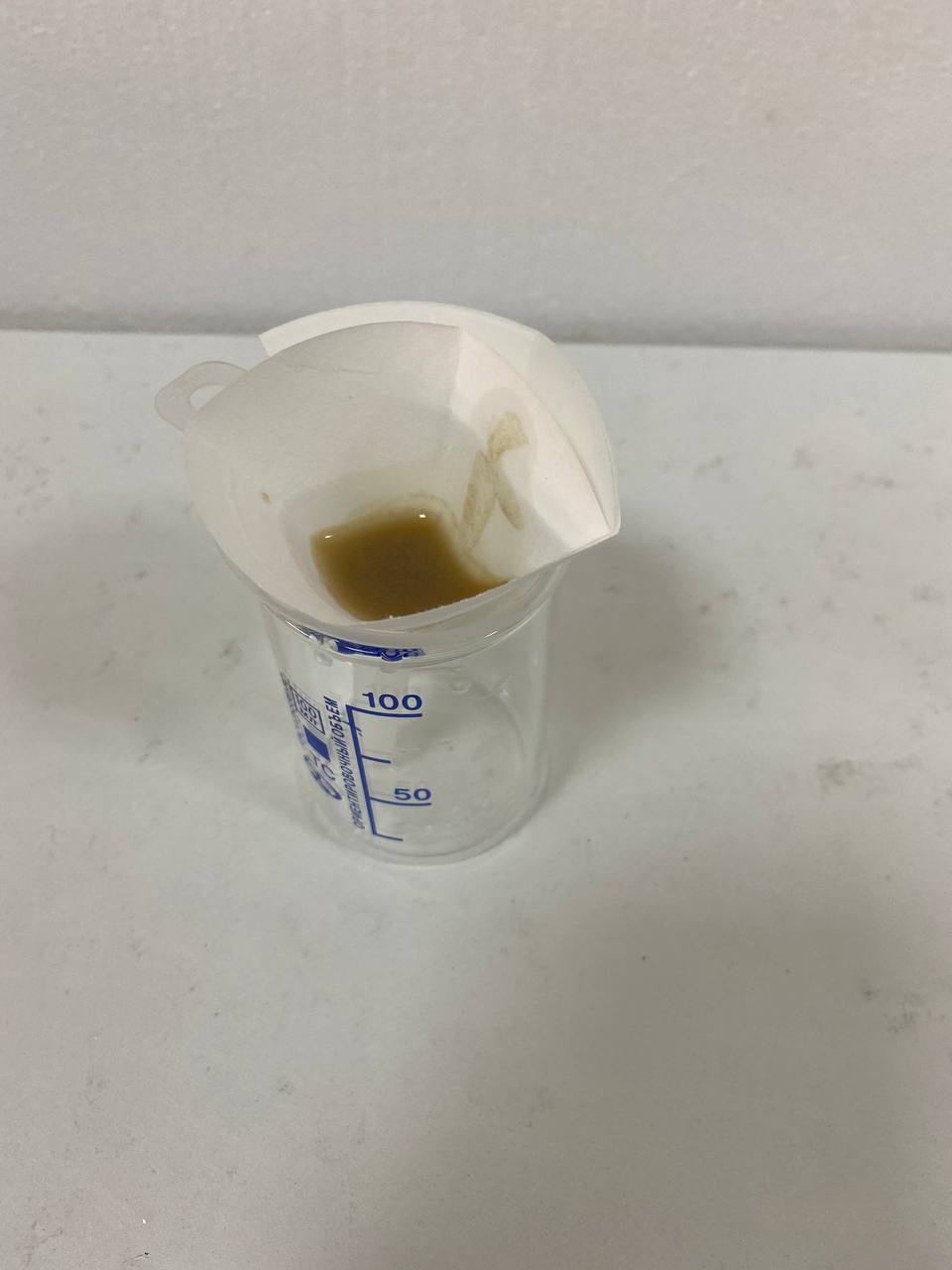 |
| Step 4. A clear liquid should come out | 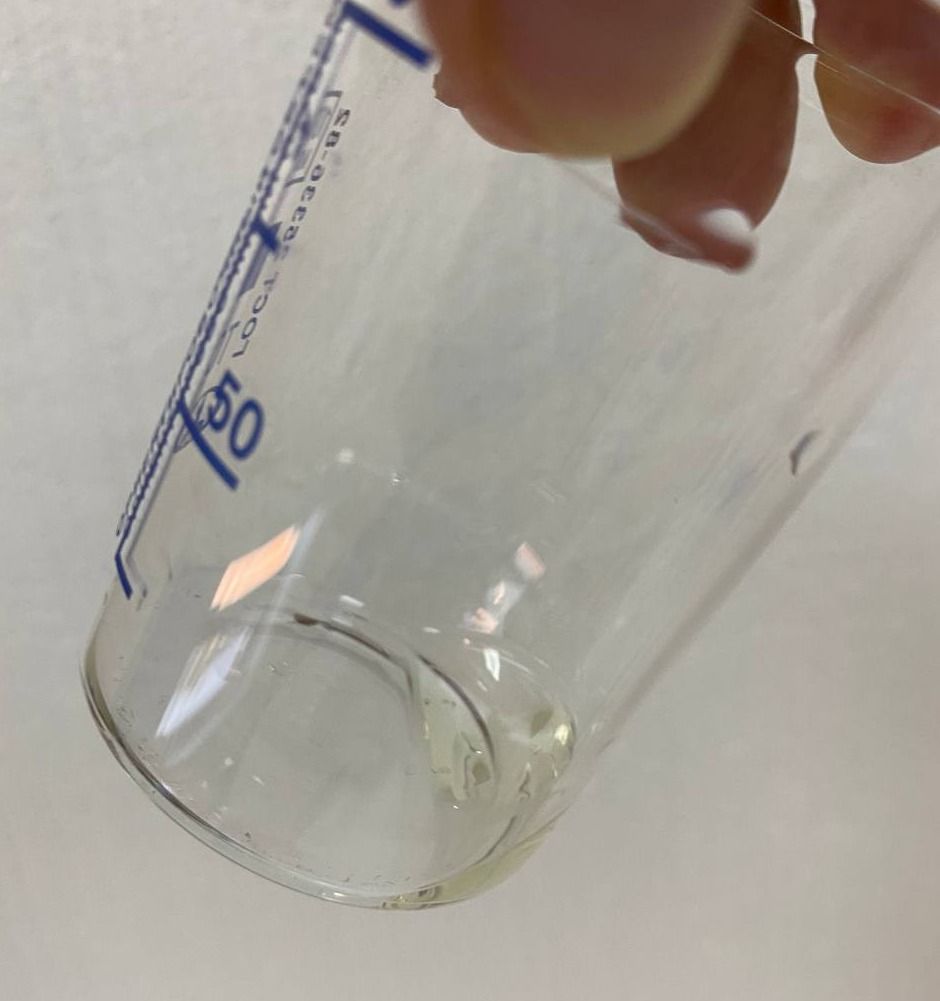 |
| Step 5. Pour a few drops of silver nitrate into this liquid until a precipitate forms. | 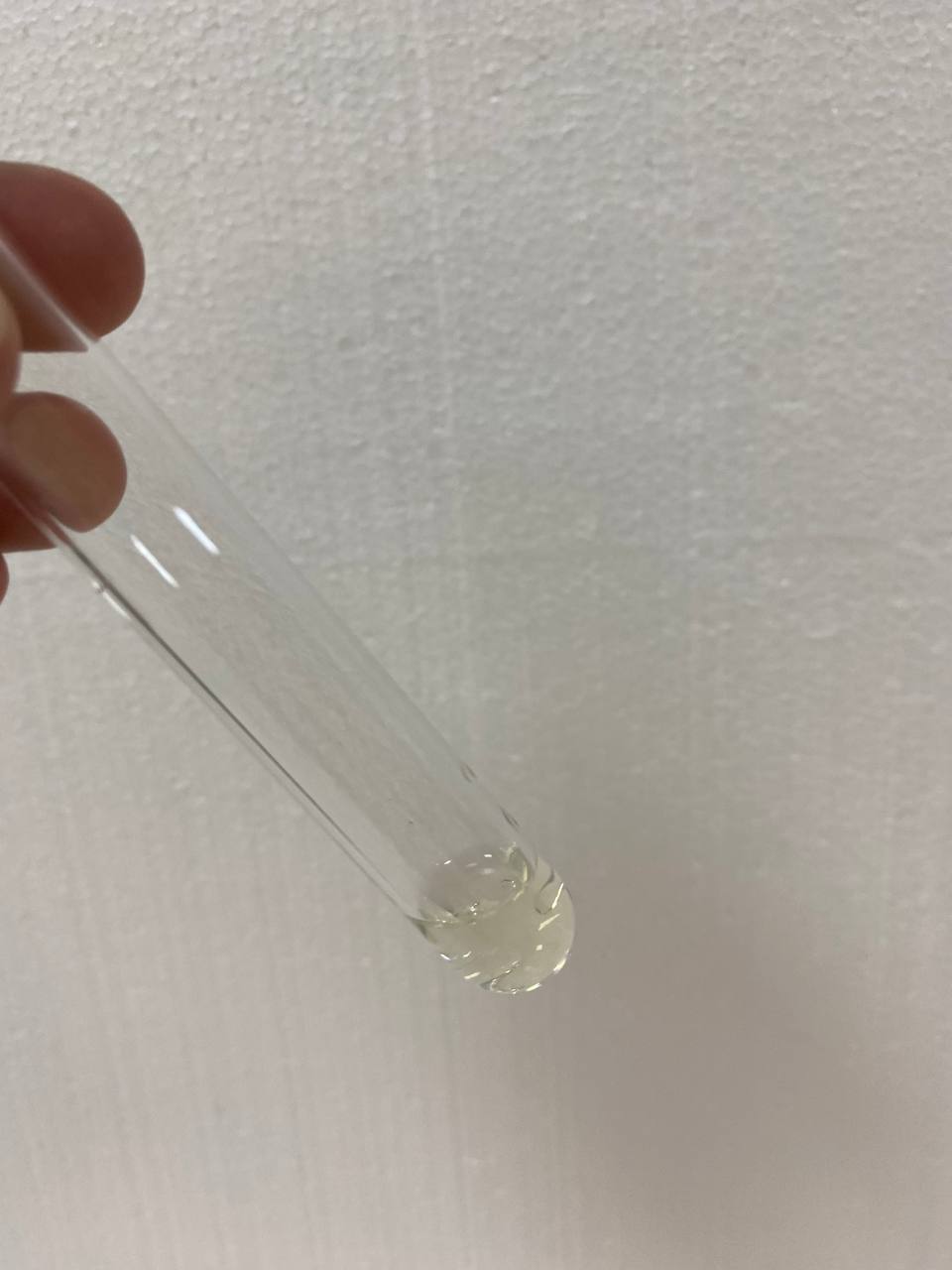 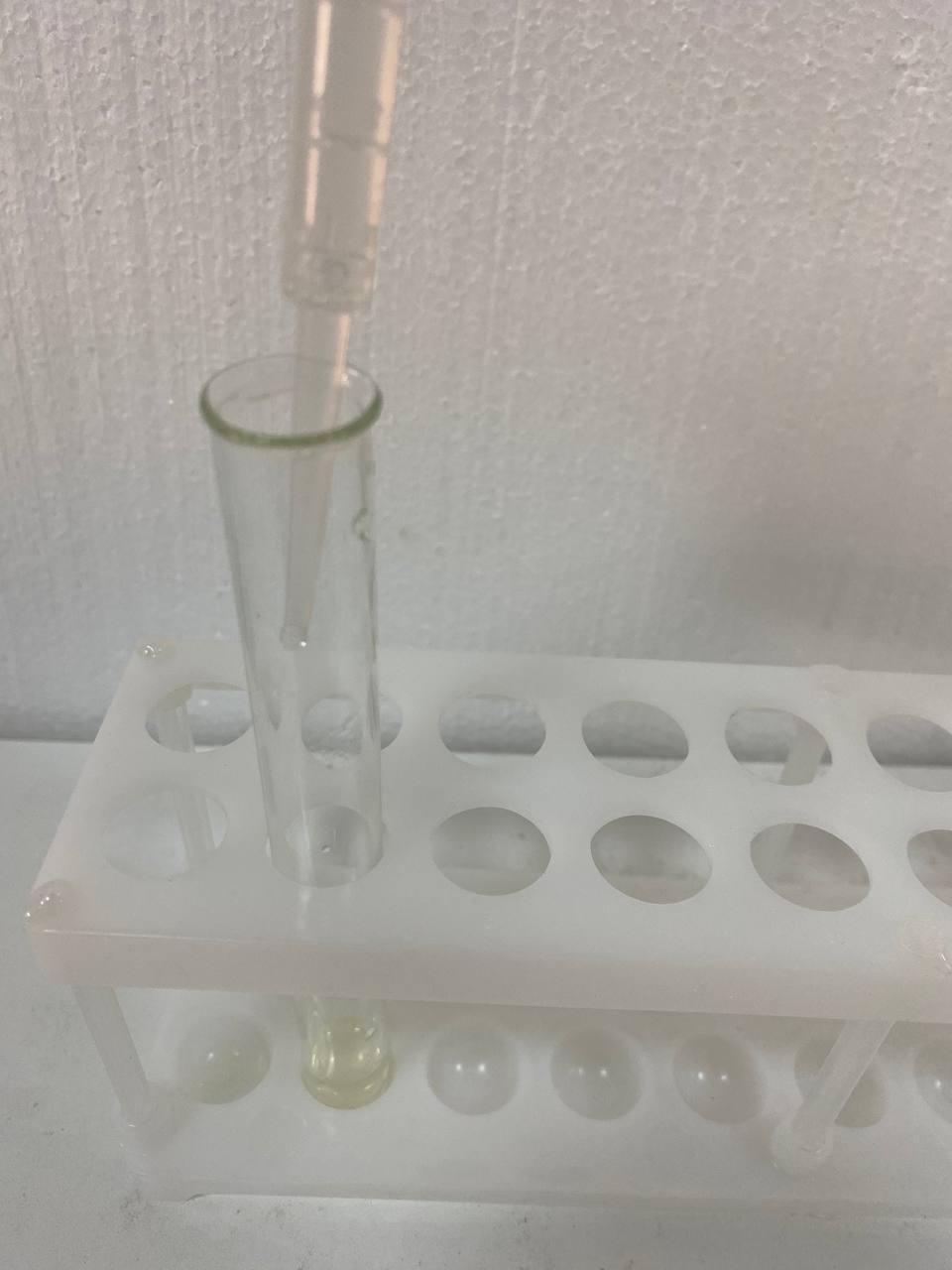 |
| Step 6. Observe the formation of a silver orthophosphate precipitate. | 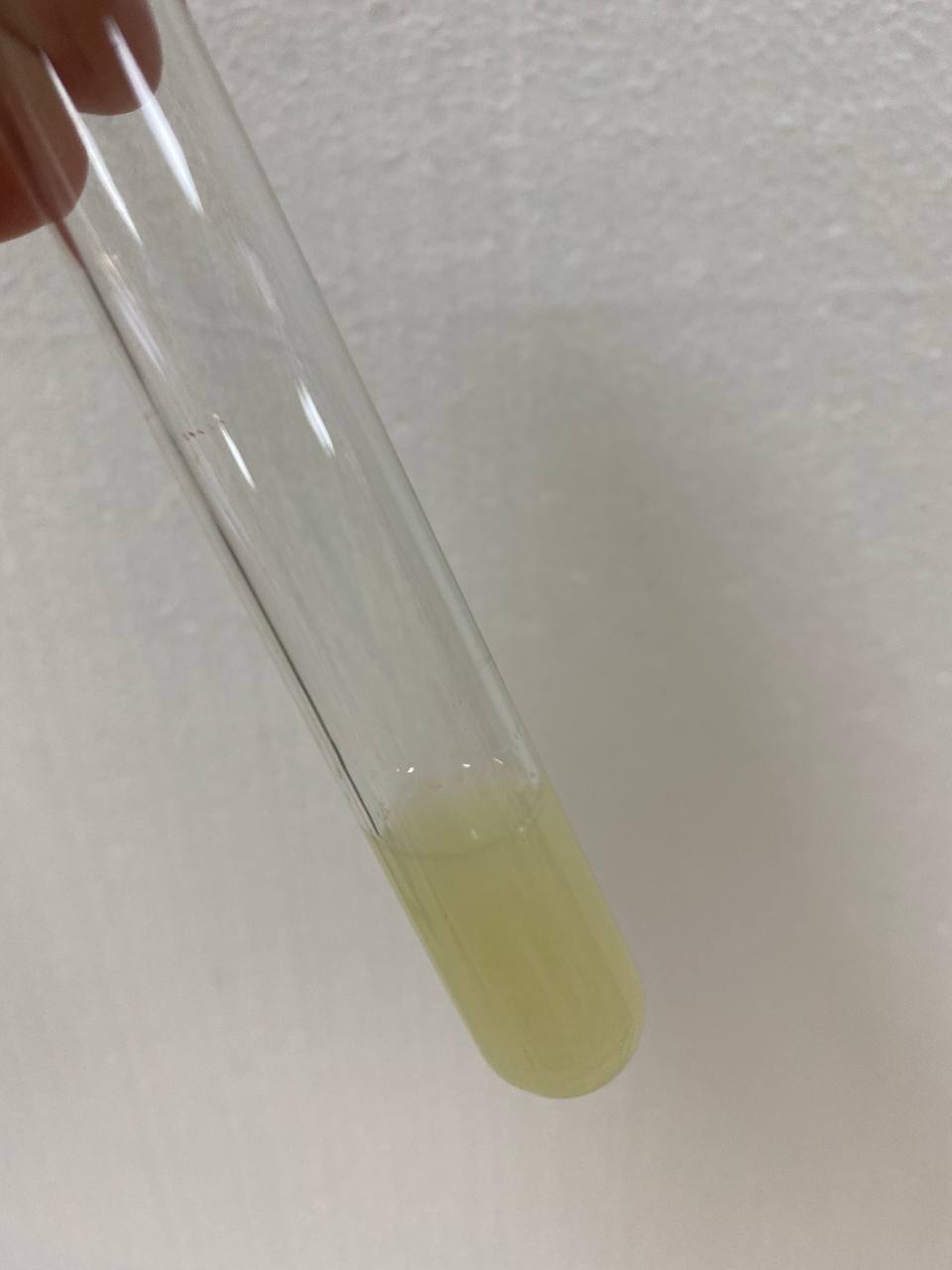 |
| Chemical reaction: | 1. Casein (protein in milk) + cola (acid+dye+ etc. components) = protein denaturation2. Bleached cola + silver nitrate = silver orthophosphate + nitric acidH3PO4 + 3AgNO3 = Ag3PO4↓ + 3HNO3 |
Experience No. 6 A coca-cola and a rusty nail
Required materials:
– Coca-Cola, pepsi, energy drink
– Rusty nail
– or rusty coin
Step 1. Pour Cola, pepsi and energy drink into 3 glasses
Step 2.Then place a rusty nail or coin in the glass. Leave it for a day.
Step 3. After the expiration of the day, take out the nail and draw conclusions, fill in the table:
Interaction with rust:
Fe(OH)3 + H3PO4 = FePO4 + 3H2O
2H3PO4 + Fe2O3 –> 3H2O + 2FePO4
| Properties of the test object (nail) | Solution No. 1(Coca-Cola) | Solution No. 2(Pepsi) | Solution No. 3(Energy drink) |
| before reaction | |||
| after reaction |
Conclusion: _____________________________________________________________________________________