Week 3
Ten “golden rules” that will help keep the kidneys healthy
- Do not overuse salt and meat food. Limit the use of canned food, food concentrates, fast food products as much as possible.
- Control your body weight: do not allow it to increase and do not decrease suddenly. Eat more vegetables and fruits, limit the consumption of high-calorie foods.
- Drink more liquid, 2-3 liters per day, especially in the hot season: fresh water, kidney herbal teas, natural fruit drinks, compotes.
- Do not smoke, do not use alcohol and drugs.
- Exercise regularly (this is no less important for the kidneys than for the kidneys!) – if possible, 30 minutes a day or one hour three times a week. Move more: walking, not using the elevator, cycling, swimming, and so on.
- Do not abuse painkillers (if it is impossible to completely abandon them, limit the intake), do not take diuretic medications without a doctor’s appointment, do not self-medicate, do not get carried away with dietary supplements, do not experiment, take “Thai herbs” with an unknown composition, “fat burner”, allowing you to “lose weight once and for all without any effort on your part”
- Protect yourself from contact with organic solvents and heavy metals, insecticides and fungicides at work and at home (during repair, maintenance of the machine, work on the infield, etc.), use protective equipment.
- Do not abuse being in the sun, do not allow hypothermia of the lumbar region and pelvic organs, legs.
- Monitor blood pressure, glucose and cholesterol levels.
- Regularly undergo a medical examination, allowing you to assess the condition of the kidneys (general urine analysis, biochemical blood analysis, including blood creatinine, kidney ultrasound – 1 time per month)
So, in order to have healthy kidneys, you need to follow a lifestyle. Be careful. Do not harm yourself and undergo a preventive examination in time to prevent kidney disease or recognize it in a timely manner.
Take care of your health!
Presentation of projects
This week, students should present their finished project on the following points:
1. Model of the urinary and kidney system:
– presenting and showing the model, the group demonstrates knowledge in the field of biology, chemistry and acquired skills;
– demonstrate the function of the urinary system, kidneys, bladder and circulatory system
– describe failures in kidney function
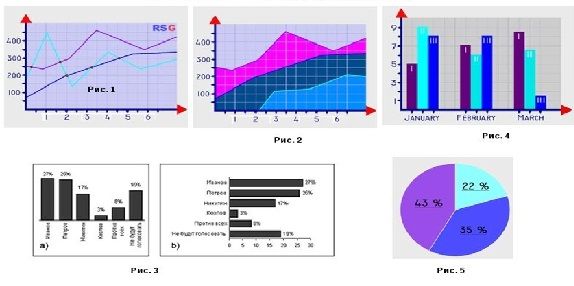
– illustrate in the form of diagrams (graphs) statistical data on renal insufficiency of citizens of the Republic of Kazakhstan
– plotting a chart based on statistical data
2. The device “artificial kidney”:
– kidney disease
– hemodialysis
– artificial kidney device, the principle of operation,
– demonstration of the whole process on the layout
Evaluation
Criteria for PBL assessment:
Project based learning (problem-based (project-based)-orientation training)- this is a teaching method in which students acquire knowledge and skills by working on one project for a month to research and find an answer to a genuine, interesting and complex question, problem or challenge. (then go to the link to the categories PBL rubrics)
Reflection