
Week 1
Goals:
- study the nature of an earthquake
- study the types of tectonic plates
- build a seismograph model and visualize data using Arduino
- create an earthquake mitigation solution
Expected results
- Students should develop an understanding of:
- finding an idea for a project
- earthquake nature and types of tectonic plates
- study of literature in the field, work with sources
- creation of project prototypes
- improvement of the prototype, based on the received data
Interdisciplinary communication
- Geography (location of seismically active zones)
- Geology (types of tectonic plates)
- Physics (working with electronics)
- Computer science (programming)
Introduction
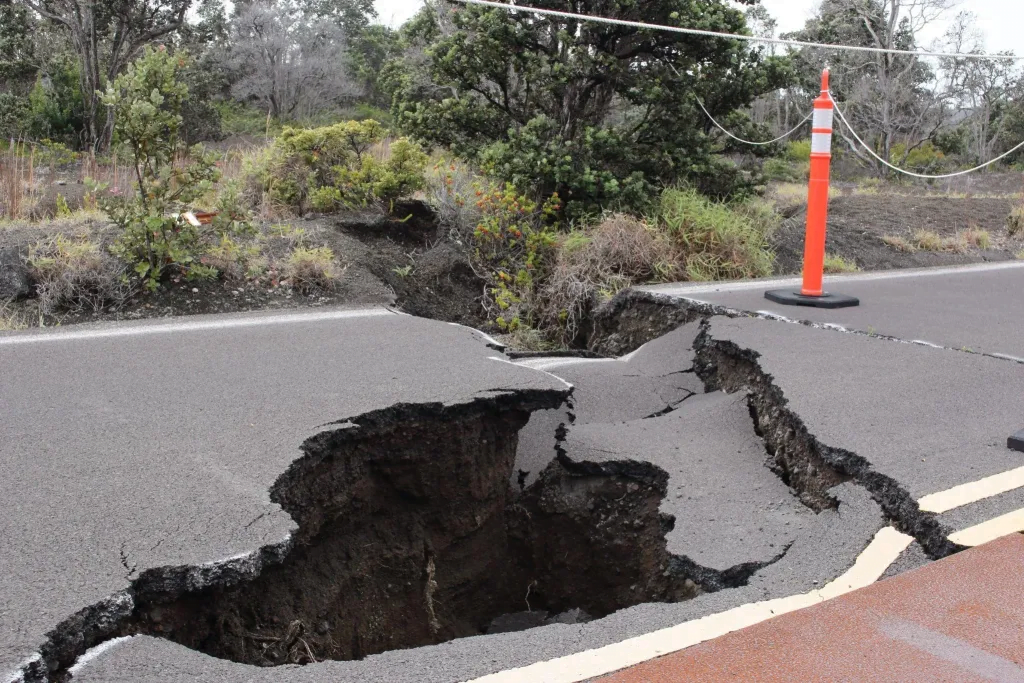
Earthquakes are natural disasters that can have devastating effects on people and the environment. To minimize the damage caused by earthquakes, early and accurate detection of such events is important. Earthquake detection allows you to take timely measures to protect the population and property. This may include the evacuation of people from danger zones, warning of possible tsunamis and other consequences associated with earthquakes, and the organization of work to eliminate the consequences.
Modern technologies and methods for detecting earthquakes make it possible to obtain accurate data on the location and magnitude of an event. One of the most common detection methods is the use of seismic stations [1], which record the vibrations caused by an earthquake.
In general, earthquake detection is an important task for ensuring the safety of the population and the economic stability of regions prone to earthquakes. Scientists, engineers, geologists, geophysicists, as well as specialists in the field of civil protection are working on this problem [2].
In recent years, new earthquake detection methods have emerged, such as the use of Internet of Things (IoT) device networks and machine learning algorithms. These new technologies could improve the accuracy and speed of earthquake detection, which could lead to even more effective protection against the effects of these natural disasters.
However, despite all the improvements in the field of earthquake detection, it is important to remember that we cannot completely control natural phenomena. Therefore, in addition to detection, measures are also needed to reduce the vulnerability of society and build sustainable buildings and infrastructure.
Resources used:
[1] Mendecki A.J. “Current seismic monitoring in mines”, Mendecki A.J., Lynch R.A., Malovichko D.A. ISS International Ltd., 2007.
[2] Paper on “The Importance of Earthquake Early Warning and Rapid Response”, https://earthquakescanada.nrcan.gc.ca/eew-asp/system-en.php#:~:text=Earthquake%20Early%20Warning% 20(EEW)%20is,%2C%20deaths%2C%20and%20property%20losses
Practical part
Acquaintance with the project “Building a model of a seismograph and an inertial shock absorber for studying the nature of an earthquake”
Goals:
- study the nature of an earthquake
- study the types of tectonic plates
- build a seismograph model and visualize data using Arduino
- create an earthquake mitigation solution
At this stage of the lesson, it is explained what causes earthquakes and what tectonic plates are [1].
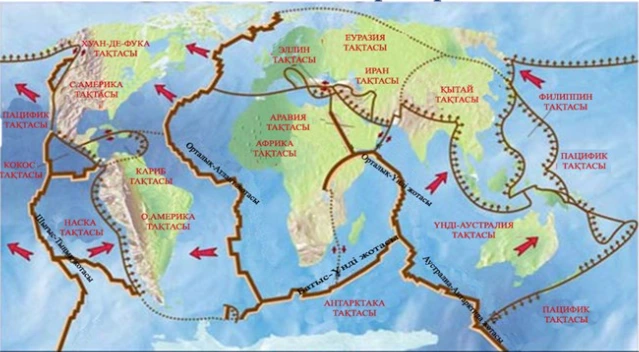
- The teacher shows a map of strong earthquakes for the last 7, 30 days [2]Students are shown a video about the ancient continent Pangea and how it moved and changed [3].Students are given the task to assemble the ancient continent “Pangaea” in the form of a puzzle [4]The lesson is summed up and reflection is carried out.
- https://www.meteorologiaenred.com/en/types-of-lithospheric-plates.html
- https://earthquake.usgs.gov/earthquakes/map/?extent=-86.65723,-226.40625&extent=86.61598,284.0625&range=week&magnitude=4.5&listOnlyShown=true&timeZone=utc&settings=true
- https://drive.google.com/file/d/1rEBgWUJp7okiwx30CbZ6J-qX4jnxVSSM/view?usp=sharing
- https://drive.google.com/file/d/1pQmgINKyayBBVzevDtd5wMyApzjIL79L/view?usp=sharing