
Volcano

Bath bombs

How to protect water from pollution?!
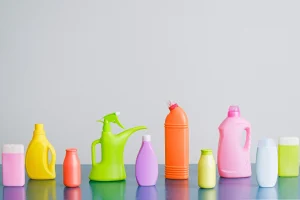
The impact of household chemicals on people and the environment
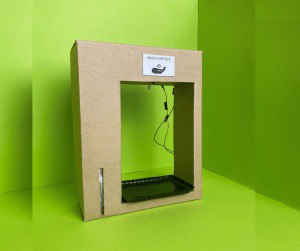
Automatic hand sanitizer

Water purification
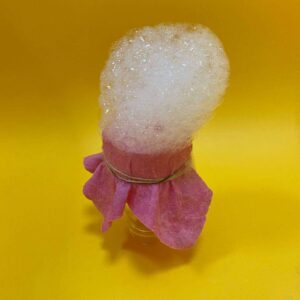
Аmazing bubbles
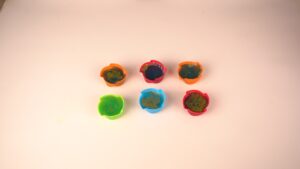
Soft Soaps
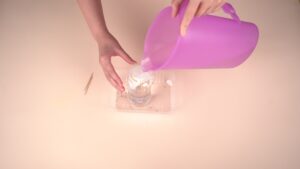
Properties of Water
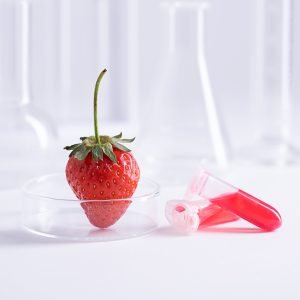
Strawberry DNA extraction
Determining water quality to understand human influence
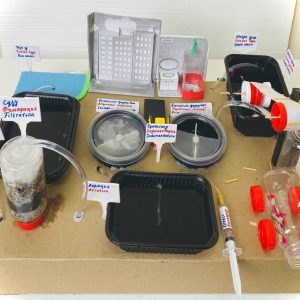
Wastewater treatment plant model
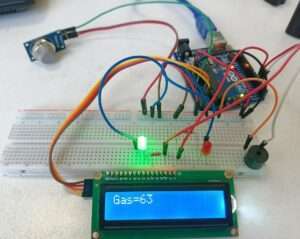
Smart Gas Leak Detector
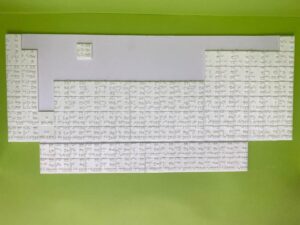
Tactile Periodic table of chemical elements
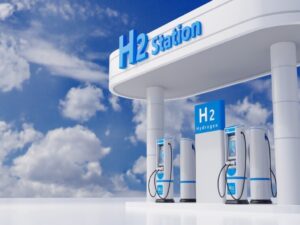
Green chemistry. Alternative hydrogen fuel
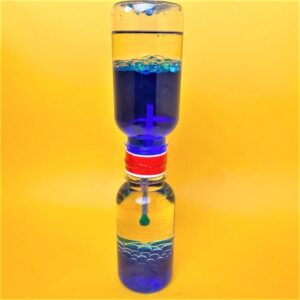
Liquid hourglass
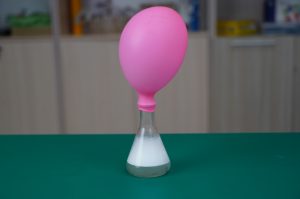
Laboratory work #10: «Test for hydrogen gas»
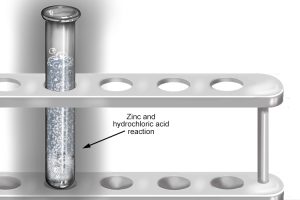
Laboratory work #9: «The interaction of zinc with acids»

Laboratory work #11: «Study of the breathing process»
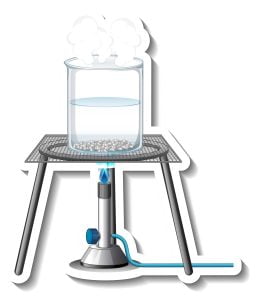
Laboratory work No.2: “Purification of contaminated table salt”
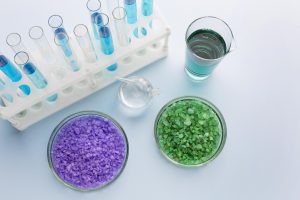
Laboratory work No.1: “Comparison of mixtures of substances and their compounds”

Laboratory work №8: Neutralization
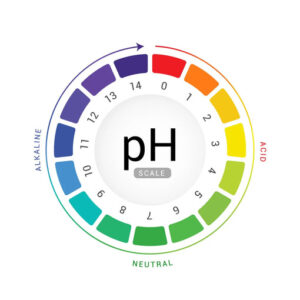
Laboratory work №7: pH measurements

Laboratory work №6: The combustion process
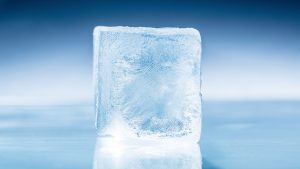
Laboratory work #4: The study of process of cooling
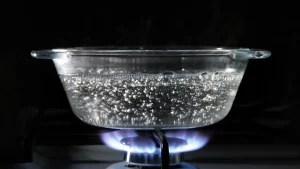
Laboratory work #5: Plotting water heating curve
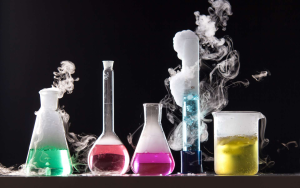
Laboratory work #3: Study of signs of chemical phenomena
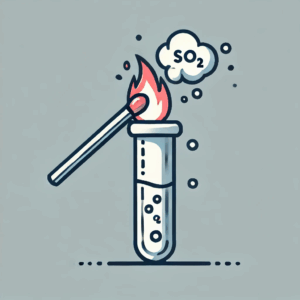
Laboratory work #6: «Properties of Oxides»
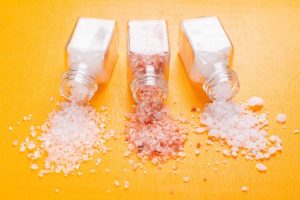
Laboratory work #9: «Obtaining and Properties of Salts»

Laboratory work #7: «Properties of acids»
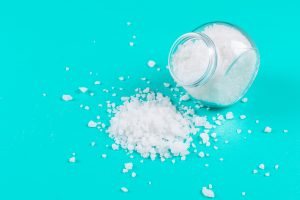
Laboratory work #8: “Studying the properties of bases”
Laboratory work #10: «Determination of water hardness»
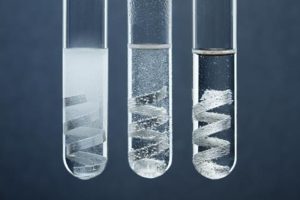
Laboratory work #3: The reaction of metals with acids
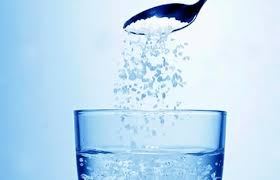
Laboratory work №5: Solubility of substances
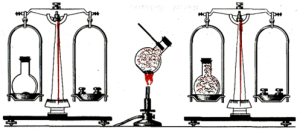
Laboratory work #2: Law of conservation of mass
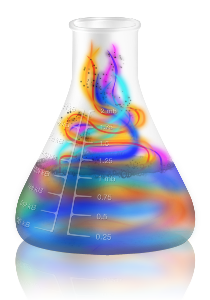
Laboratory work #4: Exothermic and Endothermic reactions
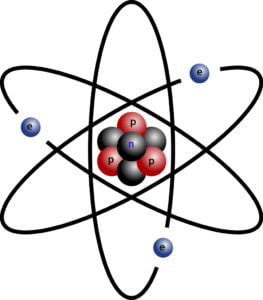
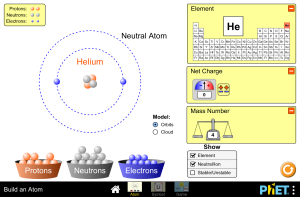
Laboratory work #1: Atomic theory
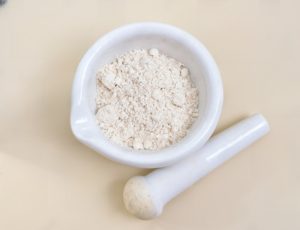
Laboratory work #8: «Chemical Properties of Calcium Oxide»
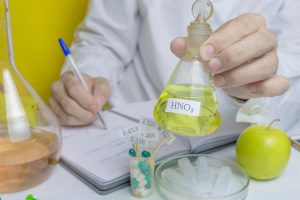
Laboratory work #13: “Common Properties of Nitric Acid with Other Acids”
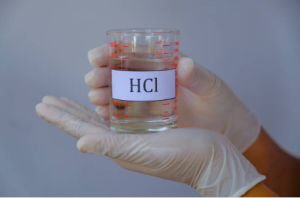
Laboratory work #10: «Properties of hydrochloric acid solution»
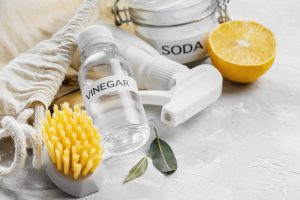
Laboratory work #16: «Properties of Acetic Acid»
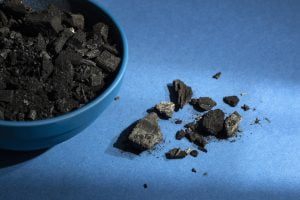
Laboratory work #15: «Determination of Carbon Content in Food Products»

Laboratory work #14: «The effect of acetic acid on eggshell»
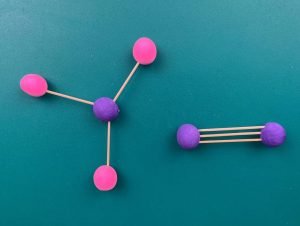
Laboratory work #11-12: «Model of nitrogen and ammonia molecules»
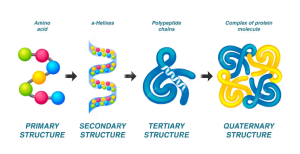
Laboratory work #17: «Protein denaturation»
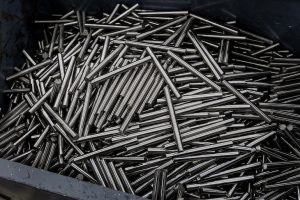
Laboratory work №9: Reaction of aluminum with bases
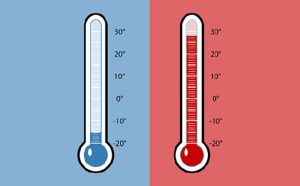
Laboratory work №6: Factors influencing the rate of a chemical reaction
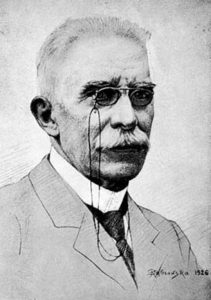
Laboratory work №7: Le Chatelier Principle

Laboratory work №3: Flame staining with cations.
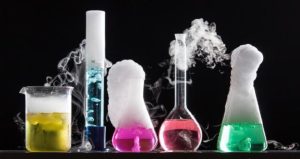
Laboratory work №4: The qualitative reactions for determination of cations and anions
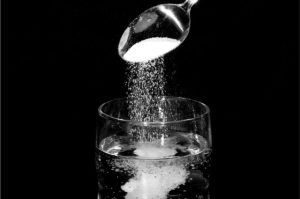
Laboratory work #2: Hydrolysis of salts
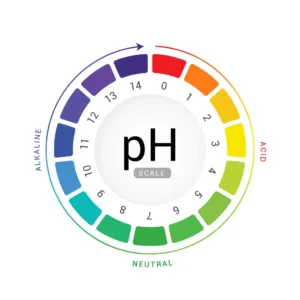
Laboratory work #1: Determination of pH
Laboratory work #6: «Properties of Oxides»
Laboratory work #9: «Obtaining and Properties of Salts»
Laboratory work #7: «Properties of acids»
Laboratory work #8: “Studying the properties of bases”
Laboratory work #10: «Determination of water hardness»
Laboratory work #3: The reaction of metals with acids
Laboratory work №5: Solubility of substances
Laboratory work #2: Law of conservation of mass
Laboratory work #4: Exothermic and Endothermic reactions
Laboratory work #1: Atomic theory
Laboratory work #6: «Properties of Oxides»
Laboratory work #9: «Obtaining and Properties of Salts»
Laboratory work #7: «Properties of acids»
Laboratory work #8: “Studying the properties of bases”
Laboratory work #10: «Determination of water hardness»
Laboratory work #3: The reaction of metals with acids
Laboratory work №5: Solubility of substances
Laboratory work #2: Law of conservation of mass
Laboratory work #4: Exothermic and Endothermic reactions
Laboratory work #1: Atomic theory
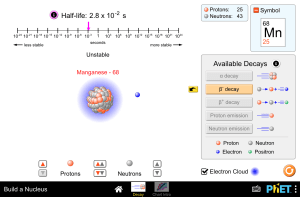
Isotope stability and radioactive decay
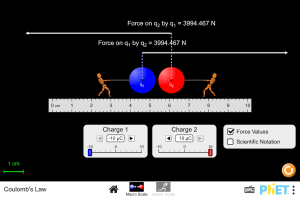
Mechanism of Ionic Bonding
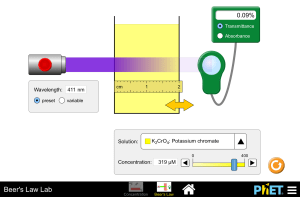
Beer’s Law
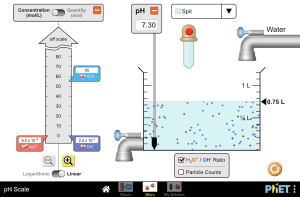
Ion ratio of acidic and basic solutions
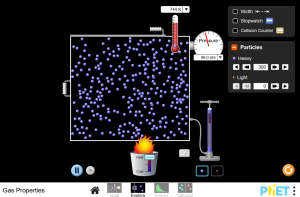
The Ideal Gas Law (Clapeyron-Mendeleev equation)
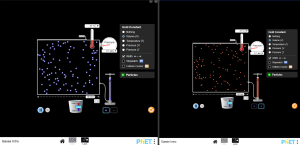
Avogadro’s Law
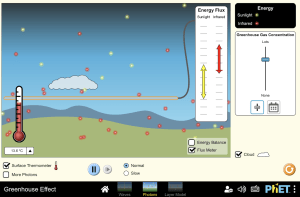
Impact of the Greenhouse effect
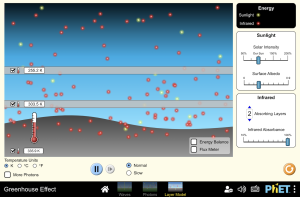
Greenhouse effect
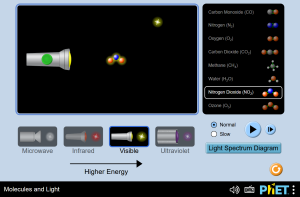
Greenhouse gases

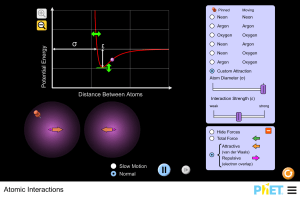
Atomic interactions
Rutherford experiment
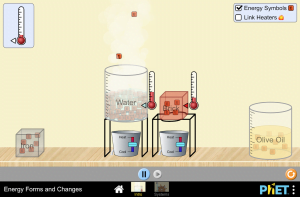
Law of Conservation of Energy
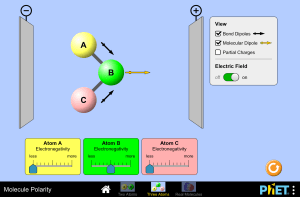
Electronegativity
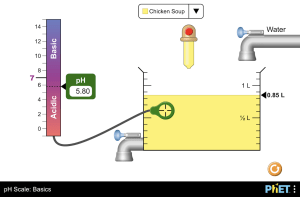
Study of the acidity and alkalinity of solution media
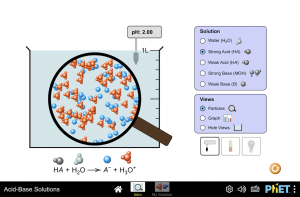
Electrolytic dissociation
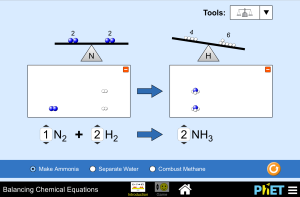
Balancing chemical equations
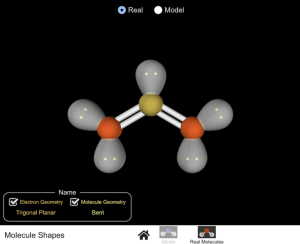
Valence shell electron pair repulsion(VSEPR) theory
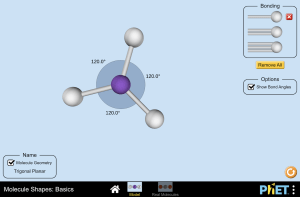
Molecule geometry
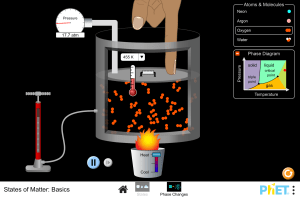
States of matter: Basics
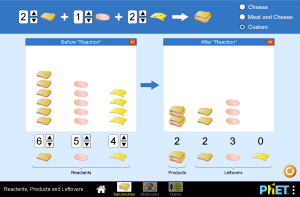
Reactants, products and leftovers
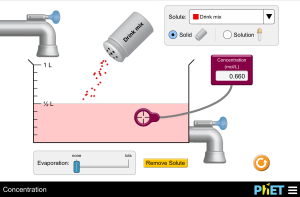
Concentration
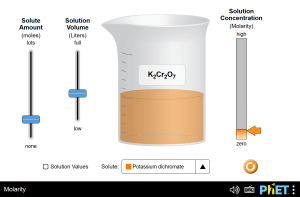
Molarity
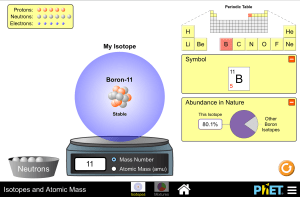
Isotopes and atomic mass
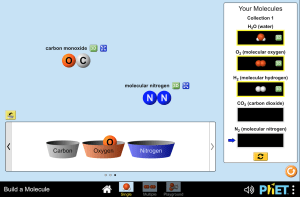
Molecular structure
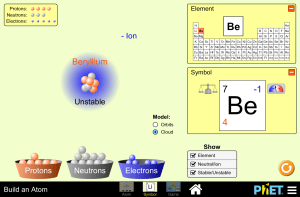
The movement of electrons in atoms. Electron shells